Tabelog 100 #20
Our verdict
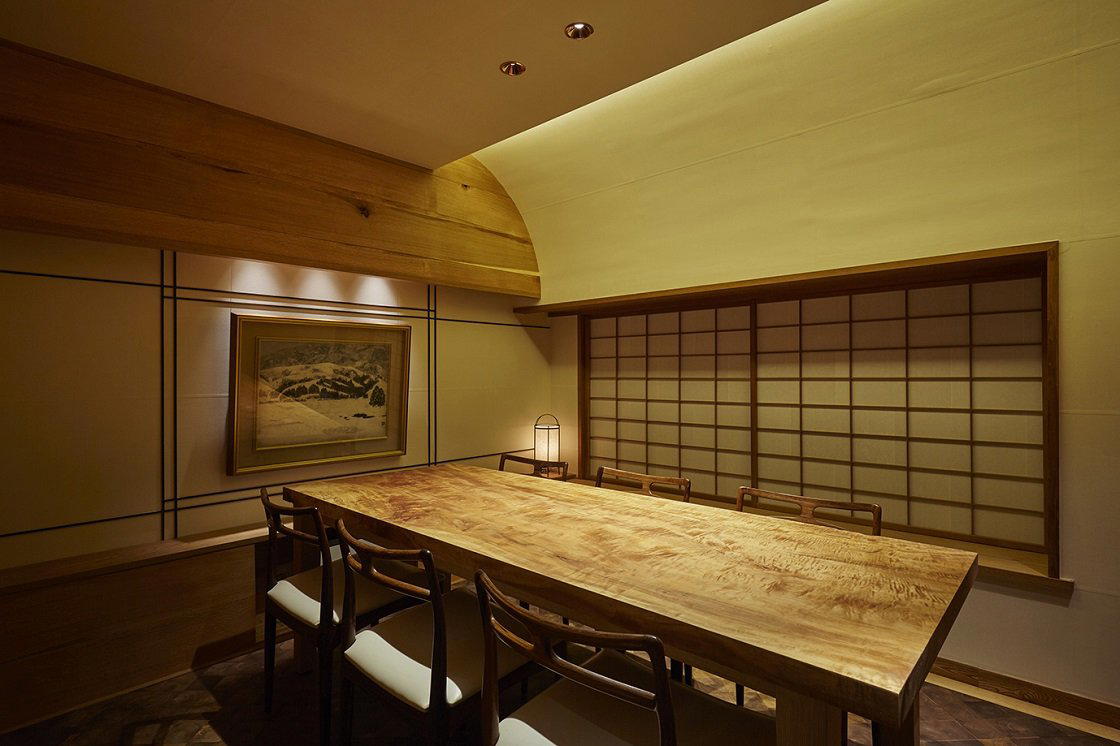
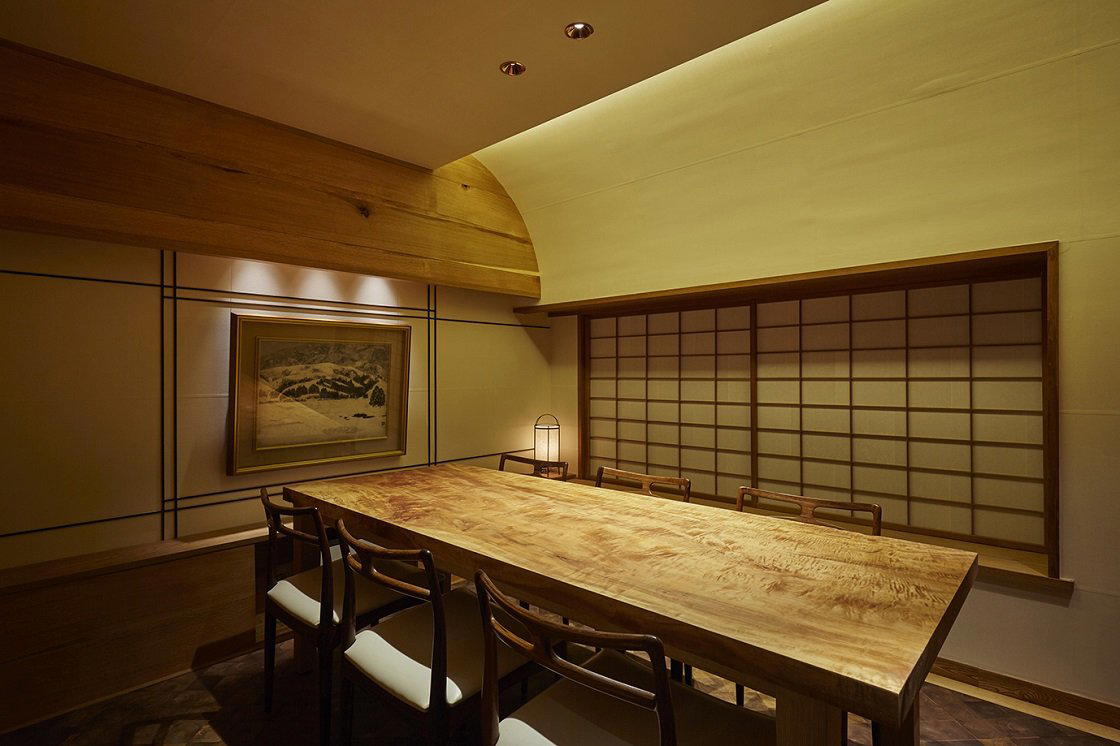
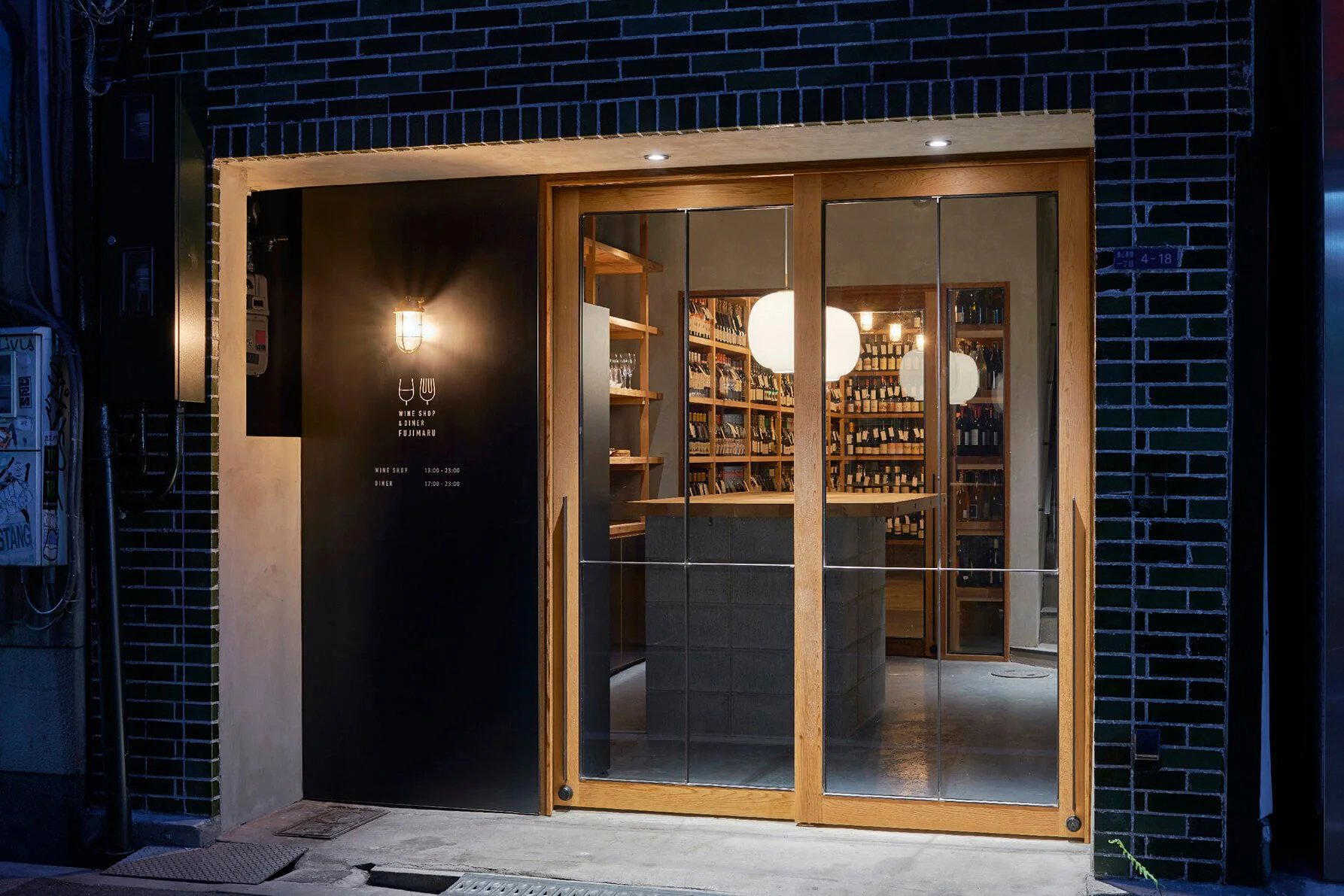
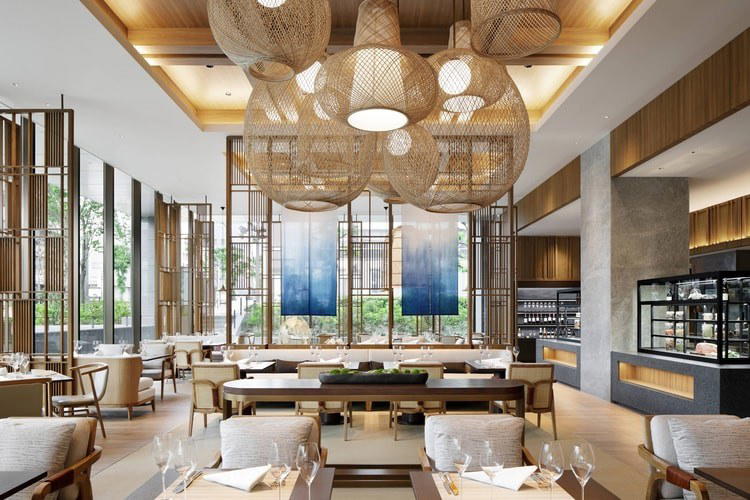
Nagahori is a compact Uemachi izakaya-kappo address where the room matters as much as the cooking: 20 seats split between counter and tables, private room space for four, and a house-restaurant setting rather than a street-facing tavern. Its Tabelog 100 Izakaya WEST 2025 selection and fish-led Japanese cooking place it in Osaka’s serious drinking-and-dining tier, not the casual after-work category.

Pearl is the En Primeur Club membership app — saves, bookings, and concierge access live there. Same editors, same standards.
The menu
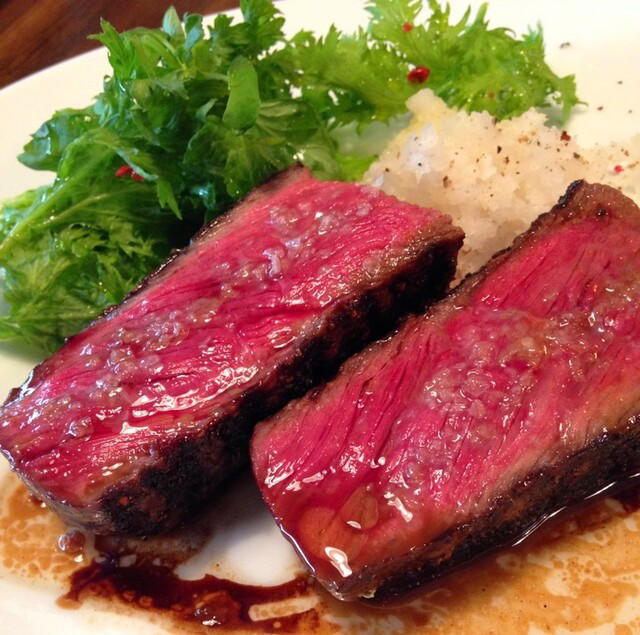
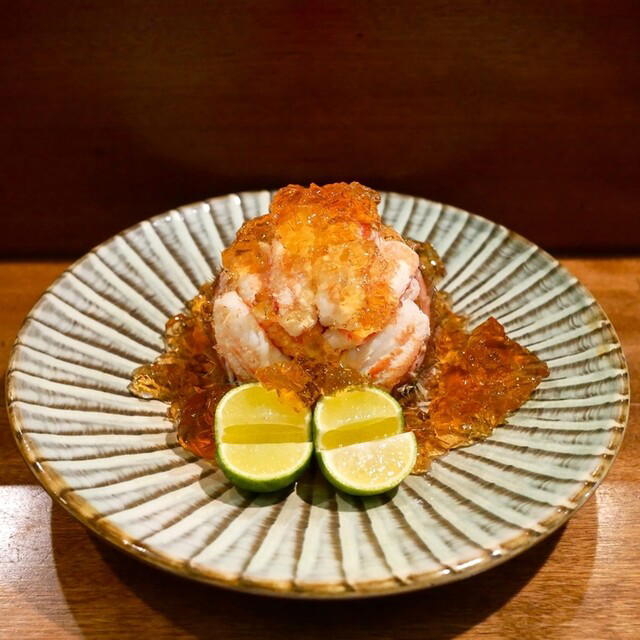
What to order
- Seasonal sashimi selection
- Crab croquette
- Beef and vegetable shabu shabu
- Marinated eggplant
Approach matters in Osaka’s smaller izakaya rooms. The city can be loud, neon-lit and direct, but its serious counters ask for a slower read: modest frontage, careful pacing, and a room where the rhythm matters before the first order. Nagahori belongs to that quieter Osaka register. The format is clear: not a grazing crawl or station-side beer hall, but a compact Japanese room built around proximity, pacing and dining etiquette.
Osaka’s izakaya culture spans quick drinking stops to more deliberate rooms that overlap with creative Japanese cooking. Nagahori sits toward the latter end. Its listed categories are izakaya, creative cooking and Japanese cuisine. In a city where izakaya can mean many things, those signals narrow the field. The pleasure is less maximal variety than a focused room using the izakaya framework for deliberate Japanese dining.
A counter-led Osaka izakaya with Japanese dining discipline
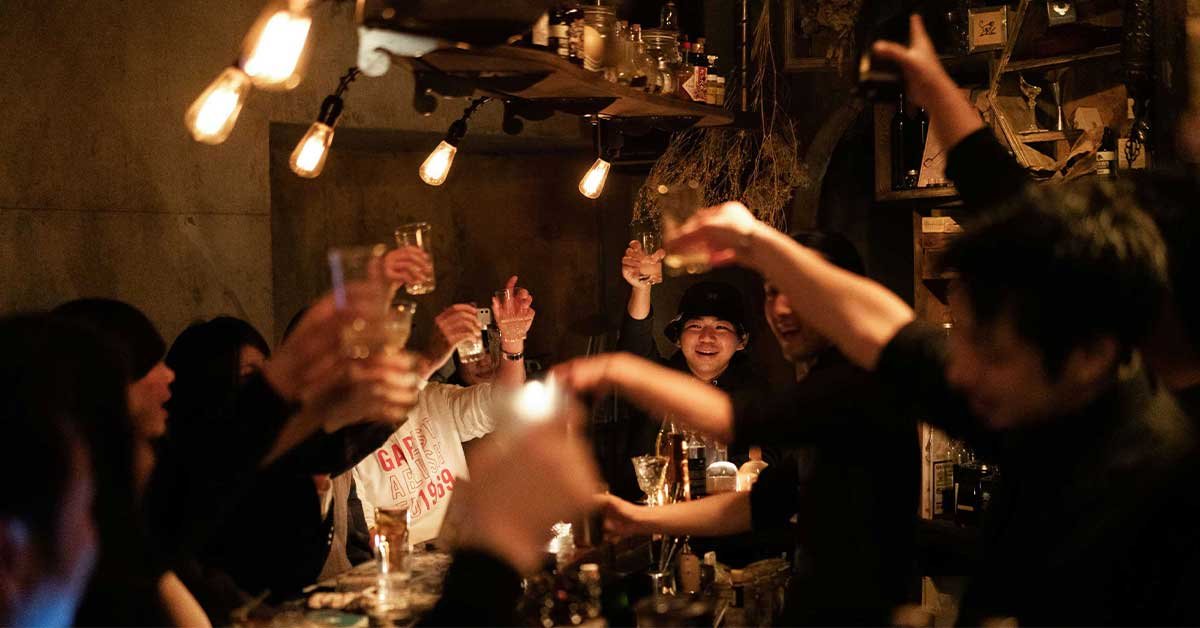
The room’s appeal is the sense of closeness. Rather than treating the meal as an anonymous stop, Nagahori reads as the kind of Osaka address where pacing, conversation and service shape the evening. Osaka has long understood the counter and small dining room as theatre without spectacle: guests notice preparation, timing and service decisions, while conversation stays close. The setting supports the house.
The food positioning also points beyond generic tavern cooking. The official category listing places Nagahori across izakaya, creative cooking and Japanese cuisine, which is a useful description for a room that uses the casual language of a tavern without feeling casual in intent. The useful Osaka comparison is not a cheap noodle shop such as Chukasoba Uemachi or an everyday soba stop such as Sobakiri Imose, but the city’s smaller specialist rooms where price and pacing move into a more deliberate register.
Tabelog selected Nagahori for its Izakaya WEST 100 list in 2025. Its Tabelog score is 3.79, meaningful in a category where local regulars and repeat dining often matter more than international guide visibility. A list does not replace judgment, but the recognition places the room among western Japan’s closely watched drinking-and-dining addresses, where reservations, timing and repeat custom can shape access.
The room frames the meal before the menu does
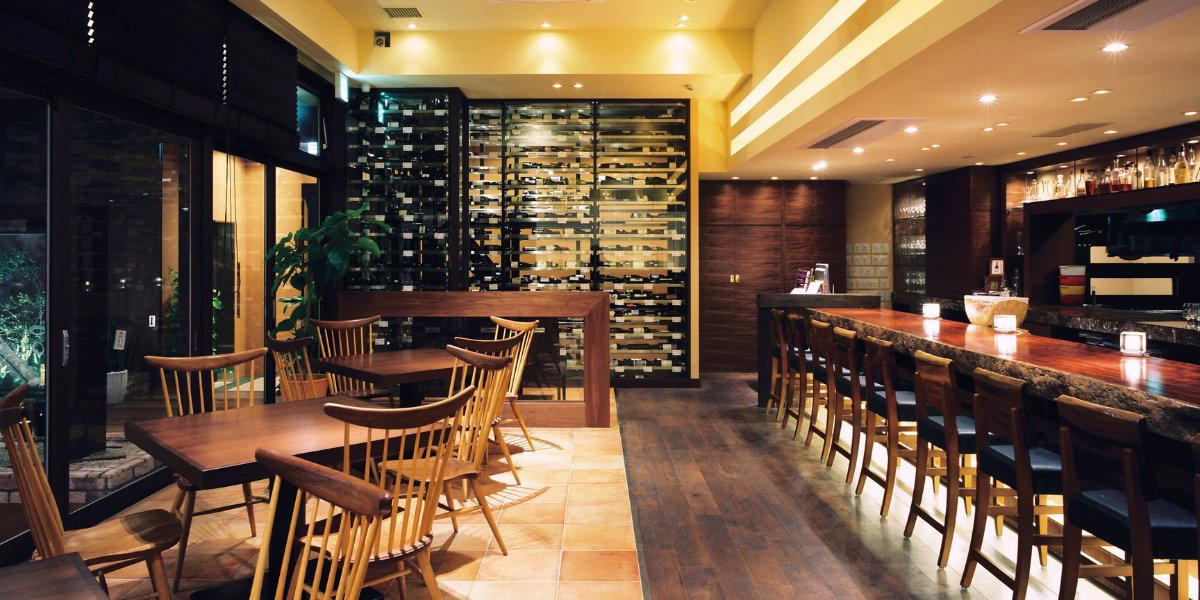
Design is not merely decorative in this kind of restaurant. In a smaller Osaka dining room, space controls the evening: how long guests settle in, how much they hear from the kitchen, how quickly a table loosens into drinking. Nagahori’s appeal comes from that scale and focus, useful for diners who want Japanese cooking without turning the night into a large-room occasion.
Osaka rewards this register. The city’s dining identity is often summarized through appetite and informality, but that misses rooms where informality and precision coexist. Nagahori’s JPY 10,000 to JPY 14,999 budget for both lunch and dinner places it above casual izakaya spending and below the city’s rarefied fine-dining ceiling. That middle-high bracket is where experienced travelers often find Osaka most persuasive: serious intent, a compact room, enough structure to feel considered, without the stiffness associated with a more formal restaurant.
Nearby alternatives sharpen the decision. Kiyo Suke offers another Osaka option in a premium restaurant context. Être à l'aise sits in a different category, a separate answer to the same premium-evening question. Kotikaze and Chukasoba Uemachi read as easier, lower-commitment stops. Nagahori is for the night when the room is part of the draw: Japanese drinking culture, creative cooking and tighter social scale.
How to place it in an Osaka itinerary
Nagahori should be thought of simply as an Osaka dining address rather than reduced to a tourist landmark or nightlife district. For travelers, that changes the evening’s pacing. Treat this as the anchor of a night rather than a prelude to several stops, especially given the price tier and more deliberate format.
Planning should account for access. Small Osaka restaurants can be less forgiving than large casual venues, and Nagahori’s positioning makes advance planning sensible. The listed phone number is +81-6-6768-0515. Its published budget is JPY 10,000 to JPY 14,999 for both dinner and lunch. These are not incidental details; in Japan’s small-room dining culture, logistics are part of the editorial judgment. A focused room at this spend is not an easy casual fallback.
For wider Osaka planning, use Our full Osaka restaurants guide alongside Our full Osaka hotels guide, Our full Osaka bars guide, Our full Osaka wineries guide and Our full Osaka experiences guide. Nearby and category-adjacent restaurant reading can be kept to other Osaka dining rooms depending on the shape of the day. For broader context, compare Nagahori with named Osaka peers such as Kiyo Suke, Kotikaze, Sobakiri Imose, Chukasoba Uemachi and Être à l'aise, while treating unnamed dining elsewhere in Japan or overseas only as general reference points rather than direct comparisons.
Frequently asked questions
What's the address for Nagahori?
Osaka.
What price level is Nagahori?
Pricing at Nagahori is listed as JPY 10,000 - JPY 14,999 JPY 10,000 - JPY 14,999 View spending breakdown.
What are the opening hours for Nagahori?
What makes Nagahori worth seeking out?
Nagahori is an Osaka izakaya listed for creative cooking and Japanese cuisine. It was selected for Tabelog 100 Izakaya WEST 2025 and carries a Tabelog score of 3.79, placing it firmly in Osaka’s serious izakaya conversation.
How does Nagahori handle allergies?
Specific allergy handling is not confirmed here, so guests with dietary restrictions should contact Nagahori directly before booking or ordering.
Side-by-Side Snapshot
Comparable venues for orientation by cuisine and category.
| Venue | Cuisine | Price | Awards | Notes |
|---|---|---|---|---|
| NagahoriThis venue (the venue you are viewing) | Michelin-starred Japanese Izakaya Omakase | $50–100 | Tabelog 100 #20 | Not listed |
| Hari Ju Doutonbori honten | Traditional Wagyu Sukiyaki & Shabu-shabu | $50–100 | Tabelog 100 #9 | Chūō |
| Takuya | Modern tonkatsu & pork dishes | $50–100 | Tabelog 100 #15 | Kita |
| Yakiniku Horumon Uchida | Yakiniku & Horumon (Japanese BBQ) | $30–50 | Tabelog 100 #8 | Kita |
| Sumibi Yakitori Nakao | Traditional Charcoal-Grilled Yakitori | $50–100 | Tabelog 100 #3 | Chūō |
| Wagyu Matsushita Kamidoori ten | Premium Wagyu Yakiniku, Sukiyaki & Shabu-Shabu | $100–150 | Tabelog 100 #55 | Kita |
Recognition history
Dated appearances from independent guides and award organizations, with the underlying list record or original source where available.
Tabelog 100 #20 · No. 20
Tabelog · Tabelog 100 - Izakaya - WEST - 2025