Myoko
Myoko sits on Bahnhofstrasse 5 in the car-free centre of Zermatt, positioning it within a small cluster of serious dining rooms that serve the resort's upper tier. Against a backdrop where Alpine tradition and international kitchen ambition frequently converge, Myoko's name signals Japanese culinary reference in a Swiss mountain context, a pairing that reflects a broader shift in how Zermatt's restaurant scene has evolved over the past decade.
 Discover on Pearl
Pearl is the En Primeur Club membership app — saves, bookings, and concierge access live there. Same editors, same standards.
- Address
- Bahnhofstrasse 5, 3920 Zermatt, Switzerland
- Phone
- +41 27 966 00 27
- Website
- schweizerhofzermatt.ch
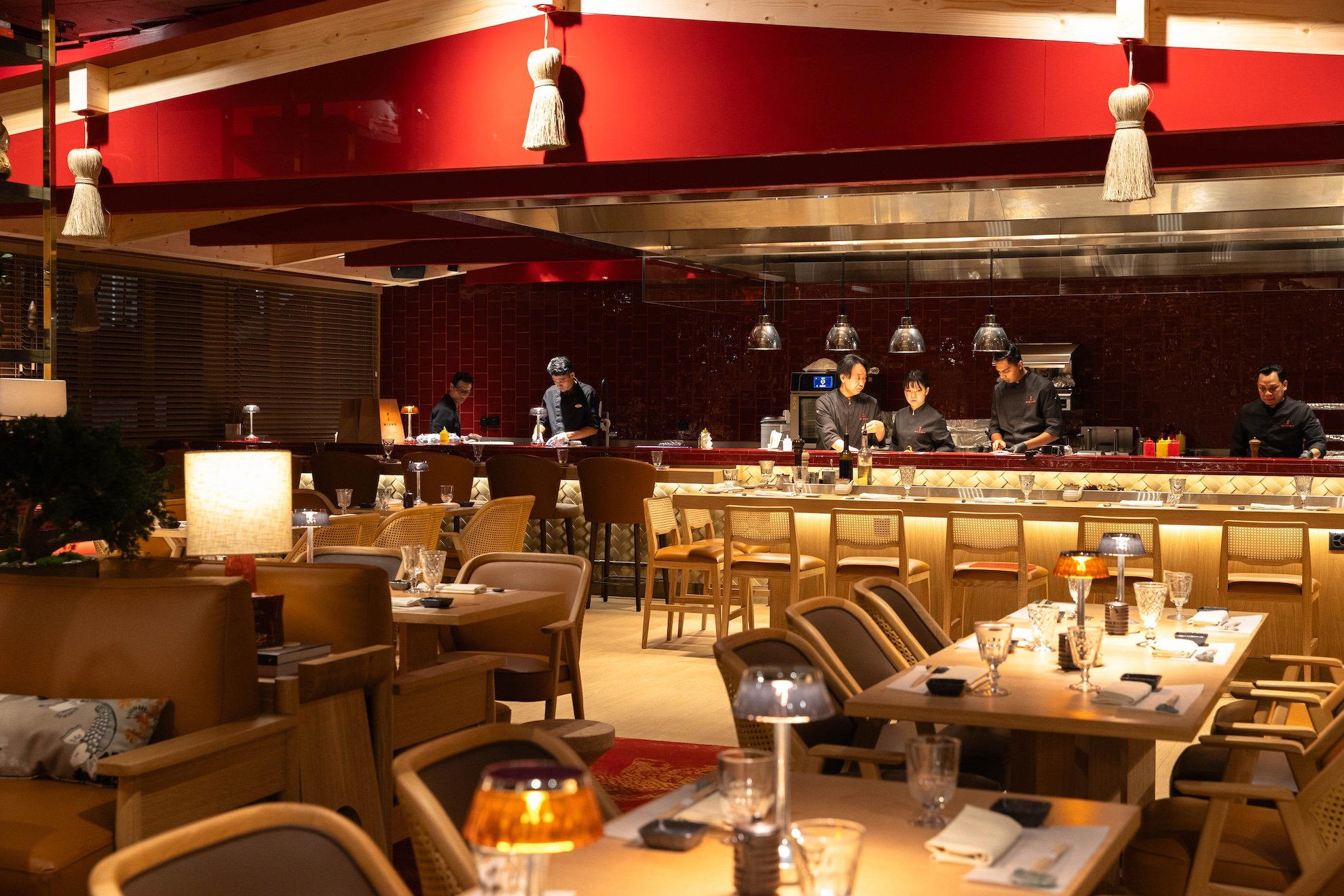
Bahnhofstrasse and the Architecture of Zermatt Dining
Zermatt's main pedestrian artery, Bahnhofstrasse, functions as more than a thoroughfare between hotels and ski lifts. It is the spine along which the resort's serious dining rooms have accumulated, each occupying a position that reflects something about how alpine hospitality has changed since the era when fondue and raclette were the ceiling of local ambition. Myoko sits at number 5 on that street, which places it in direct proximity to some of the most competitive restaurant territory in the Swiss Alps. The address alone is a signal: guests arriving at this stretch of Zermatt are not browsing casually. They are choosing between formats, comparing kitchens, and making deliberate reservations.
That context matters because Zermatt's dining scene is no longer legible as a single category. The resort now contains everything from Alpine heritage rooms serving regional Valais cuisine to contemporary European kitchens and, increasingly, internationally inflected concepts that treat the mountain setting as backdrop rather than subject. Myoko's name positions it within that last current: Japanese culinary reference applied in a high-altitude Swiss context, a pairing that has become more common across European luxury resort towns as operators recognise that their clientele arrives from global capitals with expectations shaped by Tokyo, New York, and London.
Japanese Reference in the Alps: A Pattern Worth Understanding
The presence of Japanese-influenced dining in Alpine resorts is not accidental. The resort market that sustains Zermatt's upper tier draws heavily from international visitors who spend significant parts of the year in cities where Japanese technique, precision knife work, temperature control, ingredient minimalism, has become a standard of reference for serious cooking. When a Zermatt address carries a Japanese name, it is speaking to that audience directly, signalling a kitchen sensibility rather than simply an ethnic category.
This is a different proposition from the pan-Asian menus that populated European resort restaurants a generation ago. Contemporary Japanese-inflected dining in Europe tends to operate closer to the discipline of an omakase counter or a kaiseki progression than to a broad fusion menu. Whether Myoko operates within a tasting format, an à la carte structure, or some hybrid of the two is not confirmed in the current record, but the name and address together suggest a kitchen that is positioning itself within the more focused end of Zermatt's spectrum rather than the casual centre.
For comparison, After Seven in Zermatt operates at the creative end of the local market, while Brasserie Uno takes a contemporary European approach in the same price bracket. Chez Vrony anchors the regional Valais tradition, and Alpine Gourmet Prato Borni represents the mountain-terrace format that has become one of Zermatt's most recognisable dining signatures. 1818 Eat & Drink adds further breadth to the town's options. Myoko's Japanese orientation carves out a distinct lane within this set, differentiating by reference point rather than by price alone.
Zermatt as a Restaurant City: Expectations and Calibration
It is worth being precise about what dining in Zermatt costs, logistically and financially. The resort is car-free, accessible only by cog railway from Täsch, and that insularity has a direct effect on the economics of every business on Bahnhofstrasse. Ingredients arrive by rail. Staff accommodation is a constraint. The operational costs embedded in every plate served here are structurally higher than in a comparable urban restaurant, and the clientele that supports Zermatt's upper dining tier understands that.
Switzerland's broader fine dining register is anchored by addresses like Hotel de Ville Crissier in Crissier, Schloss Schauenstein in Fürstenau, and Cheval Blanc by Peter Knogl in Basel, each of which has accumulated significant critical recognition. The resort tier, which includes addresses like Da Vittorio in St. Moritz and 7132 Silver in Vals, operates with a different set of pressures: seasonal demand spikes, international clientele, and the challenge of maintaining kitchen quality at altitude and altitude-imposed logistics. Memories in Bad Ragaz, Colonnade in Lucerne, focus ATELIER in Vitznau, Einstein Gourmet in Sankt Gallen, and IGNIV Zürich by Andreas Caminada in Zurich round out a Swiss restaurant field that is more geographically distributed and stylistically varied than its relatively modest international profile suggests. Myoko enters this field as a Zermatt-specific proposition, shaped by the resort's particular economics and its guest profile.
Planning a Visit: What to Know Before You Go
Myoko's address on Bahnhofstrasse 5 makes it walkable from Zermatt's main station. The car-free village means access on foot is both necessary and, in practice, direct: the main street runs directly from the station and Myoko sits near the start of the commercial strip.
For reference points in New York City, Atomix in New York City and the seafood precision of Le Bernardin in New York City offer context.
- wagyu beef teppanyaki
- otoro sashimi
- sea urchin nigiri
- yellowtail sashimi
- chicken teriyaki
- lobster teppanyaki
The Short List
Comparable venues nearby, for context on price, style, and recognition.
| Venue | Cuisine | Price | Notes |
|---|---|---|---|
| MyokoThis venue — the venue you are viewing | $$$$ | ||
| L'Epicure | Zermatt, French Alpine Fine Dining | $$$$ | |
| Saveurs | Zermatt, Modern French with Local Fusion | $$$$ | |
| Findlerhof | $$$ | Findeln, Authentic Swiss with Mediterranean influences | |
| Adler Hitta | Findeln, Swiss Alpine Rotisserie | $$$ | |
| Chez Heini | Zermatt, Swiss Lamb Grill | $$$ |
Continue exploring
More in Zermatt
Restaurants in Zermatt
Browse all →
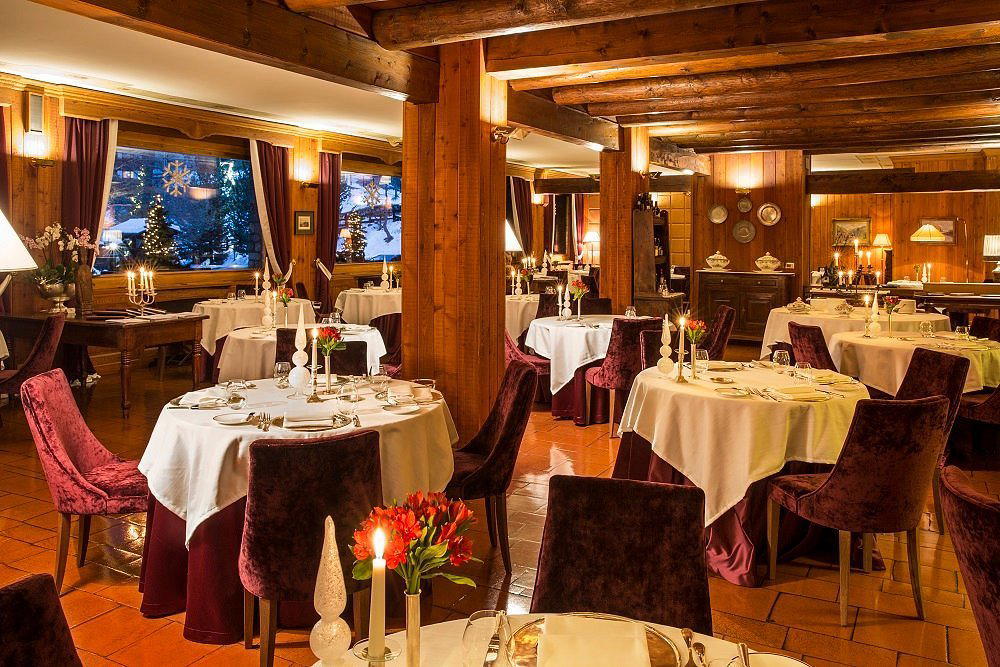
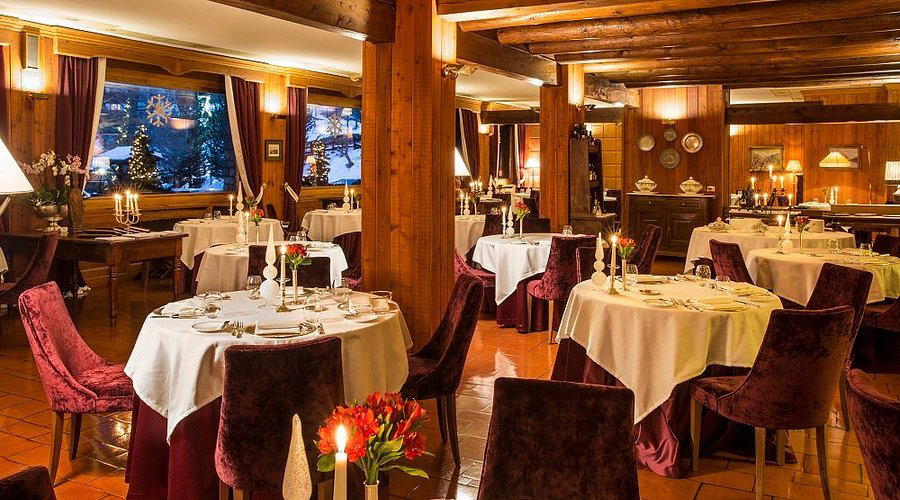
Bars in Zermatt
Browse all →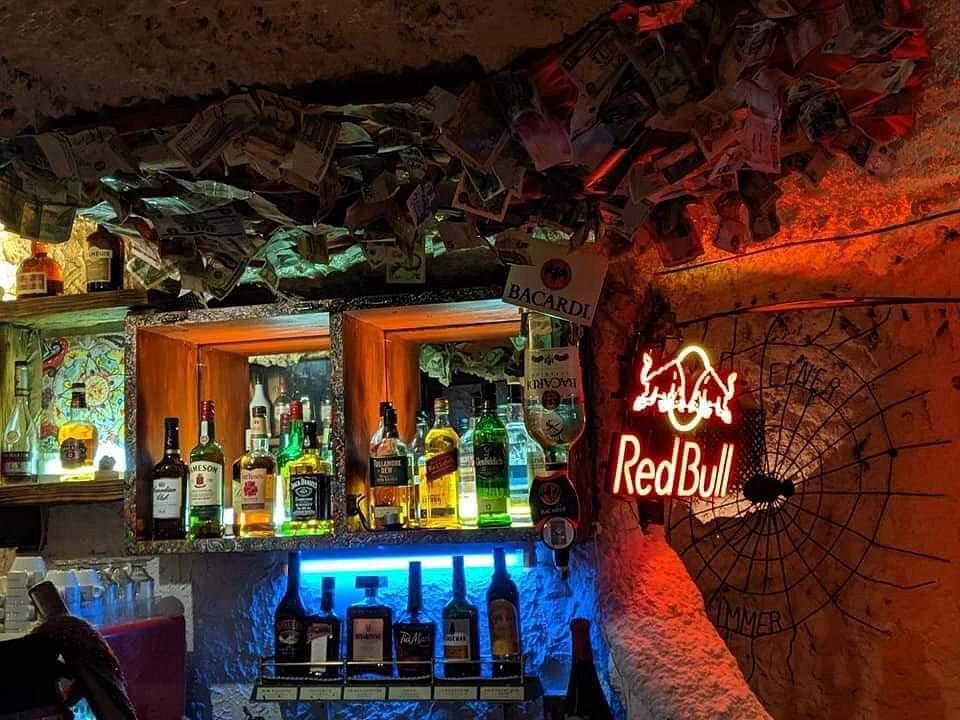
Hotels in Zermatt
Browse all →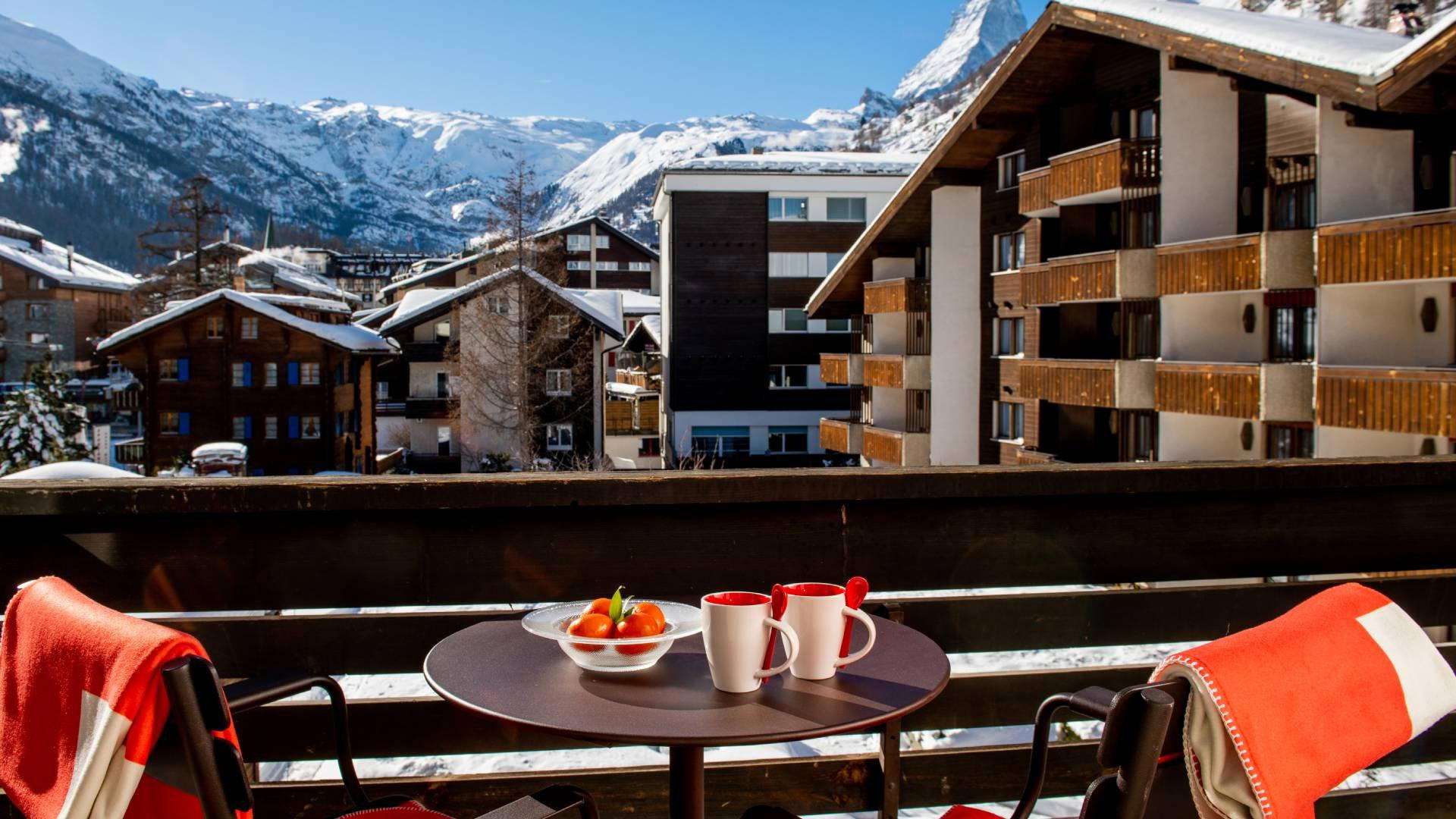
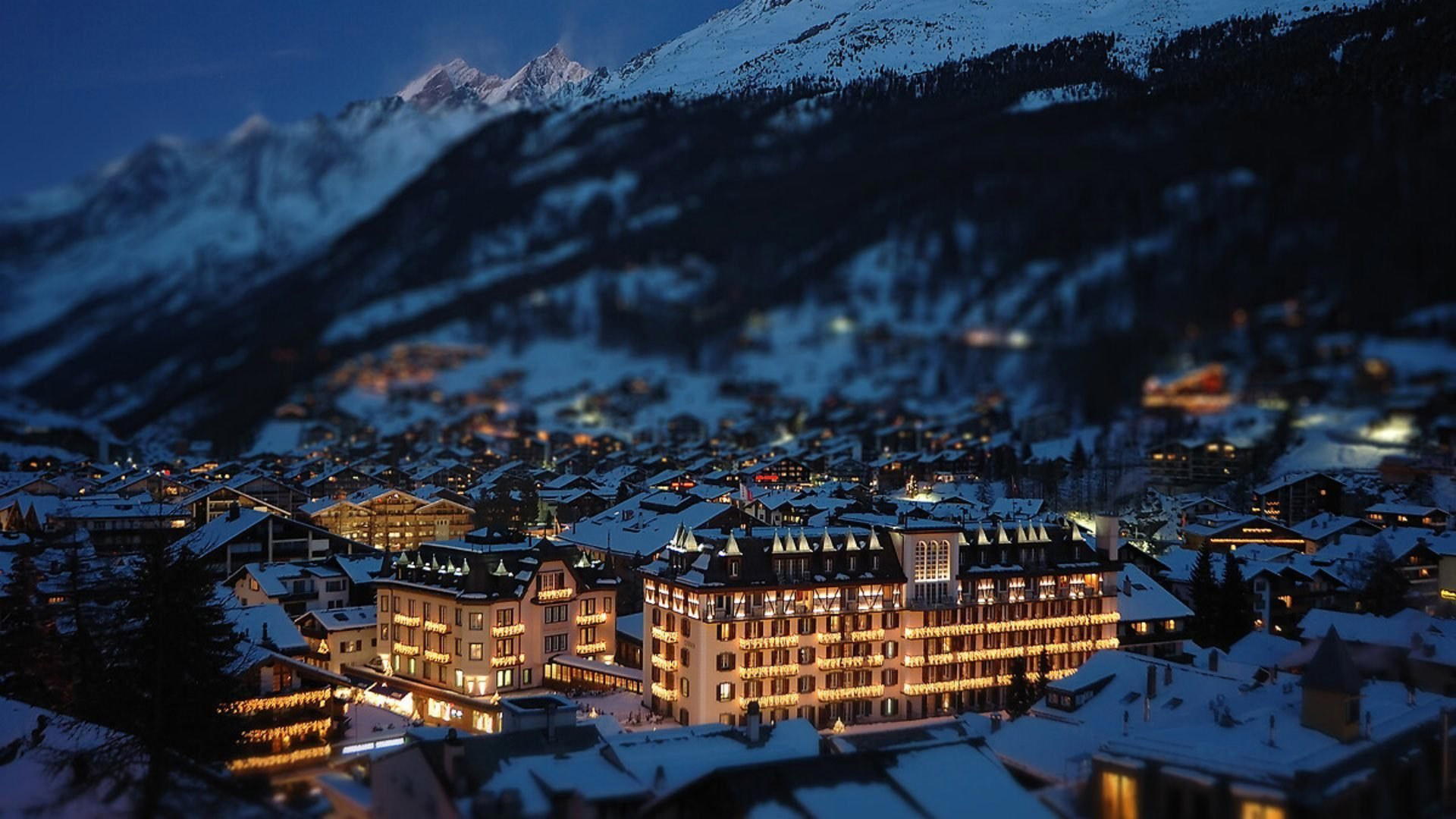
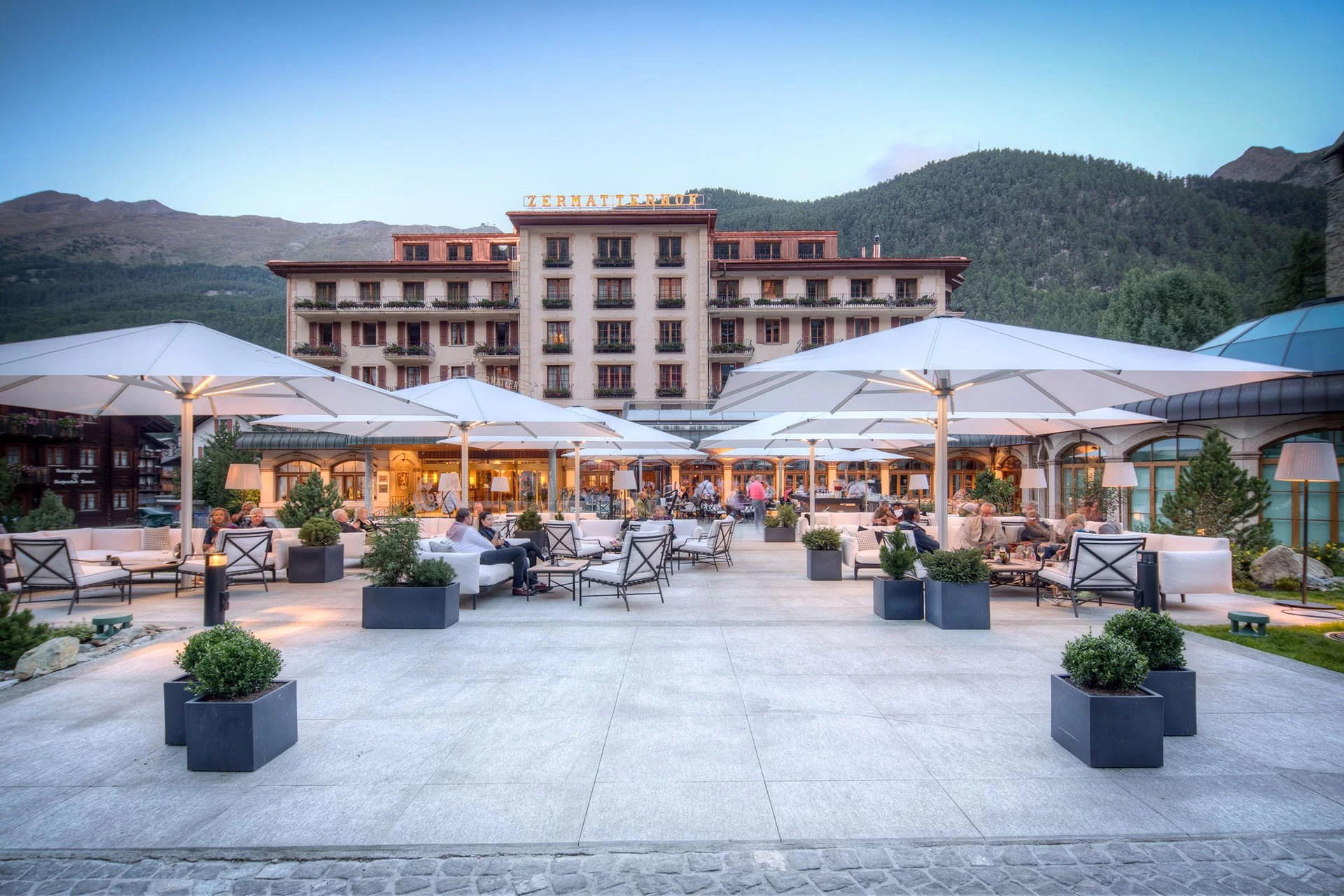
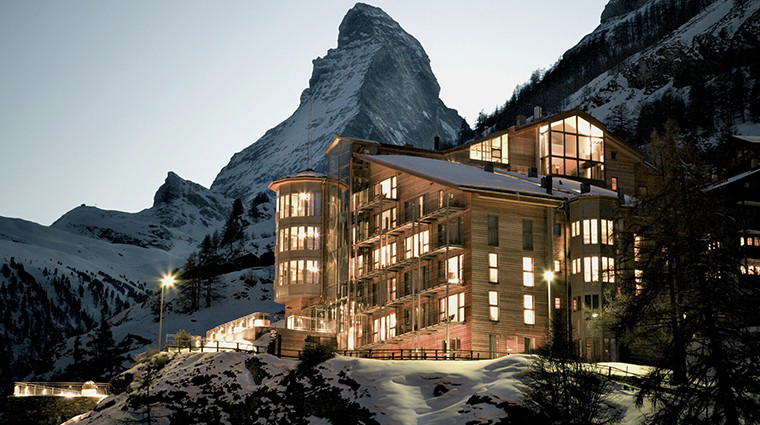
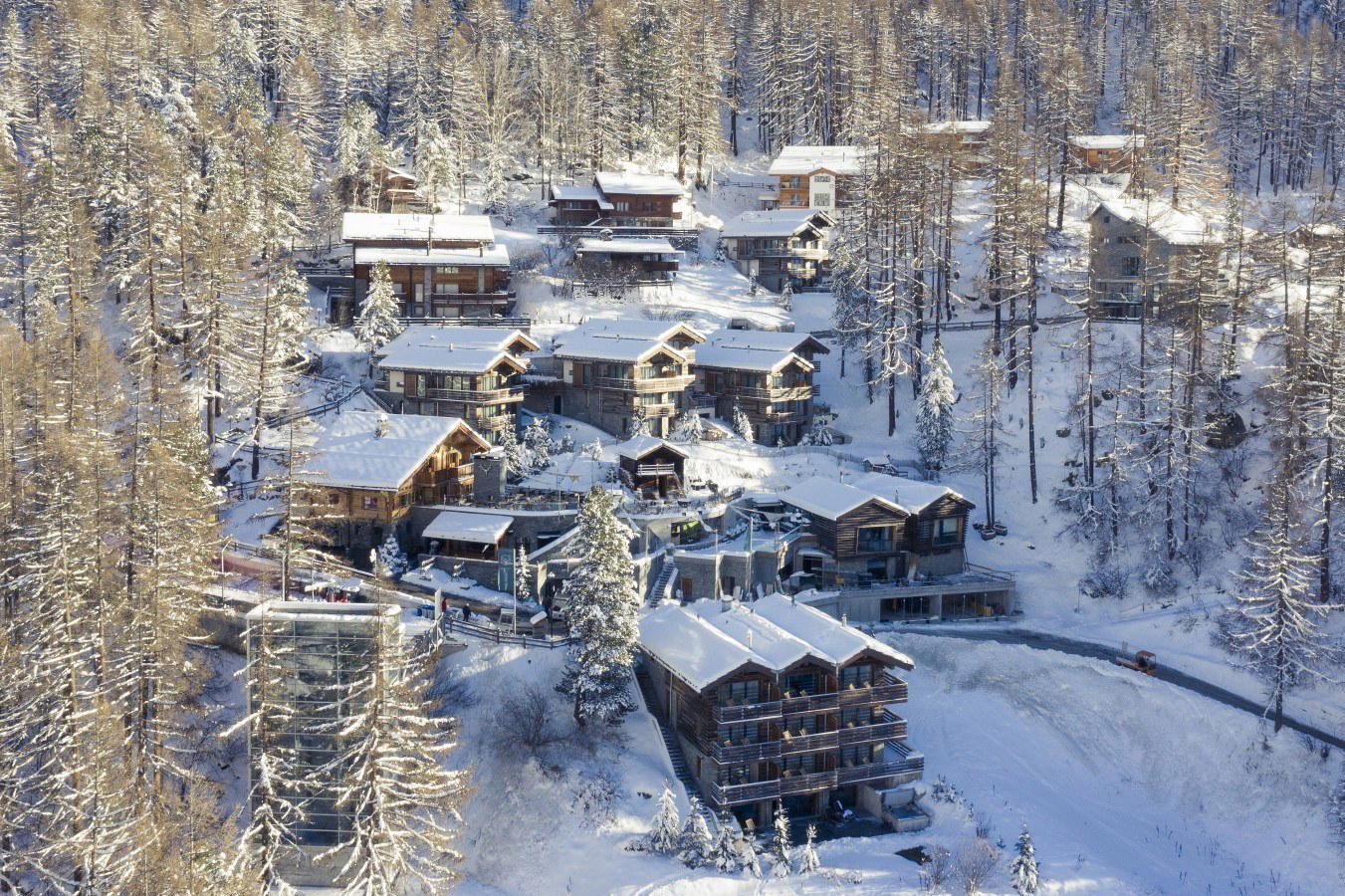
Wineries in Zermatt
Browse all →
At a Glance
- Elegant
- Modern
- Sophisticated
- Date Night
- Special Occasion
- Celebration
- Group Dining
- Open Kitchen
- Chefs Counter
- Hotel Restaurant
- Private Dining
- Sake Program
- Craft Cocktails
- Sustainable Seafood
Elegant and immersive with an impressive open kitchen, spacious dining room, tasteful modern Japanese decor blending contemporary and traditional elements, and warm lighting creating an inviting atmosphere.
- wagyu beef teppanyaki
- otoro sashimi
- sea urchin nigiri
- yellowtail sashimi
- chicken teriyaki
- lobster teppanyaki