Schäferstube
Our verdict
Schäferstube runs as a Hotel Julen restaurant in Zermatt for Traditional Valais Swiss with Lamb Specialties, paired with an extensive wine list and a leisurely dinner pace.

Pearl is the En Primeur Club membership app, where members save venues, book tables and use the concierge.
The menu
What to order
- Zermatt lamb specialties
- Raclette
- Cheese fondue
- Meat fondue
- Black nose lamb
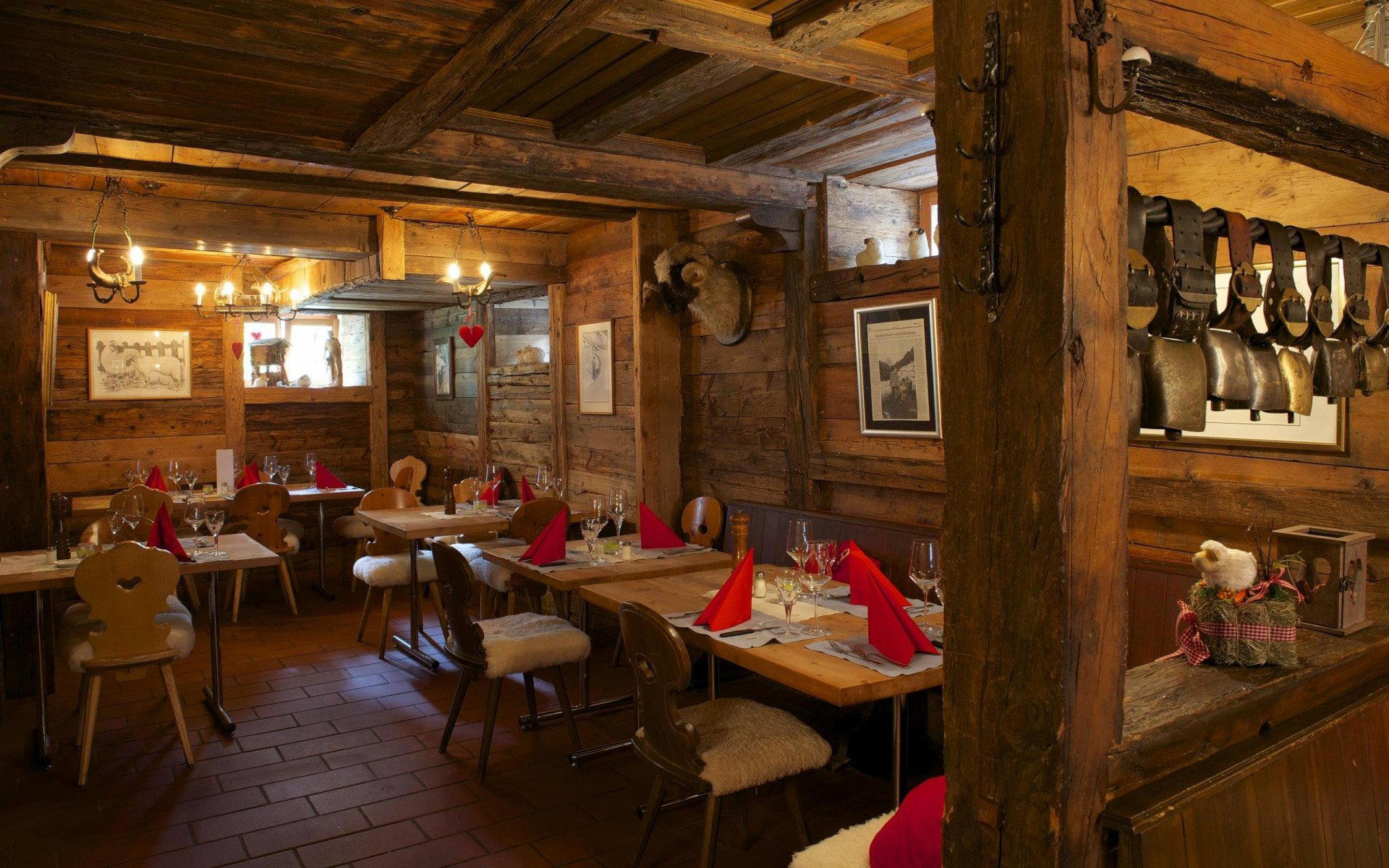
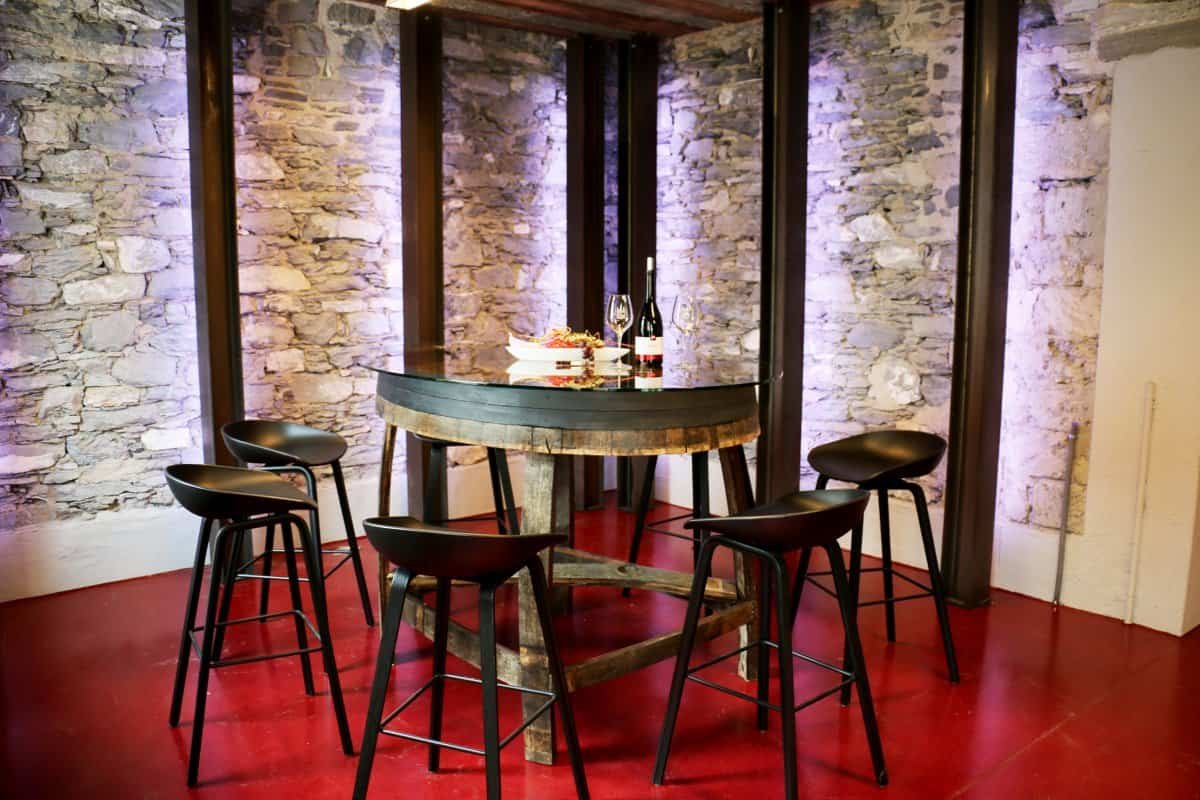
A Shepherd's Room in the Alps
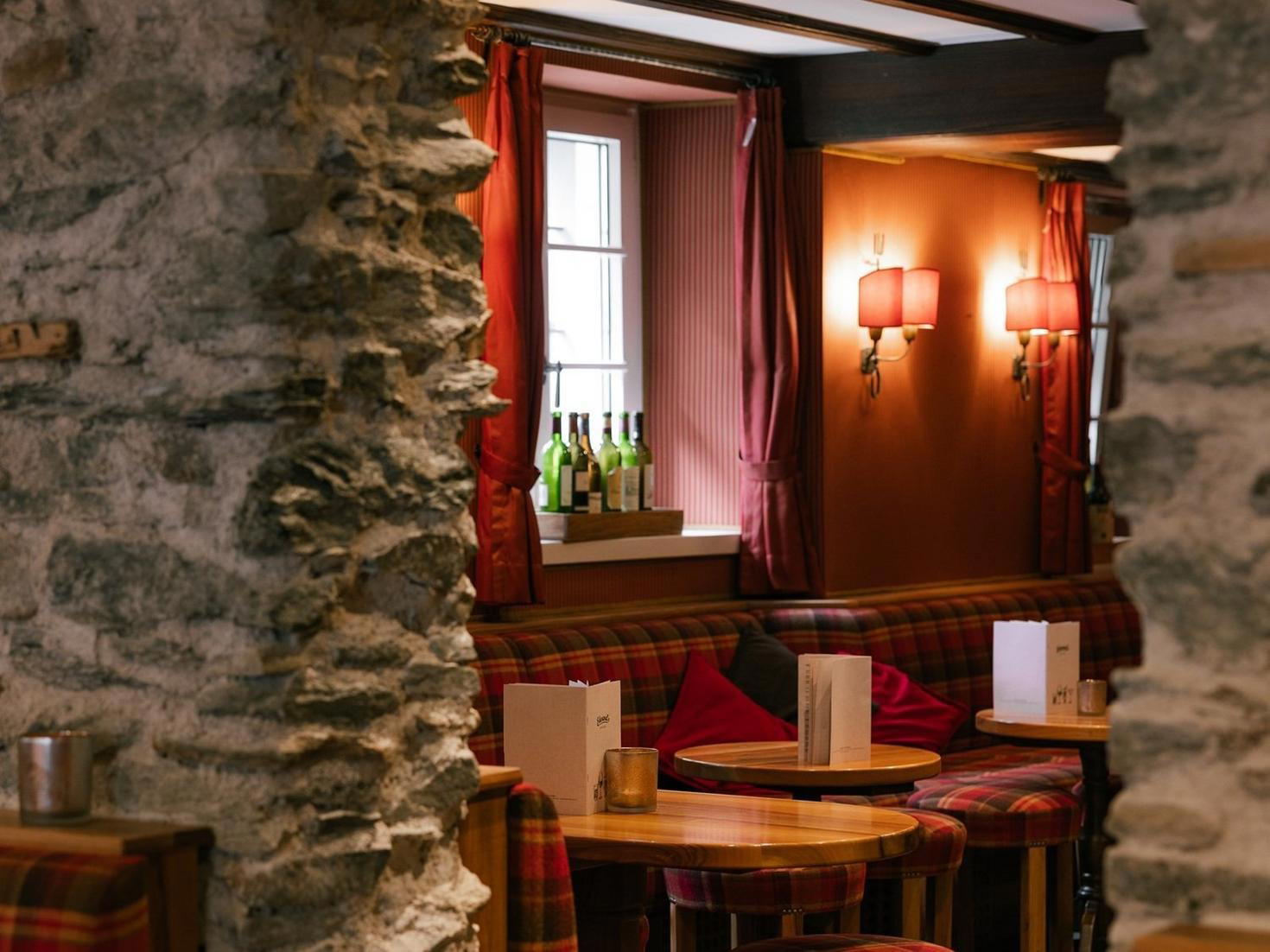
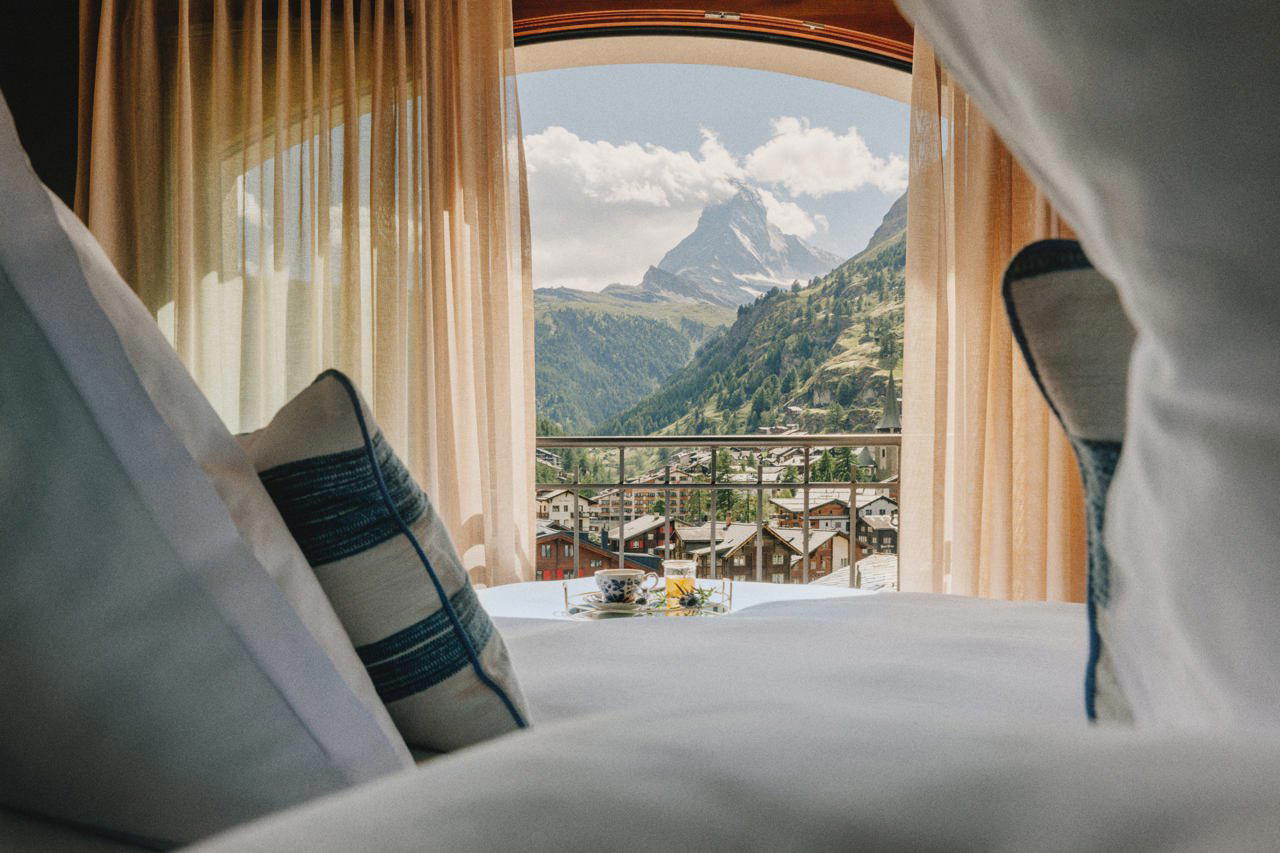
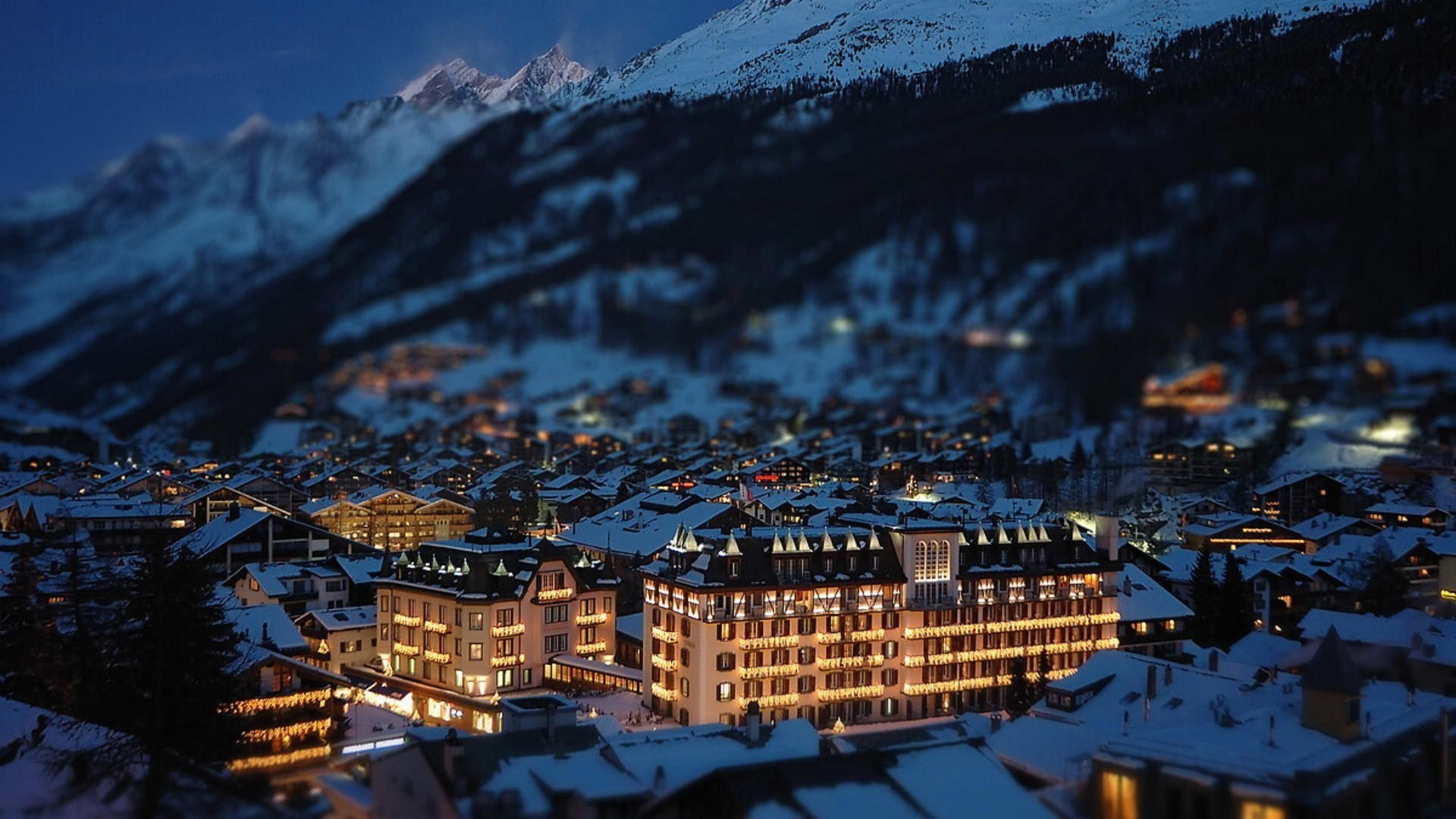
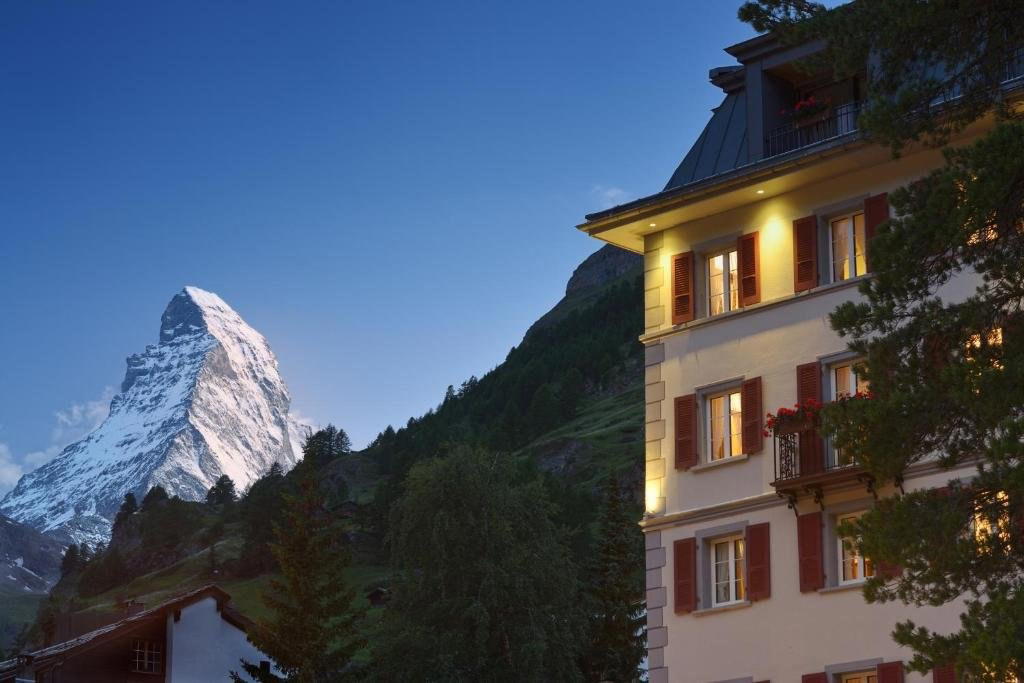
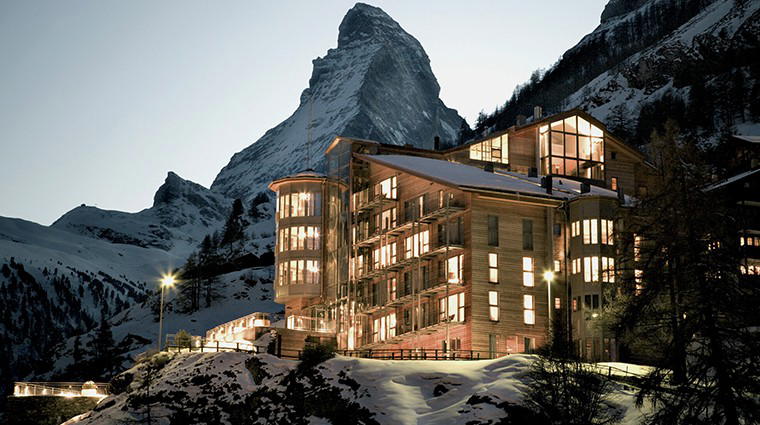
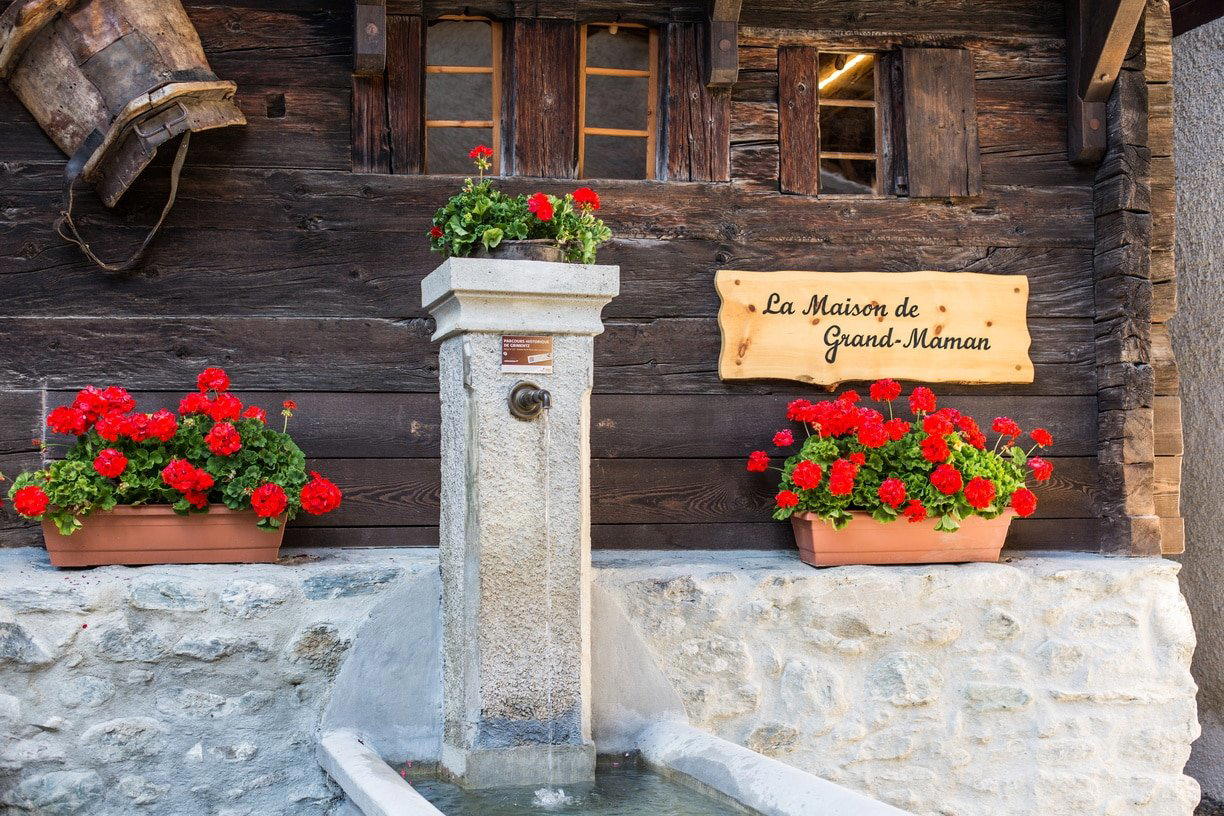
Zermatt does not warm up slowly. The village arrives at altitude, framed by the Matterhorn on one side and a pedestrian-only high street on the other, and the dining scene reflects that compressed intensity: you are already in the mountains before you have ordered a drink. Riedstrasse, where Schäferstube sits at number 2, is the kind of address that rewards walkers who leave the main drag. The name translates literally as Shepherd's Room, and that register, Alpine pastoral rather than resort-hotel grandeur, sets an expectation that the interior follows through on. In a village where the upper tier of restaurants tilts toward Michelin-chasing formality or open-terrace spectacle, a room built around warmth and domestic scale reads as a deliberate counter-position.
The Arc of the Meal
The experience of eating in an Alpine Stube format follows a logic that is older than the modern tasting menu. Where restaurants elsewhere in Switzerland, from Hotel de Ville Crissier in Crissier to Schloss Schauenstein in Fürstenau, build meals as a sequence of precisely controlled courses designed to accumulate toward a formal crescendo, the Stube tradition runs at a different temperature. Courses arrive not as architectural statements but as extensions of hospitality, each plate a further reason to stay at the table. The progression at Schäferstube belongs to that tradition: unhurried pacing, portions calibrated to generosity rather than restraint, and a room that does not rush you toward the end of the bottle.
In multi-course terms, this means the early courses tend to establish comfort before ambition. Bread, perhaps a starter oriented around local dairy or cured product, sets a baseline of regional confidence. Mid-meal, the kitchen typically moves toward richer, longer-cooked preparations, the category of dishes that Swiss mountain cooking does without apology: braised meats, cheese-forward gratins, preparations that reflect altitude and cold rather than trying to transcend them. The final movement, dessert, tends to land in the territory of fruit and cream over the international pastry-kitchen idiom. It is a meal that accumulates warmth rather than complexity.
Zermatt's Dining Range and Where This Sits
To read Schäferstube accurately, it helps to map the fuller range of eating in Zermatt. At the creative end of the spectrum, After Seven and Alpine Gourmet Prato Borni represent the village's appetite for ambitious multi-course formats. Brasserie Uno occupies the contemporary bracket at the leading price tier. Chez Vrony has built its reputation on regional cuisine delivered with mountain-view staging that has made it one of the most-photographed tables in the Valais. 1818 Eat and Drink occupies a more casual register.
Schäferstube does not compete directly with any of these. A venue oriented around the Stube format is playing a different game: the competition is not the tasting-menu counter or the terrace restaurant, but the question of whether a visitor wants a meal that feels local and grounded rather than resort-polished. In Swiss Alpine dining, that choice is increasingly meaningful. The Stube as a category is under pressure from two directions: the upward pull of fine-dining ambition and the downward pull of fondue-and-rosti tourism traps. Restaurants that hold the middle ground with real kitchen craft occupy a position that is harder to sustain than it appears.
For broader context within Switzerland's fine-dining hierarchy, Cheval Blanc by Peter Knogl in Basel, Memories in Bad Ragaz, 7132 Silver in Vals, and Colonnade in Lucerne define the upper tier of destination dining in the country. Schäferstube does not position itself against those rooms; it positions itself as the alternative to them when you are already in Zermatt and want the mountain to feel closer to your plate than the Michelin inspector does.
Mountain resort dining in the broader Alps also includes reference points like Da Vittorio in St. Moritz, where Italian fine dining has been successfully transplanted into an Alpine resort context. Schäferstube takes the opposite approach: rather than importing a culinary tradition into the mountains, it draws from the mountains themselves.
Regional Cooking as a Credentialing System
Swiss mountain cuisine carries its own credentialing logic, separate from the Michelin or 50 Best systems that govern urban fine dining. The markers of quality here are different: the provenance of the cheese, the sourcing of the meat, the fidelity to preparations that belong to the Valais rather than approximations of them borrowed from French or Italian models. In that frame, restaurants like Schäferstube are credentialed not by awards but by whether the cooking stays honest to its own category. Across Switzerland's other serious kitchens, from Einstein Gourmet in Sankt Gallen to focus ATELIER in Vitznau and IGNIV Zürich by Andreas Caminada, the conversation is increasingly about how Swiss cuisine positions itself internationally. At the Stube level, the conversation is simpler and more demanding: does the food taste like it was made here, or does it taste like it could have been made anywhere?
For comparative international reference, fine-dining rooms at the technical peak, like Le Bernardin in New York City or Atomix, represent an entirely different school of ambition. That comparison is useful precisely because it clarifies what Schäferstube is not: it is not a room building toward a global reputation. It is a room in Zermatt doing the narrower and more valuable thing of being exactly itself.
Planning a Visit
Schäferstube is located at Riedstrasse 2, a short walk from Zermatt's main pedestrian axis. Zermatt itself is car-free, reached by the Matterhorn Gotthard Bahn from Täsch, where visitors leave their vehicles. The village's compact scale means that most hotels are within ten minutes of the address on foot. Given the volume of visitors that Zermatt handles across both ski season and summer, advance reservations at serious restaurants are advisable; walk-in availability at dinner in high season is unreliable. For a broader map of eating in the village across formats and price points, the full Zermatt restaurants guide provides comparative context across the range.
Frequently asked questions
Is Schäferstube child-friendly?
The Alpine Stube format that defines Schäferstube tends toward communal, unhurried dining rather than a formal tasting-menu rhythm, which generally suits families better than high-concept restaurants do. Zermatt itself is car-free, so the walk from the village centre along Riedstrasse is safe and manageable with children.
What's the overall feel of Schäferstube?
The name translates literally as 'shepherd's room', and the Stube format it references is a centuries-old Alpine dining tradition: wood-panelled, close, and structured around hearty regional cooking rather than theatrical presentation. In Zermatt's dining range, which includes creative fine-dining rooms like After Seven at one end, Schäferstube sits on the side of grounded, tradition-led hospitality. The address at Riedstrasse 2 places it a short walk from the pedestrian high street, away from the resort's most tourist-facing strip.
How does Schäferstube fit into the broader Zermatt dining scene for visitors staying multiple nights?
Zermatt's restaurant range runs from Michelin-recognised creative kitchens to slope-side huts, and Schäferstube occupies the traditional Alpine Stube position within that spread: a grounded, regionally anchored option distinct from the resort's higher-concept rooms. For a multi-night stay, pairing it with a creative venue like After Seven gives a clear picture of how Zermatt balances mountain tradition with contemporary ambition. Riedstrasse 2 is walkable from the main pedestrian axis, making it an easy addition to an evening itinerary in the car-free village.
What's the must-try dish at Schäferstube?
Swiss mountain cuisine in Zermatt's Valais region typically centres on raclette, fondue, and slow-braised meats, and a Stube setting like Schäferstube is a natural context for those preparations.
What part of town is Schäferstube in?
Schäferstube is located at Riedstrasse 2, 3920 Zermatt, Switzerland, Zermatt.
Is Schäferstube reservation-only?
Zermatt operates at high seasonal capacity during both winter ski season and summer hiking season, and restaurants across the village, from casual Stuben to Michelin-recognised rooms, tend to fill well in advance during peak periods. Reserving ahead through the venue's own channels is the safest approach regardless of format.
Where the Accolades Land
Comparable venues nearby, for context on price, style, and recognition.
| Venue | Cuisine | Price | Notes |
|---|---|---|---|
| SchäferstubeThis venue (the venue you are viewing) | Traditional Valais Swiss with Lamb Specialties | $50–100 | Not listed |
| Rosstall | Swiss Rustic Grill & Fondue | Not listed | Bahnhofplatz |
| Ristorante Al Bosco | Italian & Swiss Alpine | $50–100 | Riffelalp |
| Chez Heini | Swiss Lamb Grill | $50–100 | Zermatt |
| Vivanda | Authentic Italian Ristorante | $50–100 | central |
| Bergrestaurant @Paradise | Modern Swiss Mountain Cuisine | Not listed | Findeln |
Continue exploring
More in Zermatt
Restaurants in Zermatt
All restaurants in Zermatt →
Bars in Zermatt
All bars in Zermatt →
Details
- Cozy
- Rustic
- Intimate
- Classic
- Special Occasion
- Date Night
- Celebration
- Hotel Restaurant
- Extensive Wine List
- Local Sourcing
- Farm To Table
- A La Carte
Current opening hours
- Monday
- 6–10 PM
- Tuesday
- 6–10 PM
- Wednesday
- 6–10 PM
- Thursday
- 6–10 PM
- Friday
- 6–10 PM
- Saturday
- 6–10 PM
- Sunday
- 6–10 PM
Hours can change for holidays and private events. Hours as of .
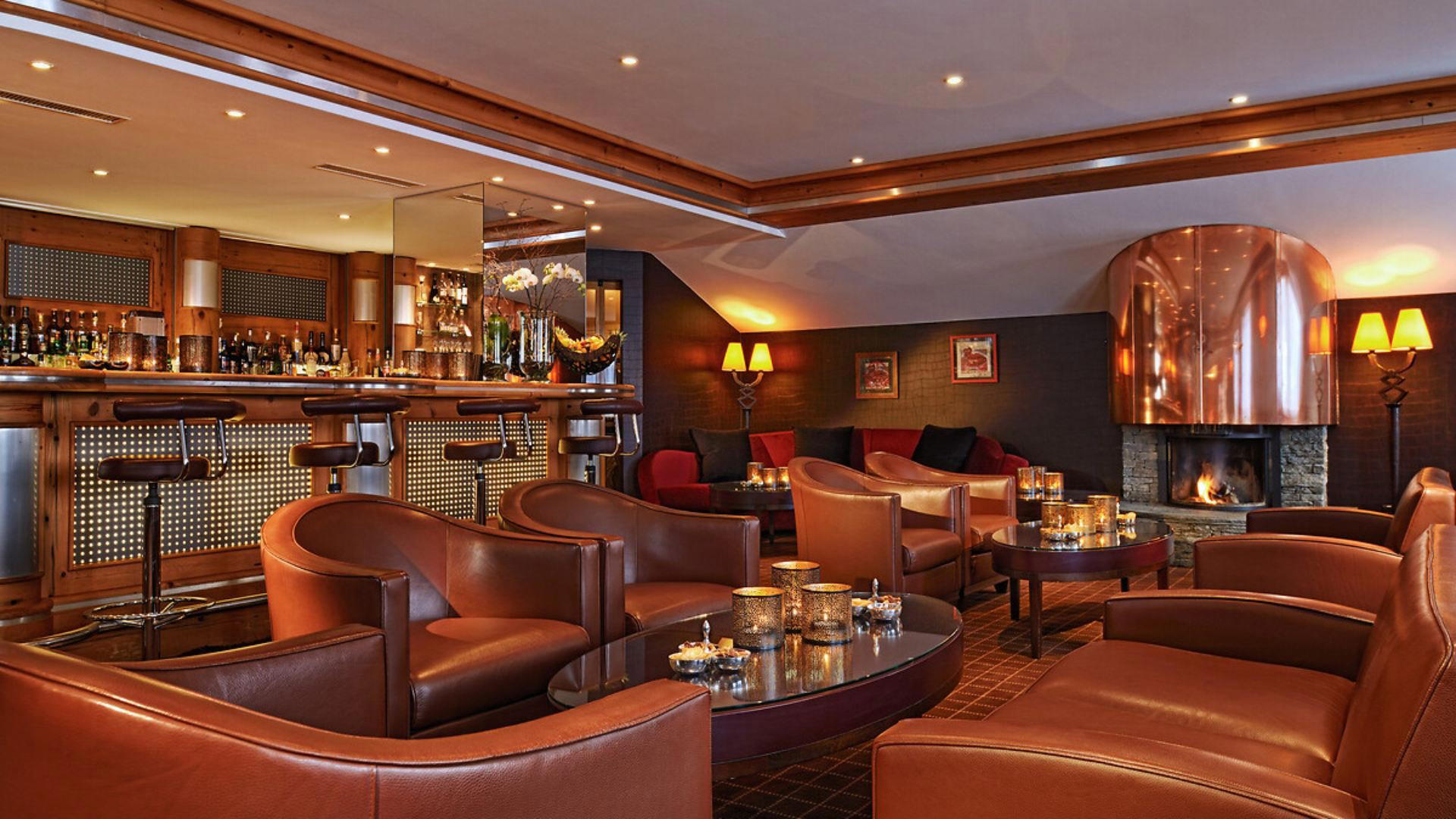
Cozy and rustic alpine atmosphere with lots of wood, sheepskin, and cottage charm, evoking authentic Matterhorn village tradition.