MUSA
Our verdict
The address places it within walking distance of the Museo de Arte de Puerto Rico and the galleries that have reshaped Santurce's identity over the past decade. For travellers moving through the city's premium dining circuit, it warrants a reservation alongside the capital's most considered tables.

Pearl is the En Primeur Club membership app — saves, bookings, and concierge access live there. Same editors, same standards.
- Address
- 613 Calle Cerra, San Juan, 00907, Puerto Rico
- Phone
- (787) 690-2000
- Hours
- Mon 10 AM–3 PMTue–Thu 10 AM–3 PM, 5–10 PMFri 10 AM–10 PMSat 10 AM–3 PM, 5–10 PMSun 10 AM–3 PM
- Website
- musarestaurants.com
- Directions
- Get directions
- Booking
- Book on OpenTable
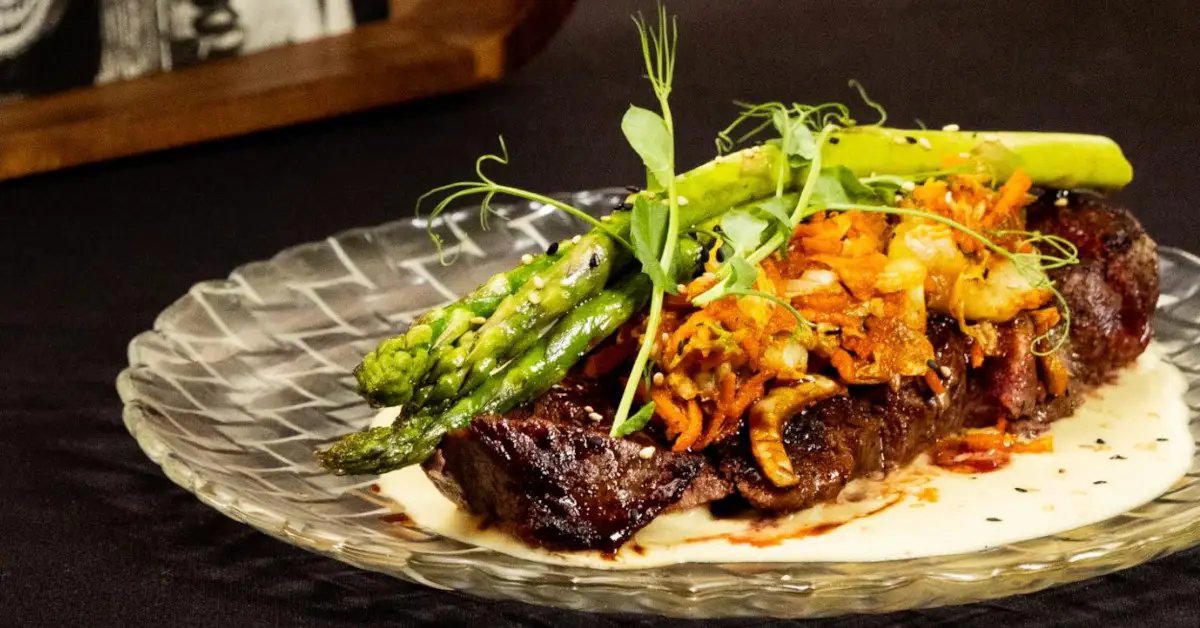
The menu
What to order
- Churrasco
- Dumplings
- French_toast
- Monte_cristo
Santurce's Dining Ritual: How the Neighbourhood Shapes the Meal
San Juan's most interesting dining shift of the past decade has not happened in Condado's hotel corridors or Old San Juan's colonial squares. It has happened in Santurce, the dense urban district where gallery openings, independent food businesses, and a younger professional class have collectively pushed dining expectations well past the tourist-circuit baseline. The address is in the heart of a neighbourhood where the meal begins before you sit down: the walk from the Museo de Arte de Puerto Rico, the ambient noise of a street that functions as both residential block and cultural thoroughfare, the understanding that a table here is chosen deliberately rather than stumbled upon from a hotel concierge list.
That deliberateness matters when thinking about how dining in this part of San Juan actually works. Santurce operates on different rhythms than the resort corridor. Reservations are made by people who already know what they are looking for. The pace of a meal tends to stretch later into the evening. The assumption is engagement, not efficiency. In that context, MUSA functions less like a destination within the tourist infrastructure and more like a neighbourhood institution that happens to be on the radar of visitors who have done the research. The street runs through a section of Santurce that has accumulated cultural weight through accumulation rather than planning: the proximity to the main art museum, the concentration of independent venues, the foot traffic that comes from an area used regularly by locals rather than primarily by visitors. Restaurants that locate here are making a statement about their audience. They are not positioning against the oceanfront tables at AQA Oceanfront or the hotel-anchored formality of 1919 Restaurant. They are positioning against the standard that Santurce's own food culture has established, which is increasingly demanding.
Santurce's better tables now compete with each other on depth of concept and quality of sourcing, not on view or hotel affiliation. Areyto Modern Cuisine by Chef Jason González and Amor y Sal both demonstrate that there is an audience in this city for restaurants with genuine editorial ambition, the kind that earns coverage in publications that cover serious food beyond the Caribbean travel beat. MUSA enters that competitive conversation by location alone.
Puerto Rico's Broader Dining Moment and Where MUSA Fits
Puerto Rico's premium dining scene has matured considerably since Hurricane Maria reshaped the island's relationship with food infrastructure and local sourcing. What emerged from that period was a generation of restaurants with stronger commitments to island-grown produce, local fishing, and indigenous techniques, alongside the kind of technical seriousness that was previously concentrated in a handful of hotel kitchens. The result is a dining environment that now warrants comparison with other mid-size Caribbean and Latin American cities that have developed serious food cultures on the back of local identity rather than imported luxury templates.
Within San Juan specifically, the split is between resort-anchored dining, where the audience is largely transient and the format is optimised accordingly, and neighbourhood-anchored dining, where the audience is mixed local and informed-visitor and the format can afford more complexity. That is not a judgment about which approach produces better food; it is an observation about what kind of dining ritual each format supports. At a Santurce address, a long meal with attentive pacing and a menu that requires some familiarity with Puerto Rican culinary references is a reasonable expectation. The equivalent expectation at a resort table would require much more explanation from the floor.
For travellers building a broader picture of Puerto Rico's food geography, the island's serious dining extends well beyond the capital. Lechonera Los Pinos in Cayey represents the ritualistic lechón tradition of the mountain corridor, a form of dining with its own pacing and social architecture. Carne Mía in Aguada and La Faena in Guaynabo show how the premium dining conversation has distributed across municipalities rather than concentrating entirely in San Juan. Bottles Dorado, CAÑA in Carolina, BODEGA in Caguas, Charco Azul in Vega Baja, Escobar in Canovanas, El Dorado in Playita, and Brazo Gitano Franco in Mayaguez each mark points on a dining map that rewards visitors willing to travel beyond the capital's immediate radius.
The San Juan Premium Circuit: Placing MUSA in the Sequence
For visitors spending several days in San Juan with serious dining intentions, the logical sequence is to distribute meals across the city's different registers rather than concentrating them in one neighbourhood. Old San Juan's colonial-core restaurants offer a different atmospheric frame. The Condado tables that compete with comparable properties in Miami or New York, including the kind of technical precision evident at ARYA, occupy a distinct tier. And then there is the Santurce neighbourhood circuit, which now has enough depth that a two-night concentration there is a coherent strategy. The area's gallery-and-dining rhythm means that pre-dinner time spent around the Museo de Arte or the Distrito de Arte compound feeds directly into the frame of the meal rather than feeling like a separate activity. That integration of cultural and dining ritual is what distinguishes Santurce from the city's other eating districts, and it is the strongest contextual argument for why MUSA's particular location matters.
For those building a broader understanding of the capital's dining range, the full San Juan restaurants guide maps the city's premium and neighbourhood tables across all districts. The comparison set worth tracking includes both the technically ambitious formats, such as what Atomix in New York City demonstrates about maximising a specific cultural identity through tasting-menu discipline, and the seafood-forward precision that Le Bernardin in New York City has maintained across decades. Those references clarify what it means when a Caribbean restaurant is operating in serious conversation with international dining standards rather than simply against a local baseline. Given the neighbourhood's profile as a local dining destination rather than a tourist hub, advance reservations are the appropriate approach; arriving without one, particularly on weekend evenings when Santurce's gallery-and-dining circuit is most active, carries meaningful risk. The evening meal is the format that aligns with how this part of the city operates. Dress follows the neighbourhood register: considered but not formal, in keeping with an area that takes food seriously without requiring occasion clothing. Current hours, booking details, and menu specifics should be confirmed directly with the venue before visiting, as operational details are subject to change.
Frequently asked questions
What should I order at MUSA?
The strongest approach is to arrive with an appetite for whatever the kitchen is currently running, ask the floor staff directly about the day's focus, and treat any menu as a product of what Puerto Rico's seasonal and local sourcing looks like at that moment. San Juan's better Santurce tables tend to reward guests who engage with the menu as presented rather than arriving with fixed expectations.
How hard is it to get a table at MUSA?
Santurce's better dining addresses have become genuinely sought-after over the past several years, driven by a local audience that treats neighbourhood restaurants as regular fixtures rather than occasional events. Booking ahead for MUSA is the practical baseline, particularly Thursday through Saturday when the district's combined gallery and dining traffic peaks. For comparison, some of San Juan's other premium tables, including those in the city's hotel-affiliated tier, can absorb walk-in demand more easily precisely because their formats are built for transient volume. MUSA's neighbourhood address suggests a different operational model.
What's the signature at MUSA?
What the address and district context do suggest is a restaurant operating within the Santurce ethos of locally grounded cooking with some degree of conceptual intent. Puerto Rico's culinary vocabulary, which draws on Spanish, African, and Taíno traditions alongside a serious island-fishing culture, gives any serious Santurce kitchen substantial material to work with. The floor staff are the reliable source for what the kitchen considers its current centre of gravity.
Is MUSA suitable for a first-time visitor to San Juan who wants to understand Puerto Rican cuisine?
Santurce addresses like MUSA tend to be better suited to visitors with some prior familiarity with Puerto Rican food culture than to those seeking an introductory overview. The neighbourhood's dining scene generally assumes a degree of engagement from its guests: the expectation is a considered meal rather than a guided education. First-time visitors wanting broader context might usefully pair a Santurce dinner with a daytime visit to the Museo de Arte de Puerto Rico nearby, which provides the cultural frame that makes a serious neighbourhood meal more resonant. For a fuller map of where to eat across the island, the San Juan restaurants guide covers the range from resort-tier to neighbourhood institutions.
How It Stacks Up
Comparable venues nearby, for context on price, style, and recognition.
| Venue | Cuisine | Price | Notes |
|---|---|---|---|
| MUSAThis venue — the venue you are viewing | Modern Puerto Rican Fusion | $30–50 | Not listed |
| Ola Ocean Front Bistro | Oceanfront Puerto Rican Bistro | $30–50 | Condado |
| Manzana de Java | Modern Puerto Rican with Southeast Asian Fusion | $50–100 | Parque |
| Cayo Blanco | Puerto Rican Seafood & Steakhouse | $30–50 | Condado |
| Solera Restaurant | Caribbean Tapas Fusion | Not listed | Condado |
| Leña Eh Food Truck | Wood-Fired Puerto Rican Street Food | $10–20 | Miramar |
MUSA
Featured Guides
Details
- Trendy
- Lively
- Modern
- Date Night
- Brunch
- Group Dining
- Open Kitchen
- Craft Cocktails
- A La Carte
- Small Plates
- Cocktails
- Wine
- Vegetarian Friendly
- Vegan Options
- Gluten Free Options
Current opening hours
- Monday
- 10 AM–3 PM
- Tuesday
- 10 AM–3 PM, 5–10 PM
- Wednesday
- 10 AM–3 PM, 5–10 PM
- Thursday
- 10 AM–3 PM, 5–10 PM
- Friday
- 10 AM–10 PM
- Saturday
- 10 AM–3 PM, 5–10 PM
- Sunday
- 10 AM–3 PM
Hours can change for holidays and private events. Last verified .
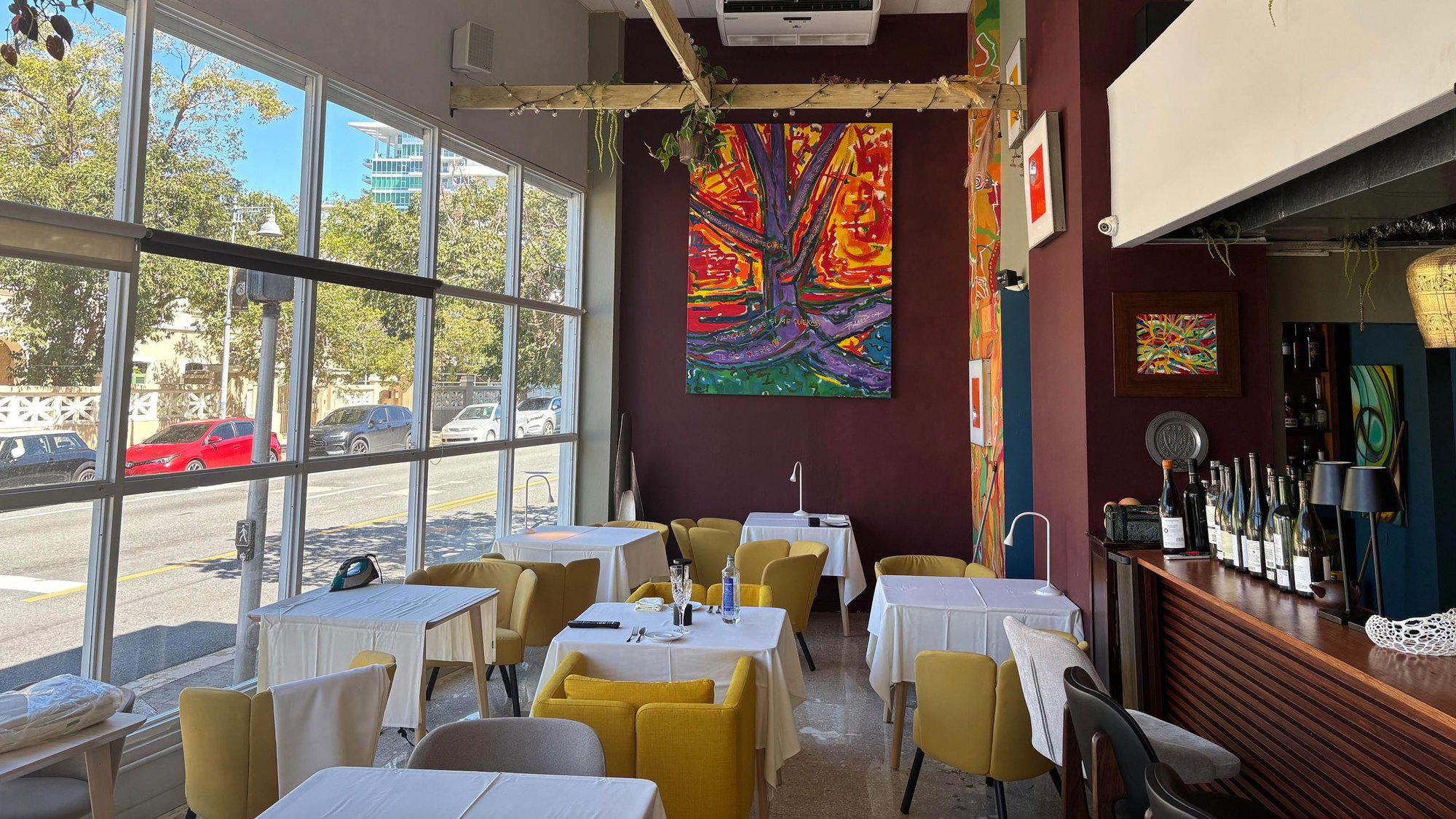
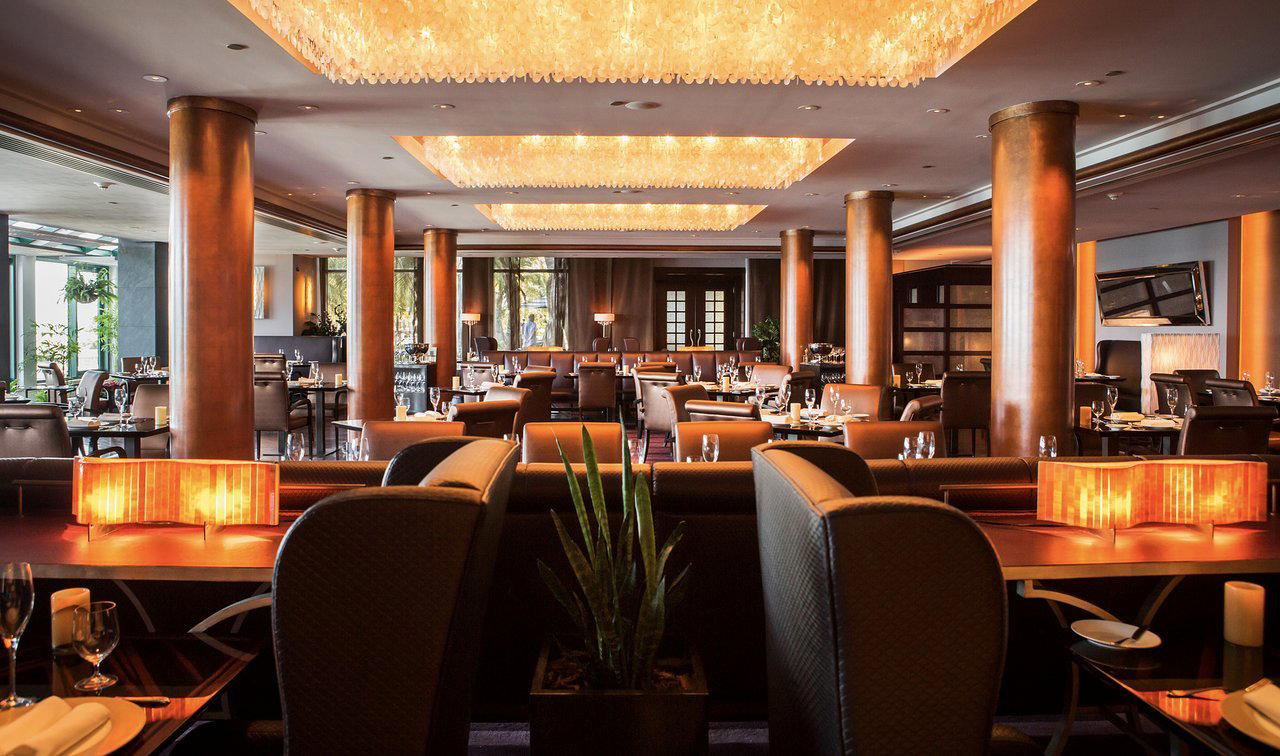
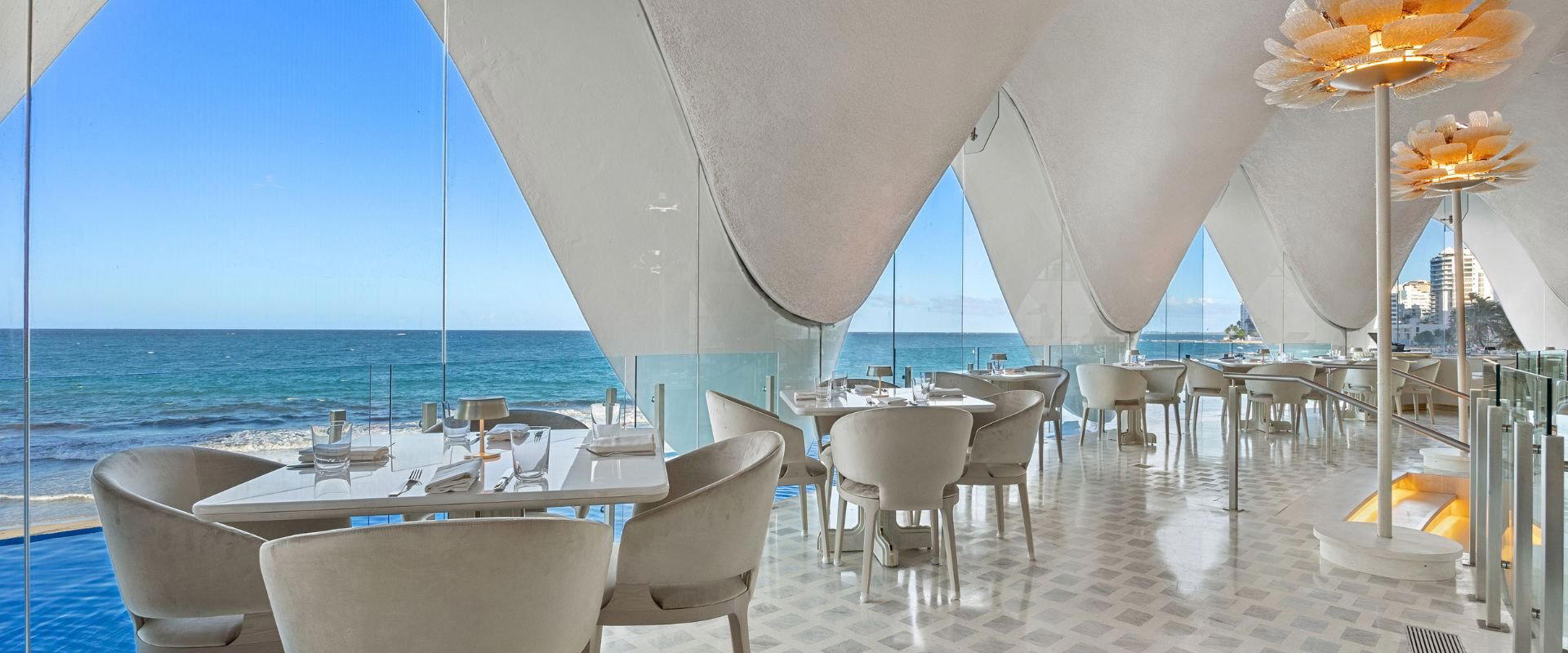
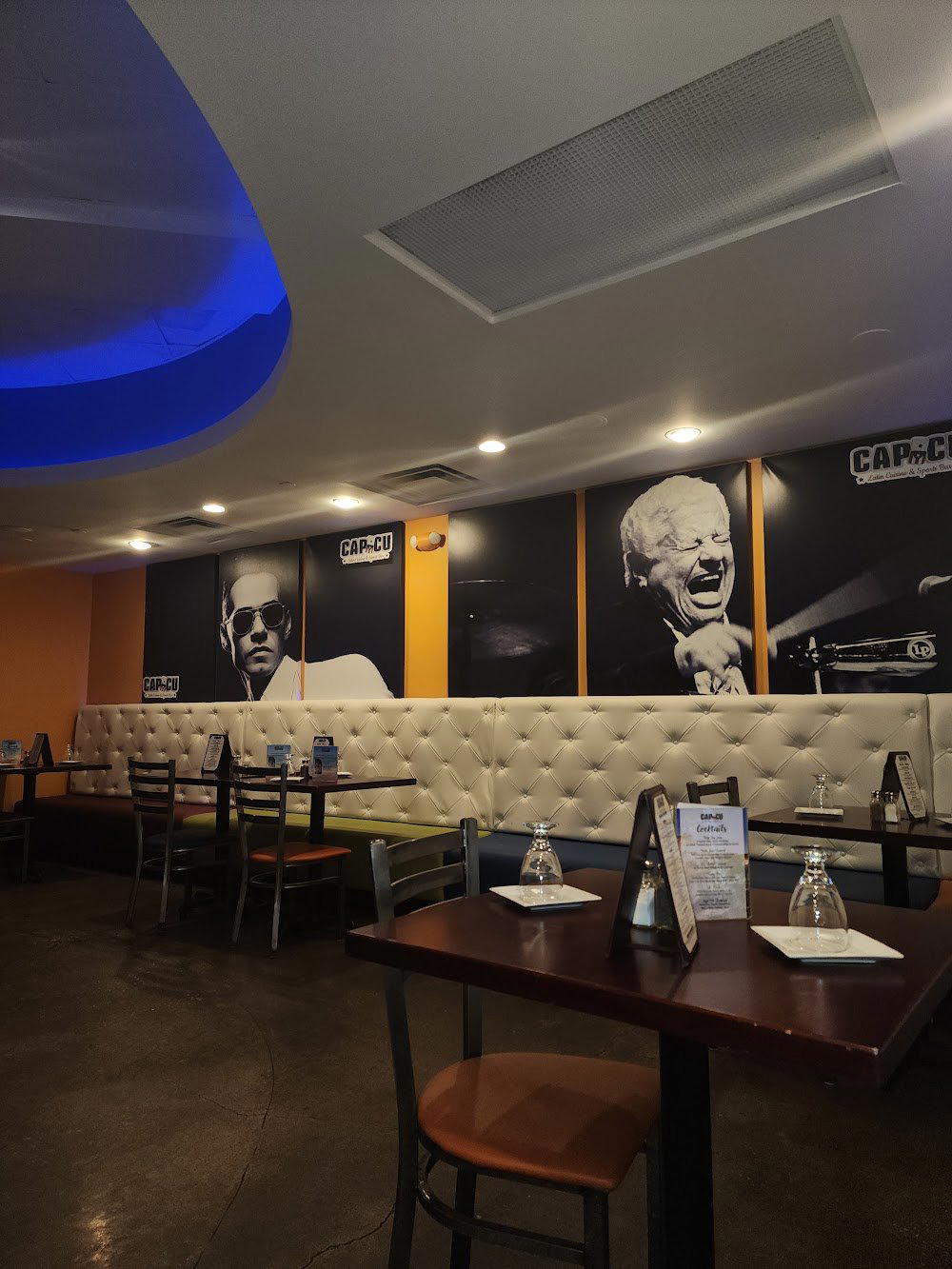
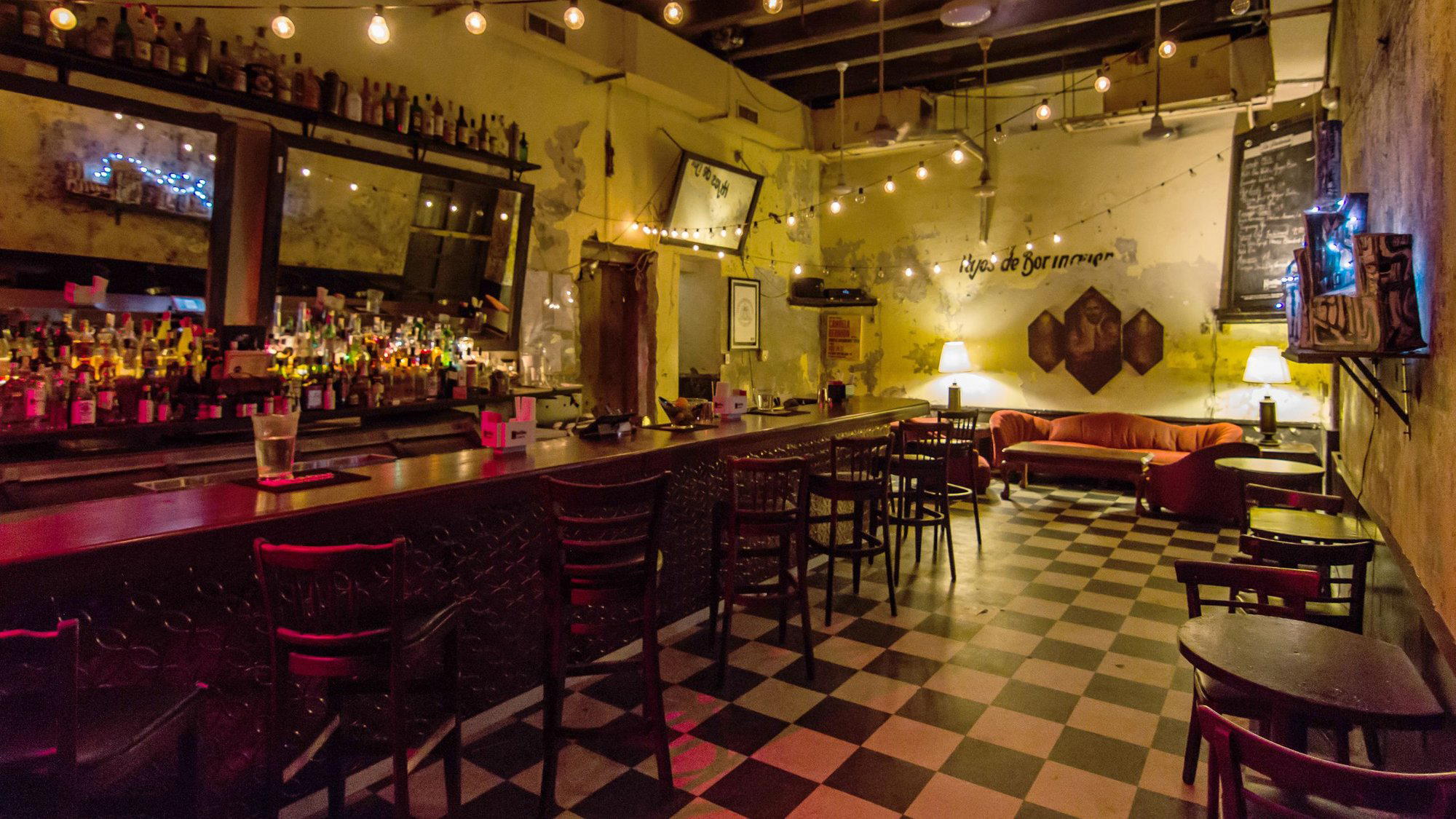
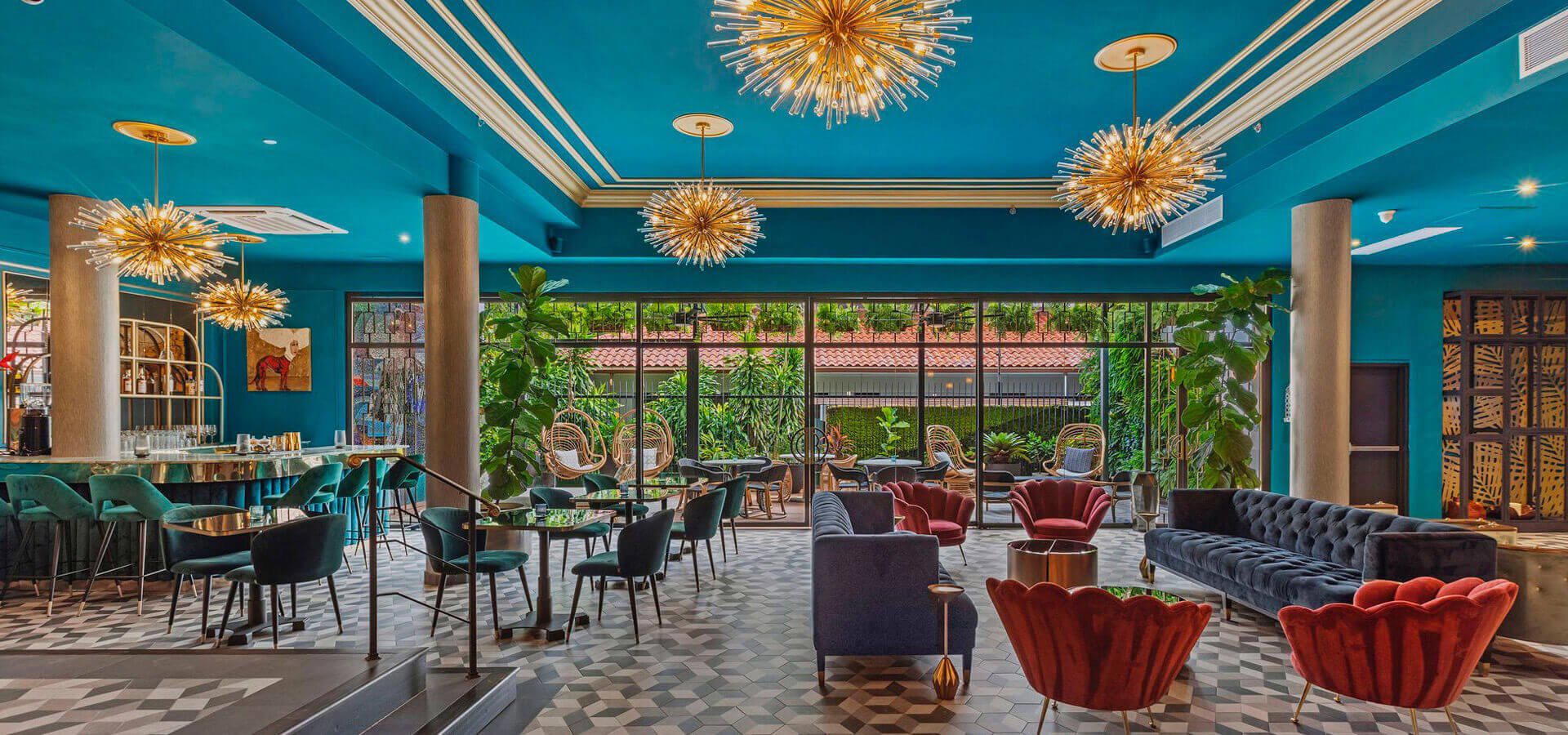
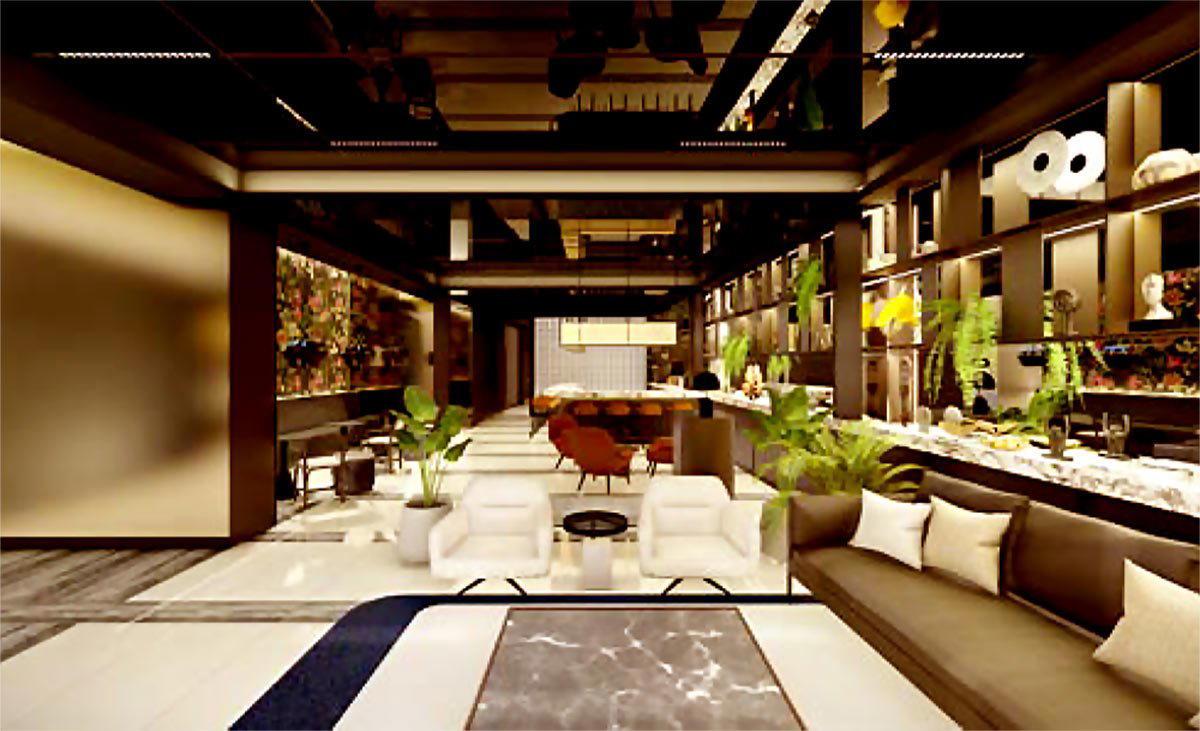
Lively and electric atmosphere with eclectic decor including chic paintings and neon, though loud music and crowds can make it boisterous.