Murasaki occupies a considered address on Pohjoinen Rautatiekatu in central Helsinki, where the city's appetite for precision dining meets a quieter, more restrained register. Positioned within a Finnish dining scene that increasingly prizes ethical sourcing and reduced waste, the restaurant draws comparisons to Helsinki's Michelin-tier cohort while carving a distinct identity through its Japanese-influenced approach and environmental consciousness.
Pearl is the En Primeur Club membership app — saves, bookings, and concierge access live there. Same editors, same standards.
- Address
- Pohjoinen Rautatiekatu 23, 00100 Helsinki, Finland
- Website
- murasaki.fi
- Directions
- Get directions
 Saves & bookings on Pearl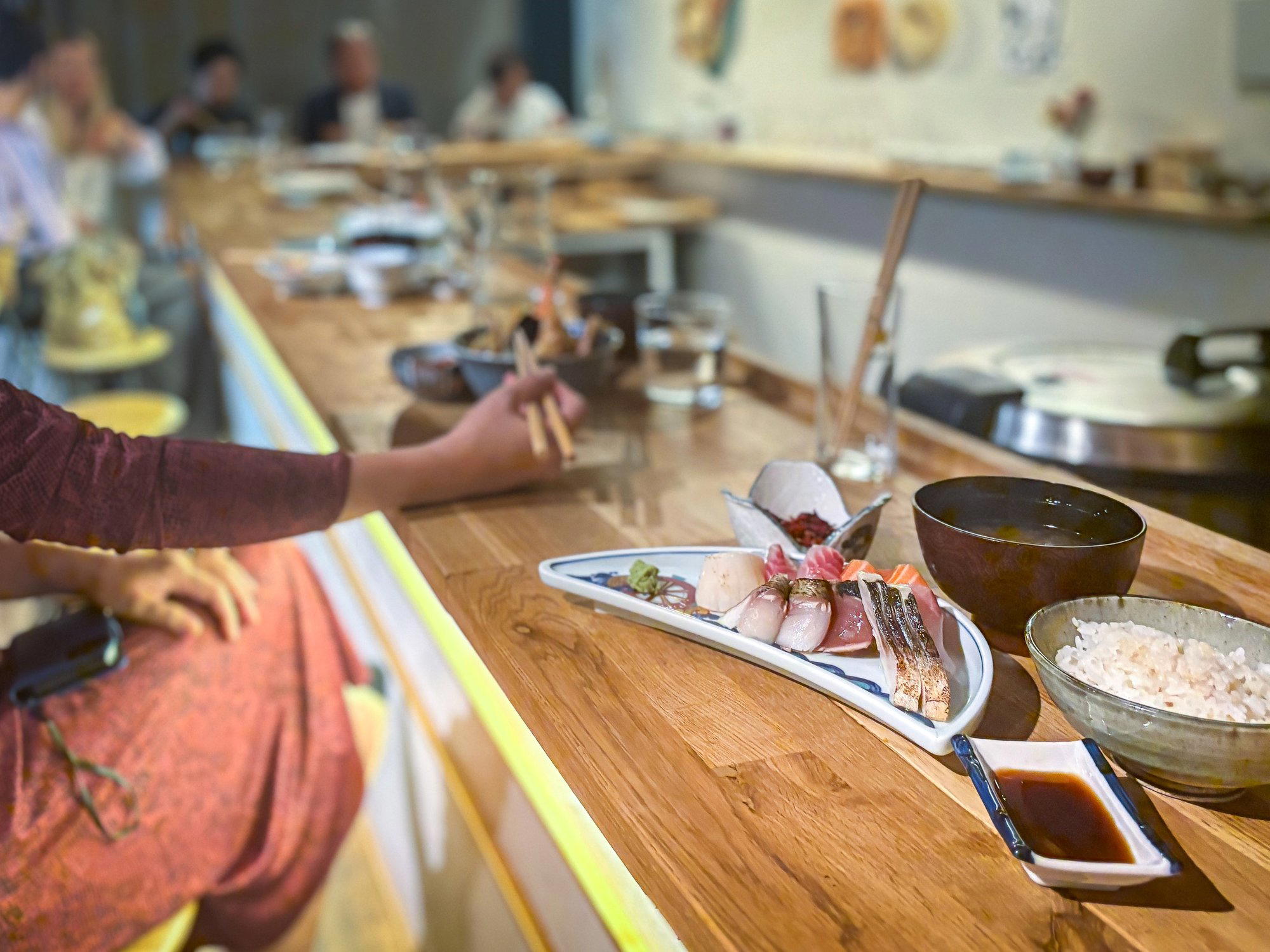
A Quieter Address in a Loud Dining Scene
Pohjoinen Rautatiekatu runs parallel to the rail yard that gives the street its name, a functional thoroughfare that Helsinki's dining scene has gradually colonised with serious kitchens. The block around number 23 carries none of the waterfront theatre of the South Harbour restaurants or the self-conscious cool of Kallio, and that restraint sets a tone before you reach the door. In a city where the premium dining conversation is dominated by Michelin-flagged addresses like Palace and Grön, a room that asks nothing of the street is a deliberate posture. Murasaki is an Authentic Japanese Izakaya at Pohjoinen Rautatiekatu 23, 00100 Helsinki, Finland, with reservations essential and an approximate spend of $25 per person.
The name itself signals intent. Murasaki is the Japanese word for purple, a colour associated historically with both nobility and, in certain East Asian dyeing traditions, the labour-intensive extraction of natural pigments. Whether or not that etymology was a founding consideration, it frames the sensibility well: precision, a degree of ceremony, and a process that rewards attention to material.
Helsinki's Sustainability Turn and Where Murasaki Sits
Finnish fine dining has spent the better part of a decade renegotiating its relationship with provenance. What began as a Nordic-wide movement toward foraged and locally sourced ingredients has matured in Helsinki into something more granular: conversations about waste streams, supplier relationships, and the carbon weight of imported proteins. Restaurants like Grön built their identity almost entirely on a vegetable-forward, waste-minimising approach that drew sustained critical attention. Olo has long anchored its menus to Finnish seasons and coastal producers. The conversation is now established enough that any serious Helsinki kitchen is expected to have a position on it.
Murasaki's Japanese-inflected approach intersects with this trend in ways that are worth examining. Japanese culinary philosophy, particularly the kaiseki tradition, has always operated around an ethic of material respect: using whole ingredients across multiple preparations, minimising waste through technique rather than through elimination, and calibrating portion and presentation to the specific quality of what is available. When that framework meets Finland's short growing season and emphasis on traceable sourcing, the result is a kitchen logic that aligns with the sustainability conversation without having to construct it artificially around a marketing position.
This is a meaningful distinction. Helsinki's most credible sustainable kitchens, from Finnjävel Salonki to the creative programmes at The ROOM by Kozeen Shiwan, tend to embed their environmental commitments inside a culinary logic that would hold together even without the ethical framing. Murasaki's positioning, at the intersection of Japanese technique and Finnish ingredient culture, does something similar.
The Japanese-Finnish Intersection as a Culinary Argument
Japanese cuisine's presence in Nordic cities has evolved considerably since the early wave of sushi bars that arrived in the 1990s and 2000s. In Helsinki, the more technically rigorous end of Japanese-influenced cooking now occupies a tier that demands comparison not just with other Asian-genre restaurants but with the full field of serious kitchens. Internationally, the pairing of Japanese technique with Nordic produce has produced particularly discussed restaurants of the past two decades, from the early Noma collaborations with Japanese fermentation traditions to the more recent integration of koji, umami-led broths, and raw fish preparations into tasting-menu formats across Scandinavia.
Murasaki participates in that conversation from Helsinki. The Japanese tradition of working with cold-water fish, delicate broths built from dried and fermented bases, and seasonal precision maps naturally onto Finland's lake and coastal geography. The Baltic produces pike-perch, vendace, and burbot alongside seasonal crayfish; the forests yield mushrooms, berries, and game; the short summer creates the kind of ingredient intensity that Japanese kaiseki cooks have historically used to anchor their most expressive preparations. The alignment is culinary, not cosmetic.
For reference points at a global scale, the Japanese-influenced tasting format has achieved its clearest critical recognition at addresses like Atomix in New York, where Korean-Japanese technique meets fine dining structure with sustained 50 Best and Michelin recognition. At the other end of the protein focus spectrum, Le Bernardin in New York represents the benchmark for treating seafood with the kind of technical seriousness that Japanese fish culture demands. Murasaki's address in Helsinki places it in a city already equipped to receive and assess that kind of cooking.
Helsinki's Fine Dining Tier: Where Murasaki Competes
Helsinki's premium dining tier is relatively compact by European capital standards. The Michelin Guide covers the city, and the awarded restaurants cluster around a recognisable set of approaches: modern Finnish, New Nordic, and contemporary European with strong local sourcing credentials. Within that field, Japanese-influenced kitchens occupy a smaller niche, competing partly against their genre peers and partly against the wider tasting-menu cohort that includes Palace and Olo.
For readers building a broader picture of serious Finnish dining, the country's restaurant culture extends well beyond the capital. Kaskis in Turku and VÅR in Porvoo represent the regional ambition that Helsinki kitchens increasingly compete with for critical attention. Bistro Henriks in Tampere and Figaro in Jyväskylä signal how far the serious dining conversation has distributed itself across Finnish cities. Further afield, Hai Long in Rovaniemi, Filipof in Joensuu, Gösta in Mänttä, JJ's BBQ in Salo, Vintti in Hameenlinna, and Hejm in Vaasa round out a national picture of considerable depth. Our full Helsinki restaurants guide maps this landscape in more detail.
Planning a Visit
Murasaki is located at Pohjoinen Rautatiekatu 23, 00100 Helsinki, a short walk from Helsinki Central Station and well within reach of the city's central hotel district. Current booking details and hours are best confirmed directly with the restaurant. Reservations are essential.
Style and Standing
Comparable venues nearby, for context on price, style, and recognition.
| Venue | Cuisine | Price | Notes |
|---|---|---|---|
| murasakiThis venue — the venue you are viewing | Authentic Japanese Izakaya | $$ | Not listed |
| HogoHuone | Rum & Cocktails Bar | $$ | Torkkelinmaki |
| Way Herttoniemi | Modern Finnish Bakery Café | $$ | Lansi-Herttoniemi |
| Farouge | Authentic Lebanese | $$ | Kaartinkaupunki |
| Wino | Natural Wine Bistro | $$ | Harju |
| Inari | Nordic-Japanese Fusion Tasting Menu | $$$$ | Kamppi |
At a Glance
- Intimate
- Cozy
- Date Night
- Casual Hangout
- Open Kitchen
- Sake Program
- Beer Program
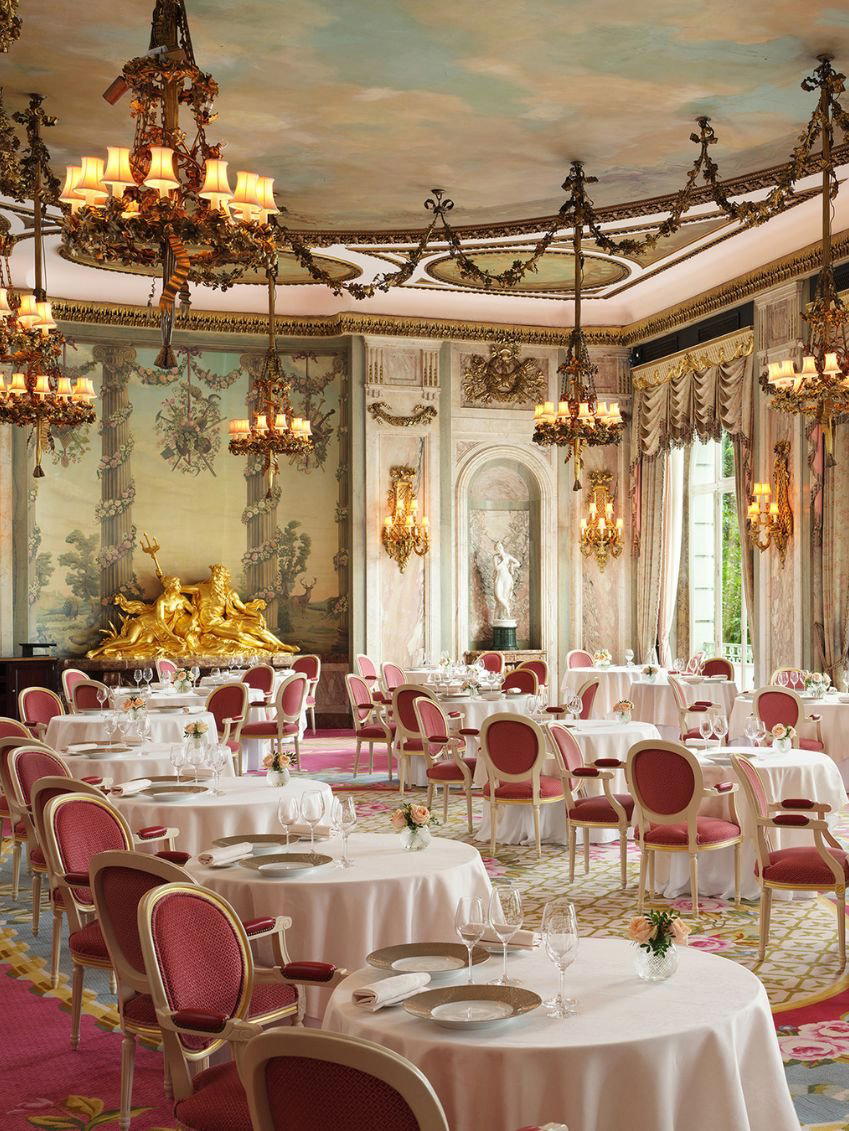
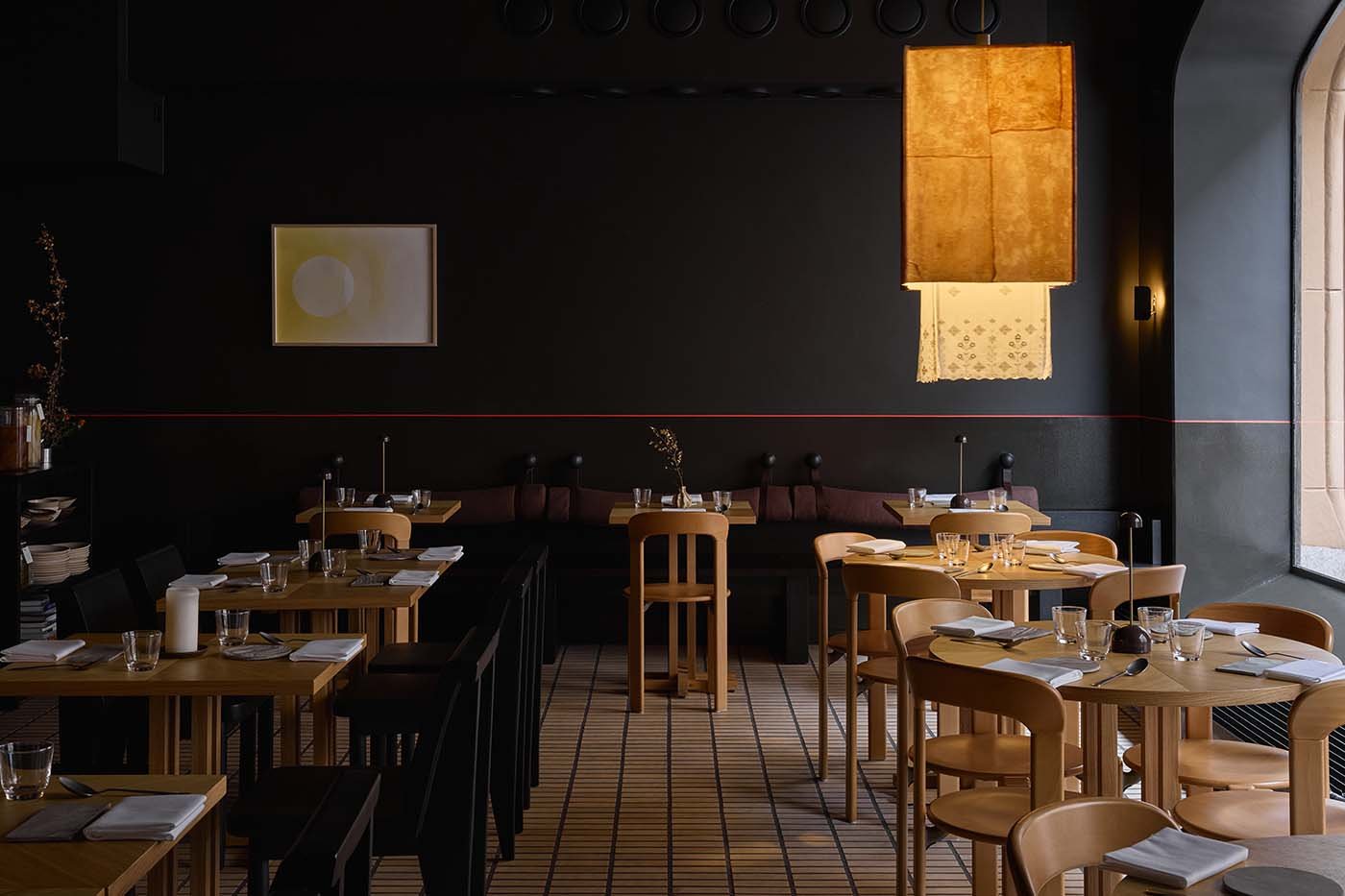
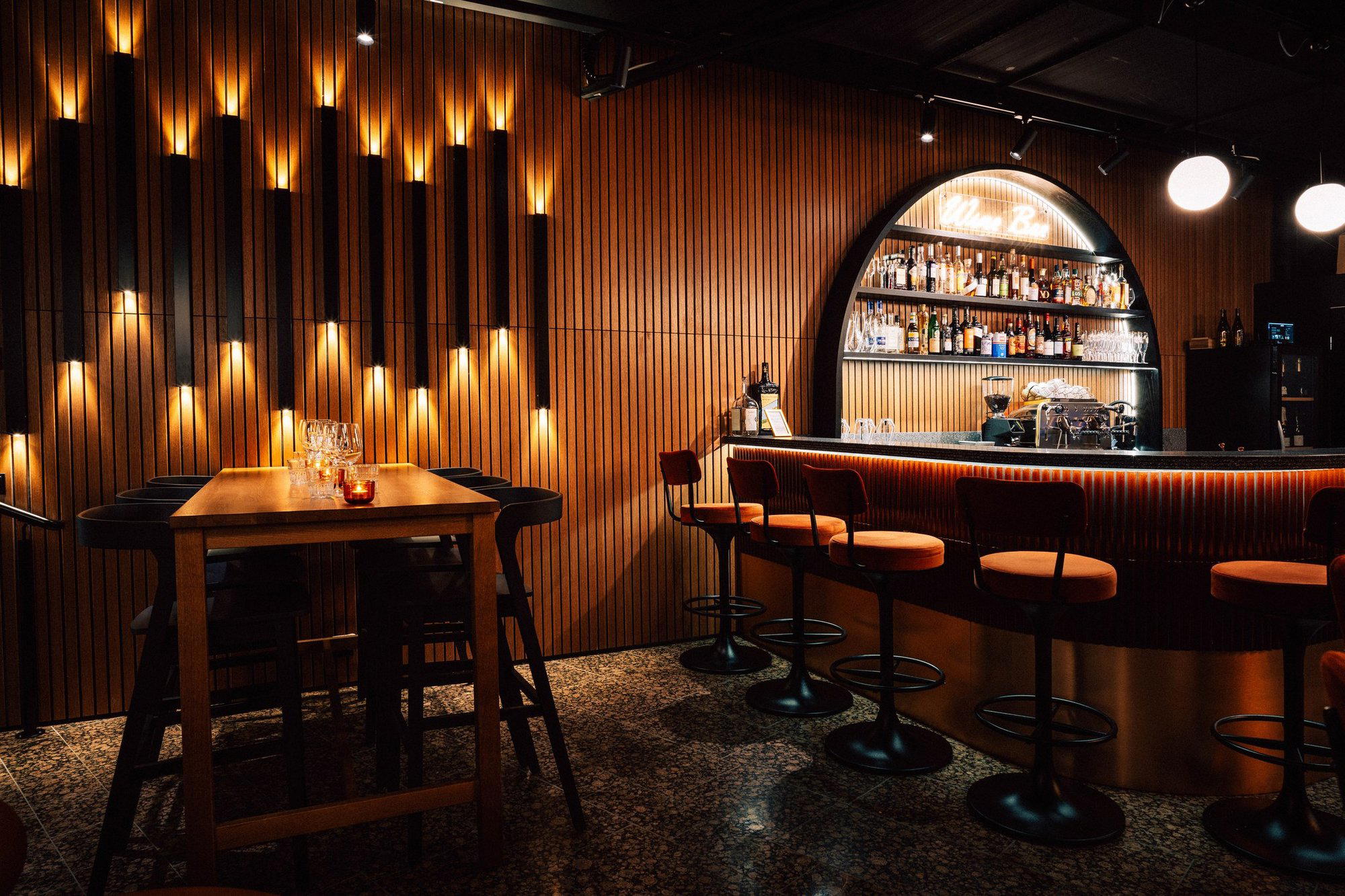
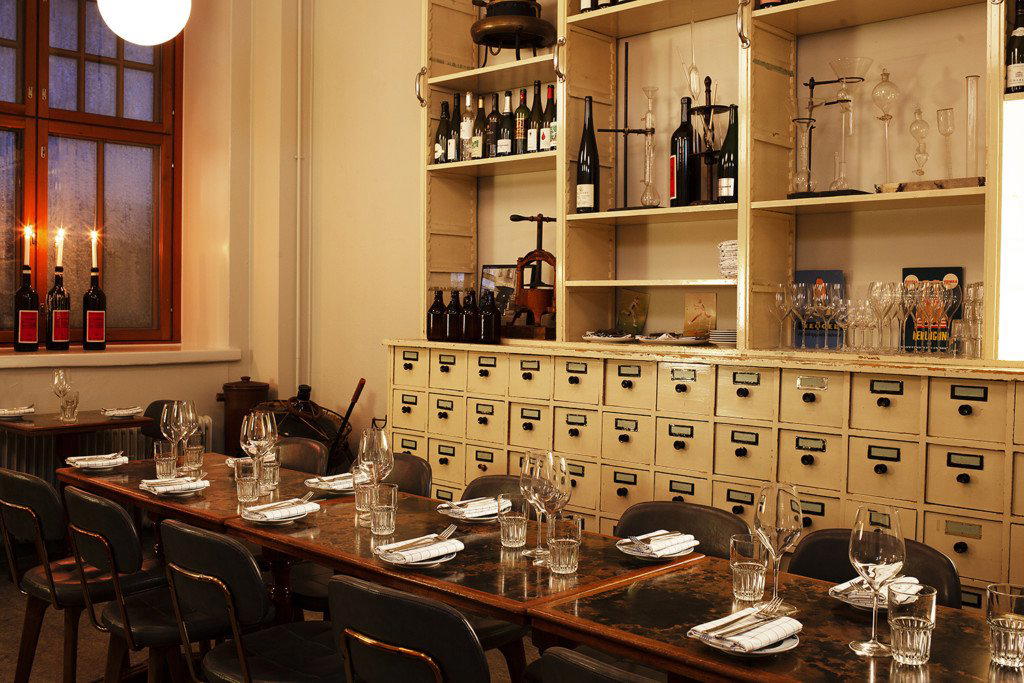
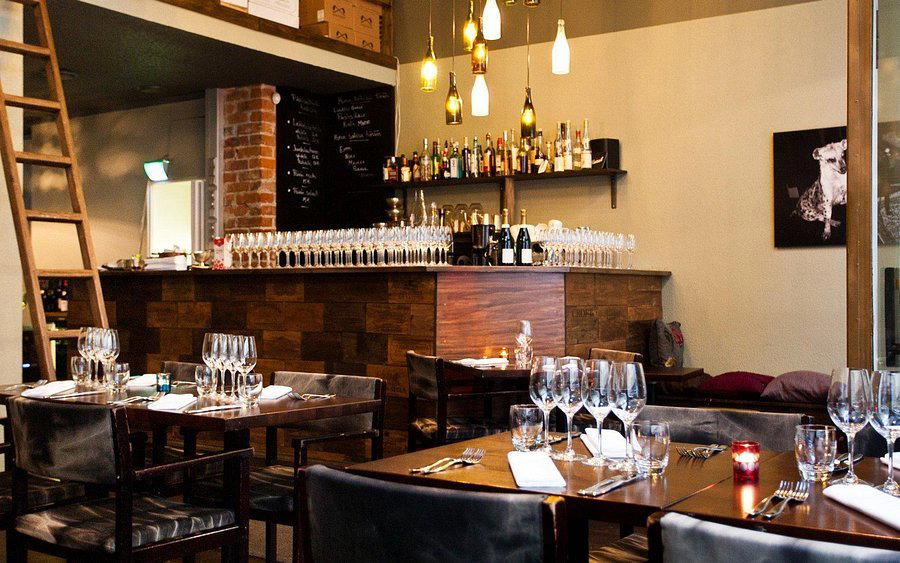
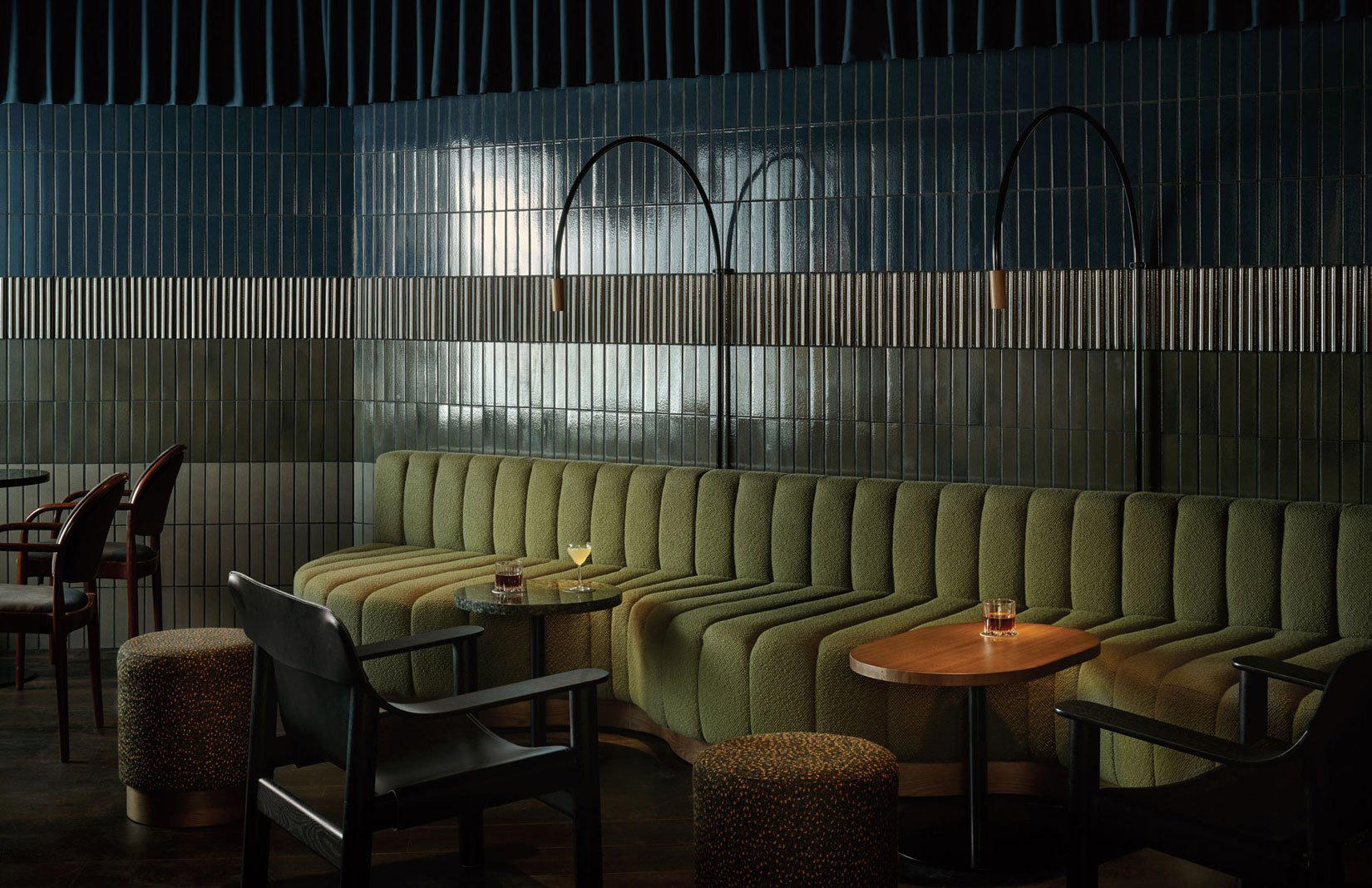
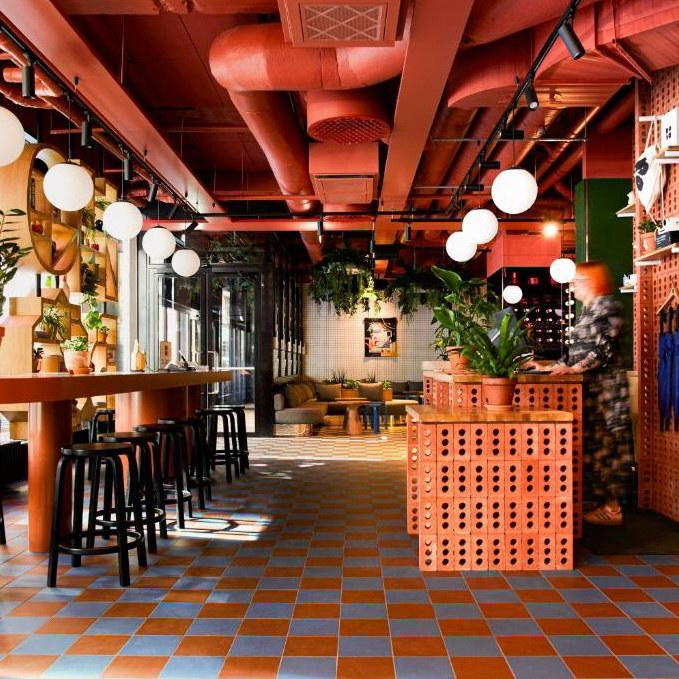
Intimate counter seating in front of the kitchen with a relaxed, authentic Japanese pub atmosphere.