Inari occupies a quiet address on Albertinkatu in Helsinki's Punavuori district, operating within a tier of Finnish dining where spatial restraint and ingredient focus carry the editorial weight. Against the city's Michelin-decorated fine dining circuit, it represents a more intimate register, where the physical setting and kitchen sensibility speak in equal measure.
 Discover on Pearl
Pearl is the En Primeur Club membership app — saves, bookings, and concierge access live there. Same editors, same standards.
- Address
- Albertinkatu 19 A, 00120 Helsinki, Finland
- Phone
- +358505148155
- Website
- restaurantinari.com
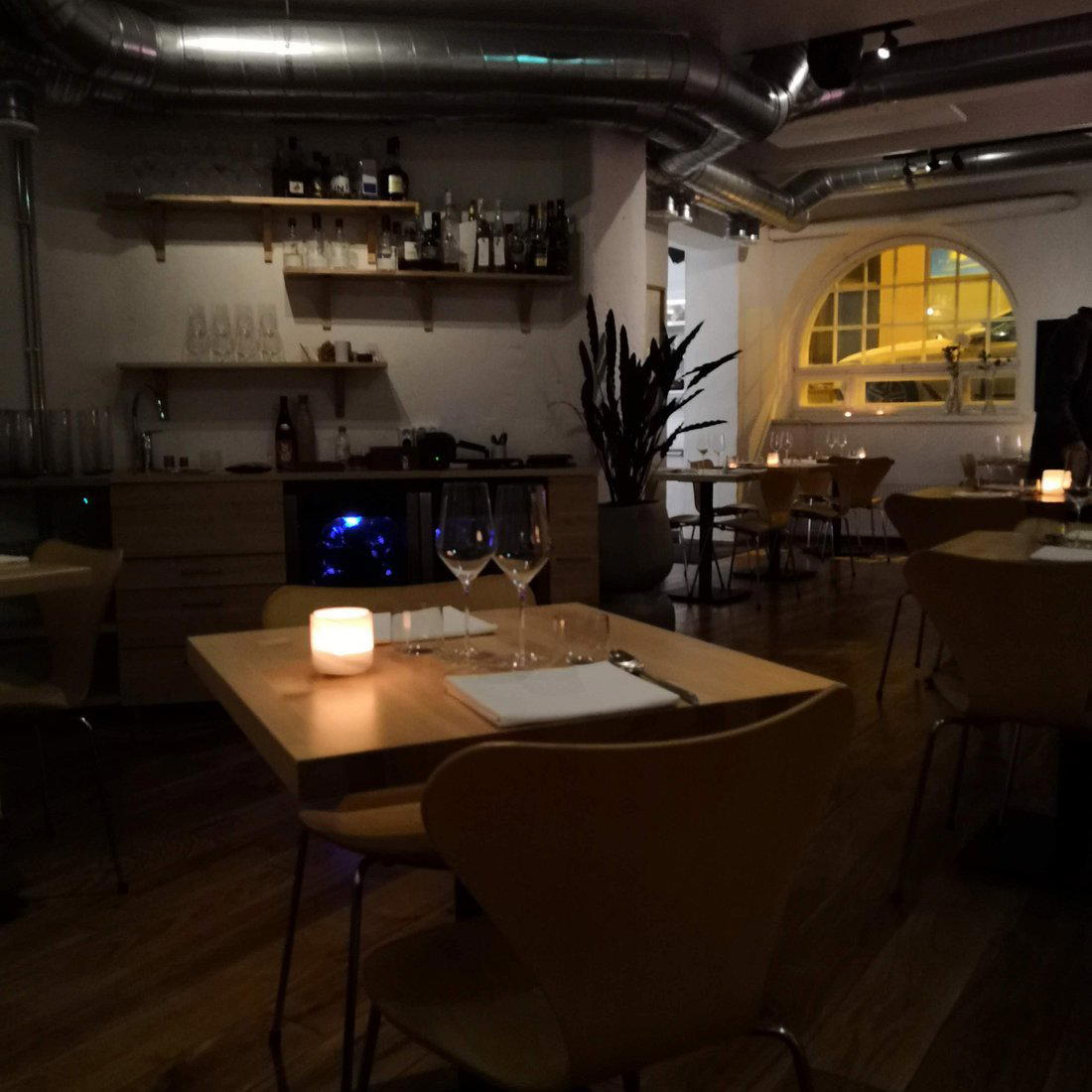
A Street in Punavuori and What It Tells You
Albertinkatu runs through Punavuori, one of Helsinki's older residential quarters, where nineteenth-century brick buildings sit alongside independent shops and small restaurants that have replaced the area's former working-class fabric. The address at number 19 A places Inari firmly inside this neighbourhood rather than in the tourist-facing corridors of the city centre, and that positioning is itself an editorial statement. Helsinki's most decorated restaurants, Palace, Olo, Grön, cluster closer to the waterfront or Kamppi. A restaurant on a quieter residential stretch signals a different set of priorities: neighbourhood credibility over destination theatre, and a dining room built for guests who have made a considered choice rather than a convenient one.
That geography matters when you try to place Inari in Helsinki's current dining structure. The city has developed two distinct tiers in its serious restaurant scene. The first is Michelin-visible fine dining, anchored by multi-course tasting menus and the seasonal Nordic grammar that the region has exported globally over the past two decades. Finnjävel Salonki and The ROOM by Kozeen Shiwan both operate inside that formal register. The second tier is quieter, more neighbourhood-inflected: restaurants where the format is less ceremonial but the cooking is no less focused. Inari's Albertinkatu address situates it in that second current.
The Physical Logic of the Space
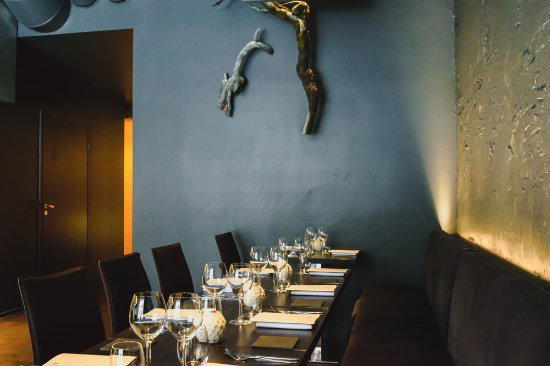
In a city where dining room design has become an increasingly deliberate signal of a restaurant's competitive ambitions, the interior architecture of a smaller Helsinki address like Inari carries disproportionate weight. Finnish restaurant interiors tend toward restraint as a default, birch, concrete, exposed brick, controlled light, partly because of cultural inheritance and partly because the short, intense summer and long northern winter demand spaces that work across the full range of natural light conditions. A dining room that reads well in perpetual August daylight and in the contracted light of February is a different design problem than one optimised for a Mediterranean climate.
The Punavuori building stock from which Inari draws its physical shell is typically mid-height masonry construction with high ceilings and windows proportioned for the block. Within that container, the choices that matter are seating density, material palette, and the relationship between the kitchen and the guest. Helsinki's more considered smaller restaurants have moved away from the compressed, maximised covers model toward fewer seats, longer service windows, and a sense that the room itself is part of the offer. That pattern, visible across the Finnish dining scene from Kaskis in Turku to VÅR in Porvoo, reflects a broader Scandinavian hospitality argument: that space per guest is a quality signal, not a revenue sacrifice.
What this means practically for a restaurant on Albertinkatu is that the room is likely to read as considered rather than casual, even if the format stops short of white-tablecloth formality. Helsinki dining at this level has largely abandoned the sharp dress-code signals of an earlier era without abandoning the underlying precision. The design carries the weight that dress codes used to.
Where Inari Fits in the Finnish Dining Conversation
Finnish cuisine's international moment has been driven largely by the Michelin-starred tier and by the New Nordic movement's influence on how Finnish ingredients are framed for both domestic and visiting audiences. Reindeer, pike-perch, cloudberry, rye, these are no longer merely national staples but markers of a regional identity that commands a premium at the table. The interesting editorial question for a restaurant like Inari is whether it engages with that framing or operates on a different register entirely.
Across Finnish cities, a pattern has emerged where the most compelling mid-tier restaurants take the same ingredient seriousness as their decorated peers but apply it inside less formalised formats. Bistro Henriks in Tampere, Hejm in Vaasa, and Figaro in Jyväskylä each represent that model in their respective cities. In Helsinki, the competition within that register is more acute, the city's size supports a denser cluster of serious independent restaurants, and the bar for standing out without a major award behind you is correspondingly higher.
Internationally, the dynamic Inari operates within has close analogues. The shift from destination fine dining to considered neighbourhood restaurants has reshaped city-by-city hierarchies from New York, where venues like Atomix redefined what a tasting menu counter could mean, to the broader European scene where Michelin recognition has increasingly followed restaurants that operate below the white-tablecloth threshold. Even a technically ambitious restaurant like Le Bernardin in New York represents the argument that formal dining rooms with clear culinary identity retain their authority precisely because they commit fully to a defined proposition.
Planning a Visit
Inari sits at Albertinkatu 19 A in Punavuori, a neighbourhood walkable from central Helsinki and well-served by tram. Reservations are essential.
The Minimal Set
Comparable venues nearby, for context on price, style, and recognition.
| Venue | Cuisine | Price | Notes |
|---|---|---|---|
| InariThis venue — the venue you are viewing | $$$$ | ||
| Officine Brera | $$$ | Punavuori, Authentic Italian Small Plates | |
| Eka | Etu-Toolo, Modern Scandinavian | $$$ | |
| BisouBisou | Kalasatama, Modern French Brasserie | $$$ | |
| Albina | Vallila, Nordic European Bistro | $$$ | |
| Esmes | Punavuori, Modern Finnish Fine Dining | $$$ |
Continue exploring
More in Helsinki
Restaurants in Helsinki
Browse all →
Bars in Helsinki
Browse all →
Hotels in Helsinki
Browse all →
Wineries in Helsinki
Browse all →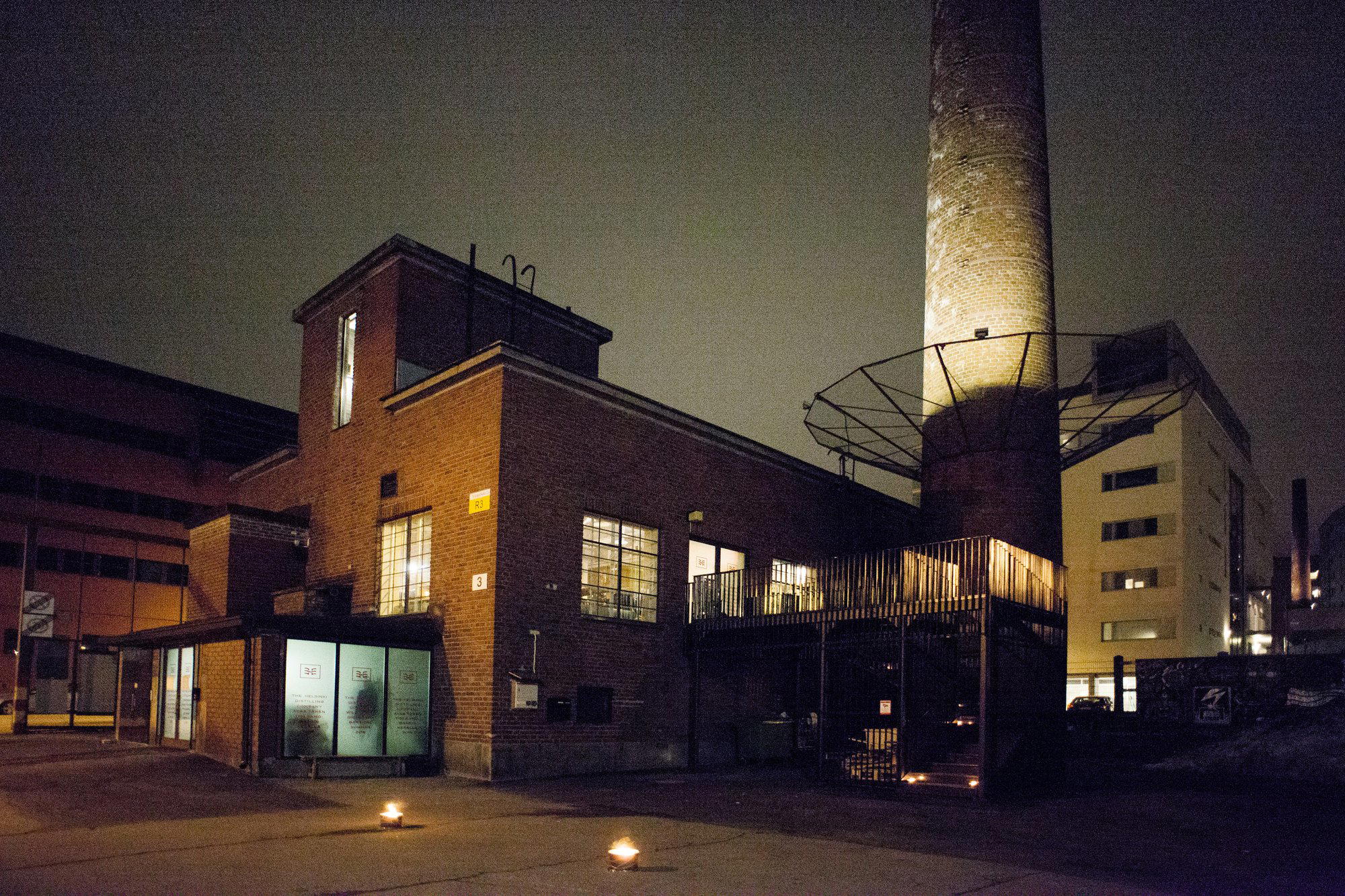
At a Glance
- Intimate
- Sophisticated
- Elegant
- Modern
- Date Night
- Special Occasion
- Celebration
- Open Kitchen
- Standalone
- Design Destination
- Local Sourcing
Relaxed yet sophisticated atmosphere in an intimate setting, with carefully crafted presentations that reflect both Nordic and Japanese aesthetics.