MUN occupies a dining address on Innere Wiener Straße in Munich's Haidhausen district, a neighbourhood that has quietly accumulated some of the city's more considered restaurant openings over the past decade. The address places it within reach of the Isar and the wider Au-Haidhausen scene, where the dining character leans local and deliberate rather than tourist-facing. For Munich's fine dining circuit, that positioning carries its own signal.
Pearl is the En Primeur Club membership app — saves, bookings, and concierge access live there. Same editors, same standards.
- Address
- Innere Wiener Straße 18, 81667 München, Germany
- Phone
- +498962809520
- Website
- munrestaurant.de
- Directions
- Get directions
 Saves & bookings on Pearl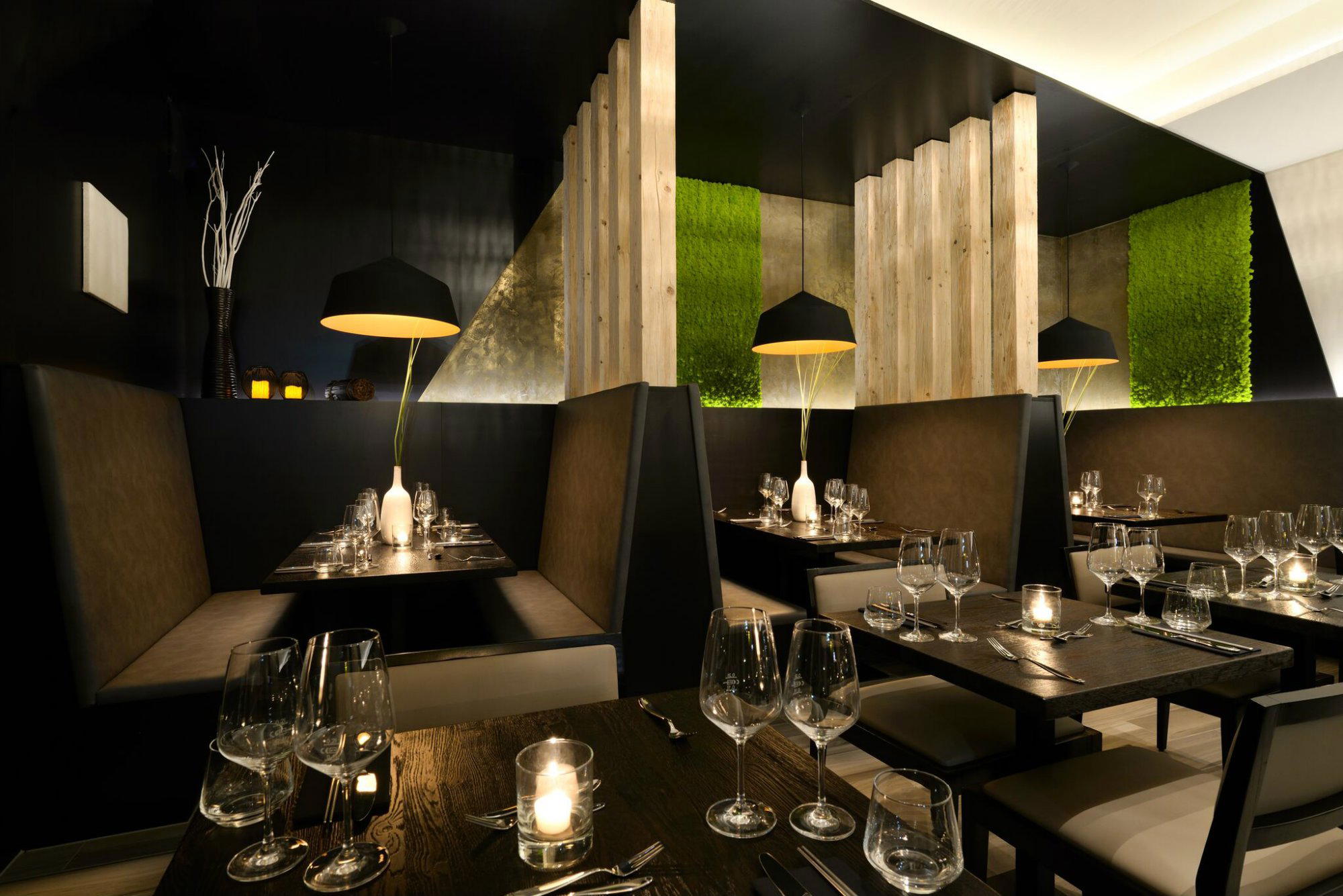
A Street That Has Something to Say
Innere Wiener Straße sits in the middle of Au-Haidhausen, the district east of the Isar that Munich residents have long treated as a corrective to the city's more self-consciously grand dining quarters. The street itself runs through a neighbourhood of late nineteenth-century apartment blocks, local bakeries, and the kind of wine bar that does not announce itself loudly. When a restaurant opens here rather than in Maxvorstadt or near the Viktualienmarkt, it is making a statement about its intended audience: not visitors following a list, but people who already know where to look. MUN, a restaurant serving Modern Asian Fusion with Sushi and Korean Fine Dining at Innere Wiener Straße 18 in München, sits at that address.
Haidhausen's dining scene has developed a distinct character over time, favouring formats that prioritise craft and specificity over ceremony. That tendency runs through the neighbourhood's better openings, and it is the context in which MUN should be read, rather than against the more theatrical traditions of Munich's inner-city fine dining belt.
Menu Architecture as Argument
The way a restaurant structures its menu is one of the clearest signals it sends about what it believes dining is for. At the summit end of Munich's scene, the dominant format remains the multi-course tasting menu, a structure adopted by addresses including Tantris, Atelier, and Alois - Dallmayr Fine Dining, all operating at the €€€€ tier with menus that function as composed arguments from first course to last. The alternative tradition, more common in bistro and brasserie formats, gives the guest agency through à la carte selection, but sacrifices the kitchen's ability to build rhythm and progression across an evening.
MUN's menu architecture reveals its intentions through flexibility rather than fixed ceremony. Restaurants that open in Haidhausen rather than in more visible central positions tend to be building for regulars rather than occasion diners, which typically pushes menu design toward flexibility, seasonal rotation, and dishes that reward return visits rather than single-visit spectacle. The fixed tasting format suits restaurants that want to demonstrate range within a single sitting; a more modular approach suits restaurants that expect regulars.
Across Germany's current high-end scene, this tension is productive. CODA Dessert Dining in Berlin structures its entire offering around a concept that most restaurants treat as an afterthought, using menu architecture itself as the defining editorial statement. Tohru in der Schreiberei in Munich applies Japanese precision to German ingredients, a fusion that only works because the menu structure enforces a particular sequencing logic. In both cases, the menu is not a list of dishes but a position statement. The question worth asking of any serious restaurant is whether its menu structure does the same work.
Where MUN Sits in Munich's Tier
Munich's upper dining tier is well-documented. JAN operates in the creative register, while Tantris carries decades of accumulated authority as one of Germany's foundational fine dining addresses. Atelier and Alois - Dallmayr Fine Dining hold positions at the €€€€ level with strong critical footing. Nationally, addresses like Aqua in Wolfsburg, Schwarzwaldstube in Baiersbronn, and Vendôme in Bergisch Gladbach represent the country's most decorated tier.
MUN's position within Munich's dining scene is best understood through its neighbourhood rather than through a direct comparison to the city's most-awarded addresses. Haidhausen has produced restaurants that build reputations incrementally, through word of mouth and consistent execution, rather than through launch-moment recognition. That pattern is common in cities where the dining scene is mature enough to sustain venues that do not need guidebook validation to fill covers.
For context on what serious German fine dining looks like outside Munich's orbit, ES:SENZ in Grassau and Victor's Fine Dining by Christian Bau in Perl offer instructive comparisons, as does Waldhotel Sonnora in Dreis, where the kitchen's conservatism is itself a form of argument. Internationally, the menu-architecture question is answered most forcefully by places like Atomix in New York City, where each course arrives with a card explaining its logic, and Le Bernardin, where the menu's rigorous focus on seafood technique is itself a decades-long position statement.
The Haidhausen Dining Character
Restaurants in Au-Haidhausen operate in a neighbourhood that rewards patience. The area lacks the foot traffic of the Altstadt and the institutional weight of Schwabing, which means restaurants here earn their audiences rather than inherit them. That dynamic tends to produce kitchens that are technically focused and economically precise, because the margin for theatrical gestures is lower when your customer base is primarily local. Restaurant Haerlin in Hamburg and Schanz in Piesport offer useful comparisons of how serious kitchens build authority in settings that are not themselves the draw. Bagatelle in Trier is another example of a restaurant that operates outside a major centre and uses that constraint productively.
The dining tradition that Haidhausen's better addresses have built over the last two decades is one of the more interesting sub-scenes in a city that tends to get discussed in terms of its most discussed addresses. MUN's presence on Innere Wiener Straße places it inside that tradition, whatever its specific menu format turns out to be.
Know Before You Go
Address: Innere Wiener Straße 18, 81667 München, Germany
District: Au-Haidhausen, east of the Isar
Booking: Reservations recommended
Price range: €€€€; around $80 per person
Timing: Mon: Closed; Tue: 6–11 PM; Wed: 6–11 PM; Thu: 6–11 PM; Fri: 6 PM–12 AM; Sat: 6 PM–12 AM; Sun: Closed
Similar Picks
Comparable venues nearby, for context on price, style, and recognition.
| Venue | Cuisine | Price | Notes |
|---|---|---|---|
| MUNThis venue — the venue you are viewing | Modern Asian Fusion with Sushi and Korean Fine Dining | $$$$ | Not listed |
| AIVI Eatery | Modern Vietnamese-Japanese Fusion Sushi | $$$ | Altstadt |
| Magari by Geisha | Modern Asian Fusion | $$$ | Haidhausen |
| Yummy Bowl | Healthy Customizable Bowls | $$ | Schwabing |
| Hunsinger in der Goldenen Gans | French-Asian Seafood | $$$$ | Pasing |
| The Chimpanski Garden | Global Street Food Fusion | $$$$ | Schwabing |
At a Glance
- Elegant
- Sophisticated
- Modern
- Date Night
- Special Occasion
- Business Dinner
- Open Kitchen
- Extensive Wine List
Current opening hours
- Monday
- Closed
- Tuesday
- 6–11 PM
- Wednesday
- 6–11 PM
- Thursday
- 6–11 PM
- Friday
- 6 PM–12 AM
- Saturday
- 6 PM–12 AM
- Sunday
- Closed
Hours can change for holidays and private events. Last verified .
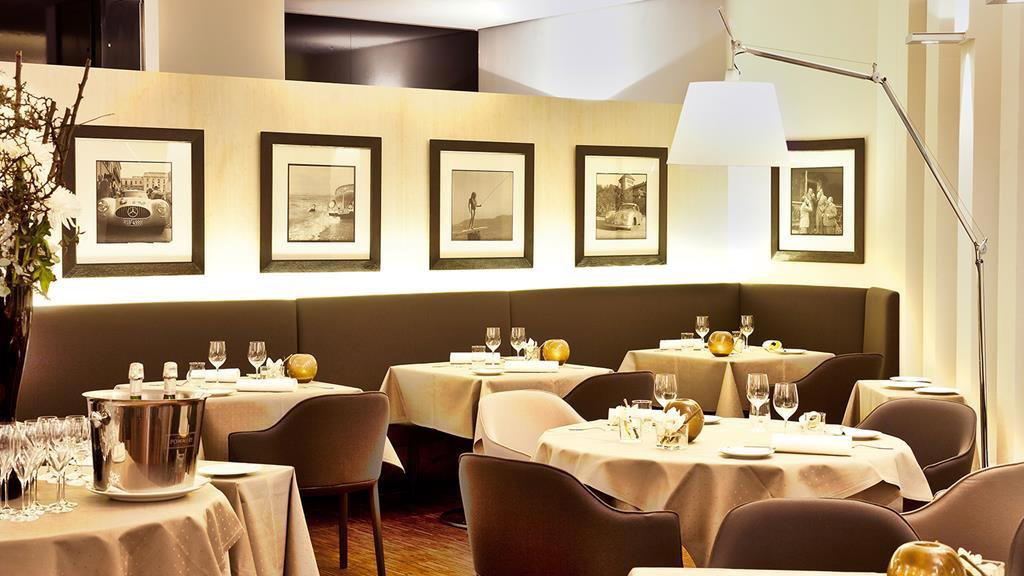
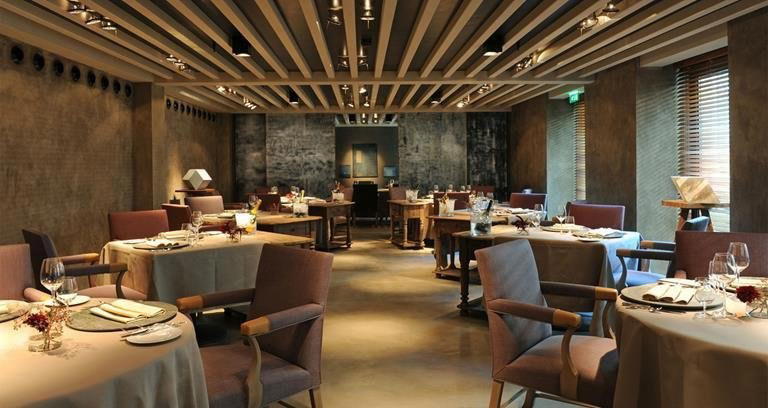
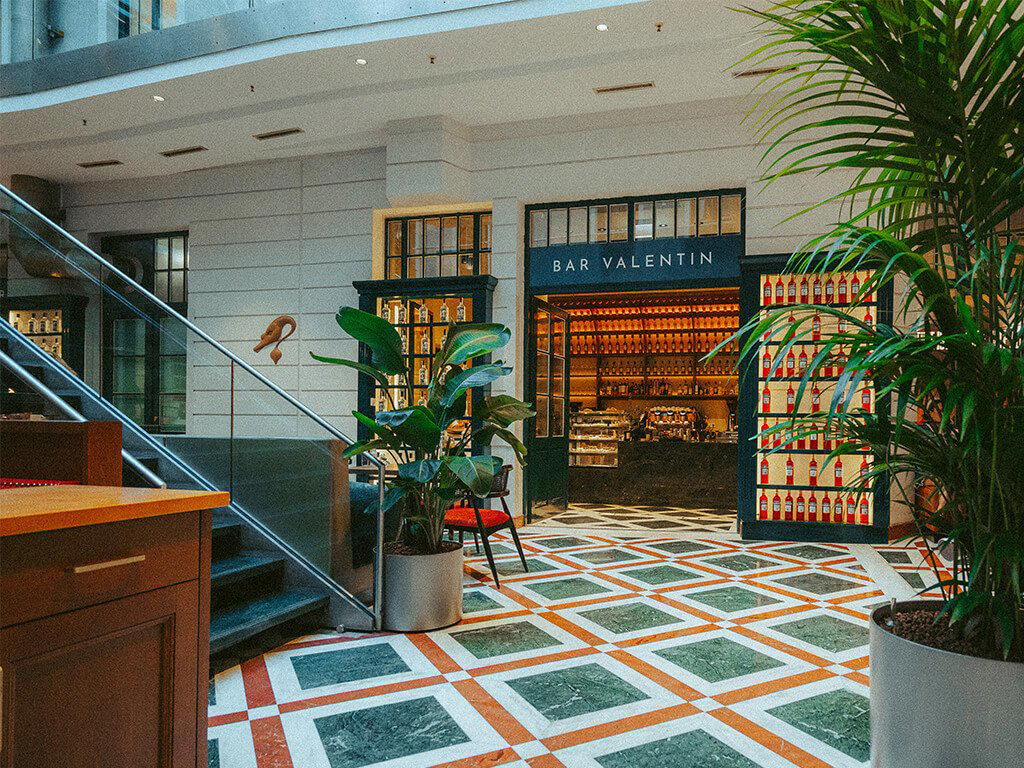
Elegant interior featuring natural elements like bark, moss, and wood with luxurious decor and attentive service.