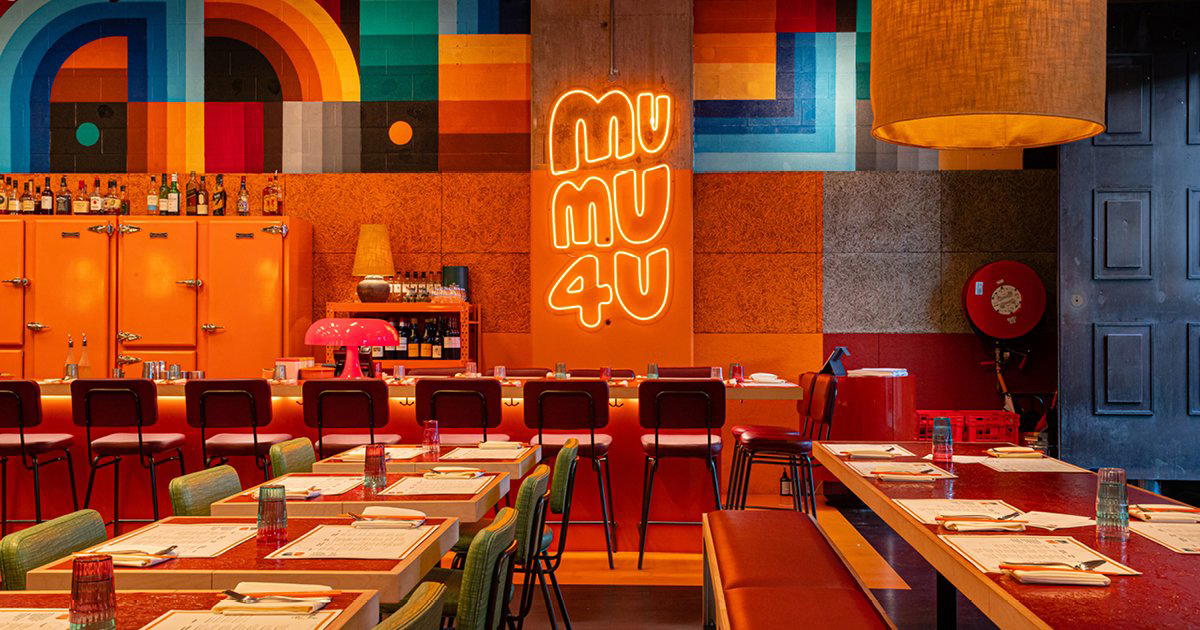
The White Star and What It Means for the Table
Star Wine List's White Star designation is not a participation award. The platform evaluates wine programs across Australia and internationally, and its tiered recognition system places White Star properties in a cohort where the list has been assessed as genuinely considered, not merely adequate. For a CBD restaurant in Sydney, where the dominant pressure is toward short, safe, high-margin lists designed for expense-account lunches, achieving that recognition requires a deliberate program built around depth and curation rather than turnover.
To understand the competitive positioning this creates, it helps to look at where Mumu sits relative to the broader Sydney dining conversation. Restaurants like Rockpool (Australian Cuisine) and Saint Peter (Australian Seafood) anchor the top tier of Sydney's restaurant scene with Michelin-adjacent recognition and extensive critical coverage. Further down the market, wine-forward neighbourhood restaurants like 10 William St have built loyal followings around the bottle list as much as the kitchen. Mumu's White Star places it in conversation with both camps, while occupying a geography, the CBD, that neither camp typically owns.
The Ritual of the Meal in a Wine-Led Room
In restaurants where the wine list is the primary editorial commitment, the meal tends to organise itself differently. The sequence of a dinner is not simply appetiser, main, dessert; it becomes a negotiation between glass and plate, where what you're drinking shapes what you order next and vice versa. This is the dining ritual that wine-led rooms quietly enforce, and it asks something of the diner that more kitchen-forward restaurants do not.
At venues holding Star Wine List recognition, staff are typically trained to navigate that negotiation rather than simply recite options. The sommelier or floor team becomes a structural part of the meal rather than a peripheral presence who appears when a bottle needs opening. That dynamic is worth keeping in mind when approaching a visit: arriving with a rough sense of what you want to drink, or being willing to follow a recommendation, tends to unlock more from the experience than treating the list as an afterthought.
This approach to pacing and sequence has parallels in acclaimed wine-forward restaurants elsewhere in Australia. Brae in Birregurra structures the tasting menu around what the kitchen and cellar can do together. Flower Drum in Melbourne has long used its wine program as a quiet signal of institutional seriousness. The pattern of treating the list as co-equal to the kitchen is not unique to Sydney, but it is less common in CBD addresses where table turns and volume tend to dominate operator thinking.
Sydney's CBD Dining Moment
The concentration of credible restaurants in Sydney's central business district has accelerated since 2020, partly because lower foot traffic during lockdown periods forced a rationalisation that pushed weaker operators out and gave the survivors room to invest in quality. The restaurants that held on through that period, and attracted new investment afterward, tend to be the ones with genuine points of differentiation: a wine list with real depth, a kitchen with a clear identity, or a service model that gives diners a reason to return.
Mumu's George Street location puts it in proximity to other CBD addresses that have made similar commitments. 6HEAD has built a reputation around premium Australian beef in a heritage setting near the Rocks. 20 Chapel operates in a different register but reflects the same broader trend of CBD venues using format discipline and product quality to compete against inner-suburb alternatives. The George Street corridor specifically has benefited from infrastructure investment and increasing residential density in the surrounding area, which has broadened the diner base beyond the traditional office-lunch crowd.
For those building a Sydney itinerary that extends beyond the restaurant, the city's wider hospitality scene offers significant depth. Our full Sydney hotels guide, our full Sydney bars guide, and our full Sydney experiences guide map the broader landscape, while our full Sydney wineries guide covers the cellar door options accessible from the city. The restaurant guide at our full Sydney restaurants guide places Mumu in the context of the full field.
Comparisons Worth Making
Wine-forward dining is not exclusive to Australia's east coast, but the concentration of recognised programs in Sydney and Melbourne gives the country a density of serious lists that compares favourably with equivalent cities internationally. Le Bernardin in New York City and Emeril's in New Orleans represent the American tradition of kitchen-led fine dining where the wine list is significant but secondary. Australian wine-led rooms like those recognised by Star Wine List invert that hierarchy in ways that reflect the country's particular strength in wine production and critical culture.
The comparison also extends regionally. 400 Gradi in Brunswick East, Agrarian Kitchen in Hobart, Amaru in Armadale, and Bacchus in Brisbane each represent different nodes in Australia's premium dining geography, and each carries its own relationship to the wine program. What they share with Mumu is a commitment to treating the cellar as a defining editorial statement rather than a logistical necessity.
Planning a Visit
Mumu is located at 330C George Street, in the heart of Sydney's CBD, accessible from Town Hall and Wynyard stations. Because wine-list-focused restaurants at this tier tend to attract regulars who book specific bottles in advance, securing a reservation ahead of time is advisable, particularly for dinner. The venue's White Star recognition was awarded in October 2022, and that kind of specialist recognition typically correlates with consistent demand from a wine-aware clientele who return deliberately. The George Street address is walkable from most central Sydney hotels and is a practical anchor point for an evening that begins or ends in the CBD.