Our verdict
On King Street in Newtown, Calle Rey sits inside one of Sydney's most culturally dense dining corridors, where independent operators have long defined the neighbourhood's character. The restaurant brings Latin American culinary roots to an inner-west scene that rewards specificity over spectacle. For Sydney diners tracking the city's shift toward cuisine-led neighbourhood destinations, it represents a location worth attention.
- Address
- 62-64 King St, Newtown NSW 2042, Australia
- Phone
- +61475587074
- Website
- callerey.com.au
- Directions
- Get directions
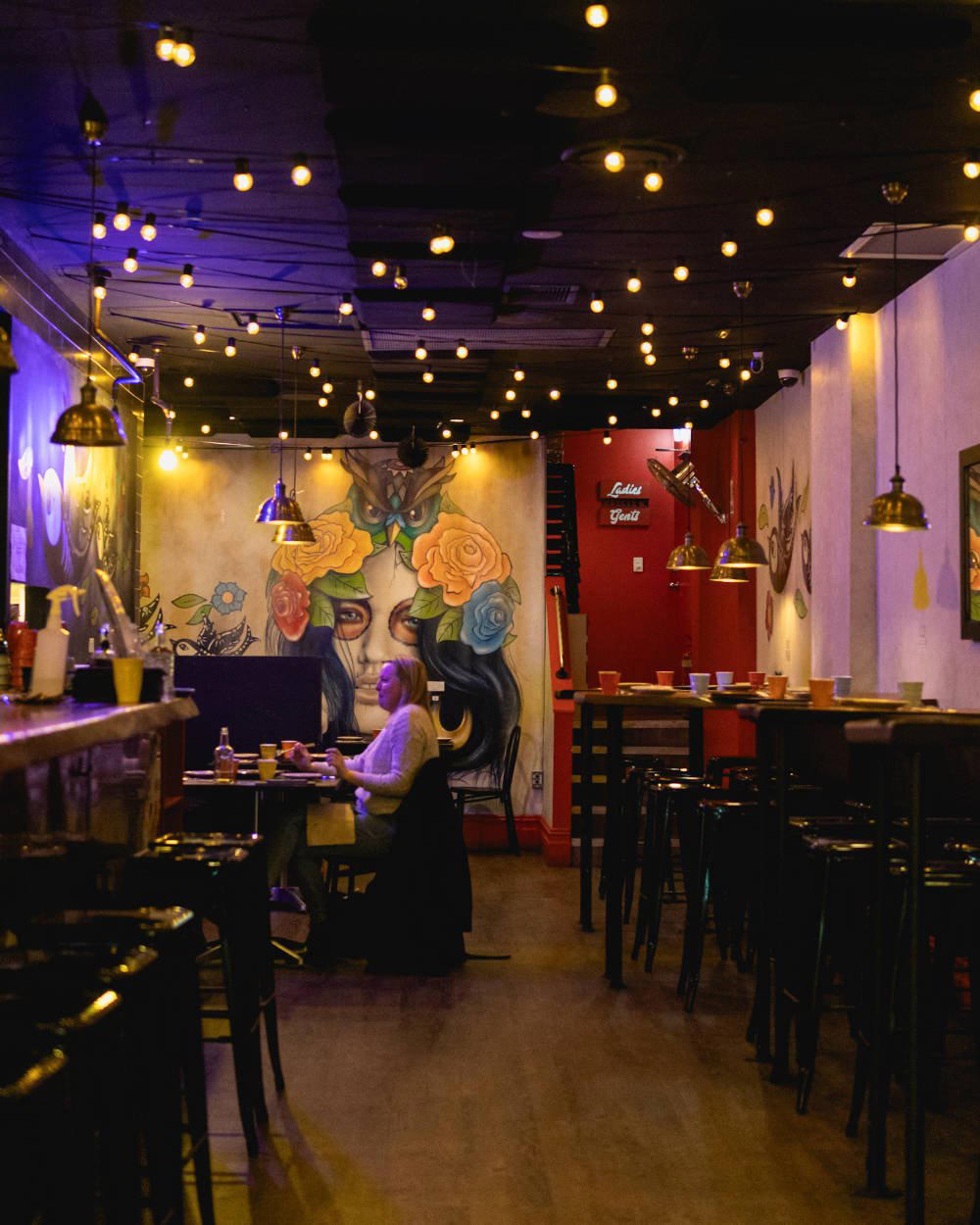
King Street and the Case for Newtown
Sydney's inner-west has always operated on different terms from the harbour-facing dining rooms that attract the broadest critical attention. Newtown's King Street corridor, where Calle Rey occupies the 62-64 stretch, is a strip defined by operator independence, cultural density, and the kind of repeat-local patronage that sustains restaurants over years rather than hype cycles. Venues here do not compete on views or prestige postcodes. They compete on cooking, consistency, and the degree to which they earn a place in the neighbourhood's weekly rhythm.
That context matters because it shapes what Latin American cooking means in this setting. Unlike the CBD or Surry Hills, where restaurants frequently position themselves as destination dining, King Street venues tend to become fixtures. The audience is informed, returns often, and is not easily impressed by surface-level novelty. Latin American cuisine in this environment is tested against real engagement rather than occasion-driven curiosity.
Latin American Cooking in the Sydney Context
Latin American cuisine in Sydney has followed a trajectory common to other major Anglophone cities: early decades of oversimplification, followed by a gradual deepening as both cooks and diners developed more precise fluency. The broad category spans Mexican, Peruvian, Argentine, Colombian, and Brazilian traditions, each with distinct technique vocabularies and ingredient logics. What separates more considered operations from casual versions is the degree to which that specificity is respected rather than flattened into a pan-Latin shorthand.
Sydney's dining scene has absorbed Latin American influence at multiple tiers. At the higher end, Peruvian technique in particular has gained credibility internationally, with the ceviche and tiradito traditions now familiar enough to informed diners that execution quality is the distinguishing factor rather than novelty. At street and neighbourhood level, taco and empanada formats have proliferated, creating a baseline against which more ambitious operations define themselves. Calle Rey's King Street address places it in a neighbourhood context where the latter dynamic is more relevant than the former, though the leading inner-west operators have consistently pushed beyond the baseline.
For useful comparison points within Sydney's broader dining ecology, the contrast with harbour-adjacent fine dining is instructive. Restaurants like Rockpool and Saint Peter operate in a different competitive tier entirely, where Australian produce identity and critical recognition are the primary coordinates. Neighbourhood Latin American operations occupy a distinct axis, where cultural authenticity and value proposition carry more weight than tasting menu architecture. That is not a lesser ambition — it is a different one, and Newtown's dining culture is well calibrated to recognise the difference.
The Cultural Roots Behind the Cooking
Latin American cuisines share a set of foundational ingredients and techniques that reflect centuries of Indigenous, Spanish, Portuguese, and African culinary convergence. Chilli in its dozens of forms, corn in its multiple processed states, slow-cooked proteins, acid-driven fresh preparations, and fermented or cured components constitute the broad toolkit. What distinguishes one national tradition from another is how those elements are weighted and combined. Mexican mole and Peruvian aji amarillo-based sauces are technically distant relatives; Argentine asado and Brazilian churrasco share grilling as a cultural act but diverge sharply in cut selection and service logic.
In Sydney, as in London, New York, and Melbourne, the more interesting Latin American operators have tended to commit to a specific national or regional tradition rather than operating in the blended middle. This matters for the diner because it enables depth. A kitchen fluent in a single tradition can source more precisely, train more cohesively, and develop a menu logic that holds together rather than reads as a compilation. The rise of serious Peruvian restaurants in global cities over the past fifteen years — a trend that has extended to Australian capitals, is partly a function of that depth becoming legible to diners who have travelled or read widely enough to recognise it.
For those tracking how Latin American cooking has developed across Australian cities, the broader EP Club coverage provides useful anchors. Attica in Melbourne and Brae in Birregurra represent the native-produce end of Australian fine dining; Botanic in Adelaide and Hentley Farm in Seppeltsfield show how regional Australian identity can anchor a kitchen's direction. What the Latin American category in Sydney offers is a parallel but distinct trajectory: cuisine defined by diaspora fidelity and cultural specificity rather than terroir in the conventional Australian sense.
Where Calle Rey Sits in the Newtown Scene
The strip has historically been strong on Asian cuisines, with Thai and Vietnamese operators establishing long-run credibility. Latin American cooking represents a less saturated category in the immediate neighbourhood, which creates a different competitive logic: less direct comparison pressure, but also less of a built-in audience primed by familiarity.
That positioning has become increasingly common as Sydney's inner suburbs have absorbed more cuisine-specific operators over the past decade. Venues like 10 William St in Paddington and 1021 Mediterranean demonstrate how cuisine specificity can anchor a strong neighbourhood identity. 10 Pounds offers another model of inner-city dining where format and focus are the primary selling points. In each case, the venue earns its place in the city's dining conversation through clarity of purpose rather than scale or spectacle.
For readers planning wider Sydney itineraries, our full Sydney restaurants guide maps the city's dining by neighbourhood and cuisine category, placing Newtown in its proper context alongside harbourside fine dining, the CBD's business-lunch tier, and the eastern suburbs' produce-driven operations. Further afield, Ormeggio at The Spit in Mosman, Pipit in Pottsville, Laura at Pt Leo Estate in Merricks, Provenance in Beechworth, Salt Water Restaurant in Cairns, and Lizard Island Resort round out a picture of how Australian dining distributes itself across geographies and price points. International comparisons, including Le Bernardin in New York City and Lazy Bear in San Francisco, illustrate how cuisine-specific ambition plays out at the higher end of the global market.
Know Before You Go
- Address: 62-64 King St, Newtown NSW 2042, Australia
- Neighbourhood: Newtown, inner-west Sydney
- Getting There: Newtown station (T2 Inner West Line) is within walking distance. Street parking on King Street is limited, particularly on weekends; public transport is advisable.
- Phone: Not publicly listed, check current booking channels directly.
- Website:
- Booking: Walk-in availability varies by day and time; weekends on King Street tend toward higher demand across the strip.
- Pricing: Newtown's neighbourhood operators typically span a mid-range, though individual format and menu structure will determine the final spend.
Frequently asked questions
Where exactly is Calle Rey?
Calle Rey is located at 62-64 King St, Newtown NSW 2042, Australia, Sydney.
Is Calle Rey a good option for Latin American food in Sydney's inner west?
Calle Rey occupies a specific niche on King Street, Newtown — one of Sydney's few dining corridors where Latin American cooking has developed outside the city centre's broader restaurant circuit. For diners specifically seeking Latin American cuisine in Sydney without crossing to the CBD, this address is one of the more geographically and culturally coherent options in the neighbourhood.
What's the signature dish at Calle Rey?
The kitchen draws on Latin American cooking traditions rooted in Indigenous, Spanish, and African culinary influences, which tend to centre on grilled proteins, corn-based preparations, and fermented or cured components.
What's the standout thing about Calle Rey?
Calle Rey sits on one of Sydney's most competitive dining strips, King Street in Newtown, where the inner-west's independent food culture runs distinctly separate from the harbour-facing rooms that dominate broader critical coverage. Latin American cooking at this postcode level means the restaurant is competing on neighbourhood terms first, which tends to produce more direct, less performative cooking than venues calibrated for tourist traffic.
What if I have allergies at Calle Rey?
Latin American kitchens frequently work with common allergens including corn, gluten, dairy, and tree nuts. Contact the venue at 62-64 King St, Newtown directly before your reservation to confirm what adjustments are available.
Accolades, Compared
| Venue | Cuisine | Price | Awards | Notes |
|---|---|---|---|---|
| Calle ReyThis venue — the venue you are viewing | Vegan Mexican-Peruvian Fusion | Not listed | Not listed | Not listed |
| Rockpool | Modern Australian Steakhouse | $150–200 | World's 50 Best #49 · La Liste Top Restaurants | Australian Cuisine |
| Saint Peter | Modern Australian Seafood | $150–200 | World's 50 Best #66 · La Liste Top Restaurants | Australian Seafood |
| BENTLEY Restaurant & Bar | Modern Australian Fine Dining | $150–200 | La Liste Top Restaurants · Star Wine List | Not listed |
| Bennelong | Modern Australian Fine Dining | $200–300 | La Liste Top Restaurants · Star Wine List | Not listed |
| Bistecca | Florentine Steakhouse | $100–150 | Star Wine List | Not listed |
Continue exploring
More in Sydney
Restaurants in Sydney
Browse all →
Bars in Sydney
Browse all →

Hotels in Sydney
Browse all →





Details
- Trendy
- Lively
- Modern
- Casual Hangout
- Date Night
- After Work
- Open Kitchen
- Craft Cocktails
- A La Carte
- Small Plates
- Tasting Menu
- Pisco Cocktails
- Vegan Options
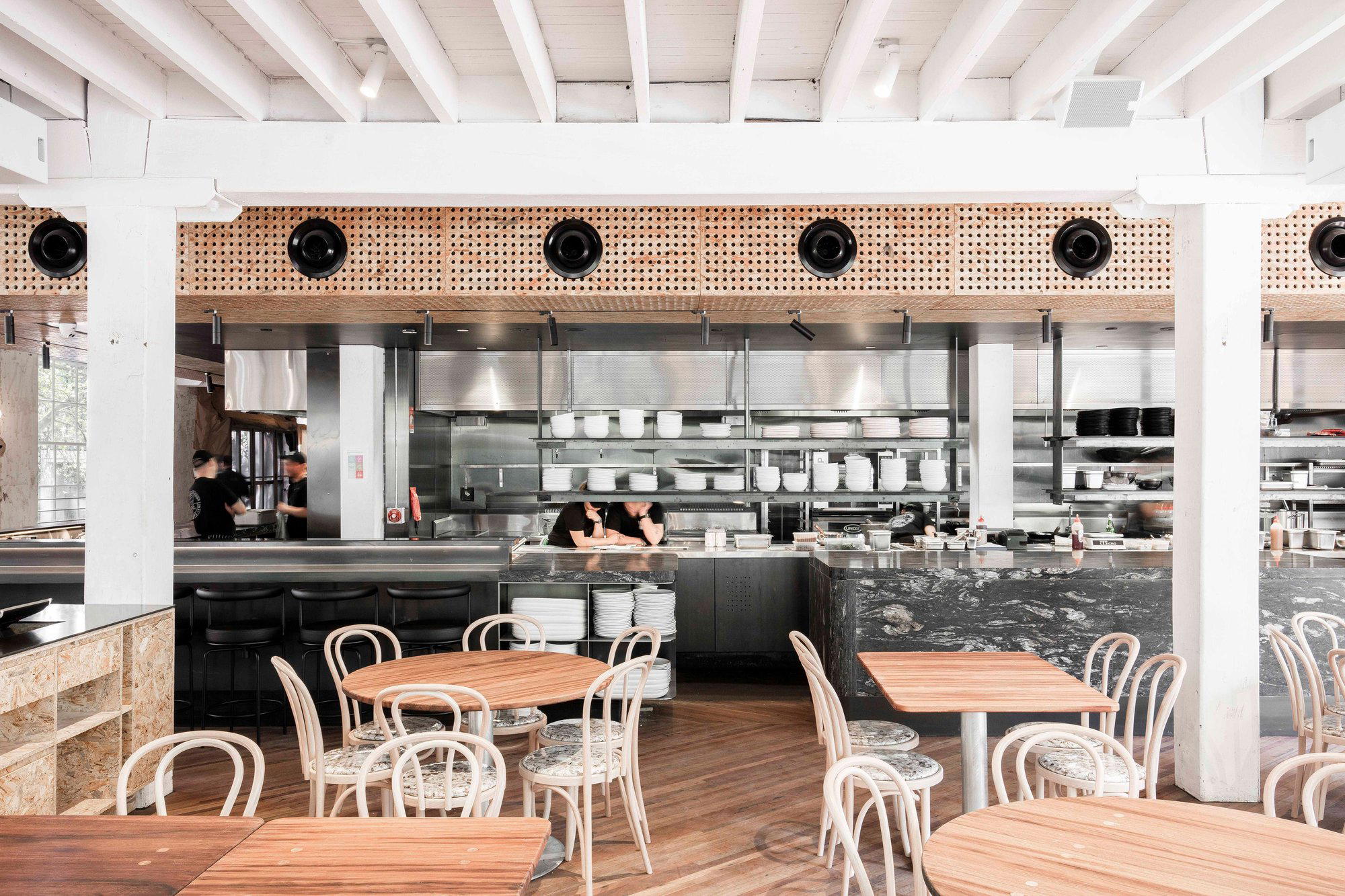
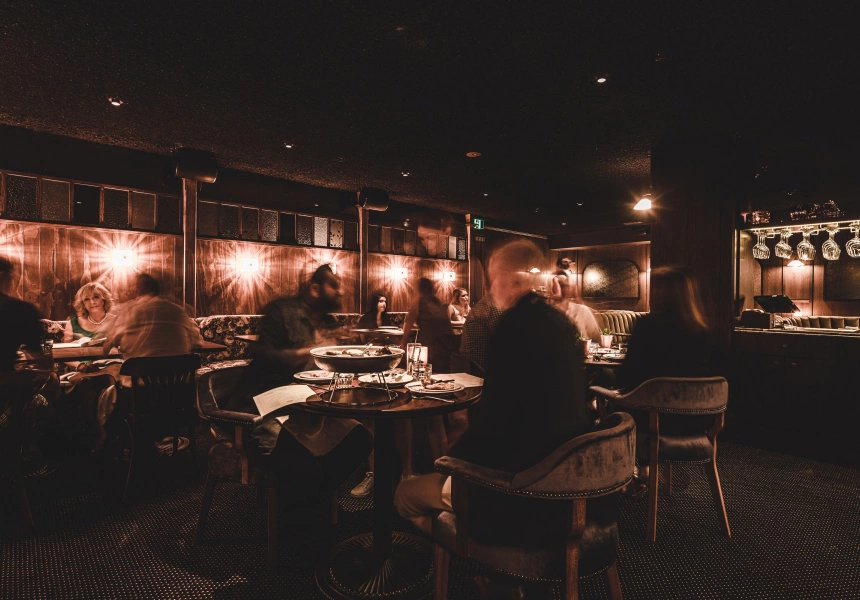
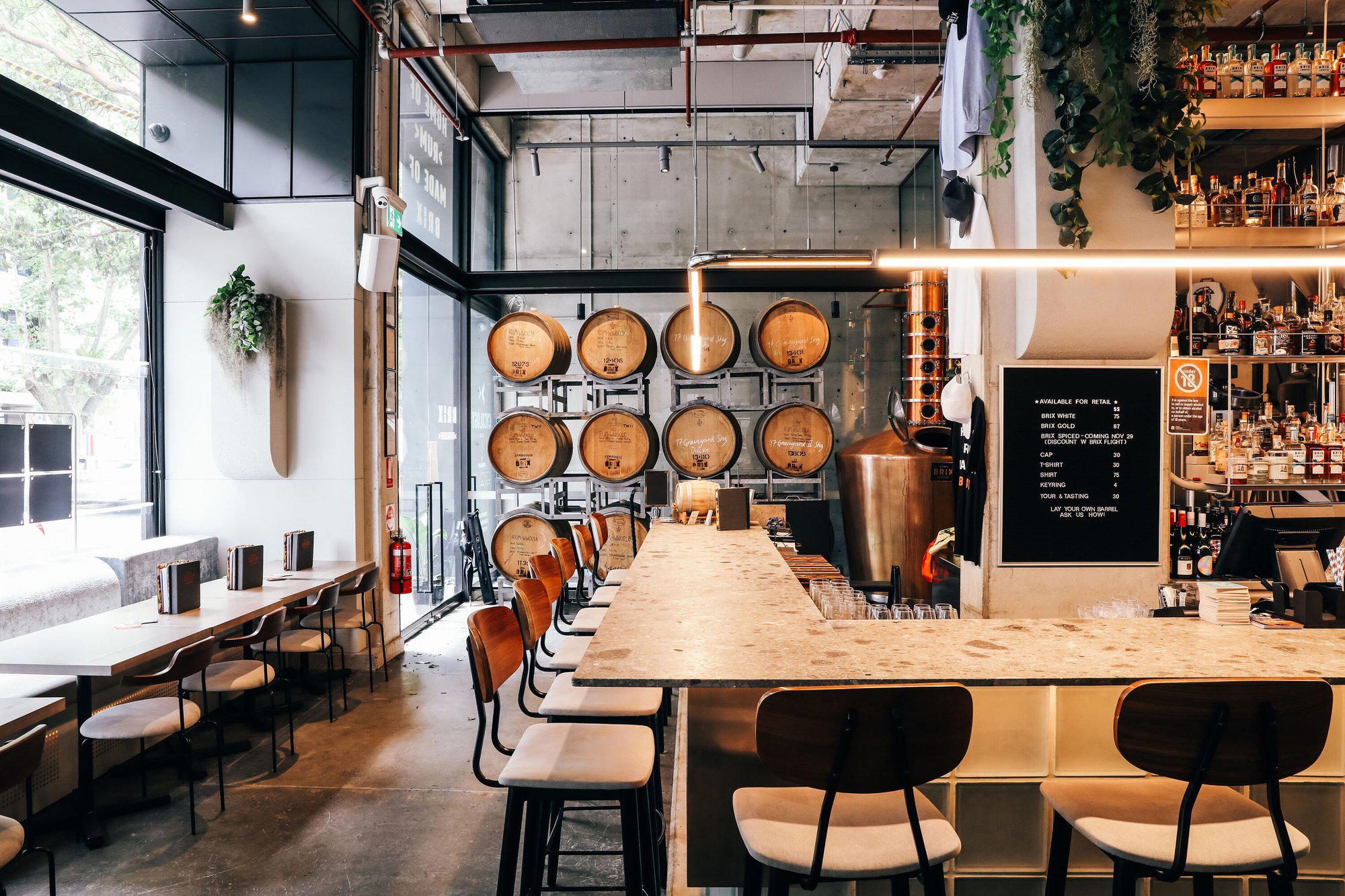
Cosy, funky mid-century Mexican decor with lively, lively atmosphere full of character.