Central Cucina sits on Level 2 of a Hurstville address that most inner-city diners never reach, placing it in the growing tier of suburban Sydney restaurants that compete on food rather than postcode. The Italian name signals a kitchen with European intent, set against a city increasingly willing to look beyond its harbour-adjacent dining corridors for serious eating.
Pearl is the En Primeur Club membership app — saves, bookings, and concierge access live there. Same editors, same standards.
- Address
- Level 2/2 Crofts Ave, Hurstville NSW 2220, Australia
- Phone
- +61295703355
- Website
- clubcentralhurstville.com.au
- Directions
- Get directions
 Saves & bookings on Pearl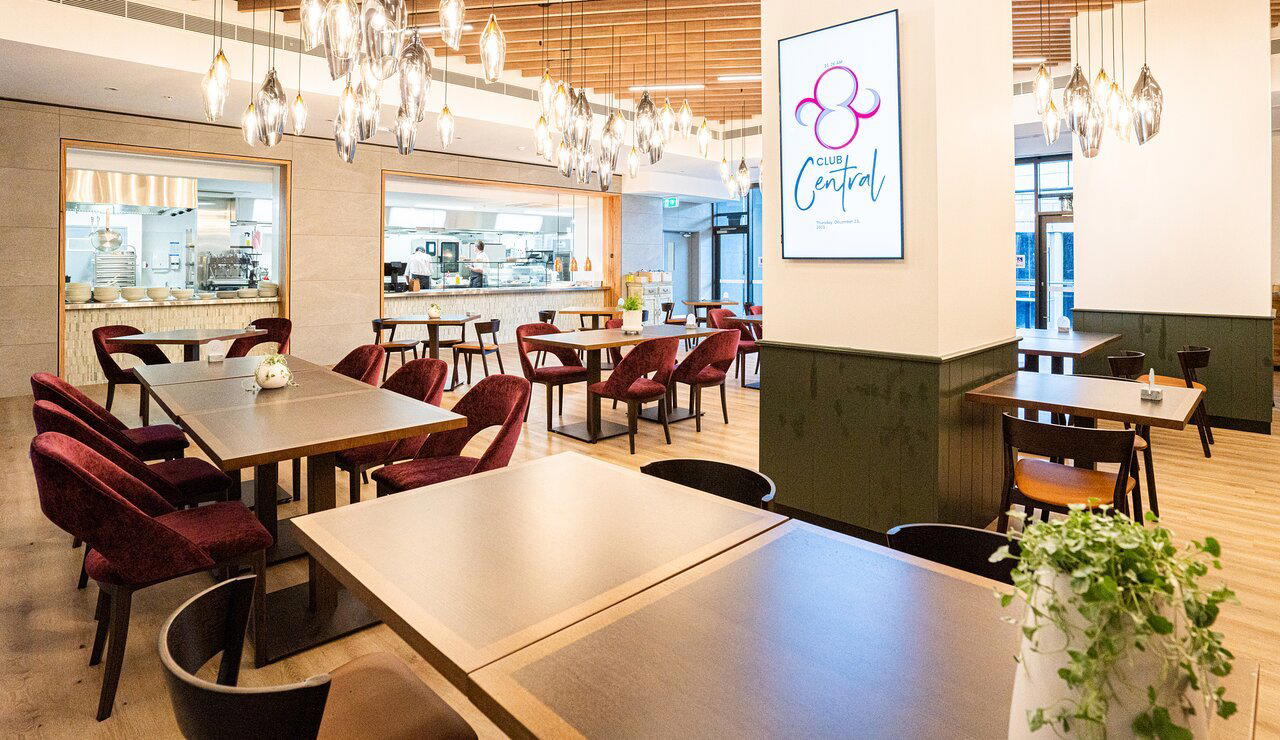
Hurstville and the Suburban Restaurant Question
Sydney's dining reputation is built on a small radius: the CBD, Surry Hills, Potts Point, and the waterfront corridors that photograph well and attract the broadest critical attention. Beyond that belt, a separate tier of neighbourhood restaurants has been building quietly for years, drawing local regulars and occasional destination diners who follow food rather than postcodes. Hurstville, a dense, multicultural suburb in Sydney's south, sits firmly in that second category. Its food culture runs deep, shaped by decades of Chinese, Korean, and wider Asian settlement, and the suburb's restaurant density per capita rivals many inner-city strips. Central Cucina, on Level 2 of a Crofts Avenue address, occupies a different register within that scene: Italian in orientation, upstairs in format, the kind of placement that signals the kitchen is the offer rather than the view.
For a city accustomed to pairing serious food with high-visibility real estate, that separation matters. Compare it with the harbour-adjacent positioning of Ormeggio at The Spit in Mosman, where the water view is part of the dining contract, or the prestige address logic that underpins destination rooms like Rockpool. Central Cucina asks diners to make the trip on different terms.
The Booking Experience: What to Know Before You Go
Restaurants in Hurstville operate with less online infrastructure than their inner-city counterparts. For many diners approaching Central Cucina through search or aggregator platforms, the first friction point is the absence of a direct booking link or website in the standard directories. That is not unusual for suburban Sydney Italian restaurants, which have historically run through phone reservations and walk-in trade rather than OpenTable or Resy systems.
The Crofts Avenue address places the restaurant in the commercial heart of Hurstville, within close range of Hurstville Station on the T4 Eastern Suburbs and Illawarra Line, making it one of the more accessible suburban dining destinations in the south by train. From Central Station, the journey runs approximately 25 minutes. Parking in the Hurstville commercial precinct is available but follows standard suburban shopping-centre logic: easier at off-peak hours, tighter on Friday and Saturday evenings. For the kind of occasion that warrants a longer dinner, the train calculus is direct.
The Level 2 positioning is worth noting for first visits. Ground-floor presence on a suburban high street is the default for walk-in trade; an upstairs room asks diners to commit before they see the space. That format is more common in Italian restaurants in Melbourne's inner suburbs than in Sydney, and it tends to produce a more settled, less transient dining room. For a comparable dynamic in a different Australian context, consider how Provenance in Beechworth uses its regional remove as a self-selecting filter for its audience.
Italian Dining in a Multicultural Suburb
Decision to operate an Italian-inflected restaurant in Hurstville rather than on the Leichhardt strip or in the CBD is a positioning choice worth reading carefully. Italian food in Sydney exists across a wide range of registers, from the neighbourhood red-sauce trattorias that defined inner-western suburbs for generations to the contemporary Italian wine-bar format that has spread through Surry Hills and Paddington in the past decade. That latter format, exemplified by 10 William St, is built around natural wine, small plates, and a specific urban cultural identity. A Hurstville Italian sits in a different conversation, one where the neighbourhood is defined by Asian dining culture and Italian food occupies a minority genre.
That minority status within its immediate suburb actually creates a specific dining dynamic: Central Cucina is not competing with twelve other Italian options on the same block. The competitive set is effectively the suburb's broader restaurant offering, and a diner choosing Italian in Hurstville is making a more deliberate choice than a diner picking one of many on Norton Street. For Sydney diners interested in how Italian cooking translates across the city's varied suburban contexts, this is a meaningful data point.
Where It Sits in the Sydney Italian Conversation
Sydney's Italian restaurant tier is wide. At one end, places like 1021 Mediterranean blend Italian and broader Mediterranean influences into something that resists clean categorisation. At the other, the city's handful of formally recognised Italian-adjacent fine dining rooms hold positions closer to the national conversation around restaurants like Attica in Melbourne or Brae in Birregurra, where European technique is filtered through Australian produce logic. Central Cucina, based on available information, occupies a middle register: neighbourhood-scale, Italian in name and intent, suburban in address.
That middle register is arguably where the most interesting Australian dining happens away from the awards cycle. The restaurants that serve the same suburb for a decade, that know their regulars, that do not rebuild their identity around each year's recognition season, are the ones that accumulate the kind of trust that press-release restaurants rarely develop. Saint Peter built a dedicated following through consistency and clear culinary identity; the ambition at Central Cucina is legible in its format choice even where specific detail is thin.
For visitors coming from outside Sydney looking to build a broader picture of where the city's food energy sits, the inner-city anchor points remain 10 Pounds and the various Surry Hills and CBD rooms covered in our full Sydney restaurants guide. Central Cucina is a south-suburban datapoint within that wider map, one that rewards diners willing to leave the postcode comfort zone. For internationally minded context, the logic of destination dining outside a city's prestige radius is a pattern visible everywhere from Lazy Bear in San Francisco to Le Bernardin in New York City, where serious food and premium real estate overlap — but the reverse, serious food in modest real estate, is often the better story.
Know Before You Go
- Address: Level 2, 2 Crofts Avenue, Hurstville NSW 2220
- Getting there: Hurstville Station (T4 line) is the closest public transport option, approximately 25 minutes from Central Station
- Booking: No website or online booking system is listed in current directories; direct phone contact is advised for reservations
- Format: Upstairs room on Level 2; first-time visitors should allow for the street-level entrance and stair access
- Neighbourhood context: Hurstville is a dense, multicultural suburb with a strong Asian dining culture; Italian options in the area are limited relative to the suburb's overall restaurant count
- Timing: Weekend evenings will see the highest demand from local regulars; weekday visits tend to offer more flexibility for walk-in attempts
The Minimal Set
| Venue | Cuisine |
|---|---|
| Central CucinaThis venue — the venue you are viewing | Not listed |
| Rockpool | Australian Cuisine |
| Saint Peter | Australian Seafood |
| BENTLEY Restaurant & Bar | Australian Modern |
| Bennelong | Australian Cuisine |
Continue exploring
More in Sydney
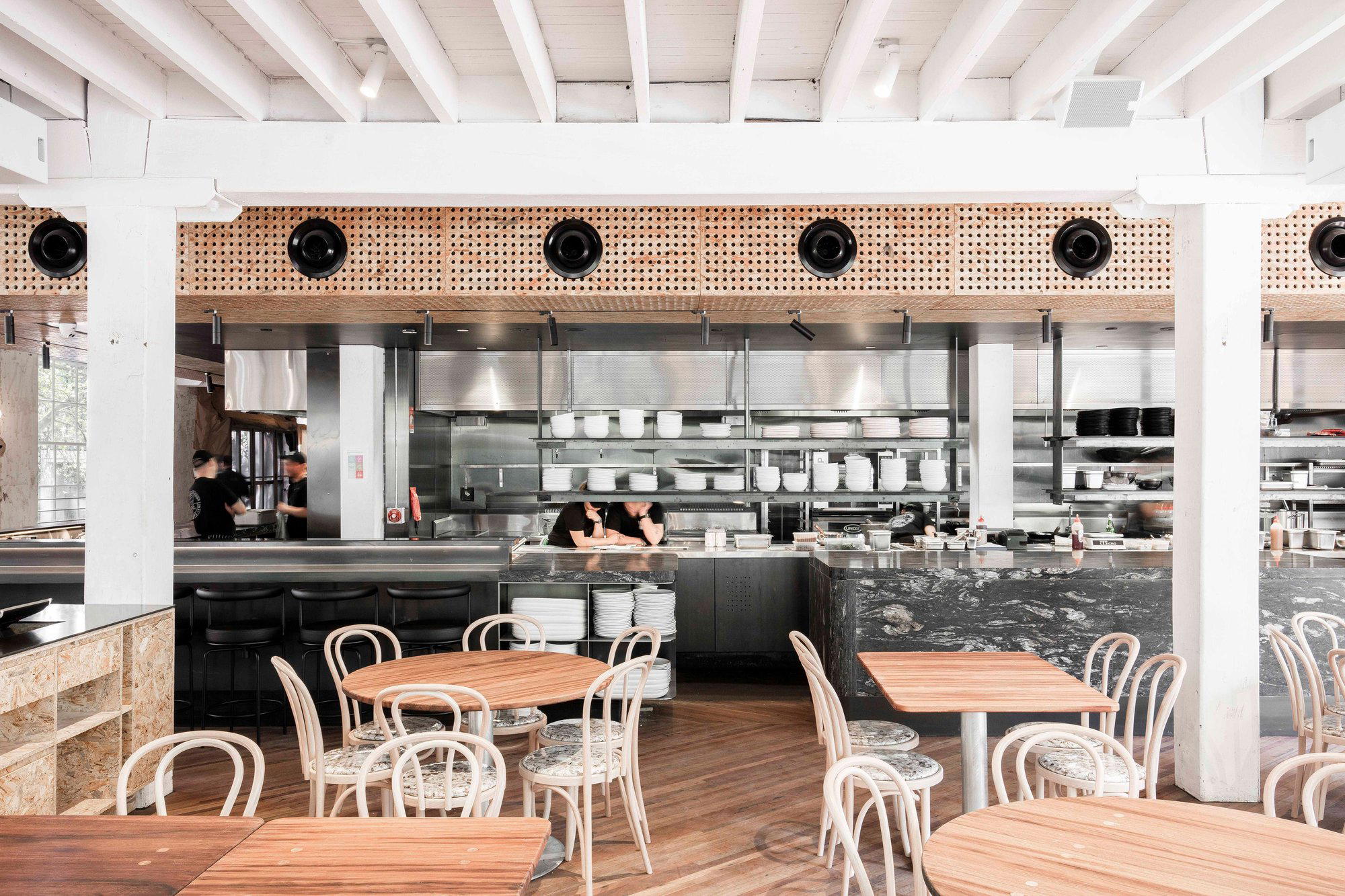
Restaurants in Sydney
Browse all →
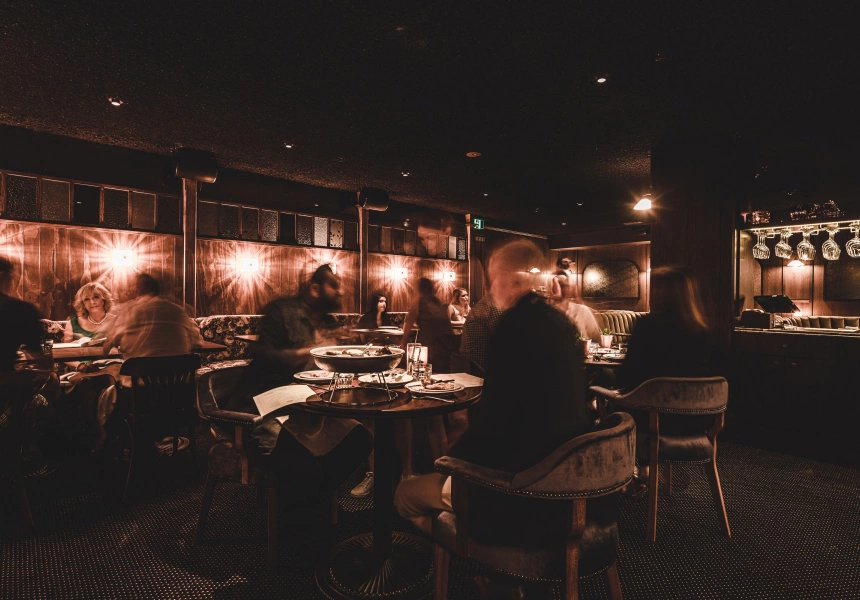
Bars in Sydney
Browse all →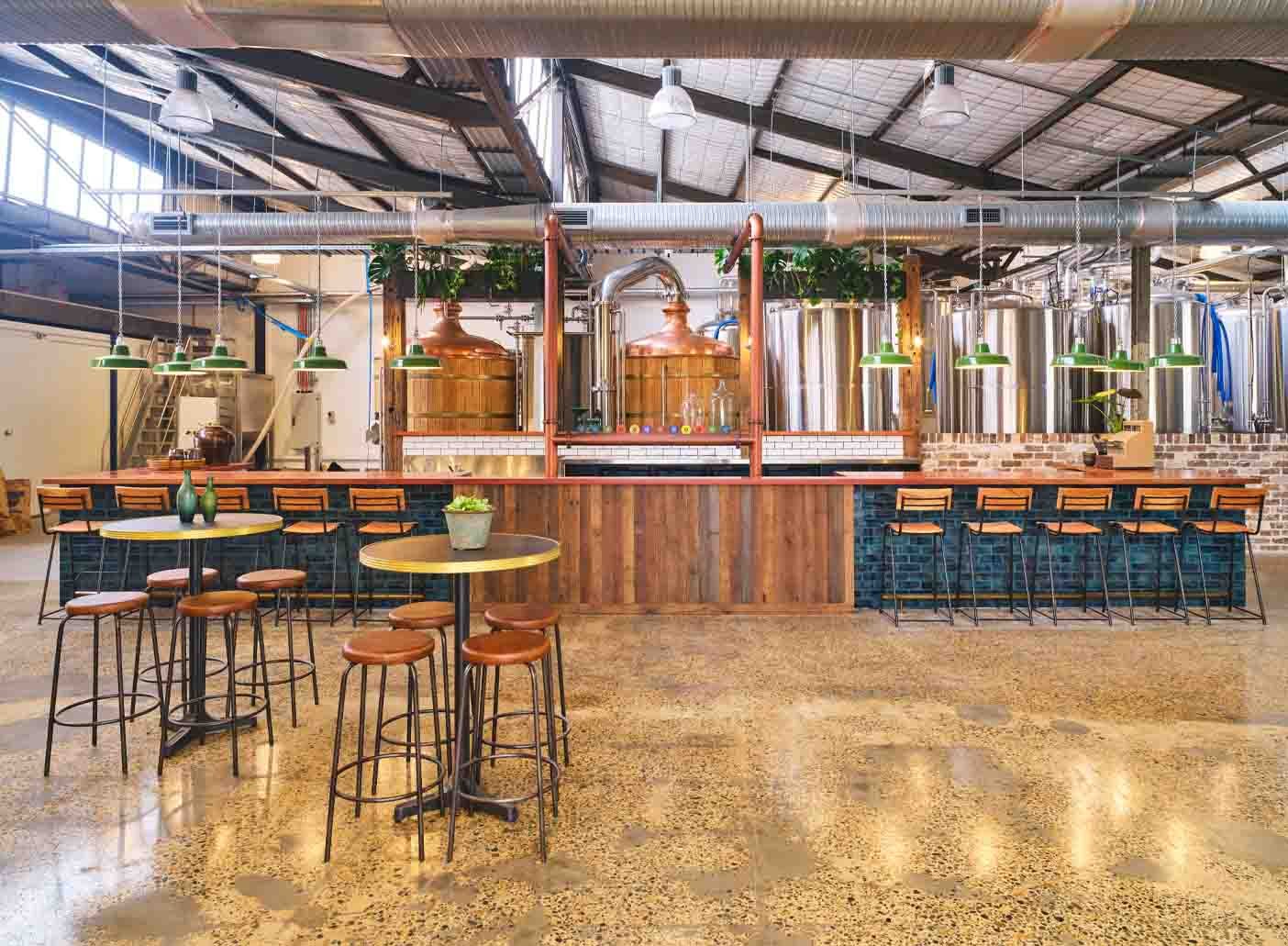
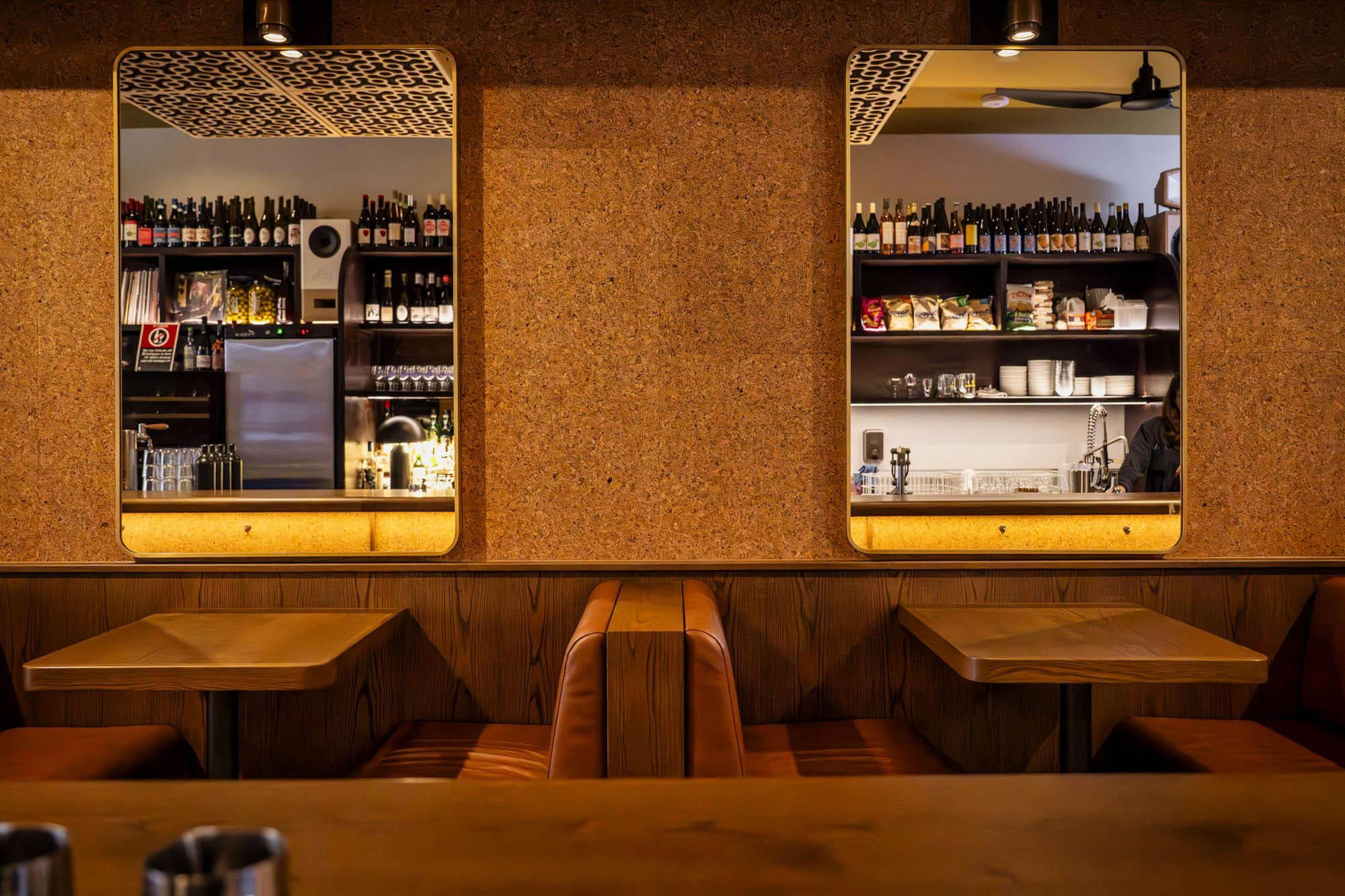
Hotels in Sydney
Browse all →

At a Glance
- Modern
- Casual
- Lively
- Casual Hangout
- Family
- Group Dining
- Standalone
Current opening hours
- Monday
- 6:30–10 AM, 11:30 AM–3 PM, 5–9 PM
- Tuesday
- 6:30–10 AM, 11:30 AM–3 PM, 5–9 PM
- Wednesday
- 6:30–10 AM, 11:30 AM–3 PM, 5–9 PM
- Thursday
- 6:30–10 AM, 11:30 AM–3 PM, 5–9 PM
- Friday
- 7–10:30 AM, 11:30 AM–3 PM, 5–10 PM
- Saturday
- 7:30–10:30 AM, 11:30 AM–3 PM, 5–10 PM
- Sunday
- 6:30–10 AM, 11:30 AM–3 PM, 5–9 PM
Hours can change for holidays and private events. Last verified .
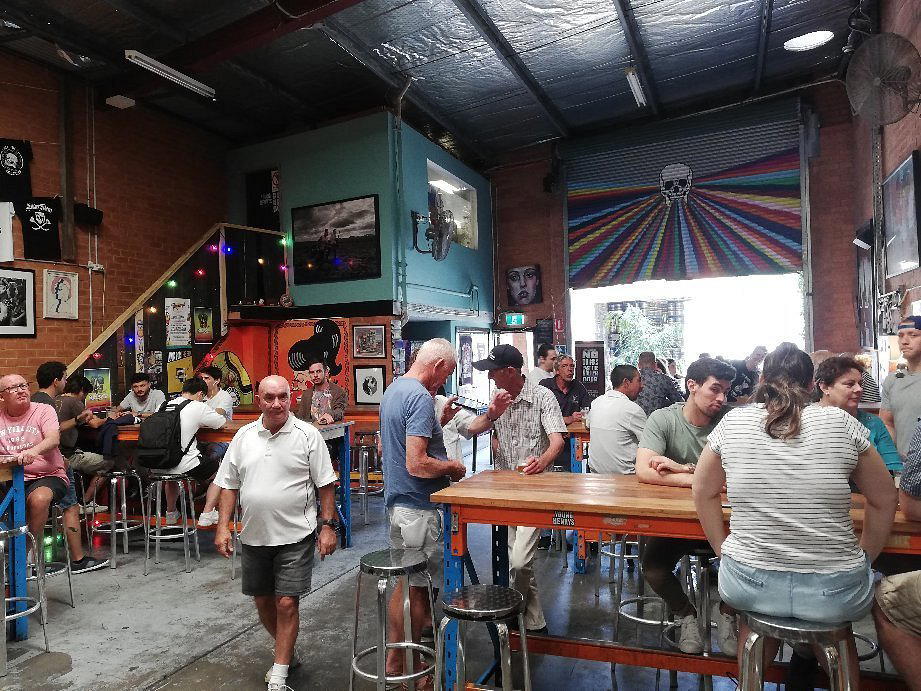
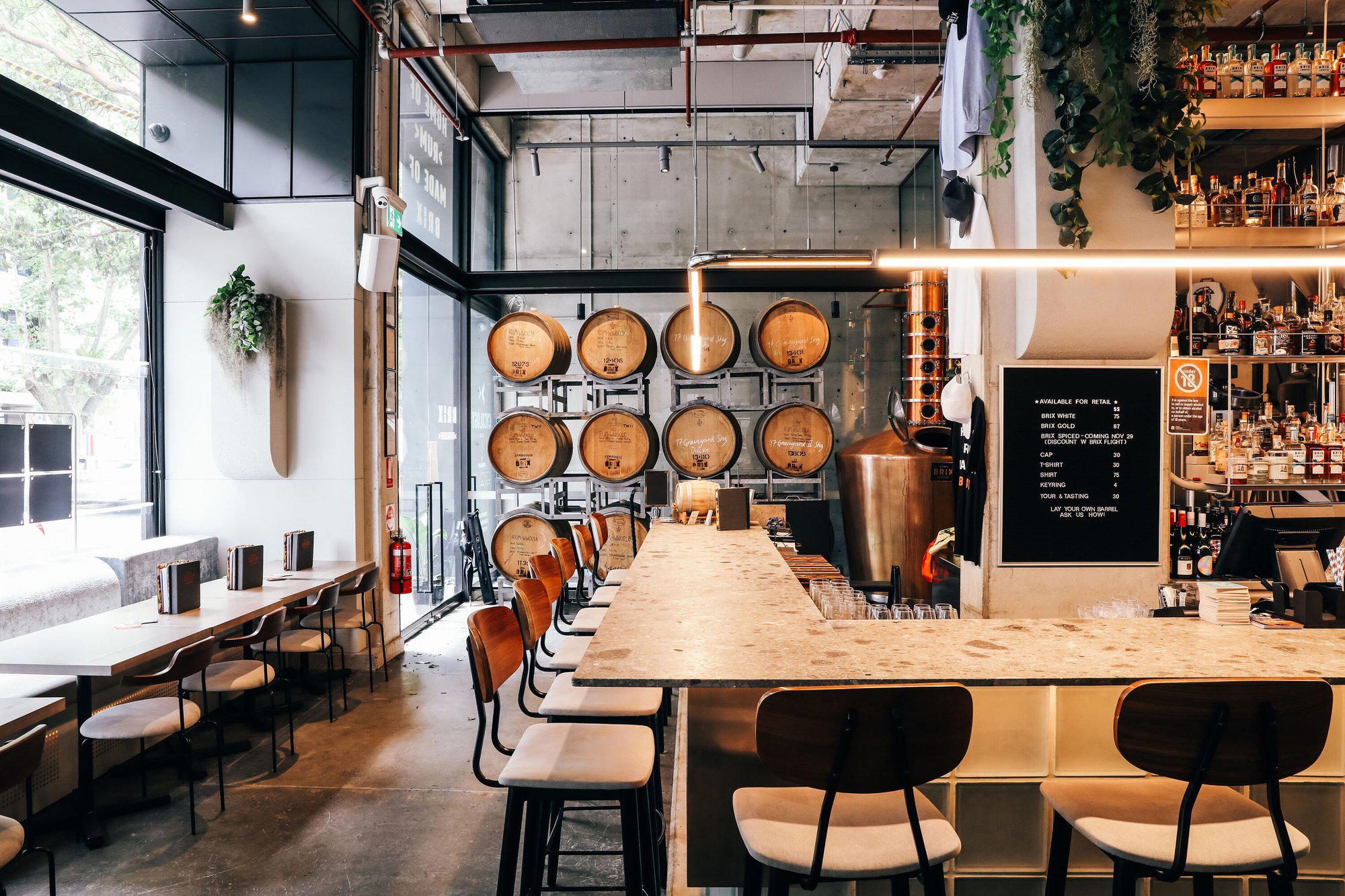
Lively and inviting atmosphere with a relaxed, friendly environment that captures the essence of local cuisine.
Know Before You Go
- Getting there
- Level 2/2 Crofts Ave, Hurstville NSW 2220, Australia