A converted mill on Via dei Mulini in the Friuli countryside, Mulino Ferrant Di Fant Paolo sits in a region where ingredient provenance has long shaped the plate rather than decorated it. Cassacco and its surrounds produce some of northeastern Italy's most distinctive raw materials, from mountain-cured meats to wild foraged herbs, placing this address inside a serious local food tradition that predates the current farm-to-table vocabulary by several generations.
Pearl is the En Primeur Club membership app — saves, bookings, and concierge access live there. Same editors, same standards.
- Address
- Via dei Mulini, 8, 33010 Cassacco UD, Italy
- Phone
- +393355488537
- Website
- mulinoferrant.it
- Directions
- Get directions
 Saves & bookings on Pearl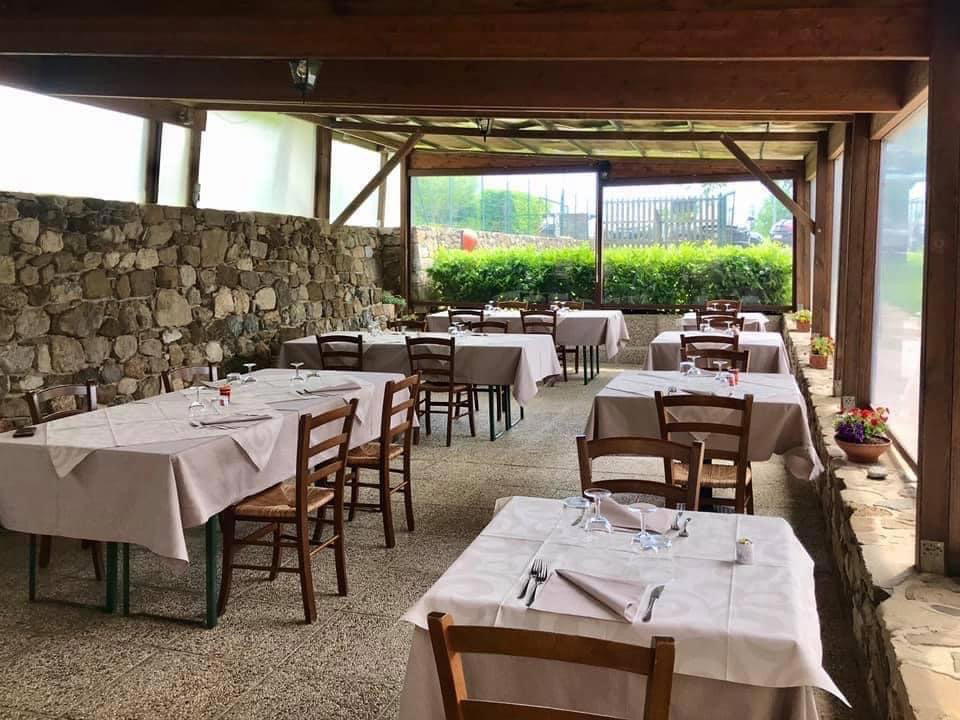
Where the Mill Meets the Plate: Friuli's Ingredient-Led Tradition
The road into Cassacco follows the logic of Friuli-Venezia Giulia's agricultural interior: small farms parcelled between hillside woodland, roadside vegetable plots that shift weekly with the season, and the occasional flour mill or curing house that has been operating in the same building since before the province changed its name. Via dei Mulini — Mill Road — is named for structures like the one that houses Mulino Ferrant Di Fant Paolo, and that etymology is not incidental. In Friuli, the mill was historically the pivot point between raw agricultural yield and edible product. The name alone signals a relationship with primary ingredients that shapes the cooking tradition of this corner of northeastern Italy more than any chef credential or design intervention could.
Friuli-Venezia Giulia sits at the intersection of Italian, Slavic, and Central European culinary traditions, a position that has produced one of Italy's most distinctive regional food cultures without ever attracting the international attention levelled at Piedmont or Emilia-Romagna. For visitors accustomed to benchmarking Italian fine dining against addresses like Osteria Francescana in Modena or Enoteca Pinchiorri in Florence, the province requires a recalibration of expectations. The prestige here is territorial rather than metropolitan, built on what the land produces rather than on international competition. That orientation makes a mill address in Cassacco legible in a way that it might not be elsewhere.
The Friuli Ingredient Economy
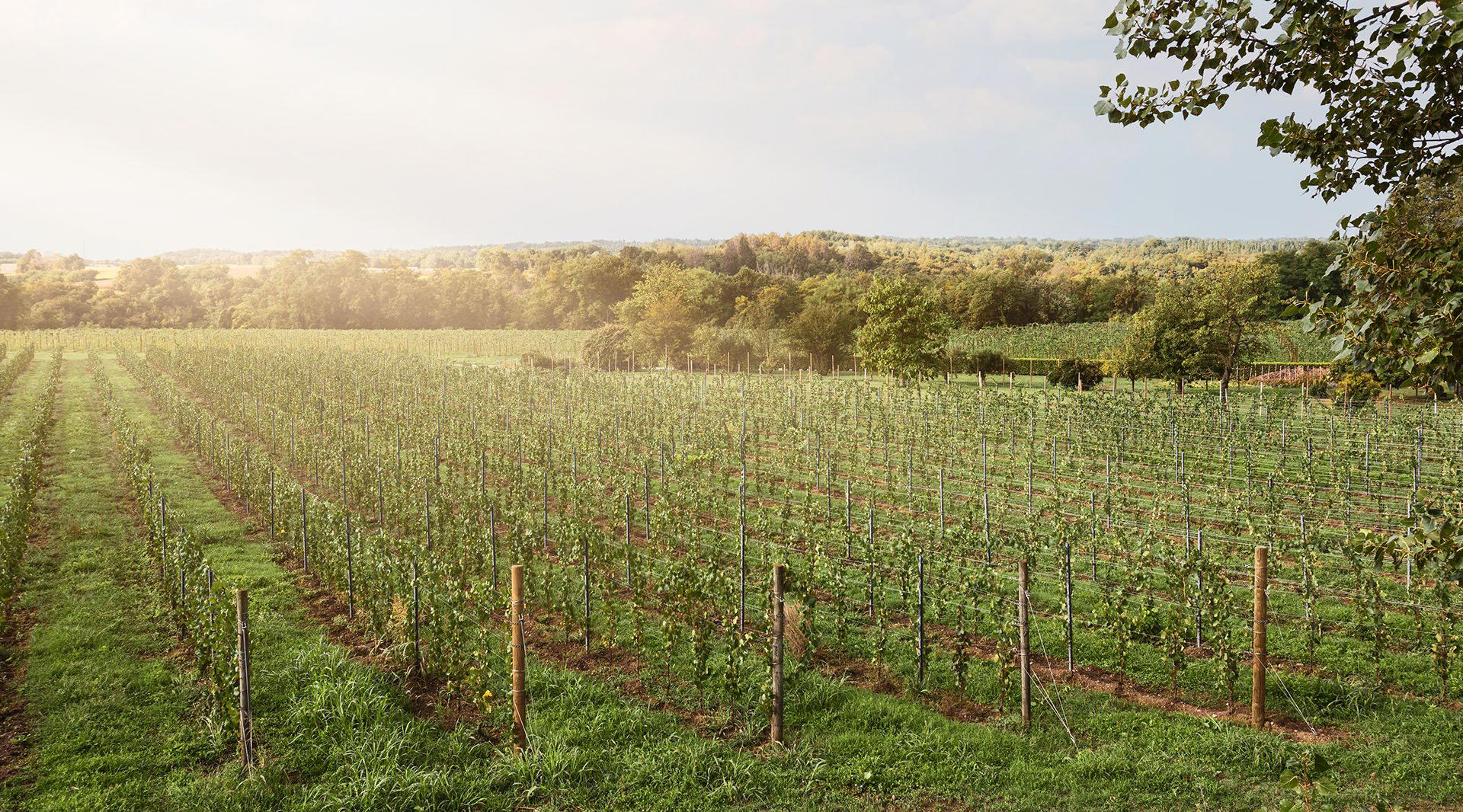
What makes northeastern Italy's food culture coherent is the density and variety of its primary producers operating within a relatively compact geography. The Colli Orientali, rising northeast of Udine, supply both viticulture and soft fruit farming at altitude. The Tagliamento river basin contributes freshwater species and alluvial soils that support a distinctive vegetable-growing character. Further north, where Friuli abuts the pre-Alpine zone, small-scale livestock keeping has sustained cured meat traditions, prosciutto di San Daniele being the most famous export, that depend on air, altitude, and time rather than industrial process.
For a venue at a mill address in Cassacco, this geography is not backdrop but supply chain. The Friulian cooking tradition at its most coherent takes local flour, locally raised animals, foraged herbs from the woodland margins, and cured meats from within the same province, then applies preparations that carry German and Slovenian imprints alongside Italian technique. Blecs (buckwheat pasta), frico (cheese and potato cake), and cjarsons (stuffed pasta with sweet-savory fillings) are the regional markers, each of which demonstrates how the cuisine processes local raw materials into forms that don't resemble anything produced further south. For broader context on Italy's most celebrated ingredient-driven restaurants, the comparison set includes Dal Pescatore in Runate, Piazza Duomo in Alba, and Reale in Castel di Sangro, all of which demonstrate how Italy's most serious regional tables anchor their identity to specific territorial produce.
Cassacco and the Logic of the Rural Table
Cassacco itself is a small comune in the Province of Udine, positioned between the provincial capital and the eastern hills. It sits outside the tourist circuits that concentrate visitors in Udine's Piazza della Libertà or along the Collio wine road. That positioning is characteristic of how genuine Friulian food culture operates: the places most connected to primary production are not the most visible ones. The same dynamic plays out across Italy's serious regional food traditions, from the inland Campanian addresses that operate well away from the Amalfi coast circuit to the Calabrian trattorie documented in Gambero Rosso in Marina di Gioiosa Ionica.
A mill converted to dining use carries a specific set of architectural and atmospheric qualities that are common across Alpine and pre-Alpine Italy: stone construction, low-ceiling interiors, proximity to water, and a building logic shaped by industrial function rather than hospitality. These spaces tend to operate differently from designed restaurant environments. The physical fabric of the building does contextual work that a purpose-built dining room cannot replicate. In Friuli, where the relationship between agricultural infrastructure and the table has always been close, a mill address is a credible signal of that connection.
Positioning Within Italy's Broader Fine Dining Geography
Italy's most recognised fine dining addresses concentrate in a familiar set of cities and regions: Milan, where Enrico Bartolini anchors the metropolitan end of creative Italian cooking; the Veneto, where Le Calandre in Rubano has sustained its position at the top of progressive Italian cuisine for decades; and Lombardy, where Da Vittorio in Brusaporto and Villa Crespi in Orta San Giulio represent the region's serious end. Further afield, Casa Perbellini 12 Apostoli in Verona and Quattro Passi in Marina del Cantone demonstrate how Italy's coastal and inland traditions diverge at the top tier. Uliassi in Senigallia shows what the Adriatic end of the peninsula produces when applied to seafood with similar seriousness. Even internationally, the standard of produce-anchored cooking at addresses like Le Bernardin in New York City or Atomix in New York City illustrates how ingredient sourcing discipline operates as a global signal of intent, not merely a regional affectation.
Friuli's contribution to this broader map is underweighted in international coverage relative to what the region actually produces. The Alto Adige end of northeastern Italy receives more consistent attention, with addresses like Atelier Moessmer Norbert Niederkofler in Brunico and La Pergola in Rome representing the upper tier of Italian cooking with documented credentials, while Friuli's own serious addresses remain less mapped internationally. A venue at a mill address in Cassacco sits in that under-documented segment of the Italian dining geography.
Planning Your Visit
Cassacco is accessible from Udine, the provincial capital, which sits approximately 15 kilometres to the south and connects by road in under 30 minutes. The most practical base for visiting is Udine itself, which offers a range of accommodation options and serves as the hub for the surrounding province. Visitors exploring the Colli Orientali wine area or the San Daniele del Friuli curing houses can incorporate Cassacco into a coherent northeastern Friuli itinerary. For a full orientation to what the area offers beyond this address, our full Cassacco restaurants guide maps the local dining context.
How Mulino Ferrant Di Fant Paolo Cassacco compares with similar nearby venues.
| Venue | Cuisine | Price |
|---|---|---|
| Antica Trattoria da Miculan | Regional Cuisine | € |
Continue exploring
More in Cassacco
Restaurants in Cassacco
Browse all →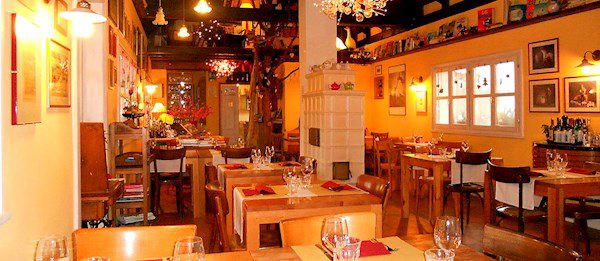
Bars in Cassacco
Browse all →
Hotels in Cassacco
Browse all →
At a Glance
- Rustic
- Cozy
- Classic
- Family
- Casual Hangout
- Historic Building
- Extensive Wine List
- Local Sourcing
Current opening hours
- Monday
- 4–11 PM
- Tuesday
- Closed
- Wednesday
- Closed
- Thursday
- 4–11 PM
- Friday
- 4–11 PM
- Saturday
- 10:30 AM–3:30 PM, 6–11 PM
- Sunday
- 10:30 AM–3:30 PM, 6–11 PM
Hours can change for holidays and private events. Last verified .
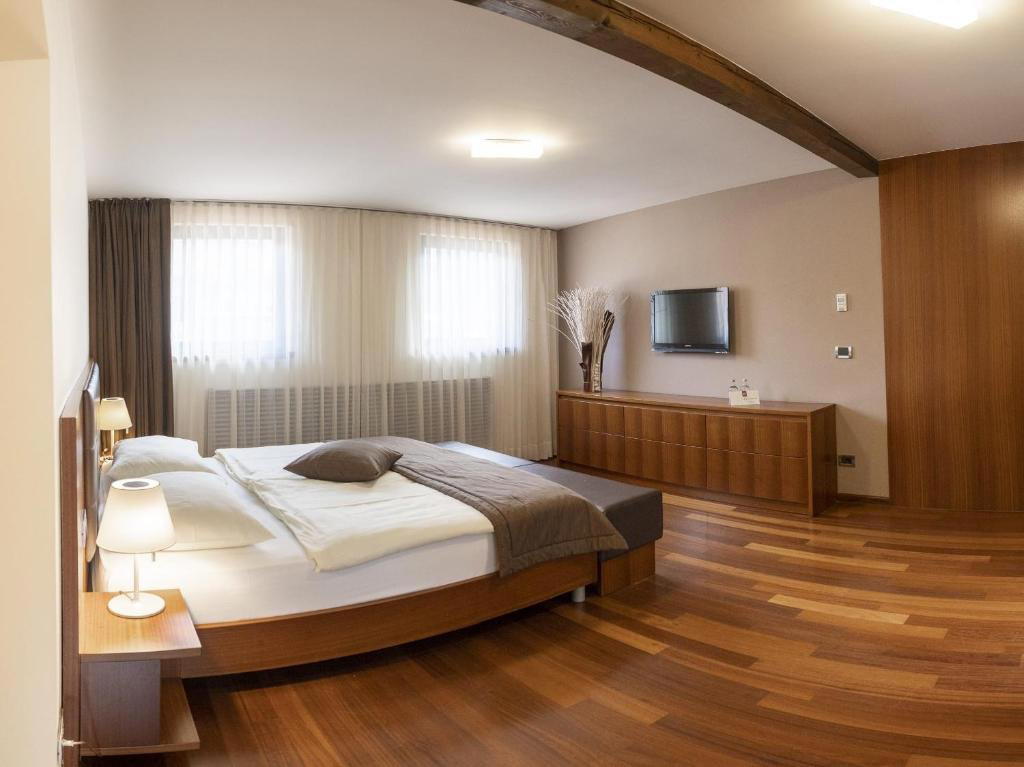
Rustic and welcoming atmosphere in a renovated old mill with cozy upstairs dining rooms and warm, traditional decor.
Know Before You Go
- Getting there
- Via dei Mulini, 8, 33010 Cassacco UD, Italy