Mukyu
Our verdict
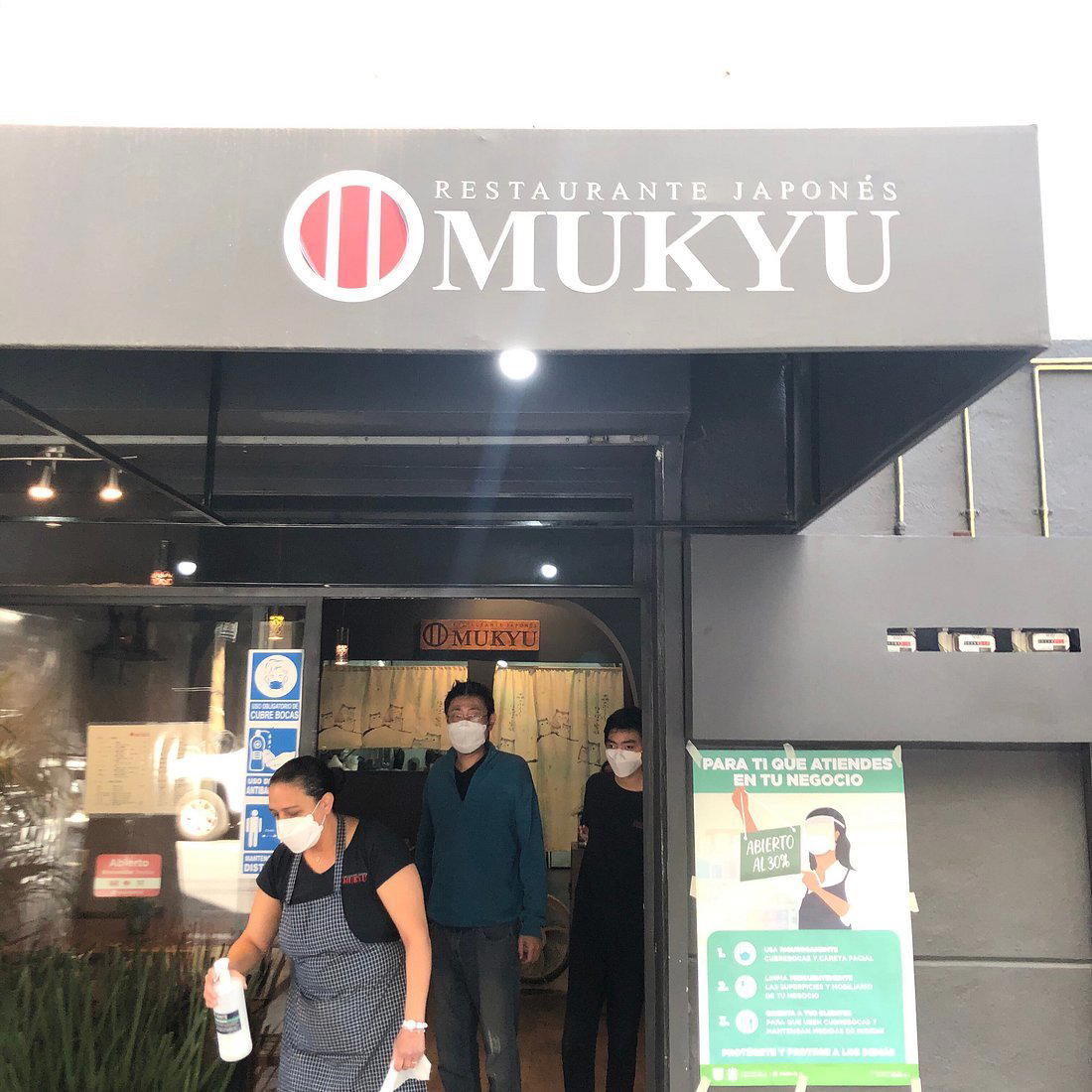
Mukyu occupies a quietly charged address on Río Nazas 24 in Cuauhtémoc, one of Mexico City's most contested dining corridors. The restaurant operates in a segment of the capital's scene where format, concept, and competitive positioning shift faster than in most global cities, making it worth tracking as the scene around it continues to evolve. For visitors cross-referencing Mexico City's upper-mid tier, it belongs on the shortlist alongside Em and Rosetta.

Pearl is the En Primeur Club membership app, where members save venues, book tables and use the concierge.
The menu
What to order
- Tonkotsu Ramen
- Shoyu Ramen
Cuauhtémoc's Dining Corridor and Where Mukyu Sits Within It
Río Nazas runs through the Cuauhtémoc borough at a particular inflection point in Mexico City's dining geography, close enough to the Roma and Juárez neighbourhoods to draw their foot traffic, distinct enough to carry its own operating logic. The address at number 24 places Mukyu inside a stretch of the city where mid-tier creative restaurants have increasingly concentrated over the past decade, as rents in Condesa and Roma pushed independent concepts toward adjacent postcodes. That migration has reshaped who opens where in the capital, and Cuauhtémoc has absorbed a significant share of the city's more experimental mid-range operators as a result.
Mexico City's restaurant scene has undergone more structural change since 2015 than almost any comparable city in Latin America. The rise of Pujol and Quintonil to international prominence created a bifurcated market: a small top tier priced and programmed for global gastro-tourism, and a much larger mid-tier absorbing local demand, younger chefs, and evolving formats. Mukyu operates within the second category, a space that, across the city, has proven more prone to reinvention, pivot, and repositioning than the Michelin-tracked upper bracket.
The Evolution of Format in Mexico City's Mid-Tier
To understand where Mukyu fits, it helps to understand what the mid-tier creative segment has been doing across the city. Restaurants in this bracket, Cuauhtémoc, Juárez, southern Condesa, have cycled through several distinct phases. The early 2010s saw a wave of contemporary Mexican concepts that prioritised heritage ingredient sourcing and tasting-menu formats borrowed from the fine-dining tier above them. By the late 2010s, that format began to feel prescriptive, and a cohort of newer openings moved toward shorter, sharper menus with more explicit international influences.
That second wave is where a venue like Mukyu finds its competitive context. The question for any restaurant at this address and in this tier is not simply what it serves, but how it has positioned itself relative to the restaurants that preceded it in the space, and relative to peers that have opened and closed around it. In a city where restaurant turnover in this price band is high, longevity at a single address carries its own signal about operator discipline and consistent demand. Rosetta on Colima and Em in the broader Roma corridor represent different points on the same spectrum: restaurants that have held a format long enough to build a defined identity, rather than cycling through concepts in search of one.
What the Cuauhtémoc Address Signals
The specific postcode, 06500, sits at the edge of where Mexico City's most active dining clusters begin to thin out. Venues here draw a clientele that is more locally rooted than the tourist-heavy traffic of Polanco or the international spillover that reaches Condesa's western edge. That has practical implications for how a restaurant at this address can price, how it builds repeat business, and what kind of menu evolution its regulars will absorb. It also means that concepts here tend to develop more slowly and more organically than those opened specifically for the gastro-tourism circuit.
For visitors mapping Mexico City's dining options across a multi-day itinerary, this neighbourhood positioning matters. Restaurants like Mukyu are not proxies for the Polanco fine-dining tier, they are a different kind of proposition, built for different occasions. For a broader orientation across the capital's restaurant categories and price points, the full Mexico City restaurants guide provides the framework for cross-referencing options by neighbourhood, cuisine type, and price band.
Mexico Beyond the Capital: The Wider Context
Mexico City's creative mid-tier is arguably the densest concentration of this restaurant category in the country, but it is not the only place the format is operating at a high level. Across Mexico, a similar pattern has emerged in secondary cities and resort corridors, operators working in the space between casual and fine dining, with strong local sourcing claims and menus that evolve seasonally rather than annually. Alcalde in Guadalajara and KOLI Cocina de Origen in Monterrey represent this tier in their respective cities. In the wine country of Baja, Animalón in Valle de Guadalupe and Olivea Farm to Table in Ensenada operate within a format defined by the region's agricultural and viticultural identity. Along the Caribbean and Gulf coasts, HA' in Playa del Carmen, Le Chique in Puerto Morelos, and Huniik in Merida each anchor a distinct regional dining identity. In Oaxaca, Levadura de Olla holds a position in that city's scene comparable to what the Cuauhtémoc mid-tier holds in Mexico City. Baja's wine route also includes Lunario in El Porvenir and the long-established Pangea in San Pedro Garza Garcia, both operating in the upper-mid tier of their respective regional markets.
For visitors whose itinerary extends beyond Mexico, or who are cross-referencing creative tasting-format restaurants at a global level, Atomix in New York City and Le Bernardin represent the upper end of what that format looks like when anchored by James Beard recognition and sustained critical consensus over decades. Sud 777 in Mexico City's Pedregal neighbourhood offers a useful local comparison point for how a creative concept evolves when it commits to a single direction long enough to define it.
Know Before You Go
- Address: Río Nazas 24, Cuauhtémoc, 06500 Ciudad de México, CDMX, Mexico
- Neighbourhood: Cuauhtémoc, on the edge of the Roma-Juárez dining corridor
- Booking: Contact details not currently listed, verify via Google Maps or local listings before visiting
- Hours: Not confirmed, check current listings before planning your visit
- Getting there: Cuauhtémoc is well-served by metro (Cuauhtémoc station, Line 1) and ride-share from both Roma and Polanco
Frequently asked questions
How does Mukyu's Cuauhtémoc address compare to Mexico City's other main dining districts?
The Cuauhtémoc postcode, 06500, sits geographically and commercially between the Juárez neighbourhood's newer independent openings and Roma Norte's more established creative mid-tier. Restaurants at this address tend to draw a locally rooted regular clientele rather than the tourist-heavy traffic that reaches Polanco and western Condesa. That positioning typically allows for more menu experimentation and slower, more organic format evolution than venues operating primarily for gastro-tourism. For visitors mapping the capital's dining districts, our Mexico City guide breaks down the distinctions between these clusters in practical detail.
City Peers
Comparable venues nearby, for context on price, style, and recognition.
| Venue | Cuisine | Price | Notes |
|---|---|---|---|
| MukyuThis venue (the venue you are viewing) | Authentic Japanese Ramen | Not listed | Not listed |
| El Japonez | Trendy Japanese Sushi and Robatayaki | $30–50 | Polanco Chapultepec |
| Wa Teppan | Japanese Teppanyaki & Sushi | $30–50 | Centro Comercial Santa Fe |
| Onomura Prado Norte | Premium Nigiri Sushi | $50–100 | Del Bosque |
| El 123 | Asian Fusion with Thai Influences | $10–20 | Tabacalera |
| Capicua | Spanish Tapas | Not listed | Hipodromo |
Continue exploring
More in Mexico City
Restaurants in Mexico City
All restaurants in Mexico City →
Details
- Cozy
- Casual Hangout
- A La Carte
- Vegan Options
Current opening hours
- Monday
- Closed
- Tuesday
- 1–9 PM
- Wednesday
- 1–9 PM
- Thursday
- 1–9 PM
- Friday
- 1–9 PM
- Saturday
- 1–9 PM
- Sunday
- 1–7 PM
Hours can change for holidays and private events. Hours as of .
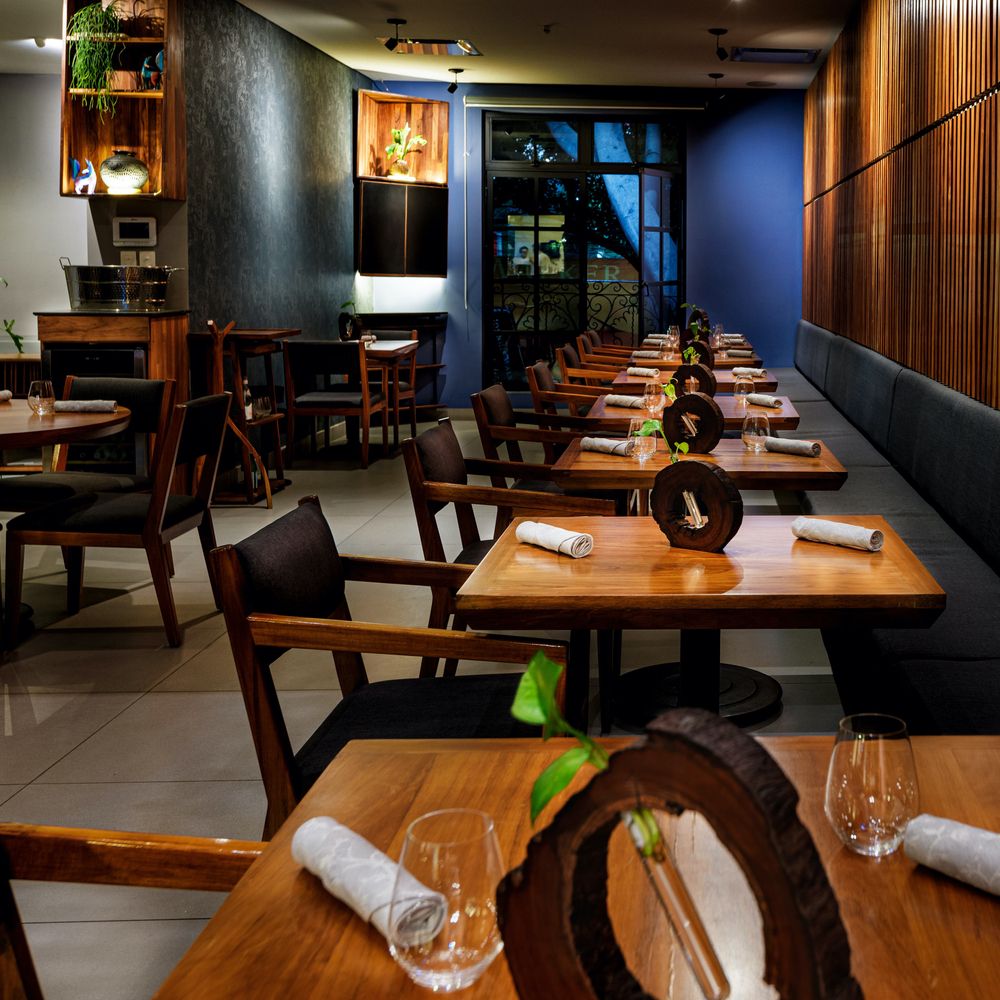
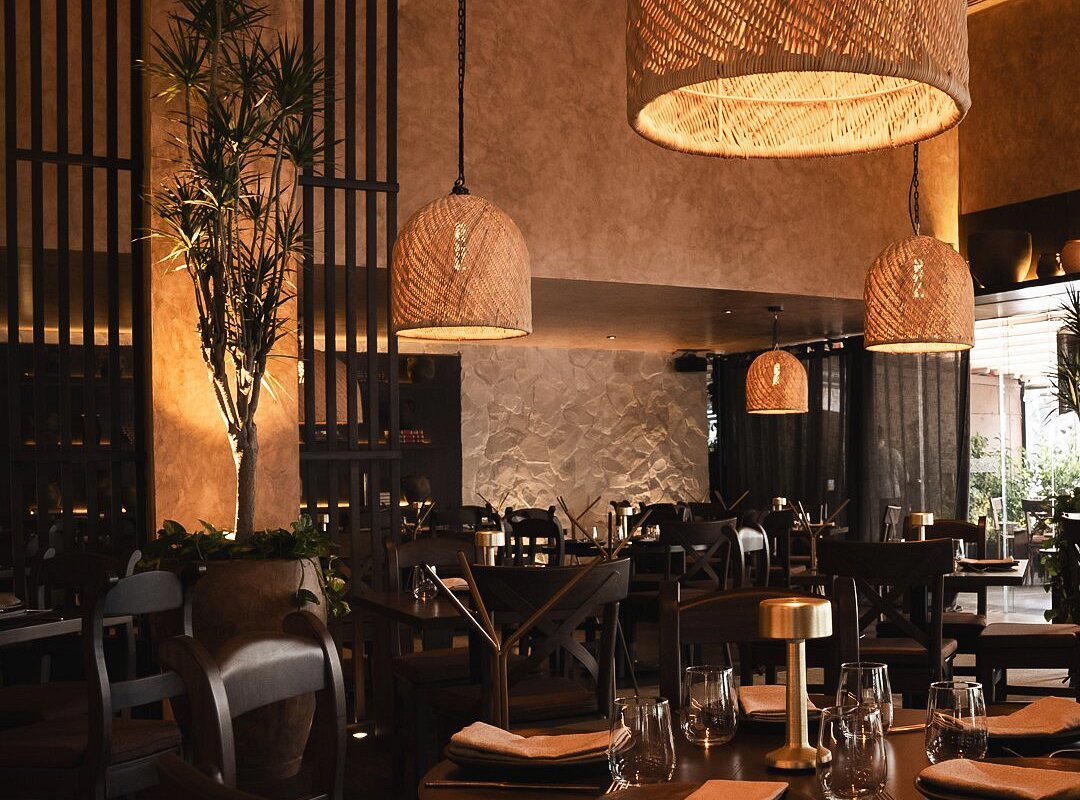
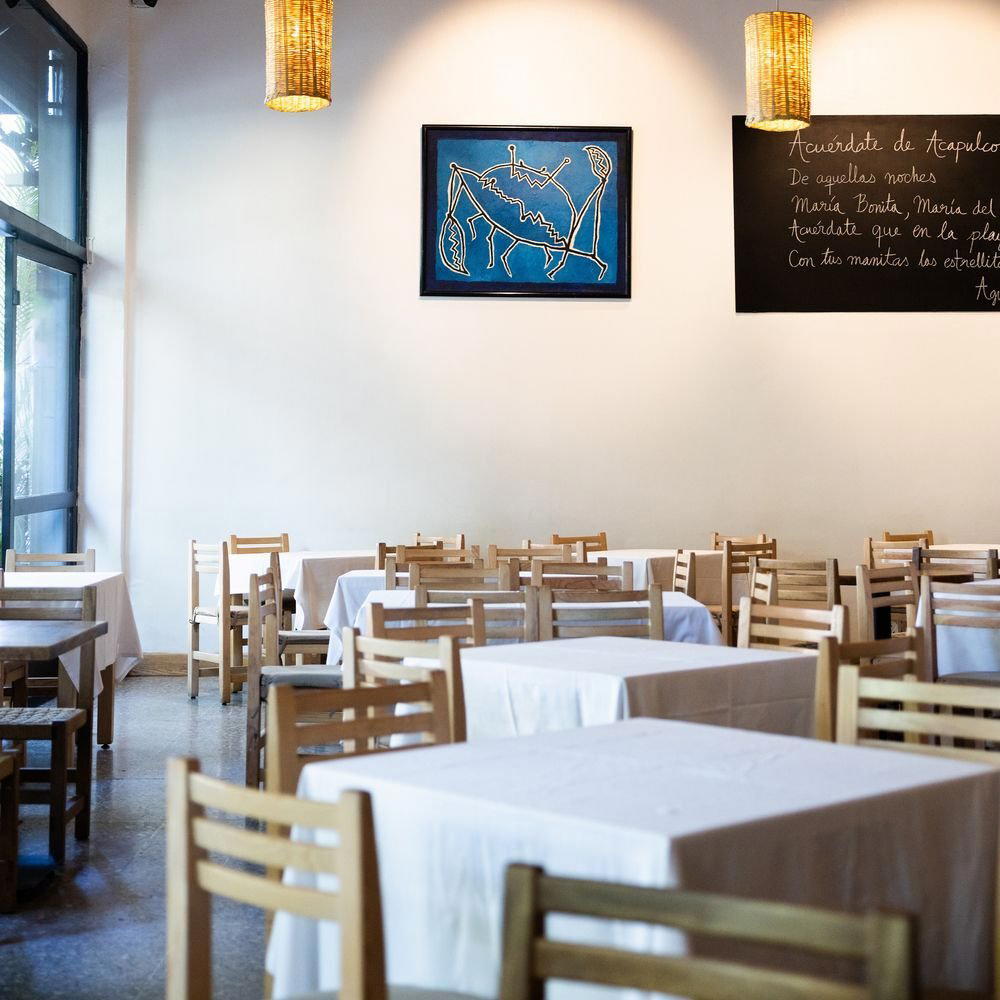
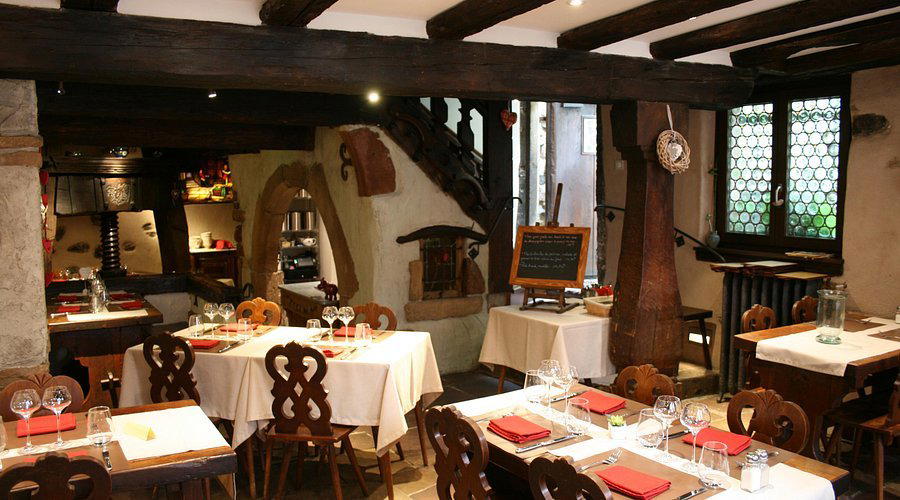
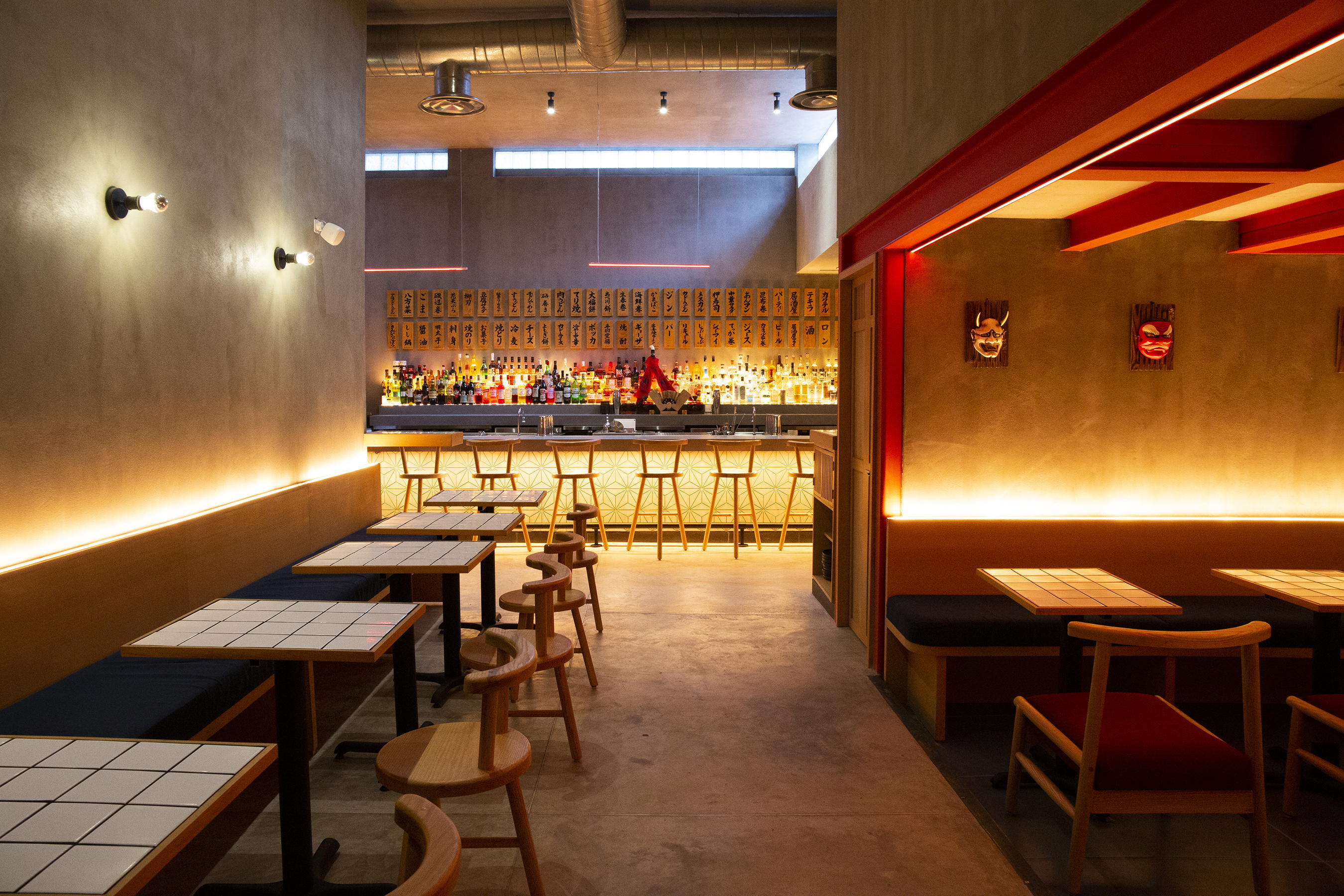
Cozy with an authentic Japanese touch and clean atmosphere.