Mu Krop focuses on Thai crispy pork belly, with Khao Moo Grob and Khao Moo Daeng supporting a casual, quick-bite stop on Vichitsongkram Rd in Phuket.
Pearl is the En Primeur Club membership app — saves, bookings, and concierge access live there. Same editors, same standards.
- Address
- 66, 6 Vichitsongkram Rd, Tambon Talat Nuea, Mueang Phuket District, Phuket 83000, Thailand
- Phone
- +6676215221
- Directions
- Get directions
 Saves & bookings on Pearl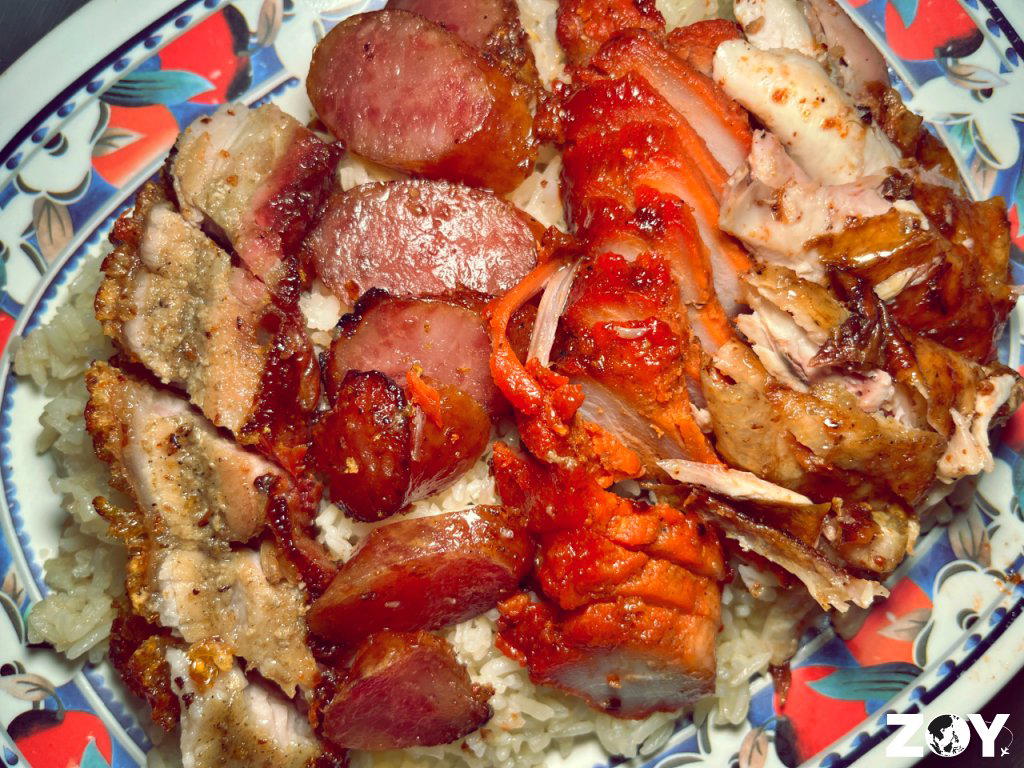
Where Phuket Town's Street-Food Tradition Runs Deepest
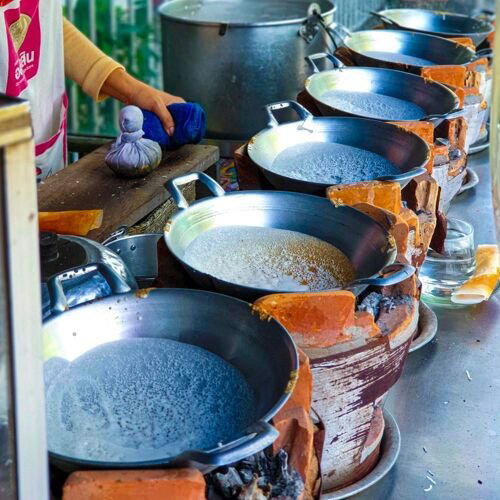
Along Vichitsongkram Road in Mueang Phuket's Talat Nuea district, the temperature of a street kitchen tells you more than any review. At Mu Krop, the woks are hot before most of the city has had coffee, and the crowd that gathers reflects something consistent about how locals in Phuket Town eat: they go where the sourcing is practiced, and the price stays low. This is not the resort strip. It is the working city, and the dining here operates on a different set of priorities entirely.
The Ingredient Logic Behind Southern Thai Street Cooking
Southern Thai cooking occupies a distinct position within the broader Thai canon. Where central Thai cuisine moderates its heat and tempers its fermentation, the south doubles down on both. The ingredients that define this tradition, fresh turmeric, galangal, dried shrimp, palm sugar from local trees, and chillies that arrive at a market already carrying the mineral character of the region's soil, are not substitutable without changing the dish fundamentally. A restaurant sourcing these locally, from the wet markets and smallholder networks that still supply much of Phuket Town's independent kitchens, produces a flavour profile that differs measurably from one importing standardised product.
Mu Krop sits within this ingredient-led tradition. The address on Vichitsongkram Road places it inside a residential and commercial corridor of Phuket Town where wet market proximity is not a marketing angle but a practical reality. The sourcing logic here is structural: proximity to supply, daily turnover, and a format that requires fresh product because nothing is prepared far in advance. That is how this category of cooking has always worked in this part of Thailand, and it is what separates the credible operators from those performing the aesthetic of street food without the underlying discipline.
For context on how Phuket's higher-end kitchens approach the same sourcing philosophy at a different price tier, PRU (Thai, Modern Cuisine) has built its identity around farm-to-table supply chains on the island. The comparison is instructive: both ends of the market are responding to the same underlying reality about what southern Thai ingredients taste like when they are genuinely local. The execution and price point diverge sharply; the sourcing principle does not.
Mu Krop in Phuket Town's Dining Structure
Phuket's dining splits along a predictable axis. The beach zones, Patong, Kamala, Surin, support a hospitality economy built around tourist throughput, with pricing and format adjusted accordingly. Phuket Town operates on a different logic, one shaped by the Sino-Portuguese heritage of the old quarter and a resident population that sustains local kitchens on repeat custom rather than seasonal visitor peaks. Venues here are accountable to a long-term neighbourhood audience in a way that resort-corridor restaurants are not.
Within that town structure, the street-food and casual Thai tier runs from single-dish specialists to multi-plate lunch operations. Mu Krop occupies this category alongside other Phuket Town institutions that function as daily eating destinations rather than occasion restaurants. The comparison set is not Acqua (Italian) or Amanpuri; those venues compete on a different axis entirely. The comparable set here is the category of local Thai operations where the food earns its standing through daily consistency rather than through awards or media recognition.
That is a harder test in some respects. A kitchen that serves the same neighbourhood every day cannot rely on novelty or occasion-dining goodwill. It has to be right every service. Across Thailand, the street and casual dining tier that endures longest is almost always the one with the disciplined ingredient sourcing, a pattern visible from Bangkok's Hoy Tord Chao Lay (หอยทอดชาวเล) to Chiang Mai's Cherng Doi Roast Chicken (ไก่ย่างเชิงดอย). The format may differ by region; the underlying logic of daily sourcing does not.
Southern Thai Street Food and the Broader Thai Dining Conversation
Thailand's dining recognition has historically concentrated on Bangkok. Sorn in Bangkok has done significant work placing southern Thai cuisine inside fine-dining discourse, holding two Michelin stars for a kitchen that treats the same regional ingredient traditions as the restaurant at a different scale and price point. That recognition has sharpened international attention on the south's culinary specificity, the use of fresh turmeric, the depth of fermented shrimp paste, the heat calibration that differs from what most visitors expect of Thai food.
The effect filters down: as awareness of southern Thai cuisine's distinctiveness grows, the credibility of local operators who have been sourcing and cooking in this tradition for years becomes easier to assess. Venues outside Bangkok's fine-dining circuit, from AKKEE in Pak Kret to Loet Rot in Mueang Chiang Mai, represent the depth of Thailand's regional cooking in formats that the awards infrastructure rarely captures. The restaurant belongs to that category of places: operating inside a living culinary tradition and accountable to a local audience.
Further afield in the Andaman Coast region, DEVASOM BEACH GRILL in Takua Pa represents one version of premium coastal dining, while The Spa in Lamai Beach anchors a different point on the southern Thailand dining map. The range of formats across the region illustrates how varied the eating options are once you move beyond the resort-zone default.
For visitors approaching Phuket's street-food tier with the same seriousness they might bring to a tasting menu, the restaurant on Vichitsongkram Road answers those questions through its location and its operational model. That is the more reliable signal.
Planning Your Visit
The restaurant is located at 66/6 Vichitsongkram Road in Talat Nuea, the northern residential zone of Mueang Phuket District. The address puts it within walking distance of Phuket Town's wet market infrastructure, which is the logistical foundation for this style of cooking. Street-food operations in this category across Thailand typically run peak hours at lunch and early dinner, with supply dictating how long service continues. Arriving early in a service window is the practical approach with any high-turnover local kitchen. Arriving on spec is the recommended approach. The gap between those price points and what Vichitsongkram Road offers is where Phuket Town's most instructive eating happens.
A Quick Peer Check
Comparable venues nearby, for context on price, style, and recognition.
| Venue | Cuisine | Price | Awards | Notes |
|---|---|---|---|---|
| Mu KropThis venue — the venue you are viewing | Thai Crispy Pork Belly | $ | Not listed | Not listed |
| Pizzeria Da Moreno | Authentic Neapolitan Pizza | $$ | Not listed | Mueang Phuket |
| O Tao Bang Niao | Phuket Street Food Specialty | $ | Michelin Plate | Mueang Phuket |
| O Cha Rot | Thai Beef Noodle Soup | $ | Michelin Plate | Mueang Phuket |
| Suay (Choeng Thale) | Modern Thai Fusion | $$$ | Michelin Plate | Thalang |
| Khao Tom Dibuk | Thai-Chinese Congee and Noodles | $ | Not listed | Mueang Phuket |
Continue exploring
More in Phuket
Restaurants in Phuket
Browse all →


At a Glance
- Cozy
- Rustic
- Casual Hangout
- Family
- Standalone
Current opening hours
- Monday
- 6 AM–2 PM
- Tuesday
- 6 AM–2 PM
- Wednesday
- 6 AM–2 PM
- Thursday
- 6 AM–2 PM
- Friday
- 6 AM–2 PM
- Saturday
- 6 AM–2 PM
- Sunday
- 6 AM–2 PM
Hours can change for holidays and private events. Last verified .
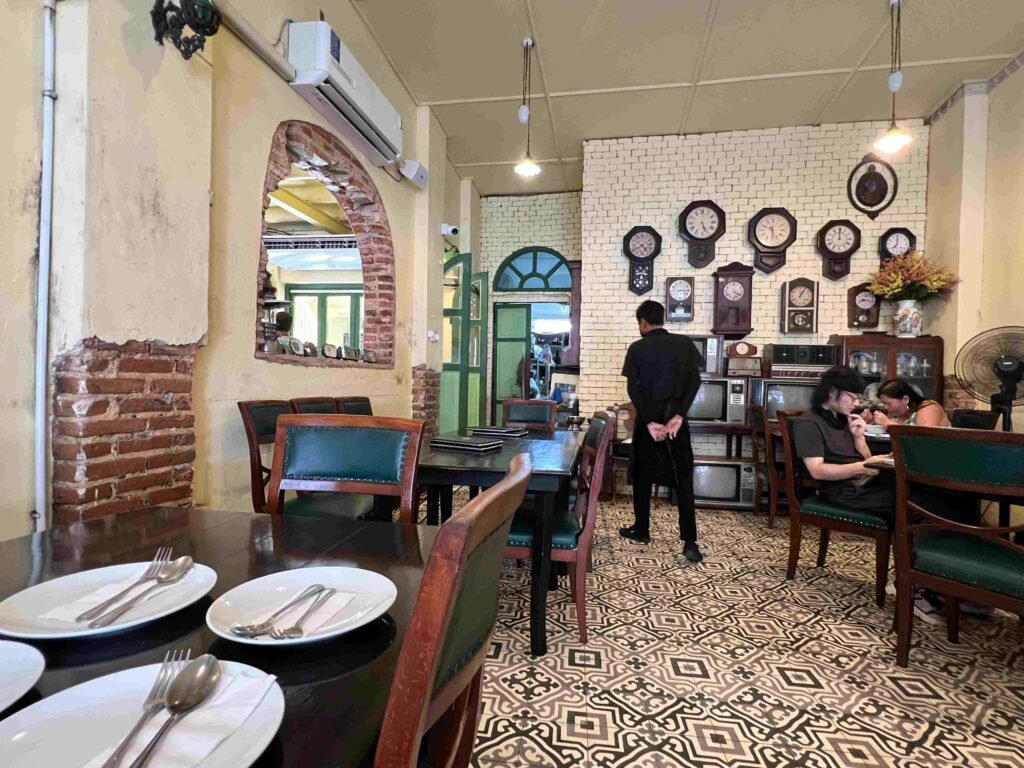
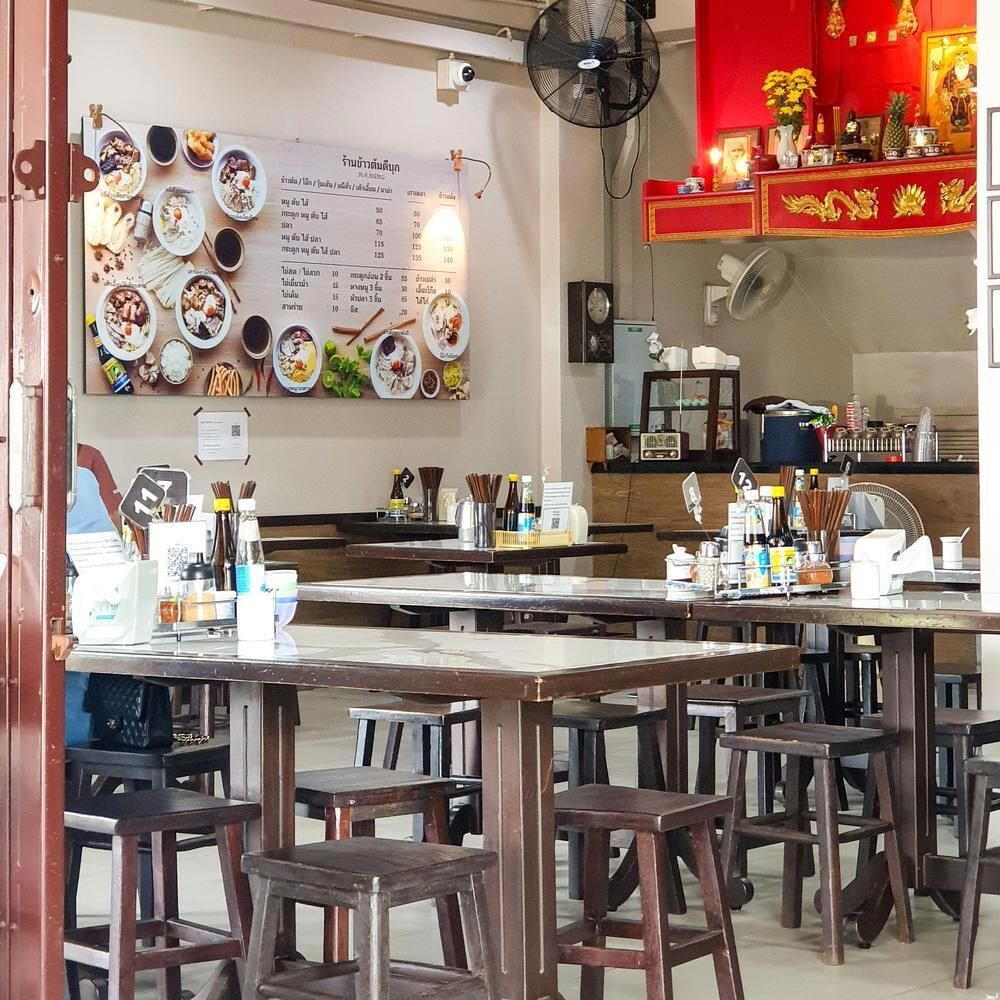
Cozy, unassuming hole-in-the-wall with warm service and traditional Thai charm.