
Michelin Plate
Our verdict
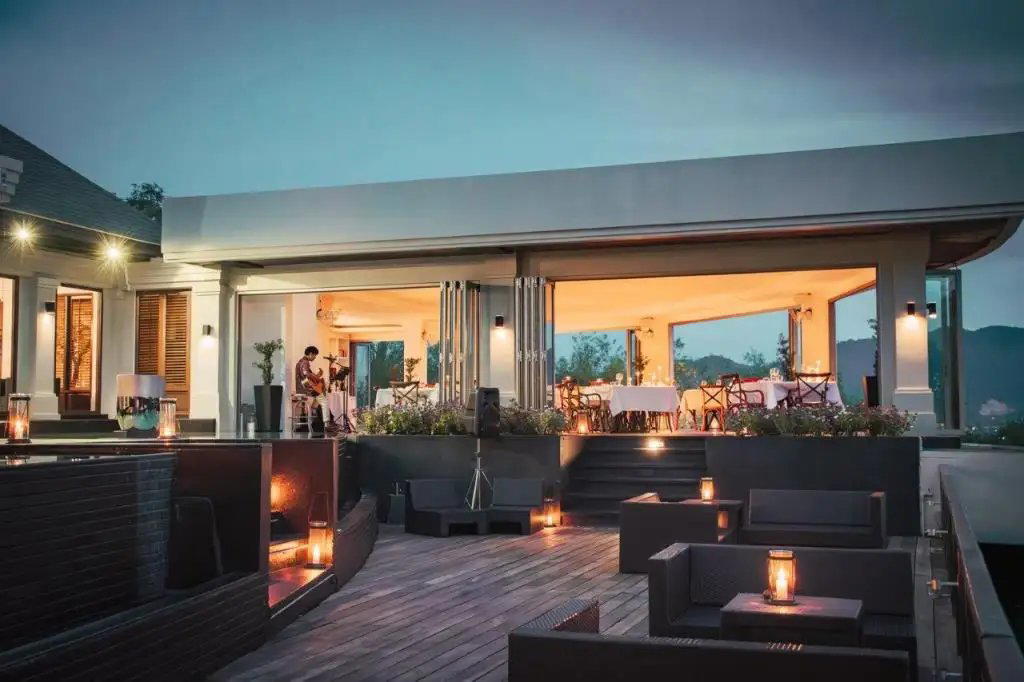
At O Tao Bang Niao, Phuket’s storied culinary heritage is reimagined with quiet elegance and precision. Nestled in a discreet corner of Old Town, this intimate dining room glows with lacquered wood, porcelain accents, and lantern-lit warmth, setting the stage for a refined exploration of Hokkien-Thai flavors. Expect pristine local seafood, nuanced spice work, and handmade sauces that speak to generations of craft, presented with modern restraint. Service is gracious but unobtrusive, guiding you through a curated tasting that celebrates provenance, texture, and balance—each course a conversation between memory and innovation. For travelers who value authenticity enveloped in sophistication, O Tao Bang Niao offers a rarefied window into Phuket’s soul.

Pearl is the En Primeur Club membership app, where members save venues, book tables and use the concierge.
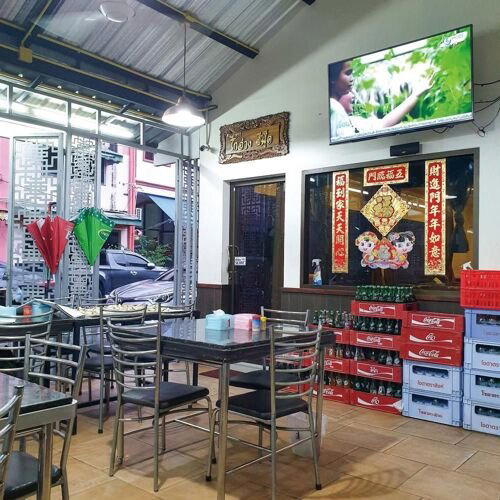
Where Phuket Town's Street Character Concentrates
Phuket Road runs through the commercial heart of Talat Yai, the older market district of Phuket Town, and it carries a different register than the tourist-facing lanes of Patong or the renovated Sino-Portuguese shophouse strips nearby. The stalls and shopfronts here operate on the logic of a working neighbourhood: no curated signage, no softened presentation for outside visitors. O Tao Bang Niao sits within that context, on a stretch where the ambient soundtrack is motorbike engines and wok clatter rather than hotel lobby playlists. Approaching in the early evening, the charcoal smoke reaches you before the stall does.
O Tao and the Ingredient Logic Behind It
O Tao is not a dish that travels well beyond Phuket, and that insularity is partly a function of ingredient specificity. The dish is built around taro, a starchy root cultivated across Southeast Asia but used here in a particular way: battered and fried until it produces an outer crispness, while the interior retains a soft, almost yielding texture. That textural contrast is structural to the dish, not incidental. The seafood component, typically crab or a combination of shellfish, depends on what the local catch supplies, which is why the dish belongs firmly to the coastal south of Thailand rather than to the central plains repertoire.
Charcoal heat is not a stylistic choice in this context; it is a functional one. The high, direct heat from charcoal creates the wok hei, the scorched, slightly smoky breath that gas burners can approximate but rarely replicate at street-stall scale. The result is a dish where the smokiness is woven into the protein and the batter rather than sitting on the surface. This is the kind of technique that emerges from decades of repetition with the same fuel source, not from a formal kitchen training programme. O Tao Bang Niao has been operating since 1982, which means the current iteration of the dish reflects more than forty years of adjustments on the same charcoal setup.
The fried crispy seafood omelette available alongside the signature dish follows a similar sourcing logic: seafood-forward, cooked fast over intense heat, and dependent on fresh rather than stored ingredients for its character. This is not a menu that expands into areas where the kitchen would need to compromise on that approach.
Michelin Recognition at the Street Level
The Michelin Plate designation, held in both 2024 and 2025, positions O Tao Bang Niao within a specific tier of the Phuket food scene. The Michelin Plate is not a star; it signals a kitchen producing food worth noting rather than food that has cleared the higher threshold of starred dining. At the street-food price point, a single baht-sign price range, it places the stall in the company of Phuket's recognised casual institutions rather than its fine-dining bracket. Compare that to the four-symbol pricing at PRU (Thai, Modern Cuisine) or Acqua (Italian), and the access point is dramatically different, which is part of what makes the recognition meaningful.
Google's aggregate review data, drawn from 513 ratings and settling at 4.1 out of 5, is a separate signal from Michelin's editorial judgment, but they point in the same direction: consistent execution over time rather than a single exceptional visit. For a stall operating on a single-dish speciality since 1982, consistency is the credential that matters most.
Within Phuket's street food tier, O Tao Bang Niao occupies a different niche than comparably recognised spots like A Pong Mae Sunee or Pathongko Mae Pranee, both of which specialise in Phuket's sweet and baked traditions. Jadjan operates in a different culinary register entirely. What connects them is a shared commitment to Phuket-specific technique and sourcing at accessible price points, a pattern the Michelin Bib Gourmand and Plate framework has increasingly documented in Thai street food cities.
That broader Southeast Asian pattern is visible in Singapore's street-food Michelin tier as well: Hill Street Tai Hwa Pork Noodle and 545 Whampoa Prawn Noodles both demonstrate how single-dish specialists, operating with a fixed technique and local sourcing, can attract formal recognition across multiple cycles. O Tao Bang Niao follows the same logic in Phuket.
Phuket Town as a Food District
The case for spending time in Phuket Town rather than the resort-heavy beach areas is well-established among visitors who return to the island more than once. The Sino-Portuguese architecture of the Old Town, the traditional Chinese shrines, and the working market infrastructure of Talat Yai combine to give the area a density of culinary character that the beach strips cannot replicate. Dishes like O Tao are Phuket Town phenomena; they developed in a port-city context where Chinese and Malay cooking traditions overlapped with the local seafood supply, producing dishes that do not map neatly onto central Thai cuisine.
For readers planning broader time in Phuket, our full Phuket restaurants guide maps the full range of the island's dining, from street-level to fine dining. Complementary resources include our full Phuket hotels guide, our full Phuket bars guide, our full Phuket wineries guide, and our full Phuket experiences guide.
Elsewhere in Thailand's street-food and regional-speciality tier, comparable depth can be found at Sorn in Bangkok, which operates at the opposite end of the formality spectrum but shares the same commitment to southern Thai ingredients, and at AKKEE in Pak Kret. Northern Thai traditions appear at Aeeen in Chiang Mai, while Angeum in Phra Nakhon Si Ayutthaya and Agave in Ubon Ratchathani represent the country's regional breadth beyond Bangkok and the south. The Spa in Lamai Beach provides a different frame of reference for Koh Samui's hospitality scene.
Planning a Visit
O Tao Bang Niao is located at 362 Phuket Rd, Talat Yai, in Phuket Town. The address places it within walking distance of the Old Town's main cluster, making it a natural stop on any Phuket Town food circuit. The price tier, single baht-symbol, means a meal here involves minimal financial planning; the primary variables are timing and queue management. Coming slightly before the dinner rush, or treating the stall as a late-afternoon stop rather than a dinner destination, tends to reduce that friction. No phone number or website is listed in the public record, which reflects the stall's operating model: walk-in, cash-forward, no advance booking system.
Frequently asked questions
What do people recommend at O Tao Bang Niao?
Should I book O Tao Bang Niao in advance?
What It’s Closest To
| Venue | Cuisine | Price | Awards | Notes |
|---|---|---|---|---|
| O Tao Bang NiaoThis venue (the venue you are viewing) | Phuket Street Food Specialty | $1–10 | Michelin Plate | Not listed |
| PRU | Modern Thai Fine Dining | $200–300 | 1 Michelin Star · Wine Spectator Award of Excellence | Thai, Modern Cuisine, ฿฿฿฿ |
| Blue Elephant | Refined Southern Thai Fine Dining | $50–100 | Michelin Plate | Thai, ฿฿฿ |
| Acqua | Modern Italian Fine Dining | $50–100 | Michelin Plate · La Liste Top Restaurants | Italian, ฿฿฿฿ |
| Baan Rim Pa Patong | Royal Thai Cuisine | Not listed | Wine Spectator Award of Excellence | Thai |
| Chuan Chim | Thai-Chinese Seafood | $10–20 | Michelin Bib Gourmand | Thai, ฿฿ |
Recognition history
Dated appearances from independent guides and award organizations, with the underlying list record or original source where available.
Michelin Plate
Michelin
Full recognition history (3 entries)
Michelin Plate
Michelin
Michelin Plate
Michelin
Continue exploring
More in Phuket
Restaurants in Phuket
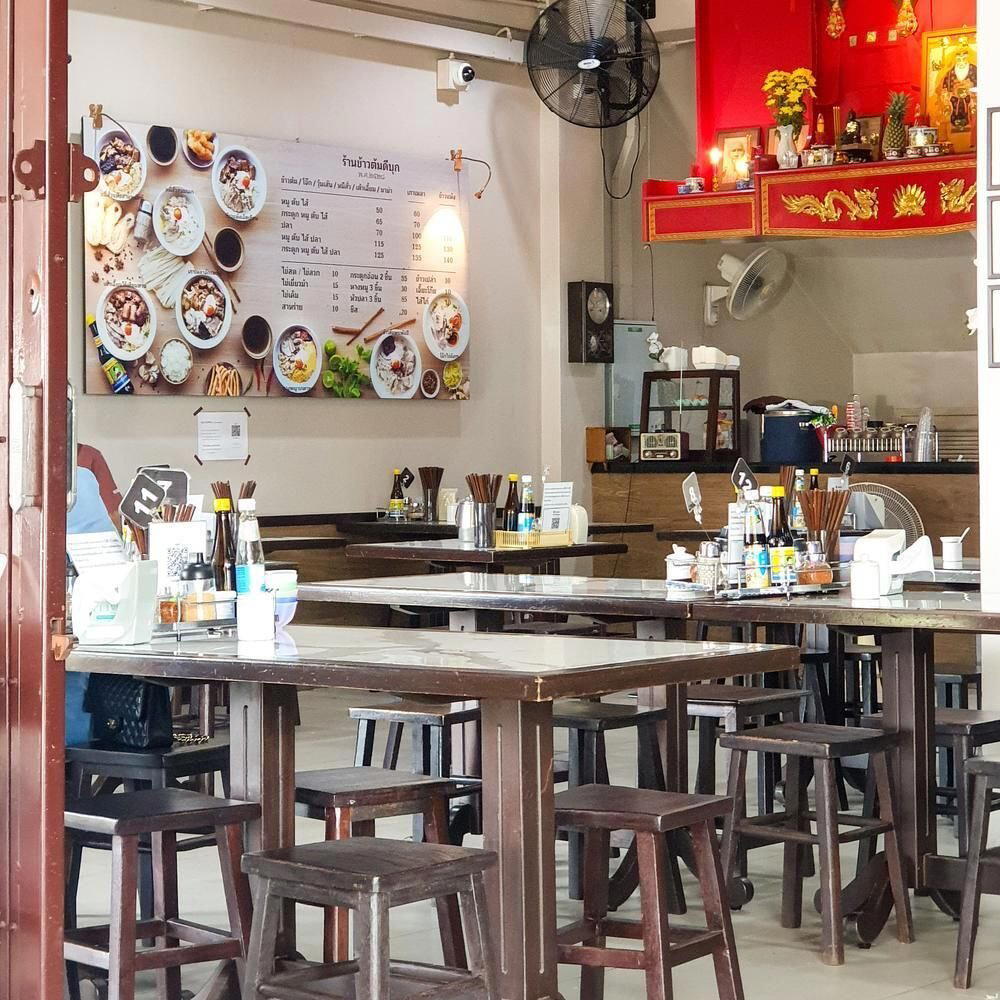
All restaurants in Phuket →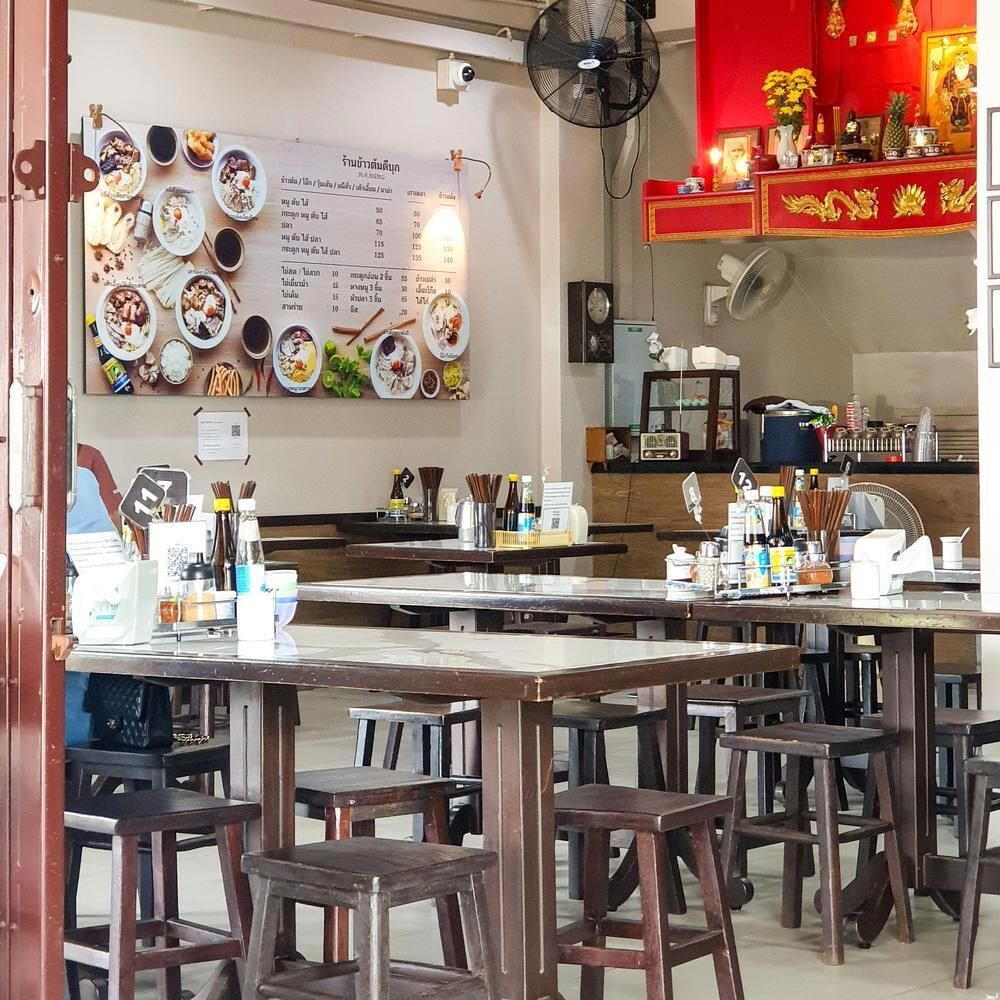
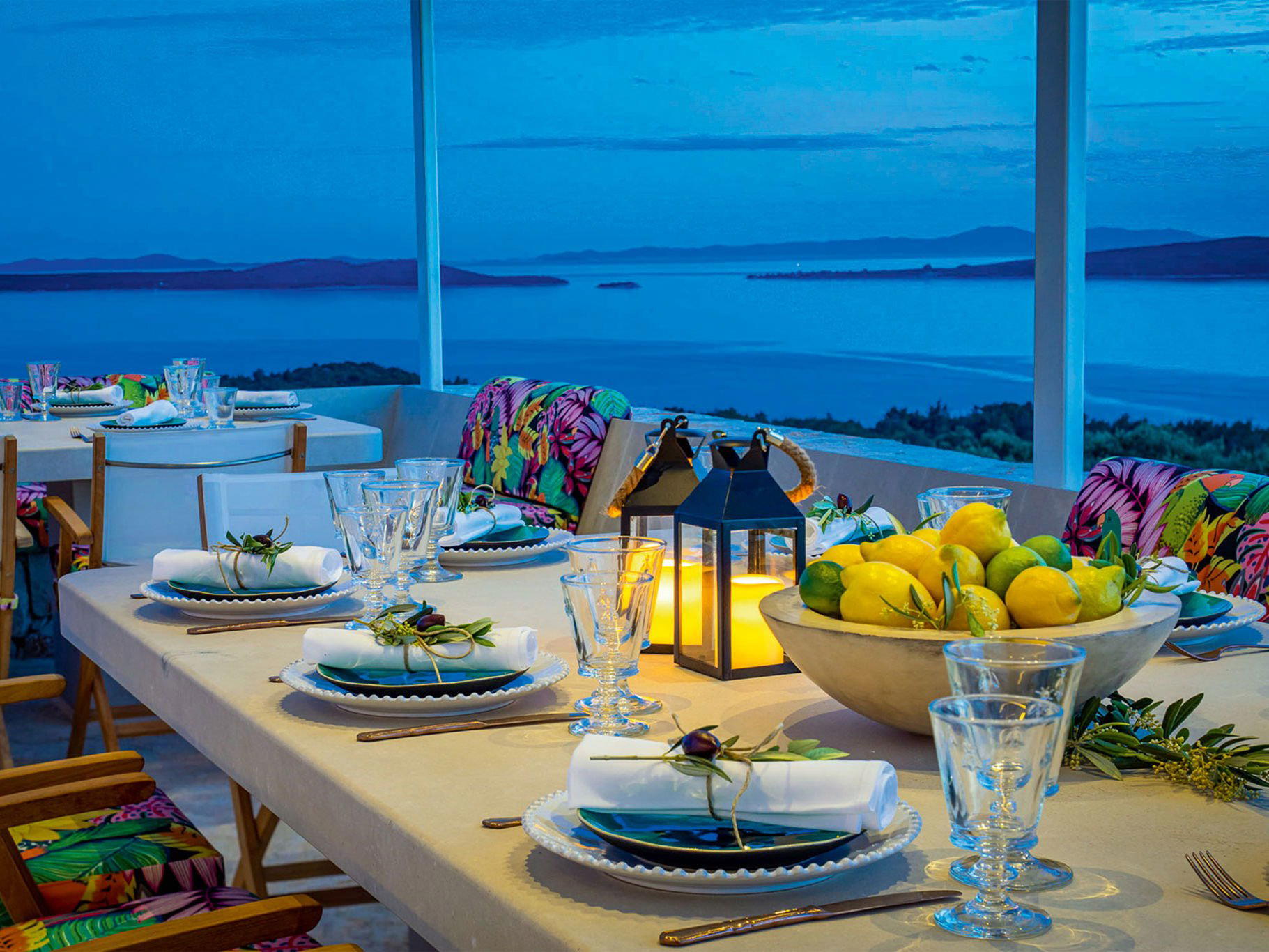
Bars in Phuket
All bars in Phuket →

Details
- Rustic
- Lively
- Well Known
- Casual Hangout
- Solo
- Group Dining
- Late Night
- Open Kitchen
- Local Sourcing
- Street Scene
- A La Carte
- Counter Dining
- Lemon Drinks
- Water
Current opening hours
- Monday
- 4–11 PM
- Tuesday
- 4–11 PM
- Wednesday
- 4–11 PM
- Thursday
- 4–11 PM
- Friday
- 4–11 PM
- Saturday
- 4–11 PM
- Sunday
- 4–11 PM
Hours can change for holidays and private events. Hours as of .
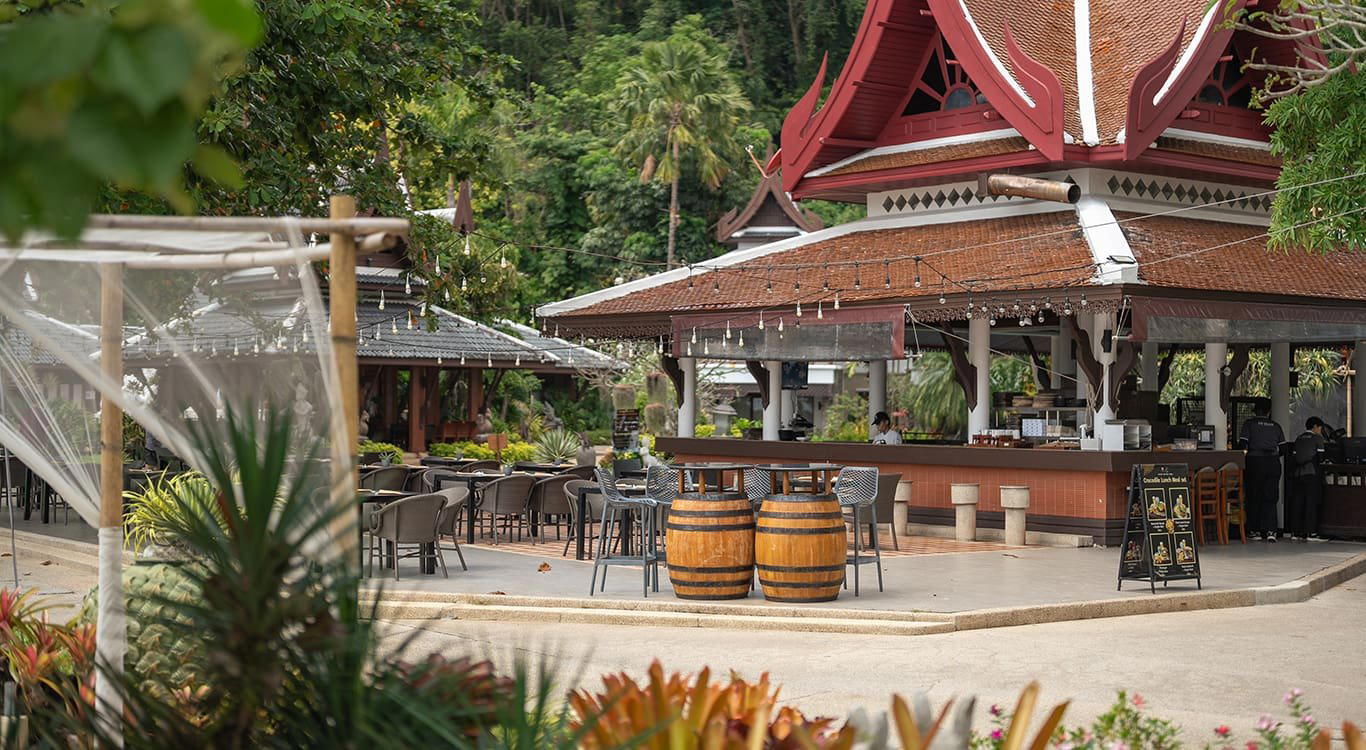
Casual street-side setting with charcoal cooking aromas; lively, unpretentious atmosphere typical of authentic Thai street food stalls.