On Rijeka's waterfront Riva, Cacao occupies a position that reflects the city's broader dining character: a port town with Italian-inflected habits and access to some of the northern Adriatic's most direct produce networks. The address at Riva 14 places it in the thick of the promenade's social rhythm, where the line between a long coffee and a considered meal can blur agreeably.
Pearl is the En Primeur Club membership app — saves, bookings, and concierge access live there. Same editors, same standards.
- Address
- Riva 14, 51000, Rijeka, Croatia
- Phone
- +385912020630
- Website
- cacao.hr
- Directions
- Get directions
 Saves & bookings on Pearl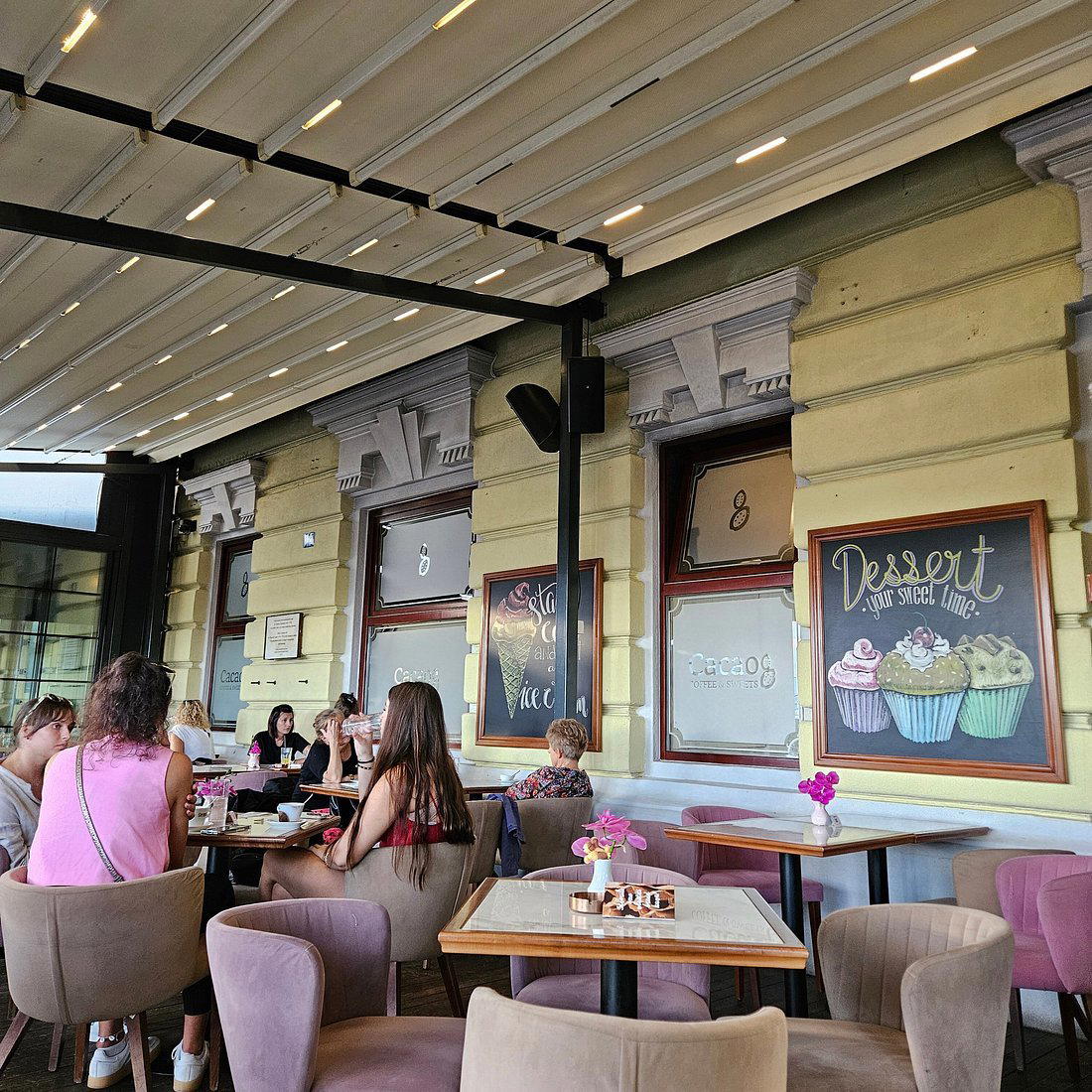
The Riva and What It Asks of a Restaurant
Rijeka's Riva is one of the more demanding addresses in Croatian dining. The waterfront promenade runs parallel to the Kvarner Gulf and functions as the city's social spine, accommodating morning espresso crowds, afternoon aperitivo culture, and evening diners who arrive after the day-trippers have cleared. A restaurant here competes on visibility and atmosphere before the menu even arrives. Cacao, at Riva 14, occupies that pressure with the benefit of a setting that does considerable work on its own: the water close enough to register, the promenade wide enough to offer genuine outdoor presence without the cramped terrace conditions that compromise lesser Adriatic addresses.
The northern Adriatic port context matters because Rijeka is not a resort town. It draws a local population with genuine dining expectations alongside the seasonal tourist traffic that tilts so many coastal Croatian venues toward crowd-pleasing simplicity. The restaurants that hold ground year-round in Rijeka tend to do so by understanding both audiences. Cacao's Riva position places it within that pragmatic tradition.
What the Northern Adriatic Puts on the Table
The ingredient logic of this stretch of Croatia is worth understanding before you order. Rijeka sits at the northern tip of the Adriatic, where the Kvarner Gulf channels particularly mineral-rich, cold-current seafood in the region. The shellfish, the scampi from Kvarner waters specifically, and the fish landed at nearby ports carry a salinity and texture that differ from the catch further south. This is not marketing language: the temperature differential in Kvarner waters, colder than the central Dalmatian channels, produces slower-growing organisms with denser flesh. Any kitchen working with local suppliers has direct access to that quality gradient without needing to import or compromise.
Istrian and Kvarner hinterland adds a second ingredient register. Truffles from the Motovun forest, olive oils from the Istrian plateau, and the lamb and cheese traditions of the Kvarner islands (Krk, Cres, Lošinj) create a pantry that blends Mediterranean and central European influences in ways specific to this pocket of Croatia. Kitchens on the Riva that source deliberately from this radius are working with a larder that venues in Zagreb or Split have to import. The geographical advantage is real, provided the sourcing discipline is there to use it.
Where Cacao Sits in the Rijeka Scene
Rijeka's restaurant range spans from the technically serious to the straightforwardly convivial, and the Riva addresses tend toward the latter without entirely abandoning kitchen ambition. The city's upper tier is anchored by places like Nebo by Deni Srdoč, which operates at the €€€€ bracket with a modern cuisine format that treats Kvarner produce as a compositional argument rather than a background assumption. At the more accessible end, Bistro Grad and the Hidden Wine Bistro both work the contemporary and farm-to-table registers at the €€ tier, where the sourcing story is often the primary editorial point on the menu.
Cacao's position on the Riva places it in a different competitive conversation from the neighbourhood bistros: the promenade demands a certain carrying capacity, a pace that accommodates both the quick stop and the longer table. That dual function shapes what a Riva venue can credibly attempt in the kitchen. Also worth knowing in the local context: Capote y Olé and Conca d'oro round out the city's mid-range options for those building a broader Rijeka itinerary.
The Croatian Coastal Dining Tier, a Wider Frame
To understand what Cacao's address means in practical terms, it helps to set it against the broader hierarchy of Croatian coastal dining. The Michelin-recognised properties along the coast, venues like Agli Amici Rovinj in Rovinj, Pelegrini in Šibenik, and LD Restaurant in Korčula, represent the technical upper end of a scene that has professionalised considerably since Croatia's EU accession in 2013 opened supplier networks and drew internationally trained chefs back to the coast. Boskinac in Novalja and Alfred Keller in Mali Lošinj extend that pattern into the Kvarner island group specifically, which is Cacao's immediate geographical comparable set.
Further inland, Dubravkin Put in Zagreb and Korak in Jastrebarsko demonstrate how the farm-to-table ethic plays out when distance from the coast makes seafood a secondary rather than primary ingredient argument. On the southern end of the Dalmatian coast, Restaurant 360 in Dubrovnik and Krug in Split show how tourism-heavy cities can sustain serious kitchens when the clientele supports the price point. San Rocco in Brtonigla adds the Istrian truffle-and-olive-oil context that sits closest to what Kvarner kitchens can draw from overland.
For international reference points on what technically serious seafood dining looks like at its furthest development, Le Bernardin in New York and Lazy Bear in San Francisco represent benchmarks in the precision-sourcing and producer-relationship model that the better Croatian coastal venues are, in their own register, working toward.
How It Stacks Up
Comparable venues nearby, for context on price, style, and recognition.
| Venue | Cuisine | Price | Notes |
|---|---|---|---|
| CacaoThis venue — the venue you are viewing | Dessert Patisserie with Vegan Options | $$ | Not listed |
| Konoba Nebuloza | Croatian Seafood Konoba | $$ | Grobnik |
| Konoba Fiume | Traditional Croatian Seafood | $$ | Rijeka market |
| Capote y Olé | Authentic Spanish Tapas & Paella | $$ | Luka |
| Na Kantunu Tavern | Croatian Seafood Tavern | $$ | :null |
| Mornar | Fresh Croatian Seafood Bistro | $$ | Riva Boduli |
Continue exploring
More in Rijeka
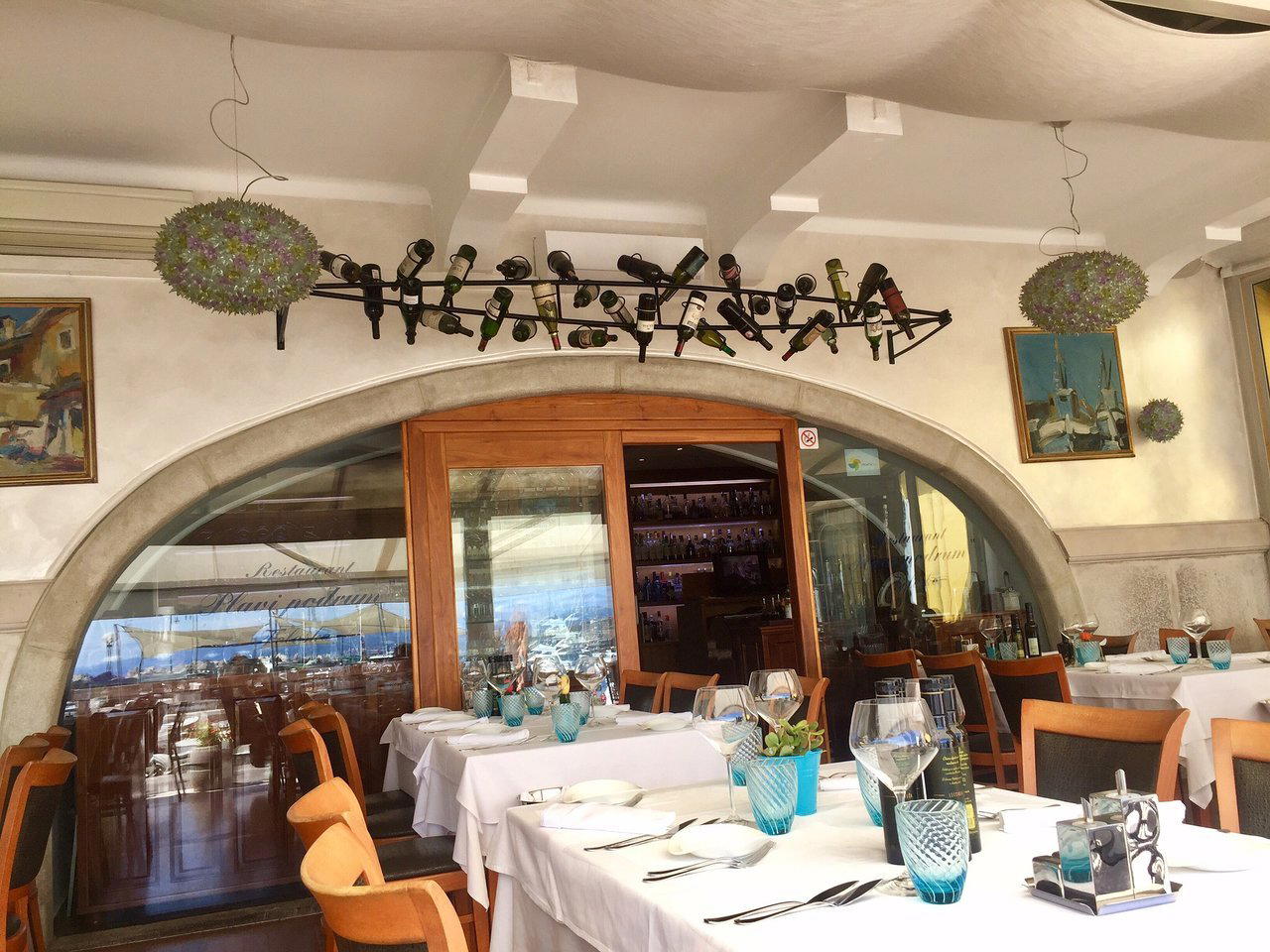
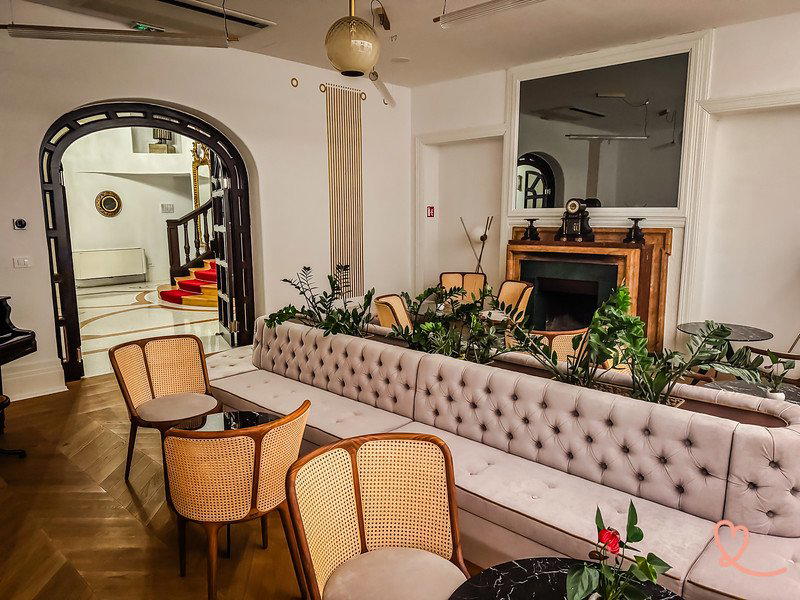
Restaurants in Rijeka
Browse all →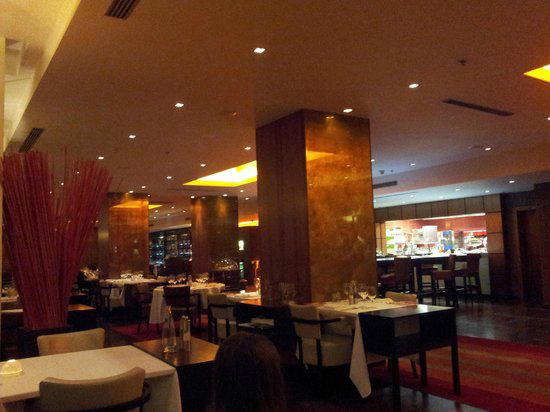
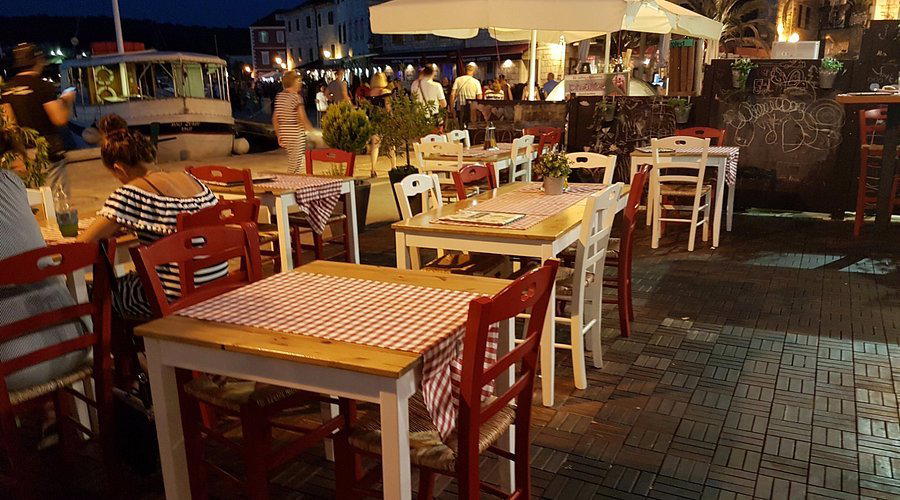
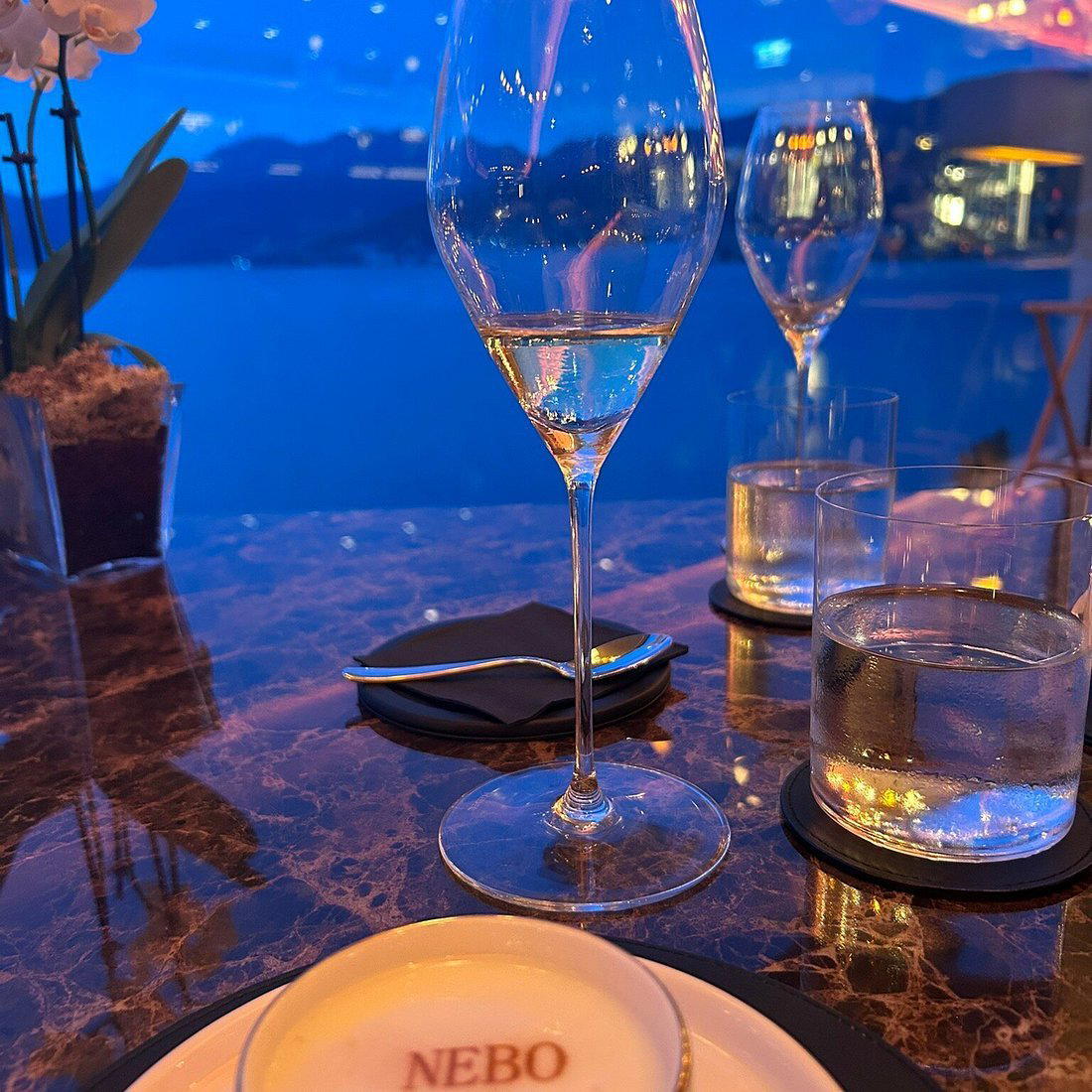
Bars in Rijeka
Browse all →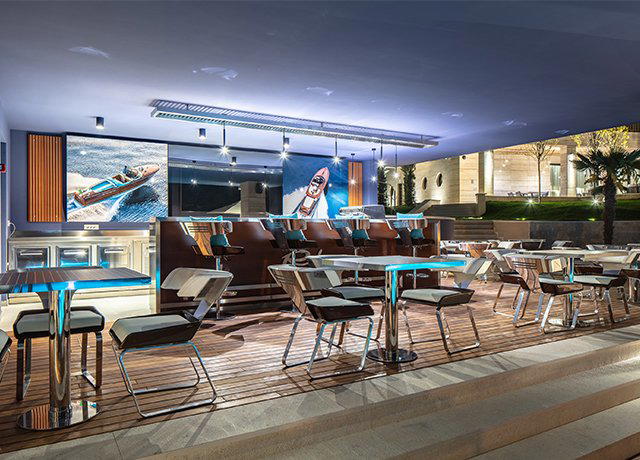
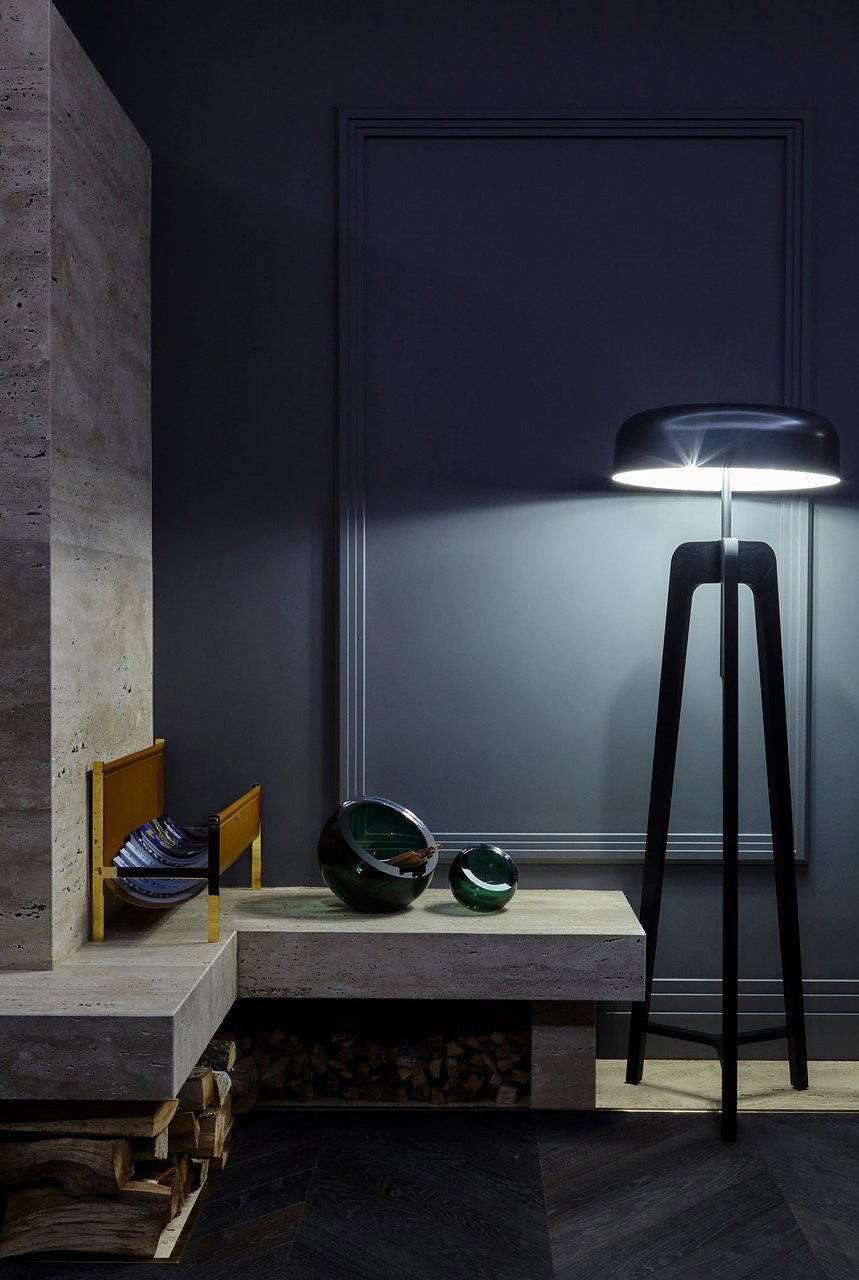

Hotels in Rijeka
Browse all →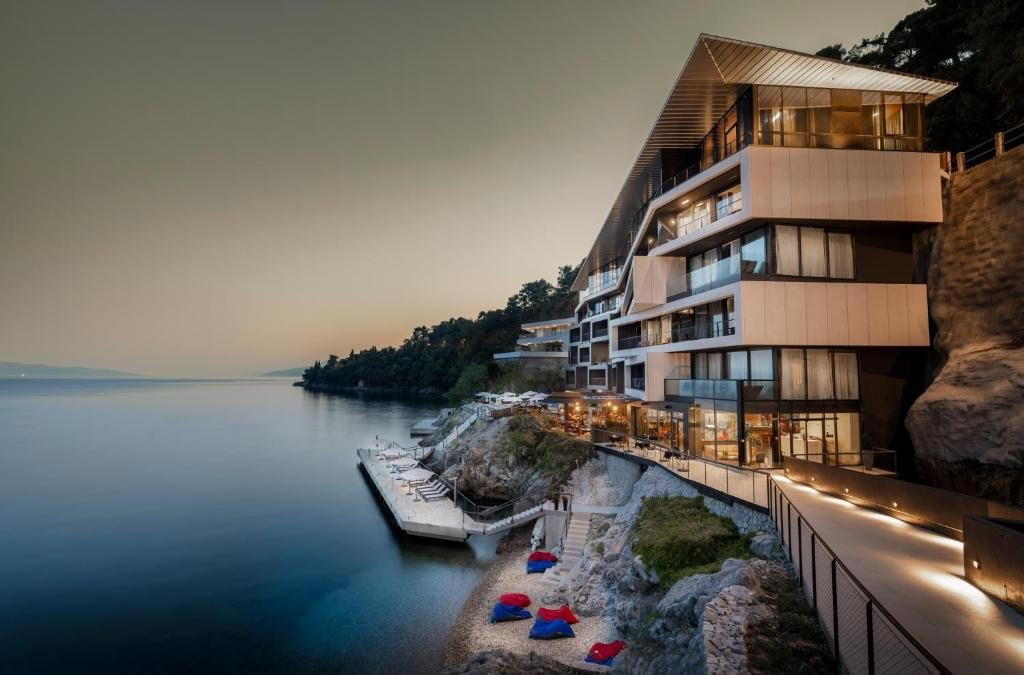
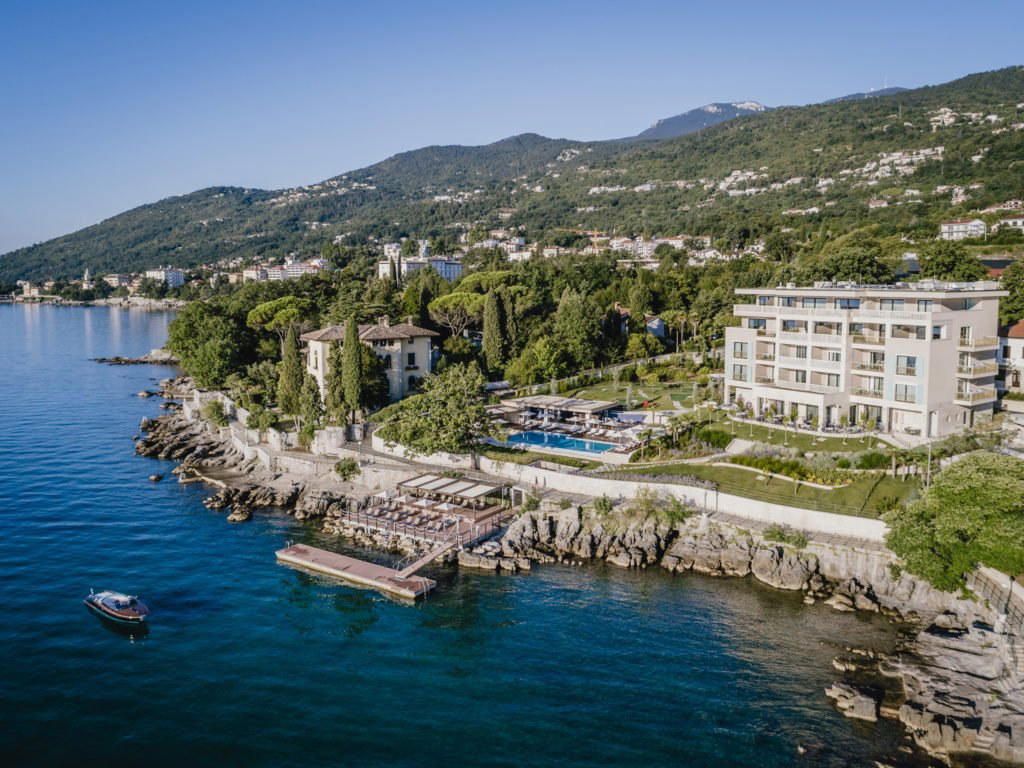
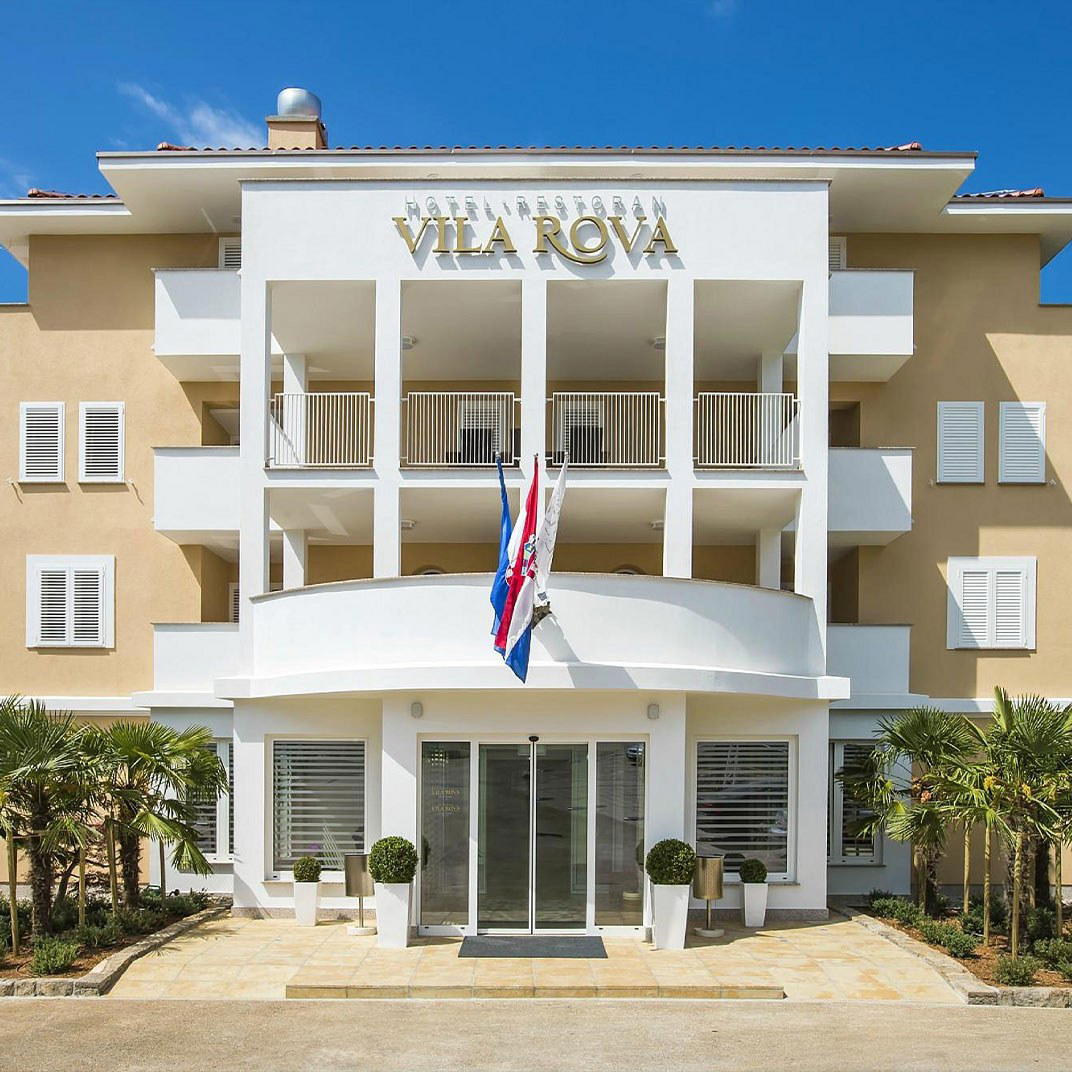
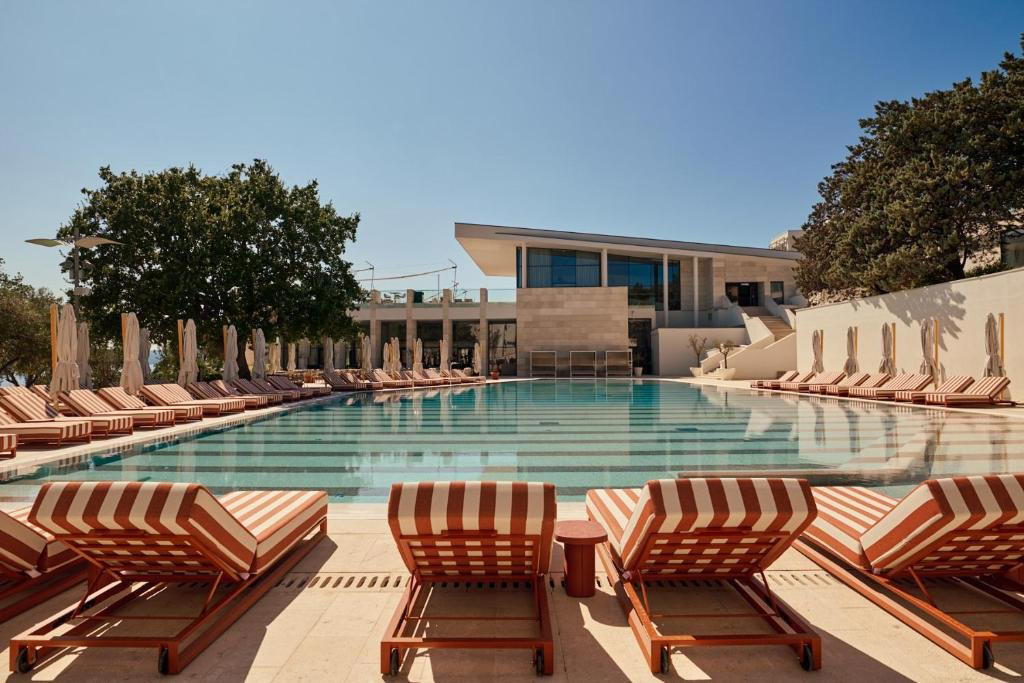

At a Glance
- Cozy
- Modern
- Casual Hangout
- Family
- Brunch
- Open Kitchen
- Waterfront
Current opening hours
- Monday
- 9 AM–10 PM
- Tuesday
- 9 AM–10 PM
- Wednesday
- 9 AM–10 PM
- Thursday
- 9 AM–10 PM
- Friday
- 9 AM–11 PM
- Saturday
- 9 AM–11 PM
- Sunday
- 9 AM–10 PM
Hours can change for holidays and private events. Last verified .
Living room-like interior offering homey comfort with a modern touch.