Capote y Olé brings Spanish-inflected character to Verdijeva ul. 6 in Rijeka, a city whose dining scene has quietly diversified beyond Adriatic seafood and Italian-influenced cooking. The address places it within reach of the Korzo and the older city quarters, where a growing cohort of independent operators is reshaping what eating out in this port city looks like.
Pearl is the En Primeur Club membership app — saves, bookings, and concierge access live there. Same editors, same standards.
- Address
- Verdijeva ul. 6, 51000, Rijeka, Croatia
- Phone
- +385913490044
- Website
- business.site
- Directions
- Get directions
 Saves & bookings on Pearl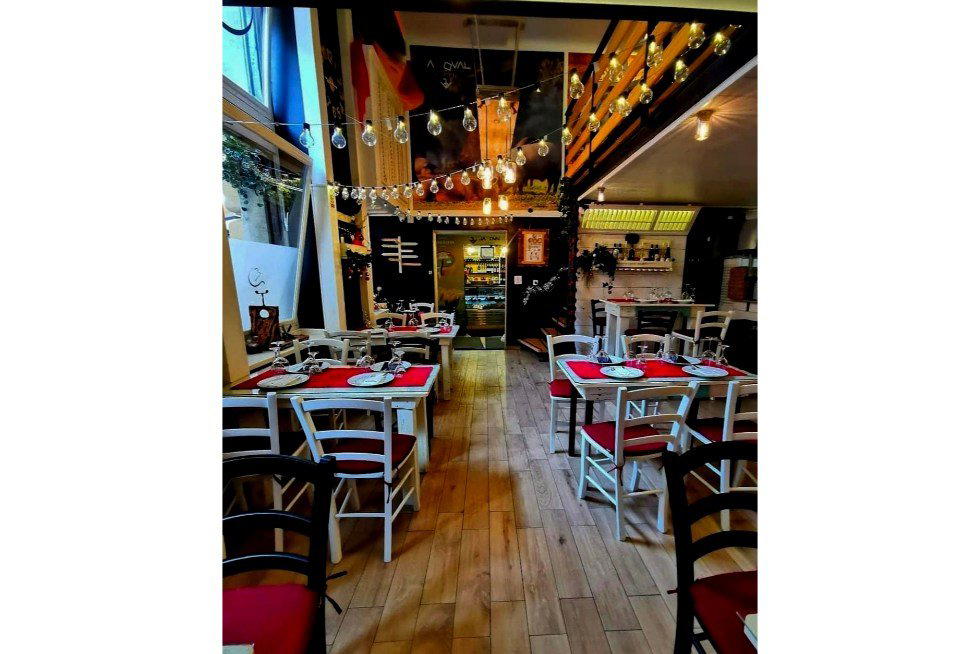
Spanish Cooking in a Croatian Port City
Rijeka has spent most of its modern dining history defined by two forces: the Adriatic coast, which supplies the fish, shellfish, and olive oil, and the long Italian cultural overhang that shaped its pasta traditions, its neighbourhood trattorias, and its instinct for simplicity at the table. What has changed in the last decade is that neither of those forces holds exclusive claim on the city's restaurant map. A smaller tier of independent operators, working in cuisines with no obvious local lineage, has opened in the older city quarters and around the Korzo, offering something the city's Kvarner seafood restaurants were never going to provide.
Capote y Olé is a casual Spanish tapas and paella restaurant at Verdijeva ul. It belongs to that alternative tier. Its name signals Spain directly, and in a city where Spanish cooking has essentially no culinary history, that positioning is a deliberate statement. The name itself draws on the vocabulary of the bullfighting arena, a capote is the large working cape used in the early passes of a corrida, transplanting an image that is saturated with Andalusian cultural identity into the middle of a Croatian port city with a Habsburg past. That kind of cultural assertion is either a gimmick or a genuine commitment, and what separates the two is usually the depth of the cooking.
What Spanish Cooking Means Outside Spain
Spanish cuisine exported successfully through a specific set of archetypes: tapas bars, paella, jamón, and the high-modernist tasting menus of the Basque Country and Catalonia that reshaped fine dining conversation globally in the 2000s. What travels less cleanly is the middle register, the regional cooking of Castile, Extremadura, and Aragón, the slow braises, the chickpea stews, the roasted peppers and salt cod preparations that define Spanish home and taverna cooking far more than any rice dish does.
Restaurants operating under a Spanish banner in cities without large Spanish immigrant communities face a choice: do you pitch to the tourist's mental image of Spain, or do you work from the deeper pantry? That choice shapes everything downstream, from sourcing decisions to menu structure to price tier. In Rijeka, where the dining public is a combination of locals, regional Croatian visitors, and a growing contingent of international travellers drawn by ferry connections and the city's improving cultural profile, the appetite for specificity rather than caricature is real and growing.
For context on how Croatian restaurants at the higher end of the market are thinking about cuisine and identity, the work coming out of places like Nebo by Deni Srdoč in Rijeka and Agli Amici Rovinj on the Istrian coast illustrates how seriously the country's better operators are treating questions of ingredient provenance and culinary identity. A Spanish restaurant in this environment cannot rely on novelty alone.
The Rijeka Context
Rijeka is Croatia's principal port and its third-largest city, and its dining scene reflects that, practical, diverse, less performatively touristic than Dubrovnik or Split. The city's European Capital of Culture designation in 2020 accelerated investment in its cultural and hospitality infrastructure, and the effects are still working through the restaurant sector. Operators who opened in the years immediately before and after that designation are now at a point where their original concepts are being tested against a more informed dining public.
The address on Verdijeva ul. places Capote y Olé within the older fabric of the city, where the street grid retains something of its Austro-Hungarian density and where foot traffic from the Korzo and the market area provides a natural catchment. Rijeka's independent restaurant tier, which includes Hidden Wine Bistro at the farm-to-table end and Bistro Grad in the contemporary bracket, has consolidated around a cluster of streets in this part of the city. Spanish cooking adds a further note of geographic range to what is becoming a genuinely varied dining corridor.
For anyone building a longer itinerary through the Kvarner and Adriatic region, Rijeka functions as a practical base rather than a destination in itself, but the restaurant scene now offers enough variety to justify staying longer than transit logic would suggest. Alfred Keller in Mali Lošinj and Boskinac in Novalja are the region's higher-profile fine dining references, but the city itself is building a credible mid-tier.
comparable set and Positioning
Within Rijeka's restaurant map, the relevant comparison points are the independent operators rather than the hotel dining rooms or the established Adriatic seafood houses. Cacao and Conca d'oro represent the kind of established local operators that have shaped the city's dining habits over years; newer entrants like Capote y Olé are positioning against a different expectation set.
Croatia's broader fine dining circuit, which runs through Zagreb venues like Dubravkin Put, Dalmatian addresses like Pelegrini in Sibenik and LD Restaurant in Korčula, and the Istrian kitchens at San Rocco in Brtonigla, has largely worked within Mediterranean and Adriatic culinary frameworks. A Spanish-named operator in Rijeka is working at a tangent to all of that, which is either a significant differentiator or a positioning problem, depending on execution.
Internationally, restaurants that have staked serious claims on Spanish cooking in non-Spanish cities tend to succeed by specificity, not by reproducing Spain wholesale, but by committing to a defined regional tradition or product set. The Spanish-influenced cooking that has drawn sustained critical attention globally, from fine dining tasting menus modelled on Basque and Catalan innovation to the revival of regional taverna formats in London, New York, and beyond, rewards that level of focus. Whether Capote y Olé is operating at that level of commitment is something a visit will answer more reliably than any promotional description. See the full Rijeka restaurants guide for broader context on where this address sits in the city's current dining map.
Planning a Visit
Verdijeva ul. 6 is walkable from Rijeka's central Korzo and from the main ferry terminal, which matters for travellers arriving by sea from the Kvarner islands. The address has no published phone, website, or booking platform in current records, which suggests that reservations, if required, are handled in person or through local aggregators. Given that profile, arriving early or on quieter weekday evenings reduces the risk of a wasted trip. Current hours and pricing are not published in verified form, so confirming both directly before visiting is the practical approach.
Booking and Cost Snapshot
Comparable venues nearby, for context on price, style, and recognition.
| Venue | Cuisine | Price | Awards | Notes |
|---|---|---|---|---|
| Capote y OléThis venue — the venue you are viewing | Luka, Authentic Spanish Tapas & Paella | $$ | Not listed | Not listed |
| Konoba Fiume | Not listed | $$ | Not listed | Rijeka market, Traditional Croatian Seafood |
| Cacao | Not listed | $$ | Not listed | City Center, Dessert Patisserie with Vegan Options |
| Konoba Nebuloza | Grobnik, Croatian Seafood Konoba | $$ | Not listed | Not listed |
| Na Kantunu Tavern | Not listed | $$ | Not listed | :null, Croatian Seafood Tavern |
| Hidden Wine Bistro | Not listed | $$$$ | Michelin Plate | City Center (Ulica Korzo area), Mediterranean Farm-to-Table Wine Bistro |
Continue exploring
More in Rijeka
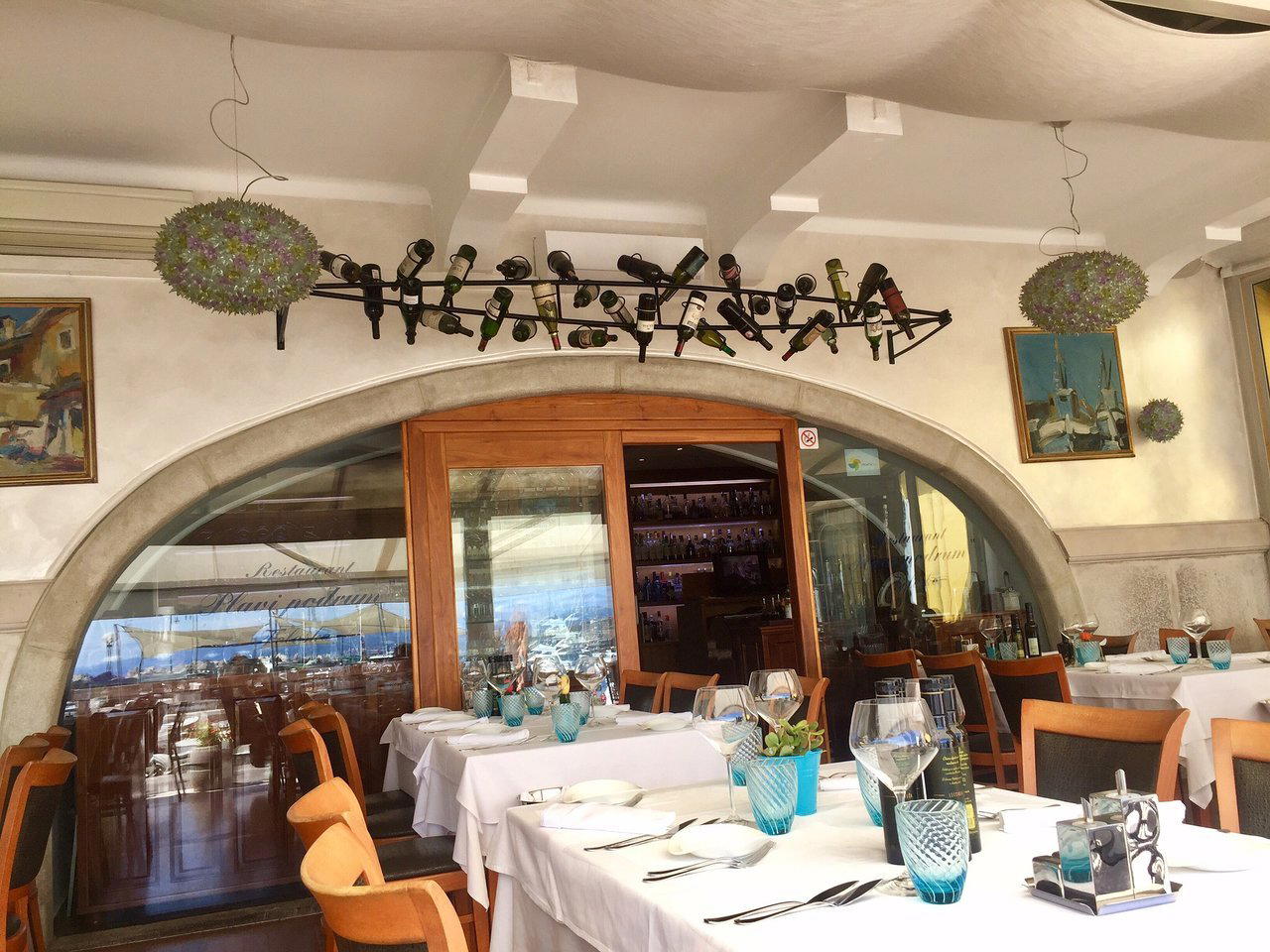
Restaurants in Rijeka
Browse all →
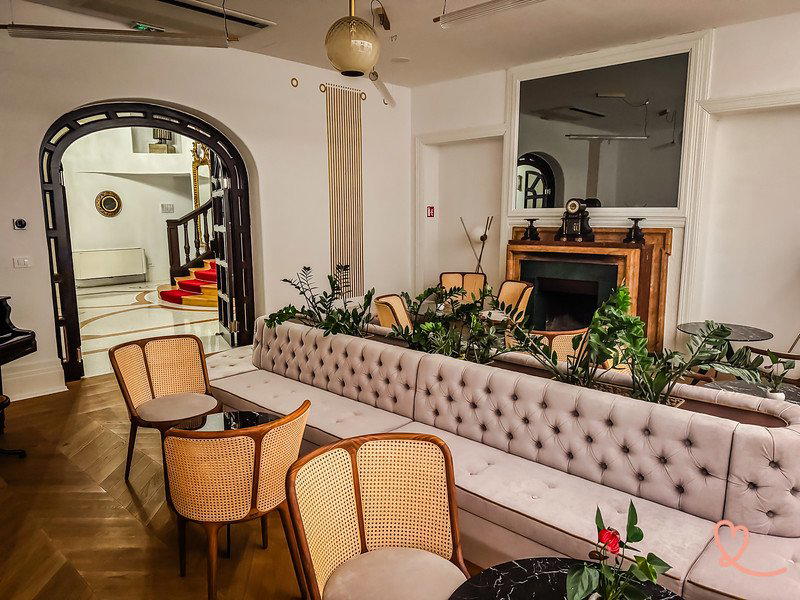
Bars in Rijeka
Browse all →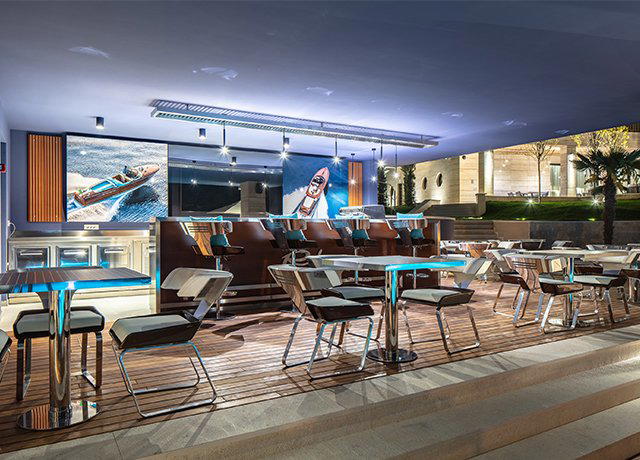
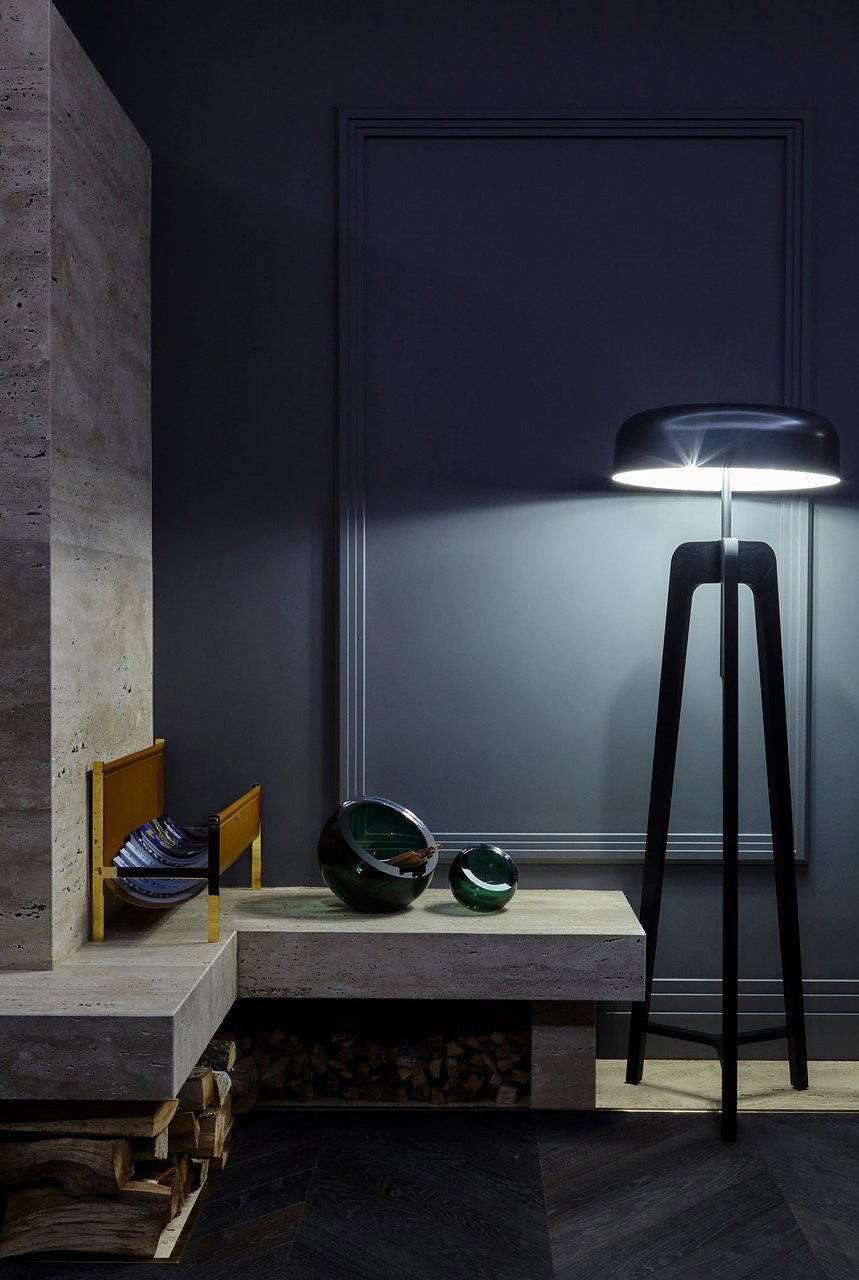

Hotels in Rijeka
Browse all →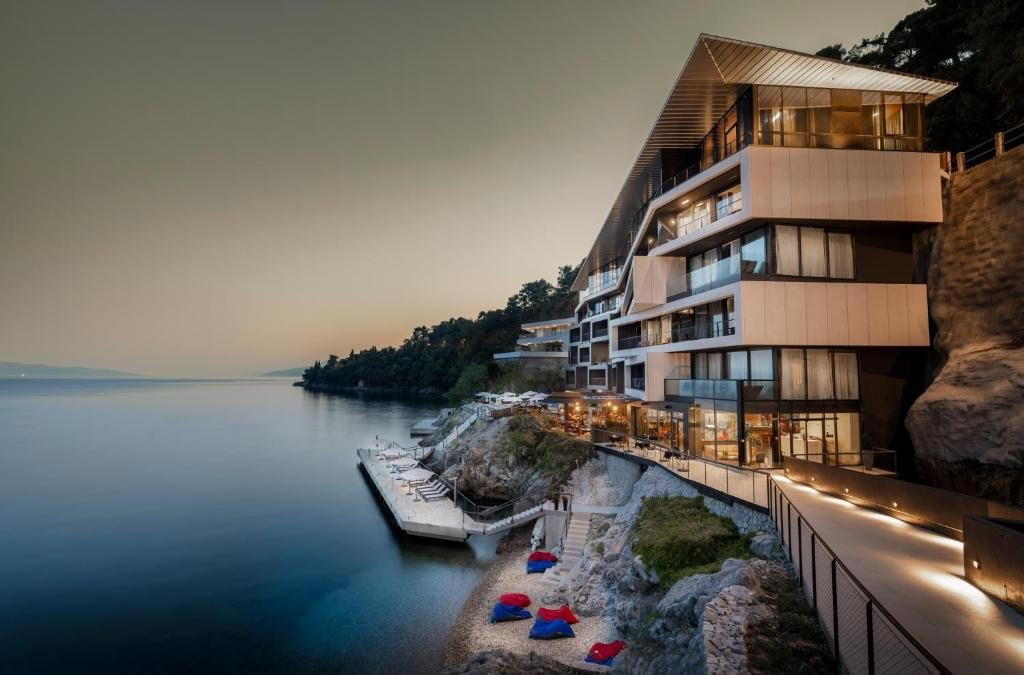
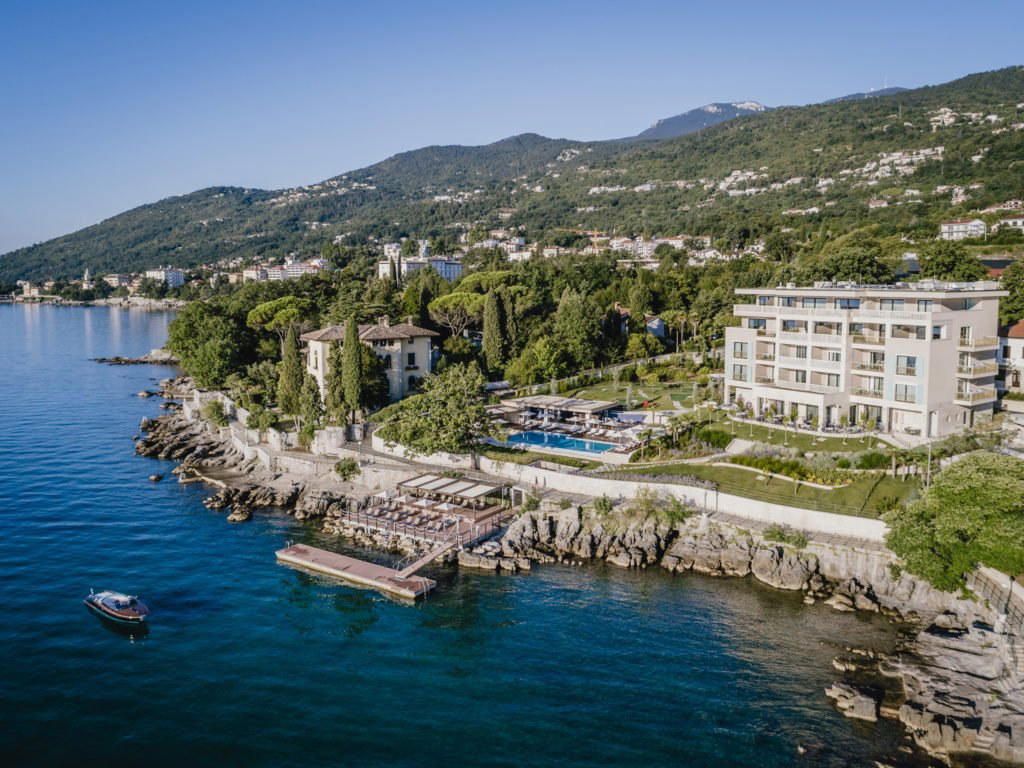
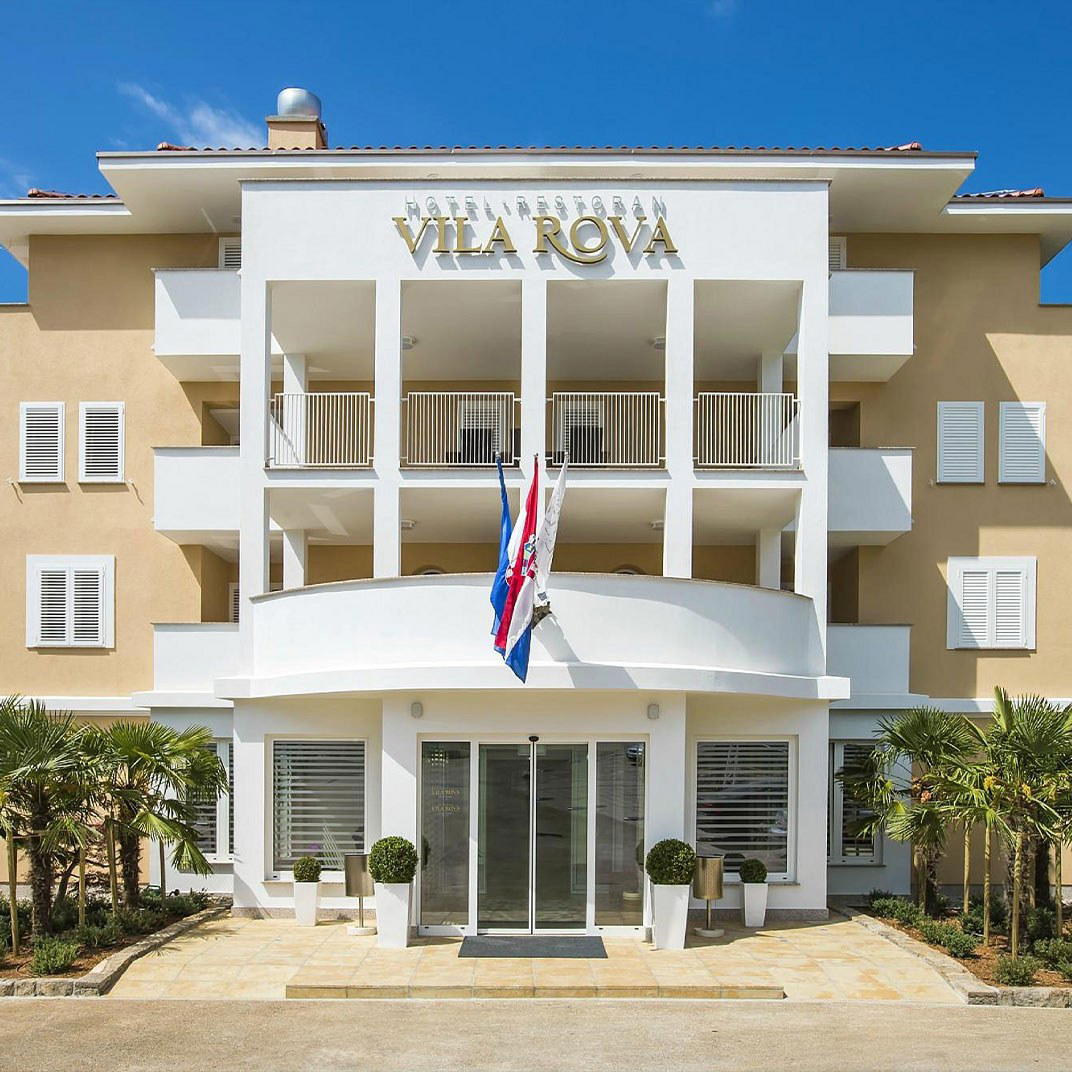
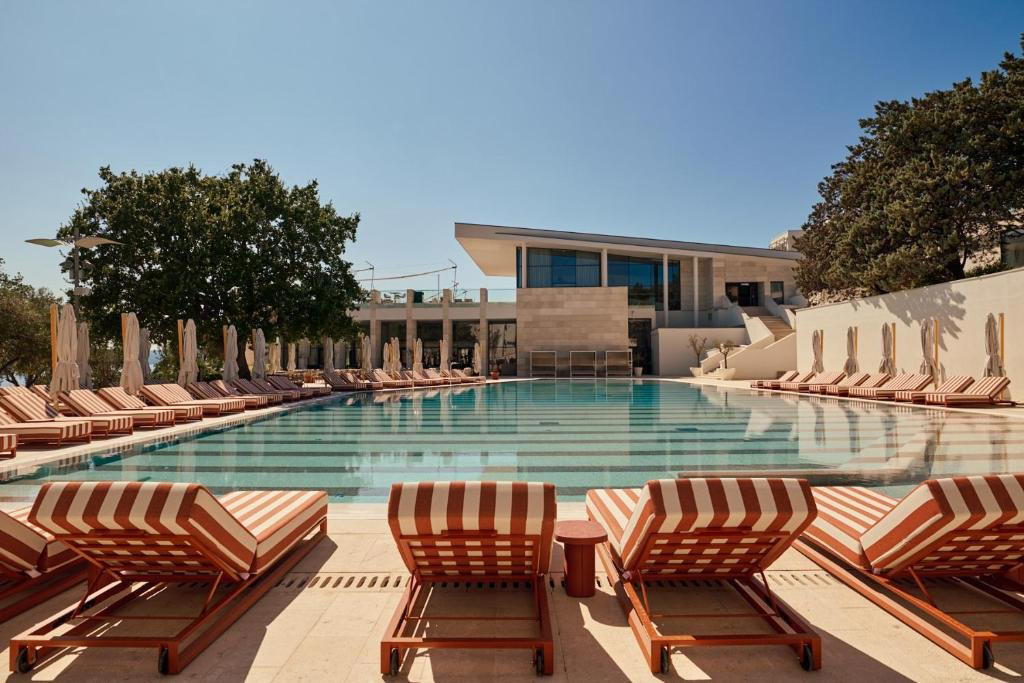

At a Glance
- Cozy
- Rustic
- Intimate
- Date Night
- Family
- Casual Hangout
- Open Kitchen
- Extensive Wine List
Current opening hours
- Monday
- 8 AM–12 AM
- Tuesday
- 8 AM–12 AM
- Wednesday
- 8 AM–12 AM
- Thursday
- 8 AM–12 AM
- Friday
- 8 AM–12:30 AM
- Saturday
- 8 AM–12:30 AM
- Sunday
- 8 AM–12 AM
Hours can change for holidays and private events. Last verified .
Cozy Andalusian tavern atmosphere with Spanish decor like bullfighter capes, flamenco music, and Serrano ham legs.