
Tabelog 100 #42
Our verdict
Moriya Sei Pan Ten places Odawara’s everyday bread culture in sharp focus: a take-out bakery near the station, selected for Tabelog Bread EAST “Tabelog 100” in 2020 and 2022. The appeal is not ceremony but turnover, local routine, and a low-price format that makes it useful before a train, a castle walk, or a wider day of eating around Kanagawa.

Pearl is the En Primeur Club membership app, where members save venues, book tables and use the concierge.
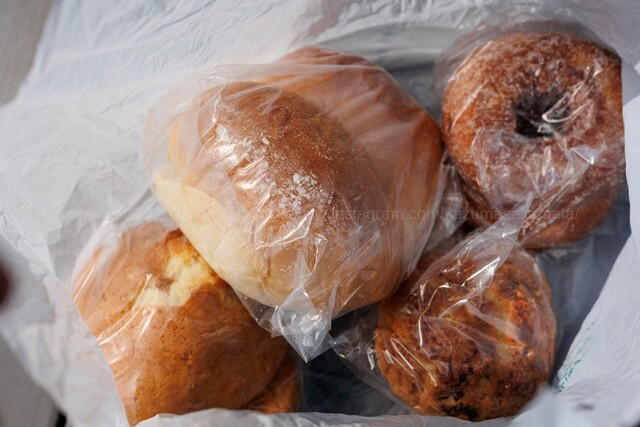
The approach to an old Japanese bakery is rarely theatrical: a straightforward shopfront, purposeful customers, trays kept ready, and bread bought for the next hour rather than photographed for the next week. In Odawara, where rail traffic, castle tourism, fishing-port meals, and old confectionery houses overlap, that quick retail rhythm matters. Moriya Sei Pan Ten belongs to the city’s food culture before lunch, between plans, and outside the reservation economy.
Odawara is often read through seafood and history, but its edible map is wider. Set between Tokyo, Hakone, and the Sagami Bay coast, the city’s meals are shaped by movement: breakfast before a transfer, sweets carried home, fish near the source, bread wrapped for later. A bread counter can say as much about local appetite as a formal dining room. The format is fast, inexpensive, and practical, but not anonymous; selection in Tabelog’s bread-focused Hyakumeiten recognition in 2022 places it within a documented regional group, not just a neighbourhood habit.
Odawara bread culture works on turnover, not ceremony
Japanese bakery culture has always been hybrid. Shokupan, anpan, curry pan, cream-filled buns, and French-influenced pastries share space without one doctrine. Better shops are judged by timing, dough handling, filling balance, and steady regular traffic more than luxury cues. In Odawara, that standard sharpens. Bread must survive a short walk, onward travel, or an outdoor pause, while competing with soba, kamaboko, wagashi, and seafood without demanding a full meal slot.
The retail bakery model has editorial weight. When service theatre falls away, product range, freshness cycle, and local demand decide the experience. Staff handling bread and pastries signals older Japanese retail discipline: product is protected, the line moves, and customers choose by sight rather than lingering over a menu. Plain beside tasting-menu dining, this format can be more revealing. It shows what a city buys repeatedly when nobody is making the purchase an occasion.
Price also frames the category, with the provided listing placing the spend at the everyday end. In Odawara’s dining spread, this shop sits far from the planning required for places such as Il Mare. Its use-case is closer to quick, habitual stops like Uirou, where local tradition is expressed through takeaway-friendly goods rather than a long seated format. The contrast helps travellers: Odawara is not a single-meal city. It rewards grazing, carrying, and brief stops between larger plans.
Ingredient logic is local in the way Japanese bakeries use daily demand
The ingredient story should be read through category, not invented provenance. No named farm, flour mill, or supplier is publicly attached to the shop in the available venue details, so the honest point is structural: Japanese neighbourhood bakeries depend on repeat purchase. Fillings, dough texture, and bake timing must satisfy weekday regulars, not only visitors chasing a guide entry. That accountability is a sourcing pressure. Ingredients need consistency for regulars, accessibility for the price tier, and versatility across sweet and savoury bakery habits.
Odawara’s broader food identity strengthens that reading. The city has long been a place where prepared foods travel well: fish cakes, sweets, boxed snacks, and rail-friendly provisions fit its geography. A bakery shares that logic. It is not competing with venues where the agricultural or formal dining frame is explicit. It occupies the ordinary but telling lane of daily food infrastructure, where sourcing is judged by reliability and the bread must make sense in hand, in a bag, and between plans.
The Tabelog selection matters because bread awards in Japan often surface shops with strong local usage as well as visitor appeal. A score alone can be blunt, but a category-specific list signals assessment within bread, not against sushi counters, French dining rooms, or ramen shops. For travellers mapping Odawara, that separates a casual stop from a generic convenience purchase. The case is not that bread outranks the city’s seafood or sweets; it captures another part of Odawara’s eating day.
How to place it in an Odawara day
Use it as a short stop rather than the centre of an itinerary. Odawara’s stronger days are layered: bread or sweets in the city, a proper meal elsewhere, then a castle walk, coastward detour, or Hakone connection. For a fuller food route, pair the bakery category with noodles at Menan Chitose, other Odawara dining, or the older confectionery thread represented by Uirou. Travellers building a wider plan can use Our full Odawara restaurants guide alongside Our full Odawara hotels guide, Our full Odawara bars guide, Our full Odawara wineries guide, and Our full Odawara experiences guide.
Seen against the wider Japan and Pacific dining map, its value is role-specific. It is not a destination dining room, a city-night meal, or a café-format stop. It is closer to portable-food intelligence across casual Japanese eating: food built around timing, portability, and repeat appetite. That role may be modest, but it is also precise, and it explains why a bread shop can matter within a city whose food identity is often described through other categories.
Moriya Sei Pan Ten is strongest as a lens on Odawara’s ordinary pleasures. Its recognition gives travellers reason to take it seriously; its format keeps the experience grounded. In a city where many visitors rush between train platforms, castle paths, and Hakone connections, that balance is the point.
Frequently asked questions
Is Moriya Sei Pan Ten suitable for children?
Yes. The shop is a bread specialist in Odawara, and its listed price range of - JPY 999 - JPY 999 makes it practical for family stops.
What is the atmosphere like at Moriya Sei Pan Ten?
It is a straightforward bakery experience rather than a formal dining room. The setting is Odawara, and the Tabelog Hyakumeiten bread recognition in 2022 gives it clear local authority.
How much does it cost to eat at Moriya Sei Pan Ten?
Pricing at Moriya Sei Pan Ten is listed as - JPY 999 - JPY 999 View spending breakdown.
What is Moriya Sei Pan Ten known for?
Moriya Sei Pan Ten is known as a bread venue in Odawara with Tabelog Hyakumeiten recognition in 2022.
Quick Comparison
Comparable venues by cuisine and price in the same metro.
| Venue | Cuisine | Price | Awards | Notes |
|---|---|---|---|---|
| Moriya Sei Pan TenThis venue (the venue you are viewing) | Bakery | $1–10 | Tabelog 100 #42 | Not listed |
| Menan Chitose | Ramen shop | $10–20 | Tabelog 100 #13 | Kazamatsuri |
| Ichiyajo Yoroizuka Farm | Farm-to-table patisserie & bistro café | $20–30 | Tabelog 100 #36 | Hayakawa |
| Uirou Ekimae chouzai yakkyoku | Traditional Japanese sweets & café | Not listed | Tabelog 100 #3 | Sakaecho |
| メシモ | Modern Local French | $100–150 | Tabelog 100 #51 | 栄町 |
| Uirou | Traditional Japanese wagashi & cafe | $10–20 | Tabelog 100 #49 | Honcho |
Recognition history
Dated appearances from independent guides and award organizations, with the underlying list record or original source where available.
Tabelog 100 #42 · No. 42
Tabelog · Tabelog 100 - Bread - EAST - 2022
Continue exploring
More in Odawara
Restaurants in Odawara
All restaurants in Odawara →
Bars in Odawara
Browse all →
Hotels in Odawara
Browse all →
Wineries in Odawara
Browse all →
Details
- Classic
- Cozy
- Solo
- Casual Hangout
- Family
- Standalone
- A La Carte
A simple, neighborhood bakery atmosphere in a house-style setting, oriented around quick takeaway rather than dine-in.