Tabelog 100 #47
Our verdict
Mori no Okashi belongs to Osaka’s quieter sweets circuit, where wagashi buying is closer to timing and planning than lingering over a café table. Its Tabelog 100 selection for Japanese traditional sweets and sweets recognition place it among serious Kansai confectionery addresses, while its takeaway format keeps the experience brief, focused, and dependent on arriving with intent.

Pearl is the En Primeur Club membership app, where members save venues, book tables and use the concierge.
The menu
What to order
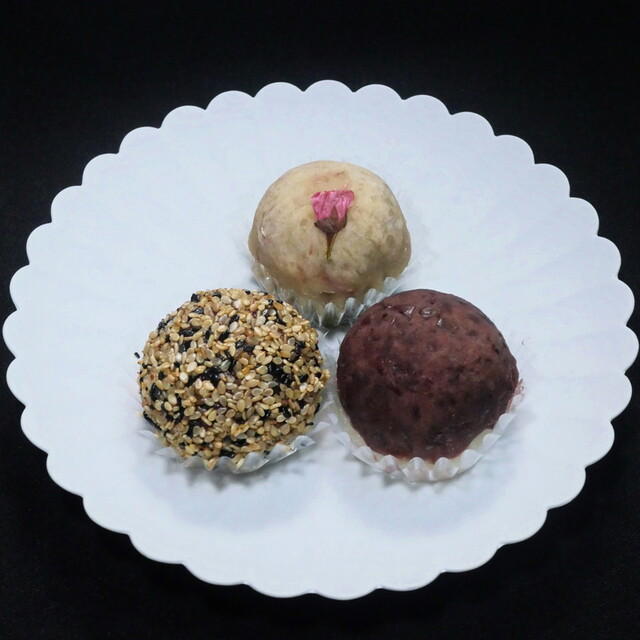
- Seasonal ohagi assortment
- Fruit and nut dorayaki from Kitsuneiro
- Shinchi warabi mochi
- Deep-roasted kinako sweets
Osaka changes character by the hour. In the early evening, before the city settles into its polished dinner rhythm, a sweets stop occupies a narrower lane of appetite: quick decisions, modest purchases, and a preference for craft that does not need the theatre of a long dining room. Japanese traditional sweets have never depended on restaurant spectacle. The discipline is in proportion, seasonality, presentation, and the customer’s timing.
That makes Mori no Okashi a useful lens on Osaka’s dessert culture. The city is better known to visitors for takoyaki queues, department-store food halls, and late-night dining, yet its serious confectionery addresses operate by a different code. They reward punctuality, local knowledge, and a willingness to treat sweets as a primary stop rather than an afterthought after dinner. A Tabelog Hyakumeiten selection in 2023, with a listed score of 3.63, puts this shop in the conversation with specialist Japanese traditional sweets rather than casual souvenir counters.
Japanese traditional sweets in a city built for reservations
Osaka often trains diners to think in seats: counters, formal Japanese rooms, steak houses, and bars where the evening is measured in courses or pours. In that wider dining landscape, a sweets shop creates a different kind of planning logic. The commitment is shorter, but the margin for casual timing can be smaller. The format suits Osaka residents who know how to fold a confectionery stop into the evening, and it asks travellers to treat the visit with the same seriousness they would give a counter booking.
The category matters. Japanese traditional sweets are not simply dessert in the Western restaurant sense; they sit across tea culture, gifting, seasonal markers, and everyday rituals. The appeal often favours restraint over spectacle, with attention placed on texture, sweetness level, and the way a sweet presents itself at purchase. Without relying on a long meal format, the shop’s credibility comes from repeat demand and selection signals. A 3.63 Tabelog score in this category is not a casual footnote, because Japanese traditional sweets shops are often judged by a narrower local audience than restaurants chasing international attention.
Against other Osaka dining options, the contrast is sharp. A sushi address such as AKA to SHIRO, a kushiage specialist such as kushiage 010, or a formal Japanese restaurant such as Kashiwaya Osaka Kitashinchi each asks the diner to commit to a meal structure. Higher-spend rooms including Kuroge Wagyu Steak House Morikawa and Feu sit in another tier of evening planning. Mori no Okashi belongs to the same city but not the same rhythm: it is the focused sweets purchase, the after-work errand, or the planned detour before the next part of the night.
Why the planning matters more than the spend
Osaka is an easy city in which to improvise badly. Transport is efficient, dining areas sit close together, and casual food appears everywhere, so the temptation is to leave smaller stops to chance. That approach works for many snacks. It works less well for specialist sweets, where operating patterns, customer demand, and local peak times can decide the experience before taste enters the equation.
Here, the editorial point is not luxury pricing; it is focus by format. A low listed spend does not make a place frictionless. Mori no Okashi’s listed price band is - JPY 999 - JPY 999, with the budget shown as Dinner: - JPY 999; Lunch: -. For travellers used to hotel concierges solving restaurant access, this is a different kind of Osaka intelligence: know the city, arrive with purpose, and do not treat Japanese traditional sweets as something to pick up only if the evening happens to allow it.
The Osaka setting also shapes how to use it. The smarter move is to separate the sweets stop from the main meal decision. Plan it as its own errand, or place it before moving on to other dining, bars, or hotels. That is not romantic advice; it is how small-format Japanese food shops often function when demand, timing, and customers’ understanding of the category all matter.
How to place it in an Osaka itinerary
For a first Osaka trip, Mori no Okashi should not replace the city’s broader food education. It should sharpen it. The same itinerary can include unnamed bakery stops, casual classics, coffee counters, sweets shops, and dinner at other Osaka dining rooms. Together, those stops explain Osaka better than a single tasting menu: bread, buns, sweets, savoury staples, and the city’s talent for making everyday categories feel serious.
Readers building a wider plan should start with Our full Osaka restaurants guide, then add the surrounding layers through Our full Osaka hotels guide, Our full Osaka bars guide, Our full Osaka wineries guide, and Our full Osaka experiences guide. For comparisons beyond a single meal type, the useful thread is not cuisine similarity but format discipline: other narrow-format dining rooms in Japan and abroad show how focused concepts can carry serious intent without adopting fine-dining language.
The verdict is practical rather than sentimental. Osaka rewards eaters who can distinguish between convenience and ease. Mori no Okashi is accessible by city and price band, but the experience depends on timing, sweets-shop habits, and respect for a category that Japanese diners often understand more fluently than visitors. Treat it as a planned confectionery stop in Osaka, not a casual dessert fallback, and the city’s quieter sweets culture comes into better focus.
Frequently asked questions
Is Mori no Okashi expensive?
Pricing at Mori no Okashi is listed as - JPY 999 - JPY 999 View spending breakdown.
What are the operating hours at Mori no Okashi?
Specific operating hours are not provided here; check directly before planning a visit.
How do I find Mori no Okashi?
Osaka.
What is Mori no Okashi known for?
Mori no Okashi is known for Japanese traditional sweets in Osaka.
The Short List
Comparable venues to calibrate price, style, and recognition.
| Venue | Cuisine | Price | Awards | Notes |
|---|---|---|---|---|
| Mori no OkashiThis venue (the venue you are viewing) | Seasonal Japanese wagashi (ohagi & dorayaki) shop | $1–10 | Tabelog 100 #47 | Not listed |
| AKA to SHIRO | Modern Edomae-Kansai Sushi Omakase | $50–100 | Michelin Bib Gourmand | Sushi |
| kushiage 010 | Creative Kushiage | $50–100 | Michelin Bib Gourmand | Kushiage |
| Kashiwaya Osaka Kitashinchi | Traditional Kaiseki | $200–300 | 1 Michelin Star | Japanese |
| Kuroge Wagyu Steak House Morikawa | Kuroge Wagyu Teppanyaki Steakhouse | $150–200 | Tabelog 100 #39 | JPY 20,000 - JPY 29,999 |
| Feu | French | Not listed | Tabelog 100 #48 | JPY 30,000 - JPY 39,999 |
Recognition history
Dated appearances from independent guides and award organizations, with the underlying list record or original source where available.
Tabelog 100 #47 · No. 47
Tabelog · Tabelog 100 - Japanese traditional sweets / Japanese sweets cafe - WEST - 2023