
Canada's 100 Best Restaurants #71
Our verdict
From the team behind Elena and Nora Gray, Gia Vin & Grill occupies a converted garage on Rue Lenoir with subway tiles, a natural wine list, and a menu that shifts from daytime antipasti and sandwiches to evening arrosticini, seafood, and pasta. It is the kind of neighbourhood restaurant that earns repeat visits through consistency rather than spectacle, a reliable address in Montreal's southwest dining corridor.

Pearl is the En Primeur Club membership app, where members save venues, book tables and use the concierge.
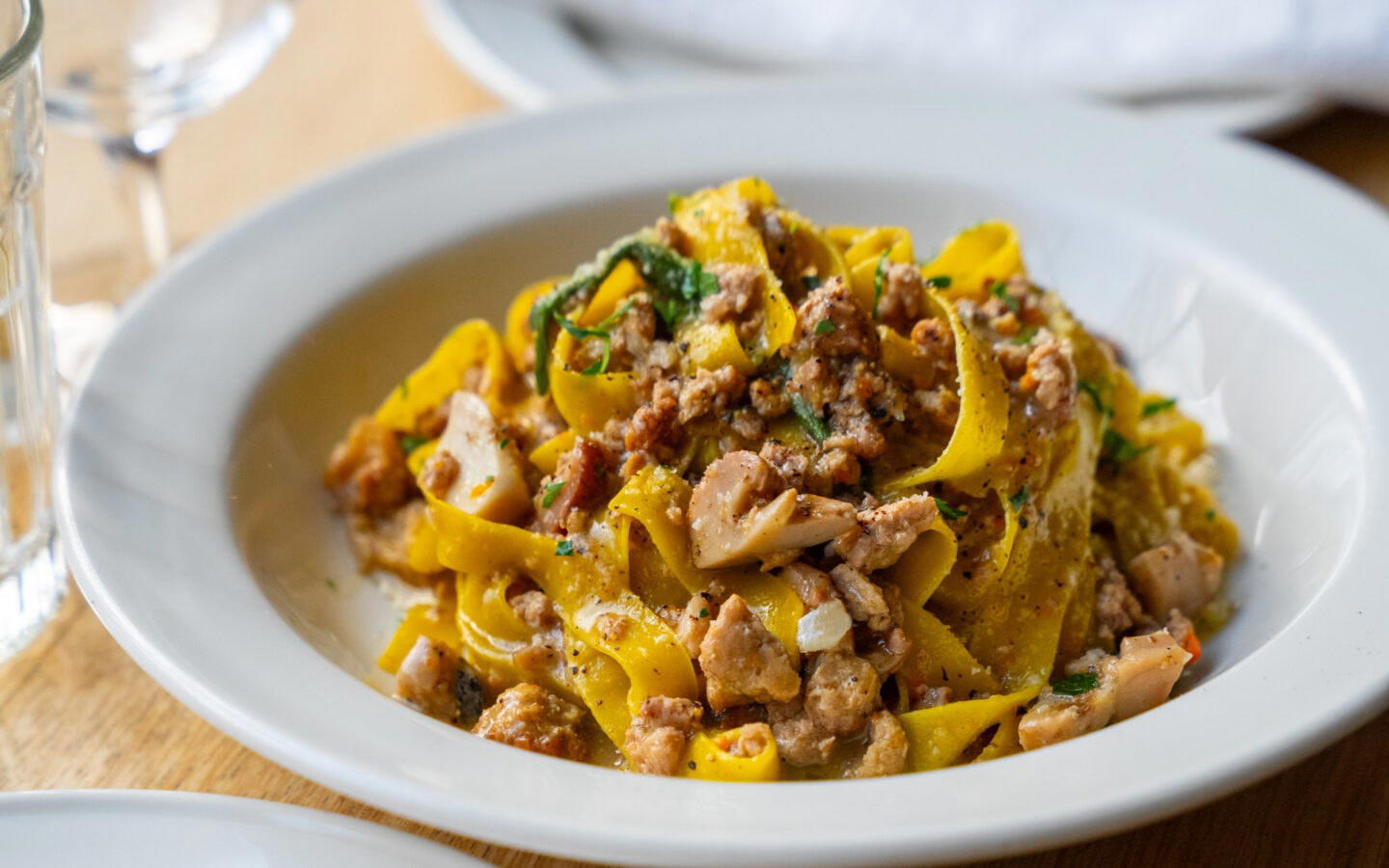
The menu
What to order
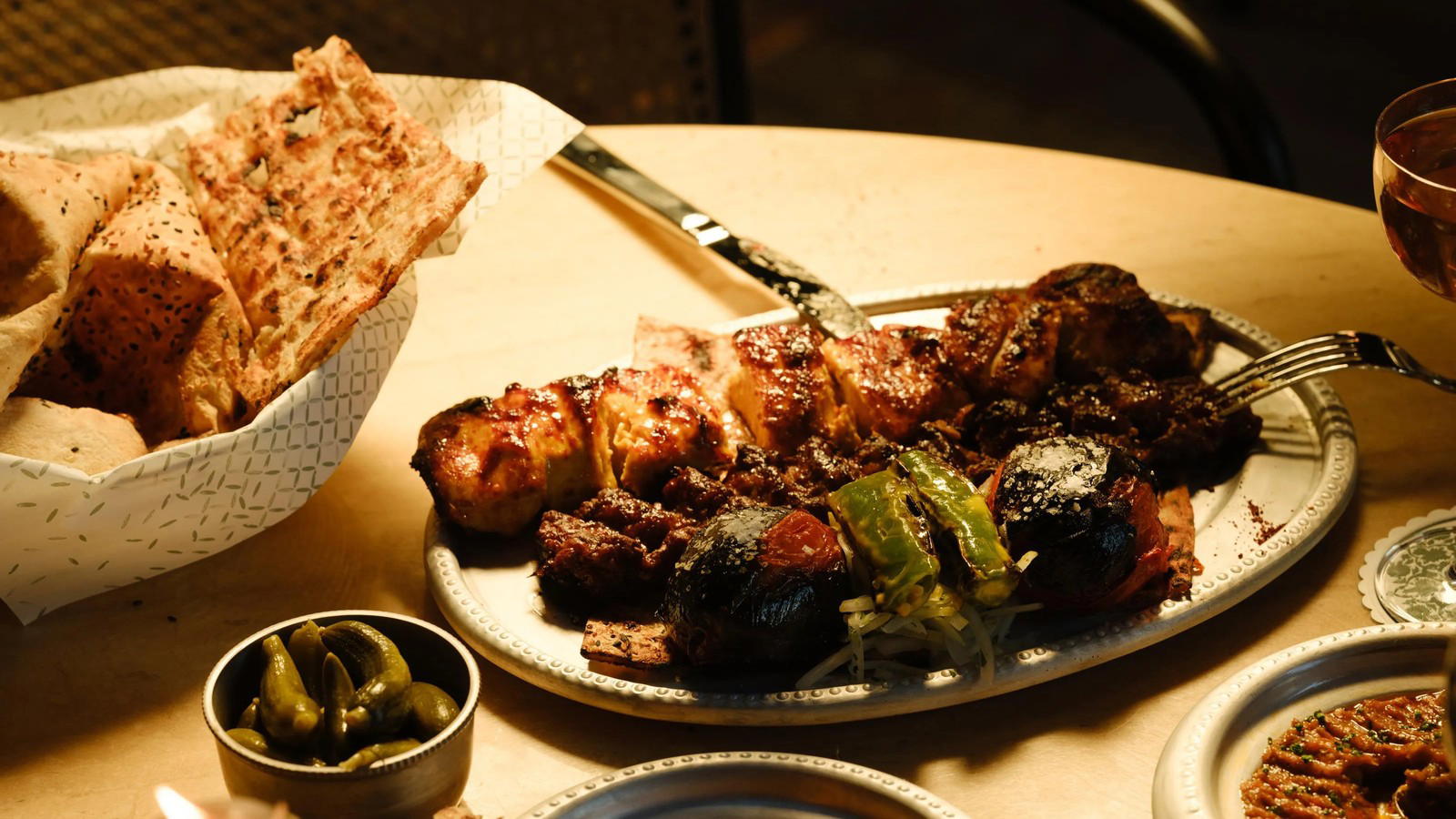
- Arrosticini
- Focaccia
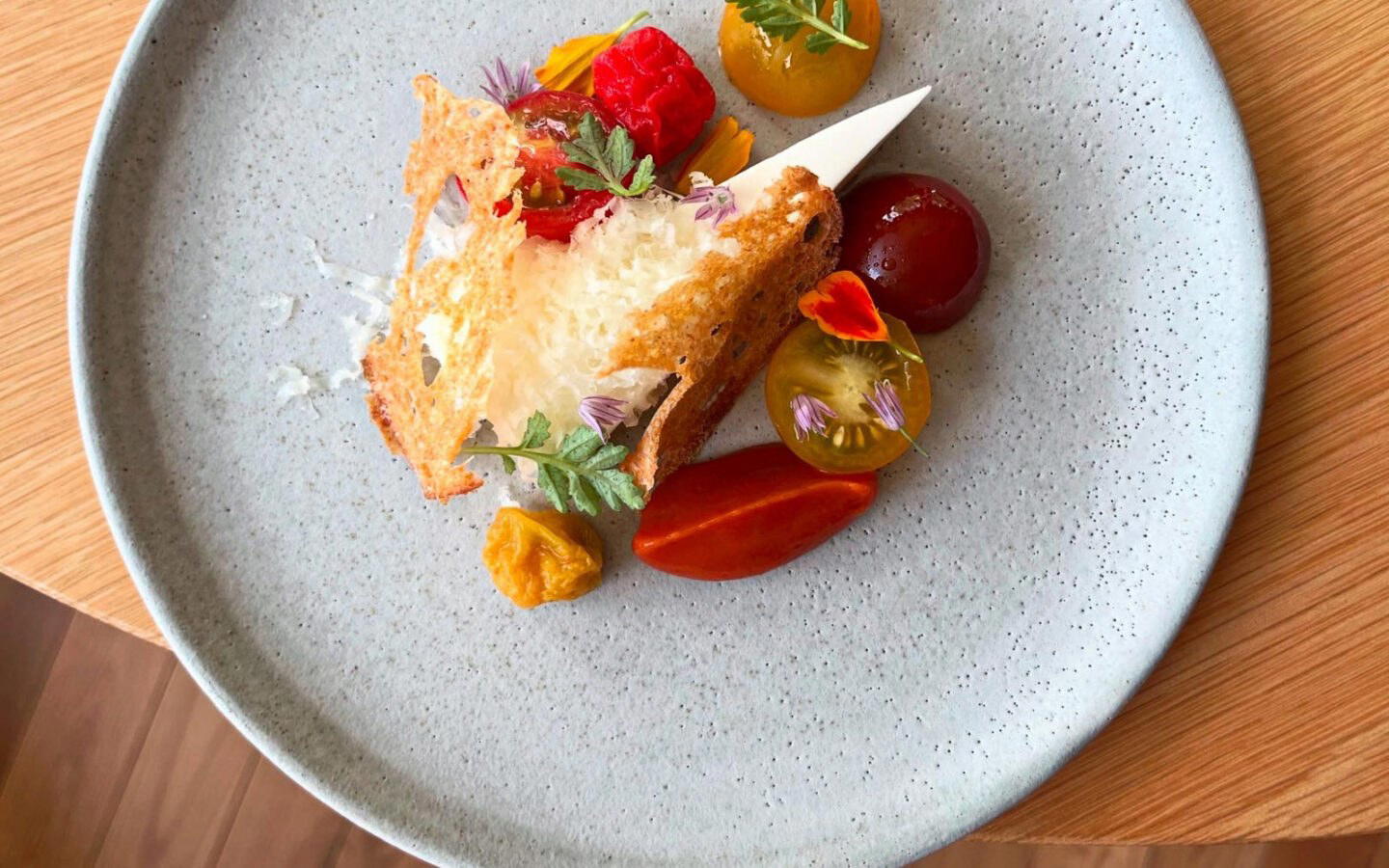
- Tomato salad with burrata
A Garage Grows Up: How a Southwest Montreal Address Found Its Register
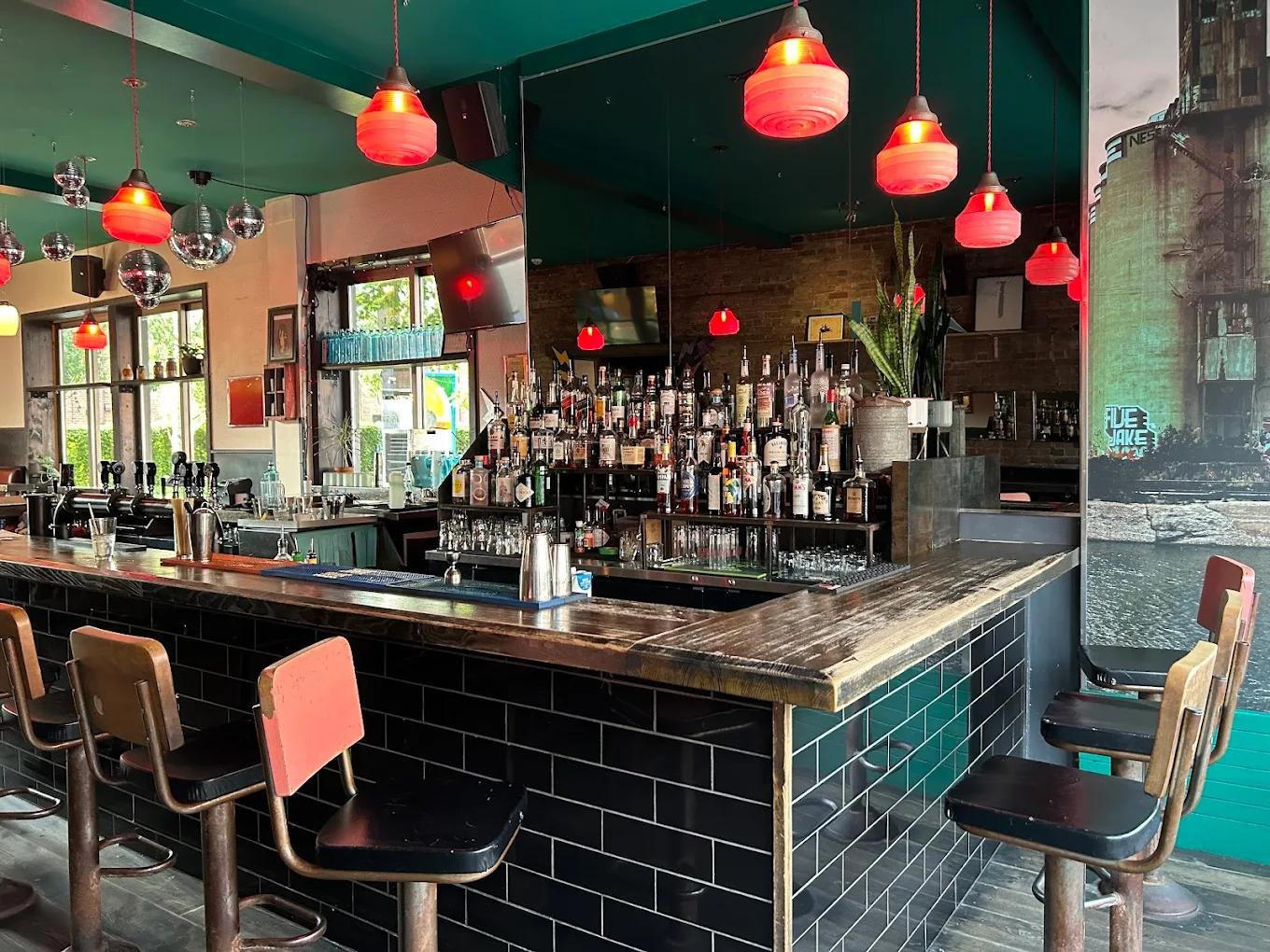
Montreal's southwest quadrant has spent the better part of a decade rewriting its dining identity. What was once an industrial fringe, loading docks, mechanics' workshops, a scattering of lunch counters, now anchors a recognisable neighbourhood restaurant scene that sits deliberately outside the tourist circuits of the Plateau and Old Port. Gia Vin & Grill, on Rue Lenoir, is one of the addresses that shaped that shift. The space itself makes the point before you sit down: a converted garage dressed in subway tile, with the kind of material honesty that communicates something about how the room intends to feed you.
The conversion format has become something of a genre in Montreal dining. Across the city, former industrial spaces have been pressed into restaurant use with varying degrees of theatrical intervention. What distinguishes the better examples is whether the building's past is acknowledged or simply buried under renovation. At Gia, the bones are legible. The tile work and open layout read as a deliberate retention of character rather than a cosmetic fix, a choice that sets the tone for a menu with similar priorities.
From Sandwich Counter to Evening Secondi: The Format Evolution
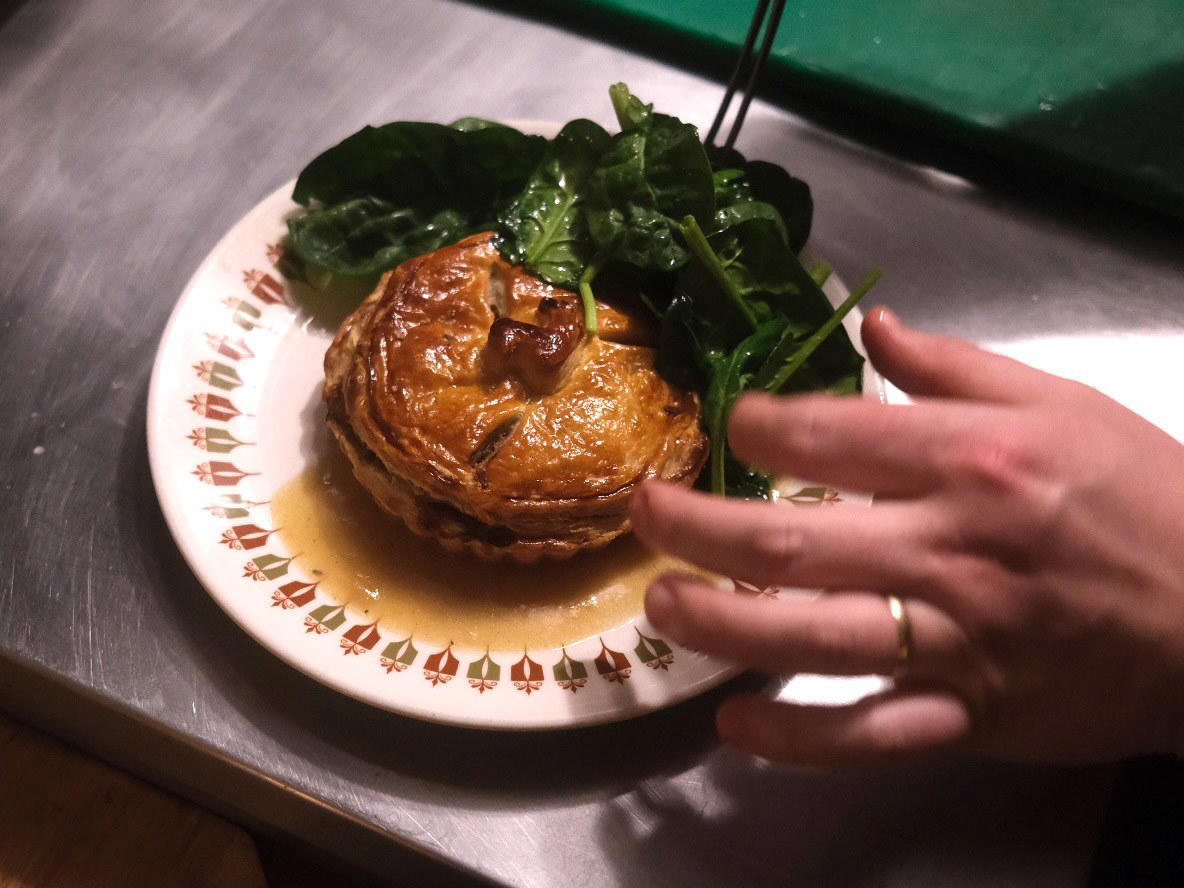
Gia's most interesting structural decision is the way it splits its identity across the day. Daytime service runs as a casual antipasti and sandwich operation, the kind of format that fills a genuine gap in neighbourhoods where lunch options tend toward the perfunctory. By evening, the register shifts materially. Arrosticini, seafood, house pasta, and meats sourced from local farms occupy the dinner menu in a configuration that leans Italian without being categorically bound to it.
This dual-format approach mirrors a broader pattern visible at some of Montreal's more thoughtful neighbourhood restaurants, where the economics of a single daypart no longer support the overhead of a good room and a skilled kitchen team. Running daytime trade as a lower-complexity, higher-turnover service allows the kitchen to reserve its depth for the evening. The result, when it works, is a restaurant that serves two different communities, the neighbourhood at lunch, a wider dining public at dinner, without compromising either. Gia has built its reputation on exactly that balance.
The team's track record matters here as context rather than credential. The same group behind Alma Montreal and other neighbourhood hits in the city has developed a legible method: find a space with character, keep the format honest, source with specificity, and price for return visits rather than occasion dining. That formula has produced reliable results across their projects, and Gia follows the same logic.
The Natural Wine Position
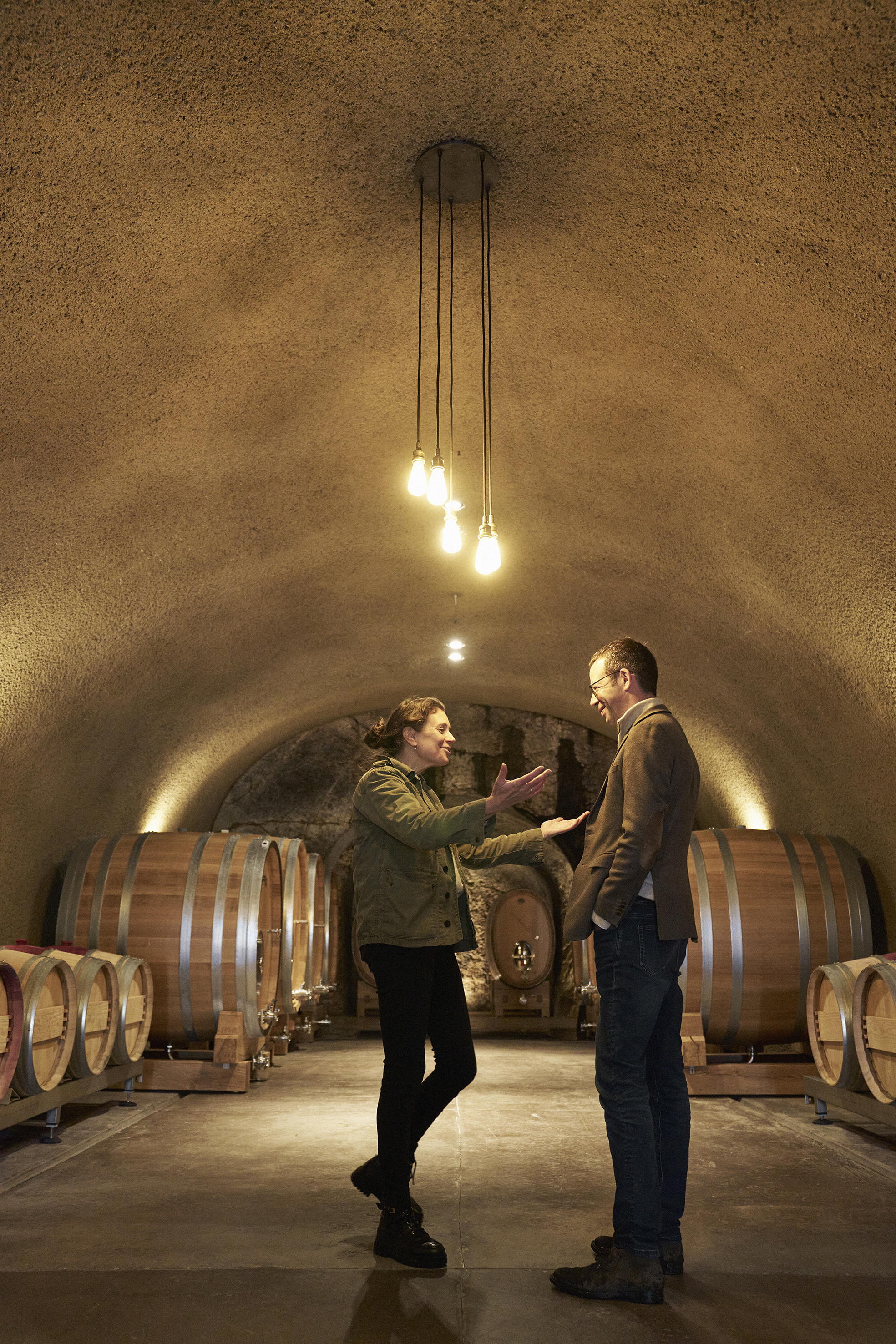
Montreal's natural wine scene has deepened considerably over the past decade. What began as a niche positioning associated with a small cluster of bars and bistros has spread into mainstream neighbourhood restaurants, where the list composition now says something about kitchen philosophy as much as beverage preference. Gia's wine programme is squarely natural, which places it in a growing cohort of Montreal addresses where the bottle on the table and the sourcing on the plate operate from the same set of values.
The natural wine category in Quebec operates under particular conditions. The SAQ's monopoly on wine retail means that restaurants building natural lists must work within a narrower import structure than their counterparts in, say, New York or Toronto, where importers like those supplying Atomix or Le Bernardin operate with considerably more latitude. Montreal sommeliers and buyers have adapted by cultivating direct relationships with Quebec agents who specialise in low-intervention producers, and by building lists that reward flexibility rather than trophy bottles. Gia's approach reflects that local adaptation: the wine list functions as a complement to the food rather than a parallel showpiece.
For comparison, Annette bar à vin in Montreal has built its entire identity around the natural wine format, and restaurants like Mastard and Sabayon each occupy distinct positions in the city's contemporary dining tier. Gia sits apart from that fine-dining bracket, its competitive set is the neighbourhood restaurant, not the tasting menu counter, but the wine philosophy connects it to the same broader movement toward intentional sourcing that defines Montreal's current dining moment.
Where Gia Sits in the Montreal Dining Map
Montreal's restaurant tiers are worth mapping clearly for anyone building an itinerary. At the leading end, addresses like Jérôme Ferrer's Europea and Mastard hold Michelin recognition and price accordingly. The mid-tier is more contested: the city has a deep bench of serious bistros and neighbourhood restaurants that offer skilled cooking without the formality or the price point of the leading table. Gia belongs to this second tier, not as a compromise position, but as a deliberate choice about what kind of restaurant the city actually needs more of.
The Italian-inflected neighbourhood format it operates in has parallels elsewhere in Canada. AnnaLena in Vancouver and Alo in Toronto each represent a different take on the neighbourhood-restaurant-that-punches-above-its-postcode model, while in Quebec, addresses like Tanière³ in Québec City and Narval in Rimouski show how regional identity can anchor a serious restaurant programme. Gia's version of that idea is more urban and less grand: the point is the meal, not the statement.
Planning a Visit
Gia Vin & Grill sits at 1025 Rue Lenoir in Montreal's Saint-Henri neighbourhood, a ten-minute walk from Lionel-Groulx metro station and reachable from downtown in under twenty minutes. The converted-garage format means the room has limited seats, and dinner service at well-regarded neighbourhood restaurants of this size tends to fill quickly, particularly on Thursday through Saturday evenings. Booking ahead for dinner is the sensible approach; daytime visits for antipasti and sandwiches are typically more flexible. The evening menu's local-farm sourcing means that specific dishes rotate with availability, arriving with an open mind about what's on that night is part of the experience the format is built around. For a broader view of where Gia fits in the city's dining offer, see our full Montreal restaurants guide, and for context on bars, hotels, and experiences nearby, the Montreal bars guide, hotels guide, and experiences guide cover the surrounding territory.
Frequently asked questions
Does GIA VIN & GRILL have a Michelin star or similar recognition?
GIA VIN & GRILL has received recognition including: The team from Elena and Nora Gray have a knack for delivering neighbourhood hits. In a converted garage spiffed up with subway tiles, Gia offers daytime antipasti and sandwiches with some pastas and secondi; dinners feature arrosticini, sea….
Where is GIA VIN & GRILL located?
GIA VIN & GRILL is located at 1025 Rue Lenoir, Montréal, QC H4C 1E2, Canada, Montreal.
What do regulars order at GIA VIN & GRILL?
The arrosticini and pasta courses draw the most repeat attention at dinner, alongside seafood and meat sourced from local farms. Daytime visits tend to revolve around the antipasti and sandwiches, which function as a more casual entry point into the same kitchen. The natural wine list, all from low-intervention producers, is worth treating as a destination in itself.
Do I need a reservation for GIA VIN & GRILL?
Gia comes from the team behind Elena and Nora Gray, two Montreal addresses with strong local followings, so evening seats fill reliably. Booking ahead for dinner is the practical approach, particularly on weekends. Daytime service for antipasti and sandwiches tends to run at a more relaxed pace.
What is GIA VIN & GRILL known for?
Gia is known for splitting its identity across two service registers: a casual daytime counter for antipasti and sandwiches, and an evening format built around arrosticini, pasta, seafood, and locally farmed meats. The natural wine program ties both halves together. It operates from a converted garage on Rue Lenoir in Saint-Henri, and shares the same team responsible for Elena and Nora Gray.
Is GIA VIN & GRILL good for vegetarians?
The menu leans heavily toward meat and seafood at dinner, with arrosticini and farm-sourced secondi as core draws. Antipasti and pasta courses offer more flexibility, and daytime sandwiches likely include vegetable-forward options, though the specific composition varies. Guests with strict requirements should confirm directly with the restaurant before booking.
How does Gia Vin & Grill compare to other restaurants from the Elena and Nora Gray team in Montreal?
Where Elena and Nora Gray operate as full-service destination restaurants in Montreal, Gia functions as a more neighbourhood-scaled address, structured around a relaxed daytime antipasti counter and a grilled-meat-focused evening menu. The converted garage space on Rue Lenoir in Saint-Henri sets a different register than the better-known sibling venues. The natural wine positioning and Italian-leaning menu are shared threads across all three.
Comparable Spots
Comparable venues nearby, for context on price, style, and recognition.
| Venue | Cuisine | Price | Awards | Notes |
|---|---|---|---|---|
| GIA VIN & GRILLThis venue (the venue you are viewing) | Modern Italian Grill | $100–150 | Canada's 100 Best Restaurants #71 | Not listed |
| Il Pagliaccio | Traditional Italian Fine Dining | Not listed | Not listed | Mile End |
| Lucca | Authentic Italian | Not listed | Not listed | La Petite-Italie |
| BALBOA PIZZERIA | Modern Italian Pizzeria | $30–50 | Not listed | Vieux Montréal |
| Trattoria Gio | Authentic Italian Trattoria | $30–50 | Not listed | Vieux Montréal |
| Le Richmond | Northern Italian Fine Dining | $50–100 | Not listed | Griffintown |
Recognition history
Dated appearances from independent guides and award organizations, with the underlying list record or original source where available.
Canada's 100 Best Restaurants #71
Canada's 100 Best
Full recognition history (2 entries)
Canada's 100 Best Restaurants #64
Canada's 100 Best

Continue exploring
More in Montréal
Restaurants in Montréal
All restaurants in Montréal →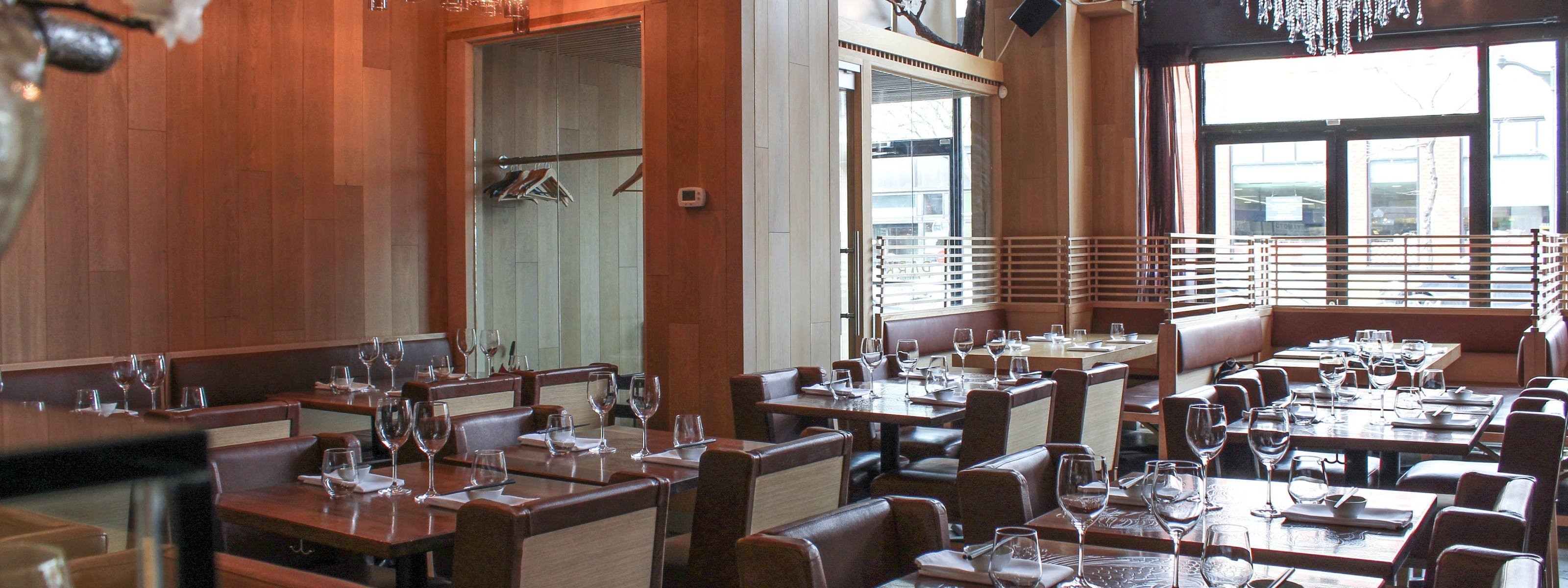
Bars in Montréal
All bars in Montréal →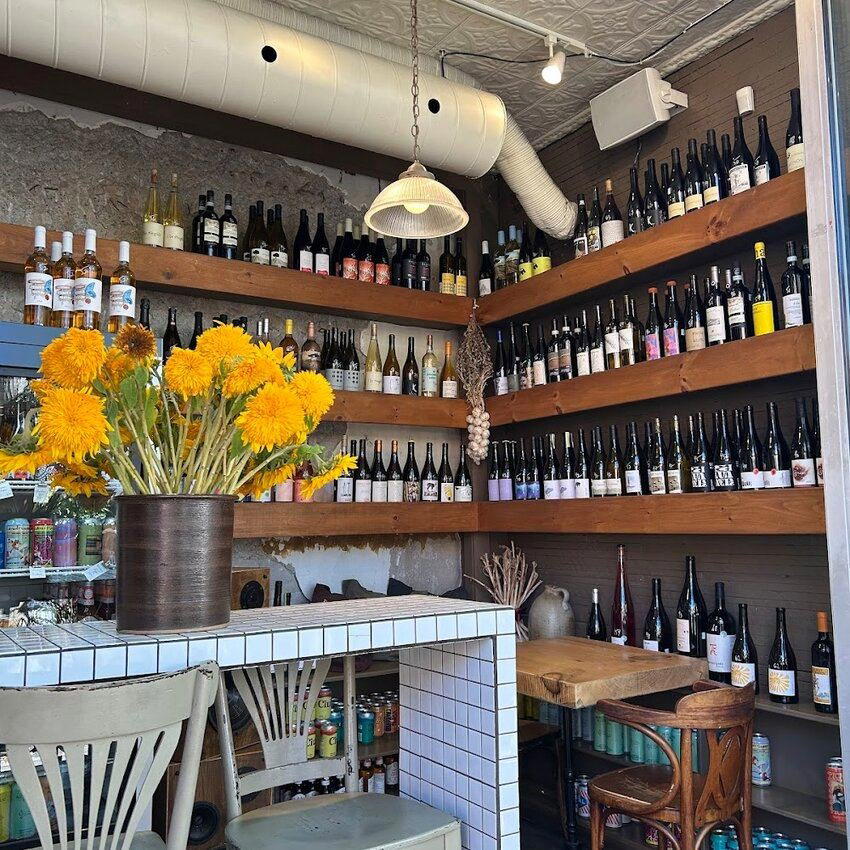

GIA VIN & GRILL
The wine
- Wine program
- Deep wine list
- Extensive wine list
- Natural wine
- Craft cocktails
Details
- Cozy
- Trendy
- Intimate
- Lively
- Modern
- Industrial
- Date Night
- Special Occasion
- Group Dining
- Courtyard
- Open Kitchen
- Extensive Wine List
- Natural Wine
- Craft Cocktails
- Natural Wine
- Small Plates
- A La Carte
- Natural Wine
- Gluten Free Options
- Vegetarian Friendly
Current opening hours
- Monday
- Closed
- Tuesday
- 11:30 AM–3 PM, 5–10 PM
- Wednesday
- 11:30 AM–3 PM, 5–10 PM
- Thursday
- 11:30 AM–3 PM, 5–10 PM
- Friday
- 11:30 AM–3 PM, 5–10 PM
- Saturday
- 5–10 PM
- Sunday
- Closed
Hours can change for holidays and private events. Last verified .
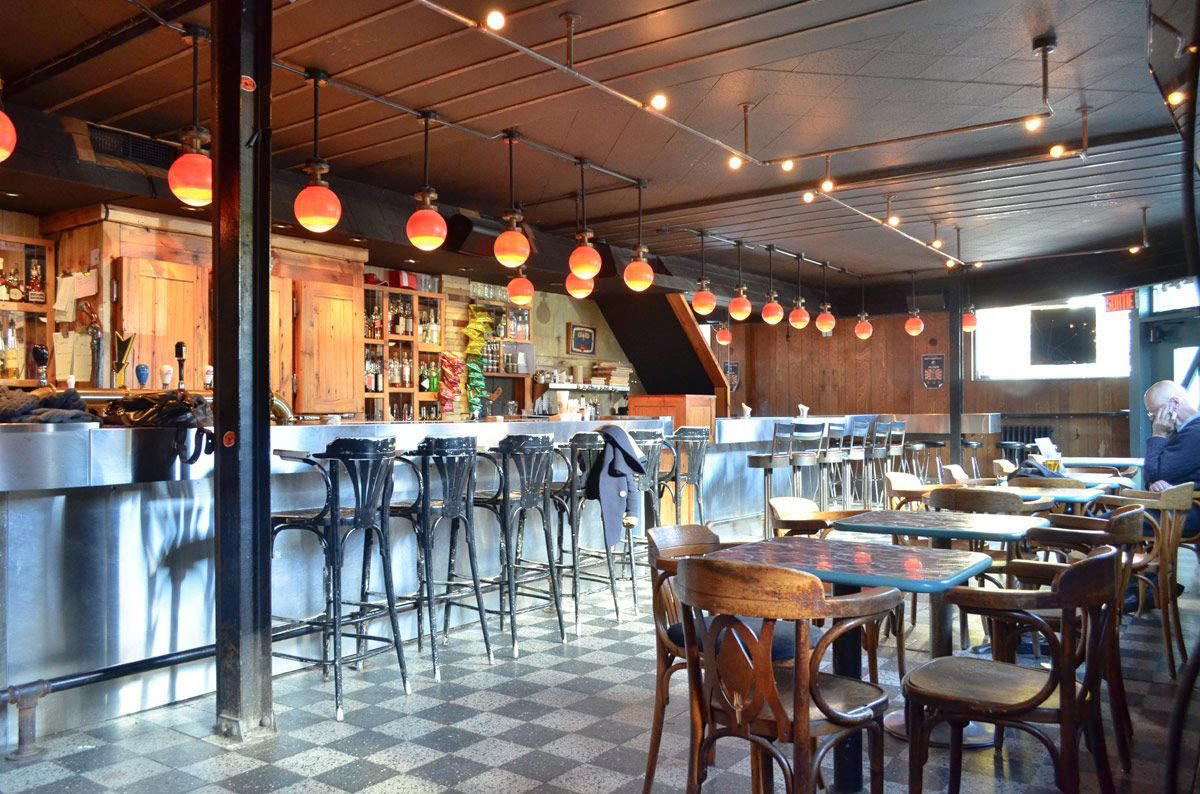
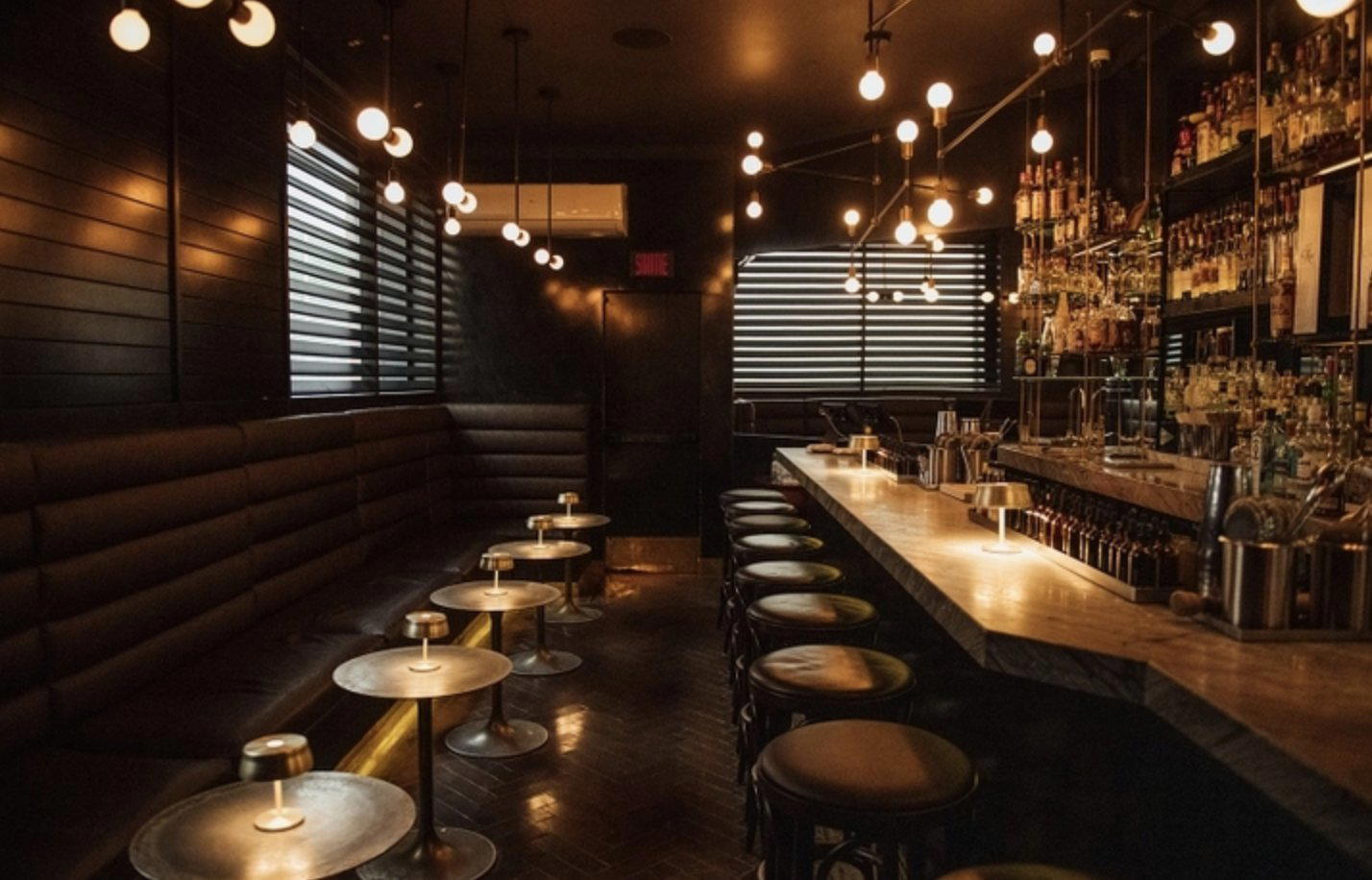
Cozy and welcoming with minimalist industrial decor, light wood, marble, green tiles, exposed ductwork, and a lively yet intimate atmosphere.