Montia




1 Michelin Star · Guía Repsol 2 Soles · Macarfi 8.9 Food Rating
Our verdict
Montia redefines farm-to-table dining in San Lorenzo de El Escorial, where Chef Daniel Ochoa's "wild cuisine" transforms daily mountain foraging into weekly-changing tasting menus. This intimate restaurant showcases indigenous Sierra de Guadarrama ingredients through signature dishes like legendary "callos" and innovative "pepitoria" of mushrooms and sea urchins.

Pearl is the En Primeur Club membership app, where members save venues, book tables and use the concierge.
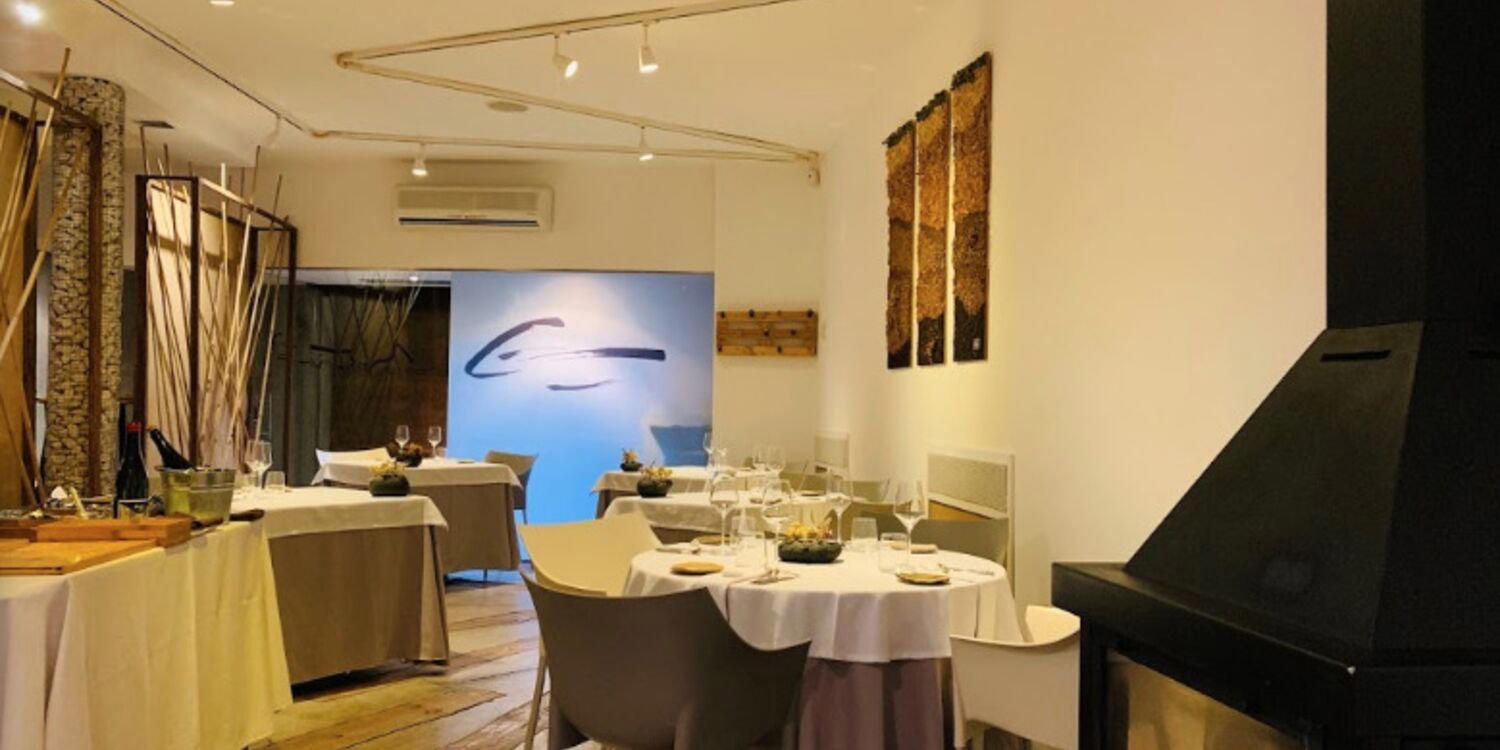
A Town That Earns a Detour, a Restaurant That Justifies It
San Lorenzo de El Escorial sits about 50 kilometres northwest of Madrid, dominated by the granite immensity of Felipe II's royal monastery. The town draws visitors who tend to spend a few hours at the Escorial and then leave. Montia, on Calle Juan de Austria, is the reason to stay for dinner. The street is quiet by Spanish capital standards, the building unassuming in the way that addresses serious cooking often are outside major cities. What greets you inside is a room that communicates restraint: materials from the surrounding sierra, a pace dictated by the kitchen rather than the clock, and an atmosphere that reads less like a destination restaurant performing for visitors and more like a place confident enough to let the cooking carry the evening.
Modern Spanish Cooking Against a Castilian Backdrop
Spain's Michelin-starred addresses cluster heavily in the Basque Country, Catalonia, and Madrid's city centre. The constellation of recognised kitchens operating in smaller Castilian towns is thin, which makes the context around Montia worth examining. Michelin awarded it a star in 2024, a signal that the kitchen's Modern Spanish programme has moved beyond regional curiosity into something the guide considers peer-reviewed against the national field. Opinionated About Dining, which applies a data-aggregated scoring methodology across European critic lists, placed Montia at #381 in its 2025 Leading Restaurants in Europe ranking and had already flagged it as a recommended entry in its Leading New Restaurants in Europe list in 2023. That two-year arc, from new-restaurant recognition to a ranked position in the European table, is the clearest structural signal available about the kitchen's trajectory. Chef Daniel Ochoa leads the programme; his role here is as a credential inside a broader point about what is happening in Spanish fine dining outside the established urban centres.
For a comparative frame: the top tier of Spain's modern tasting-menu circuit runs through addresses like El Celler de Can Roca in Girona, Arzak in San Sebastián, Disfrutar in Barcelona, and DiverXO in Madrid. Montia does not compete in that bracket by scale or media profile, but it draws from the same national conversation about product-led cooking and technical precision. Closer in spirit are addresses like Venta Moncalvillo in Daroca de Rioja and Enoteca Paco Pérez in Barcelona, which also work within the Modern Spanish idiom at the leading price tier.
The Jamón Thread: Why Cured Pork Is Never Incidental Here
No conversation about Spanish fine dining is complete without accounting for jamón, and in Castile that conversation carries particular weight. The curing traditions of the meseta central, the oak-dotted dehesas stretching south and west from Madrid, produce Ibérico pigs that spend their final months on acorn-rich pasture. The resulting fat structure, with its high oleic acid content from the acorn diet, is distinct from mass-produced cured meats in ways that are measurable rather than merely lyrical. At the highest designation, jamón Ibérico de bellota from certified producers represents the longest curing cycle in European charcuterie, often running 36 months or more.
In the context of modern Spanish tasting menus, how a kitchen handles jamón signals its relationship to tradition. Some kitchens use it as a garnish or an amuse, deploying its concentrated saline depth as a seasoning element for other preparations. Others treat a carved slice as a course in its own right, arguing that the product requires no technical intervention beyond optimal temperature and cutting angle. The most considered kitchens do both at different points in a menu, using the cured meat as a structural reference point that tells diners where the cooking is anchored geographically and philosophically. Given Montia's Castilian location and its commitment to Modern Spanish cooking rooted in regional product, cured pork is not a decorative gesture here. It is part of the culinary grammar of the region, and a kitchen working at this level would be expected to treat it with corresponding seriousness. The wider Madrid region, including towns like San Lorenzo de El Escorial, sits at the intersection of Ibérico supply chains from Extremadura and Salamanca to the southwest and the charcuterie traditions of Segovia and Ávila to the north. A tasting menu operating in this geography without a coherent position on cured pork would be making an editorial choice almost as loud as one that centres it.
Spain's broader fine-dining scene has generally moved away from jamón as a luxury signifier (the role it played in the 1990s boom years) toward jamón as a regional argument. Chefs at addresses like Mugaritz in Errenteria, Azurmendi in Larrabetzu, and Quique Dacosta in Dénia each engage differently with cured-meat tradition depending on their regional base. In Castile, the argument runs differently still, and Montia sits inside that specific geographic and culinary logic.
What the Ratings Pattern Suggests About the Menu
Flash-in-the-pan openings often accumulate early five-star reviews from enthusiastic early adopters, then regress as the operation finds its steady-state; a large-sample rating this high, combined with the Michelin and OAD trajectory, points to a kitchen that has found its register and is executing within it reliably. The OAD new-restaurant flag in 2023 followed by the ranked-list placement in 2025 reinforces this reading.
For the broader context of what Modern Spanish cooking at this level typically involves: tasting menus at Michelin-starred kitchens in this price bracket generally run eight to twelve courses, with wine pairing available as a separate option. Menus at this tier are almost always seasonal, rotating with produce availability rather than running year-round fixed formats.
San Lorenzo de El Escorial: The Wider Picture
The town's dining scene splits between tourist-facing traditional Castilian cooking (roast lamb, roast suckling pig, the asador register inherited from Segovia and Ávila) and a smaller, newer tier of kitchens operating at a different technical register. Montia sits firmly in the latter camp and does not have a natural local peer. The closest traditional option with documented recognition is Charolés, which operates in a different register entirely. For visitors building a longer stay around the Escorial, accommodation options in San Lorenzo de El Escorial range from paradors to smaller properties. The town also has bar options, winery access, and curated experiences worth mapping before arrival. The full San Lorenzo de El Escorial restaurants guide covers the broader dining picture across price tiers.
Internationally, the Modern Spanish creative format that Montia works within has produced some of Spain's most discussed kitchens. Aponiente in El Puerto de Santa María, Ricard Camarena in València, and Martin Berasategui in Lasarte-Oria each represent different regional inflections of the same national conversation. Montia's Castilian version of that conversation has now earned international-level recognition, which, for a kitchen this far outside Spain's primary dining cities, carries weight.
Planning a Visit
Montia closes Monday and Tuesday, opens Wednesday and Sunday through the lunch service (11am to 5pm), and runs full Thursday-to-Saturday hours through to 11pm. For those travelling from Madrid, the train to El Escorial from Atocha or Chamartín runs frequently and takes approximately an hour, making an evening visit on a Thursday, Friday, or Saturday viable without an overnight stay, though the case for staying in the town is easier to make if you have a morning at the Escorial monastery planned. At €€€€ pricing with Michelin recognition and a strong OAD ranking, booking in advance is advisable; how far ahead depends on the day of the week, but weekends in particular will require planning rather than impulse.
What Do Regulars Order at Montia?
EP Club does not hold specific menu data for Montia's current programme. What the awards profile indicates, the Michelin star earned in 2024 and the OAD Leading Restaurants in Europe placement in 2025, is a kitchen working in the Modern Spanish register with a product-led orientation consistent with its Castilian location. At this price tier and with this level of recognition, the format is almost certainly a tasting menu rather than a la carte, with the kitchen's seasonal choices driving the progression. The surrounding sierra and the region's Ibérico supply chains make cured pork and mountain-raised ingredients structurally central to what the kitchen has to work with. Chef Daniel Ochoa's programme has been recognised by two independent bodies whose methodologies differ significantly (the Michelin inspector system and the OAD data-aggregation approach), which is a meaningful double-validation for a kitchen this early in its recognised life.
Frequently asked questions
How much does it cost to eat at Montia?
Pricing at Montia is listed as €€€€.
What are the opening hours for Montia?
Hours at Montia: Hours: Monday Closed Tuesday Closed Wednesday 11 am–5 pm Thursday 11 am–11 pm Friday 11 am–11 pm Saturday 11 am–11 pm Sunday 11 am–5 pm.
Booking and Cost Snapshot
| Venue | Cuisine | Price | Awards | Notes |
|---|---|---|---|---|
| MontiaThis venue (the venue you are viewing) | Modern Spanish Wild Cuisine | $100–150 | 1 Michelin Star · Guía Repsol 2 Soles | Not listed |
| Aponiente | Avant-Garde Marine Seafood | $200–300 | 3 Michelin Stars · World's 50 Best #84 | Progressive - Seafood, Creative |
| Arzak | Contemporary Basque Fine Dining | $300–500 | 3 Michelin Stars · World's 50 Best #31 | Modern Basque, Creative |
| DiverXO | Avant-Garde Spanish Tasting Menu | $300–500 | 3 Michelin Stars · World's 50 Best #4 | Progressive - Asian, Creative |
| El Celler de Can Roca | Creative Catalan Fine Dining | $300–500 | 3 Michelin Stars · World's 50 Best #2 | Progressive Spanish, Creative |
| Quique Dacosta | Avant-Garde Spanish Fine Dining | $300–500 | 3 Michelin Stars · World's 50 Best #65 | Creative |
Recognition history
Dated appearances from independent guides and award organizations, with the underlying list record or original source where available.
Michelin 1 Star
Michelin
Guía Repsol 2 Soles
Guía Repsol
Macarfi 8.9 Food Rating
Macarfi
Opinionated About Dining Top Restaurants in Europe Ranked #381
Opinionated About Dining
Full recognition history (8 entries)
Michelin 1 Star
Michelin
Michelin 1 Star
Michelin
Opinionated About Dining Top Restaurants in Europe Ranked #434
Opinionated About Dining
Opinionated About Dining Top New Restaurants in Europe Recommended
Opinionated About Dining
Continue exploring
More in San Lorenzo de El Escorial
Restaurants in San Lorenzo de El Escorial
All restaurants in San Lorenzo de El Escorial →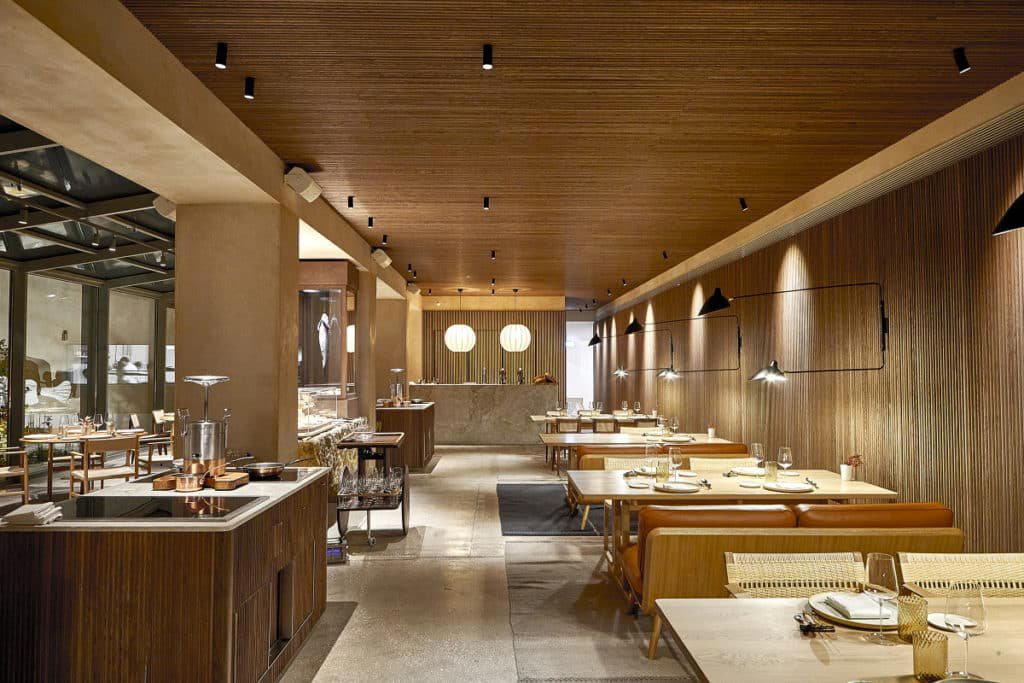
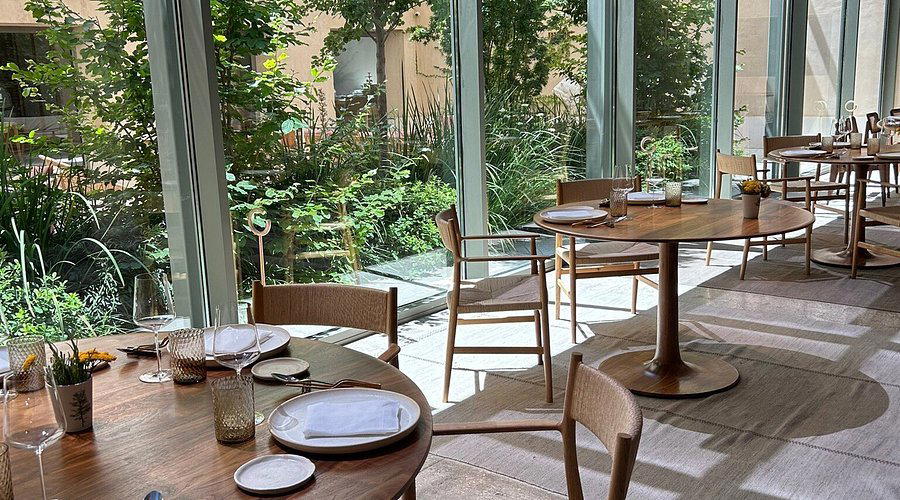
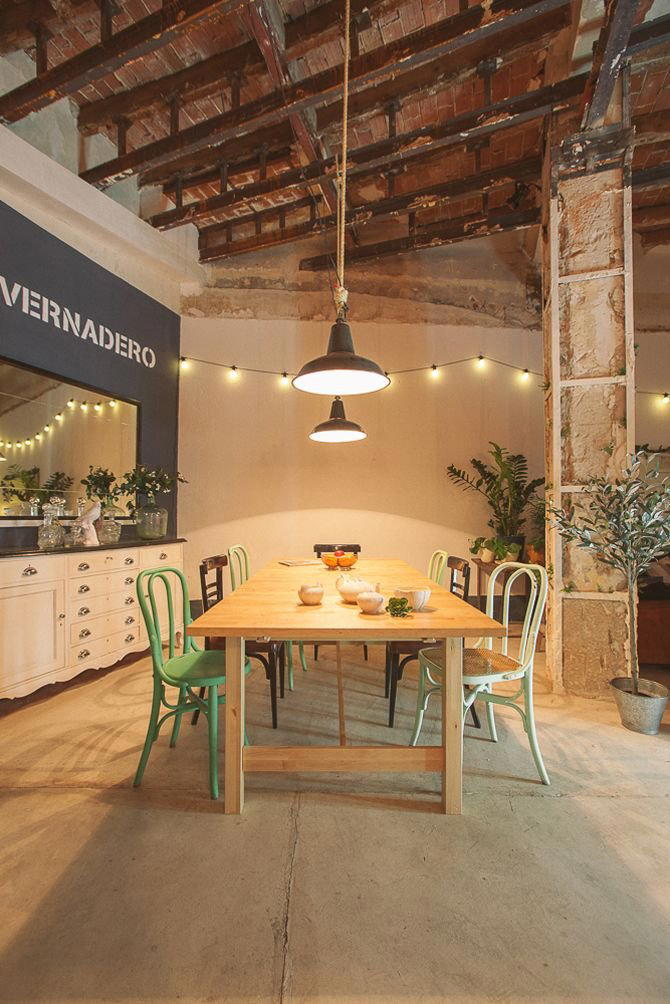
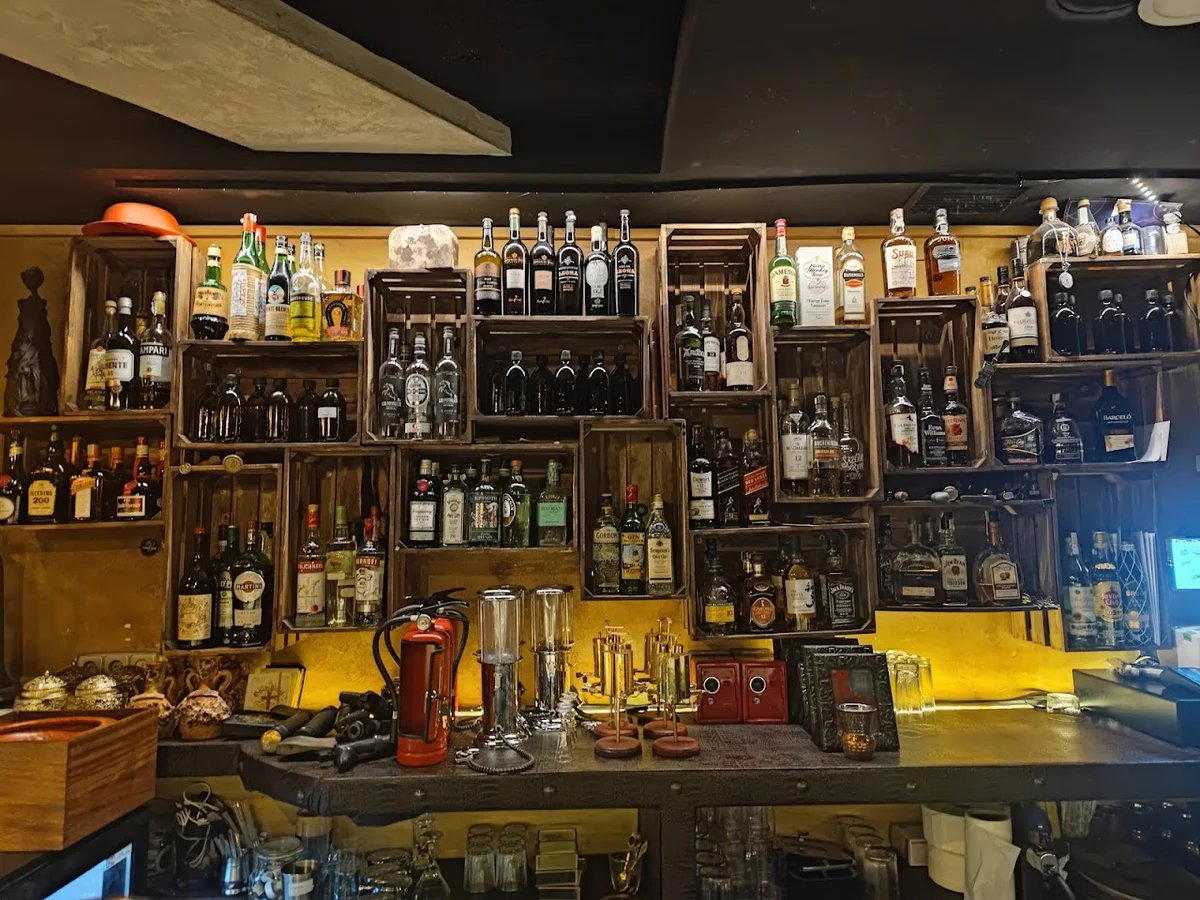
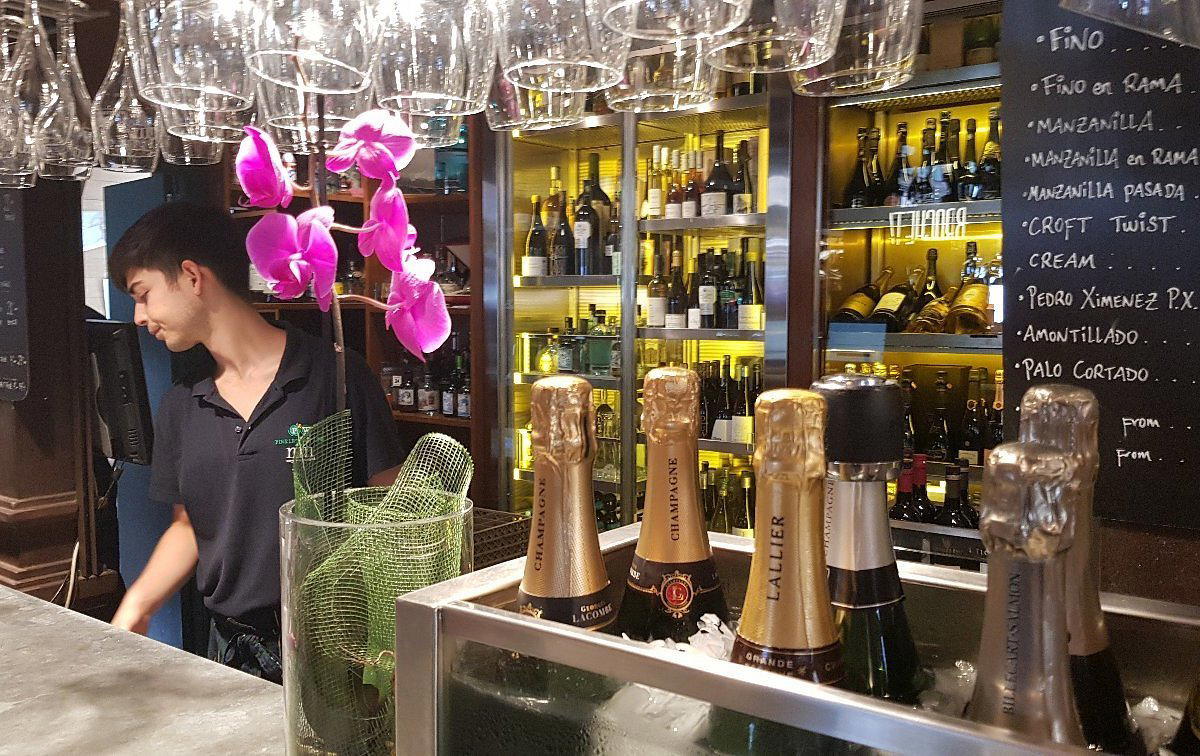
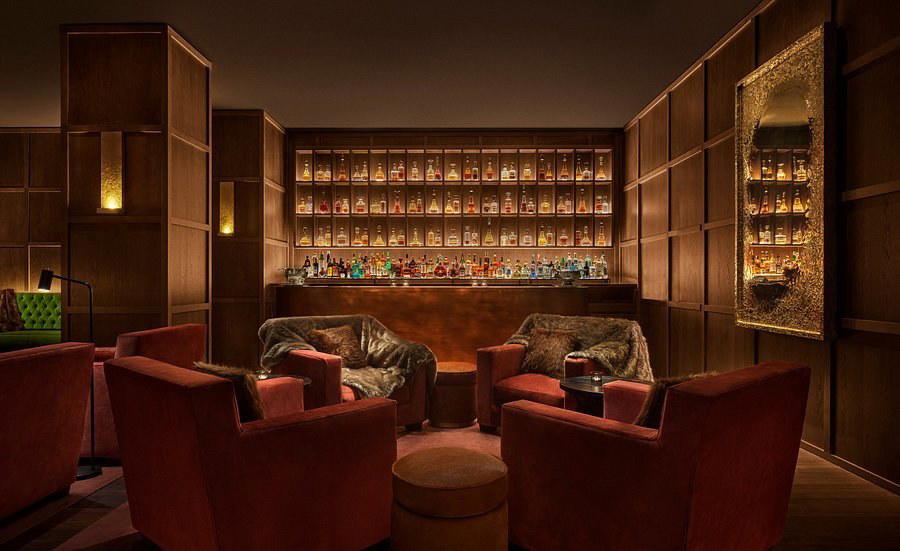
Bars in San Lorenzo de El Escorial
Browse all →
Hotels in San Lorenzo de El Escorial
Browse all →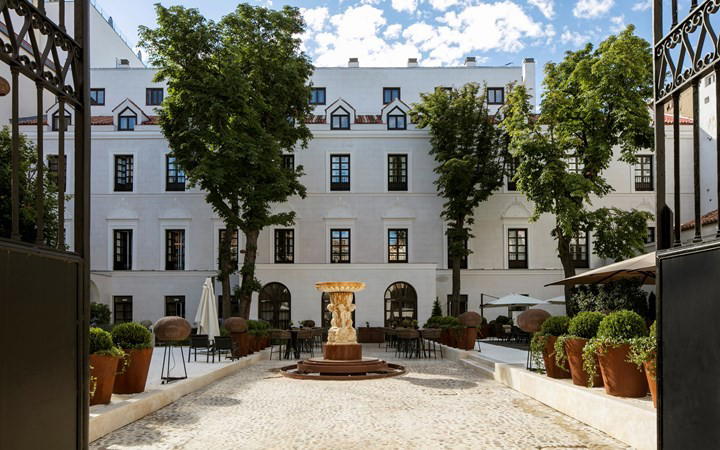


Details
- Rustic
- Cozy
- Elegant
- Intimate
- Sophisticated
- Date Night
- Special Occasion
- Open Kitchen
- Garden
- Extensive Wine List
- Farm To Table
- Local Sourcing
- Garden
- Mountain
- Tasting Menu
- Set Menu
- Vegetarian Friendly
Current opening hours
- Monday
- Closed
- Tuesday
- 7–11:30 PM
- Wednesday
- 11 AM–5 PM
- Thursday
- 11 AM–11 PM
- Friday
- 11 AM–11 PM
- Saturday
- 11 AM–11 PM
- Sunday
- 11 AM–5 PM
Hours can change for holidays and private events. Hours as of .
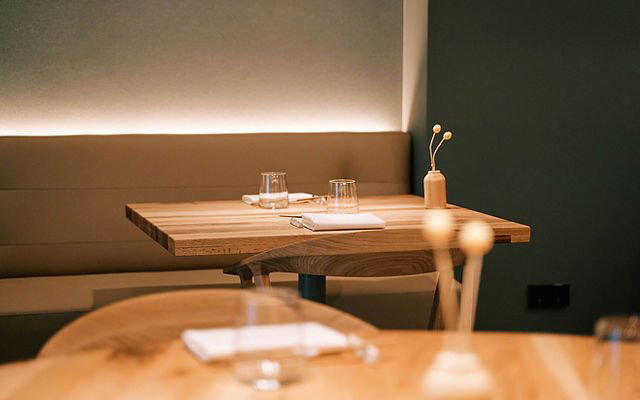
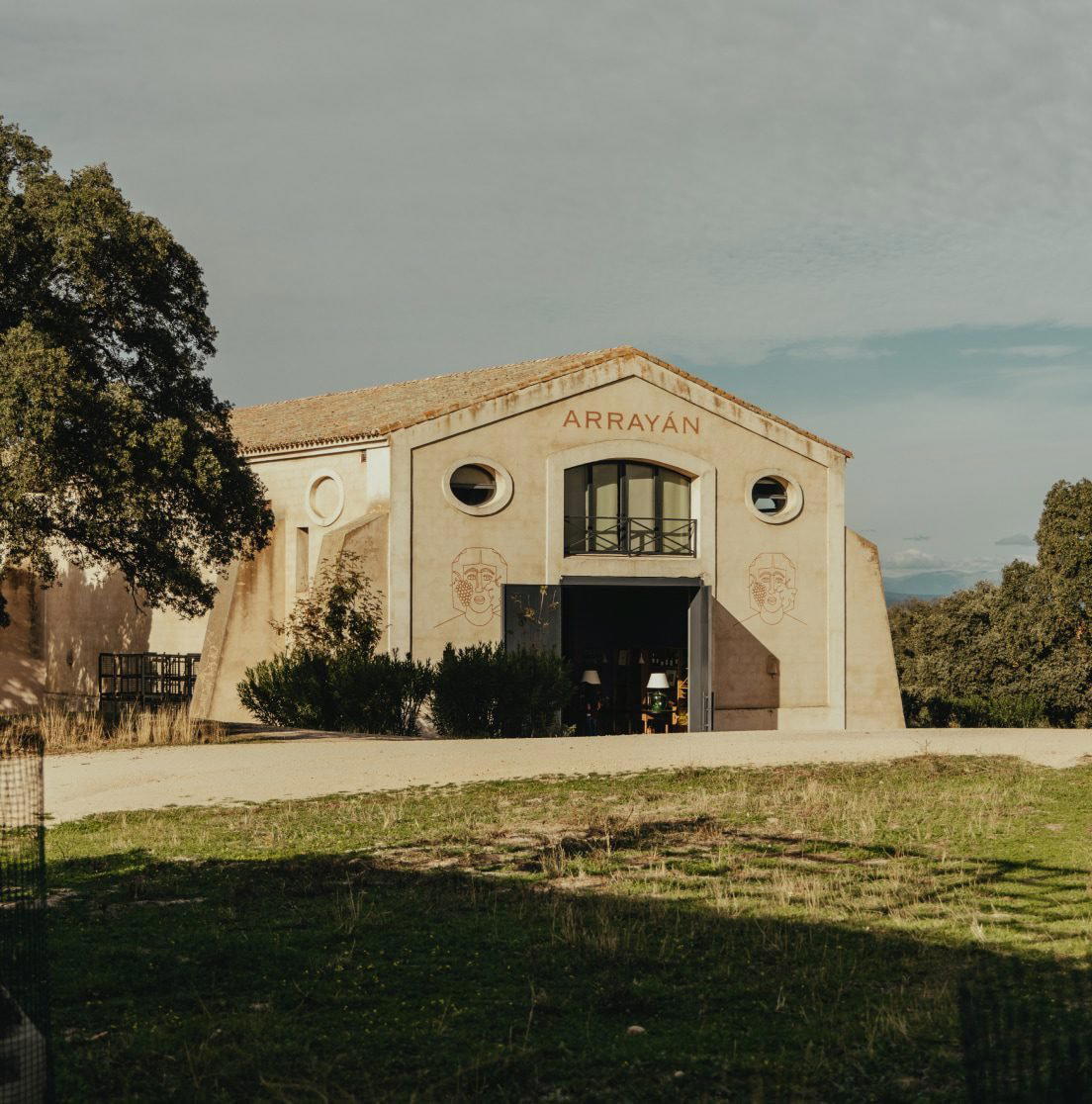
Warm, cozy Nordic-inspired atmosphere with natural wood tables, fireplace, open kitchen, and garden views.