Skip to Main Content
Traditional Spanish

Google: 4.3 · 1,722 reviews

← Collection
CuisineTraditional Cuisine
Executive ChefVarious
Price€€
Dress CodeSmart Casual
ServiceUpscale Casual
NoiseConversational
CapacityMedium
Michelin
Opinionated About Dining

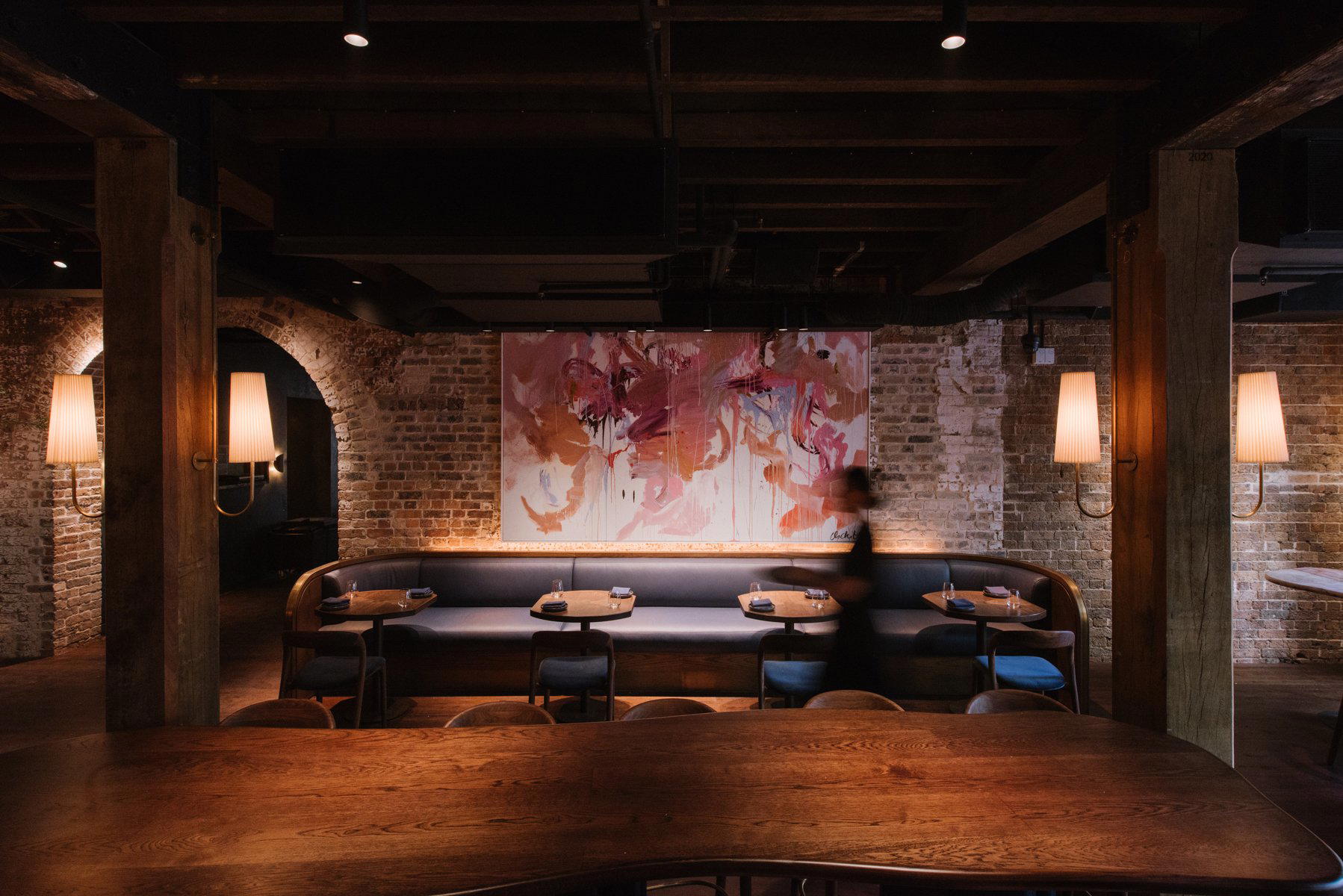
A Michelin Plate holder in the royal town of San Lorenzo de El Escorial, Charolés anchors itself in traditional, seasonal Spanish cooking inside a dining room defined by exposed stone walls. The cocido stew, served only on Mondays, Wednesdays, and Fridays, is the clearest signal of where the kitchen's priorities lie. Open for lunch and dinner every day of the week, it sits at the mid-range price point for the town.

Pearl is the En Primeur Club membership app — saves, bookings, and concierge access live there. Same editors, same standards.

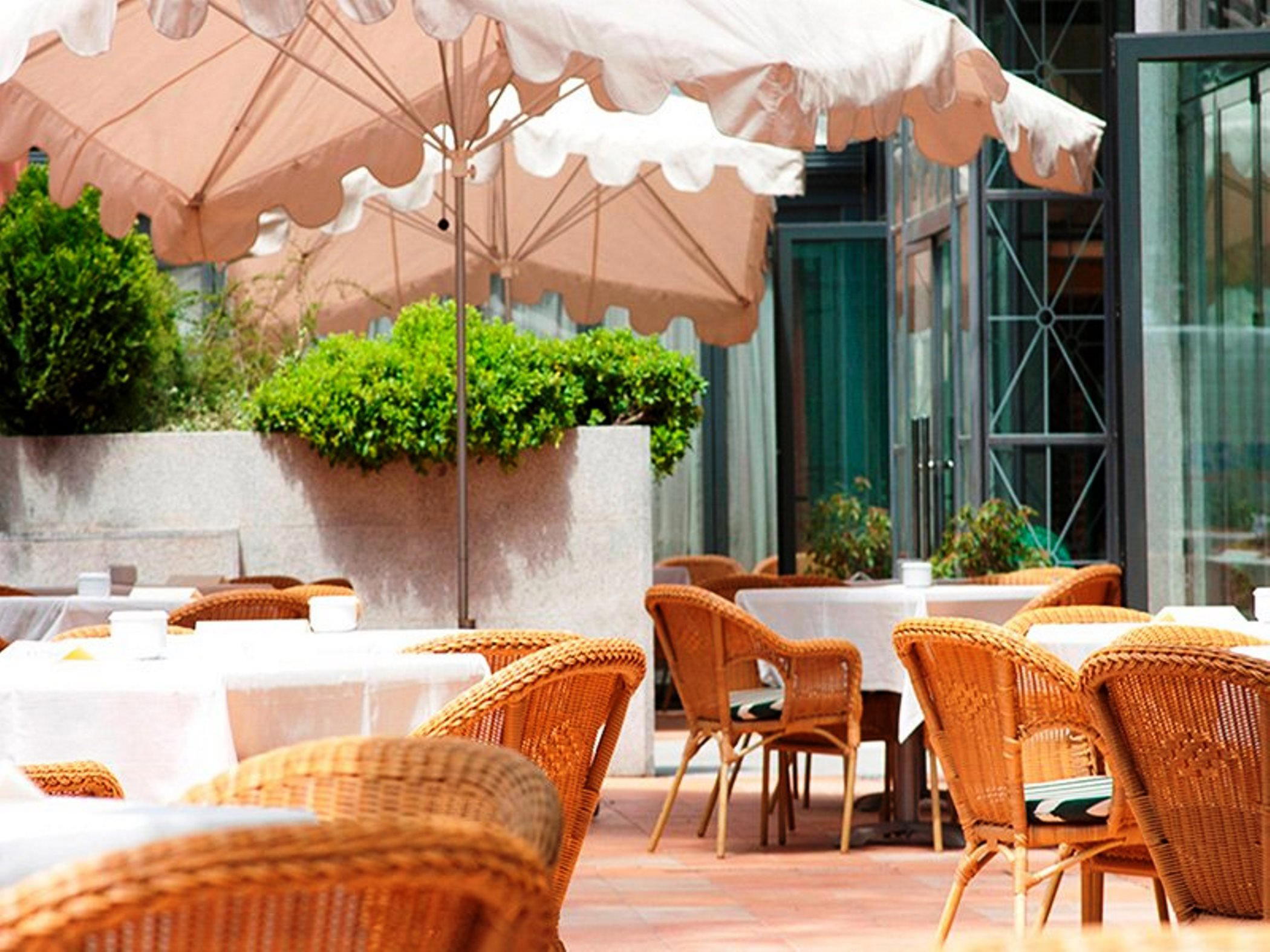
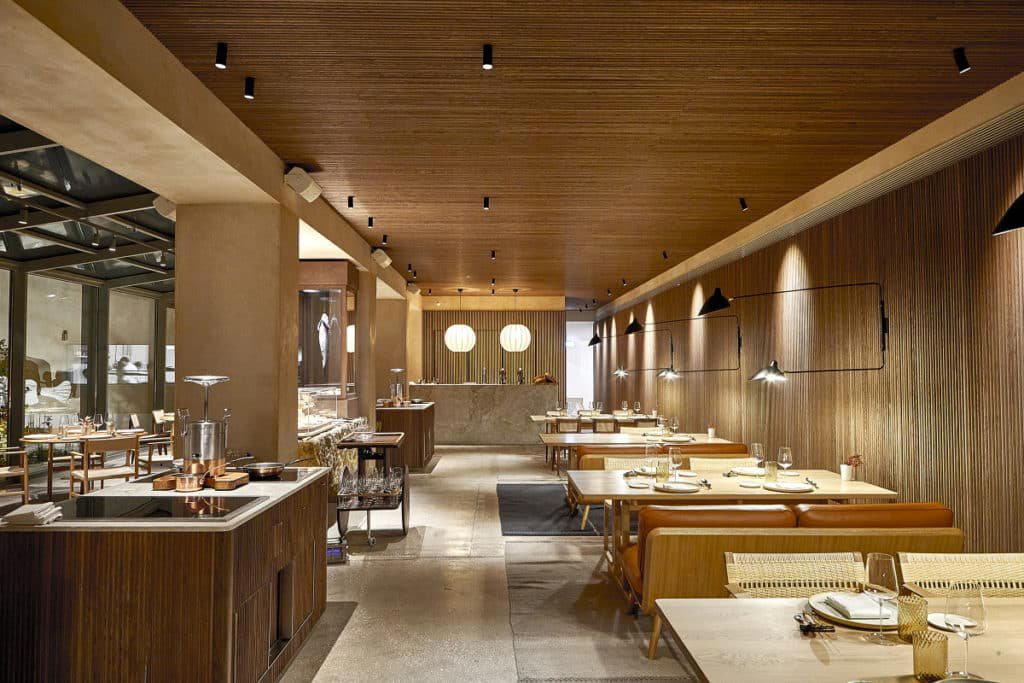
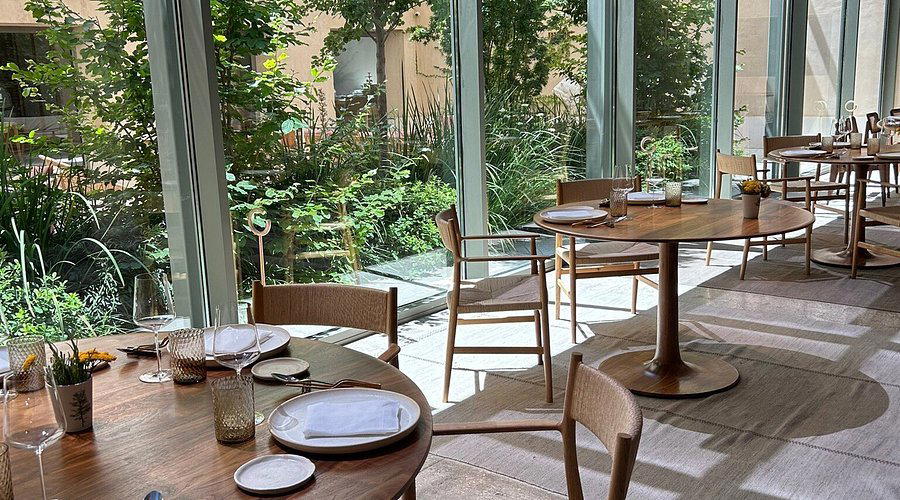
Charolés restaurant in San Lorenzo de El Escorial, Spain
About

Stone Walls and Seasonal Rhythm in El Escorial

The towns that ring Madrid's Sierra de Guadarrama have a particular dining character: rooted, unhurried, shaped by altitude and stone and the cold months that make a long Tuesday lunch feel like a reasonable idea. San Lorenzo de El Escorial, with its Habsburg monastery casting long shadows over the surrounding streets, draws visitors who arrive for the architecture and often stay longer than planned once they find the food. The restaurants here are not chasing the progressive tasting-menu circuit that defines places like DiverXO in Madrid or the Basque country institutions such as Arzak in San Sebastián and Martin Berasategui in Lasarte-Oria. They are doing something different: holding a line on tradition at a price that doesn't require advance planning in the way that €€€€ creative tasting menus do.

Charolés, on Calle Floridablanca, fits that profile. The exposed stone walls of its dining room place it physically and aesthetically within the town's older architectural fabric, and the kitchen's orientation toward traditional, seasonal cooking aligns it with the broader category of Spanish restaurants that treat classical technique and local produce cycles as more than nostalgia. The Michelin Plate the restaurant holds for 2024 and 2025 is a recognition of cooking quality rather than creative ambition, which is precisely the point: the Plate acknowledges good food done well, without the pressure-cooker context of starred Spanish restaurants like El Celler de Can Roca in Girona or Azurmendi in Larrabetzu.

The Cocido Question

Cocido madrileño is one of the most discussed and least improvable dishes in the Spanish canon. A slow-cooked stew of chickpeas, vegetables, and various cuts of pork and beef, it is served in a specific sequence across Madrid and its surrounding towns: broth first, then vegetables and chickpeas, then meat. The debate about who makes it properly is as old as the dish itself. At Charolés, the cocido is served only on Mondays, Wednesdays, and Fridays, a scheduling choice that signals kitchen discipline rather than limitation. Dishes like cocido are not suited to daily production at high quality; restricting service days is how serious kitchens maintain the standard. This is a pattern common to the better traditional restaurants across Castile: the day of the week is itself information about what to order.

For anyone travelling to El Escorial specifically to eat the cocido at Charolés, the calendar matters. Monday, Wednesday, or Friday lunch is the window. The restaurant opens for lunch from 1:00 pm to 4:30 pm and for dinner from 8:30 pm to midnight, every day of the week. The dinner service also falls on those three days for cocido, but the dish is culturally a lunch preparation in this region, and arrival for the midday service is the sensible approach.

Where Charolés Sits in El Escorial's Dining Scene

San Lorenzo de El Escorial has a small but layered restaurant scene. At one end is Montia, a modern Spanish kitchen operating at a different register entirely, where the creative brief and sourcing philosophy place it in a peer group closer to the progressive restaurants along the northern Spanish coast. Charolés occupies the opposite position in the local hierarchy: it is the traditional anchor, the place that makes sense when you want to understand what the region actually eats rather than what a talented chef thinks the region could become.

The Opinionated About Dining ranking at number 646 in the Casual Europe category for 2024 (and a Recommended listing in 2023) places it within a European peer group of informal, quality-driven traditional restaurants. That ranking context is useful because OAD's casual category tends to include places that are genuinely good without the self-consciousness of the fine dining circuit. The 4.3 Google rating across 1,655 reviews is a different kind of data point: high volume, consistent sentiment, which at a mid-range price point in a tourist-adjacent town indicates that the kitchen is delivering reliably across a broad range of diners, not just specialists.

The Broader Tradition This Kitchen Represents

Traditional Spanish cooking at the mid-range price tier occupies a specific position in the country's food culture. Spain's international restaurant reputation has been built largely on its avant-garde and creative side, from the long shadow of elBulli's legacy through to current practitioners like Quique Dacosta in Dénia, Mugaritz in Errenteria, Aponiente in El Puerto de Santa María, Cocina Hermanos Torres in Barcelona, and Ricard Camarena in València. But the daily eating life of most Spaniards runs on something else: seasonal menus del día, regional stews, grilled meats and fish, the produce of the nearest market. Restaurants like Charolés are where that tradition gets expressed with care rather than reinvention.

Comparable operations in other regions, such as Auga in Gijón or Auberge Grand'Maison in Mûr-de-Bretagne, demonstrate how much this category of traditional, quality-focused cooking can sustain genuine critical recognition without chasing modernist credentials. What they share is a kitchen orientation that treats the regional canon as a discipline rather than a limitation, and a dining room atmosphere that earns its own kind of loyalty from regular customers.

Planning Your Visit

Charolés is at C/ Floridablanca, 24, in the centre of San Lorenzo de El Escorial. At the €€ price point, it sits comfortably in the mid-range bracket for the town, accessible for a two- or three-course lunch without requiring the kind of advance financial commitment that characterises Spain's starred restaurant tier. The full weekly schedule, lunch from 1:00 pm to 4:30 pm and dinner from 8:30 pm to midnight, means it is available for most reasonable visit windows. If the cocido is the draw, Monday, Wednesday, or Friday is the non-negotiable constraint. For a broader view of where to eat, drink, and stay across town, see our full San Lorenzo de El Escorial restaurants guide, as well as resources for hotels, bars, wineries, and experiences in the area.

Signature Dishes
cocidocharolais beefbull’s tail
Frequently asked questions

Comparable Spots, Quickly

These are the closest comparables we have in our database for quick context.

At a Glance
Vibe
  • Classic
  • Rustic
  • Cozy
  • Iconic
Best For
  • Family
  • Group Dining
  • Business Dinner
  • Special Occasion
Experience
  • Historic Building
Drink Program
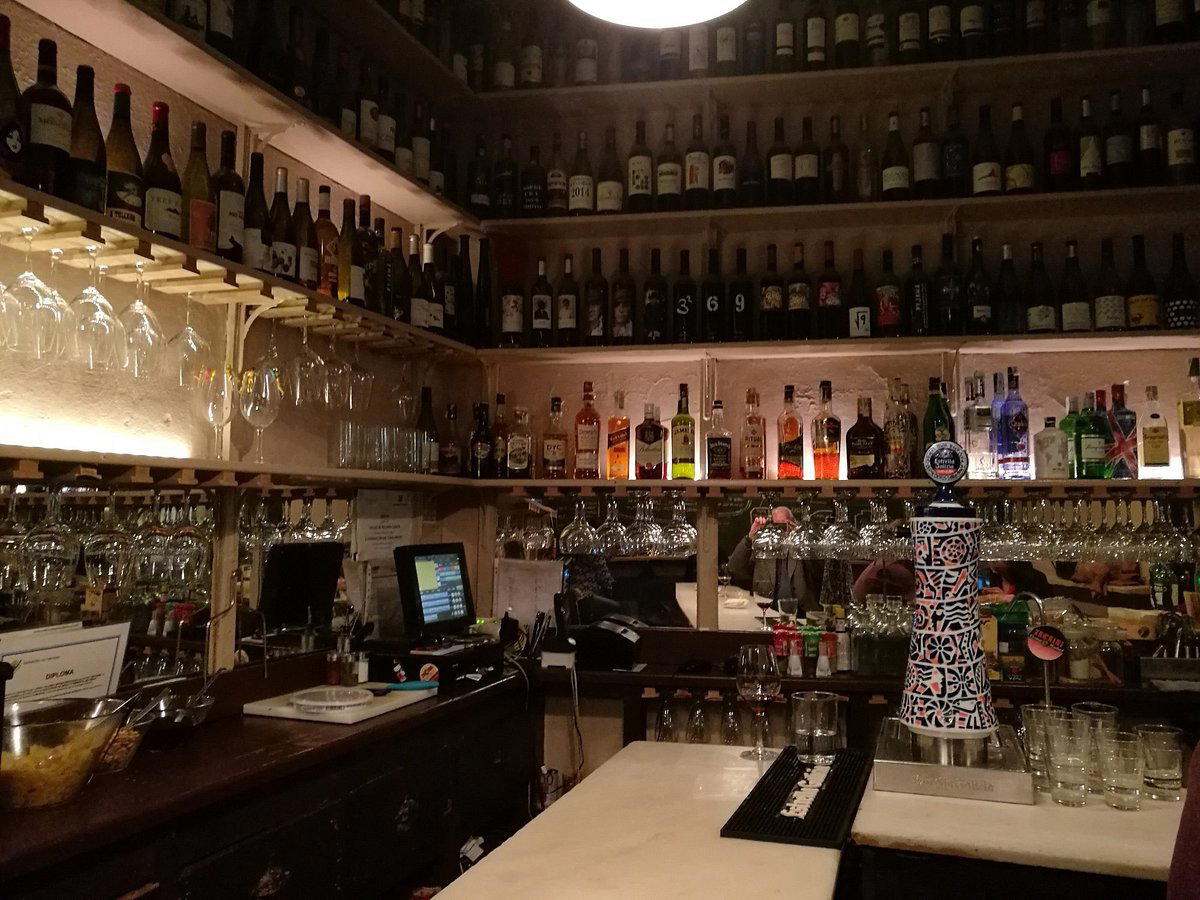
  • Extensive Wine List
Views
  • Street Scene
Dress CodeSmart Casual
Noise LevelConversational
CapacityMedium
Service StyleUpscale Casual
Meal PacingLeisurely

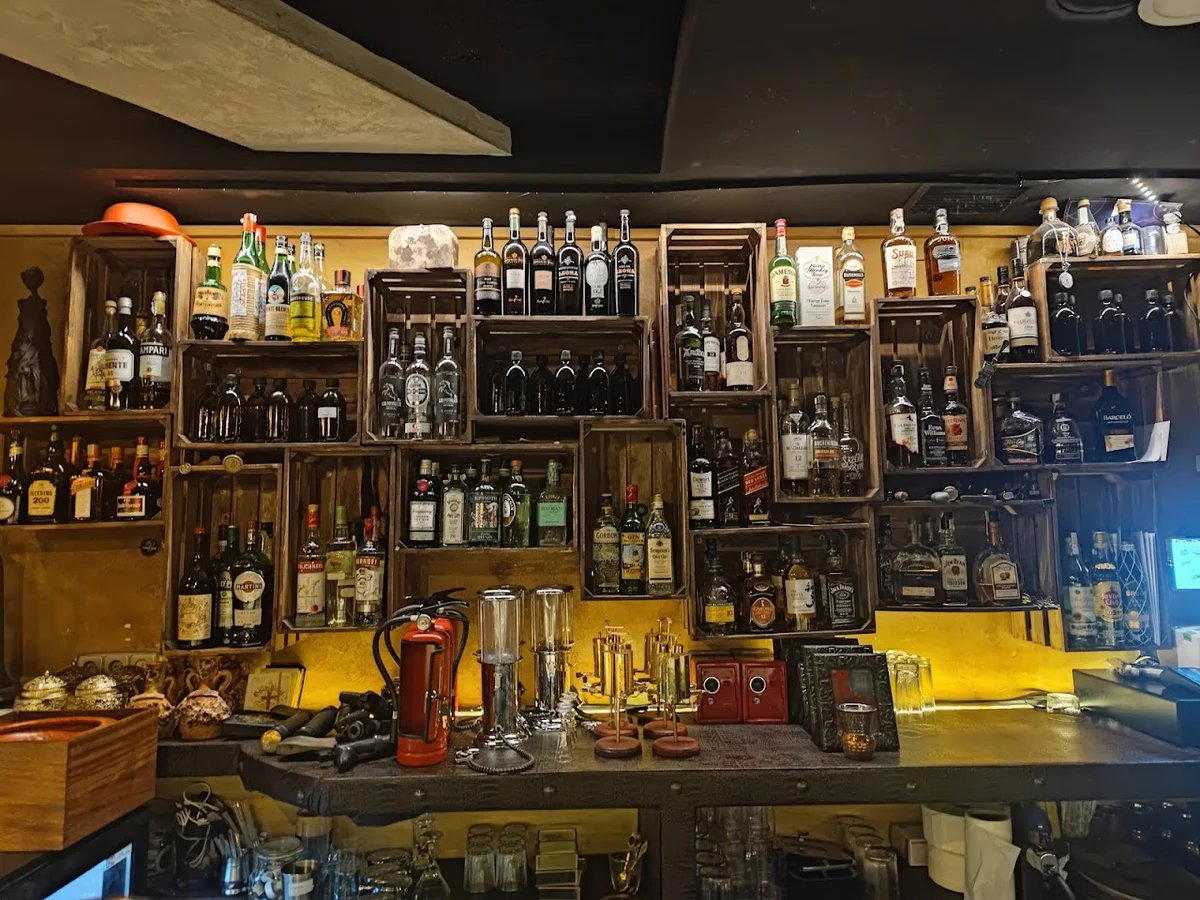
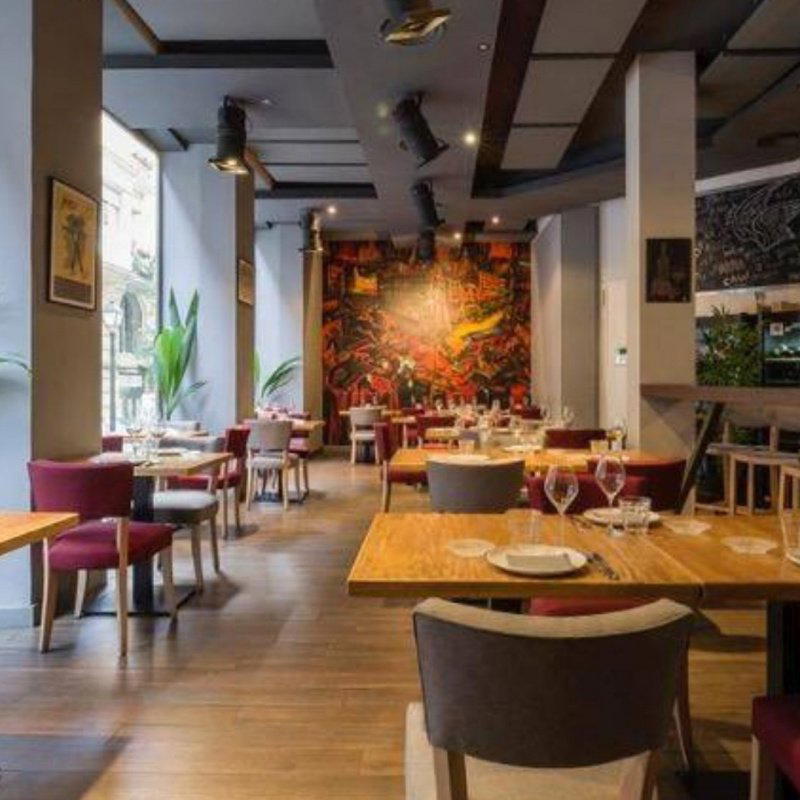
Attractive decor with stone walls, cozy cellar areas, and traditional Spanish charm.

Signature Dishes
cocidocharolais beefbull’s tail