

A Michelin Bib Gourmand recipient for two consecutive years, Mok occupies a two-storey house on Phrommarat Road where Isan and central Thai recipes, filtered through contemporary technique, form the menu's backbone. Herb-forward dishes rooted in fermented and aromatic traditions make it one decorated restaurant in Ubon Ratchathani's dining scene. Book ahead: the terrace fills early on weekends.
Pearl is the En Primeur Club membership app — saves, bookings, and concierge access live there. Same editors, same standards.
- Address
- 115 Phrommarat Rd, Mueang Ubon Ratchathani District, Ubon Ratchathani 34000, Thailand
- Phone
- +66 95 292 4622
- Website
- facebook.com
- Directions
- Get directions
 Saves & bookings on Pearl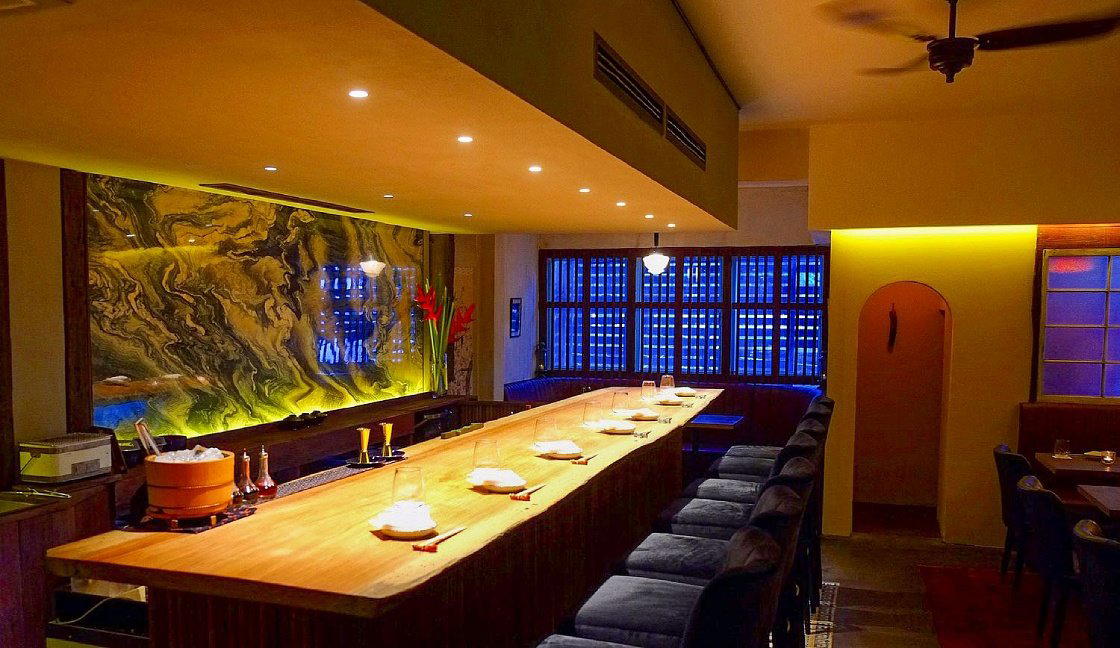
Aromatics First: How Mok Frames Isan Cooking
In Thai cooking, the herb basket is not a garnish category. Lemongrass, galangal, kaffir lime leaf, Thai basil, and fermented fish paste function as structural ingredients, providing acidity, bitterness, heat, and depth that define Isan cuisine as one of Thailand's most aromatic and pungent regional traditions. In Ubon Ratchathani, a provincial capital on the Mekong border with Laos, that tradition runs deep, yet restaurants capable of articulating it in a sit-down format with consistent execution remain scarce. Mok, on Phrommarat Road, is the clearest current example of what that articulation looks like when it works.
The restaurant holds a Michelin Bib Gourmand for both 2024 and 2025. That recognition places Mok in a small group of regional Thai restaurants operating at a verified standard. Mok sits in a different tier by price and format, but within the same tradition of taking regional sourcing and fermented flavour profiles seriously.
The Space: A House That Eats Like a Home
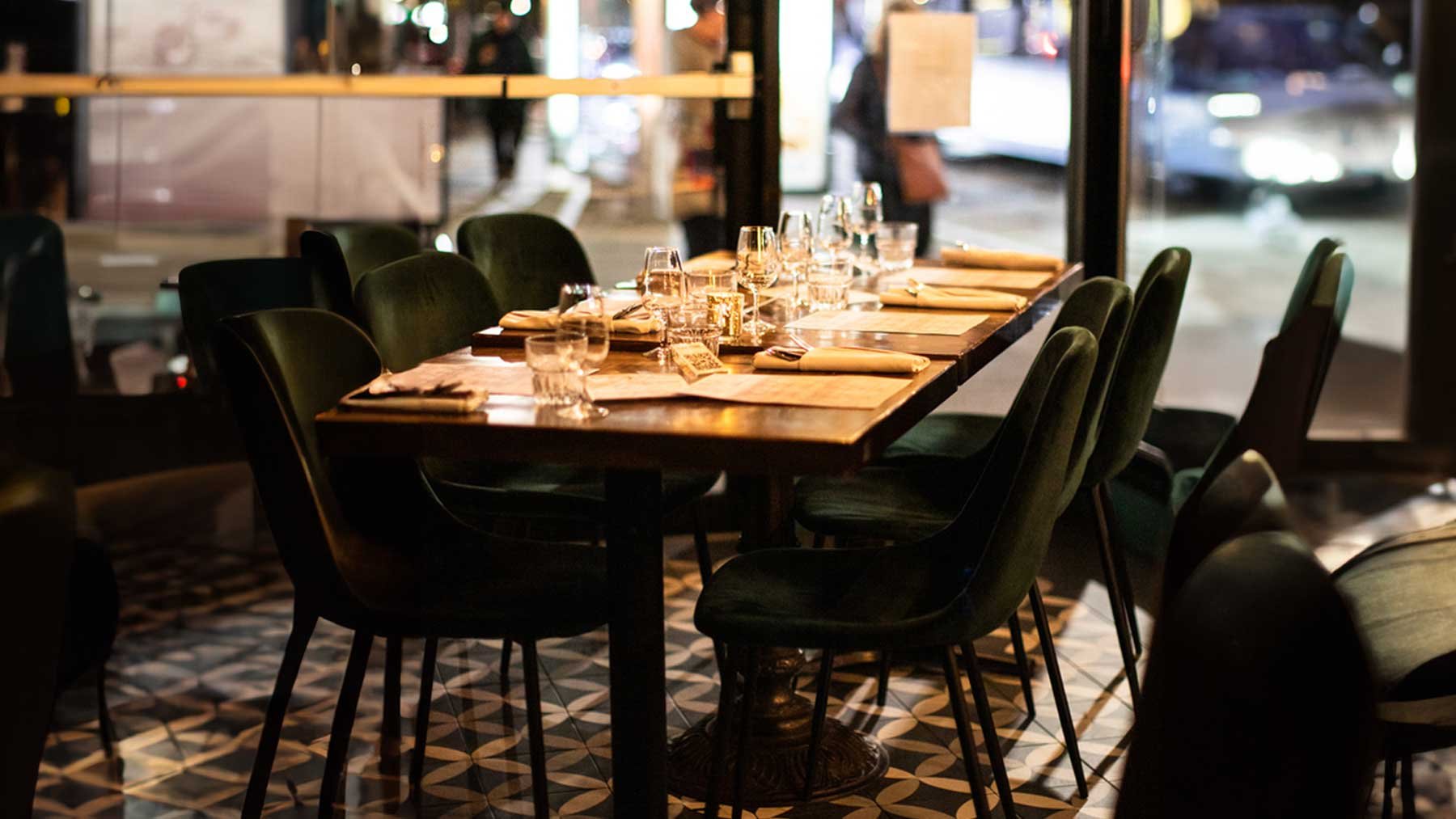
The physical environment at Mok is not incidental to its proposition. The dining room occupies a two-storey house rather than a purpose-built restaurant shell, and the effect is deliberate. Low ceilings, warm surfaces, and a terrace filled with potted plants place the food in a domestic register that formal dining rooms rarely achieve. In a regional city where most Thai cooking at this level is consumed in open-air markets or shophouse canteens, the house format creates a middle tier: more considered than street food, less performative than a tasting-menu room.
That spatial register matters because it shapes how the food is received. Dishes rooted in grandmothers' kitchens, as the menu's framing acknowledges, land differently in a house than in a hotel dining room. The terrace in particular fills early on weekends.
Fermentation and Aromatics: The Menu's Underlying Logic
Isan cuisine's defining quality is its willingness to work with fermented, sour, and intensely herbaceous flavour combinations that other regional Thai traditions treat more cautiously. Pla ra, the fermented fish paste central to Isan cooking, carries a funk and salinity that frames dishes in a way no substitution replicates. Mok's menu adapts these ingredients from family-recipe sources while adjusting presentation and balance for contemporary service, a calibration that requires understanding what makes the original work before modifying it.
The herb-infused seabass with fermented fish sauce is one of the menu's reference points: a dish where the aromatics (typically lemongrass, kaffir lime, and Thai basil in dishes of this type) carry the structural load and the fermented sauce provides the salinity and depth that would otherwise require longer cooking. The fermented fish paired with pineapple relish and fresh vegetables extends that logic into an assemblage format, where the acid of the pineapple cuts the fermented intensity and raw vegetables provide textural contrast. Both dishes reflect an Isan cooking sensibility that values brightness and pungency over richness.
This approach places Mok's menu in the same broad conversation as restaurants like Aeeen in Chiang Mai, AKKEE in Pak Kret, and Angeum in Phra Nakhon Si Ayutthaya, regional Thai restaurants working from local and ancestral recipe bases with a commitment to ingredient-led cooking rather than imported technique. Samrub Samrub Thai in Bangkok and PRU in Phuket occupy different price tiers and formats but share the same underlying orientation toward sourced, traditional-leaning Thai ingredients.
Ubon Ratchathani's Dining Context
Ubon Ratchathani is not a city that receives significant food tourism attention relative to Chiang Mai or Bangkok, but its dining scene is more varied than the city's profile suggests. The ฿฿ bracket, mid-range by Thai pricing conventions, contains several distinct cuisines and formats operating at a reasonable standard. Chomjan and Krua Samchai represent the Thai and Isan end of the same price range, while Agave and Indochine reflect the city's proximity to Vietnamese culinary influence from across the Mekong border. At the more casual end, Guay Jub Ubon handles street food traditions at the ฿ level.
Within that spread, Mok occupies a particular position: the only restaurant in the city with verifiable Michelin recognition, which automatically places it in a different reference frame. That kind of attention, when it reaches a provincial Thai city, typically indicates a restaurant doing something with enough integrity to travel across culinary cultures.
Planning a Visit
Mok sits at 115 Phrommarat Road in the Mueang district of Ubon Ratchathani, accessible from the city centre without significant transit effort. The price range falls in the ฿฿ bracket.7 across 246 ratings. Confirm hours before going, particularly for weekend evenings when the terrace is in higher demand. Chef Yoshiro Imai leads the kitchen.
Nearby-ish Comparables
Comparable venues nearby, for context on price, style, and recognition.
| Venue | Cuisine | Price | Notes |
|---|---|---|---|
| MokThis venue — the venue you are viewing | Modern Thai & Isan | $$ | Not listed |
| Santi | Thai-Chinese | $$ | Nai Mueang |
| Som Tum Jinda | Isan Somtum Specialist | $$ | Nai Mueang |
| Chomjan | Thai Isan Riverside Seafood | $$ | Warin Chamrap District |
| Samchai Coffee (Thepyothi Road) | Thai Breakfast Cafe | $ | Nai Mueang |
| Krua Samchai | Well-known Isan Thai | $$ | Nai Mueang |
Recognition history
Dated appearances from independent guides and award organizations, with the underlying list record or original source where available.
Michelin Bib Gourmand
Michelin
Michelin Bib Gourmand
Michelin
Opinionated About Dining Top Restaurants in Japan Ranked #582
Opinionated About Dining
Michelin Bib Gourmand
Michelin
Continue exploring
More in Ubon Ratchathani
At a Glance
- Cozy
- Intimate
- Rustic
- Family
- Casual Hangout
- Open Kitchen
- Terrace
- Local Sourcing
- Street Scene
Current opening hours
- Monday
- Closed
- Tuesday
- Closed
- Wednesday
- 11 AM–2:30 PM, 5–10 PM
- Thursday
- 11 AM–2:30 PM, 5–10 PM
- Friday
- 11 AM–2:30 PM, 5–10 PM
- Saturday
- 11 AM–3 PM, 4:30–10 PM
- Sunday
- 11 AM–3 PM, 4:30–10 PM
Hours can change for holidays and private events. Last verified .
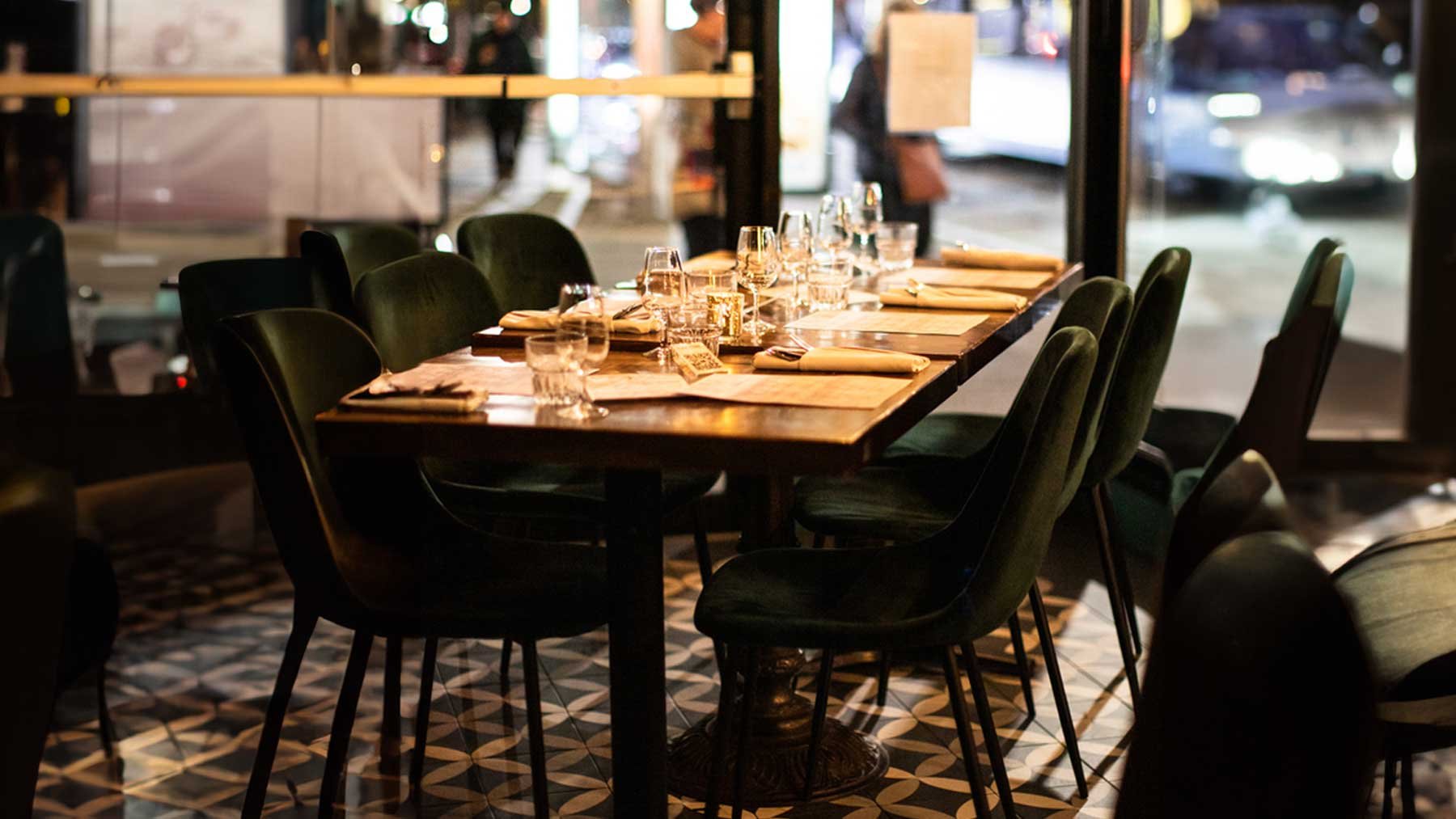
Warm, inviting home-like atmosphere with snug dining room, plant-filled terrace, greenery, and open kitchen.