Our verdict
On Rue de la Victoire in Paris's 9th arrondissement, Mogo occupies a stretch of the city where neighbourhood bistros and contemporary kitchens share the same pavement. The address places it within easy reach of the grands boulevards while retaining the residential texture that defines the upper 9th. For diners tracking where imported culinary methods intersect with French-sourced product, the 9th is increasingly relevant territory.

Pearl is the En Primeur Club membership app — saves, bookings, and concierge access live there. Same editors, same standards.
- Address
- 89 Rue de la Victoire, 75009 Paris, France
- Phone
- +33 1 42 08 01 58
- Hours
- Mon–Fri 11:30 AM–3:30 PMSat 12–4 PMSun Closed
- Directions
- Get directions
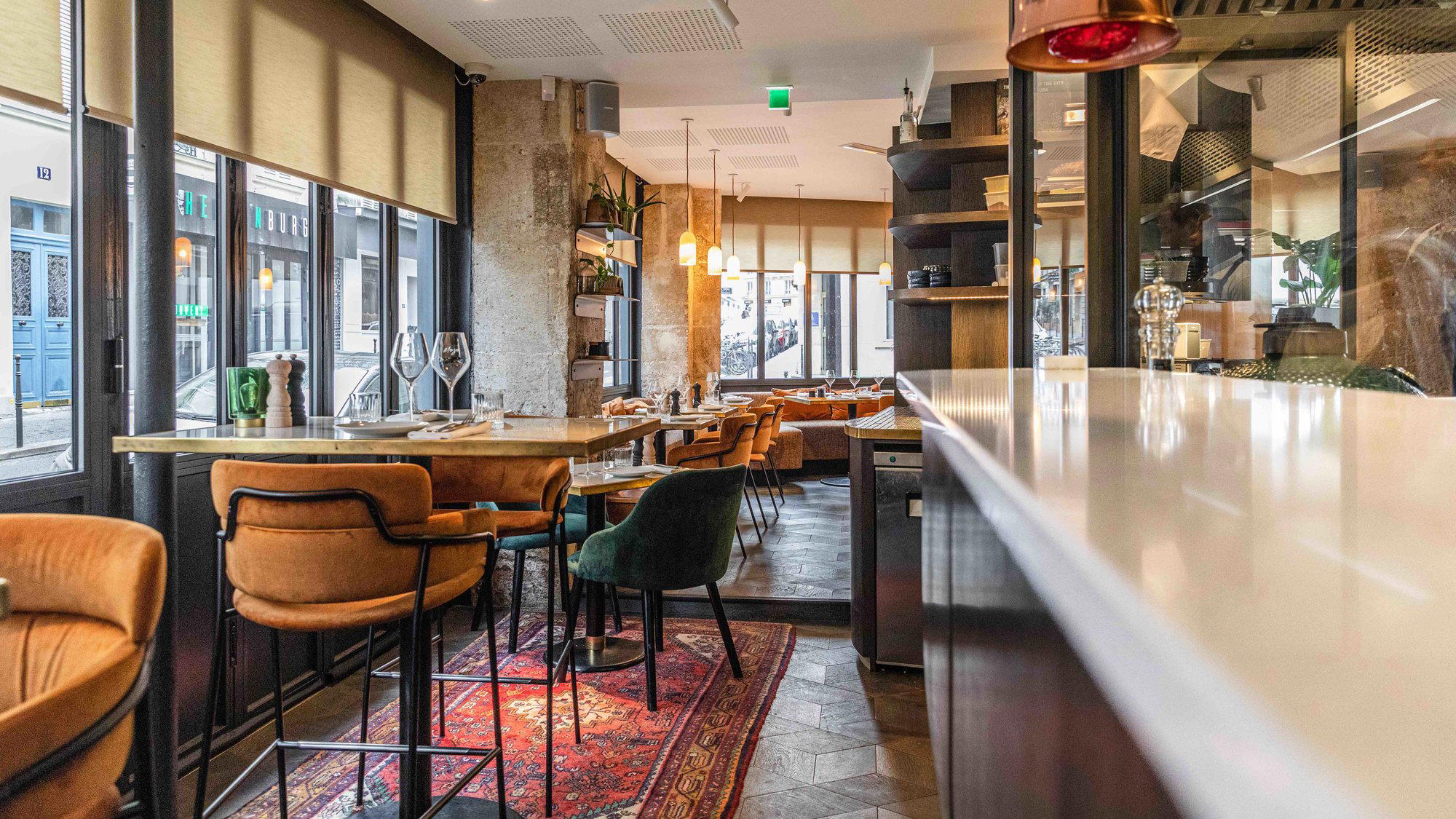
The menu
What to order
- Bulgogi
- Bibimbap
- Tofu
- Bento poulet frit miel
The 9th Arrondissement and the Question of Technique
Paris's 9th arrondissement has never been the city's flashiest dining district. The neighbourhood running north from the Opéra Garnier toward Pigalle has long attracted a working Parisian crowd rather than destination tourists, and its restaurant scene reflects that: less theatre, more substance. In recent years, that character has made the 9th a productive address for kitchens that prioritise craft over spectacle. Rue de la Victoire, where Mogo sits at number 89, threads through this zone with a mix of neighbourhood commerce and quiet residential blocks that gives the street a grounded, unhurried quality.
That physical context matters when thinking about how certain cooking philosophies take root. Across the broader Paris dining scene, the most interesting tension right now runs between the grand institutional houses — the Alléno Paris au Pavillon Ledoyen, L'Ambroisie, and Le Cinq at the Four Seasons George V — and a quieter tier of restaurants working in less ceremonial rooms with sharper focus on sourcing and method. The 9th sits closer to the latter camp by geography and temperament.
Local Ingredients, Global Technique: The Frame That Defines Contemporary Paris Dining
The intersection of imported method and indigenous French product is now one of the defining arguments in Paris kitchens. It plays out most visibly at restaurants like Kei, where Japanese precision is applied directly to classical French ingredients, producing a hybrid that neither tradition could have generated alone. The logic is not fusion in the blurring sense, it is more like translation, where a technique developed in one culinary system is used to reveal something in a product that classical domestic treatment might not surface.
France has particular advantages in this conversation. Its network of small producers, regional appellations, and artisan suppliers means that the raw material available to Paris kitchens is among the most differentiated in the world. When a chef trained in a non-French tradition brings that outside methodology to bear on Breton seafood, Limousin beef, or Périgord truffle, the result can expose qualities in those ingredients that generations of domestic cooking had not fully articulated. This is the productive friction that makes Paris compelling for technique-forward kitchens, and it is the frame through which Mogo's address in the 9th makes sense as a proposition.
For a wider view of where this sits in the French dining conversation beyond Paris, the regional anchors are instructive. Mirazur in Menton has built its entire identity around the proposition that the Mediterranean's specific terroir, its herbs, its fish, its light, demands a different kind of attention than the classical canon trained cooks to give it. Bras in Laguiole went further, making the Aubrac plateau itself the subject of cooking rather than just a source of ingredients. These are the intellectual ancestors of any Paris kitchen that takes the local-product, global-method argument seriously.
The 9th as a Testing Ground
What the 9th offers that the 1st or 8th does not is anonymity in the useful sense: less expectation, less obligation to perform against a recognisable institutional identity. The grand houses in the central and western arrondissements carry the weight of French culinary legacy, which is both their authority and their constraint. A room on Rue de la Victoire has no such burden. That freedom is precisely what attracts certain kinds of kitchens to the neighbourhood.
The broader Paris restaurant tier below the Michelin three-star bracket, which includes the €€€€ houses like Arpège alongside mid-market contemporaries, has been fragmenting into sharper sub-categories. Some kitchens are essentially classical French with incremental updating. Others are overtly international in reference, drawing on Japanese, Korean, or Middle Eastern methods while maintaining French sourcing. A smaller group is genuinely hybrid: French in product logic, international in technique, without performing either identity for its own sake. It is in that third category where the most interesting cooking is currently happening in Paris, and where the 9th is accumulating a quiet critical mass.
The comparable argument plays out internationally. Le Bernardin in New York has spent decades demonstrating that French technique applied to non-European seafood can generate something that transcends both traditions. Lazy Bear in San Francisco approaches the same question from the opposite direction, using American produce as the anchor and drawing on global technique selectively. The Paris version of this argument is different because the ingredient quality baseline is so high, the challenge is not finding good product but deciding which methodological lens makes it most legible.
Reading the Neighbourhood Around Mogo
Immediate stretch of Rue de la Victoire and the surrounding blocks offer the kind of mixed-use density that supports a serious neighbourhood restaurant. The 9th has a high concentration of working Parisians rather than transient visitors, which tends to produce a more demanding, less forgiving regular clientele, the kind that forms opinions quickly and returns selectively. Restaurants that survive and build a following in this context tend to do so on merit rather than location advantage.
For context on what the broader French dining tradition looks like at its most rooted and regional, the contrast with addresses like Auberge de l'Ill in Illhaeusern, Les Prés d'Eugénie in Eugénie-les-Bains, or Georges Blanc in Vonnas is useful. Those are institutions where place and tradition are inseparable, where the cooking cannot be lifted from its geography without losing its meaning. A Paris kitchen does not have that anchoring in the same way. It draws on France's product network without being of one particular terroir, which is a different kind of opportunity and a different kind of discipline. See also Troisgros in Ouches, Paul Bocuse in Collonges-au-Mont-d'Or, Flocons de Sel in Megève, La Table du Castellet, and Auberge du Vieux Puits in Fontjoncouse for the full range of what committed regional French cooking looks like outside the capital. Our full Paris restaurants guide maps the capital's dining scene across all tiers and neighbourhoods.
Know Before You Go
- Address: 89 Rue de la Victoire, 75009 Paris, France
- Arrondissement: 9th (Opéra / South Pigalle)
- Nearest Métro: Le Peletier (line 7) or Cadet (line 7), both within a short walk
- Booking: Contact details not currently listed, check directly via Google Maps or the venue's social channels
- Hours: Not confirmed, check before visiting
Frequently asked questions
Is Mogo child-friendly?
The 9th arrondissement skews toward adult dining, particularly in the evening, and Rue de la Victoire sits in a part of Paris where the crowd tends to be neighbourhood professionals rather than families. The format appears better suited to adults looking for a focused kitchen experience.
How would you describe the vibe at Mogo?
The Rue de la Victoire address puts Mogo in a stretch of the 9th where low-key neighbourhood credibility carries more weight than grand-boulevard theatre. The surrounding blocks mix residential density with working professionals, which tends to produce a relaxed but engaged dining room rather than a scene-driven one. Expect attentiveness without formality.
Where does Mogo sit in the broader Paris dining scene for visitors tracking global-technique kitchens?
The neighbourhood's relative lack of tourist pressure means the room is largely driven by Paris-based regulars, which is a reliable proxy for a kitchen earning its audience on merit. Visitors tracking this strand of contemporary French cooking will find the 9th a more concentrated area to explore than the more photographed Left Bank addresses.
What do people recommend at Mogo?
Verified dish-level recommendations are not available for Mogo at this time. For a kitchen operating in the local-product, global-technique register that defines much of the 9th arrondissement's current dining conversation, the strongest signal is usually what changes seasonally rather than a fixed signature dish. Asking the team directly at 89 Rue de la Victoire will yield more reliable guidance than any static list.
Where is Mogo in Paris?
Mogo is located at 89 Rue de la Victoire, 75009 Paris, France, Paris.
Cuisine and Awards Snapshot
| Venue | Cuisine | Price | Awards | Notes |
|---|---|---|---|---|
| MogoThis venue — the venue you are viewing | Korean Home-Style Canteen | $10–20 | Not listed | Not listed |
| Alléno Paris au Pavillon Ledoyen | Modern French Fine Dining | $150–200 | 3 Michelin Stars · World's 50 Best #79 | Creative |
| Kei | Modern French with Japanese Influences | $300–500 | 3 Michelin Stars · World's 50 Best #93 | Contemporary French, Modern Cuisine |
| L'Ambroisie | Classic French Haute Cuisine | $300–500 | 2 Michelin Stars · World's 50 Best #23 | French, Classic Cuisine |
| Le Cinq - Four Seasons Hôtel George V | Modern French Fine Dining | $300–500 | 3 Michelin Stars · World's 50 Best #24 | French, Modern Cuisine |
| Pierre Gagnaire | Avant-Garde French Fine Dining | $200–300 | 3 Michelin Stars · World's 50 Best #17 | French, Creative |
Continue exploring
More in Paris
Restaurants in Paris
Browse all →
Bars in Paris
Browse all →
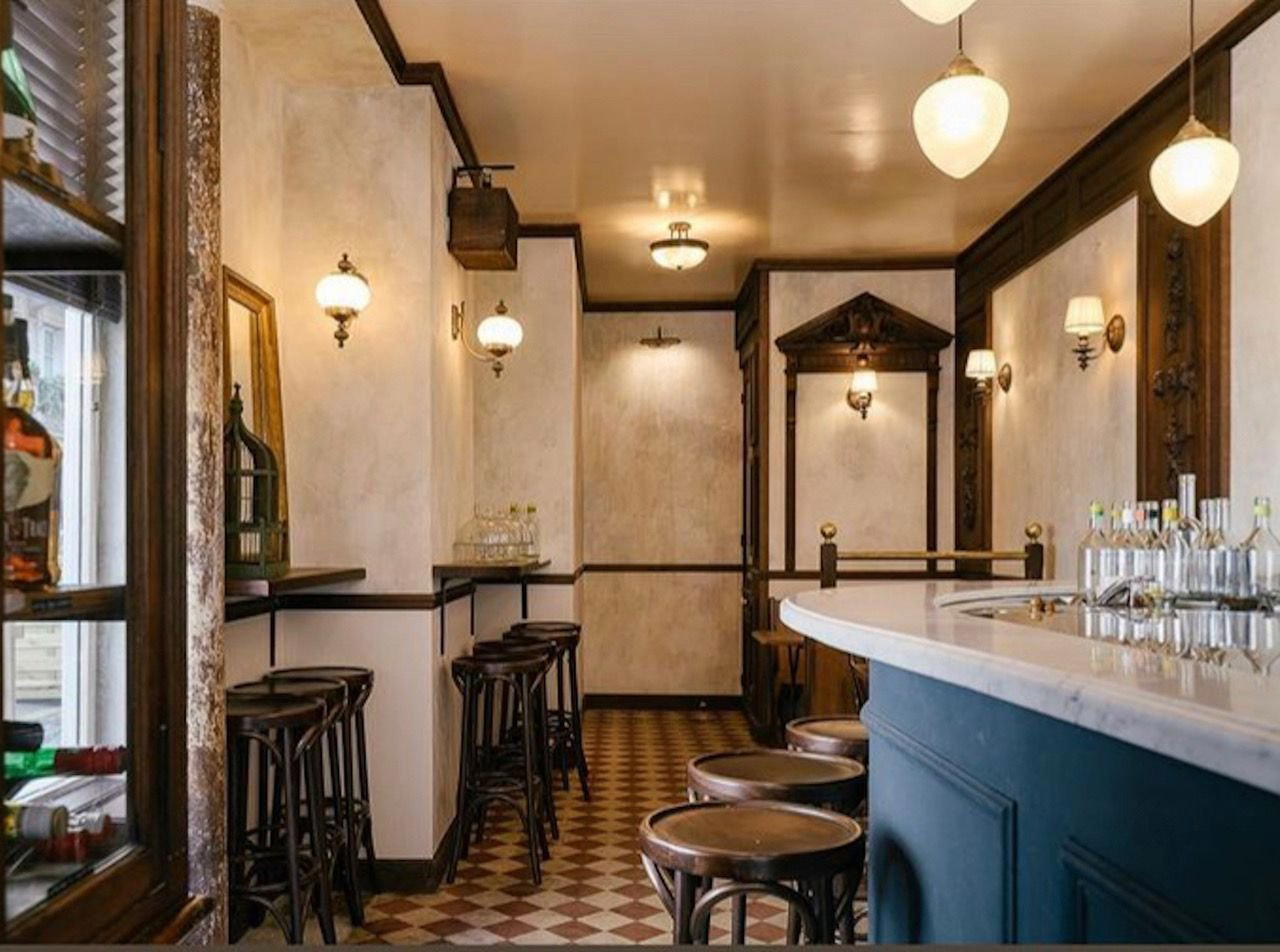
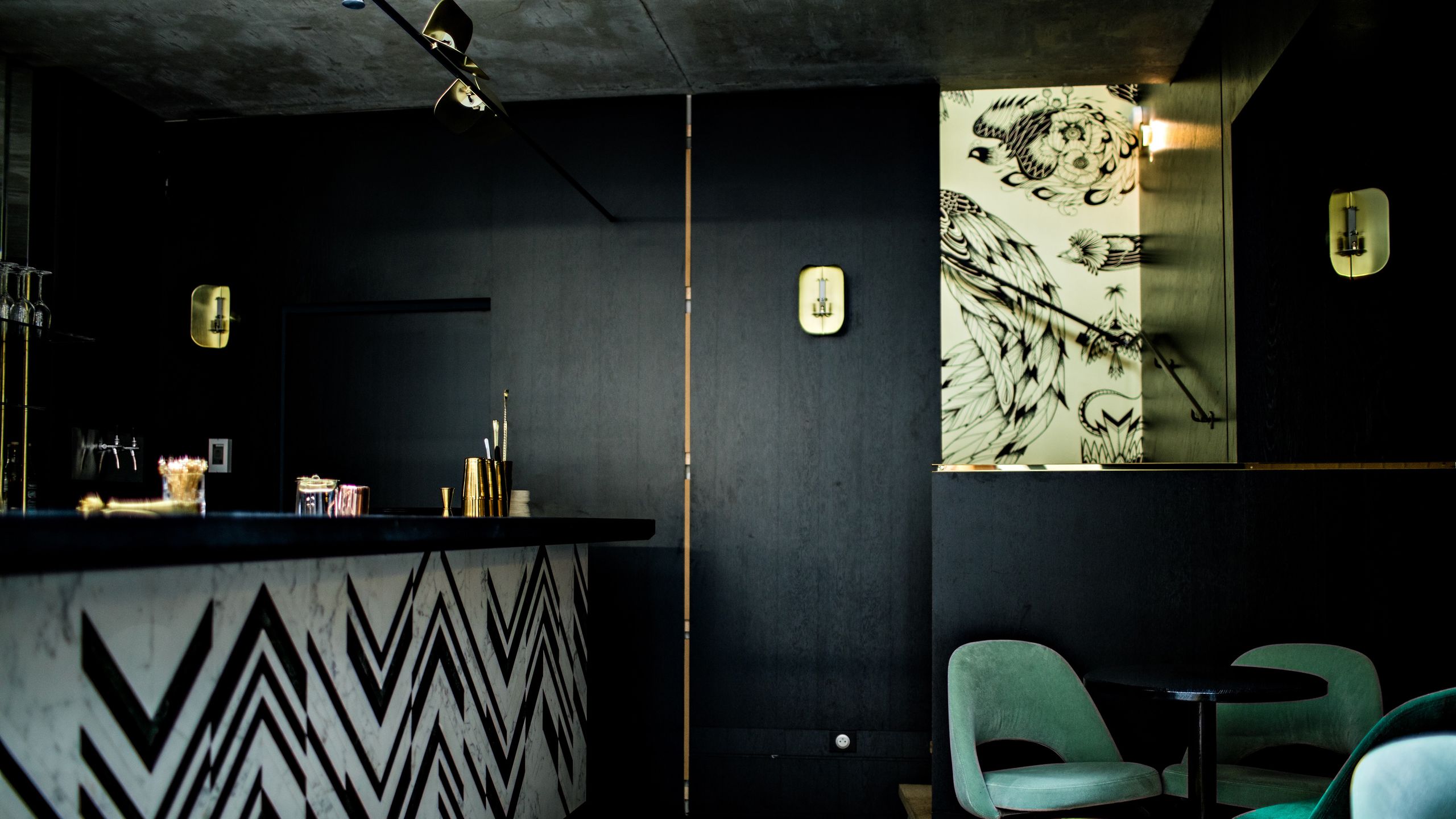
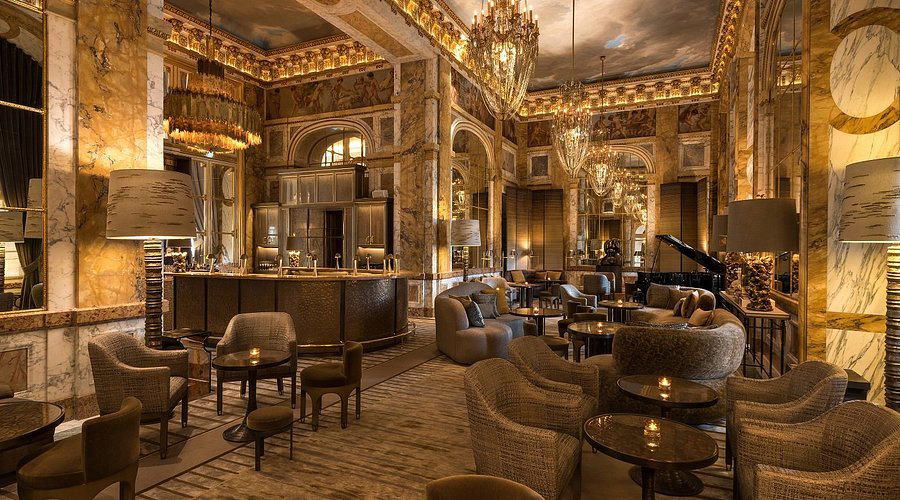
Hotels in Paris
Browse all →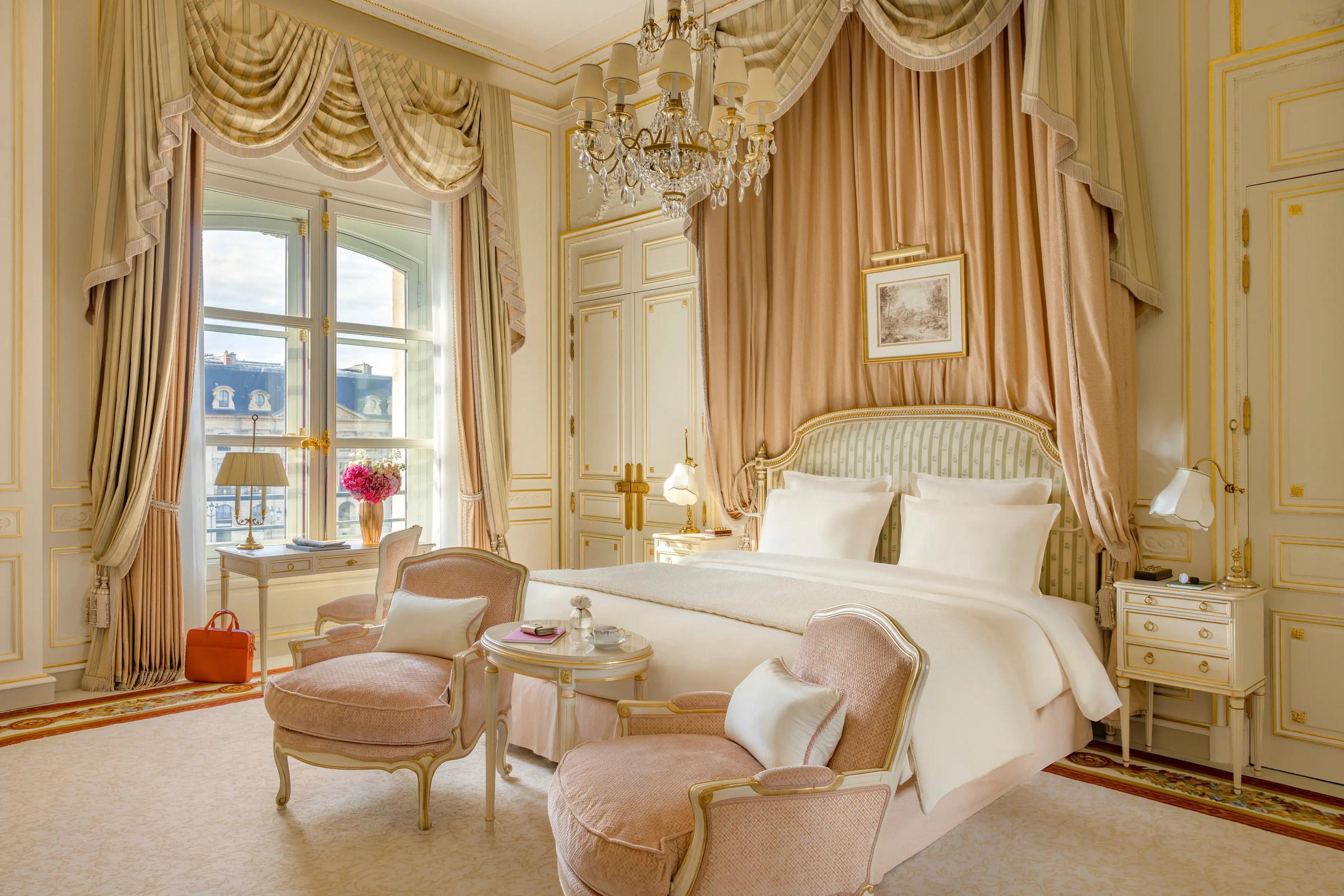



Details
- Casual
- Trendy
- Casual Hangout
- Solo
- A La Carte
- Counter Dining
- Vegetarian Friendly
- Vegan Options
- Halal
Current opening hours
- Monday
- 11:30 AM–3:30 PM
- Tuesday
- 11:30 AM–3:30 PM
- Wednesday
- 11:30 AM–3:30 PM
- Thursday
- 11:30 AM–3:30 PM
- Friday
- 11:30 AM–3:30 PM
- Saturday
- 12–4 PM
- Sunday
- Closed
Hours can change for holidays and private events. Last verified .
Casual, efficient counter-service environment with warm and pleasant staff; intimate space best suited for quick lunch visits.