Jinmi occupies a significant address on Rue du Faubourg Saint-Antoine in Paris's 12th arrondissement, a neighbourhood historically shaped by artisan trade and, more recently, a quieter dining scene operating at a remove from the tourist circuits of the Right Bank. Set against a Paris restaurant market that rewards reinvention, Jinmi represents the kind of address that earns its reputation through substance rather than spectacle.
Pearl is the En Primeur Club membership app — saves, bookings, and concierge access live there. Same editors, same standards.
- Address
- 150 Rue du Faubourg Saint-Antoine, 75012 Paris, France
- Phone
- +33 1 44 87 90 68
- Website
- jinmi-paris.fr
- Directions
- Get directions
 Saves & bookings on Pearl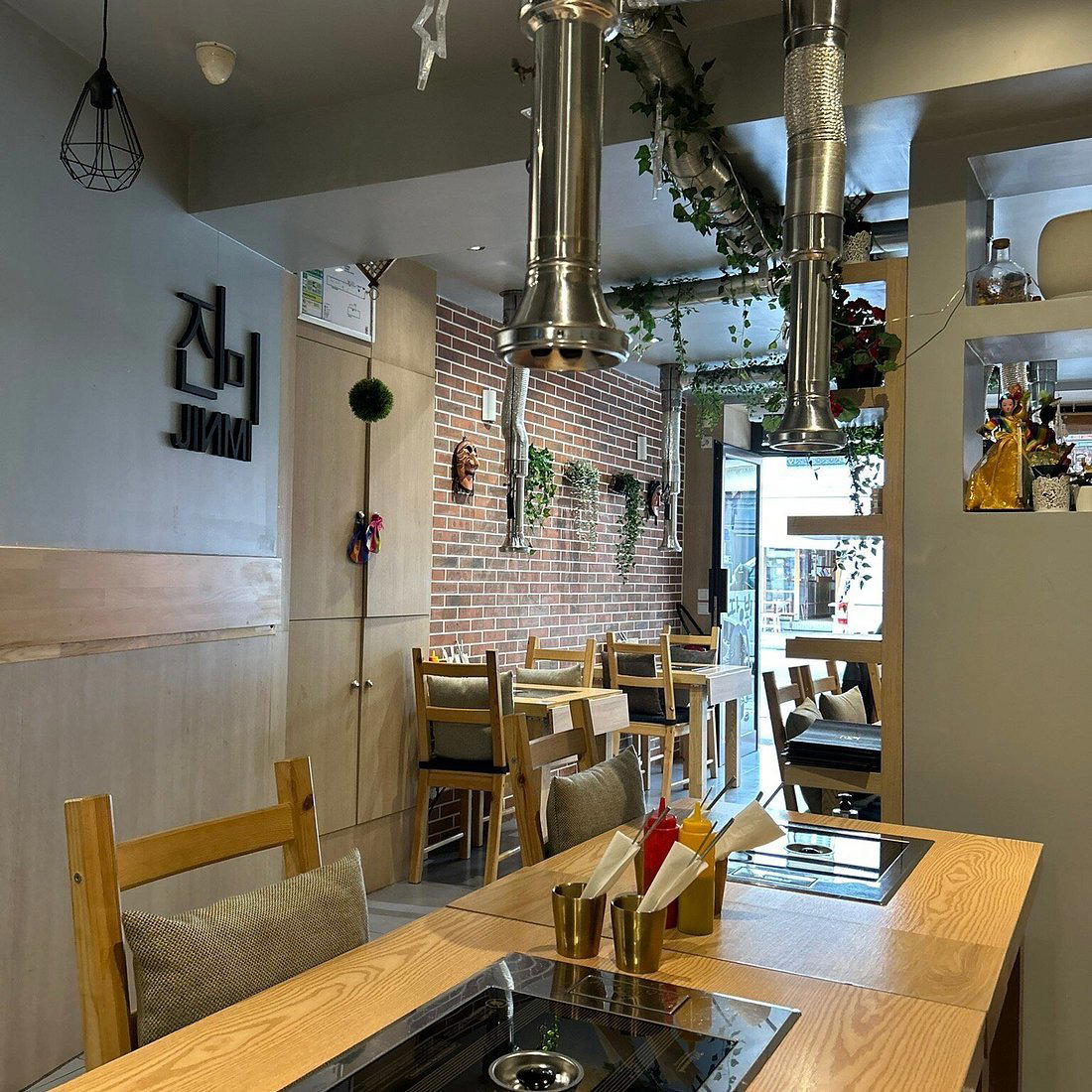
The 12th Arrondissement and the Restaurants That Earn Their Addresses
Rue du Faubourg Saint-Antoine has a longer memory than most Parisian streets. For centuries it was the working corridor of the city's furniture and craft trades, and that industrial character has never entirely dissolved, even as the eastern arrondissements have gentrified and drawn a more varied dining public. The 12th sits at a useful distance from the concentrated prestige of the 8th, where Alléno Paris au Pavillon Ledoyen and Le Cinq at the Four Seasons Hôtel George V anchor a well-documented luxury tier. It also sits east of the Left Bank's more philosophical dining rooms, where Arpège and L'Ambroisie have spent decades defining what French fine dining can mean at its most considered. Restaurants that open in the 12th are making a different kind of argument: that address alone does not determine seriousness.
At 150 Rue du Faubourg Saint-Antoine, Jinmi occupies that proposition directly. The street retains a texture that resists the flattening effect of high tourism density. Approaching the address, the neighbourhood context does real work: you are not walking through an area that has been curated for visitors. That physical fact shapes expectations before a single dish arrives.
Reinvention as a Parisian Dining Mode
The broader Paris restaurant scene has spent the last two decades cycling through reinvention at an accelerating pace. The dominant pattern in the early 2000s, a heavy reliance on classical French technique delivered through fixed hierarchies of service and menu structure, gave way gradually to a more pluralist framework. The rise of the bistronomie movement, the arrival of international-trained chefs whose reference points extended well beyond Escoffier, and the slow legitimisation of non-European culinary traditions within the serious dining tier all contributed to a city where evolution is now a baseline expectation rather than a disruption.
Restaurants like Kei, which applied Japanese precision to French classical structure and earned three Michelin stars doing so, illustrated that particularly credible reinventions in Paris are not about abandoning tradition but about finding a new relationship with it. The question any restaurant in this city must answer is not only what it serves, but how it positions itself within a conversation that has been running for generations. Jinmi, at its Faubourg Saint-Antoine address, enters that conversation from the eastern edge of the city, where the competitive density is lower but the expectations of a genuinely curious dining public are not.
What the Venue Communicates Before You Sit Down
The evolution of Parisian dining over the past decade has produced a sharper bifurcation between venues that signal their intentions through grand physical gestures and those that let the work carry the argument. The former category includes some of France's most documented addresses: Flocons de Sel in Megève, Mirazur in Menton, and the generational institution of Paul Bocuse's Auberge du Pont de Collonges all operate within landscapes that reinforce their positioning. A restaurant on a working-class artisan street in the 12th is communicating something different from the outset: that the room and the food will have to make the case independently.
This is not a disadvantage. Particularly durable addresses in French dining have been built in exactly this mode. Auberge du Vieux Puits in Fontjoncouse and Bras in Laguiole both operate in locations that require genuine intent from the diner to reach them, and that friction has historically served to concentrate their audience. The 12th arrondissement presents a milder version of the same dynamic: diners who arrive at Jinmi's address have made a considered choice, not a default one.
The 12th's Dining Character and Where Jinmi Sits Within It
The arrondissement's dining identity has shifted meaningfully over the past fifteen years. The stretch around Aligre market and the Viaduc des Arts has drawn a set of operators who work at a remove from both the tourist economy and the more self-consciously prestigious dining circuits. The result is a neighbourhood food culture that tends toward specificity over generalism, where a Korean-inflected address, a natural wine cave with serious food, or a Japanese-trained chef working French produce can find an audience without needing the validation of a famous postcode.
This is the context in which Jinmi at 150 Rue du Faubourg Saint-Antoine should be read. The name itself, and the address, suggest an identity that sits outside the traditional French fine dining axis, though the degree to which the restaurant's current direction leans into or away from that positioning is something a prospective visitor should verify directly, given the pace at which the 12th's dining scene continues to evolve. For comparison and contrast with the broader French fine dining tradition, the EP Club also covers Troisgros in Ouches, Auberge de l'Ill in Illhaeusern, Les Prés d'Eugénie in Eugénie-les-Bains, Georges Blanc in Vonnas, and La Table du Castellet, all of which represent different points in the tradition Jinmi is in dialogue with.
Planning Your Visit
Jinmi is located at 150 Rue du Faubourg Saint-Antoine in the 12th arrondissement. Jinmi is open daily for lunch or dinner according to its current schedule, and reservations are recommended. The 12th arrondissement's dining culture generally skews toward earlier dinner sittings than the more tourist-heavy central arrondissements, and the neighbourhood rewards arriving with time to walk the surrounding streets. For international reference points that share a commitment to technical seriousness in a non-European context, Le Bernardin in New York and Lazy Bear in San Francisco offer useful comparison.
Just the Basics
Comparable venues nearby, for context on price, style, and recognition.
| Venue | Cuisine | Price | Notes |
|---|---|---|---|
| JinmiThis venue — the venue you are viewing | Bastille, Traditional Korean Barbecue | $$ | Not listed |
| Go Oun | Not listed | $$ | Louvre / Palais-Royal, Korean Fusion |
| Hangari (Hang-A-Li) | Vivienne, Authentic Korean | $$ | Not listed |
| Joayo13 | Not listed | $$ | 13e arrondissement, Authentic Korean BBQ & Karaoke |
| Busan | Not listed | $ | 2nd arrondissement (Rue d'Aboukir), Authentic Korean Home Cooking |
| Kokodak Paris 14 | Montparnasse, Korean Fusion | $$ | Not listed |
Continue exploring
More in Paris
Restaurants in Paris
Browse all →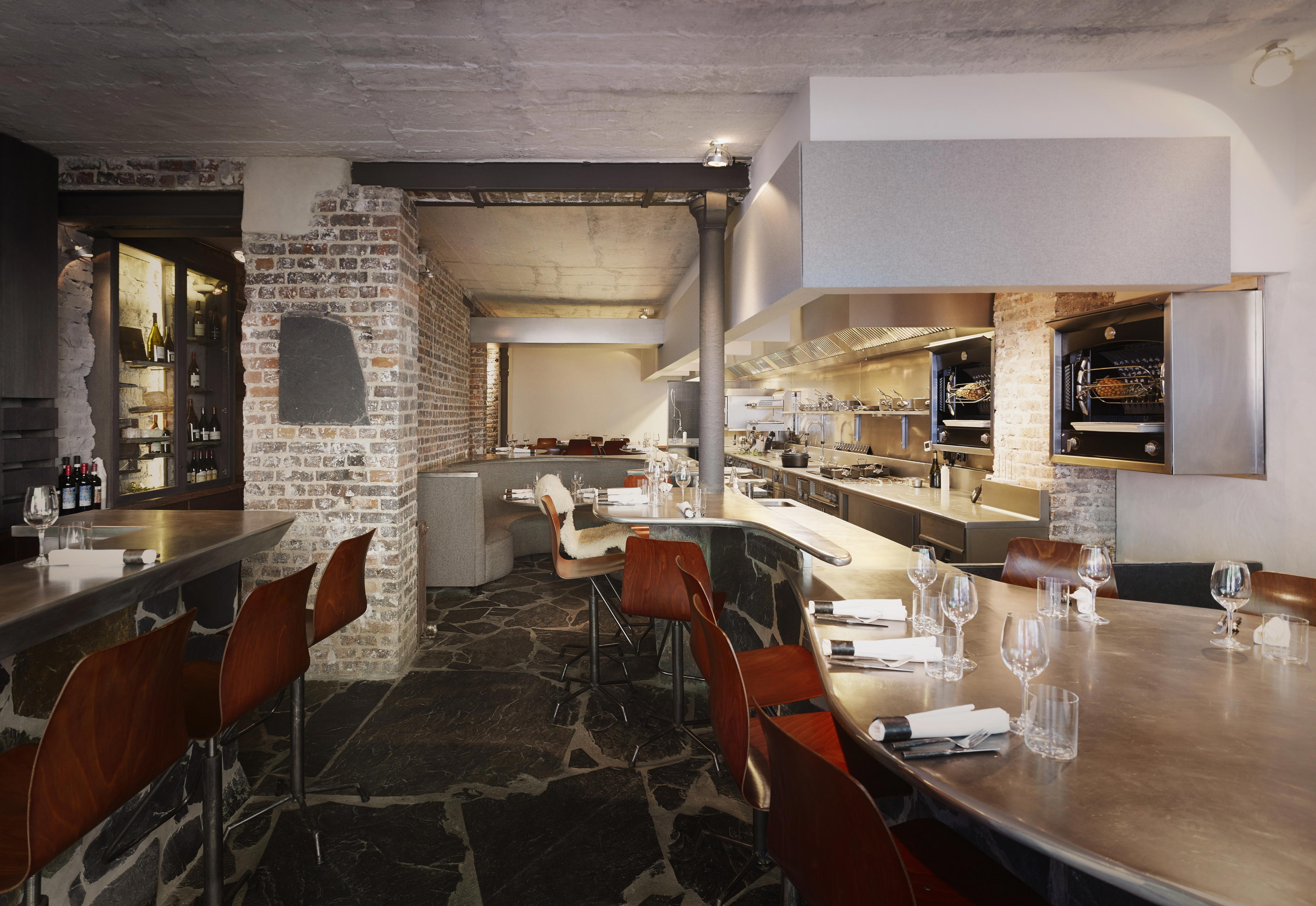
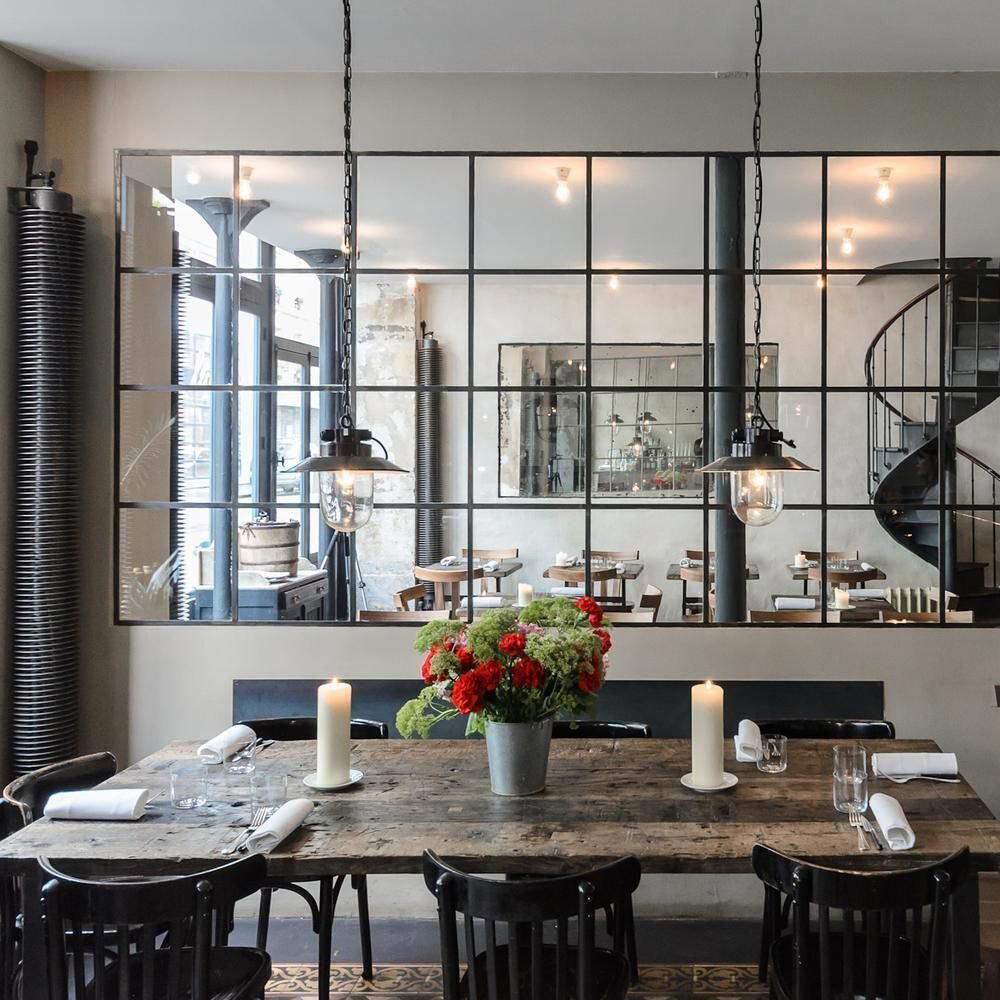
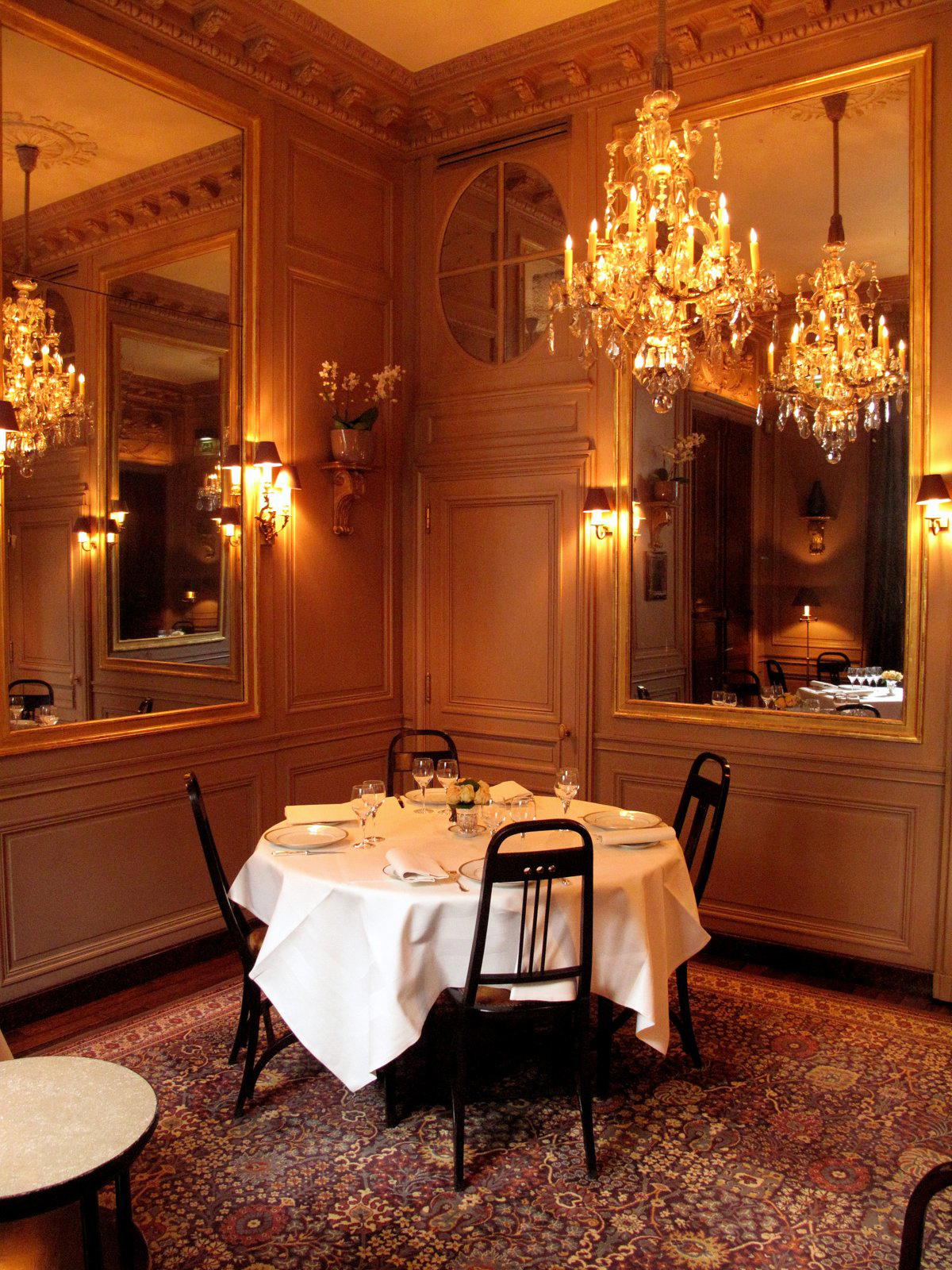
Bars in Paris
Browse all →
Hotels in Paris
Browse all →
Wineries in Paris
Browse all →
At a Glance
- Cozy
- Intimate
- Casual Hangout
- Family
Current opening hours
- Monday
- 7–10:30 PM
- Tuesday
- 12–3 PM, 7–10 PM
- Wednesday
- 12–3 PM, 7–10:30 PM
- Thursday
- 12–3 PM, 7–10:30 PM
- Friday
- 12–3 PM, 7–10:30 PM
- Saturday
- 12–3 PM, 7–10:30 PM
- Sunday
- 12–3 PM, 7–10:30 PM
Hours can change for holidays and private events. Last verified .
Cozy and welcoming with warm, family atmosphere and nice decoration noted by guests.