
Tabelog 100 #70
Our verdict
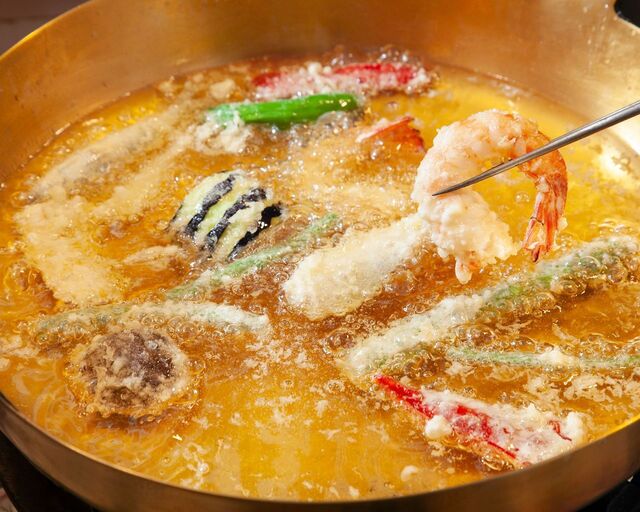
Mochiku is a Ginza tempura counter with roots in 1914, selected for Tabelog 100 Tempura in 2025, 2023, and 2022. The format is tightly controlled: a small counter, fixed sessions, Edomae technique, and an oil-change discipline that makes the meal as much about timing and resource control as frying skill.

Pearl is the En Primeur Club membership app, where members save venues, book tables and use the concierge.
The menu
What to order
- Omakase tempura course
- Assorted tempura rice bowl (tendon) with anago
- Shiso-wrapped tuna tempura
- Whole conger eel tempura
Tokyo gives premium dining its theatre: polished storefronts, office traffic, late-afternoon drinkers moving through the city, and focused dining rooms that demand concentration over spectacle. Tempura fits that register. Serious tempura meals are built not for lingering over long menus, but for heat, oil, sequence, and the narrow window between lift and service. Mochiku sits in this Tokyo grammar, where craft is measured in seconds, not decoration.
Tokyo’s premium tempura scene has grown more exacting as prices have risen, splitting between accessible tendon shops, polished dining rooms, and focused formats where course structure controls the meal. The city has long supported specialist Japanese formats with high repeat value: sushi, kappo, beef, and tempura thrive when rhythm is disciplined. In that context, a Tabelog Hyakumeiten recognition in 2025 matters less as trophy than signal: this is a restaurant judged within a demanding local category, not a general-interest dining room with tempura on the side.
Tempura, treated as timing rather than luxury theatre
Tempura has always been a cuisine of proximity: ingredients handled quickly, rapid service, and a clean exchange between kitchen and guest. Modern high-end versions can drift into ceremony, but the form is strongest when focused on temperature, batter, oil condition, and the order in which ingredients meet the fryer. Mochiku’s recognition within Tabelog’s 2025 Hyakumeiten context places it in a field where continuity has commercial weight. The point is not nostalgia, but proof that careful technique can meet current expectations for clarity and control.
The sustainability story, where tempura is concerned, is practical rather than slogan-led. Tempura depends on oil, and oil management shapes flavor and waste. A disciplined service rhythm can turn technique into an operational choice, because oil quality, batch size, and timing affect consistency and the resource used to deliver it. This is not the low-impact claim of a vegetable garden restaurant, but within tempura it matters. In a city where focused restaurants speak through procedure more than manifestos, that constraint is the language to watch.
Ingredient responsibility is best understood through selection and sequence, with particular importance placed on seasonal produce and carefully handled proteins in the broader tempura tradition. That suits the cuisine’s inheritance without freezing it in the past. Serious Tokyo restaurants increasingly use regional supply to move beyond old shorthand while preserving the idea that ingredients should arrive with purpose in the sequence. This is where tempura differs from more elaborate Japanese formats: it does not need decorative plating to show sourcing. The ingredient either survives the fryer with character or it does not.
The focused-restaurant economy of Tokyo
Focused rooms are a form of culinary editing in Tokyo. A compact, specialist format changes the economics: fewer distractions, less room for error, and a more visible relationship between prep, frying, and service. The format is less forgiving for anyone expecting casual flexibility. The better comparison is not a broad Japanese restaurant, but other specialist formats nearby. Ginza Yamashina works in another price band and category; Nikuya Tanaka applies a beef-kaiseki lens; Spice Lab Tokyo brings Indian cooking into a polished urban frame; Setsugekka Ginza and SHIGEMATSU occupy adjacent parts of the high-spend Tokyo conversation. Mochiku’s distinction is narrower: tempura, ten-don, and Japanese cuisine as the core frame.
That narrowness is the appeal. Tokyo rewards restaurants built for one purpose. A tempura-focused room must control acoustics, pace, scent, and guest behavior in ways a larger dining room can absorb more loosely. Etiquette around fragrance, photography, smoking, and close seating is not incidental manners; it protects the shared environment around hot oil and a compact meal. In sustainability terms, restraint is also about reducing distraction and preserving a setting where every guest receives the same technical conditions.
The drink side follows the Japanese-restaurant template: sake, shochu, and wine often make the most sense around this style of cooking. That range matters because tempura’s delicacy can be flattened by heavy pairings. The better strategy is moderation and clarity, not prestige labels. With fried courses arriving in sequence, alcohol should support pace, not dominate it.
How to read the meal in 2026
For travellers building a Tokyo itinerary, Mochiku is strongest when the brief is specific: a Tokyo tempura restaurant with contemporary session control and a recognized position inside the city’s tempura field. It is less suited to diners wanting a sprawling à la carte evening or a room for large-table conversation. The format asks for attention; the reward is a clear view of one of Tokyo’s great specialist traditions.
The broader city pattern matters. Tokyo dining is not one hierarchy, but a grid of micro-categories. A visitor might compare sushi counters, yakitori rooms, curry specialists, sake bars, and regional Japanese restaurants, yet the logic changes in each. For a wider map, see Our full Tokyo restaurants guide, alongside Our full Tokyo hotels guide, Our full Tokyo bars guide, Our full Tokyo wineries guide, and Our full Tokyo experiences guide. Nearby and category-adjacent Tokyo references include other specialist dining rooms, casual counters, yakitori formats, cafes, and curry shops.
Beyond Tokyo, the same specialist logic appears differently across Japan and abroad: small beef rooms, compact cafes, sake bars, curry counters, and Japanese casual formats all show how tight concepts can carry serious intent. The thread is not sameness, but precision: small formats, clear identities, and food cultures that make more sense when judged by their own rules.
Cost and Credentials
Comparable venues at similar price and category levels.
| Venue | Cuisine | Price | Awards | Notes |
|---|---|---|---|---|
| MochikuThis venue (the venue you are viewing) | Traditional Edo-style tempura omakase | $150–200 | Tabelog 100 #70 | Not listed |
| Nancahome Kyoboshi | Traditional Tempura Omakase | $300–500 | Not listed | Chūō, Traditional Tempura |
| Shiseido Parlour | Classic Yoshoku | $50–100 | Tabelog 100 #40 | Chūō, Classic Yoshoku |
| 銀座 すきやばし次郎 本店 | Edomae Omakase Sushi | $200–300 | World's 50 Best #16 · La Liste Top Restaurants | Chiyoda, Edomae Sushi Omakase |
| Sushi Satake | Edomae Omakase with Hot Sushi Rice | $200–300 | Tabelog 100 #93 | Chūō, Edomae Omakase with Hot Sushi Rice |
| 七ひろ | Modern Japanese Tasting Menu | $30–50 | Michelin Plate | Minato, Modern Japanese Omakase |
Recognition history
Dated appearances from independent guides and award organizations, with the underlying list record or original source where available.
Tabelog 100 #70 · No. 70
Tabelog · Tabelog 100 - Tempura - 2025
Continue exploring
More in Tokyo
Restaurants in Tokyo
All restaurants in Tokyo →

Bars in Tokyo
All bars in Tokyo →




Details
- Intimate
- Classic
- Elegant
- Special Occasion
- Date Night
- Business Dinner
- After Work
- Solo
- Chefs Counter
- Standalone
- Design Destination
- Sake Program
- Local Sourcing
- Sustainable Seafood
- Omakase
- Counter Dining
- Set Menu
- Sake
- Beer
- Tea
- Pescatarian Friendly
Current opening hours
- Monday
- 3–5:15 PM, 5:45–8 PM, 8:30–10 PM
- Tuesday
- 3–5:15 PM, 5:45–8 PM, 8:30–10 PM
- Wednesday
- 3–5:15 PM, 5:45–8 PM, 8:30–10 PM
- Thursday
- 3–5:15 PM, 5:45–8 PM, 8:30–10 PM
- Friday
- 3–5:15 PM, 5:45–8 PM, 8:30–10 PM
- Saturday
- 3–5:15 PM, 5:45–8 PM, 8:30–10 PM
- Sunday
- 3–5:15 PM, 5:45–8 PM, 8:30–10 PM
Hours can change for holidays and private events. Last verified .
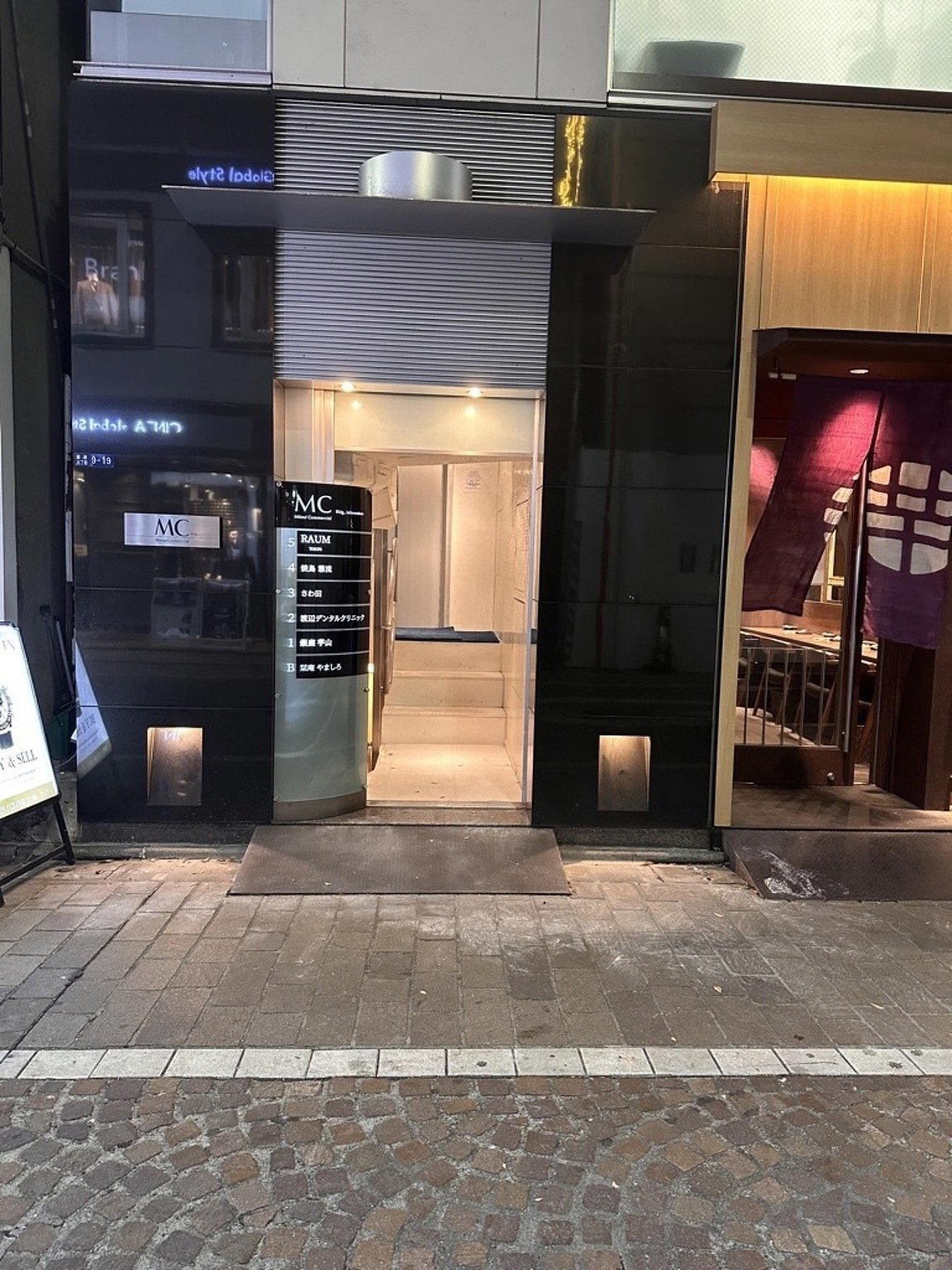
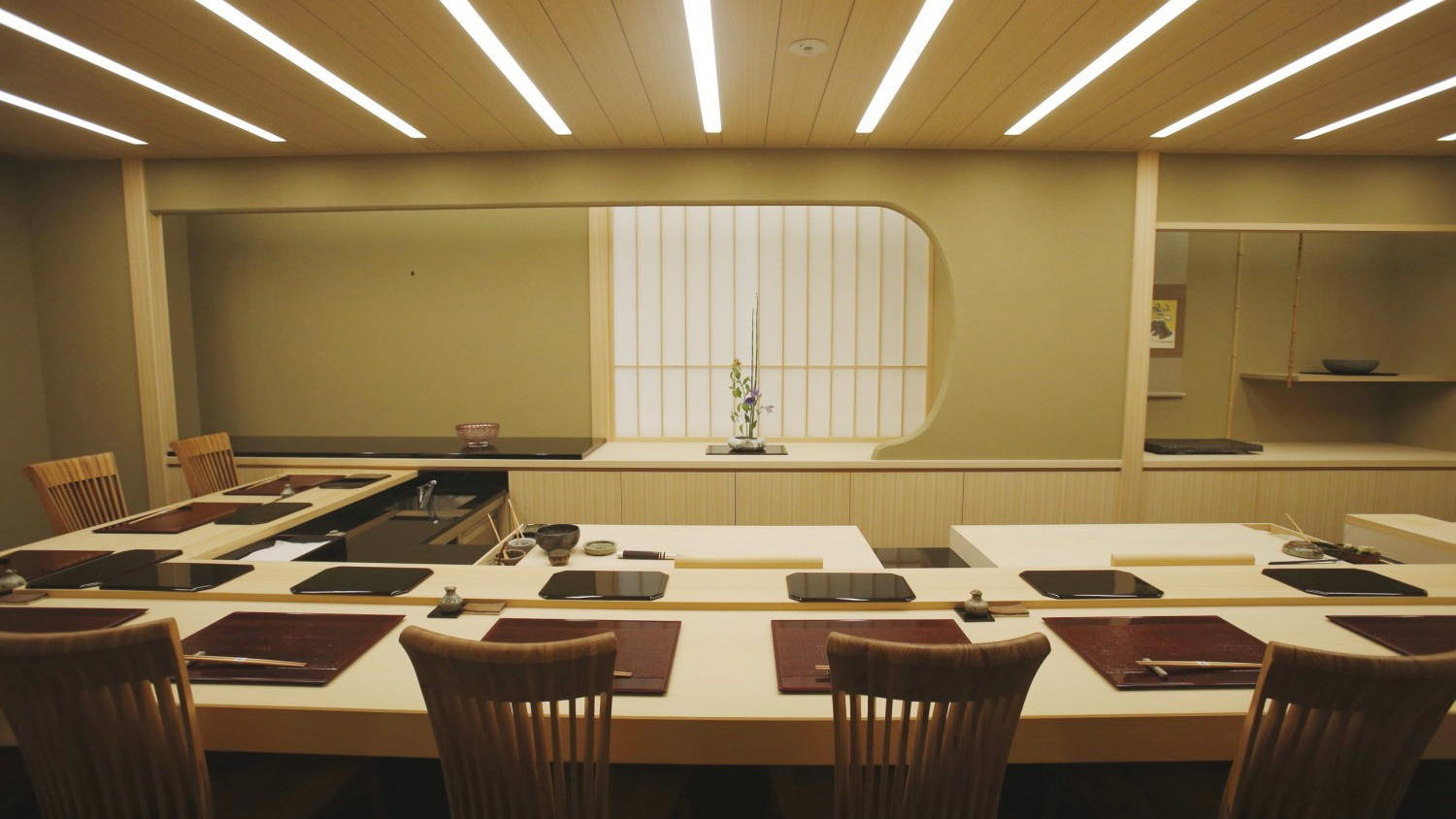
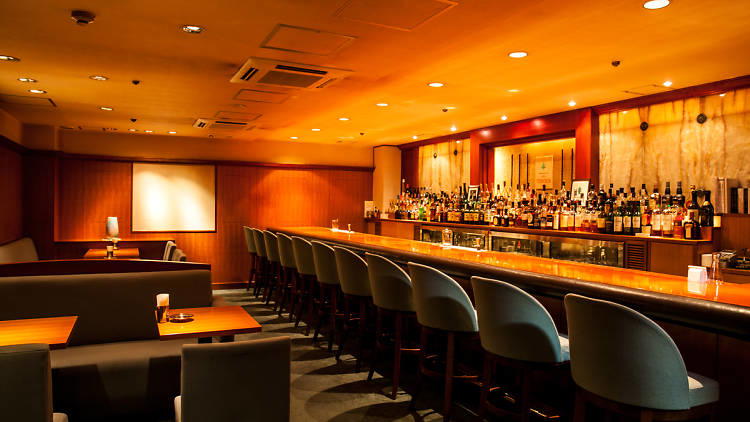
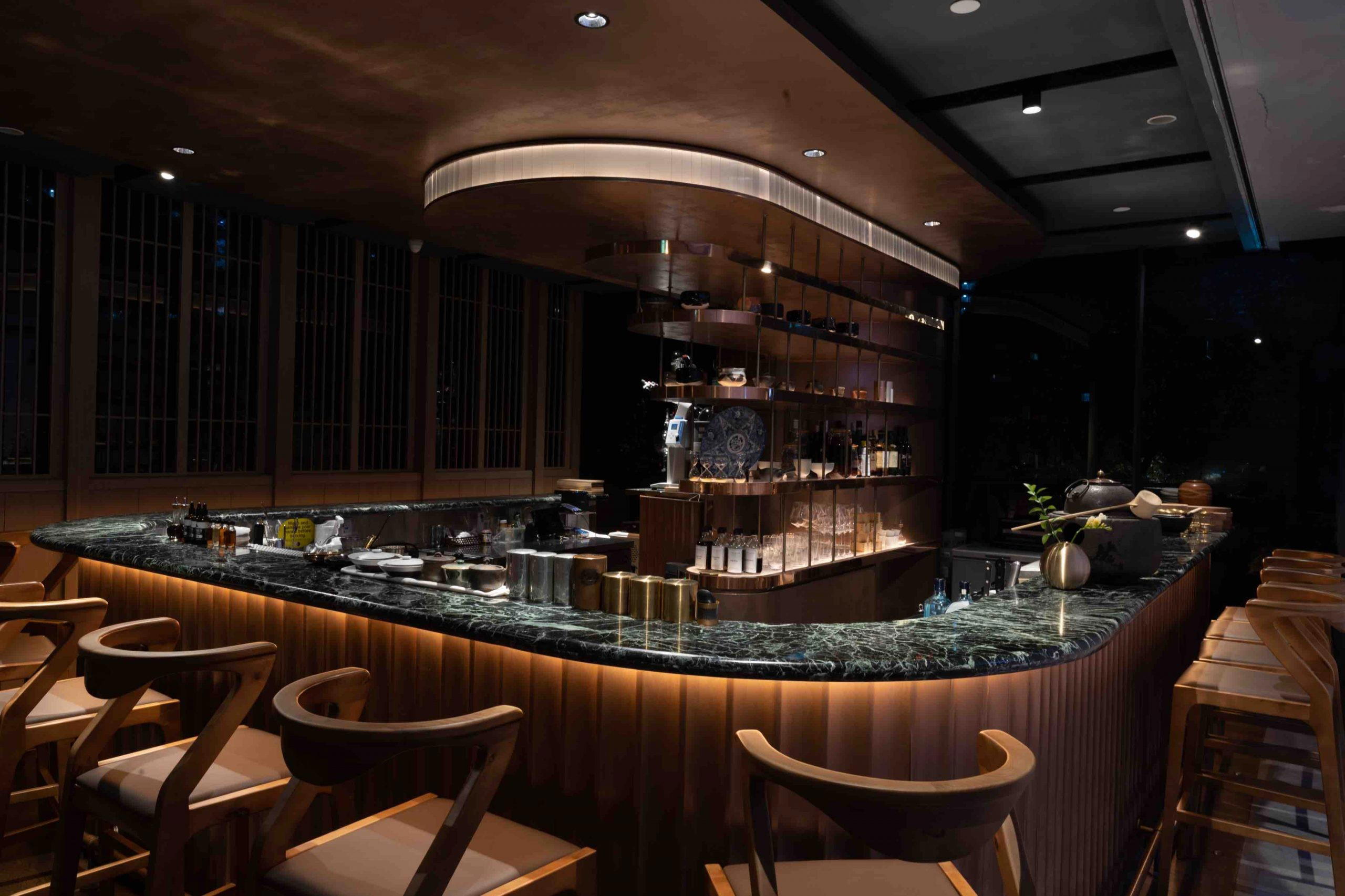
An intimate, counter-only setting on a discreet second floor in Ginza, with a classic old-Tokyo feel; guests sit at a small wooden counter watching the chef fry each piece of tempura to order in sesame oil, creating a calm, focused atmosphere suited to quiet appreciation rather than chatter.