
Tabelog 100 #84
Our verdict
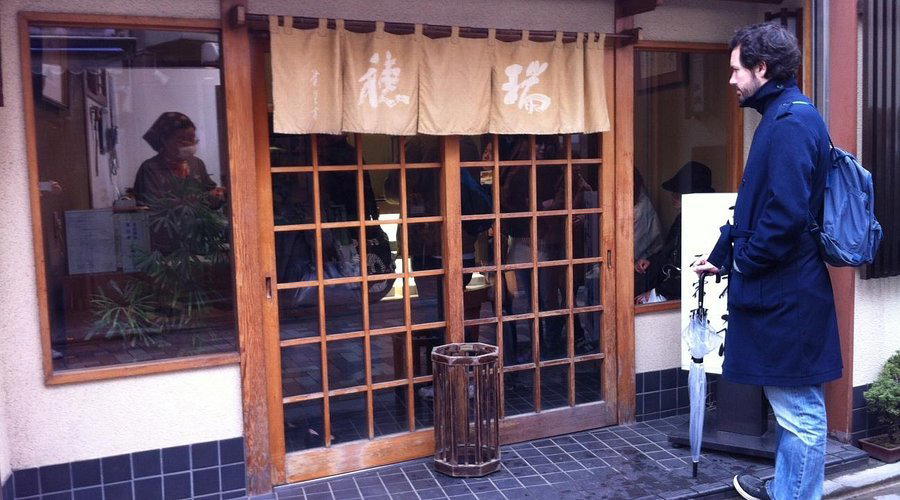
Spring hanami, autumn gifting season, and year-end visits put Tokyo’s wagashi counters under particular pressure, and Mizuho belongs to the old-school end of that habit. This Jingumae takeout specialist is known for Japanese traditional sweets and daifuku, with Tabelog 100 selections in 2020, 2022, and 2023 placing it inside Tokyo’s serious wagashi conversation.

Pearl is the En Primeur Club membership app, where members save venues, book tables and use the concierge.
The menu
What to order
- Mame daifuku
- Daifuku (red bean paste rice cake)
Tokyo is not short on visual noise: fashion queues, side-street cafés, traffic, and the steady churn of city footfall. Against that, Tokyo’s serious wagashi culture often works by subtraction. A narrow sense of purpose, sweets chosen with care, and a tradition tied to gifting can say more about the city’s food habits than another dining room designed for photographs. Mizuho sits in that older rhythm: a Tokyo address associated with Japanese traditional sweets and daifuku, and recognized in the 2023 Tabelog Hyakumeiten selection for its category.
Daifuku as an occasion food, not café theatre
Tokyo’s celebration dining is often discussed through sushi counters, formal rooms, and hotel restaurants, but wagashi occupies a different ceremonial lane. It is the sweet carried to a host, taken to family, or bought when the occasion calls for restraint rather than display. Daifuku, built around soft rice cake and red bean paste, is direct by design. The pleasure is not in a long menu or a plated sequence; it is in freshness, texture, and timing.
That makes the specialist format part of the point. A place like this does not need to be framed as a full restaurant experience. It fits Tokyo’s habit of buying something exacting and moving on, a pattern as central to the city’s food culture as quick counters, department-store food halls, and high-end dining rooms. For a birthday visit, seasonal gathering, or small thank-you gift, the format is useful precisely because it is focused. The transaction carries social weight without turning the sweet into an event production.
The Tabelog score of 3.79 places the shop in a competitive tier for a category where reputation is built through repetition rather than novelty. Tabelog Hyakumeiten recognition matters here because wagashi does not always travel well in international food media. The lists tend to surface specialists that local diners treat as part of the city’s edible infrastructure, rather than venues built around tasting menus or chef biographies.
Tokyo makes the old form feel current
Location changes the reading. In Tokyo, a wagashi shop can feel both inherited and current, a counterpoint to the city’s appetite for newness. The city draws shoppers, design pilgrims, café hunters, and travelers moving between meals and appointments. Within that circuit, traditional sweets operate as a corrective. They slow the pace without requiring a formal reservation or a long sitting.
That contrast also helps explain why a sweets purchase can work for milestone travel. Not every celebratory meal in Tokyo needs to be expensive or lengthy. A serious daifuku stop before a family gathering, after sightseeing, or between appointments gives the day a local grammar. It is a small act, but Tokyo often rewards those. The city’s food culture is built as much from specialist errands as from destination dinners.
The comparison set in Tokyo is unusually broad. A guest could move from gyoza at Gyoza Lou to teppanyaki at Ukai-tei Omotesando, or from casual Western comfort at THE GREAT BURGER to French cooking at bonélan. Noda belongs to a different contemporary dining bracket altogether. Mizuho is not competing with those rooms on duration, service, or luxury cues. It belongs to the specialist tier, where a narrow category and repeat demand carry authority.
How to place it in a Tokyo food day
For travelers building a Tokyo itinerary, the smarter use is not to treat wagashi as dessert after a heavy meal. It works earlier in the day, as a planned purchase for later, or as a gift that signals attention to local etiquette. The price band is listed as - JPY 999, which puts the value equation in a different category from Tokyo’s formal restaurants. The practical detail is to treat the visit as a focused sweets stop rather than a lingering restaurant meal.
Expectations matter. This is not the place to frame as a long celebration lunch; it is the place to fold a precise sweet into a larger occasion. The appeal is in the narrow focus and the way a traditional sweet can travel with the day, connecting a Tokyo itinerary to the city’s habits of gifting, seasonality, and specialist craft.
Readers mapping a broader Tokyo dining day can pair this kind of stop with other category-specific addresses rather than forcing everything into one meal. EP Club’s Tokyo restaurant coverage ranges across other Tokyo dining rooms and specialist stops to Our full Tokyo restaurants guide. For trip structure beyond meals, use Our full Tokyo hotels guide, Our full Tokyo bars guide, Our full Tokyo wineries guide, and Our full Tokyo experiences guide.
For wider Japan and Japanese food references, compare how occasion dining shifts beyond Tokyo through other dining rooms in Japan and abroad, where sweets, drinks, casual meals, and formal cooking each carry different social meanings.
The editorial case is simple: Tokyo’s serious food culture is not only measured by counters with long waits and formal courses. It is also measured by specialists that do one thing within a tight frame and let the customer carry the occasion elsewhere. For travelers who understand gifting, seasonality, and the quiet status of wagashi, Mizuho adds a precise note to a Tokyo day.
Local
Comparable venues by category and price.
| Venue | Cuisine | Price | Awards | Notes |
|---|---|---|---|---|
| MizuhoThis venue (the venue you are viewing) | Traditional Japanese wagashi (mame daifuku specialty) | $1–10 | Tabelog 100 #84 | Not listed |
| Noda | Modern Japanese Omakase with French Influences | $200–300 | Michelin Plate | Contemporary |
| Gyoza Lou | Tokyo Gyoza Dumpling House | $10–20 | Not listed | Gyoza |
| Ukai-tei Omotesando | Teppanyaki | $200–300 | Tabelog 100 #6 | Not listed |
| THE GREAT BURGER | Southern California–style American Burger Diner | $20–30 | Tabelog 100 #92 | JPY 2,000 - JPY 2,999 JPY 1,000 - JPY 1,999 |
| bonélan | Classic French Bistro | $50–100 | Michelin Plate | French |
Recognition history
Dated appearances from independent guides and award organizations, with the underlying list record or original source where available.
Tabelog 100 #84 · No. 84
Tabelog · Tabelog 100 - Japanese traditional sweets / Japanese sweets cafe - TOKYO - 2023
Continue exploring
More in Tokyo
Restaurants in Tokyo
All restaurants in Tokyo →

Bars in Tokyo
All bars in Tokyo →







Details
- Classic
- Well Known
- Solo
- Family
- Casual Hangout
- After Work
- Standalone
- Street Scene
- A La Carte
Current opening hours
- Monday
- Closed
- Tuesday
- 9 AM–12 PM
- Wednesday
- 9 AM–12 PM
- Thursday
- 9 AM–12 PM
- Friday
- 9 AM–12 PM
- Saturday
- 9 AM–12 PM
- Sunday
- Closed
Hours can change for holidays and private events. Hours as of .
A simple, traditional take-out wagashi shop with a classic neighborhood feel and calm atmosphere, focused on efficient service rather than lingering in-store dining.