
A Michelin Plate-recognised Japanese counter in the Bavarian Alps, MIZU Sushi-Bar brings serious sushi technique to Kreuth's mountain setting. At a mid-range price point (€€), it occupies a distinct position in the Tegernsee region's dining scene — where hearty Bavarian cooking dominates and Japanese precision is a genuine contrast. It earns consistent local endorsement.
Pearl is the En Primeur Club membership app — saves, bookings, and concierge access live there. Same editors, same standards.
- Address
- Wiesseer Str. 1, 83700 Kreuth, Germany
- Phone
- +49 8022 278430
- Website
- bachmair-weissach.com
- Directions
- Get directions
 Saves & bookings on Pearl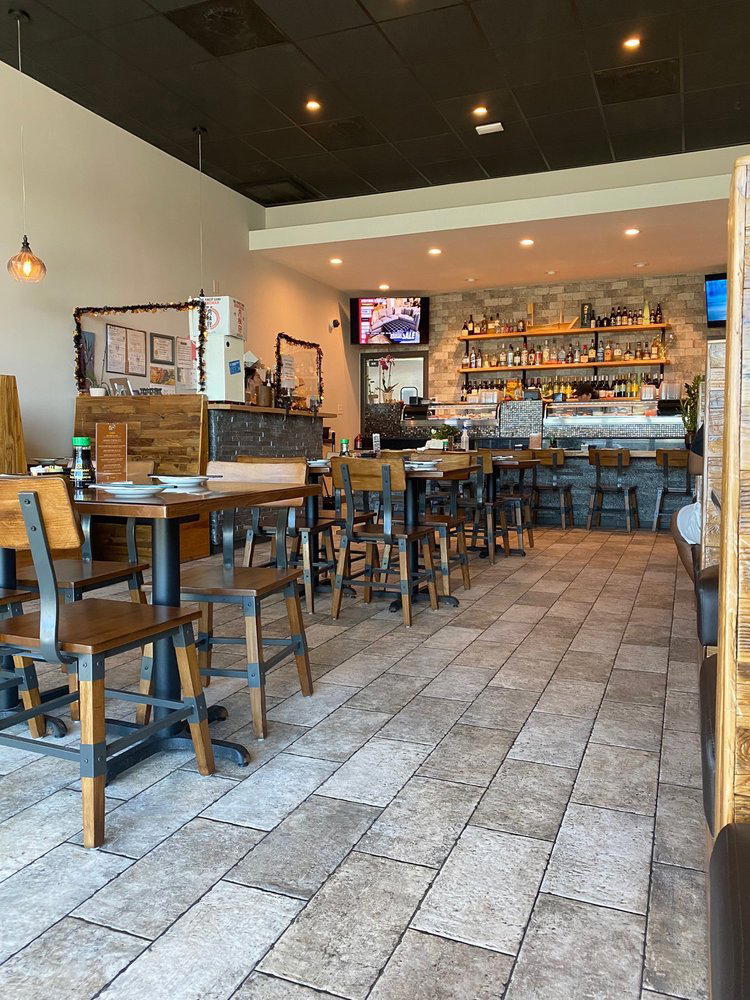
Japanese Precision in the Bavarian Alps
The Tegernsee region is not where you would expect to find Michelin-recognised Japanese cooking. The villages around the lake — Kreuth included — have built their reputations on Bavarian inn culture: roast meats, local beer, and the kind of cooking that makes sense after a morning on a hiking trail. Against that backdrop, a sushi counter earning a Michelin Plate in 2024 is a genuine anomaly, and anomalies in well-established regional dining scenes tend to mean one of two things: either a gimmick riding on scenery, or a kitchen doing something precise enough to warrant serious attention. MIZU Sushi-Bar, on Wiesseer Strasse in Kreuth, sits in the second category.
This is part of a broader pattern visible across European alpine destinations. As international visitor profiles have shifted in regions like the Tegernsee, the dining offer has quietly diversified beyond its traditional register. Japanese restaurants have followed this pattern in ski and lake resort towns across Switzerland and Austria over the past decade, and the Bavarian foothills are seeing a version of the same shift. The Michelin Plate recognition in 2024, awarded to kitchens showing good cooking without yet reaching star level, confirms that MIZU is operating to a standard its peers in the region have not matched.
The Setting and Its Logic
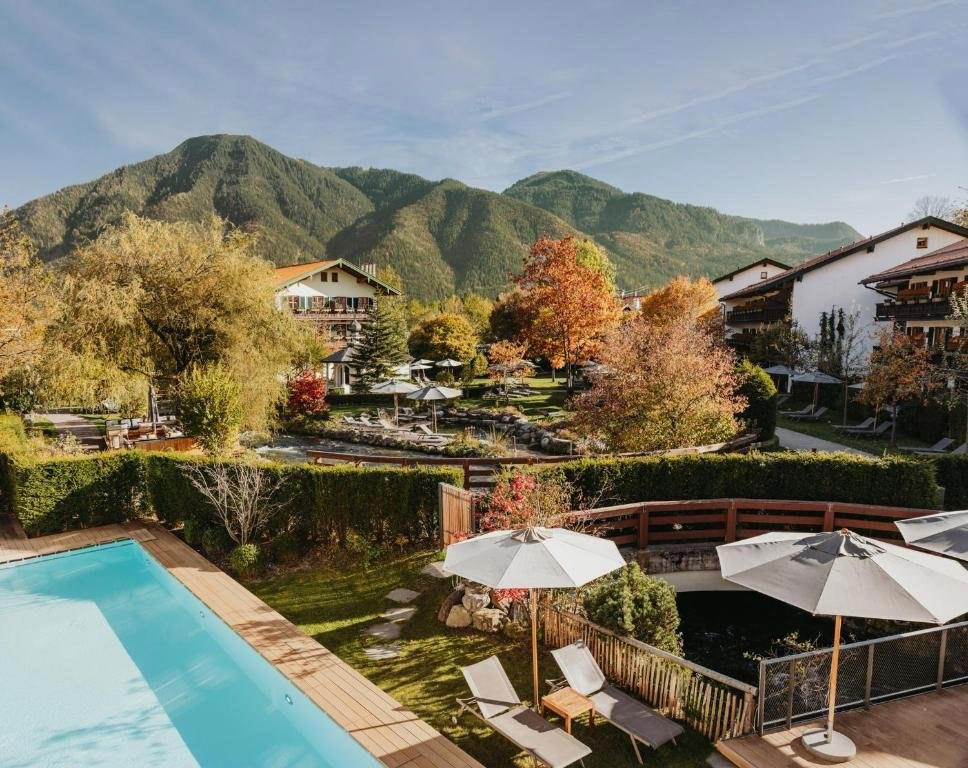
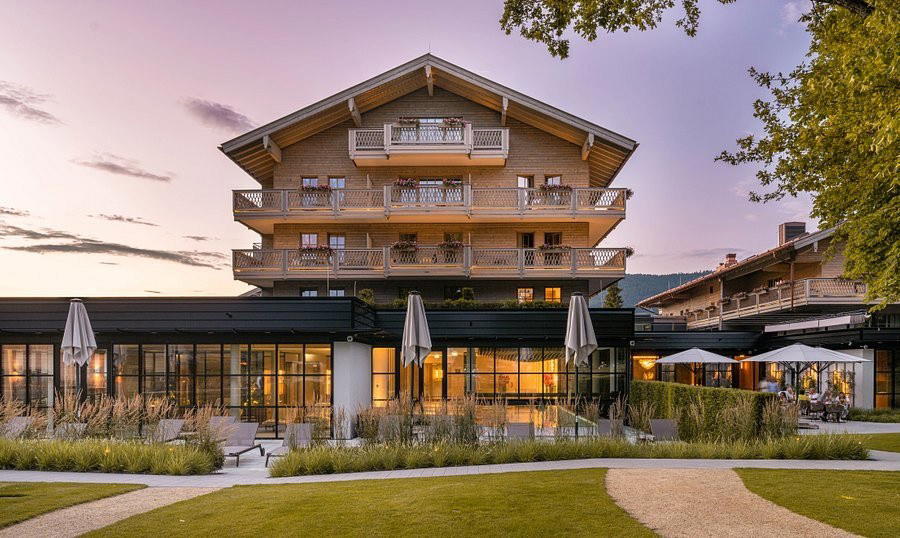
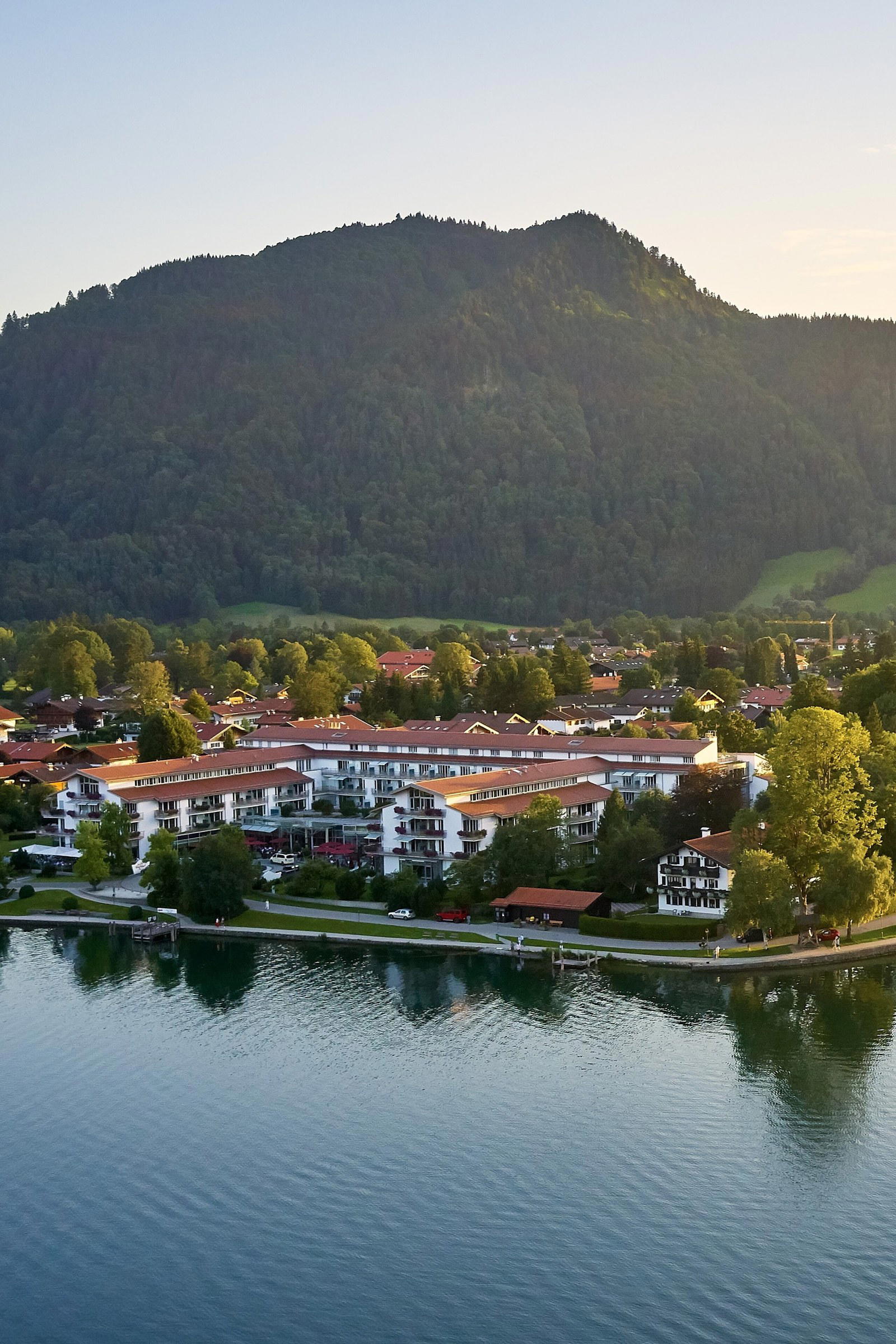
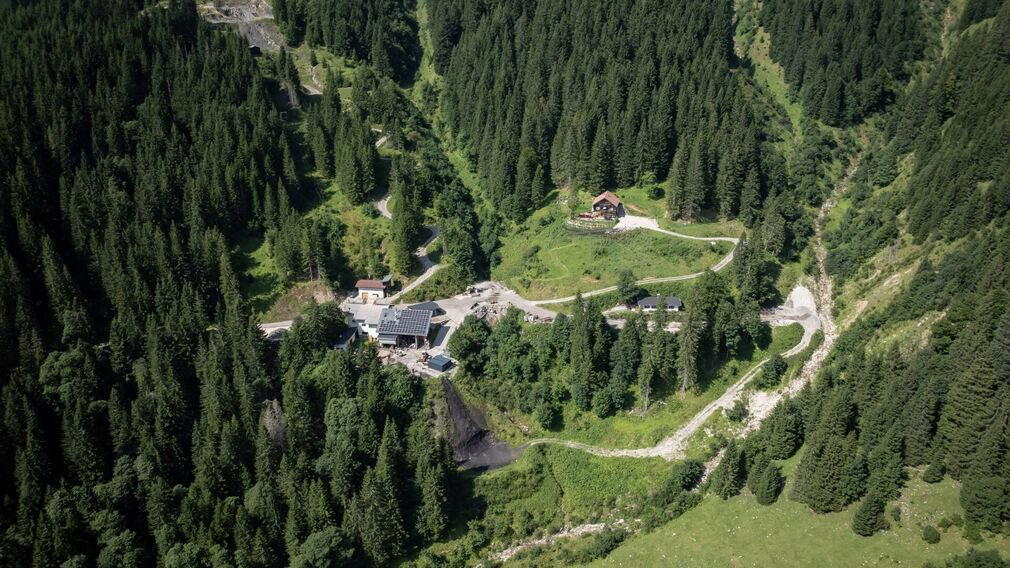
Kreuth sits at the southern end of the Tegernsee valley, close to the Austrian border, and the physical environment around any restaurant here is impossible to ignore. The address on Wiesseer Strasse places MIZU within easy reach of visitors staying along the lake's western shore. Arriving in this context, pine forests, Alpine light, the particular quiet of a Bavarian valley, makes the transition to a Japanese dining room more arresting than the same transition would feel in a city. The contrast sharpens attention, which is, arguably, the right state of mind for sushi.
At a €€ price point, MIZU occupies the accessible middle tier of the local market, below the full fine-dining register of starred destinations elsewhere in Germany (think Aqua in Wolfsburg or Schwarzwaldstube in Baiersbronn) and above the casual end of regional eating. That positioning matters: it makes the Michelin Plate achievement more significant, not less. Earning recognition at the mid-range means the kitchen is delivering on technique and ingredient quality without the structural advantages, extended tasting menus, large brigade, premium per-cover economics, that underpin starred cooking elsewhere.
Kaiseki Principles in a Sushi Context
The kaiseki tradition, which organises a meal around seasonal produce, visual restraint, and the careful progression of flavour and texture, has influenced Japanese restaurant culture far beyond the formal multi-course format. Even in sushi bars that do not serve kaiseki as such, its aesthetic logic tends to shape how a serious kitchen operates: the attention to seasonal fish, the insistence on temperature and timing, the preference for restraint over abundance. These principles are most legible in Japanese cities, Myojaku in Tokyo and Azabu Kadowaki represent the referential tier for this kind of cooking, but they travel. What changes when they travel is the supply chain and the peer context.
In a region where fish sourcing requires more logistical effort than it would in coastal Japan, a kitchen earning external recognition has almost certainly addressed the supply question seriously. The Michelin Plate does not come attached to restaurants with mediocre product.
Where MIZU Sits in Germany's Japanese Dining Scene
Germany has developed a serious Japanese restaurant culture in its major cities over the past fifteen years, concentrated in Munich, Berlin, and Hamburg. The Michelin Guide has tracked this: JAN in Munich represents the starred end of that progression in the south, while Restaurant Haerlin in Hamburg and CODA Dessert Dining in Berlin show how creative and Japanese-influenced technique has permeated the broader fine-dining conversation nationally. Against that urban concentration, a Michelin Plate in a small Alpine village is an outlier, which makes it editorially interesting and practically useful for visitors in the region who do not want to drive an hour each way for a serious meal.
The relevant comparison set for MIZU is not those starred city restaurants but the cluster of quality-focused kitchens that have emerged in the Bavarian and wider South German resort areas. ES:SENZ in Grassau, a short drive from the Tegernsee area, illustrates the broader elevation of culinary standards in the Alpine foothills.
Planning a Visit
Kreuth is most easily reached by car from Munich, approximately an hour south via the A8 and then the B307 along the eastern shore of the Tegernsee. The address at Wiesseer Strasse 1 places the restaurant at the northern edge of Kreuth village. For visitors staying in the Tegernsee area, for the lake, the hiking, or the broader wellness tourism the region has cultivated, MIZU provides a Japanese dinner option within the destination, which removes the need to return to Munich for a quality meal of this style. Booking in advance is advisable, particularly during peak summer and winter Alpine seasons when the valley fills with visitors. No phone or website details are held in EP Club's records at the time of writing; arrival inquiries are leading made locally or via third-party booking platforms. For a broader picture of eating and drinking in the area, see our full Kreuth restaurants guide, alongside guides to hotels, bars, wineries, and experiences in Kreuth.
How MIZU Sushi-Bar Kreuth compares with similar nearby venues.
| Venue | Cuisine | Price | Awards |
|---|---|---|---|
| MIZU Sushi-Bar | Japanese | €€ | Michelin Plate (2024) |
| sansaro | Japanese | €€ | Not listed |
| JAPATAPA TOSHIBAR | Japanese | €€€ | Not listed |
| nagare | Japanese | €€ | Not listed |
| Sushimama | Japanese | €€ | Not listed |
| Basho-An | Japanese | €€ | Not listed |
Recognition history
Dated appearances from independent guides and award organizations, with the underlying list record or original source where available.
Michelin Plate
Michelin

At a Glance
- Intimate
- Elegant
- Cozy
- Modern
- Relaxed
- Date Night
- Special Occasion
- Group Dining
- Open Kitchen
- Terrace
- Sake Program
Current opening hours
- Monday
- Closed
- Tuesday
- 6–10 PM
- Wednesday
- 6–10 PM
- Thursday
- 6–10 PM
- Friday
- 6–10 PM
- Saturday
- 6–10 PM
- Sunday
- 6–10 PM
Hours can change for holidays and private events. Last verified .
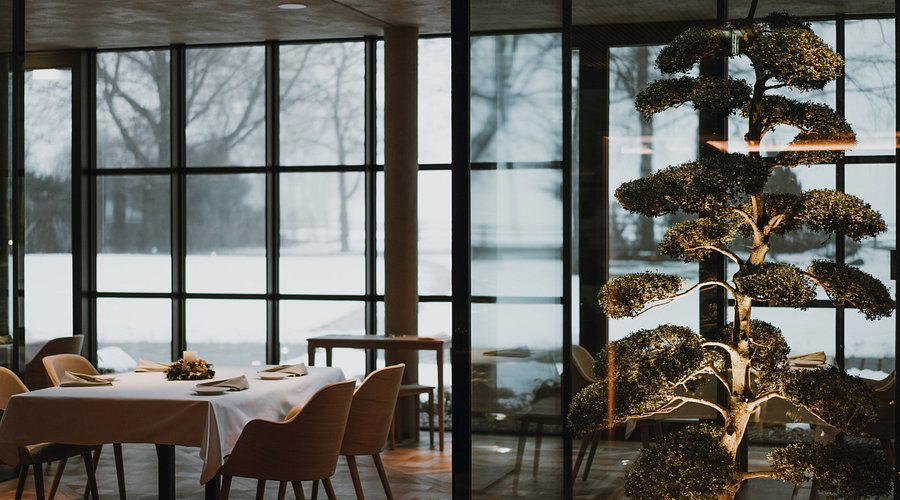
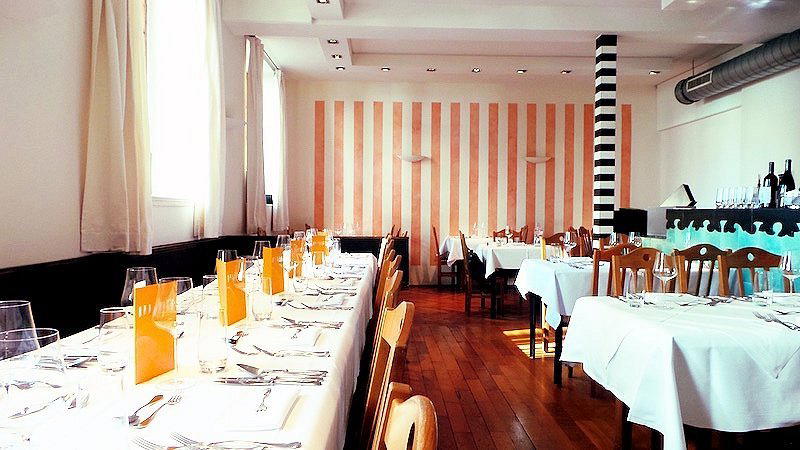
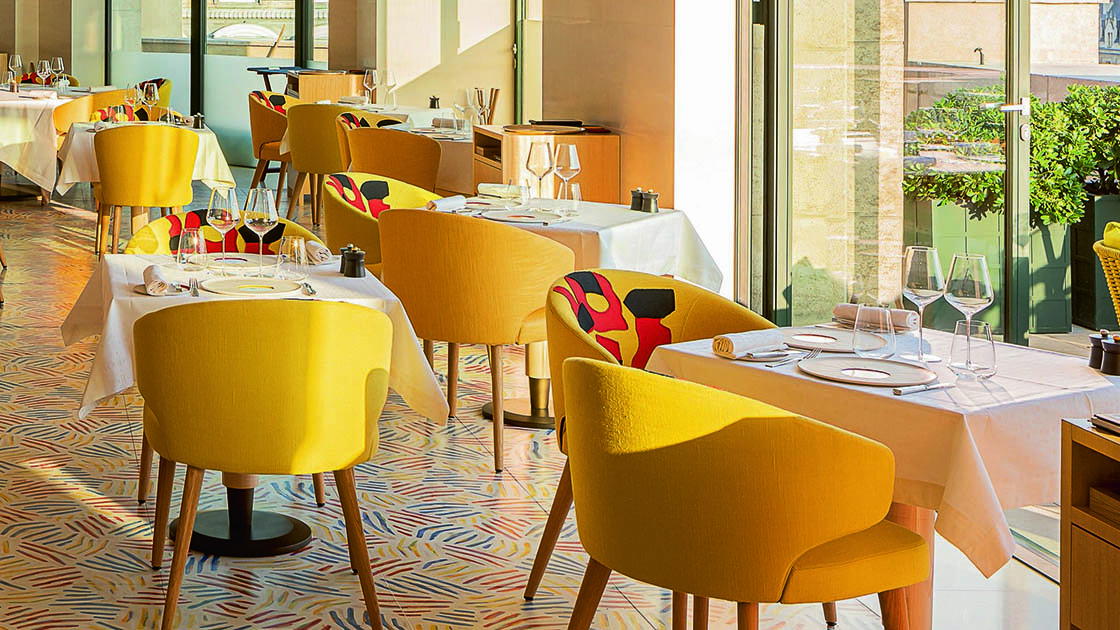
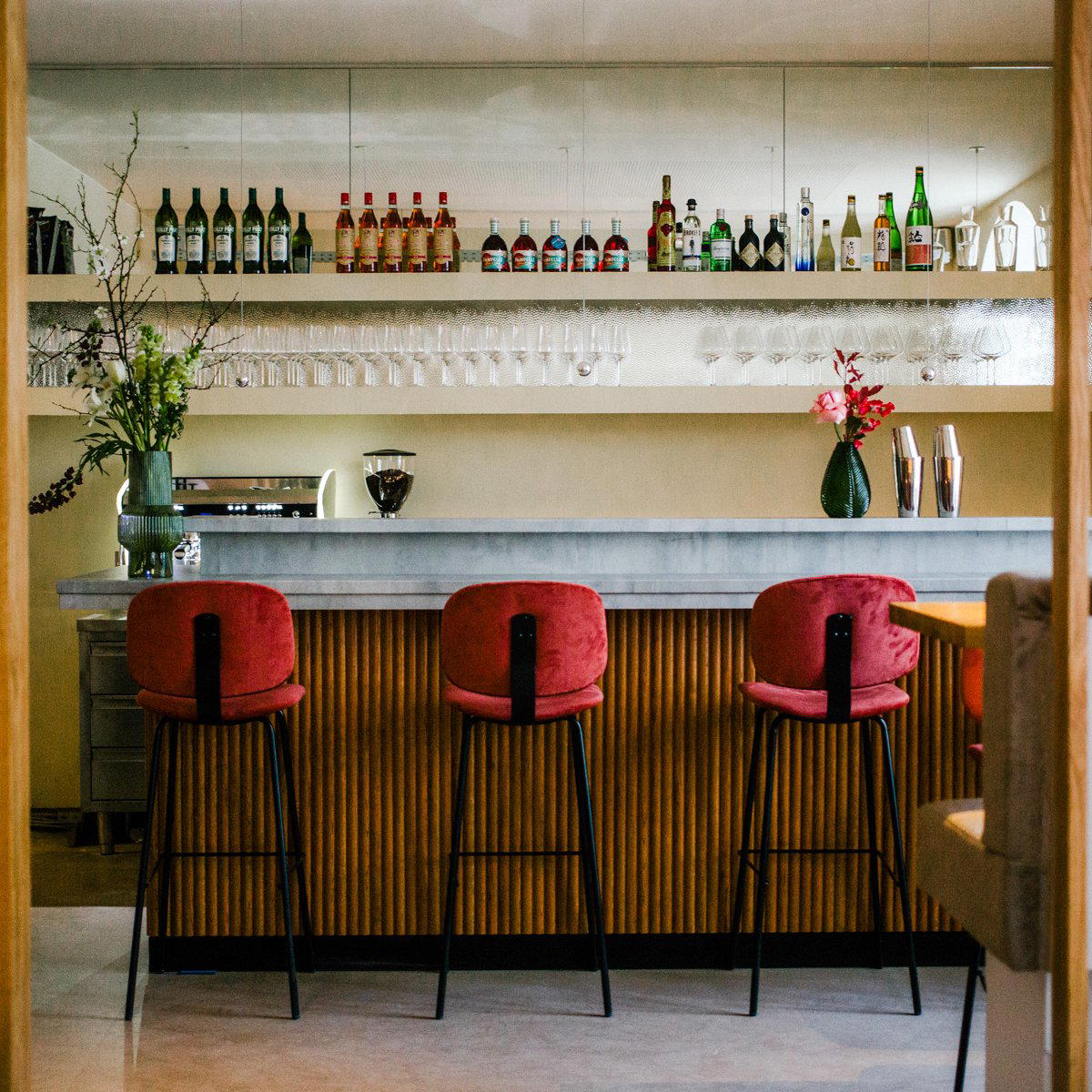
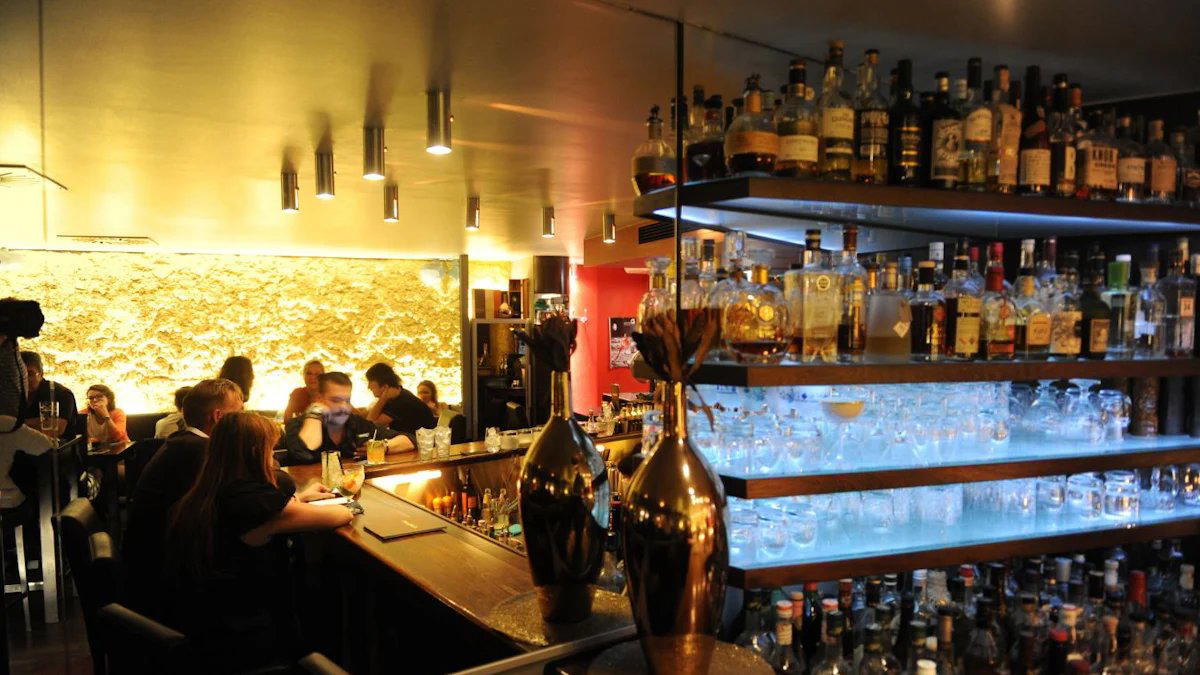
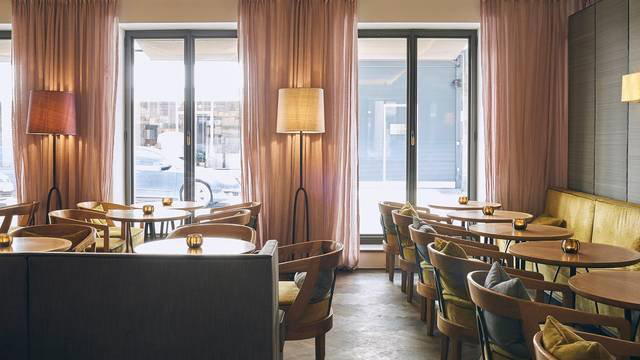
Calm and inviting Far-Eastern design with understated elegance, light woods, and a tranquil atmosphere praised for intimate dinners.
Know Before You Go
- Getting there
- Wiesseer Str. 1, 83700 Kreuth, Germany