
Miyoshi Udon belongs to Kagawa’s serious Sanuki udon circuit: low-priced, counter-led, and focused on wheat noodles rather than ceremony. Its Tabelog 100 - Udon - KAGAWA - 2024 selection places it among the prefecture’s recognized udon addresses, useful for travelers treating Mitoyo as a food stop rather than a pass-through.
Pearl is the En Primeur Club membership app — saves, bookings, and concierge access live there. Same editors, same standards.
- Address
- 1583-1 Takasecho Hiji, Mitoyo, Kagawa 767-0004, Japan
- Phone
- +81 90-1000-7908
- Website
- mobile.twitter.com
- Directions
- Get directions
 Saves & bookings on Pearl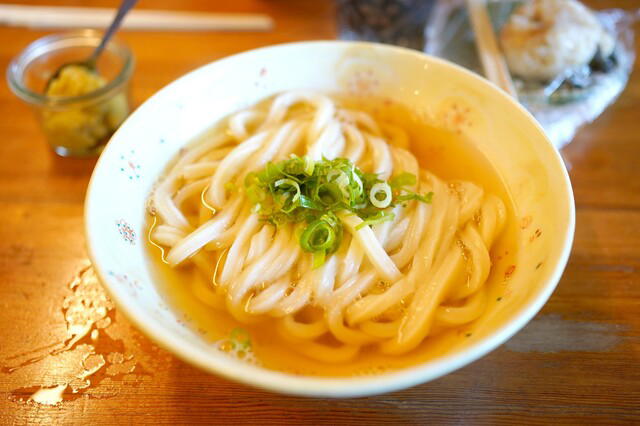
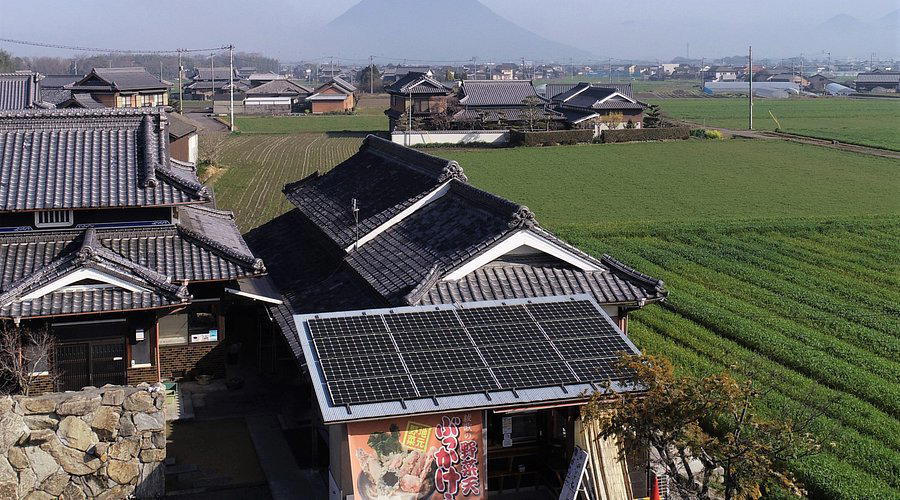
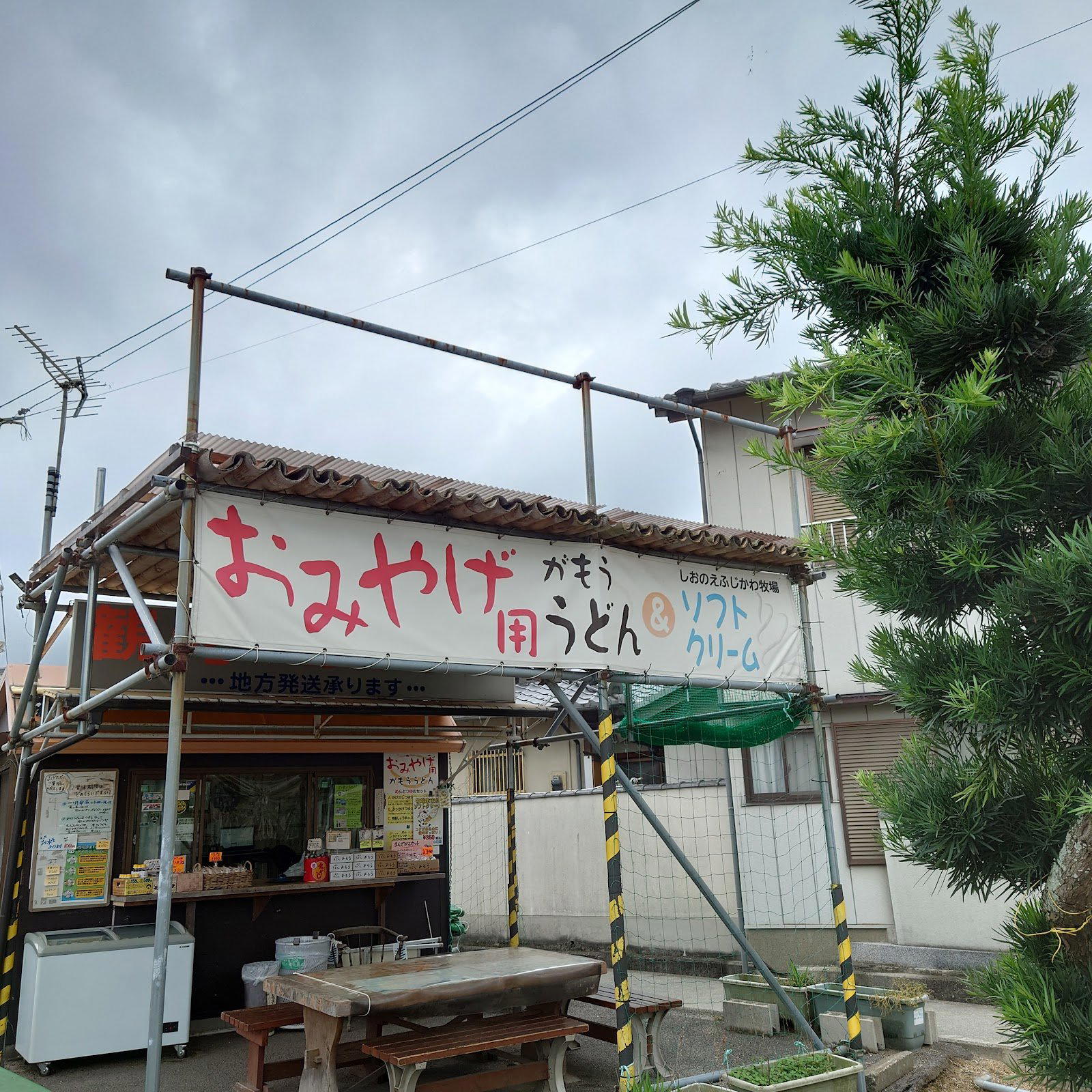
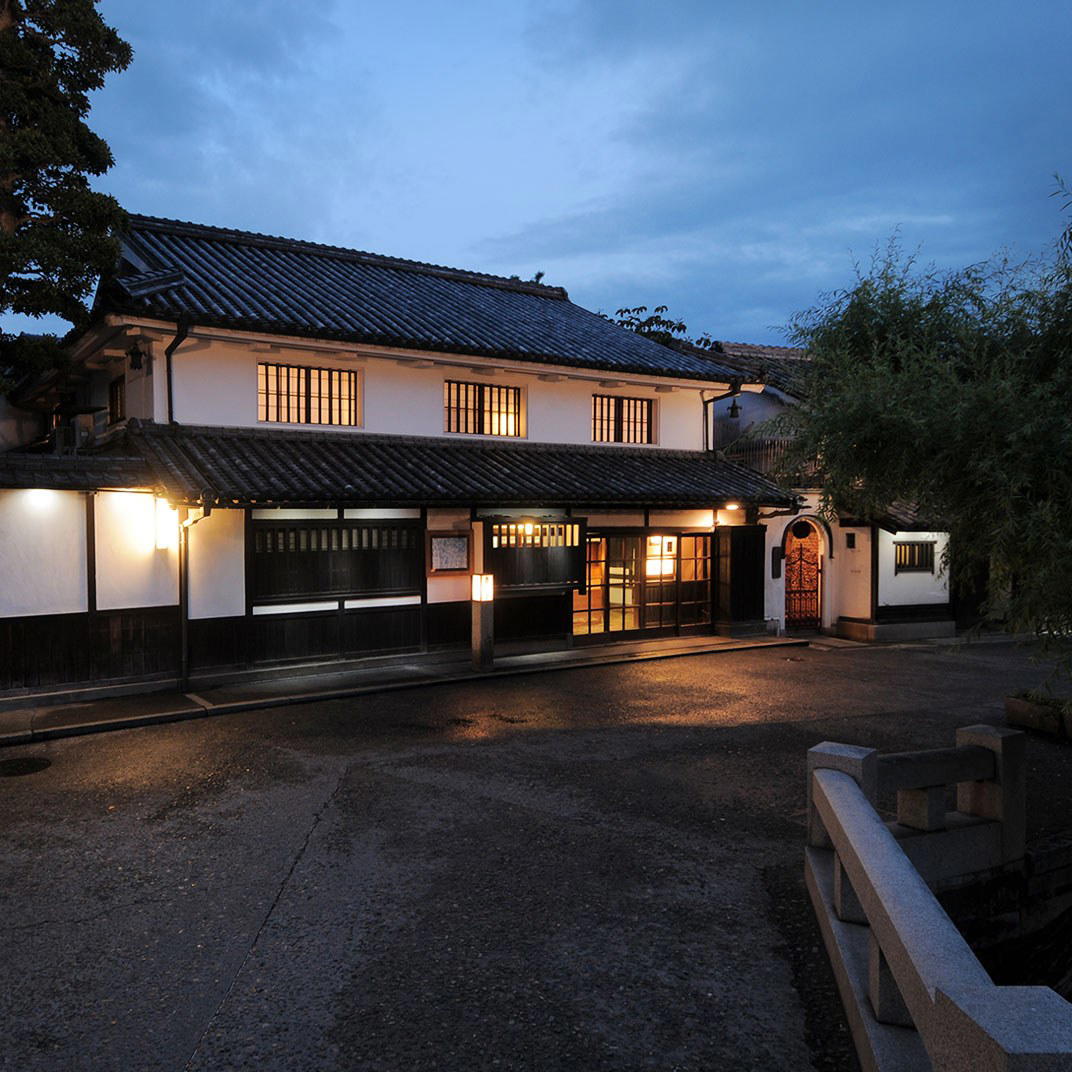
The approach to a serious udon shop in Mitoyo is rarely theatrical. The signal is usually plainer: a modest local setting, cars gathered outside, and a room built around quick noodle turnover rather than long-table leisure. Miyoshi Udon fits that grammar. It is not trying to translate udon for visitors; it belongs to the local format in which wheat, water, kneading, boiling, and broth discipline carry the argument.
Kagawa’s udon culture rewards precision at a modest scale. In cities with tasting-menu inflation, craft often announces itself through price, linen, and reservations. In Sanuki udon country, the hierarchy is different. A bowl can sit in the lowest spending bracket and still attract serious attention because the category is judged on texture, timing, and repetition. That is why a Tabelog 100 - Udon - KAGAWA - 2024 selection matters here: it places the shop inside a prefecture-wide conversation where the benchmark is not luxury, but consistency within a narrow, demanding form.
Sanuki udon judged by wheat, timing, and restraint
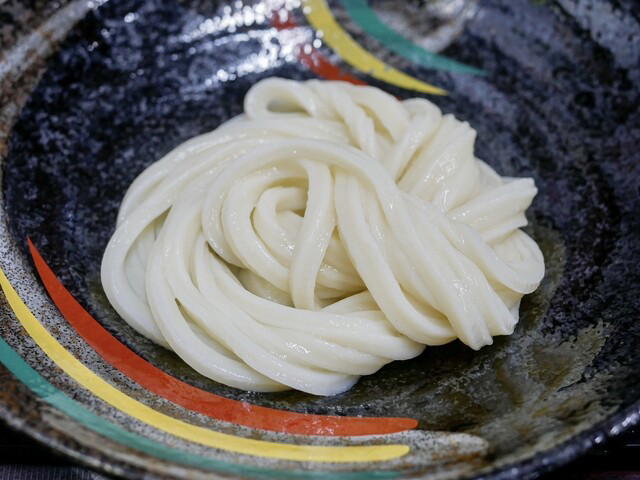
The ingredient story in Kagawa begins with wheat noodles, not garnish. Sanuki udon is built around the chew of the noodle, the clarity of the broth or dipping base, and the ability of a kitchen to move fast without making the bowl feel careless. The better shops make a limited format feel exacting. The cooking window is short, the margin for over-soft noodles is obvious, and the appeal depends on repetition rather than reinvention.
Miyoshi Udon’s listed category is udon, and that narrowness is part of the draw. In Mitoyo, where day-trippers can easily move through the city and its surrounding rhythms, a dedicated udon stop reads differently from a broader casual meal. It is a way to understand the prefecture through a staple that locals scrutinize closely. For travelers used to Tokyo counters or Kyoto kaiseki, the adjustment is useful: status here is carried by a bowl that remains inexpensive, not by ceremony layered around it.
The comparison within Mitoyo is also telling. Honkaku Teuchi Udon Mori and SIRAKAWA give travelers additional local reference points when mapping a food day beyond a single stop. Sanuki Ramen Hamando, by contrast, shows how Mitoyo’s casual dining culture can broaden without leaving the everyday rhythm of the city. The point is not to rank them against one another, but to see how this part of Kagawa treats simple meals as serious daily craft.
A simple room in a prefecture that takes casual food seriously
A focused udon room changes the pace. It shortens the distance between cooking and eating, and it makes a brief meal feel normal rather than like a compromise. That matters in udon country, where the visit is often purposeful and built around one central bowl. The format is accessible, but recognition signals that accessibility is not the same as indifference.
The modest setting also matters more than it might in a decorative restaurant profile. Udon depends on directness: broth, wheat, and condiments need room to register clearly. In a simple setting, small operational choices carry weight because there is little else to distract from the bowl. The format suits the category. Sanuki udon is public, quick, and democratic in the older sense of the word: the same basic meal can serve workers, families, and noodle tourists.
The Tabelog score of 3.80 gives a useful signal without turning the shop into a trophy chase. Japanese user-review culture can be severe, especially for regional staples where locals have deep comparison points. A score in that range, paired with a Tabelog 100 Kagawa udon selection in 2024, indicates a place being measured against a dense field rather than against generic tourist dining. That recognition is more persuasive because it is specific to the category, not a vague badge of general popularity.
How to place it in a Mitoyo food day
Mitoyo rewards travelers who think in clusters. The city is spread out, and its food culture is better approached as a route than as a single dining district. Udon works naturally as the anchor because it does not require a long sitting, and it connects directly to Kagawa’s agricultural and noodle-making identity. A useful plan pairs a serious bowl with another local stop rather than forcing the day into a formal restaurant schedule.
For a broader city map, use Our full Mitoyo restaurants guide to place udon and other casual meals together. Travelers staying locally can cross-check Our full Mitoyo hotels guide, while evening planning sits better in Our full Mitoyo bars guide. The city is not a winery destination in the way parts of Europe or California are, but Our full Mitoyo wineries guide keeps that category separate for itinerary planning, and Our full Mitoyo experiences guide helps connect food stops with the wider rhythm of the area.
Readers building a Japan-wide dining route can also use the contrast productively. A low-cost udon shop in Kagawa says something different about Japanese food culture than more formal restaurants in larger cities or trend-led counters elsewhere. Abroad, the same ingredient-first lens can apply to many casual formats: different cities, different rooms, but the same question for a serious traveler, which staple is being treated with discipline rather than decoration?
The editorial case for Miyoshi Udon is simple. It gives Mitoyo visitors a direct line into Kagawa’s udon culture without asking them to mistake casualness for lack of rigor. The setting is modest, the format is narrow, and the recognition is specific to the category. That combination is exactly why it belongs on a food-focused Kagawa itinerary.
Comparable Spots, Quickly
Comparable venues by cuisine and price in the same metro.
| Venue | Cuisine | Price | Notes |
|---|---|---|---|
| Miyoshi Udon | Traditional Sanuki Udon Shop | $ | Takasecho Hiji |
| 須崎食料品店 | Traditional Sanuki Udon | $ | 高瀬町上麻 |
| Honkaku Teuchi Udon Mori | Sanuki udon shop | $ | Takase-cho |
| SIRAKAWA | Sanuki udon noodle shop | $ | .null |
| Sanuki Ramen Hamando | Sanuki-style Ramen | $ | Minocho Omi |
| 菊屋 | Traditional Japanese Noodles (Chanpon & Udon) | $ | 中央町 (Chuo-cho) |
Recognition history
Dated appearances from independent guides and award organizations, with the underlying list record or original source where available.
Tabelog 100 #28 · No. 28
Tabelog · Tabelog 100 - Udon - KAGAWA - 2024
Continue exploring
More in Mitoyo
Restaurants in Mitoyo
Browse all →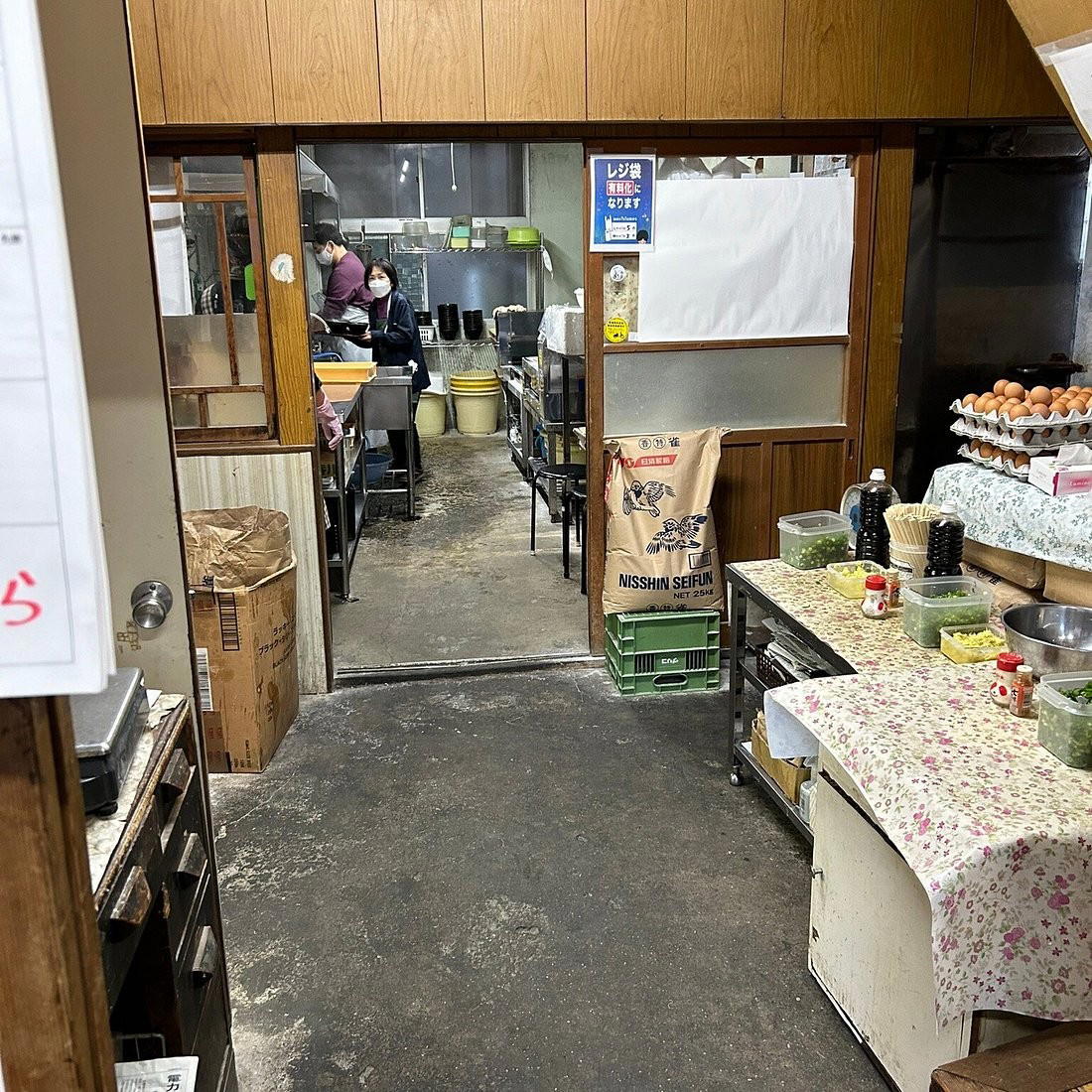

At a Glance
- Rustic
- Cozy
- Solo
- Family
- Casual Hangout
- Group Dining
- After Work
- Standalone
- Local Sourcing
Current opening hours
- Monday
- 10 AM–2 PM
- Tuesday
- 10 AM–2 PM
- Wednesday
- 10 AM–2 PM
- Thursday
- 10 AM–2 PM
- Friday
- 10 AM–2 PM
- Saturday
- 10 AM–2 PM
- Sunday
- Closed
Hours can change for holidays and private events. Last verified .
Know Before You Go
- Reservations
- Walk in friendly
- Dress code
- Casual
- Getting there
- 1583-1 Takasecho Hiji, Mitoyo, Kagawa 767-0004, Japan