
Honkaku Teuchi Udon Mori belongs to Kagawa’s serious Sanuki udon circuit, where wheat, water, kneading, and turnover matter more than ceremony. In Mitoyo, it sits in the everyday-priced hand-cut noodle tier, with Tabelog 100 Udon Kagawa 2024 recognition and a format that works for solo diners, families, and travelers building a noodle-focused day around western Kagawa.
Pearl is the En Primeur Club membership app — saves, bookings, and concierge access live there. Same editors, same standards.
- Address
- 678 Takasecho Shimoasa, Mitoyo, Kagawa 767-0013, Japan
- Phone
- +81 875-74-6755
- Website
- udon-mori.com
- Directions
- Get directions
 Saves & bookings on Pearl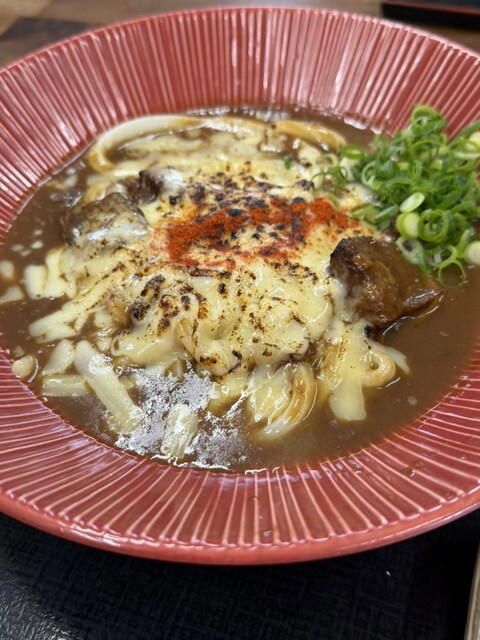
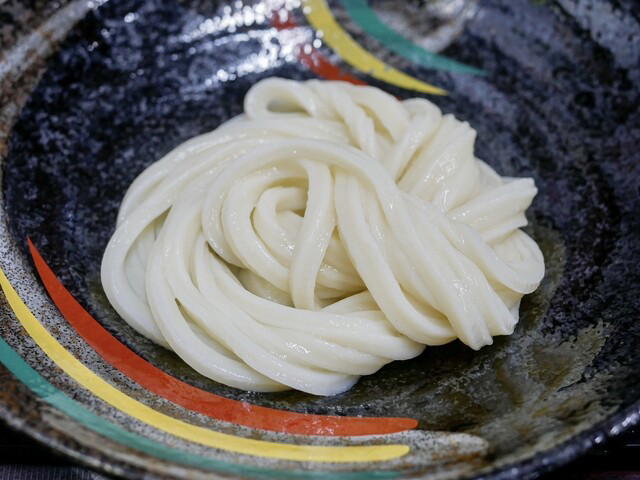
The approach to a serious Kagawa udon shop is rarely theatrical. The room does the work through quick pacing, straightforward service, and the discipline of a place built around noodles, not spectacle. In Mitoyo, that matters. Sanuki udon is not a decorative regional specialty; it is the local grammar of wheat, salt, water, kneading, resting, cutting, boiling, and broth. Honkaku Teuchi Udon Mori belongs to that grammar, with appeal less in novelty than in how clearly it fits the prefecture’s noodle culture.
Kagawa’s udon reputation rests on repetition and precision. Serious shops are judged first by texture, then by broth balance, toppings, and service rhythm. That hierarchy explains why an inexpensive bowl can command the attention other cities reserve for tasting counters. Mori’s inclusion in Tabelog 100 Udon Kagawa 2024 places it in a competitive local field where the benchmark is not luxury but execution under pressure.
Sanuki udon in Mitoyo is a wheat-and-water test, not a luxury signal
The useful way to read a Mitoyo udon address is through sourcing logic. Kagawa’s noodle identity grew from wheat cultivation, access to salt, and a taste for firm, elastic noodles served with little distraction. The craft is exposed because the bowl has few hiding places. A weak noodle cannot be rescued by expensive garnish; thin broth cannot be disguised by elaborate plating. Udon shops in this part of Shikoku face a local audience that eats the category often enough to notice small differences.
That is where Honkaku Teuchi Udon Mori earns its place. The name signals honkaku teuchi, or serious hand-made udon, but the stronger evidence is competitive context: Tabelog’s 2024 Kagawa udon selection is a narrow regional list in a prefecture saturated with specialists. Selection does not turn a casual noodle shop into fine dining. It means the shop has been noticed in the arena where Kagawa is hardest to impress.
Mitoyo’s food scene also rewards movement. Travelers often build the day as a sequence of small, low-cost meals rather than one long reservation. Within that pattern, Miyoshi Udon and SIRAKAWA sit in the same local udon economy, while Sanuki Ramen Hamando gives the area a noodle comparison outside wheat udon. The distinction helps: ramen often leans on broth density and fat structure, while Sanuki udon puts chew and clarity at the center.
A casual room with serious turnover suits the category
Sanuki udon does not need a hushed dining room. The format is a skilled daily ritual: eat, move, compare, repeat. Mori fits that rhythm as an udon specialist rather than as a room built around ceremony. In Kagawa’s udon circuit, a bowl of noodles is not a compromised meal, but a normal way to eat well.
The restaurant’s practical signals point to everyday dining, not a destination only for culinary tourists. The experience is best understood as a local meal in a prefecture that treats udon with unusual seriousness. None of this softens the technical importance of the food. In Kagawa, an udon shop can be casual, inexpensive, and demanding at once.
Price is part of the editorial story because Sanuki udon resists the usual luxury equation. Mori sits in the - JPY 999 bracket, the everyday tier that makes the prefecture’s noodle culture so democratic. That puts it close to nearby udon peers such as Miyoshi Udon and SIRAKAWA, while Sanuki Ramen Hamando extends Mitoyo’s noodle range beyond udon. The point is not thrift for its own sake. It is that Kagawa’s signature food remains accessible even when execution is recognized.
For travelers mapping a wider Mitoyo day, the restaurant works better as part of a precise local route than as an isolated detour. The broader city guide is the natural starting point for comparing meal stops: Our full Mitoyo restaurants guide covers the area’s dining options, while Our full Mitoyo hotels guide, Our full Mitoyo bars guide, Our full Mitoyo wineries guide, and Our full Mitoyo experiences guide help place lunch within a wider Shikoku itinerary.
How to place Mori inside Japan's casual dining map
Japan’s casual dining strength lies in specialization. A shop can do one narrow thing, charge little, and still belong to a serious critical conversation. That is the lens here. Mori is not competing with multi-course dining rooms in Tokyo or Kyoto; it competes with specialists in a prefecture where udon literacy is unusually high. For a traveler, that makes it a sharper cultural signal than a more elaborate restaurant with weaker local roots.
The comparison becomes clearer against other Japanese formats. Some dining asks the diner to think about richness, heat, or elaborate seasoning. Other casual addresses sit in different everyday registers. Kagawa udon remains more elemental: flour, water, salt, timing, and repetition.
That elemental quality is why the category travels poorly but rewards travel well. Outside Kagawa, Japanese dining can translate parts of drinking, rice, and casual food culture for another audience. Sanuki udon in Kagawa is harder to detach from place. The eating pattern, price point, local expectations, and density of competitors shape the bowl before it reaches the table.
For broader national context, Japan’s specialist map ranges from regional cooking to compact counters and focused casual dining rooms. Mori’s value is narrower and more local: it gives Mitoyo a recognized Sanuki udon stop in the price band where residents and visitors can judge the craft without ceremony.
Snapshot
Comparable venues by cuisine and price in the same metro.
| Venue | Cuisine | Price | Notes |
|---|---|---|---|
| Honkaku Teuchi Udon Mori | Sanuki udon shop | $ | Takase-cho |
| 須崎食料品店 | Traditional Sanuki Udon | $ | 高瀬町上麻 |
| SIRAKAWA | Sanuki udon noodle shop | $ | .null |
| Miyoshi Udon | Traditional Sanuki Udon Shop | $ | Takasecho Hiji |
| Sanuki Ramen Hamando | Sanuki-style Ramen | $ | Minocho Omi |
| Buta Daigaku (豚大学) | Grilled Pork Bowl (Butadon) | $ | Shimbashi |
Recognition history
Dated appearances from independent guides and award organizations, with the underlying list record or original source where available.
Tabelog 100 #53 · No. 53
Tabelog · Tabelog 100 - Udon - KAGAWA - 2024
At a Glance
- Cozy
- Classic
- Solo
- Family
- Casual Hangout
- Group Dining
- After Work
- Standalone
- Beer Program
- Local Sourcing
Current opening hours
- Monday
- 10 AM–2 PM
- Tuesday
- Closed
- Wednesday
- 10 AM–2 PM
- Thursday
- 10 AM–2 PM
- Friday
- 10 AM–2 PM
- Saturday
- 9 AM–2 PM
- Sunday
- 9 AM–2 PM
Hours can change for holidays and private events. Last verified .
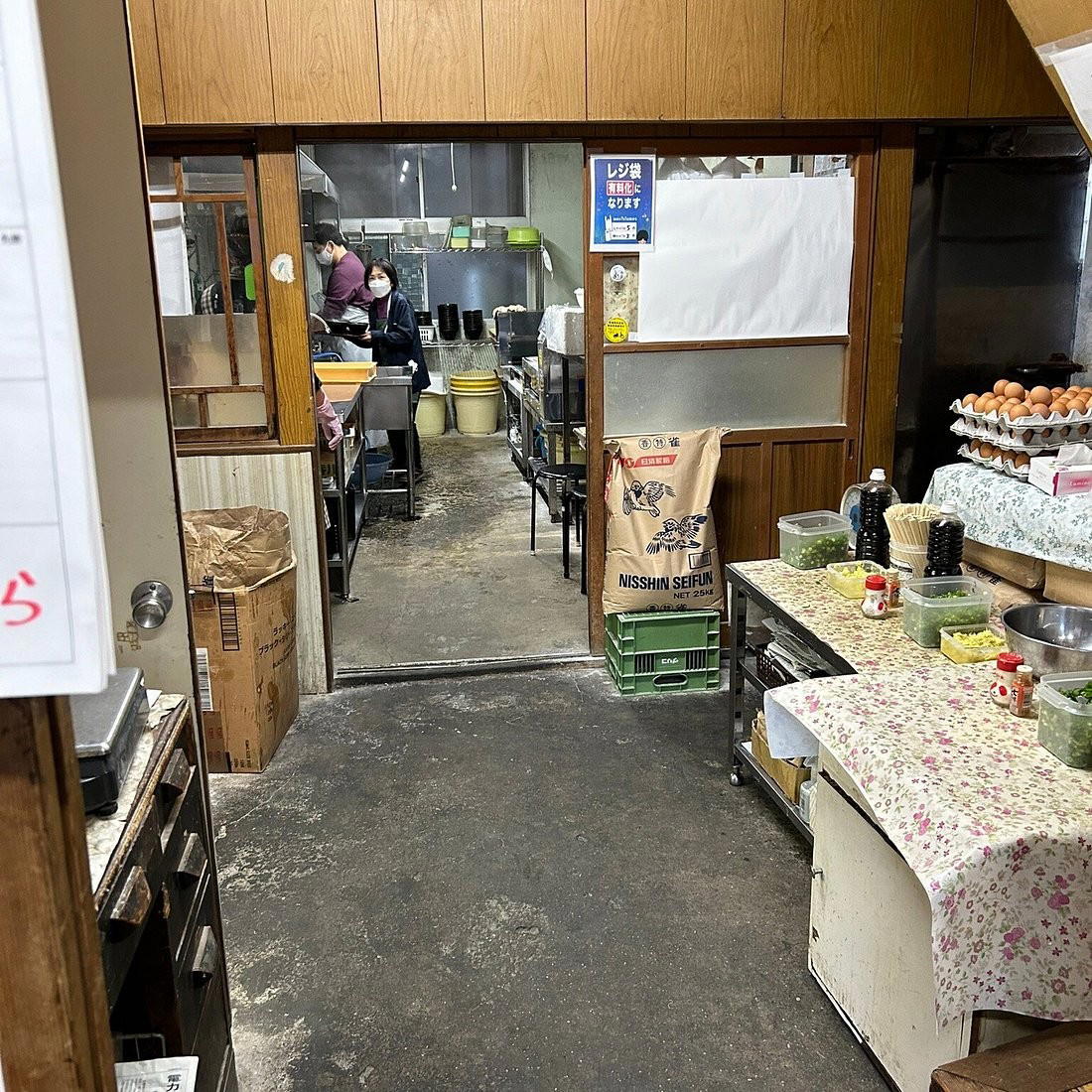
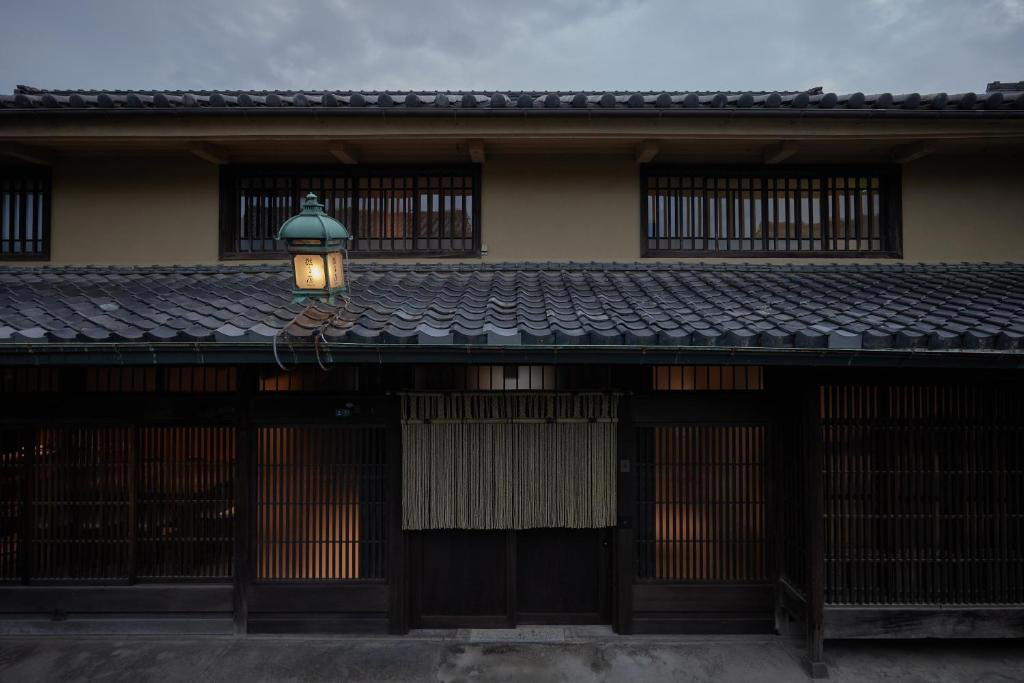
Casual, family-friendly local udon shop with a direct dining room of table seating and small tatami area, focused on efficient service and the craft of firm, chewy noodles rather than design.
Know Before You Go
- Reservations
- Walk in friendly
- Getting there
- 678 Takasecho Shimoasa, Mitoyo, Kagawa 767-0013, Japan