
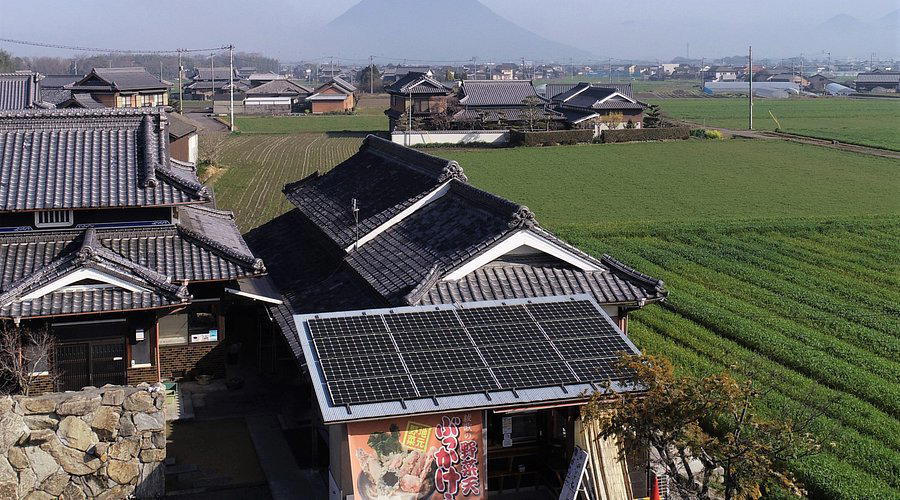
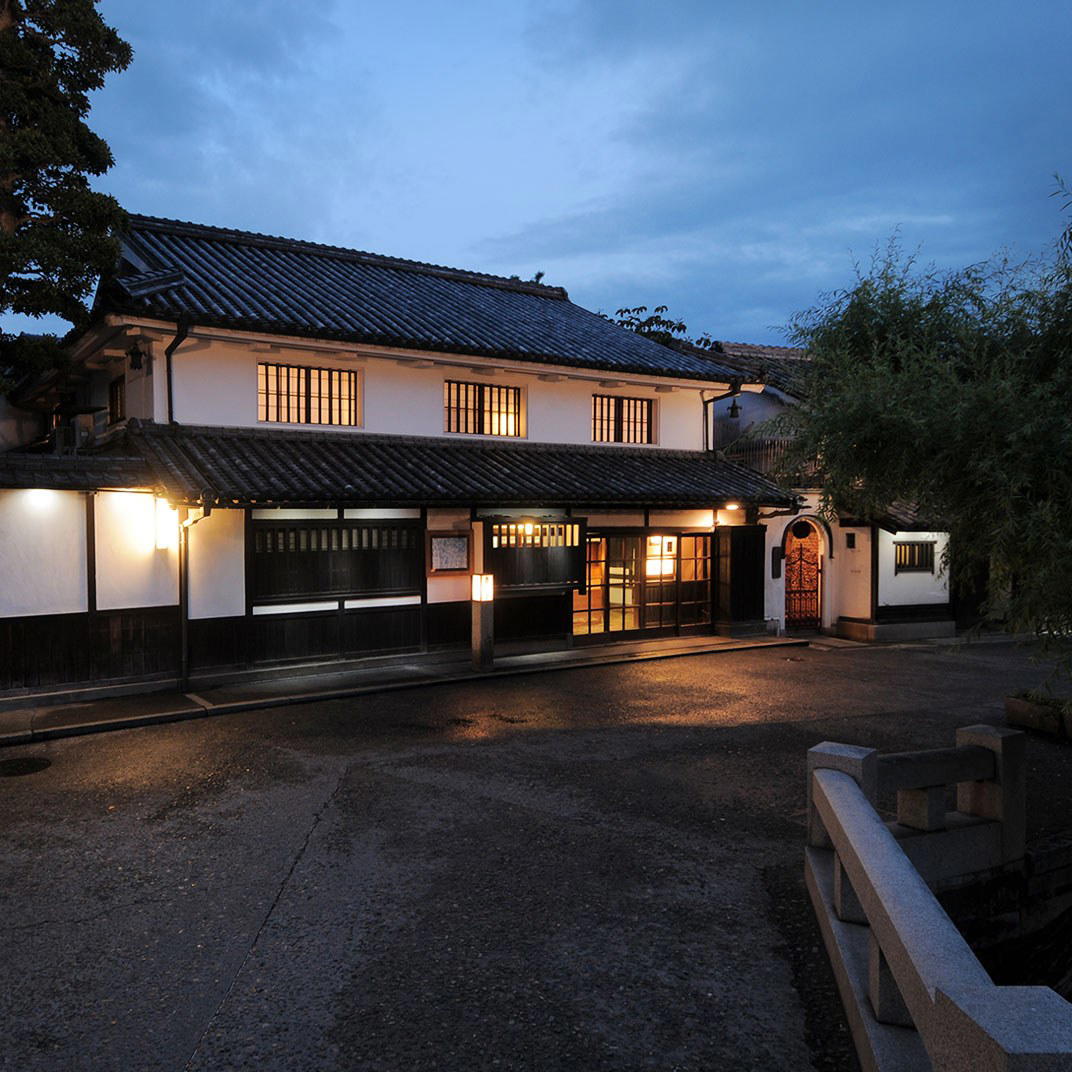
Sanuki Ramen Hamando gives Mitoyo a ramen address with serious regional weight: a Tabelog Ramen WEST “Tabelog 100” selection in 2025, with prior selections across multiple years. The appeal is less about urban theatre than Kagawa context, where noodle culture, modest pricing, counter seating, and a house-restaurant setting make the bowl feel grounded in place.
Pearl is the En Primeur Club membership app — saves, bookings, and concierge access live there. Same editors, same standards.
- Address
- 3873-1 Minocho Omi, Mitoyo, Kagawa 767-0031, Japan
- Phone
- +81 875-72-1985
- Website
- sukhaavatii.wixsite.com
- Directions
- Get directions
 Saves & bookings on Pearl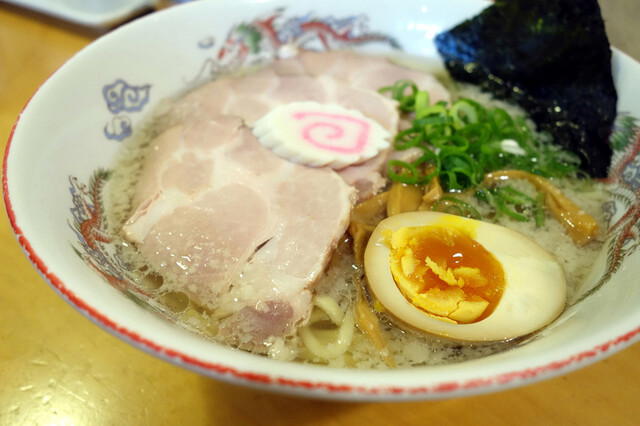
The approach to ramen in Mitoyo is quieter than the queue-driven theatre of Japan’s larger cities. Low buildings, local roads, and the rhythm of Kagawa’s noodle country set a different tempo: here, wheat culture is not a trend but daily infrastructure. Sanuki Ramen Hamando sits inside that context, in a local ramen setting where the format feels closer to regional habit than destination dining choreography.
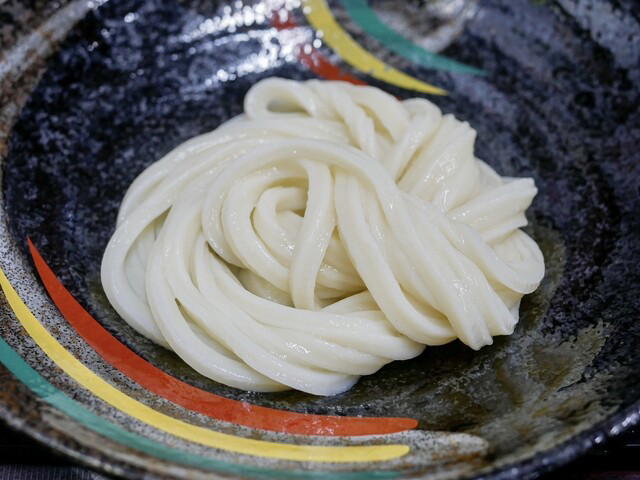
Kagawa is better known nationally for Sanuki udon, and that matters. A ramen shop operating in this prefecture is not competing only with other ramen venues; it is also answering a local palate trained on firm noodles, clear value, and quick daytime meals. That tension gives the city’s ramen scene its interest. The bowl has to justify itself in udon territory, where noodle texture and broth discipline are judged without ceremony.
Ramen in Sanuki udon country is judged by noodle logic first
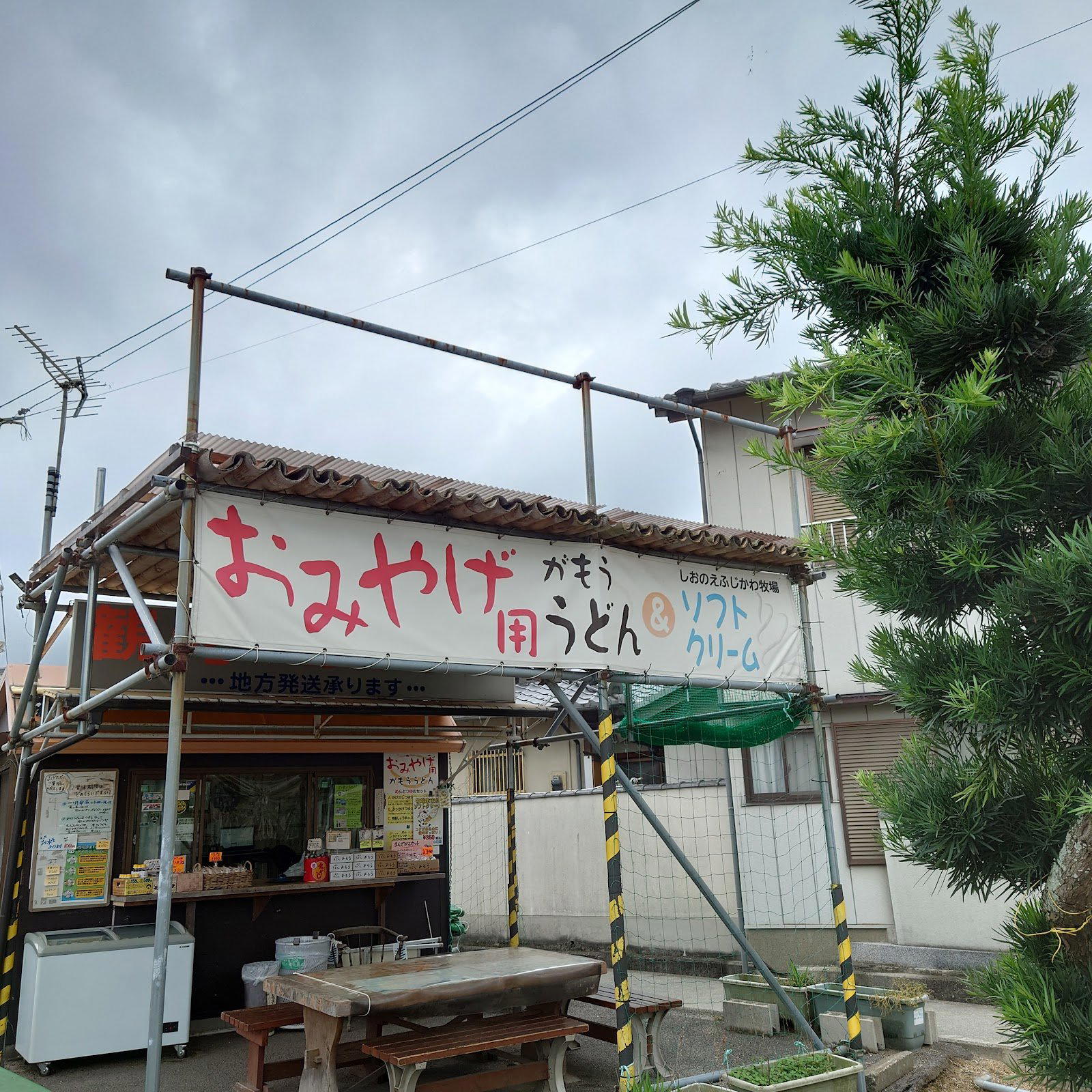
Mitoyo’s wider dining identity leans heavily toward everyday noodle craft. Nearby udon addresses such as Honkaku Teuchi Udon Mori, Miyoshi Udon, and other local noodle rooms show how strongly the area’s casual dining culture is built around flour, water, and timing. Against that background, ramen cannot rely on novelty. It has to read as a serious noodle meal in a prefecture that already has a demanding noodle vocabulary.
The regional ingredient story is therefore less about luxury sourcing and more about fit. Kagawa’s food culture rewards clarity, speed, and texture: qualities that translate naturally into ramen when the shop keeps the format focused. The point is not to mimic udon, but to make ramen persuasive in a place where diners already know what a proper noodle should do. That is why recognition in Tabelog’s ramen field carries weight here. It places the shop within Japan’s ramen conversation while leaving its local identity intact.
The Tabelog Hyakumeiten recognition provided for 2025 gives the address a clear signal within a crowded category. In Japan’s ramen world, that kind of selection matters because the category is price-sensitive and unforgiving. A venue can be praised once for novelty; remaining persuasive to regular diners depends on consistency in a field where drift is noticed quickly.
A compact ramen stop with noodle-shop logic, not destination theatrics
The setting suits the food. The useful way to read Sanuki Ramen Hamando is through ramen’s natural register: quick, close to the bowl, and focused on the meal rather than on long-form restaurant theatre. In Mitoyo, that keeps the experience connected to local daily use rather than special-occasion dining.
For this tier of ramen, the better strategy is to think like a noodle-country diner: arrive with flexibility, avoid treating the meal as a long booking-dependent event, and accept that turnover is part of the form. The listed budget remains modest, with dinner shown at up to JPY 999 and lunch in the JPY 1,000 to JPY 1,999 range, so the value equation sits closer to local routine than premium tasting-menu culture.
Practical details matter in regional Japan, and visitors should verify current access, payment, and operating information before making a special trip. The public listing identifies Sanuki Ramen Hamando as a ramen venue in Mitoyo, with a Tabelog score of 3.69 and phone contact listed as +81-875-72-1985. That is enough to frame it as a serious local stop, while leaving day-of logistics to current venue information.
Where it fits in a Mitoyo food day
For travellers, the sharper question is not whether to eat ramen or udon in Mitoyo. The answer is to understand how each reveals the area differently. Udon addresses show the prefecture’s foundational noodle grammar; this ramen venue shows how that grammar can pressure another form into discipline. That makes the stop especially useful for visitors building a food day around contrast rather than accumulation.
Use Our full Mitoyo restaurants guide to place the meal among the city’s other dining options, then match the day with Our full Mitoyo hotels guide, Our full Mitoyo bars guide, Our full Mitoyo wineries guide, and Our full Mitoyo experiences guide. The wider Japan file ranges across regional restaurants and city dining rooms, from coastal noodle towns to major urban dining. For Japanese food culture outside Japan, compare the editorial lens with other international examples covered elsewhere in the guide.
The editorial case is clear: Sanuki Ramen Hamando is not interesting because Mitoyo lacks noodles. It is interesting because Mitoyo has such a strong noodle culture that ramen has to earn its place. Tabelog Hyakumeiten recognition for 2025, modest pricing, and a Mitoyo setting put it in the category of regional ramen addresses that make sense precisely where they are.
How It Stacks Up
Comparable venues by cuisine and price in the same metro.
| Venue | Cuisine | Price | Notes |
|---|---|---|---|
| Sanuki Ramen Hamando | Sanuki-style Ramen | $ | Minocho Omi |
| 須崎食料品店 | Traditional Sanuki Udon | $ | 高瀬町上麻 |
| Honkaku Teuchi Udon Mori | Sanuki udon shop | $ | Takase-cho |
| SIRAKAWA | Sanuki udon noodle shop | $ | .null |
| Miyoshi Udon | Traditional Sanuki Udon Shop | $ | Takasecho Hiji |
| 旭がのぼるまで | Miso Ramen | $ | Susukino |
Recognition history
Dated appearances from independent guides and award organizations, with the underlying list record or original source where available.
Tabelog 100 #60 · No. 60
Tabelog · Tabelog 100 - Ramen - WEST - 2025
Continue exploring
More in Mitoyo
Restaurants in Mitoyo
Browse all →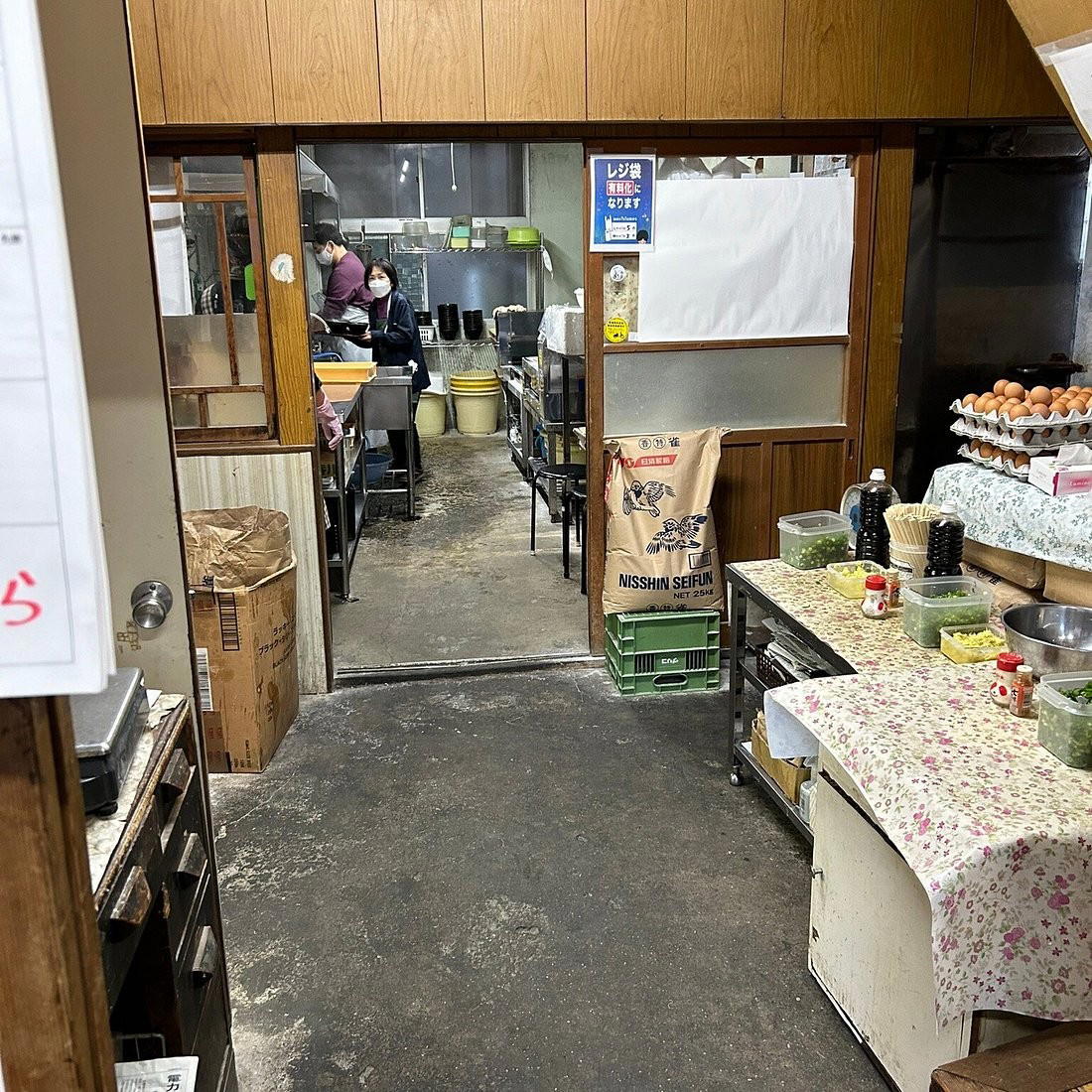
At a Glance
- Cozy
- Classic
- Solo
- Family
- Casual Hangout
- Group Dining
- After Work
- Standalone
- Design Destination
- Local Sourcing
Current opening hours
- Monday
- 11 AM–3 PM
- Tuesday
- 11 AM–3 PM
- Wednesday
- Closed
- Thursday
- 11 AM–3 PM
- Friday
- 11 AM–3 PM
- Saturday
- 11 AM–3 PM
- Sunday
- 11 AM–3 PM
Hours can change for holidays and private events. Last verified .
Know Before You Go
- Reservations
- Walk in friendly
- Getting there
- 3873-1 Minocho Omi, Mitoyo, Kagawa 767-0031, Japan