
A house-restaurant udon stop in Enzacho with 36 seats, counter and tatami seating, and recognition in Tabelog’s Udon Kagawa 100 selection for 2024. Miyatake Udon belongs to Kagawa’s self-service, noodle-first tradition, where value is measured less by luxury cues than by turnover, texture, and how directly the bowl expresses Sanuki udon culture.
Pearl is the En Primeur Club membership app — saves, bookings, and concierge access live there. Same editors, same standards.
- Address
- 340-1 Enzacho, Takamatsu, Kagawa 761-8044, Japan
- Phone
- +81 87-886-0939
- Website
- miyatakeudon.com
 Saves & bookings on Pearl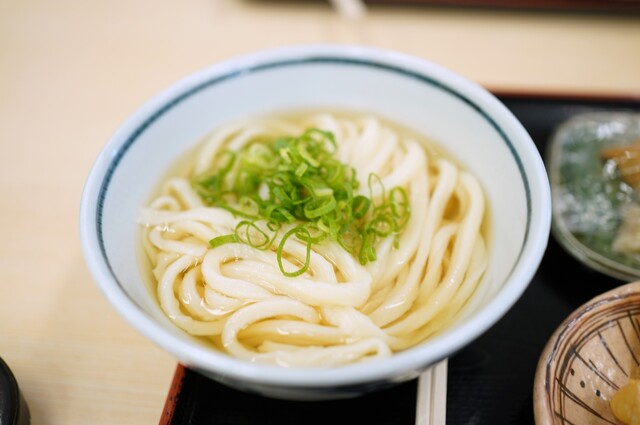
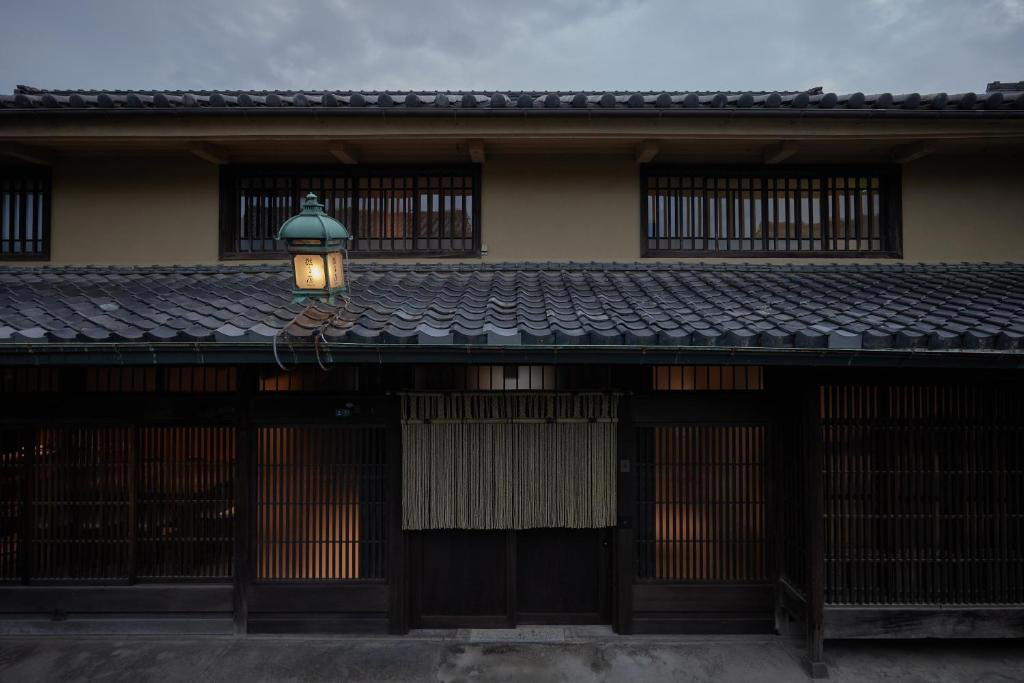
Approaching a Kagawa udon shop often means leaving the polished dining-room grammar of major Japanese cities behind. The cues are practical: a house-style setting, counter seats, family tables, a tatami area, and a rhythm built around quick meals rather than ceremony. Miyatake Udon fits that local grammar. It is not trying to translate Sanuki udon into a premium tasting format; it keeps the experience close to the everyday form that made Takamatsu a serious noodle city in the first place.
That matters because Sanuki udon is a value cuisine before it is a destination cuisine. The pleasure is in wheat, chew, broth temperature, and the small decisions around tempura or take-out, not in staged luxury. In Kagawa, a low-cost bowl can carry more regional authority than a far more expensive meal elsewhere, especially when the shop has enough local recognition to sit within the Tabelog 100 Udon Kagawa 2024 selection. Miyatake Udon’s Tabelog score of 3.77 places it in a competitive local field where small differences in noodle texture and service flow are scrutinised by regulars.
Sanuki udon's value test: texture, turnover, and restraint
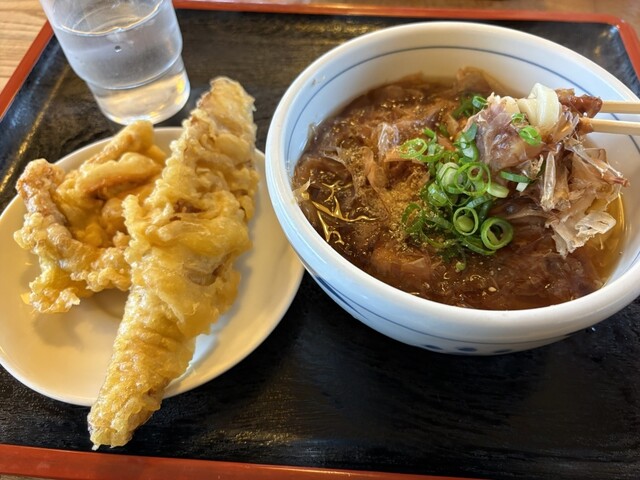
Takamatsu’s udon culture rewards places that understand repetition. A 36-seat room with counter seating, tables, and tatami space tells its own story: this is a format designed for solo diners, families, and small groups moving through at pace. That is not a downgrade from fine dining; it is the operating logic of the cuisine. The shop’s category pairing of udon and tempura also reflects the standard Kagawa equation, where the bowl forms the centre and fried add-ons adjust appetite rather than rewrite the meal.
The useful comparison is not with Tokyo’s chef-led noodle rooms or Kyoto’s atmospheric dining houses. It is with nearby Takamatsu udon specialists working in the same low-price band, including Teuchi Udon Shimizuya, Marutani Seimen, Kona Ya, Yokokura Udon, and Udon Ippuku. In that company, the point is not extravagance. The point is whether the shop delivers enough noodle character, speed, and consistency to justify a stop in a prefecture where udon competition is unusually dense.
Miyatake Udon’s recognition across Tabelog’s udon lists, including selections in 2017, 2018, 2020, 2022, and the Kagawa 2024 edition, gives it a clearer signal than simple neighbourhood popularity. Tabelog recognition is not Michelin-style theatre, but in Japan it is a useful marker for regional specialities where local diners and repeat visits shape reputation. For a traveller building a Takamatsu eating map, that kind of repeated selection carries practical weight.
A house-restaurant format in a city that treats udon as infrastructure
The room’s practicality is part of the appeal. Counter seats make sense for solo bowls; larger tables and tatami seating make the meal easy for families and groups. Non-smoking status, take-out service, and children-welcome positioning further place it in the daily-use category rather than the occasion-dining category. Kagawa udon shops often function almost like civic infrastructure: quick, affordable, regionally specific, and woven into routine movement through the city.
That is also why the house-restaurant setting feels appropriate. Takamatsu’s udon scene is not concentrated only in polished central addresses. Many of its serious noodle stops sit in residential or roadside pockets, where parking, turnover, and access matter as much as décor. The restaurant’s Enzacho location belongs to that pattern. It asks the visitor to meet the cuisine on local terms, away from the easiest tourist grid.
The value proposition is therefore not a bargain-hunt cliché. It is a different hierarchy of quality. In a Sanuki udon context, price discipline, short service windows, and a modest room can signal focus rather than limitation. The meal succeeds or fails on the noodle bowl and the supporting tempura category, with little room for distraction. That narrowness is the reason udon in Kagawa remains compelling: the format is simple enough to reveal small differences.
How to place it within a Takamatsu itinerary
For a broader read on the city’s dining range, start with Our full Takamatsu restaurants guide, then compare nearby udon and casual standards such as Azuma, Chikusei Honten, Furukawa Udon, and Furusato Udon. Fumiya Okonomiyaki Honten gives a useful contrast: another casual Japanese staple, but one built around griddle cooking rather than wheat-noodle discipline.
Travellers using Takamatsu as more than a lunch stop should pair the restaurant map with Our full Takamatsu hotels guide, Our full Takamatsu bars guide, Our full Takamatsu wineries guide, and Our full Takamatsu experiences guide. For a national comparison of casual Japanese formats, set the udon model against -Grilled beef Sukiyaki- KAMAKURA TANUKIAN 鎌倉 たぬき庵 in Kamakura. 鮪と炭火焼き うお炭 秋葉原店 in Tokyo.cafe in Osaka.know in Kumamoto, (Shoku) Vietnam in Kawasaki, [Curry Senmon Ten] Maruyama Kyoju. in Sapporo, Jōdo Saké Bar in Los Angeles, and Onigiri Time in Pasadena. The comparison clarifies what Kagawa does differently: it treats an inexpensive noodle bowl as a regional benchmark, not a secondary meal.
The editorial case for the restaurant is strongest for travellers who care about food systems as much as single addresses. Its appeal lies in the compactness of the proposition: udon, tempura, daily-use seating, take-out, and repeated Tabelog udon recognition in a prefecture that judges this category with unusual seriousness. In Takamatsu, that is enough to merit attention.
Reputation First
Comparable venues to calibrate price, style, and recognition.
| Venue | Cuisine | Price | Notes |
|---|---|---|---|
| Miyatake UdonThis venue — the venue you are viewing | Traditional Sanuki udon shop | $ | Not listed |
| Teuchi Udon Santoku | Sanuki hand-made udon | $ | Takamatsu |
| Teuchi Udon Fugetsu | Traditional Sanuki Udon | $ | Takamatsu |
| Ikegami Seimensho | Sanuki Udon | $ | Takamatsu |
| Teuchi Udon Hisaeda | Traditional Sanuki udon | $ | Takamatsu |
| Udon Sakaeda | Sanuki Udon | $ | Takamatsu |
Recognition history
Dated appearances from independent guides and award organizations, with the underlying list record or original source where available.
Tabelog 100 #54 · No. 54
Tabelog · Tabelog 100 - Udon - KAGAWA - 2024
Continue exploring
More in Takamatsu
Restaurants in Takamatsu
Browse all →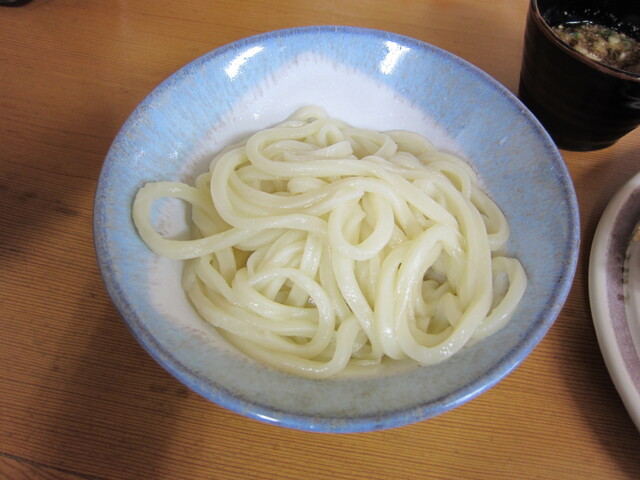

At a Glance
- Classic
- Rustic
- Solo
- Family
- Group Dining
- Casual Hangout
- Standalone
- Local Sourcing
Current opening hours
- Monday
- 9:30 AM–3 PM
- Tuesday
- 9:30 AM–3 PM
- Wednesday
- Closed
- Thursday
- 9:30 AM–3 PM
- Friday
- 9:30 AM–3 PM
- Saturday
- 9:30 AM–3 PM
- Sunday
- 9:30 AM–3 PM
Hours can change for holidays and private events. Last verified .
Simple, no-frills house-like udon shop with counter, tables, and tatami room; bright and functional rather than decorative, with a busy but friendly atmosphere typical of popular self-service Sanuki udon restaurants.