Our verdict
Miss Kô occupies a prominent address on Avenue George V in Paris's 8th arrondissement, positioning itself within a neighbourhood defined by haute cuisine institutions and hotel dining rooms of the highest order. The restaurant draws on Asian culinary traditions within a distinctly Parisian setting, making it a point of reference for how the city's premium dining scene handles cross-cultural cooking at address-conscious price points.

Pearl is the En Primeur Club membership app — saves, bookings, and concierge access live there. Same editors, same standards.
The menu
What to order
- Gyoza with Beef Bourguignon
- Gyoza with Foie Gras
- Black Salmon & Kô Burger
- Sashizza
- Lobster and Coriander Sushi Roll
- Beef Tataki
Avenue George V and the Art of Address
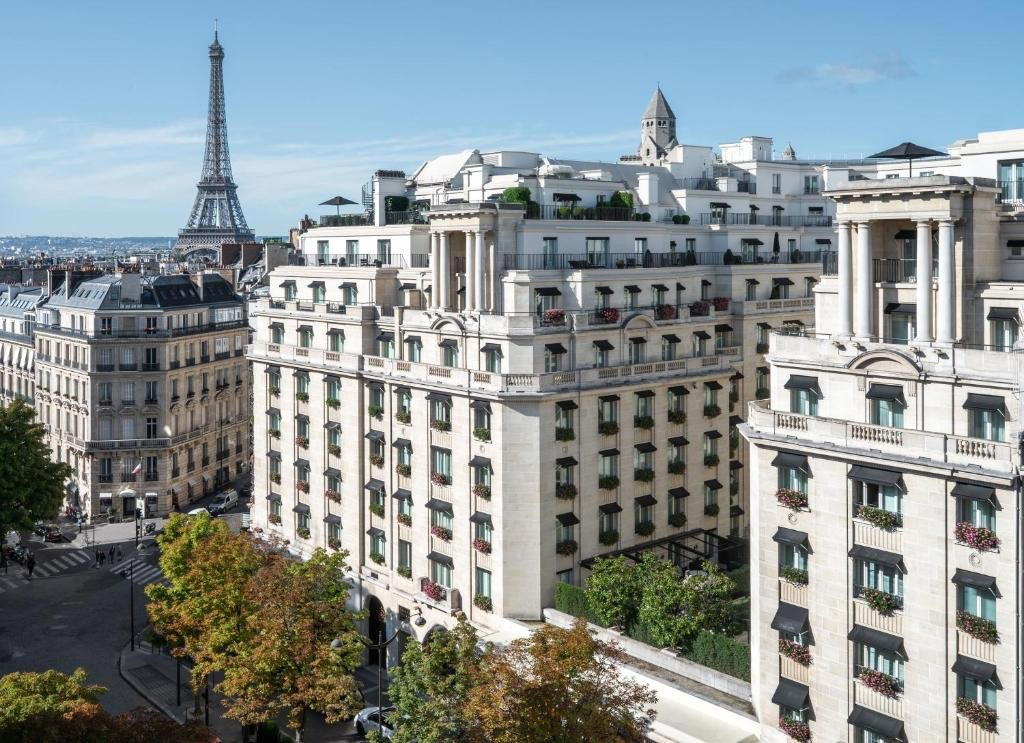
The 8th arrondissement has long operated as a kind of barometer for where Paris places its highest dining ambitions. Avenue George V in particular carries a concentration of serious restaurants that price and position against one another in ways few other streets in Europe can match. Miss Kô, at 49-51 Avenue George V, occupies the same street with a different proposition: a room built for Asian-inflected cooking at a scale and finish that the neighbourhood demands.
In a city where the dominant grammar of premium dining still runs through classical French technique, venues that draw on East and Southeast Asian traditions occupy a specific and commercially pressured niche. Paris has become genuinely sophisticated about this category over the past decade, and the 8th arrondissement has been one of the proving grounds. The question for any restaurant in this position is whether the address amplifies the food or simply inflates the cover charge. On Avenue George V, that tension is a structural feature of the dining environment, not an exception to it.
The Room as Editorial Statement
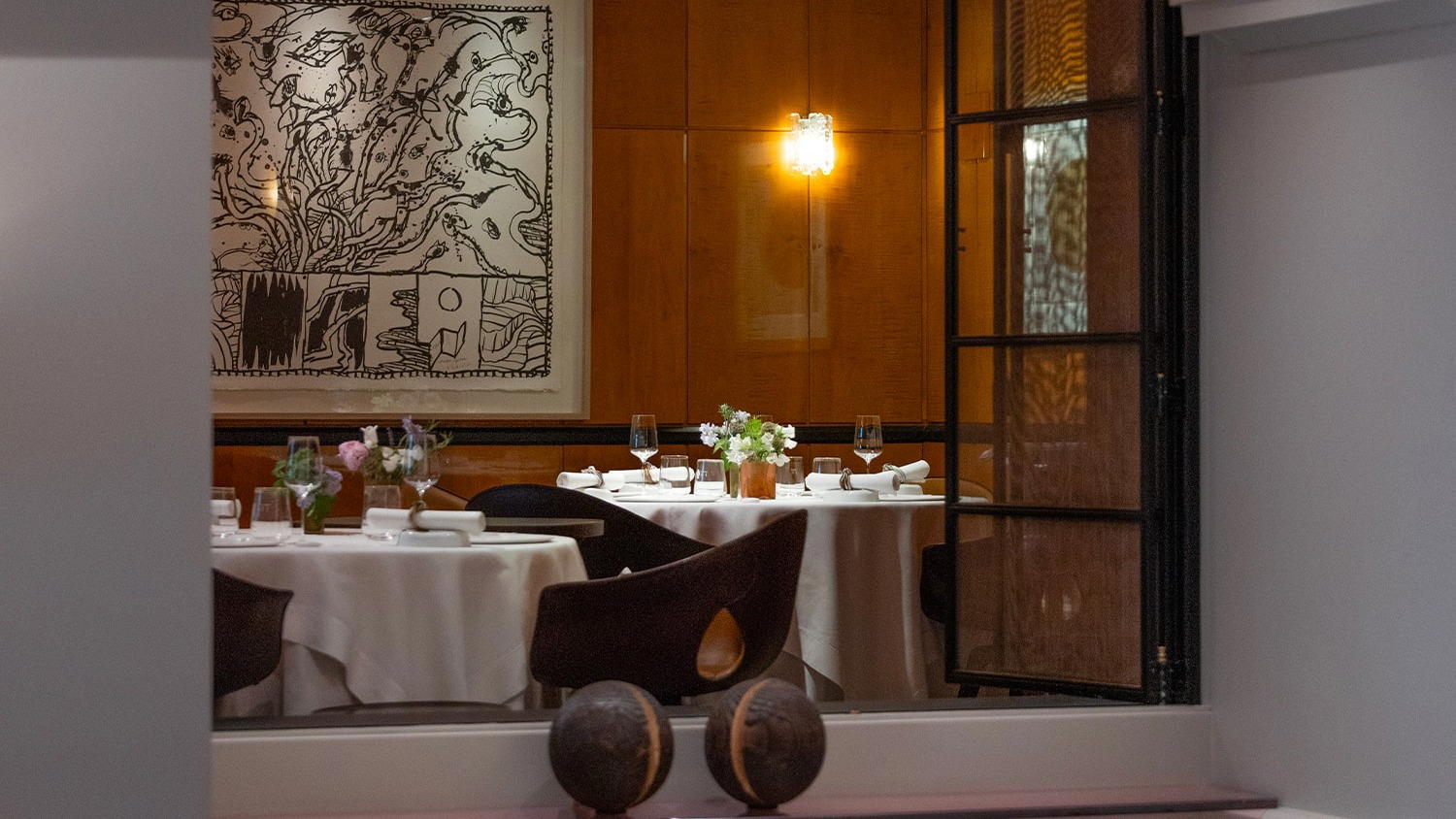
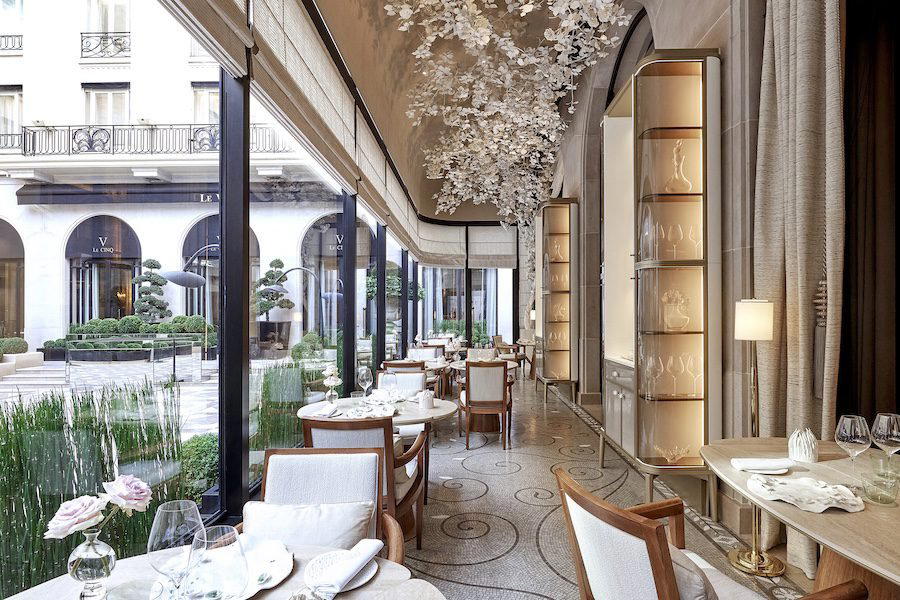
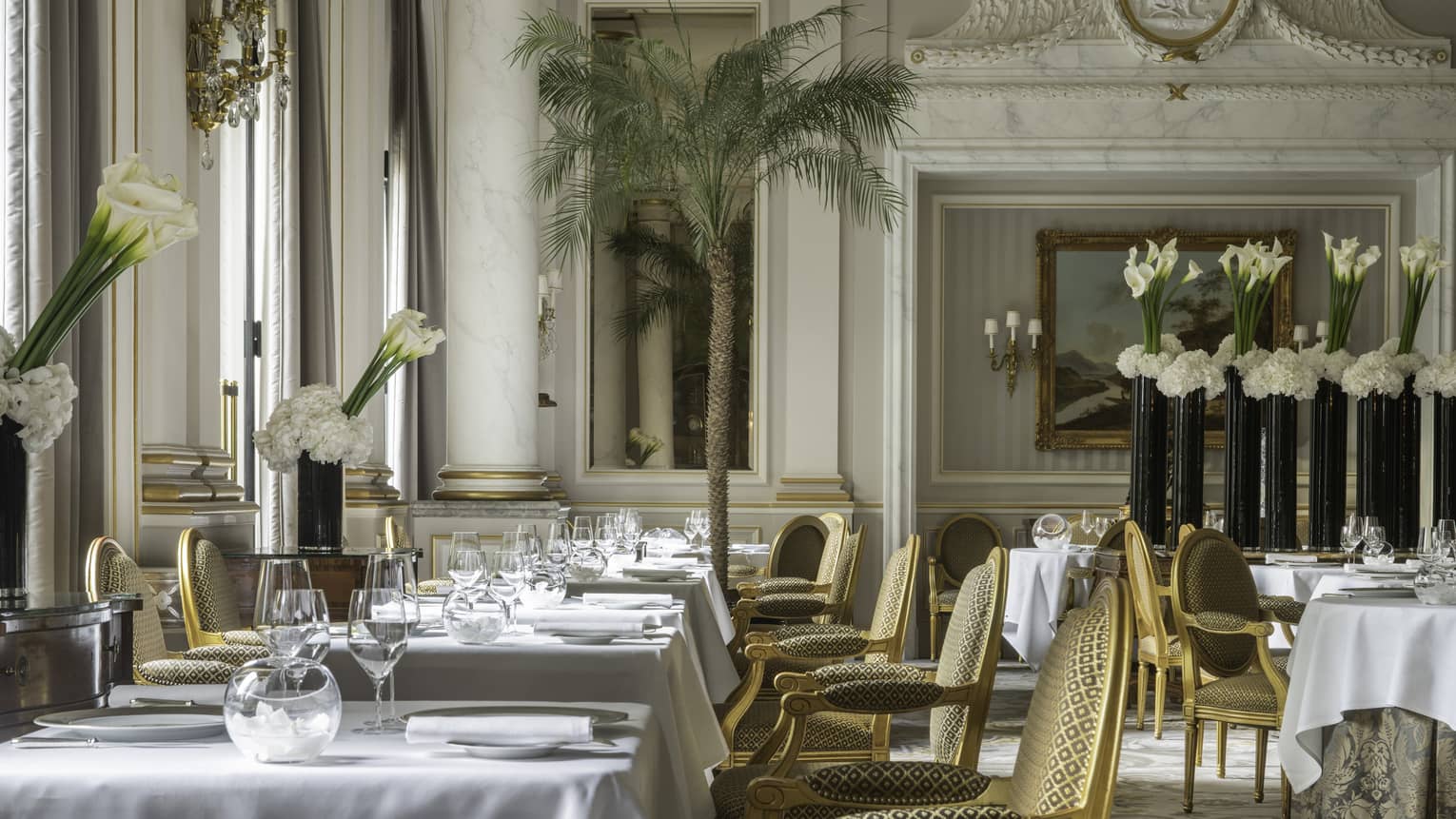
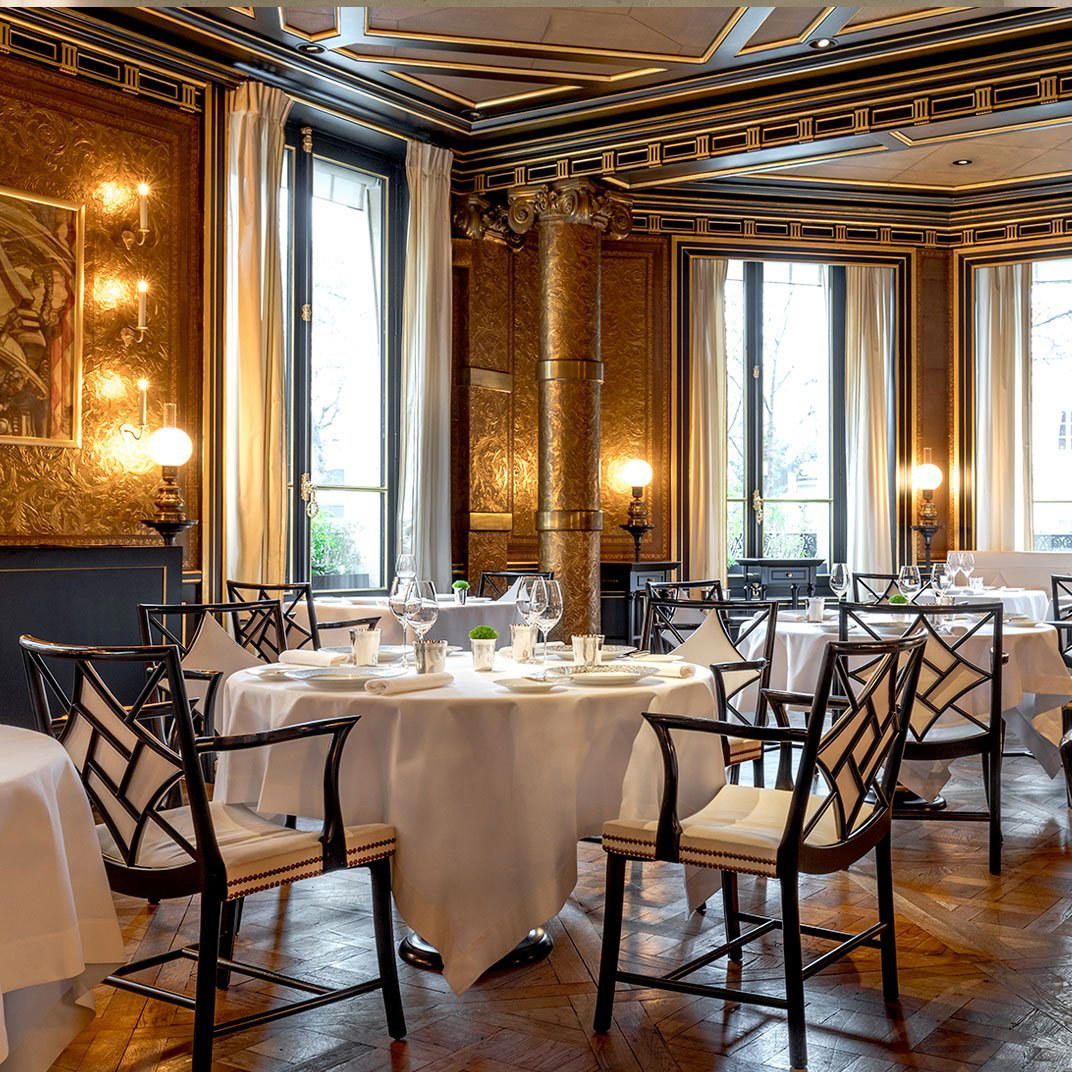
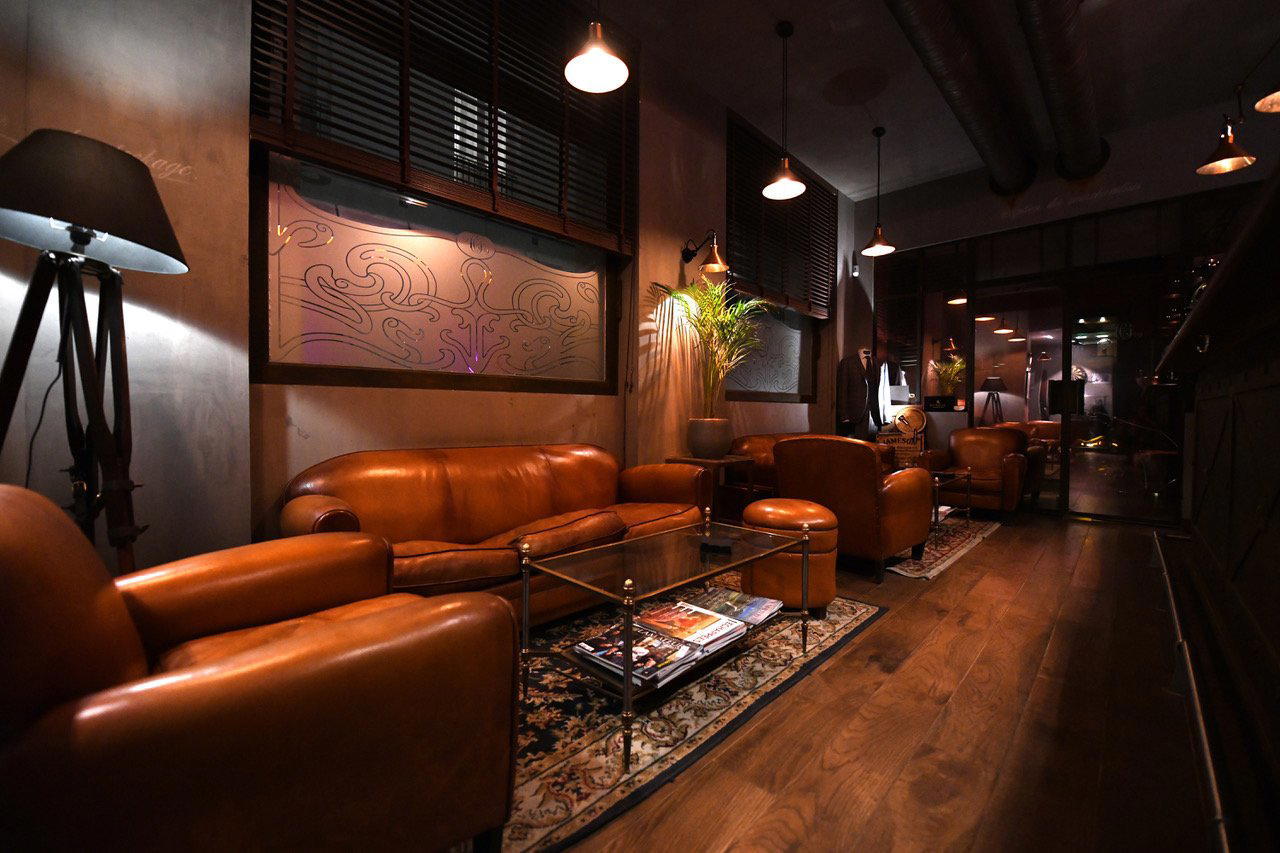
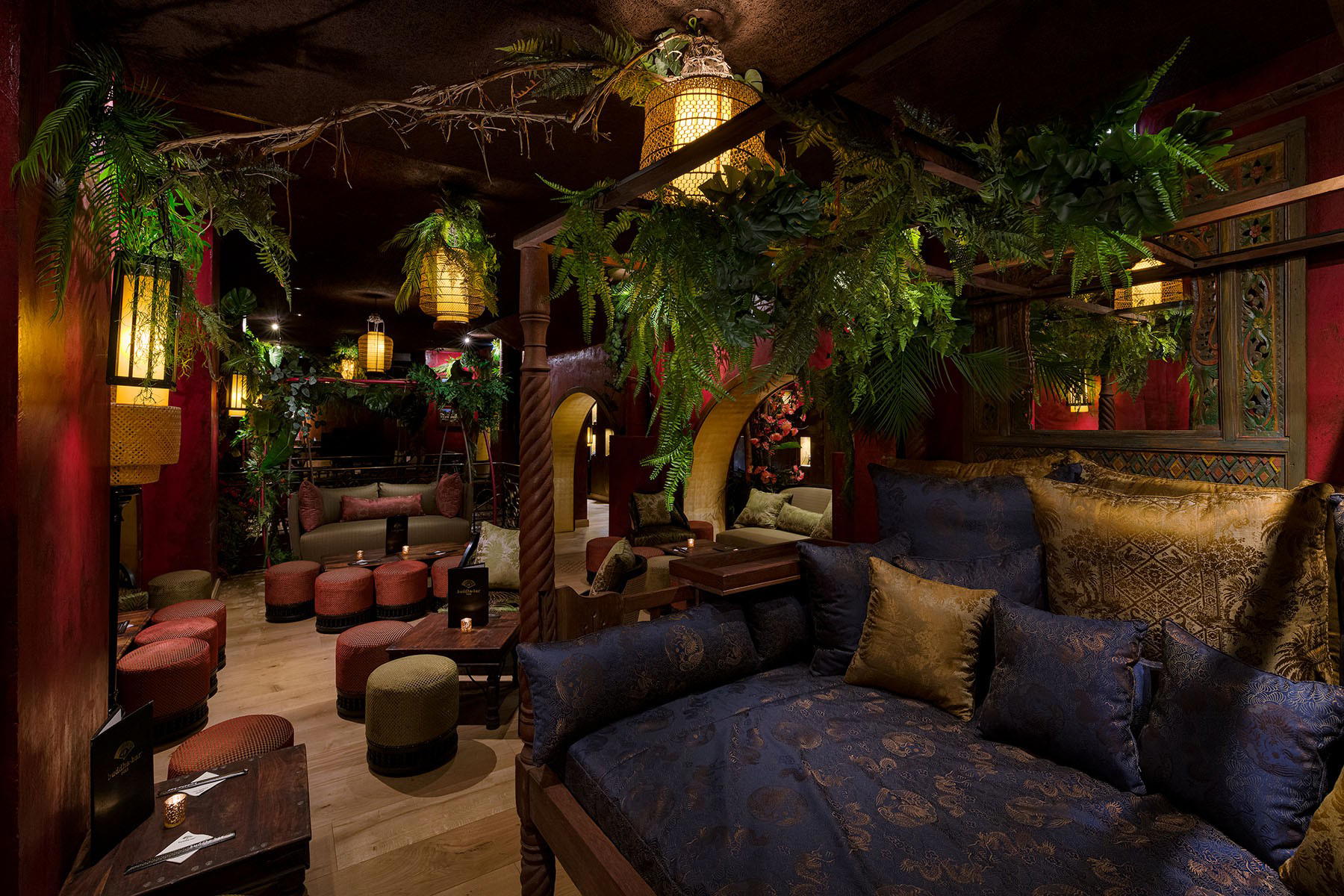
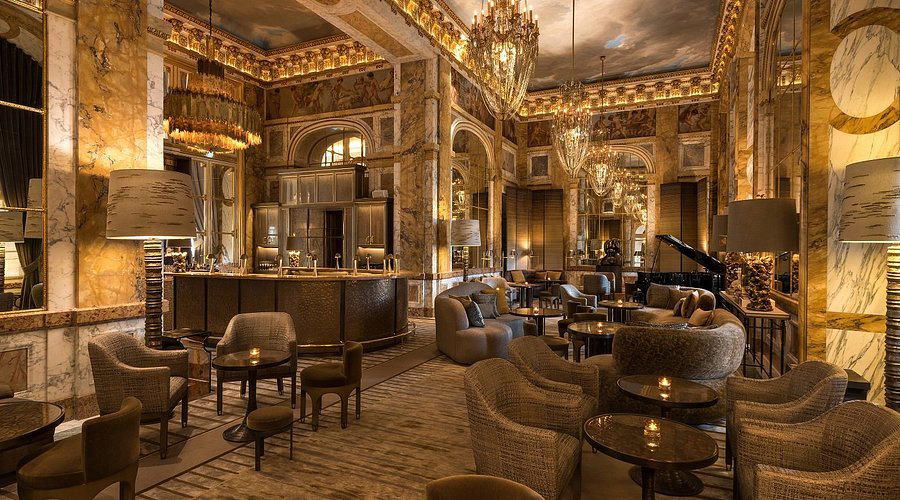
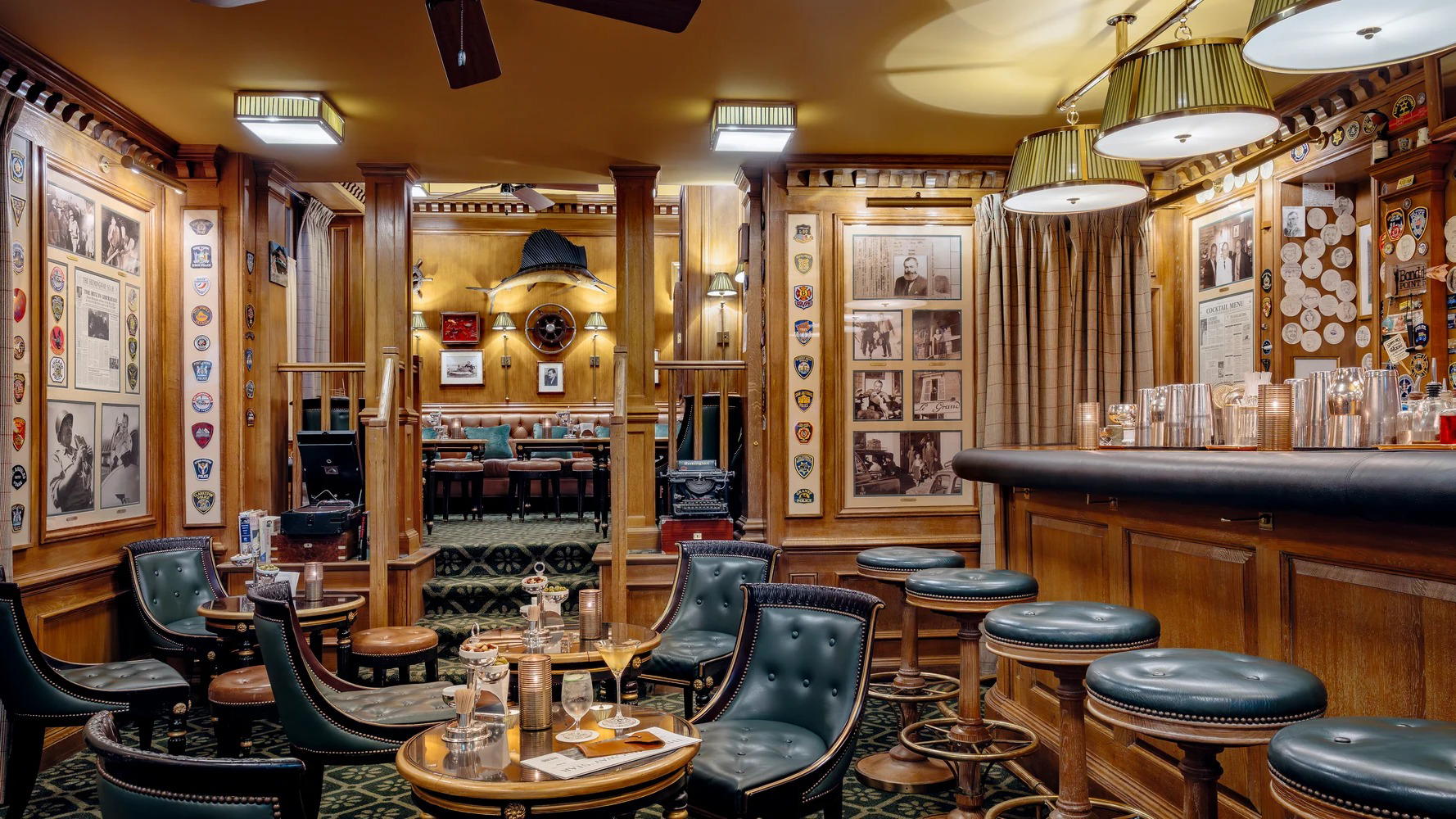
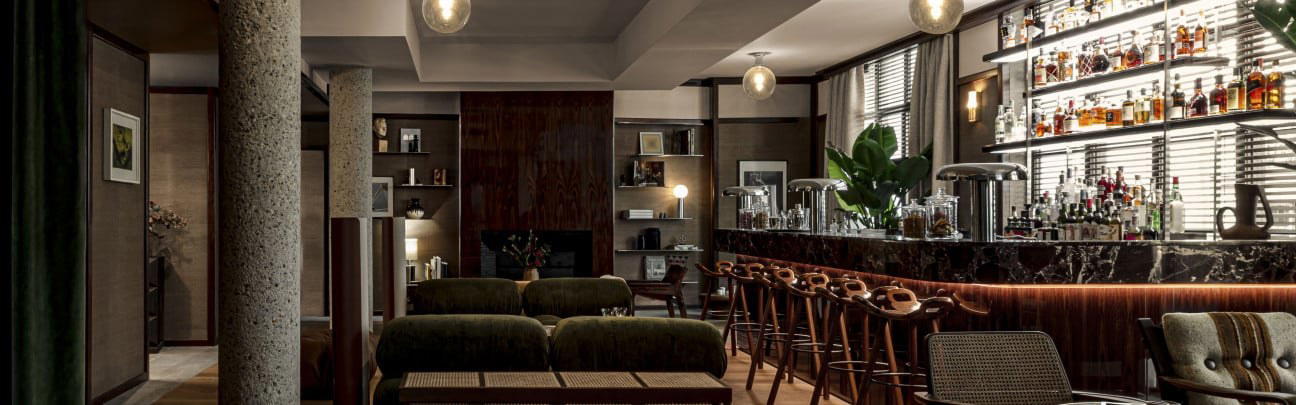
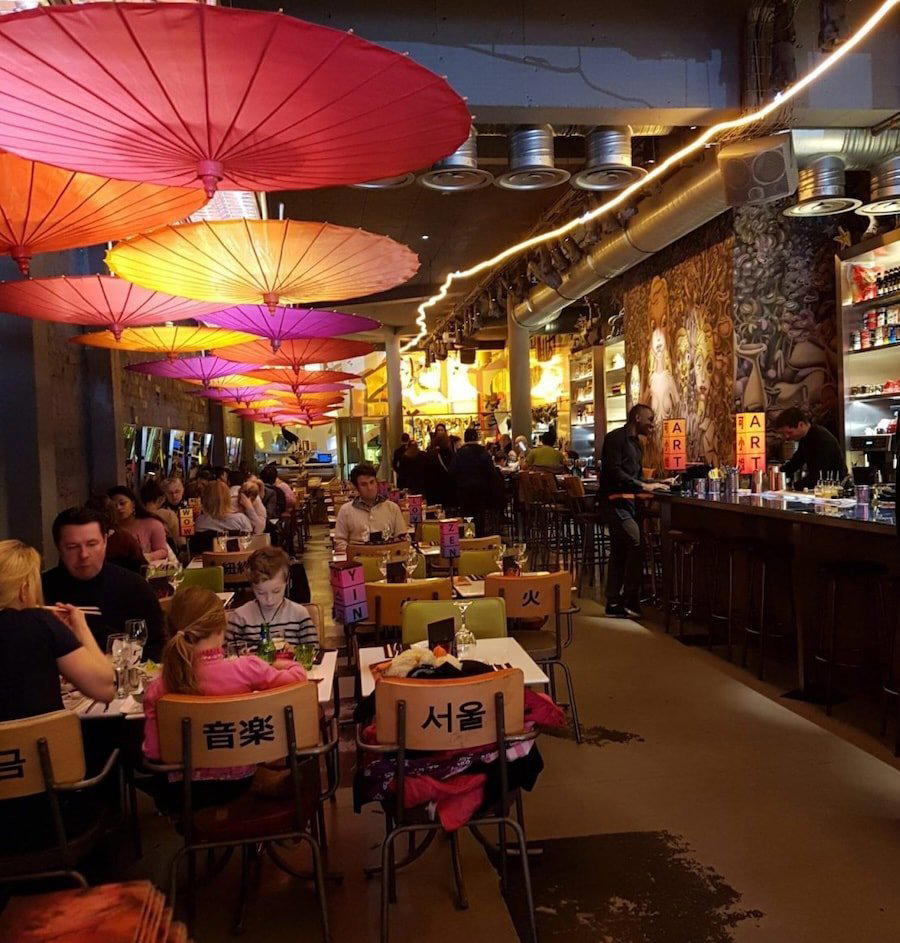
Approaching Miss Kô from the street, the scale of the space signals something more ambitious than a neighbourhood Asian restaurant. The interior design operates in the register that Paris's premium Asian dining rooms have converged on: high ceilings, considered lighting, materials that read as luxurious without defaulting to the gilt-and-lacquer shorthand that defined an earlier generation of such spaces. This is a room designed to hold its own in a neighbourhood where Alléno Paris au Pavillon Ledoyen and Arpège set the visual standard for what serious dining investment looks like.
The design calculus matters because in Paris's 8th, the room is never incidental. Guests arriving from the George V metro or from the hotels lining this stretch of the avenue bring expectations shaped by some of the most formally appointed dining rooms in the world. A restaurant at this address is always, to some degree, selling its context as much as its kitchen.
Wine in a Cross-Cultural Setting: Where the List Carries the Argument
One of the more interesting editorial questions in Paris's premium Asian dining segment is how wine lists are constructed when the food doesn't default to French classical structure. The natural wine pairing logic that carries a three-course French menu through its arc doesn't map cleanly onto dishes built around fermented sauces, aromatic spicing, or umami-forward broths. The sommelier's task in a room like Miss Kô's is consequently more demanding than in a conventional French context: the list needs to function both as a statement of ambition for guests who want to drink seriously, and as a practical navigation tool for pairing across flavor profiles that French cellars weren't historically designed to meet.
Across Paris's better Asian dining rooms, the approach has split broadly into two camps. The first maintains a classically French-weighted list and leaves the pairing logic to the sommelier's table-side judgment. The second builds deliberately toward high-acid whites, orange wines, and lighter-structured reds that have shown empirical compatibility with the broader pan-Asian flavor register. Both approaches have merit; the choice reveals something about how a restaurant understands its own guest. A list that skews toward Alsace, the Loire, and Burgundy's cooler expressions will generally perform better across Asian food profiles than one anchored in Bordeaux weight and new-oak Rhône. Champagne, particularly grower producers with saline minerality, has become something of a default opener at this tier across Paris.
For reference, Kei, which occupies a comparable cross-cultural position in Paris with its French-Japanese synthesis and Michelin recognition, has navigated this question by staying close to classical French wine logic while letting the kitchen do the cross-cultural work.
Situating Miss Kô in the Broader French Dining Map
Paris's premium dining map now extends well beyond the capital, and the restaurants that define French cooking at the highest level are distributed across regions with distinct culinary identities. Mirazur in Menton and AM par Alexandre Mazzia in Marseille represent the Mediterranean register; Flocons de Sel in Megève and Troisgros in Ouches anchor the Alpine and Burgundian traditions; Auberge de l'Ill in Illhaeusern, Au Crocodile in Strasbourg, and Assiette Champenoise in Reims define the northeastern corridor. Further south, Auberge du Vieux Puits in Fontjoncouse and Bras in Laguiole represent the terroir-driven south. Paul Bocuse's Auberge du Pont de Collonges near Lyon remains the symbolic anchor of the classical tradition.
Within Paris itself, Miss Kô operates in a different competitive lane from these classically French addresses, but the same guest often moves between them. The 8th arrondissement visitor who books L'Ambroisie on Place des Vosges for one evening may well be looking for something tonally different the next night. That's the segment Miss Kô is positioned to serve: guests with serious dining expectations who want a departure from the French classical grammar without leaving behind the production values it implies.
For international reference points, the cross-cultural premium dining question plays out differently in New York, where Le Bernardin and Atomix represent opposite ends of the spectrum. Atomix in particular has shown how rigorous Korean-influenced tasting menu cooking can carry full fine-dining weight on its own terms, a model that Paris's Asian dining rooms are still negotiating in their own way.
See our full Paris restaurants guide for the broader picture across arrondissements and price tiers.
Planning Your Visit
Miss Kô is located at 49-51 Avenue George V in the 8th arrondissement, within walking distance of the George V metro station (Line 1) and the cluster of luxury hotels that defines this section of the Right Bank. The address draws an international clientele, so booking ahead is advisable, particularly during the spring and autumn seasons when Paris's premium restaurant seats compress significantly against fashion week and trade event calendars. Contact details and current booking availability should be confirmed directly through the restaurant or a concierge with current access to reservations.
Quick reference: 49-51 Av. George V, 75008 Paris. Nearest metro: George V (Line 1). Advance booking recommended.
Frequently asked questions
Where do I go for Miss Kô?
Miss Kô is located at 49-51 Av. George V, 75008 Paris, France, Paris.
What kind of dining experience does Miss Kô offer compared to other Asian restaurants in Paris's 8th arrondissement?
Miss Kô occupies a notably larger footprint than most Asian restaurants operating at a premium level in Paris, with its Avenue George V address placing it alongside some of the city's most high-profile dining real estate. It functions less as a destination for quiet precision dining and more as a full-evening venue where the room and energy are part of the proposition.
What should I eat at Miss Kô?
The menu at Miss Kô draws from pan-Asian culinary traditions, and the kitchen's approach reflects the ambitions you'd expect from a venue positioned on Avenue George V in the 8th arrondissement. Without advance knowledge of the current menu, the safest strategy is to ask the front-of-house team for what's performing well that week. Larger-format sharing dishes tend to define the experience at restaurants of this scale and concept.
How far ahead should I plan for Miss Kô?
Miss Kô sits on one of Paris's most commercially dense restaurant corridors, and demand at this address reflects the neighbourhood's profile. For weekend evenings, booking two to three weeks ahead is a reasonable working assumption. Midweek lunch slots on Avenue George V tend to open with shorter notice, though prime evening covers move quickly.
What has Miss Kô built its reputation on?
Miss Kô has positioned itself within Paris's premium Asian dining segment, occupying a large-format space at 49-51 Avenue George V where the room itself functions as part of the statement. In the 8th arrondissement, where real estate and clientele both demand a clear point of view, the venue's scale and address have shaped its standing as much as any single element of the menu.
Can Miss Kô handle vegetarian requests?
Pan-Asian formats of this breadth typically carry enough vegetable-forward dishes, dim sum options, and plant-based preparations to accommodate vegetarians without significant compromise. That said, dietary requests at a restaurant at this level are best confirmed directly with the team when making your reservation, as current menu compositions shift seasonally.
Is Miss Kô worth it?
The address at 49-51 Avenue George V sets a clear expectation: this is not a casual drop-in. If the combination of a large, design-forward interior, pan-Asian cooking, and placement in one of Paris's most visited dining corridors aligns with what you're looking for, the case for going is solid. Those seeking a quieter, more intimate setting will want to weigh the format before booking.
City Peers
Comparable venues nearby, for context on price, style, and recognition.
| Venue | Cuisine | Price | Notes |
|---|---|---|---|
| Miss KôThis venue — the venue you are viewing | Asian Fusion with Japanese & European Influences | $50–100 | Not listed |
| SHIRO | Franco-Japanese Fusion | Not listed | 6th Arrondissement |
| Cendrillon | Global Fusion Grill | $50–100 | Belleville |
| Reyna | Modern Filipino Fusion | $30–50 | 11th arrondissement |
| Restaurant Pilou Cantine Paris 11 | Fusion Vietnamese-Niçoise-French Bistro | $20–30 | Republique |
| Café Singuliers | Modern Fusion Cantine | $20–30 | Bastille |