Our verdict
On a quiet street in the 11th arrondissement, Café Singuliers occupies a small address at 2 Rue Titon that sits well outside the circuits of the palace restaurants and grand boulevard institutions. The 11th has developed its own dining register over the past decade, and this address is part of that quieter, more deliberate movement in Parisian eating.

Pearl is the En Primeur Club membership app — saves, bookings, and concierge access live there. Same editors, same standards.
The menu
What to order
- Fermented potato flatbread
- Vietnamese-style stuffed cabbage
The 11th and the Mood It Creates
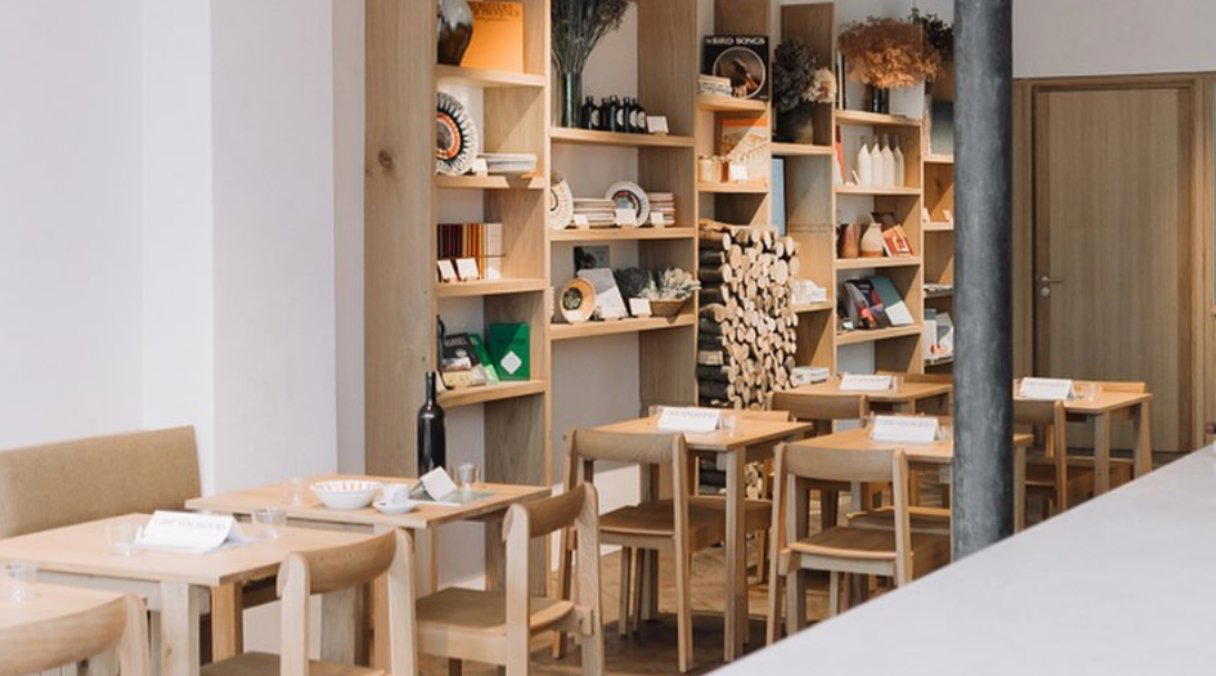
Approach 2 Rue Titon on a weekday evening and the neighbourhood does most of the work before you reach the door. The 11th arrondissement operates at a different register from the gilded dining rooms of the 8th or the tourist-facing brasseries of the 6th. Streets here are narrower, foot traffic more purposeful, and the restaurants that have taken root since the early 2010s tend to be smaller, less ceremonial, and more focused on what arrives on the plate than on the theatre surrounding it. Café Singuliers sits inside that pattern, an address at the quieter end of a neighbourhood that has done more than most to reshape expectations of what a serious meal in Paris should look like.
That shift is worth framing. Paris's restaurant culture has long been stratified in legible ways: palace-hotel dining rooms like Le Cinq at the Four Seasons George V at one end, neighbourhood bistros at the other, with multi-starred institutions such as L'Ambroisie occupying the formal middle. What the 11th helped introduce was a third mode: technically serious cooking delivered without the codes of classical service, in rooms where exposed stone and plain timber replace parquet and silver. Café Singuliers belongs to that cohort, and understanding the neighbourhood explains the approach before you have read a menu.
How a Meal Takes Shape Here
The logic of a progression-format meal at an address like this is different from the logic at, say, Arpège or Alléno Paris au Pavillon Ledoyen. At those addresses, the arc of the meal is built into the architecture: grand entrance, progressive ceremony, a finale that arrives with formal weight. At a smaller, neighbourhood-rooted table, the arc is tighter and more improvised-feeling, even when it is not. The opening courses tend to orient the palate quickly, without the extended amuse sequences that characterise grand-tasting formats. There is an expectation that the diner is already paying attention.
Across France, this format has found its clearest expression at tables that prioritise supply-chain specificity over encyclopaedic technique. Bras in Laguiole built an entire language around the terroir of the Aubrac plateau; Mirazur in Menton organised its menu around a kitchen garden that changes with the season. Those are larger, more documented operations, but the principle they articulate, that a meal should narrate where it is coming from and why that matters, has filtered down to smaller urban addresses throughout France. Café Singuliers, at its most readable, operates in that tradition.
The middle of a meal at a table like this is typically where the argument is made. Opening courses frame the season or the sourcing; the main sequence is where the kitchen's actual priorities become clear. At the contemporary French addresses that have earned sustained attention in Paris and the provinces, whether Flocons de Sel in Megève or Auberge du Vieux Puits in Fontjoncouse, that middle section tends to be where technique and ingredient speak most directly to one another. The same structure applies here.
Dessert in this format rarely aims for spectacle. The better small-room kitchens in Paris have moved away from multi-component sugar constructions toward tighter, less sweet finales that allow the savory arc of the meal to close cleanly. It is a different philosophy from the mille-feuille theatrics of classic pâtisserie, and it reflects a broader generational shift in how French chefs are thinking about the end of a meal.
Where This Address Sits in the Paris Dining Picture
Paris's restaurant map sorts into legible tiers by arrondissement as much as by price. The 1st and 8th hold most of the palace-adjacent dining. The 6th and 7th retain the classical bistro and brasserie registers. The 11th, along with the 10th and parts of the 9th, has become the address for a particular kind of cooking: technically informed, supply-conscious, and delivered in rooms without ceremonial distance between kitchen and table. Kei, operating in the 1st with a Franco-Japanese approach, represents one strand of contemporary French seriousness; the 11th represents a different and less formal strand, one that values access alongside ambition.
Internationally, the format resonates with what Lazy Bear in San Francisco built around communal tasting formats, or what Le Bernardin in New York demonstrates at the other end of the formality spectrum: that serious cooking can be delivered through multiple formats, and that the room's register shapes the diner's experience as much as any dish. The 11th's version of that argument is deliberately low-key.
Among France's more established regional institutions, Troisgros, Paul Bocuse, Auberge de l'Ill, Les Prés d'Eugénie, and Georges Blanc, the model is large-footprint destination dining built around legacy and region. La Table du Castellet in Le Castellet shows how the destination format works in a smaller southern setting. Café Singuliers at 2 Rue Titon is not in that league by scale or documentation, but it is working from a related premise: that the ingredients and the sequence in which they are presented should carry the meal's meaning.
Planning Your Visit
The 11th arrondissement is well-served by the Paris Métro, with Faidherbe-Chaligny and Rue des Boulets among the closest stations to Rue Titon. The neighbourhood is walkable from Bastille, which places it within easy reach of the Marais and the wider eastern Paris restaurant circuit. For a broader view of where Café Singuliers sits within the city's dining options, see our full Paris restaurants guide.
Quick reference: 2 Rue Titon, 75011 Paris. Nearest Métro: Faidherbe-Chaligny.
Frequently asked questions
What's the address for Café Singuliers?
Café Singuliers is located at 2 Rue Titon, 75011 Paris, France, Paris.
Is Café Singuliers worth the trip from central Paris to the 11th arrondissement?
The 11th has drawn serious Paris diners eastward since the early 2010s, when the arrondissement became the documented centre of a shift away from palace-district formality toward smaller, chef-led rooms with shorter menus and stronger point of view. Café Singuliers at 2 Rue Titon sits inside that geography, accessible from Faidherbe-Chaligny on Métro Line 8. For a diner already tracking this corner of Paris, it fits a logical circuit with other Rue de la Roquette and Oberkampf-area addresses.
What should I eat at Café Singuliers?
What the 11th arrondissement address signals is a kitchen working in the progression-format tradition common to this neighbourhood's better small rooms: courses that build rather than simply accumulate. check the venue's official channels for current menu details before visiting.
How far ahead should I plan for Café Singuliers?
Small-room addresses in Paris's 11th arrondissement — particularly those on the chef-driven end of the spectrum — typically fill two to four weeks out on weekends and faster when coverage from French food press lands. Checking availability two to three weeks ahead is a reasonable baseline for a Saturday sitting.
Standing Among Peers
Comparable venues nearby, for context on price, style, and recognition.
| Venue | Cuisine | Price | Notes |
|---|---|---|---|
| Café SinguliersThis venue — the venue you are viewing | Modern Fusion Cantine | $20–30 | Not listed |
| Restaurant Pilou Cantine Paris 11 | Fusion Vietnamese-Niçoise-French Bistro | $20–30 | Republique |
| Kokodak - Paris 6 | Korean-Italian Fusion | $30–50 | 6th arrondissement |
| Maison Park I Franco Corée Fusion | Franco-Korean Fusion | $50–100 | 15th arrondissement |
| Mokonuts | French-Lebanese-Japanese Fusion Café | $30–50 | 11th arrondissement (Sainte-Marguerite) |
| Bafang Dumpling | Authentic Chinese Dumplings | $20–30 | 9th arrondissement |
Continue exploring
More in Paris
Restaurants in Paris
All restaurants in Paris →
Bars in Paris
All bars in Paris →



Details
- Cozy
- Modern
- Intimate
- Casual Hangout
- Brunch
- Solo
- Open Kitchen
- Natural Wine
- Local Sourcing
- A La Carte
- Small Plates
- Specialty Coffee
- Natural Wine
Current opening hours
- Monday
- Closed
- Tuesday
- 8:30 AM–5:30 PM, 7:30–11:30 PM
- Wednesday
- 8:30 AM–5:30 PM, 7:30–11:30 PM
- Thursday
- 8:30 AM–5:30 PM, 7:30–11:30 PM
- Friday
- 8:30 AM–5:30 PM, 7:30–11:30 PM
- Saturday
- 9:30 AM–5:30 PM, 7:30–11:30 PM
- Sunday
- Closed
Hours can change for holidays and private events. Last verified .
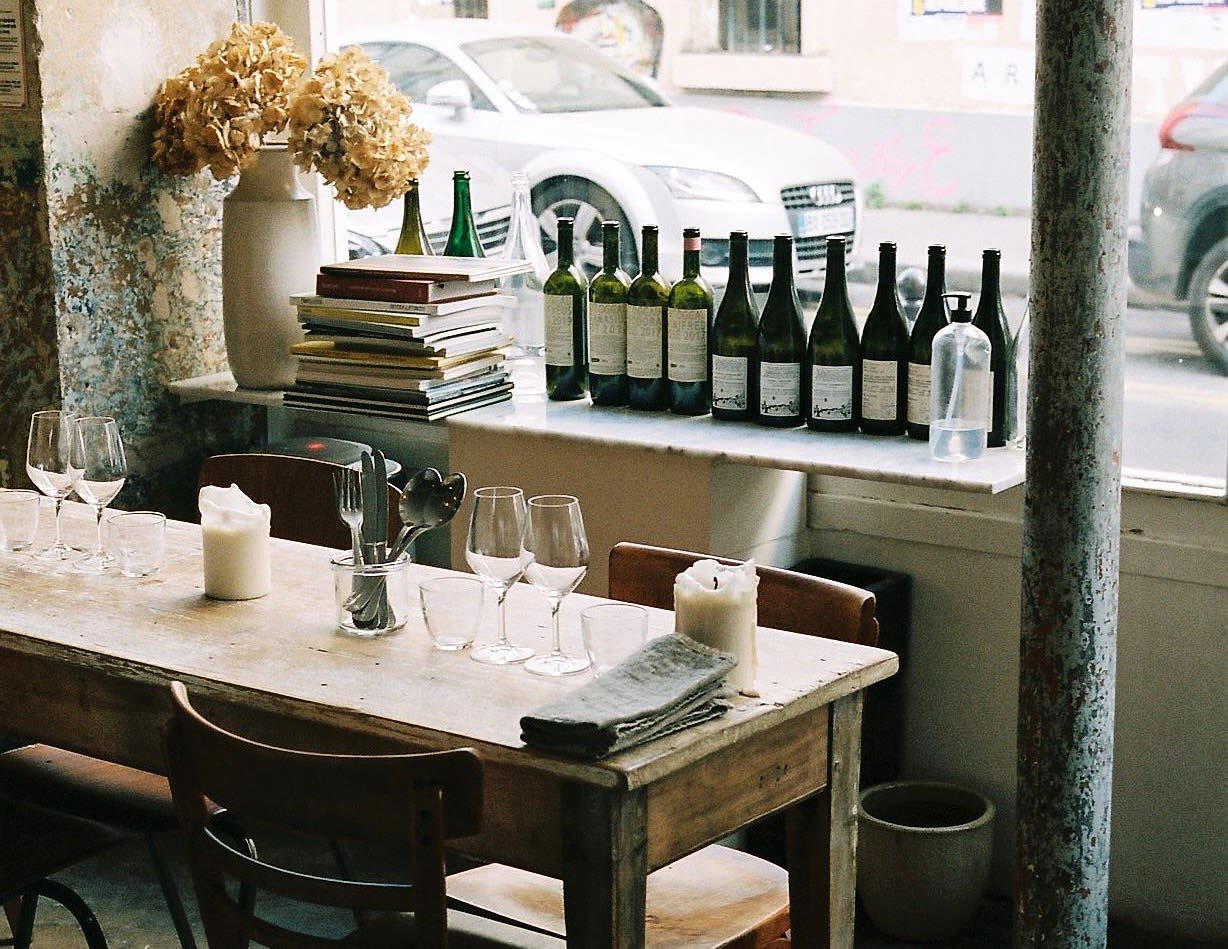
Warm and inviting atmosphere heated by a sculptural church wood-burning stove, with spacious tables ideal for working.