
Mishoan belongs to Takasaki’s quieter wagashi circuit, where Japanese sweets are treated as a daily craft rather than a restaurant performance. Its selection for Tabelog’s Japanese traditional sweets and Japanese sweets cafe EAST 100 in 2023 gives it a clear signal in a category often overshadowed by ramen, soba, yakiniku, and destination kaiseki.
Pearl is the En Primeur Club membership app — saves, bookings, and concierge access live there. Same editors, same standards.
- Address
- 1064-2 Kenzakimachi, Takasaki, Gunma 370-0883, Japan
- Phone
- +81 27-343-3026
- Website
- mishoan.co.jp
 Saves & bookings on Pearl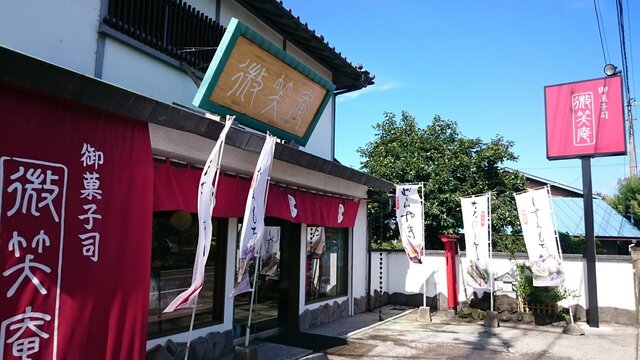
Approaching a serious wagashi shop in regional Japan rarely feels theatrical. The rhythm is closer to a morning errand than a dinner reservation: glass cases, careful wrapping, seasonal cues, and customers who know the day’s choice may narrow by afternoon. In Takasaki, that register matters. The city is better known to visiting diners for noodles, charcoal, and meat than formal sweets, yet Japanese confectionery has its own grammar here, built around gifting, tea, calendar observance, and small purchases rather than long menus.
Mishoan sits inside that tradition, not turning it into spectacle. Its 2023 selection for Tabelog’s Japanese traditional sweets and Japanese sweets cafe EAST 100 places it among a defined regional group of wagashi specialists, a useful signal where Michelin-style markers are less common and local reputation carries weight. The category matters: wagashi is not dessert in the Western restaurant sense. It is a craft of bean paste, rice flour, sugar work, fruit, and seasonality, shaped by presentation and occasion as much as appetite.
Wagashi in Takasaki is a daily culture, not a dessert course
Gunma’s dining identity is often read through hearty formats: wheat noodles, pork, grilled meat, family restaurants, and roadside practicality. Wagashi gives Takasaki a different lens: small-format commerce where craftsmanship is measured in consistency, packaging, texture, and timing. The appeal is not a long tasting sequence, but the ability to buy something precise, seasonal, and portable, often for someone else.
That gift culture explains why Mishoan carries more weight than its modest format suggests. Japanese sweets shops sit at the intersection of hospitality and ritual: home visits, office returns, tea gatherings, family celebrations, and seasonal observances all create demand for restrained-looking confections that require exact technique. Treat wagashi as a snack and half the point is missed. The better reading is social: what the sweet is for, when it appears, and how carefully it is chosen.
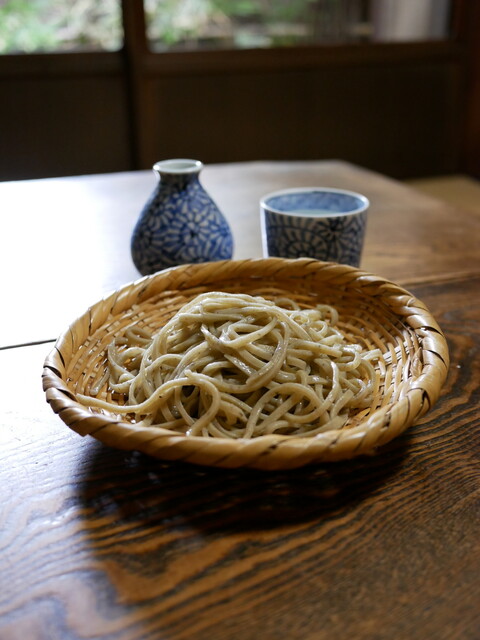
Within Takasaki’s restaurant map, the contrast is useful. Beef Laboratory sits in a high-spend meat bracket, while Bommi Sobakiri represents the city’s soba lane at a more moderate level. Jikaseimen Kuromatsu occupies the low-price noodle end, and Chuka Soba Narugami Shokudo points to the ramen culture that often frames casual eating in the region. Mishoan is a different decision: not where to sit down for a meal, but where to understand the city’s quieter food customs.
The value is in format discipline and regional recognition
For travelers used to Tokyo counters or Kyoto tea rooms, regional wagashi can look deceptively simple. The discipline is in restraint: a narrow category, limited hours, no large dining-room narrative, and a product that must survive scrutiny at home as much as at purchase. Tabelog’s EAST 100 selection in 2023 is more than a badge; it places the shop in a specialist conversation across eastern Japan, where confectioners compete less through luxury signaling than repeat local trust.
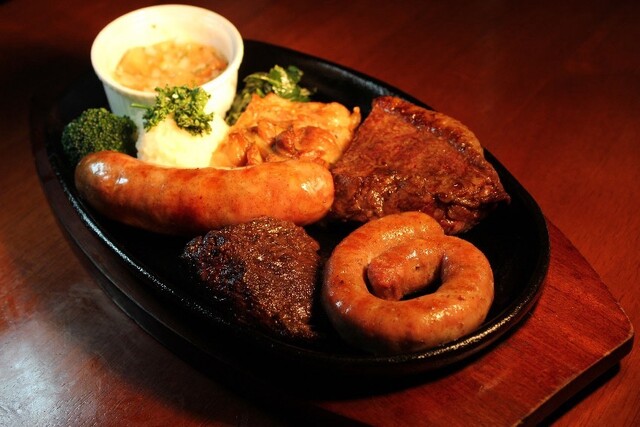
That matters because Takasaki’s higher-profile dining pulls attention elsewhere. Meat, soba, ramen, yakitori, and casual international cooking are easier for visitors to decode. BRAZIL GRILL reflects the city’s informal, globally inflected side, while the broader local list in our full Takasaki restaurants guide shows how varied the city’s eating can be without behaving like a capital-city dining scene. Wagashi asks for slower attention and rewards travelers who care how local food economies work beyond dinner.
The useful comparison is not with a plated dessert in a fine-dining room, but with other craft-led regional purchases: soba made on site, a ramen shop with a defined broth style, a butcher-led grill, or a sweets counter whose reputation is built through selection and return custom. Mishoan makes sense as part of a Takasaki day rather than a standalone pilgrimage, giving the itinerary a cultural register that savory meals cannot.
How to place it in a Takasaki itinerary
Because wagashi belongs to daylight habits, it works better before or between meals than after a heavy dinner. Let it anchor a daytime route: sweets first, noodles or soba later, then a more substantial evening table if the trip is built around eating. Travelers comparing local categories can pair it mentally with Bommi Sobakiri for craft and restraint, or with Beef Laboratory for the opposite end of Takasaki’s spending range. The contrast says more about the city than either category alone.
For planning beyond meals, Takasaki is compact enough to think in clusters rather than isolated stops. The city guides for Takasaki hotels, Takasaki bars, Takasaki wineries, and Takasaki experiences help separate a short food-focused visit from a wider Gunma itinerary. Mishoan fits the former as a cultural punctuation mark: small, specific, and more revealing than its price category suggests.
It also belongs in a wider Japan file on everyday specialist dining. The same editorial logic that makes a tightly focused local counter interesting applies across the country, from -Grilled beef Sukiyaki- KAMAKURA TANUKIAN 鎌倉 たぬき庵 in Kamakura to. 鮪と炭火焼き うお炭 秋葉原店 in Tokyo.cafe in Osaka.know in Kumamoto, (Shoku) Vietnam in Kawasaki, and [Curry Senmon Ten] Maruyama Kyoju. in Sapporo. Even outside Japan, small-format food culture can carry the same seriousness, as seen at Jōdo Saké Bar in Los Angeles or Onigiri Time in Pasadena. The through-line is focus: a narrow format, a clear audience, and enough craft to make a short stop feel culturally legible.
Read correctly, Mishoan is not competing with Takasaki’s full meals. It clarifies them. A city’s food culture is never only where people celebrate at night; it is also where they buy something carefully made in the daytime, carry it away, and understand that restraint can be the signal.
Price Lens
Nearby venues at a similar price tier for orientation.
| Venue | Cuisine | Price | Notes |
|---|---|---|---|
| MishoanThis venue — the venue you are viewing | Not listed | $ | Not listed |
| Teuchi Soba Maizuru | Takasaki, Handmade soba & izakaya | $$ | Not listed |
| Yakiniku Sumikou | Not listed | $$$ | Shimo-Wada-machi, Aged Sendai Wagyu Yakiniku |
| Yakitori Ko no Ji | Not listed | $$ | . Takasaki, Traditional Yakitori |
| Sumibi Yakiniku Ichiba Jejuya Honten | Not listed | $$$ | Takasaki, Charcoal-grilled Yakiniku & Donburi |
| Jikaseimen Kuromatsu | Yanagawamachi, Takasaki, Japanese Ramen | $ | Not listed |
Recognition history
Dated appearances from independent guides and award organizations, with the underlying list record or original source where available.
Tabelog 100 #17 · No. 17
Tabelog · Tabelog 100 - Japanese traditional sweets / Japanese sweets cafe - EAST - 2023
Continue exploring
More in Takasaki
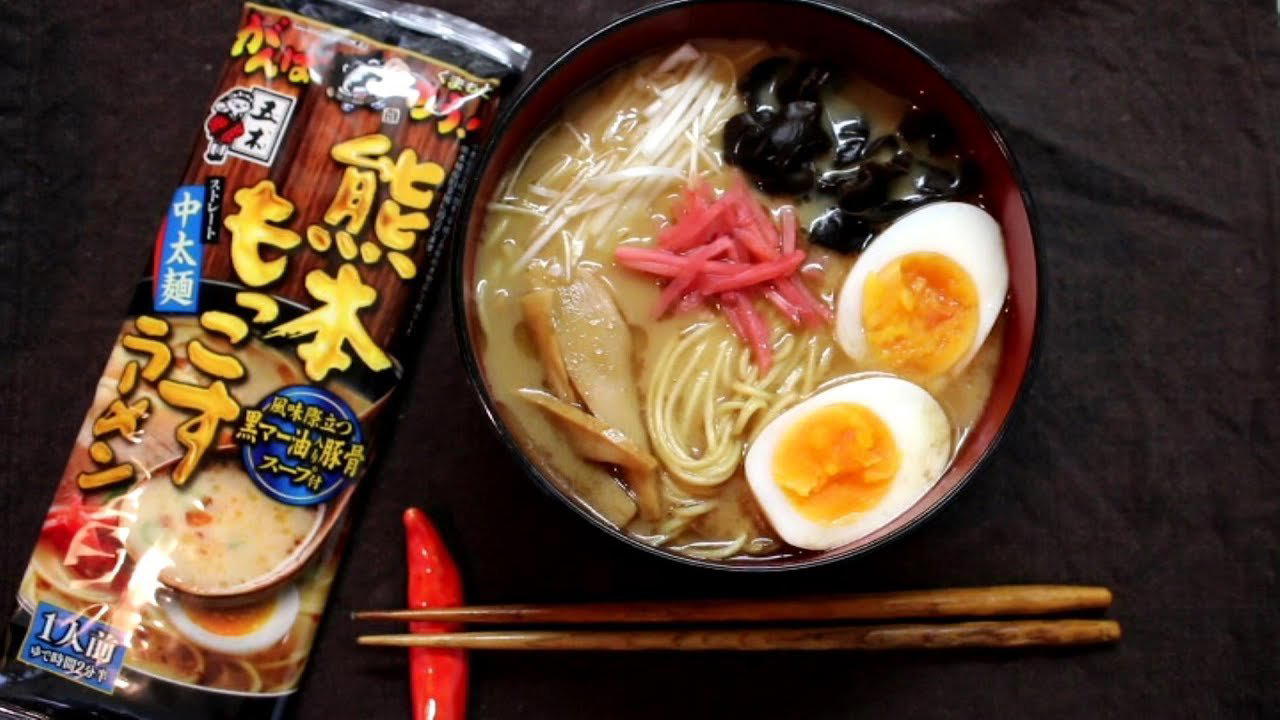
Restaurants in Takasaki
Browse all →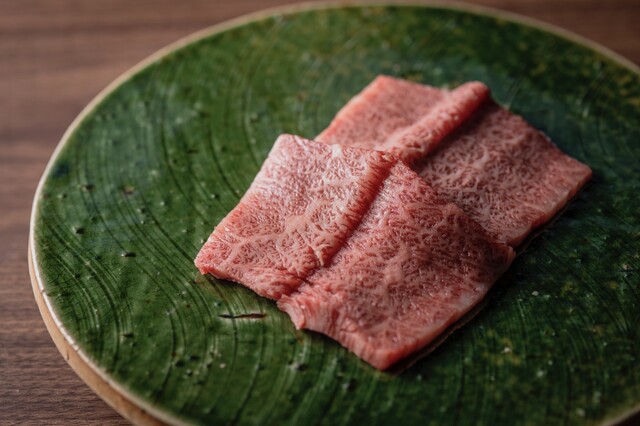
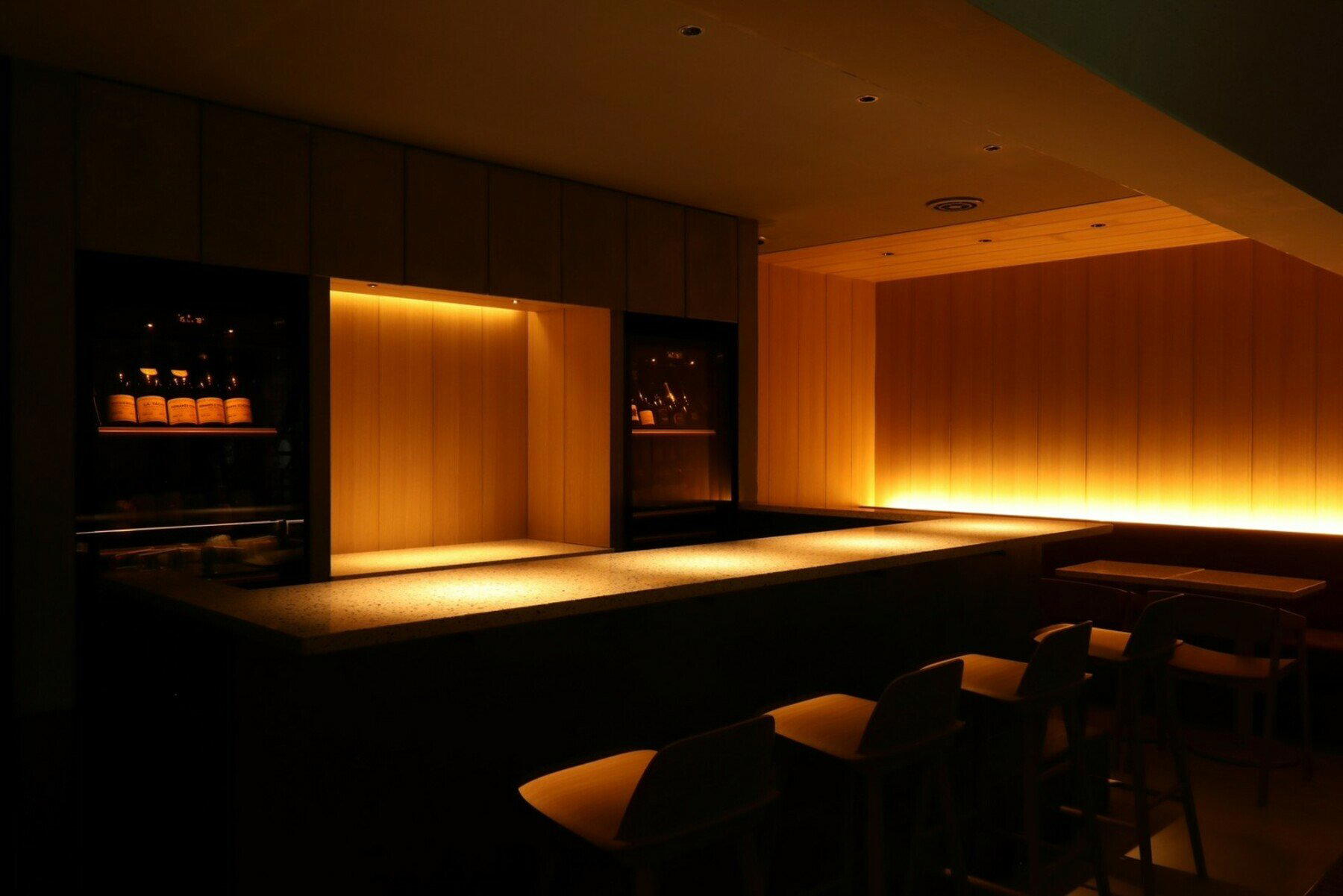
Hotels in Takasaki
Browse all →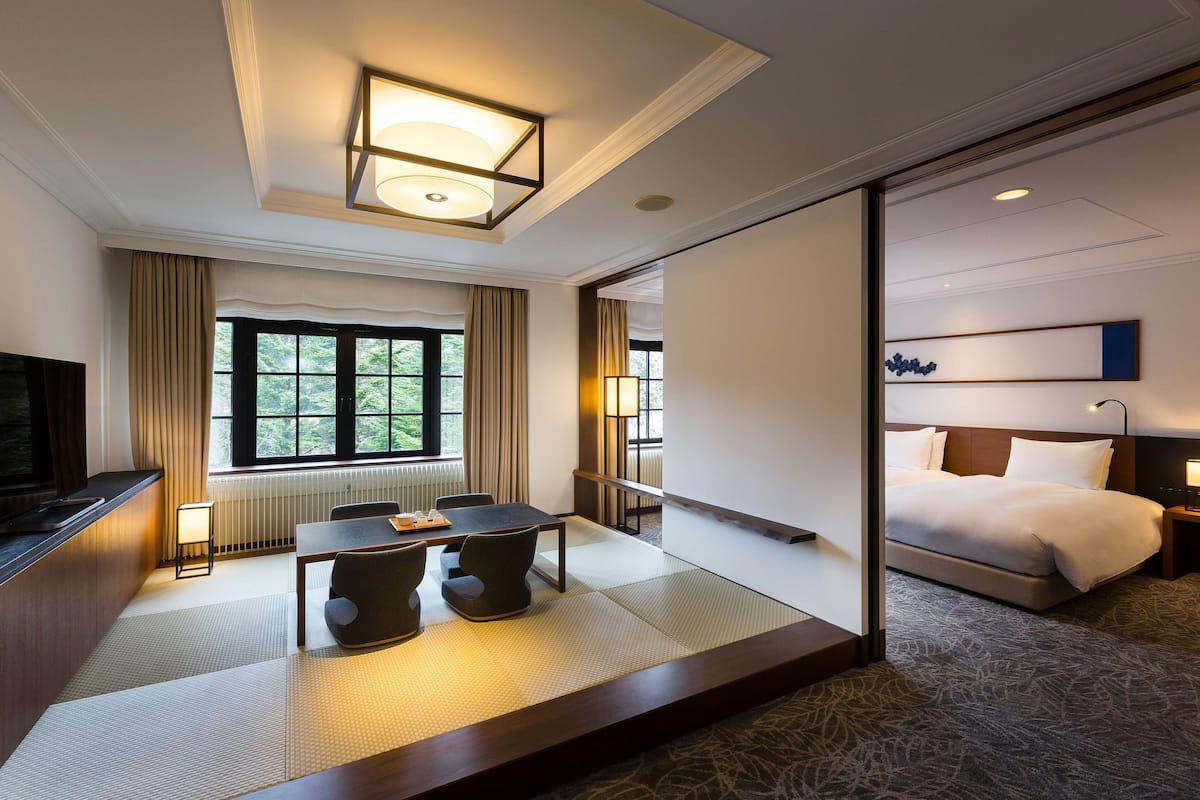
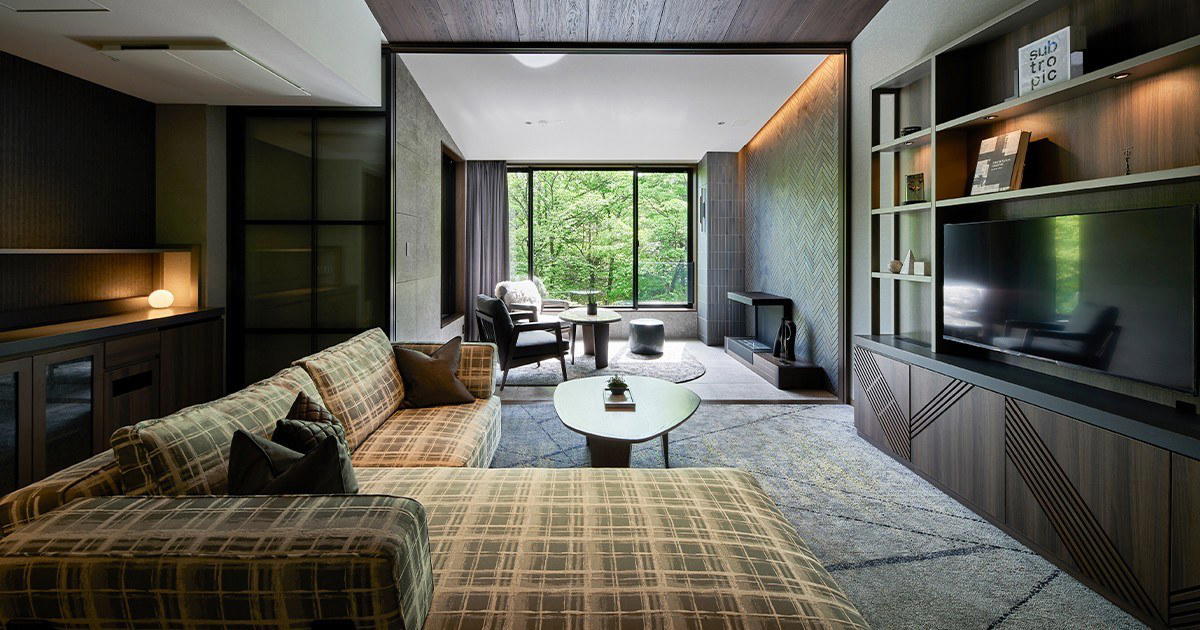
Wineries in Takasaki
Browse all →
At a Glance
- Classic
- Cozy
- Solo
- Casual Hangout
- Family
- Standalone
- Design Destination
- Local Sourcing
Current opening hours
- Monday
- 9 AM–4 PM
- Tuesday
- 9 AM–4 PM
- Wednesday
- Closed
- Thursday
- 9 AM–4 PM
- Friday
- 9 AM–4 PM
- Saturday
- 9 AM–4 PM
- Sunday
- 9 AM–4 PM
Hours can change for holidays and private events. Last verified .
A small, traditional Japanese sweets shop atmosphere focused on takeaway, with a calm, low-key setting that reflects classic wagashi craftsmanship rather than sit-down dining.