Miod Malina Restaurant
Our verdict
Miod Malina Restaurant on Horn Lane in Acton, west London, occupies a corner of the city where Polish community dining has quietly persisted for decades. The name translates as 'Honey Raspberry', a pairing that signals the sweet-sour register central to Central European cooking. For those tracing how immigrant restaurant culture evolves across generations in London, it represents a useful data point.

Pearl is the En Primeur Club membership app — saves, bookings, and concierge access live there. Same editors, same standards.
- Address
- 315 Horn Ln, London W3 0BU, United Kingdom
- Phone
- +442088961234
- Hours
- Mon–Thu 12–8 PMFri–Sat 12–9 PMSun 12–8 PM
- Website
- facebook.com
- Directions
- Get directions
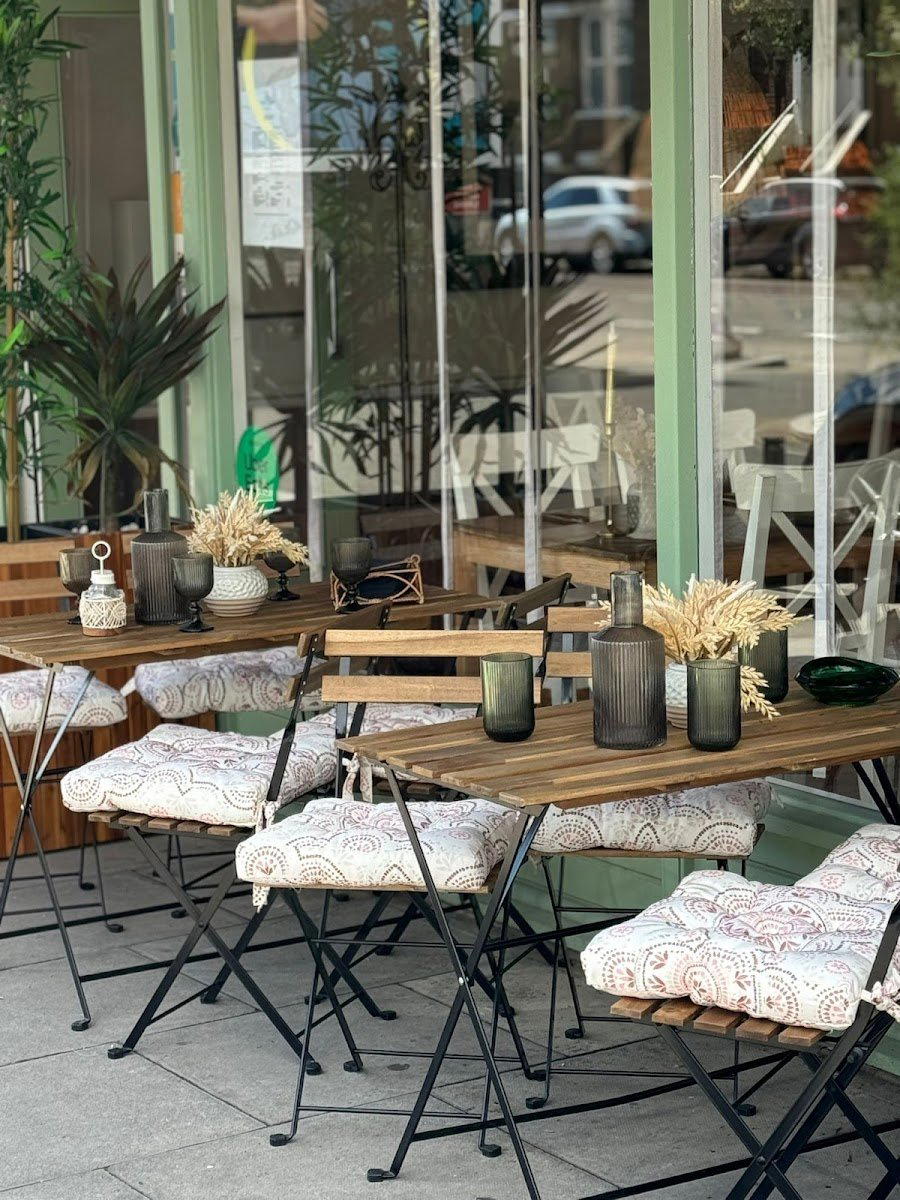
The menu
What to order
- Pork schnitzel
- Sour rye soup
- Potato pancakes
Where Horn Lane Meets Central European Tradition
Acton's dining character has never been shaped by Michelin attention or destination reviews. Instead, the W3 postcode has accumulated a quieter kind of culinary identity: community restaurants serving specific diasporas, operating on repeat-customer logic rather than tourist traffic. Miod Malina Restaurant at 315 Horn Lane sits inside that pattern. Its name, Polish for 'Honey Raspberry', points directly to the flavour register of Central European cooking, where sweet and acidic elements anchor sauces, preserves, and cured preparations in equal measure.
That framing matters because it positions Miod Malina within a London dining category that receives far less editorial coverage than it warrants. While west London's premium bracket is dominated by Michelin-decorated addresses, the neighbourhood-level Polish and Eastern European restaurant circuit has been feeding its communities since the postwar resettlements that brought large numbers of Polish nationals to west London. Acton, Hammersmith, and Ealing carry that history in their high streets, and restaurants like Miod Malina are among the institutions that have absorbed decades of that presence.
The Evolution of Eastern European Dining in West London
Understanding how a restaurant like Miod Malina functions in 2024 requires some sense of how the Polish restaurant category in London has shifted. The first wave of Polish catering in the UK served a community in exile, operating social clubs and canteens rather than commercial restaurants in any conventional sense. The second wave, following EU accession in 2004, brought a much larger Polish-born population to the UK and with it a new commercial appetite for Central European food. Restaurants that had operated as community institutions found themselves competing with a new generation of operators, some of them more attuned to contemporary hospitality norms around presentation and wine lists.
The third pressure has been gentrification. As areas like Acton have changed demographically over the past fifteen years, the community restaurants that once held anchor positions on high streets have had to decide whether to adapt their offer or hold their format. Some have closed. Others have quietly modernised, adjusting plating and sourcing without abandoning the menu structures their regulars expect. This evolution, repeated across dozens of immigrant-cuisine categories in London, is one of the more interesting threads in the city's overall food story, even when it receives little coverage from the publications focused on the £££ and £££££ tiers.
For comparison, the upper end of London dining occupies a very different register. Community restaurants operate by entirely different measures: loyalty, consistency, value density, and cultural specificity. These are not lower standards. They are different ones, and London's full dining picture requires both.
Central European Cooking: What the Register Involves
Polish cooking in a restaurant context draws on a pantry that is more complex than it tends to get credit for in the British food press. Fermentation plays a structural role: żurek, the sour rye soup, gets its acidity from a week-long fermentation process, not from added vinegar. Bigos, the hunter's stew, depends on sauerkraut as a base ingredient rather than a garnish. Pierogi dough is thicker than Italian pasta, designed to hold substantial fillings of meat, cheese, potato, or mushroom through boiling and then pan-frying without splitting. These are techniques with real craft requirements, and executing them consistently in a small kitchen is not direct.
The honey-and-raspberry combination in the restaurant's name reflects a broader affinity in Polish cuisine for pairing fruit preserves with meat and game, a tradition shared across Central and Eastern European cooking and distinct from the French classical separation of sweet and savoury courses. That sweet-acid logic shows up in sauces, marinades, and dessert courses, giving the cuisine a flavour continuity that can feel unfamiliar to palates trained on the sharper division between savoury and sweet that dominates British food culture.
Where Miod Malina Sits Among London's Polish Restaurants
London's Polish restaurant circuit is geographically concentrated in west and northwest London, with clusters in Hammersmith, Ealing, and across the W3 postcode. Miod Malina's address on Horn Lane places it in a section of Acton that functions as a local high street rather than a destination dining strip. This is a relevant logistical point for visitors: the restaurant is not positioned in a neighbourhood where you arrive to browse options. You go specifically.
That specificity is a reasonable proxy for how the restaurant operates within its community. Regulars who return for Polish home cooking in a restaurant setting are not interchangeable with diners who rotate through London's broader independent restaurant circuit. They have specific dishes they want done a particular way, and their loyalty is tied to consistency rather than novelty. The restaurants that have survived in this category across decades have generally done so by maintaining that consistency, even as the city around them has changed considerably.
For readers interested in how destination-level cooking in the UK compares across formats, the EP Club covers a wide range: from Waterside Inn in Bray and Le Manoir aux Quat'Saisons in Oxford to L'Enclume in Cartmel, Moor Hall in Aughton, Gidleigh Park in Chagford, Hand and Flowers in Marlow, hide and fox in Saltwood, Midsummer House in Cambridge, Opheem in Birmingham, and Restaurant Andrew Fairlie in Auchterarder. Internationally, the editorial scope extends to addresses like Le Bernardin in New York City and Atomix in New York City. See the full London restaurants guide for the broader city picture.
Planning Your Visit
Miod Malina Restaurant is located at 315 Horn Lane, London W3 0BU. The nearest transport access is via Acton Central (Overground) or Acton Town (District and Piccadilly lines), both within reasonable walking distance. Given the restaurant's community positioning, calling ahead is advisable for weekend visits.
| Venue | Format | Price Tier | Booking Approach |
|---|---|---|---|
| Miod Malina Restaurant | Community restaurant, Polish | Not confirmed | Confirm locally |
| CORE by Clare Smyth | Tasting menu, Modern British | ££££ | Online, advance required |
| Restaurant Gordon Ramsay | Tasting menu, Contemporary European | ££££ | Online, advance required |
| The Ledbury | Tasting menu, Modern European | ££££ | Online, advance required |
Frequently asked questions
Where do I go for Miod Malina Restaurant?
Miod Malina Restaurant is located at 315 Horn Ln, London W3 0BU, United Kingdom, London.
Is Miod Malina a good option for Polish food near Acton Central station?
Miod Malina at 315 Horn Lane sits within walking distance of Acton Central Overground, making it one of the more accessible Polish restaurants in the W3 area. West London's Polish dining circuit concentrates across Acton, Ealing, and Hammersmith, and Miod Malina occupies the community-restaurant end of that circuit rather than the destination-dining end. For travellers coming from central London, the Overground from Shepherd's Bush or Clapham Junction reaches Acton Central directly.
What do regulars order at Miod Malina Restaurant?
The name itself offers a clue: 'miod' means honey and 'malina' means raspberry in Polish, signalling a kitchen anchored in traditional Central European flavours. Polish restaurant cooking of this community-facing type typically centres on dishes like pierogi, bigos, and żurek.
Can I walk in to Miod Malina Restaurant?
No confirmed booking policy or reservation platform is listed for Miod Malina at 315 Horn Lane, London W3 0BU. Community-facing Polish restaurants at this end of the market in Acton and Ealing tend to accommodate walk-ins more readily than destination dining rooms, but calling ahead remains the practical option, particularly at weekends.
What's Miod Malina Restaurant best at?
Based on its location in Acton's W3 community and its Central European identity, Miod Malina functions in the register of neighbourhood Polish cooking — the kind measured against consistency and familiarity rather than innovation. That positions it alongside a small west London circuit of Polish restaurants where the regular clientele is the quality signal, not a Michelin entry.
Can Miod Malina Restaurant adjust for dietary needs?
No stated dietary policy is confirmed in available data for Miod Malina. Traditional Polish cooking is heavily meat and dairy-based, so guests with strict vegetarian, vegan, or gluten-free requirements should check the venue's official channels before visiting. The address is 315 Horn Lane, London W3 0BU, and arriving early in service to speak with staff is advisable when no contact details are publicly listed.
Accolades, Compared
Comparable venues nearby, for context on price, style, and recognition.
| Venue | Cuisine | Price | Notes |
|---|---|---|---|
| Miod Malina RestaurantThis venue — the venue you are viewing | Traditional Polish | $10–20 | Not listed |
| Lahore Kebab House | Traditional Punjabi Pakistani Grill | $20–30 | Whitechapel |
| Wong Kei | Cantonese | $10–20 | Chinatown |
| Shilpa | Authentic Kerala Indian | $50–100 | Ravenscourt Park |
| Chez Ami David | Dining | Not listed | Perivale |
| Papaya Tree | Authentic Thai | $20–30 | Holland Park |
Continue exploring
More in London
Restaurants in London
Browse all →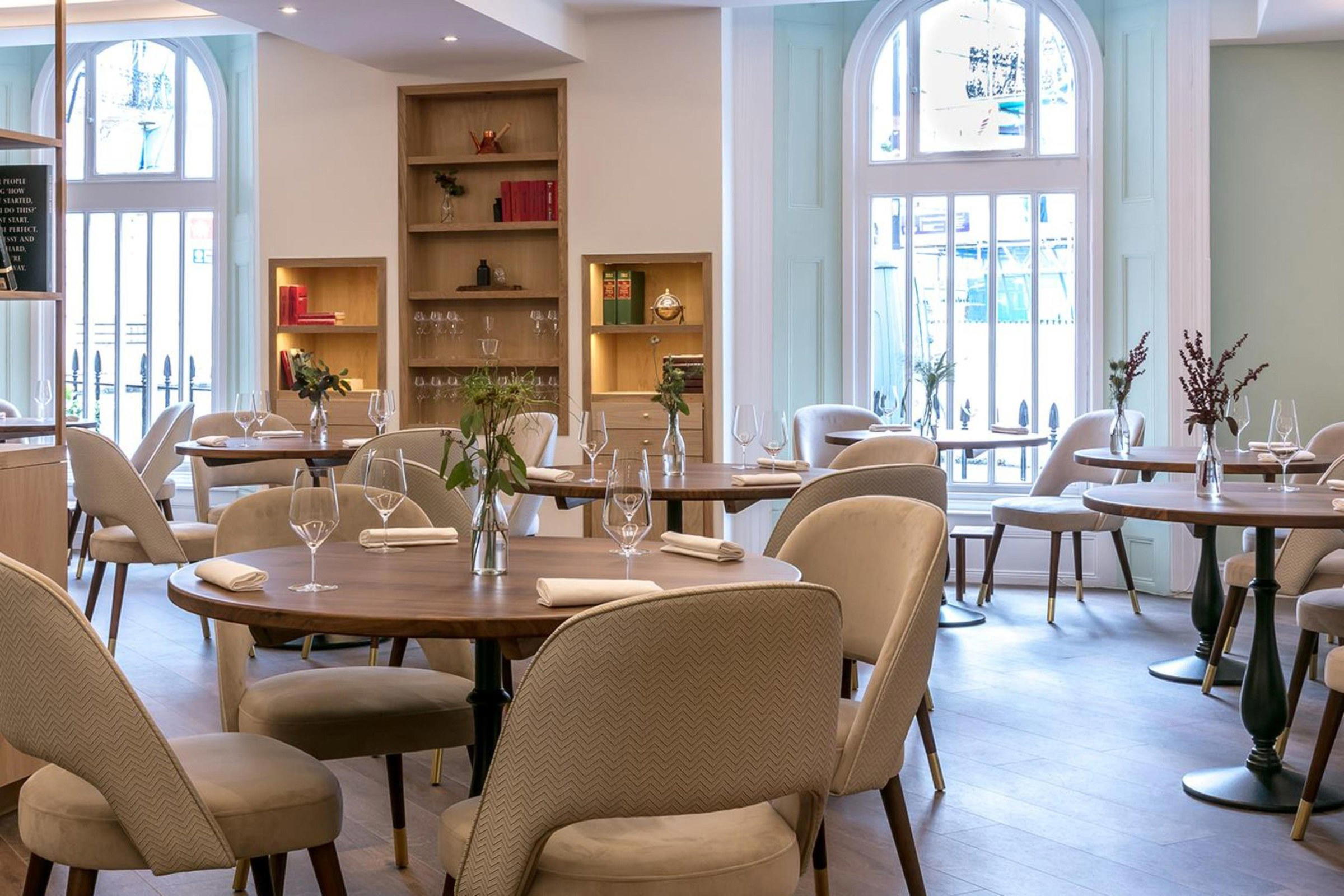
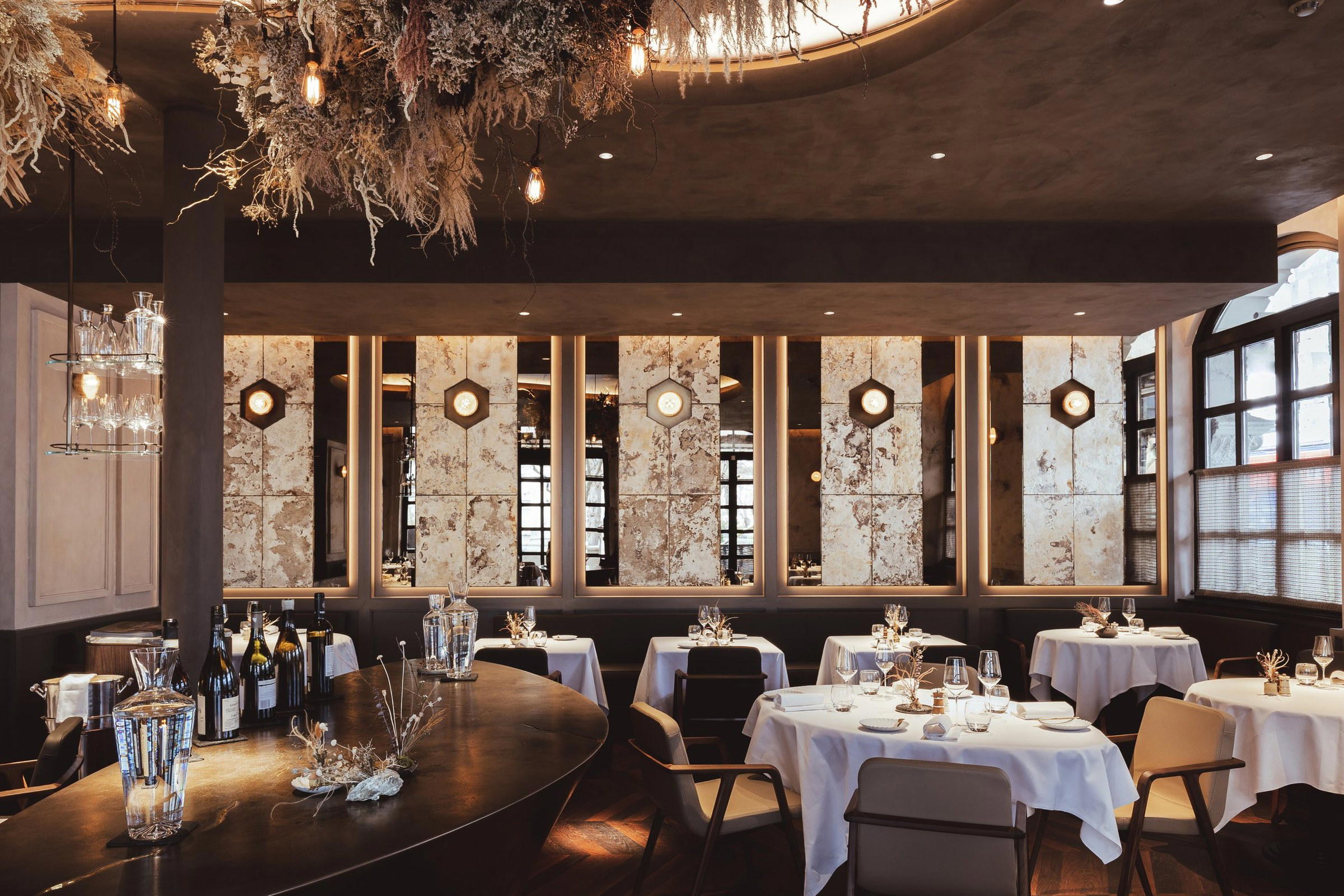
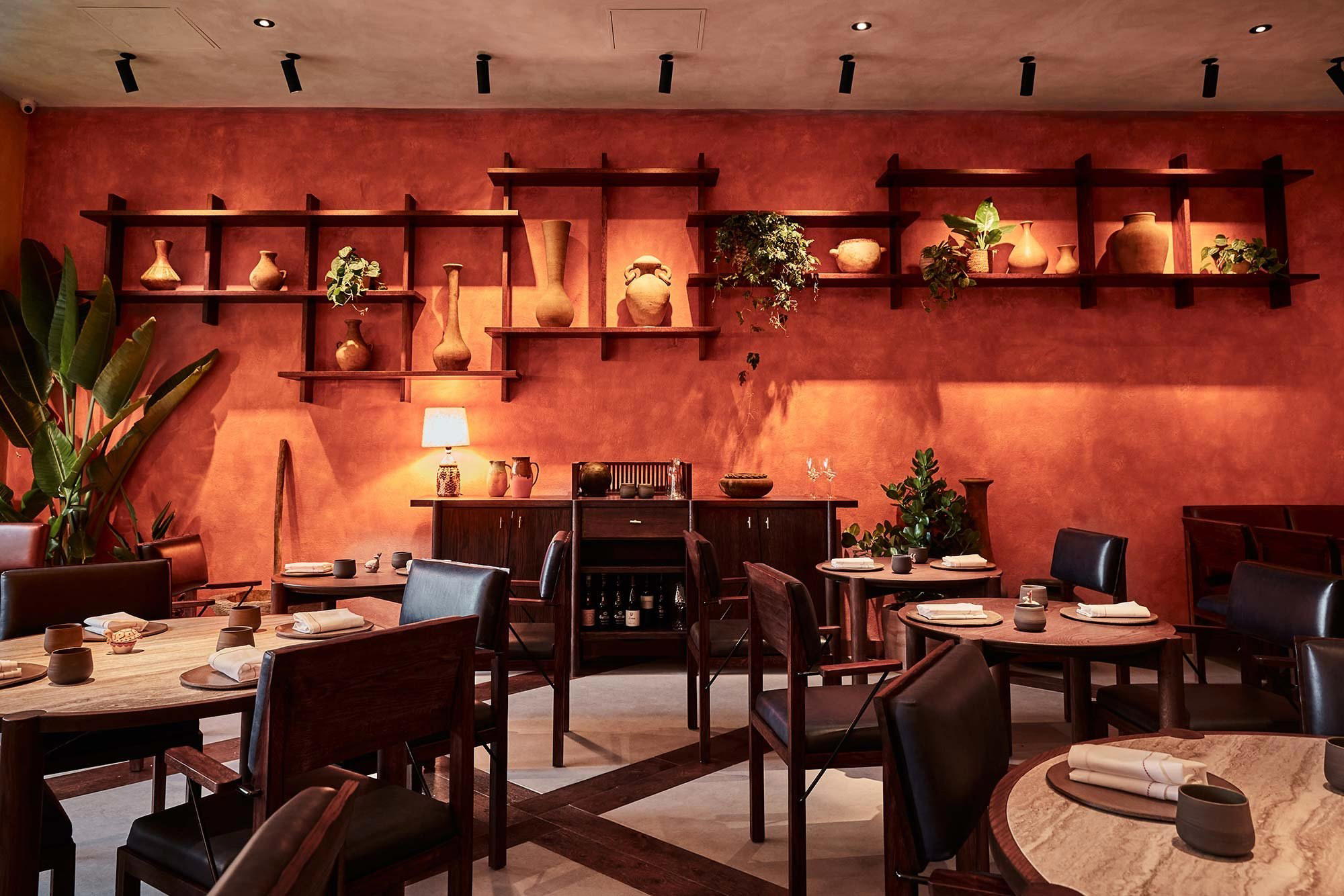
Bars in London
Browse all →
Hotels in London
Browse all →


Details
- Cozy
- Classic
- Family
- Casual Hangout
- Standalone
- A La Carte
- Vegetarian Friendly
- Vegan Options
- Gluten Free Options
Current opening hours
- Monday
- 12–8 PM
- Tuesday
- 12–8 PM
- Wednesday
- 12–8 PM
- Thursday
- 12–8 PM
- Friday
- 12–9 PM
- Saturday
- 12–9 PM
- Sunday
- 12–8 PM
Hours can change for holidays and private events. Last verified .
Cozy and clean with friendly service and a welcoming family atmosphere.