Papaya Tree
On Kensington High Street, Papaya Tree occupies a stretch of west London where the dining room crowd tends to return by habit rather than occasion. The restaurant draws a local following that treats it as a neighbourhood fixture, and its address on one of London's more residential high streets places it comfortably outside the tourist circuit.
Pearl is the En Primeur Club membership app — saves, bookings, and concierge access live there. Same editors, same standards.
- Address
- 209 Kensington High St, London W8 6BD, United Kingdom
- Phone
- +442079372260
- Website
- papayatree.co.uk
- Directions
- Get directions
 Saves & bookings on Pearl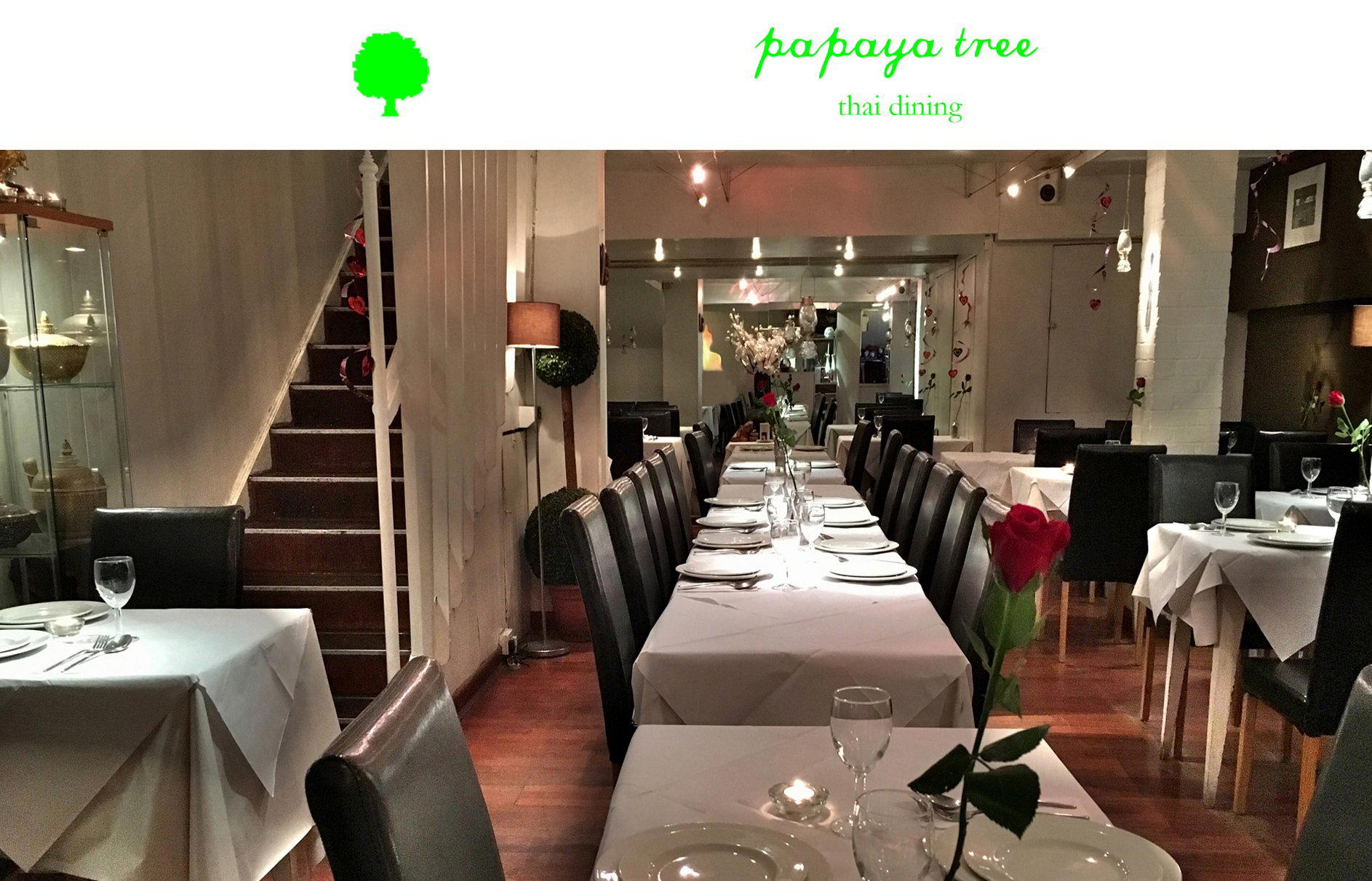
Kensington's Returning Crowd
Kensington High Street has a particular kind of restaurant patron: not the destination-hunter working through a list, but the west London resident who has already found their place and keeps coming back. The street's dining scene is shaped less by critical buzz than by proximity to affluent residential postcodes, and the venues that last here tend to earn loyalty through consistency rather than novelty. Papaya Tree, at number 209, is an Authentic Thai restaurant in London, priced at about $25 per person, and it sits within that pattern.
The address is instructive. Kensington High Street runs between the cultural weight of Holland Park to the west and the dense retail of the High Street Kensington tube station to the east. The stretch around 209 is quieter than the station end, with a residential character that filters the clientele before they even walk through the door. This is not a neighbourhood where people stumble in from a night out elsewhere; they come because they have been before, or because someone who has been before told them to.
What Keeps Regulars Returning
The logic of regulars is different from the logic of first-timers. A first visit is about impression; a return is about reliability. The restaurants that build loyal local followings in areas like Kensington tend to offer something that holds up across multiple visits: a menu with enough familiarity to be comforting and enough range to avoid repetition, service that recognises faces, and a room that feels the same on a Tuesday as it does on a Friday. These are the conditions under which a neighbourhood restaurant becomes a neighbourhood institution.
In London's broader Thai dining scene, the venues that command regular footfall at the west London end of the city have historically occupied a middle register between the cheap-and-cheerful Soho end and the more formal modern-Thai formats that have emerged in the last decade. A Kensington address at this price point signals a dining room calibrated for the local professional demographic: not a destination for special occasions in the way that CORE by Clare Smyth or Sketch, The Lecture Room and Library might be, but a place with its own clear role in the weekly rotation.
Thai Cooking in the West London Context
London's Thai restaurant tier has shifted considerably over the past fifteen years. The city now has a range that runs from canteen-format operations in Tooting and Peckham to more composed, technique-forward Thai cooking in central and west London. The Kensington end of that spectrum tends to sit in a middle register: recognisable Thai framework, some adjustment for local palate, and a room that prioritises comfort over theatre.
That positioning has its own competitive logic. It is distinct from the Michelin-tracked circuit occupied by venues like The Ledbury or Dinner by Heston Blumenthal, and equally distinct from the destination-dining model pursued by London's upper-tier modern European houses such as Restaurant Gordon Ramsay. The neighbourhood Thai restaurant operates on a different contract with its audience: lower stakes per visit, higher frequency, and a relationship built on accumulated trust rather than singular occasion.
Across the UK, the venues that sustain that kind of repeat-visit loyalty tend to share certain structural features. Particularly consistent Thai kitchens in London's residential zones tend to hold their recipes close, resist trend-chasing, and price in a way that allows regulars to come back without it becoming an event. For context, other celebrated fine-dining destinations occupy a completely different decision category for diners. The neighbourhood fixture and the destination restaurant solve different problems.
The Unwritten Menu
Every restaurant with a loyal regular base develops what might be called an unwritten menu: the dishes that are not necessarily flagged as specials but that returning diners know to order, the timing rhythms that regulars understand, the table preferences that become habits. This layer of knowledge accumulates over visits and is invisible to first-timers. It is also what makes a regular feel at home in a way that no amount of good service to a new customer can replicate.
At a venue like Papaya Tree, that accumulated knowledge is the real product. The menu on paper is the entry point; the version that regulars carry in their heads is the actual experience. This is true of neighbourhood restaurants across London's residential high streets, from the long-running local favourites of Notting Hill to the established tables of Islington and Clapham. The venues that last in those contexts do so because they give people a reason to build that internal knowledge in the first place.
For those exploring London's broader restaurant offer, the city's dining scene spans price points and neighbourhoods, from Michelin-tracked addresses to well-established neighbourhood fixtures. The UK circuit beyond London also offers strong reference points for what consistent culinary craft looks like over time, including Moor Hall in Aughton, Gidleigh Park in Chagford, Midsummer House in Cambridge, hide and fox in Saltwood, Hand and Flowers in Marlow, Opheem in Birmingham, Restaurant Andrew Fairlie in Auchterarder, and Le Manoir aux Quat'Saisons in Oxford. For international comparison, different cities anchor their respective dining traditions in distinct ways.
Planning Your Visit
| Venue | Cuisine | Price Tier | Booking Lead Time | Leading For |
|---|---|---|---|---|
| Papaya Tree | Thai (neighbourhood) | Mid-range | Walk-in or short notice typical for neighbourhood format | Regular, repeat visits; local dining |
| CORE by Clare Smyth | Modern British | ££££ | Weeks to months in advance | Special occasion, destination dining |
| The Ledbury | Modern European | ££££ | Weeks in advance | Tasting menu, serious occasion |
| Dinner by Heston Blumenthal | Modern British | ££££ | Weeks in advance | Concept-led destination dining |
The restaurant is located at 209 Kensington High St, London W8 6BD. The nearest tube station is High Street Kensington on the District and Circle lines, a short walk along the High Street.
Comparable Spots, Quickly
Comparable venues nearby, for context on price, style, and recognition.
| Venue | Cuisine | Price | Notes |
|---|---|---|---|
| Papaya TreeThis venue — the venue you are viewing | Authentic Thai | $$ | Not listed |
| Janetira | Authentic Thai Street Food | $$ | Soho |
| Churchill Arms | Thai Pub | $$ | Kensington Palace Gardens |
| Jin Da Thai | Authentic Thai | $$ | Hammersmith Broadway |
| Thai upon Thames | Authentic Thai | $$ | St. Margaret's |
| Mantanah | Authentic Regional Thai Cuisine | $$ | South Norwood |
Continue exploring
More in London
Restaurants in London
Browse all →
Bars in London
Browse all →
Hotels in London
Browse all →

At a Glance
- Modern
- Romantic
- Cozy
- Date Night
- Group Dining
- Family
- Casual Hangout
Current opening hours
- Monday
- 12:30–3:30 PM, 5:30–11 PM
- Tuesday
- 12:30–3:30 PM, 5:30–11 PM
- Wednesday
- 12:30–3:30 PM, 5:30–11 PM
- Thursday
- 12:30–3:30 PM, 5:30–11 PM
- Friday
- 12:30–3:30 PM, 5:30–11 PM
- Saturday
- 12:30–3:30 PM, 5:30–11 PM
- Sunday
- 12:30–3:30 PM, 5:30–11 PM
Hours can change for holidays and private events. Last verified .
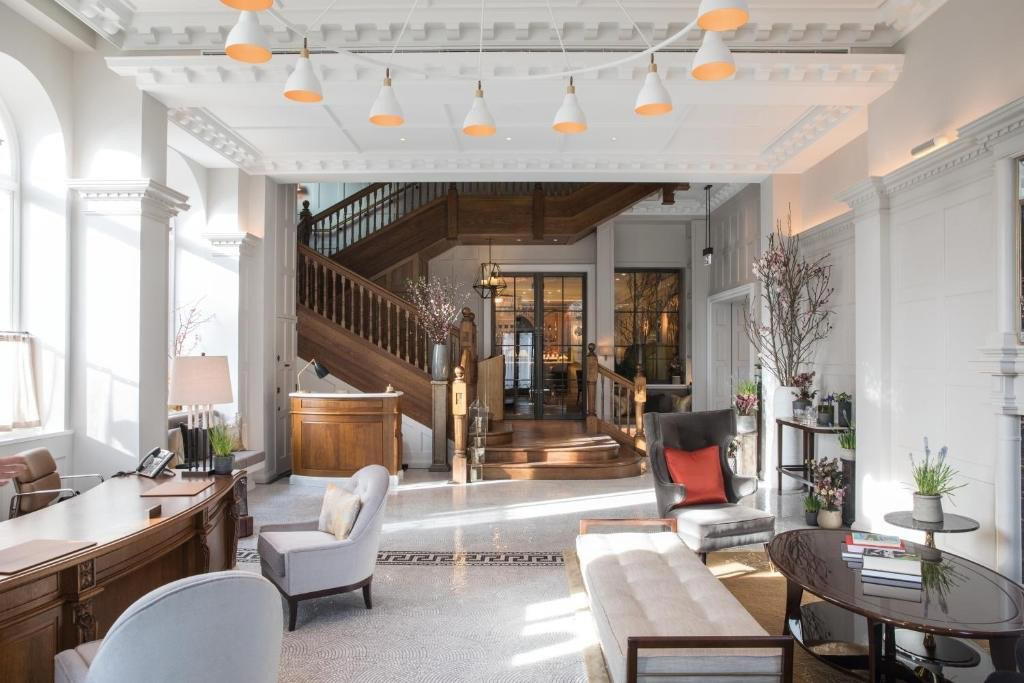
Cool and contemporary interior with wooden floors, modern light fittings, and a simple white color scheme creating a warm, inviting atmosphere.