Mint Leaf Indian Bistro
Our verdict
On Berkeley's Gourmet Ghetto strip, Mint Leaf Indian Bistro occupies a position where Northern California's ingredient culture meets the spice-forward traditions of the subcontinent. The kitchen works within a dining scene that has long demanded sourcing transparency, placing it alongside neighbors who treat provenance as a baseline expectation rather than a selling point. For Indian food in the East Bay, that framing matters.

Pearl is the En Primeur Club membership app — saves, bookings, and concierge access live there. Same editors, same standards.
- Address
- 1513 Shattuck Ave (Vine St), Berkeley, CA 94709
- Directions
- Get directions
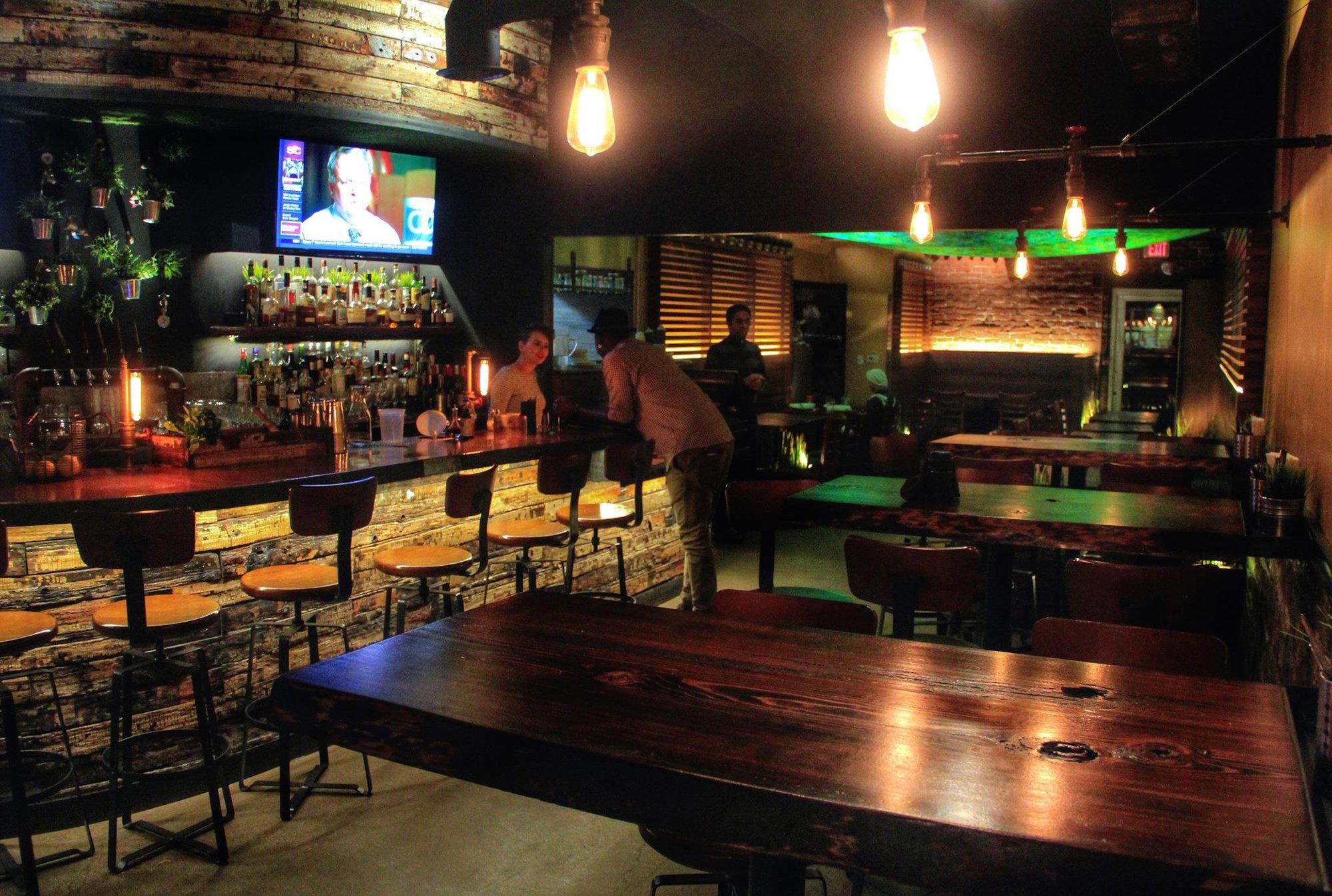
The menu
What to order
- Saigon Vermicelli Bowl
- Sweet Potato and Curry Chicken Clay Pot
Where Shattuck Avenue's Sourcing Culture Meets the Subcontinent
Shattuck Avenue between Cedar and Vine has carried the nickname "Gourmet Ghetto" since the 1970s, when Chez Panisse planted a flag for California's farmers-market-first approach to cooking. The neighborhood never lost that orientation. Decades later, the expectation that a kitchen knows where its produce comes from is not a differentiator on this block — it is a baseline. Restaurants that open here do so knowing the clientele will ask, and will notice if the answer is vague. Mint Leaf Indian Bistro sits at 1513 Shattuck Ave at Vine Street, operating inside that context.
Indian cooking in the Bay Area has historically occupied two tiers: the utilitarian lunch-buffet format built around volume and accessibility, and a smaller set of kitchens treating the cuisine with the same ingredient seriousness applied to Italian or Japanese food elsewhere in the region. The Gourmet Ghetto address places Mint Leaf squarely in the second camp by geography alone. Whether a restaurant at this intersection follows through on that positioning is the question any informed diner brings to the table.
The Ingredient Argument for Indian Food in Northern California
Northern California's agricultural infrastructure is unusually well-suited to Indian cooking. The Central Valley produces aromatics — coriander, cumin, fenugreek, alongside stone fruits and tomatoes that align with the base-building logic of North Indian curries. The Bay Area's South Asian grocery network, anchored in Fremont and extending into Oakland and Berkeley, means that specialty pulses, specialty flours, and fresh curry leaves are not difficult to source. A kitchen that takes ingredient quality seriously has supply-side advantages here that would not exist in most American cities.
That regional advantage shows up most clearly in the vegetarian spectrum of Indian cooking, where quality of produce determines the ceiling. Dal cooked with properly stored, fresh-milled lentils reads differently from the same dish made with commodity pulses. Paneer made with whole milk from a local dairy has a texture that factory-produced versions cannot replicate. These distinctions are not subtle to anyone who has eaten Indian food in cities where the supply chain supports them, Mumbai, London's Drummond Street, or the South Asian restaurants of New Jersey's Edison corridor. Berkeley's supply chain can support them too, which raises the editorial standard for any Indian kitchen operating here.
Mint Leaf in the East Bay Indian Dining Context
Berkeley and the broader East Bay host a layered Indian dining scene. At the neighborhood level, Mint Leaf's closest peer for genre comparison is Ajanta, which has operated on Solano Avenue for decades and built a reputation on regional Indian specificity rather than pan-subcontinental generalism. The existence of that reference point matters: Berkeley diners who have calibrated their expectations against Ajanta's rotating regional menus will bring discerning palates to any Indian restaurant in the area.
Across the broader Berkeley restaurant spectrum, Mint Leaf operates on a street that also hosts 900 Grayson and is within easy walking distance of places like Agrodolce, AKEMI, and Angeline's Louisiana Kitchen. That competitive density means the neighborhood already attracts diners who are eating intentionally. The casual bistro format, implied by the "bistro" designation, positions Mint Leaf as a frequent-return option rather than a special-occasion destination, which is actually the harder category to sustain. Reservation-driven tasting menus attract diners who arrive expecting to be impressed. A bistro has to earn repeat visits.
For readers calibrating against nationally recognized reference points, Berkeley's Indian restaurant tier does not currently include venues operating at the format complexity of, say, Atomix in New York City or Alinea in Chicago. It is not competing in that register. What the East Bay Indian scene does well, at its finest, is translate the subcontinent's ingredient-driven regional cooking into a Northern California idiom without flattening it into generic curry-house fare. That translation is the relevant standard here. Venues like Single Thread Farm in Healdsburg, The French Laundry in Napa, Blue Hill at Stone Barns in Tarrytown, and Providence in Los Angeles have each demonstrated, in their own genres, that serious sourcing and a coherent regional identity can coexist at a non-tasting-menu price point. That model is available to Indian cooking too.
What the Bistro Format Signals
The word "bistro" carries specific weight when attached to an Indian restaurant in an American city. It signals a deliberate step away from the banquet-hall format that defined Indian dining in the U.S. through much of the 1980s and 1990s, toward something smaller, more focused, and more amenable to wine pairing, a shift that Indian restaurants in London pioneered in the 2000s and that American cities have absorbed unevenly. In Berkeley, the bistro framing aligns naturally with the neighborhood's existing vocabulary. It also implies a shorter menu, which is usually a sign of kitchen confidence: fewer dishes executed with more care rather than a sprawling list designed to reassure every demographic.
For planning purposes, the Shattuck and Vine location sits at the northern end of the Gourmet Ghetto corridor, within walking distance of the North Berkeley BART station. The bistro positioning suggests the format is suited to drop-in dining as well as reserved tables, though confirmation of current booking policy is leading handled directly with the restaurant. For a broader read on where Mint Leaf sits within the full spectrum of Berkeley dining, the full Berkeley restaurants guide maps the city's neighborhoods and price tiers. Other reference-point restaurants worth knowing for cross-genre comparison include Lazy Bear in San Francisco, Le Bernardin in New York City, Emeril's in New Orleans, Addison in San Diego, The Inn at Little Washington, and 8 1/2 Otto e Mezzo Bombana in Hong Kong, all operating in the same broader conversation about what ingredient-serious cooking looks like at the top of its category.
Frequently asked questions
Where is Mint Leaf Indian Bistro in Berkeley?
Mint Leaf Indian Bistro is located at 1513 Shattuck Ave (Vine St), Berkeley, CA 94709, Berkeley.
How does Mint Leaf Indian Bistro fit into the Shattuck Avenue dining scene in Berkeley?
Shattuck Avenue between Cedar and Vine has carried the Gourmet Ghetto designation since Chez Panisse opened in the early 1970s, establishing a neighbourhood expectation for sourcing rigour that subsequent restaurants have had to contend with. Mint Leaf at 1513 Shattuck Ave places Indian cooking directly inside that tradition, an unusual positioning that distinguishes it from the East Bay's broader Indian dining corridor further south along University Avenue. For Berkeley diners already attuned to provenance-conscious restaurants, that address functions as a signal about the kitchen's likely orientation.
What should I order at Mint Leaf Indian Bistro?
Mint Leaf's bistro format on Shattuck Avenue positions it within Berkeley's ingredient-forward dining culture, meaning the kitchen has direct access to Central Valley aromatics and produce that underpin classical Indian cooking. Without a current published menu on file, the safest approach is to ask staff about seasonal preparations and any dishes that reflect Northern California sourcing. The bistro category typically signals a tighter, more focused menu than a full-service Indian restaurant, so the selection rewards attention rather than breadth.
What is Mint Leaf Indian Bistro known for?
Mint Leaf is positioned as an Indian bistro on Shattuck Avenue, placing it in one of the United States' most agriculturally advantaged corridors for ingredient-driven cooking. The bistro designation signals a deliberate departure from the large-format Indian restaurant model, favouring a more composed dining experience. Its location in Berkeley's Gourmet Ghetto aligns it with a neighbourhood that has shaped American food culture since the 1970s.
Is Mint Leaf Indian Bistro good for vegetarians?
Indian cuisine as a category has one of the deepest vegetarian traditions in any major culinary canon, with entire regional cooking styles built around legumes, dairy, and produce rather than meat. Mint Leaf's location in Berkeley, a city with a high baseline of vegetable-forward dining, reinforces the likelihood that vegetarian options are present and considered rather than afterthought.
At-a-Glance Comparison
Comparable venues nearby, for context on price, style, and recognition.
| Venue | Cuisine | Price | Awards | Notes |
|---|---|---|---|---|
| Mint Leaf Indian BistroThis venue — the venue you are viewing | Vietnamese Noodles & Clay Pots | $20–30 | Not listed | Not listed |
| La Note | Provençal Bistro | $20–30 | Not listed | Downtown |
| Ippudo | Hakata-Style Tonkotsu Ramen | $20–30 | Not listed | Gourmet Ghetto |
| Casa Bernal Taqueria | Mexican Taqueria | Not listed | Not listed | Downtown Berkeley |
| Passione Emporio | Authentic Handmade Italian Pasta & Pizza | $30–50 | Not listed | West Berkeley |
| Bette's Oceanview Diner | California-American Diner | $20–30 | Diners, Drive-Ins and Dives Featured Restaurant | West Berkeley |
Continue exploring
More in Berkeley
Restaurants in Berkeley
Browse all →
Bars in Berkeley
Browse all →
Hotels in Berkeley
Browse all →



Details
- Casual Hangout
- Group Dining
- A La Carte
- Vegetarian Friendly
Casual neighborhood spot with focus on flavorful home-style Vietnamese dishes.