Chengdu Style Restaurant

Our verdict
Chengdu Style Restaurant on Bancroft Way sits at the edge of UC Berkeley's campus, serving Sichuan cooking in one of the Bay Area's most concentrated corridors of regional Chinese cuisine. The address places it squarely in a student-adjacent dining zone where price sensitivity and culinary authenticity coexist in ways few other American university neighborhoods manage. For those tracking how Sichuan food has moved through the Bay Area over the past two decades, it offers a useful reference point.

Pearl is the En Primeur Club membership app — saves, bookings, and concierge access live there. Same editors, same standards.
- Address
- 2600 Bancroft Way, Berkeley, CA 94704
- Phone
- (510) 845-5807
- Hours
- Daily 11 AM–9 PM
- Website
- chengdustylerestaurant.com
- Directions
- Get directions
The menu
What to order
- Toothpick Lamb
- Wontons in Chili Oil
- Mapo Tofu
- Cold Sichuan Noodles
- Boiled Fish with Green Sichuan Peppercorns
Sichuan on the Edge of Campus: What Berkeley's Bancroft Corridor Tells You
The stretch of Bancroft Way that runs along the southern boundary of UC Berkeley has always operated on its own dining logic. It is not the polished restaurant row of Fourth Street, nor the neighborhood institution density of College Avenue. Instead, it functions as a pressure-tested zone where cooking either earns repeat visits from a transient but opinionated student population or fades quickly. Chengdu Style Restaurant sits within that context, at 2600 Bancroft Way, in a part of the city where Sichuan and broader Chinese regional cooking has found durable footing over the years. For a fuller picture of where this fits within Berkeley's wider dining ecosystem, the EP Club Berkeley restaurants guide maps the city's range by neighborhood and cuisine type.
What makes the Bancroft corridor interesting as a dining zone is the way it has absorbed and reflected the broader evolution of Sichuan food in American cities. Sichuan cuisine arrived in the Bay Area largely through the East Bay's Richmond District and extended into Berkeley through immigration patterns, student demand, and the UC system's consistently international enrollment. By the 2000s, the cooking had moved well past the Americanized phase that characterized earlier Chinese restaurant generations, and places operating under names that referenced Chengdu or Sichuan directly were signaling something specific: a claim to regional authenticity, to the numbing-heat balance of doubanjiang and Sichuan peppercorn, and to a register of Chinese cooking that doesn't soften itself for unfamiliar palates.
The Evolution of Sichuan Dining in the Bay Area
The trajectory of Sichuan cooking in the United States over the past thirty years is one of the more striking category shifts in American dining. What began as a cuisine known mostly through a handful of dishes, mapo tofu and kung pao chicken chief among them, has expanded into a dining category where regional specificity, ingredient sourcing, and technique have become the conversation. In the Bay Area, that shift happened faster than in most American cities, driven by a combination of Chinese immigration concentration, an existing culture of culinary curiosity, and the Bay Area's general willingness to treat regional food traditions as serious subjects. Restaurants referencing Chengdu specifically have tracked that shift: Chengdu, as China's most prominent food city, carries culinary credibility that functions as shorthand for a certain standard of heat, spice, and fermented depth.
This is the context in which Chengdu Style Restaurant has operated. The Bancroft Way address means it has always drawn from a different customer base than Sichuan spots in the Richmond or the South Bay's Cupertino cluster. University proximity means higher turnover, more first-time visitors, and a demographic that often uses the restaurant as a first point of contact with the cuisine. That creates a different kind of pressure than the regulars-and-community model that sustains neighborhood Chinese restaurants elsewhere. It also creates opportunity: a generation of diners who encountered serious Sichuan cooking in Berkeley often carry that reference point with them for decades. Compared to places like 900 Grayson or Agrodolce, which anchor their identities in a defined cuisine and neighborhood relationship, Chengdu Style operates in a different register entirely, one shaped as much by the rhythms of the academic calendar as by any culinary movement.
The spectrum in any major American city now runs from the fast-casual format (single-dish bowls, online ordering, grab-and-go) through to full-service restaurants where the menu spans the breadth of Sichuan regional cooking, including cold dishes, offal preparations, dry-pot formats, and the elaborate fish and rabbit dishes that define the Chengdu restaurant tradition at its most ambitious. Where a restaurant sits on that spectrum determines its competitive set more than its price point alone. In Berkeley, the Bancroft location suggests a format built for accessibility and volume, which positions it differently from a destination Sichuan restaurant drawing from across the metro area. Contrast that with a venue like Ajanta, which has built a Berkeley identity around regional Indian specificity and a destination-dining profile that draws from well outside the immediate neighborhood.
For diners comparing Sichuan options across the broader Bay Area dining range, the register here differs considerably from the fine-dining tier that has emerged in American cities over the past decade. Venues like Lazy Bear in San Francisco or Providence in Los Angeles operate at a price and formality level where the comparison to any Bancroft Way restaurant is essentially categorical rather than competitive. The more useful frame is within the segment of accessible, regionally specific ethnic restaurants that Berkeley has always sustained at higher density than comparable American university cities, a category that also includes spots like AKEMI and Angeline's Louisiana Kitchen.
Planning Your Visit
The Bancroft Way address places Chengdu Style within easy walking distance of the UC Berkeley main campus, which shapes both the crowd and the timing logic. Lunch and early dinner on weekdays will reflect the academic schedule; weekend evenings tend to draw a broader mix. Berkeley's parking situation along Bancroft makes walking or transit the practical choice for most visitors, and the 2600 block sits within reasonable distance of BART's Downtown Berkeley station, though the uphill walk requires accounting for time. For those building a broader Berkeley dining itinerary, pairing a visit here with stops at other neighborhood anchors like Agrodolce or exploring the city's range through the EP Club Berkeley guide offers useful framing for what the East Bay dining scene covers across cuisines and price points.
Frequently asked questions
Is Chengdu Style Restaurant okay with children?
The Bancroft Way location draws a mixed crowd given its proximity to UC Berkeley, which generally means a casual, unfussy room. Sichuan cooking tends toward bold heat and numbing spice, so parents should factor that into ordering for younger children. The informal setting along the campus corridor is not a barrier for families, but the food profile warrants some consideration.
How would you describe the vibe at Chengdu Style Restaurant?
The address at 2600 Bancroft Way puts it squarely in the orbit of UC Berkeley's campus edge, which shapes the room more than any interior design choice. Expect a casual, student-frequented space where the food is the draw rather than the atmosphere. It operates in the same register as the no-frills regional Chinese spots that have historically done well on the Berkeley dining circuit.
How does Chengdu Style Restaurant differ from other Sichuan restaurants in Berkeley?
The restaurant's explicit Chengdu framing distinguishes it from Sichuan restaurants that draw from the province more broadly. Chengdu's culinary identity centres on cold-dressed dishes, layered mala seasoning, and a wider use of fermented and preserved ingredients than, say, Chongqing-style cooking. Berkeley's regional Chinese dining scene is competitive enough that a kitchen committing to that specific city's traditions is making a narrower, more confident claim than a generalist Chinese menu would.
What's the best thing to order at Chengdu Style Restaurant?
Ask what's house-made or what arrived most recently; those are the useful questions at any spot operating in this tradition.
Where is Chengdu Style Restaurant located?
Chengdu Style Restaurant is located at 2600 Bancroft Way, Berkeley, CA 94704, Berkeley.
Do I need a reservation for Chengdu Style Restaurant?
No reservation policy is documented. Given the Bancroft Way location adjacent to UC Berkeley, peak demand typically follows the academic calendar, with lunch rushes and early evenings around semester start and end running notably busier.
What's the standout thing about Chengdu Style Restaurant?
The specificity of the name is itself a signal: Chengdu Style, not generic 'Sichuan' or 'Chinese,' points to a kitchen anchored in the capital of Sichuan Province rather than a broader regional compromise. In the Bay Area, where Sichuan restaurants range from Americanised approximations to rigorously regional kitchens, that kind of naming specificity tends to come with culinary conviction. The Berkeley location adds a dining context where regional authenticity has long been taken seriously.
Recognition, Side-by-Side
| Venue | Cuisine | Price | Awards |
|---|---|---|---|
| Chengdu Style RestaurantThis venue — the venue you are viewing | Authentic Sichuan | $10–20 | Not listed |
| Cafe Bolita | Heirloom Nixtamalized Corn Masa | $10–20 | Not listed |
| Cultured Pickle Shop | Fermented Vegetarian Rice Bowls | $30–50 | Not listed |
| Tanzie's Cafe | Northern Thai Brunch | $20–30 | Not listed |
| Rose Pizzeria | Thin-Crust California Pizza | $20–30 | 50 Top Pizza USA #50 |
| FAVA | Mediterranean Lunch Counter | $10–20 | Not listed |
Recognition history
Dated appearances from independent guides and award organizations, with the underlying list record or original source where available.
Opinionated About Dining Casual in North America Recommended
Opinionated About Dining
Continue exploring
More in Berkeley
Restaurants in Berkeley
Browse all →
Bars in Berkeley
Browse all →
Hotels in Berkeley
Browse all →


Details
- Lively
- Rustic
- Casual Hangout
- Group Dining
- After Work
- Courtyard
- Standalone
- A La Carte
- Family Style
- Buffet
- Vegetarian Friendly
Current opening hours
- Monday
- 11 AM–9 PM
- Tuesday
- 11 AM–9 PM
- Wednesday
- 11 AM–9 PM
- Thursday
- 11 AM–9 PM
- Friday
- 11 AM–9 PM
- Saturday
- 11 AM–9 PM
- Sunday
- 11 AM–9 PM
Hours can change for holidays and private events. Last verified .
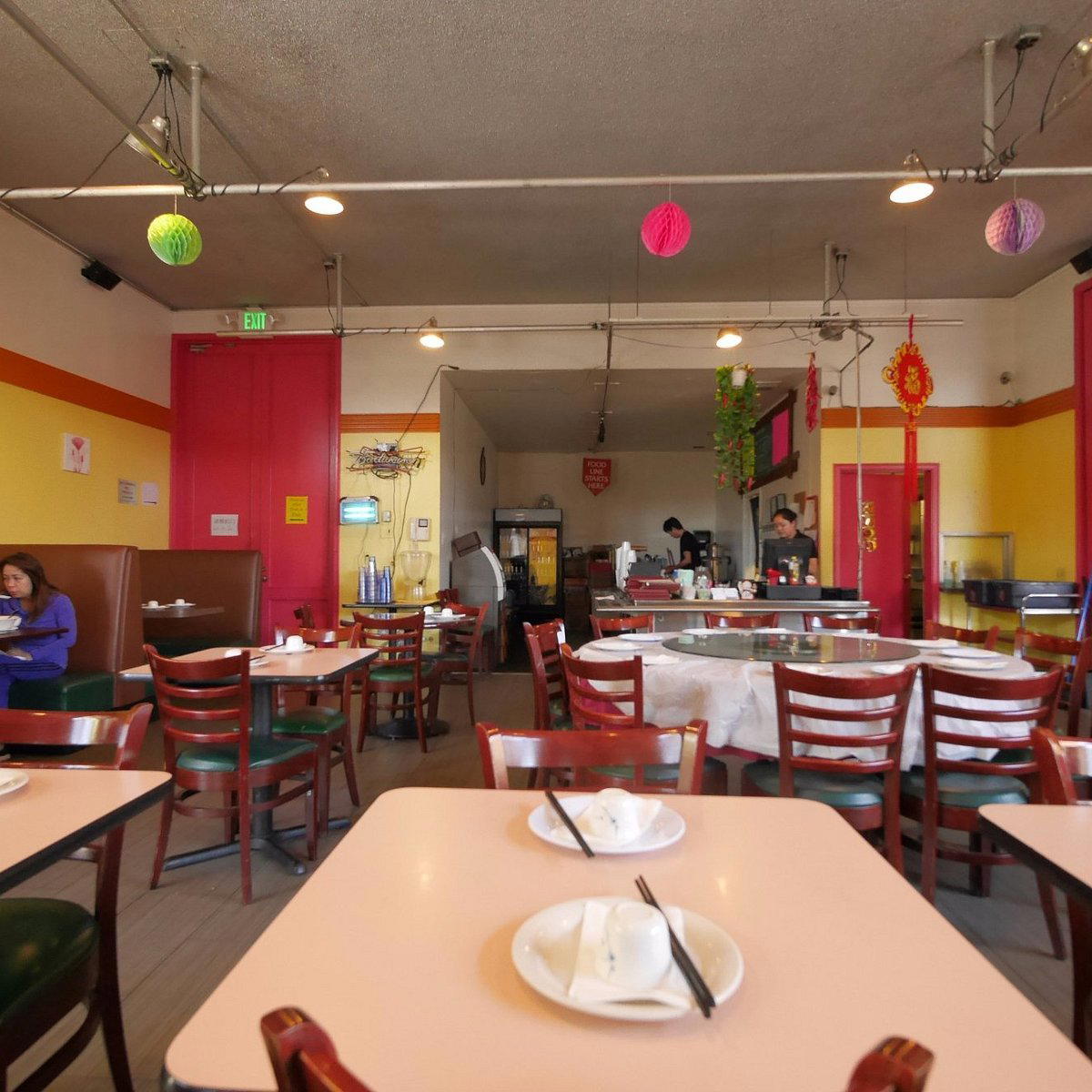
Funky, colorful interior with yellow walls and orange trim that evokes a small village café or street food establishment in Sichuan; crowded and lively during peak hours, quiet between meals.