
Positioned at the mid-to-upper end of Taichung's Chinese dining tier, the second-floor address on Guanqian Road signals the kind of neighbourhood institution that earns recognition through consistency rather than spectacle.
Pearl is the En Primeur Club membership app — saves, bookings, and concierge access live there. Same editors, same standards.
- Address
- 403, Taiwan, Taichung City, West District, Guanqian Rd, 77號2樓
- Phone
- +886 4 2324 6316
- Website
- mingjuanlou.com.tw
- Directions
- Get directions
 Saves & bookings on Pearl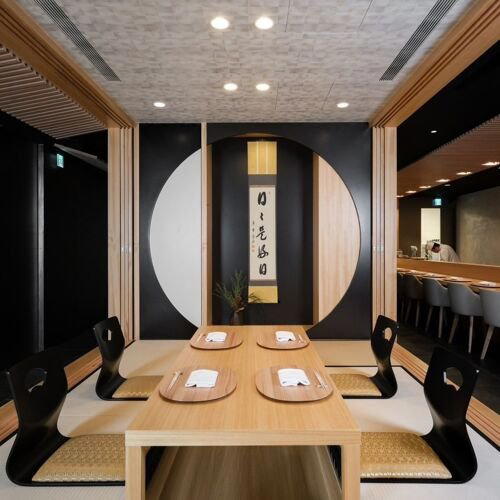
Cantonese Roasting in Central Taiwan
Char siu and roast duck have been benchmarks of Cantonese craft for centuries, and the gap between a competent version and a considered one is legible in every bite. The skin, the lacquer, the internal temperature, the resting time, these are not variables that marketing can substitute. In Taiwan, where Cantonese cooking occupies a distinct niche alongside Taiwanese, Hakka, and the island's broader Chinese regional traditions, a restaurant that earns Michelin recognition for this cuisine is making a specific, verifiable statement about technique. Ming Juan Lou, on the second floor of a Guanqian Road address in Taichung's West District, holds, a signal of strong guest approval.
What the Michelin Plate Signals Here
Ming Juan Lou's Michelin Plate recognition points to cooking that is distinctive in Taichung's Cantonese scene. Cantonese fine dining at the Michelin level typically clusters in the Pearl River Delta and its satellite dining cities. Taichung has a fraction of that density, which means a Plate here positions Ming Juan Lou within a small comparable set locally. The restaurant works in a city where it is the exception, which changes both the competitive context and the audience it serves.
The Editorial Angle: Roasting as a Measure of Seriousness
Cantonese roasting, siu mei, is among the more technically demanding subcategories of Chinese cooking. The preparation of char siu pork requires precise marination ratios, controlled caramelisation, and a hanging method that exposes all surfaces evenly to radiant heat. Roast goose demands skin that blisters without burning, subcutaneous fat that renders completely, and meat that stays moist through a process that would dry out most other birds. These are not dishes that benefit from improvisation. The discipline required to produce them consistently is why dedicated siu mei counters in Hong Kong carry their own tier of recognition, separate from the broader Cantonese dining hierarchy. When a restaurant in a secondary city earns Michelin notice with this cuisine, it is the roasting technique itself that tends to be the deciding factor, not the room, not the service choreography, not the wine list.
Taichung's dining scene, as a whole, has developed a credible fine-dining tier over the past decade. JL Studio operates a Modern Singaporean format at the $$$$ price tier with significant international recognition. L'Atelier par Yao covers French Contemporary at a comparable $$$. MINIMAL brings a modern cuisine approach to the same tier. What the city has been slower to develop is a Cantonese roasting tradition at a recognised level, which makes the restaurant's position in the guide more significant than the Plate alone might suggest.
The West District Setting
The West District is one of Taichung's older commercial zones, occupying the area around the original city centre. It is denser and less curated than the Xitun or Nantun districts that house many of Taichung's newer dining destinations, which means a second-floor address on Guanqian Road reads as a working neighbourhood restaurant rather than a destination built around a design concept. That positioning is consistent with Cantonese roasting culture, where particularly serious kitchens often operate without architectural ambition. The room is secondary. What arrives at the table is the argument. In that sense, the restaurant fits a recognisable template: a venue where the Michelin recognition follows the food, not the other way around.
Ming Juan Lou in Taiwan's Broader Chinese Dining Picture
Taiwan's relationship with Cantonese cooking is partly historical. Post-1949 migration brought Cantonese communities and their culinary traditions to the island, and Taipei's Cantonese dining scene developed alongside the city's general fine-dining infrastructure. Taichung has been slower to develop this strand, with the city's Chinese dining more closely tied to Shanghainese and Taiwanese formats. SHINEYU and Yu Yue Lou represent adjacent positions in the city's Chinese dining tier, each with distinct culinary identities. The restaurant occupies the Cantonese corner of that picture, which is a narrower category locally but one with a clear and demanding quality standard.
Across Taiwan, Michelin-recognised restaurants span a range of regional Chinese and international formats. logy in Taipei operates in the modern tasting-menu tier. GEN in Kaohsiung and A Cun Beef Soup in Tainan reflect the depth of the southern Taiwan dining scene. Volando Urai in Wulai District and Akame in Wutai Township show how Michelin recognition has extended to properties outside the main urban corridors. The restaurant sits in the middle of this geography, a city-centre Cantonese address serving a cuisine that demands a longer technical apprenticeship than almost any other Chinese regional tradition.
Planning Your Visit
The restaurant is priced at the $$$ tier, which in Taichung's context places it above casual neighbourhood dining but below the omakase and multi-course tasting-menu formats that occupy the city's leading price bracket. The address, second floor, 77 Guanqian Road, West District, is walkable from Taichung's central transport corridors. Given the 225-review base and 4.8 rating, this is not an obscure address: reservation planning in advance is advisable, particularly for weekend service when Cantonese roasting institutions in Asia typically see their highest demand. Reservations are essential, and the restaurant is open Wednesday through Sunday for lunch and dinner, with Monday and Tuesday closed.
FAQ
- What should I order at the restaurant?
- The kitchen holds a 2025 Michelin Plate and operates within the Cantonese cuisine tradition, where roasted preparations, char siu, roast meats, and siu mei-style dishes, typically form the backbone of what earns critical recognition. In Cantonese dining, these are the dishes that signal a kitchen's technical seriousness, and in a Michelin-recognised context they are the logical starting point for any visit. Current menu choices are not listed here, but roasted meats remain the natural starting point. For context on how this kitchen compares to other Chinese dining addresses in Taichung, see Yu Yue Lou and SHINEYU.
At-a-Glance Comparison
Comparable venues nearby, for context on price, style, and recognition.
| Venue | Cuisine | Price | Awards | Notes |
|---|---|---|---|---|
| Ming Juan LouThis venue — the venue you are viewing | Contemporary Cantonese with Taiwanese Terroir | $$$ | Michelin Plate | Not listed |
| VARMT (West) | Modern Sichuan Noodles | $$ | Michelin Plate | Zhongxing |
| huist | Modern Taiwanese Fine Dining | $$$ | Michelin Plate | Shuanglong |
| Moment in Beijing | Northern Chinese Classics | $$ | Michelin Plate | Shengping |
| 阿禧師懷舊餐館 | Taiwanese Hot Pot | Not listed | Not listed | Ren'ai |
| Kung Fu Shanghai Fish Ball | Shanghai Handmade Noodles & Fish Balls | $$ | Michelin Plate | Zhongming |
Recognition history
Dated appearances from independent guides and award organizations, with the underlying list record or original source where available.
Michelin Plate
Michelin
Michelin Plate
Michelin
At a Glance
- Elegant
- Sophisticated
- Intimate
- Modern
- Celebration
- Special Occasion
- Business Dinner
- Group Dining
- Date Night
- Private Dining
- Hotel Restaurant
- Open Kitchen
- Sommelier Led
- Local Sourcing
- Sustainable Seafood
- Farm To Table
Current opening hours
- Monday
- Closed
- Tuesday
- Closed
- Wednesday
- 11:30 AM–2:30 PM, 5:30–9:30 PM
- Thursday
- 11:30 AM–2:30 PM, 5:30–9:30 PM
- Friday
- 11:30 AM–2:30 PM, 5:30–9:30 PM
- Saturday
- 11:30 AM–2:30 PM, 5:30–9:30 PM
- Sunday
- 11:30 AM–2:30 PM, 5:30–9:30 PM
Hours can change for holidays and private events. Last verified .
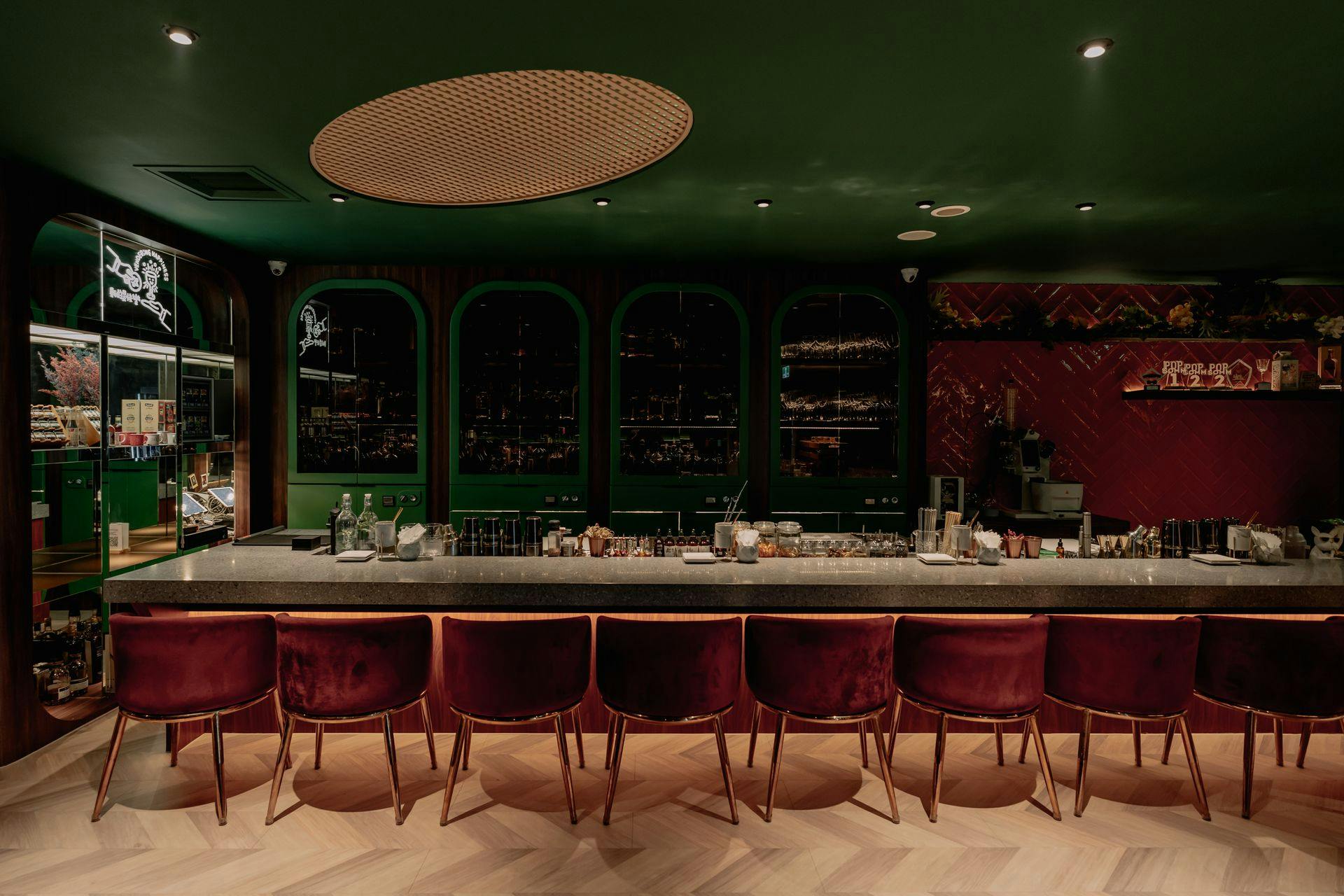
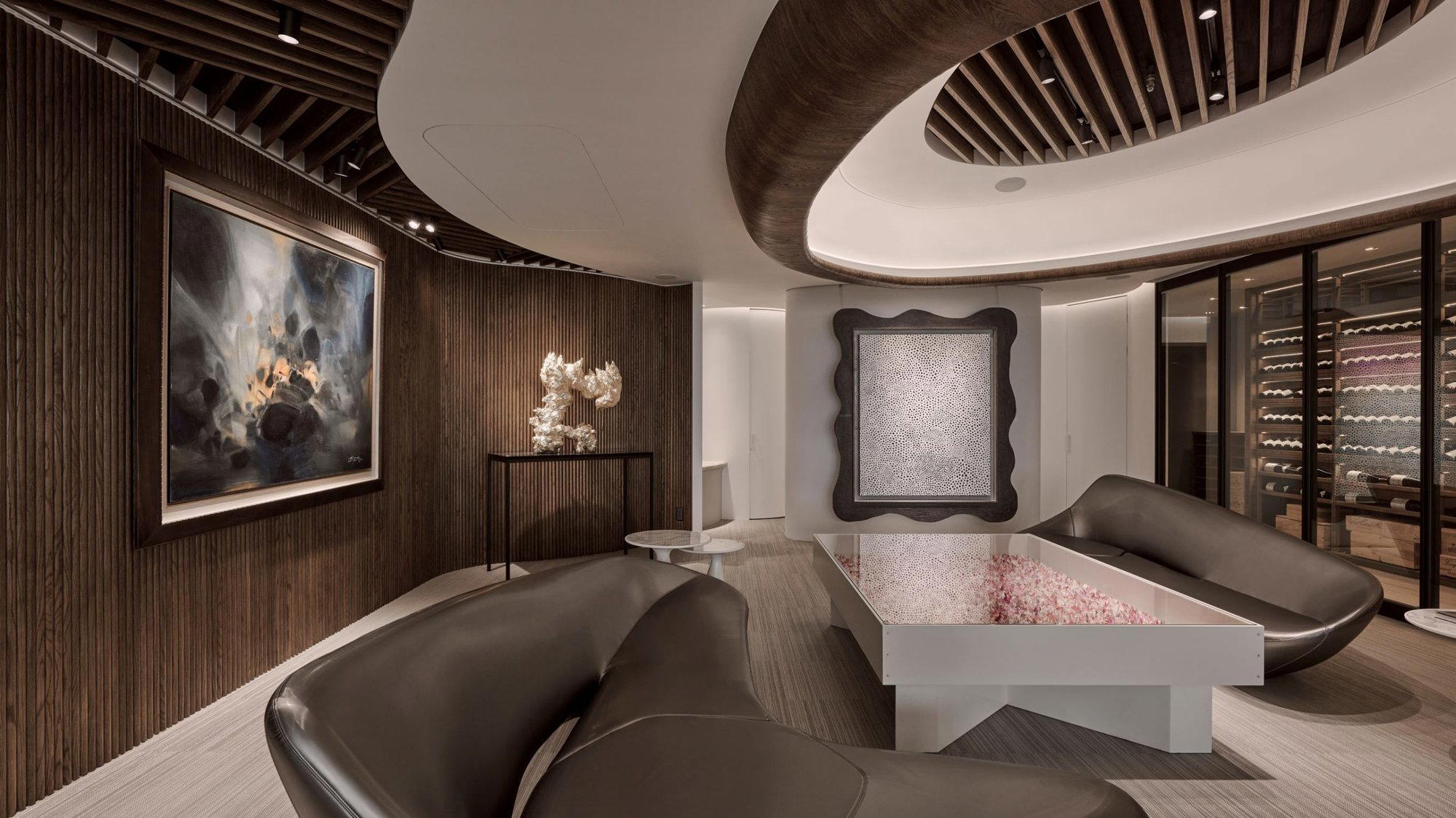
Decorated with rattan screens and embroidery art, the interior drips understated luxury with soft lighting and elegant, minimalist design inspired by flowers and birds, creating a serene and tranquil atmosphere for fine dining.