
The kitchen draws on classical Cantonese technique in a city better known for Taiwanese beef noodles and Japanese-influenced fine dining, making it a genuinely distinct entry in Taichung's premium restaurant circuit.
Pearl is the En Primeur Club membership app — saves, bookings, and concierge access live there. Same editors, same standards.
- Address
- No. 88號, Section 1, Huilai Rd, Xitun District, Taichung City, Taiwan 407
- Phone
- +886 4 2251 5208
- Website
- inline.app
- Directions
- Get directions
 Saves & bookings on Pearl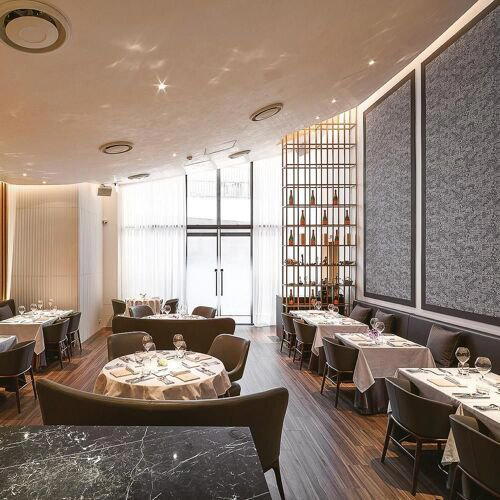
Cantonese Tradition in a City of Hybrids
Taichung's fine dining identity has been shaped largely by crossover formats: Singaporean-inflected tasting menus at JL Studio, French contemporary precision at L'Atelier par Yao, and minimalist Taiwanese modernism at MINIMAL. What the city has not historically produced is a serious canonical Cantonese house, the kind of address that earns its place not by reinterpreting the tradition but by executing it at a level where the execution itself becomes the argument. SHINEYU, on Section 1 of Huilai Road in Xitun District, sits in that narrower position, and its Michelin recognition places it in a formally acknowledged tier that few Taichung restaurants reach at all.
Cantonese cuisine's complexity is often underestimated outside the cooking culture that produced it. The cuisine is among the more technically demanding in Chinese gastronomy: its emphasis on clarity of flavour, textural precision in seafood preparations, and the particular restraint of Cantonese seasoning philosophy all require years of accumulation to execute at a high level. Finding that level of execution in central Taiwan, rather than in Hong Kong or Guangdong, is the first thing worth understanding about SHINEYU's position in this city.
How It Fits the Taichung Premium Tier
At roughly $250 per person, SHINEYU occupies the same bracket as JL Studio and peers with a handful of the city's most formally recognised tables. Scores that high tend to decay as volume increases, which makes a sustained 4.8 across nearly 10,000 responses a functional indicator of consistency rather than an early burst of enthusiasm from a loyal opening crowd. In that sense, the score adds a layer of reliability evidence that awards alone cannot provide: it reflects a broad cross-section of experiences over time, not a single inspector visit.
For comparative reference, the Cantonese fine dining tier across the broader region is anchored by addresses like Forum in Hong Kong, Chef Tam's Seasons in Macau, and 102 House in Shanghai. SHINEYU is not competing in that upper bracket, but its review profile position it as a notable Cantonese option currently operating in Taichung, in a city where the cuisine otherwise has limited serious representation.
The Wine Angle at a Cantonese Table
Cantonese cuisine and wine pairing is a subject that has evolved considerably across premium Chinese restaurants in Hong Kong and Macau over the past two decades. The cuisine's clean, restrained flavour profiles, particularly in steamed fish, white-cut preparations, and wok-fired vegetables with minimal sauce interference, create pairing opportunities that heavier regional Chinese cooking often forecloses. Aged white Burgundy has become a reference pairing for high-end dim sum and seafood courses at Cantonese addresses throughout the region, with the wine's oxidative character and textural weight matching the savoury depth of longer-cooked dishes without overwhelming the delicacy of steamed preparations.
At SHINEYU, the wine programme is not specified in the record. What the broader Cantonese fine dining context suggests is that a kitchen working at this level, at this price point, in a Taiwanese market that has developed considerable wine literacy over the past decade, is likely to have given wine selection serious attention. Taiwan's premium restaurant sector has moved toward more curated beverage programmes as the Michelin Guide has expanded its Taipei and regional coverage, and that shift has extended to wine lists at Chinese cuisine addresses, not just Western-influenced tasting menu formats.
For guests building an evening around wine, the practical recommendation is to call ahead, when contact information becomes available, and ask specifically about cellar provisions for Cantonese-pairing whites and older red Burgundy or Barolo options, both of which travel well alongside braised and slow-cooked meat preparations common to the cuisine.
Xitun District and the Practical Case for This Address
Xitun is one of Taichung's more commercially developed districts, home to significant retail density and a high concentration of the city's business and corporate dining. The address on Huilai Road Section 1 places SHINEYU within reach of the central Taichung business corridor, which partly explains the review volume: this is not a destination tucked into a residential neighbourhood but a restaurant accessible to both visiting and local professional diners. That accessibility profile tends to support consistent foot traffic and, in turn, the kitchen consistency that high-volume review scores require to remain intact.
For visitors arriving via Taichung HSR Station, Xitun is reachable by taxi or ride-sharing app without difficulty. The district is walkable in patches but spread enough that most diners arrive by vehicle. Reservations are essential, and the restaurant is open Tuesday through Friday from 6 to 10 p.m. Saturday and Sunday from 12 to 2:30 p.m. and 6 to 10 p.m.
SHINEYU in Taichung's Broader Dining Sequence
For a multi-day visit to Taichung, SHINEYU fills a specific gap in the dining sequence that few other addresses can. The city's Michelin-recognised circuit skews toward contemporary formats and international influences. Adding a serious Cantonese house to that itinerary introduces a different kind of technical vocabulary, one rooted in classical Chinese cooking tradition rather than the tasting menu architectures that dominate the city's formal dining scene.
Taichung sits within a regional dining network that extends to logy in Taipei to the north, GEN in Kaohsiung to the south, and addresses as singular as Akame in Wutai Township for those moving through Taiwan on a serious eating itinerary. Within the city itself, Ming Juan Lou and Yu Yue Lou offer additional points of reference for Chinese cuisine in Taichung, while the full range of the city's dining options is covered in our full Taichung restaurants guide.
For those extending their Taiwan itinerary southward, A Cun Beef Soup in Tainan and Volando Urai Spring Spa and Resort in Wulai District represent two different registers of the island's hospitality range.
Peers Worth Knowing
Comparable venues nearby, for context on price, style, and recognition.
| Venue | Cuisine | Price | Notes |
|---|---|---|---|
| SHINEYUThis venue — the venue you are viewing | Contemporary Cantonese & Chinese | $$$$ | Not listed |
| Yu Yue Lou | Modern Cantonese Fine Dining | $$$$ | Xinsheng |
| Inflorescence | Japanese Kaiseki Omakase | $$$$ | Min de |
| Yuan | Modern Taiwanese Seasonal Cuisine | $$$ | Gongping |
| FIRNS | Modern French-Asian Fine Dining | $$$$ | Gongping |
| Chef Ah-Hsi's Old Time Restaurant | Taiwanese Roast Goose | $$ | Ren'ai |
Recognition history
Dated appearances from independent guides and award organizations, with the underlying list record or original source where available.
Michelin 1 Star
Michelin
Michelin Plate
Michelin
At a Glance
- Elegant
- Intimate
- Sophisticated
- Modern
- Quiet
- Special Occasion
- Business Dinner
- Celebration
- Group Dining
- Private Dining
- Design Destination
- Sommelier Led
- Local Sourcing
Current opening hours
- Monday
- Closed
- Tuesday
- 6–10 p.m.
- Wednesday
- 6–10 p.m.
- Thursday
- 6–10 p.m.
- Friday
- 6–10 p.m.
- Saturday
- 12–2:30 p.m., 6–10 p.m.
- Sunday
- 12–2:30 p.m., 6–10 p.m.
Hours can change for holidays and private events. Last verified .
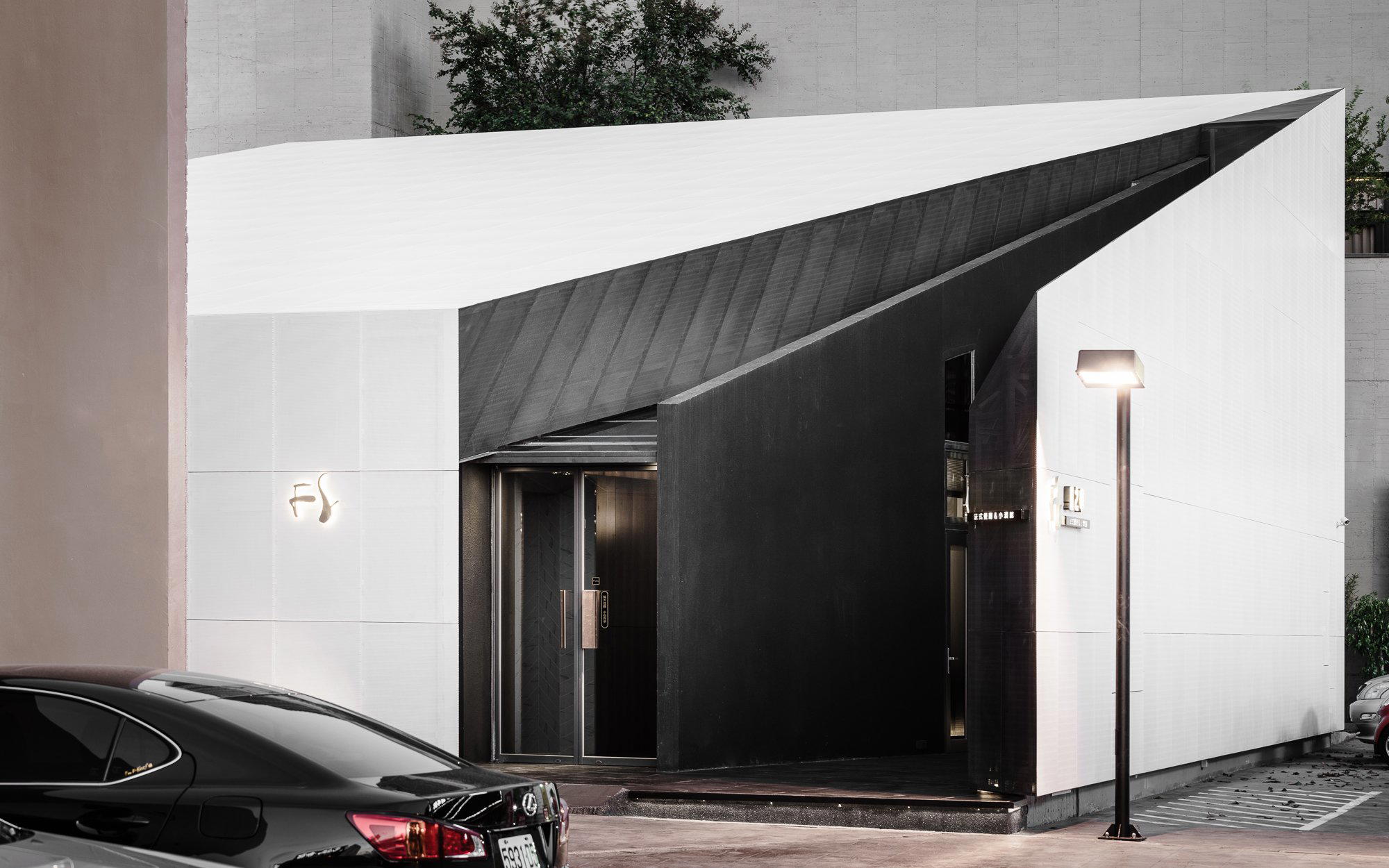
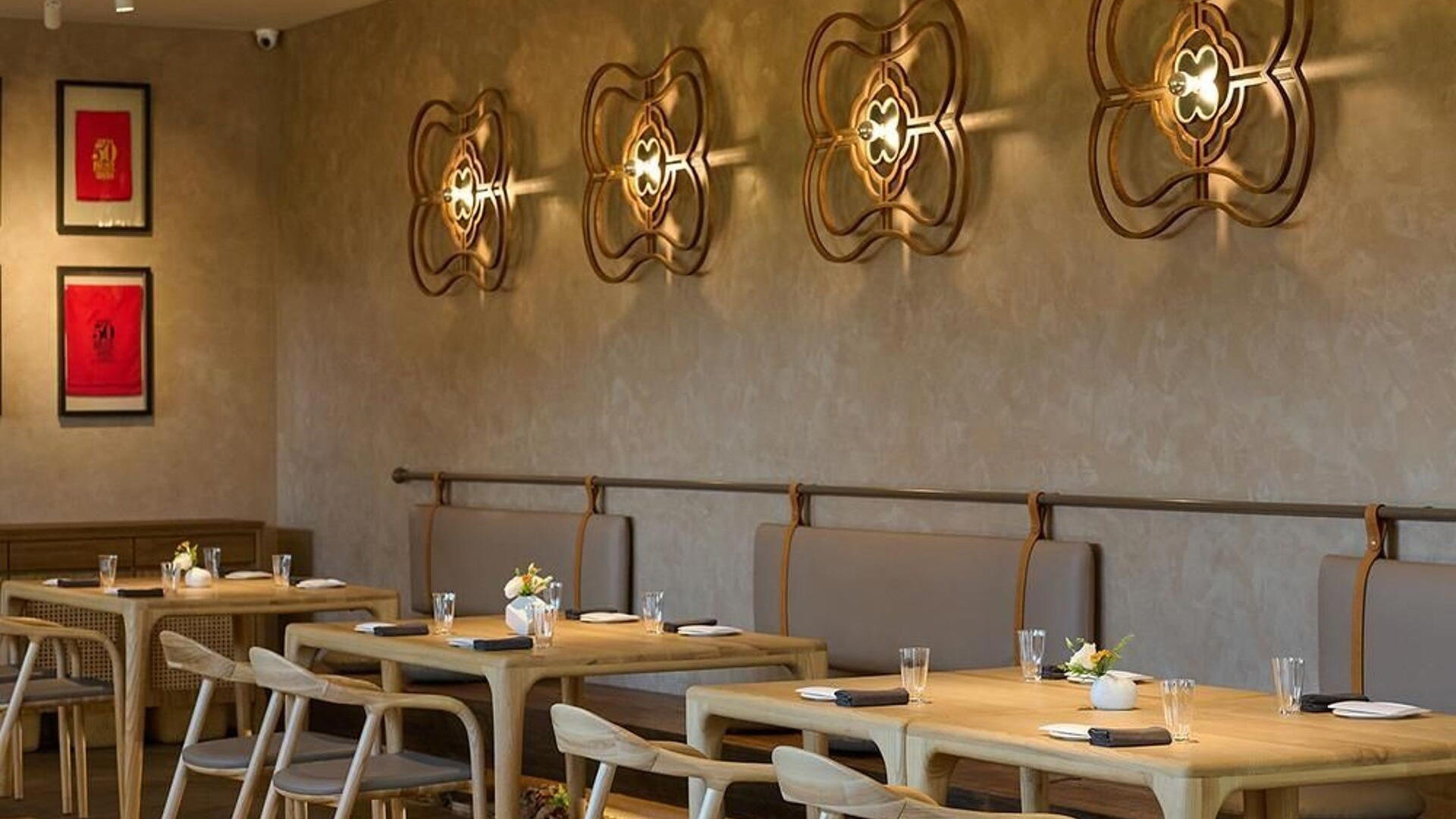
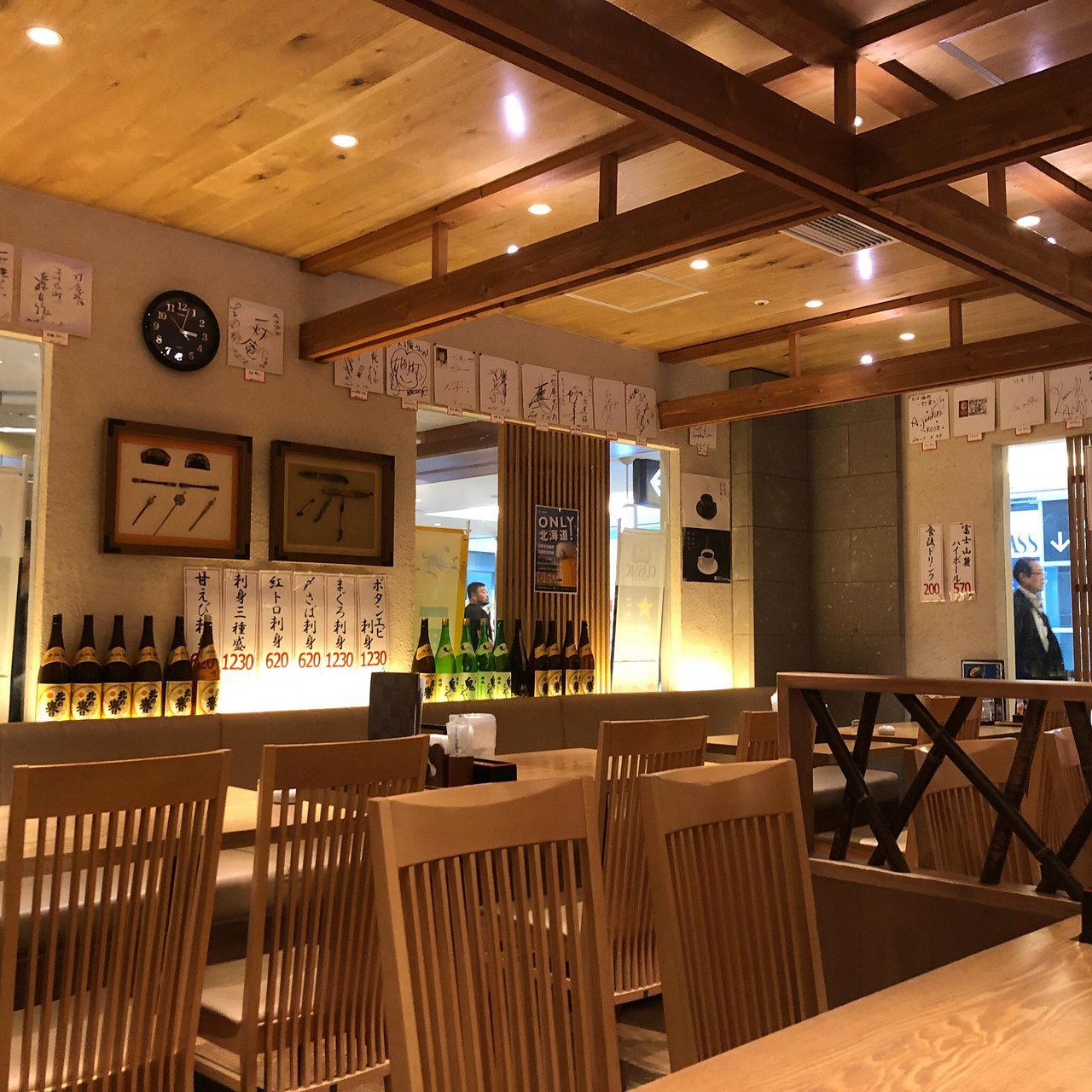
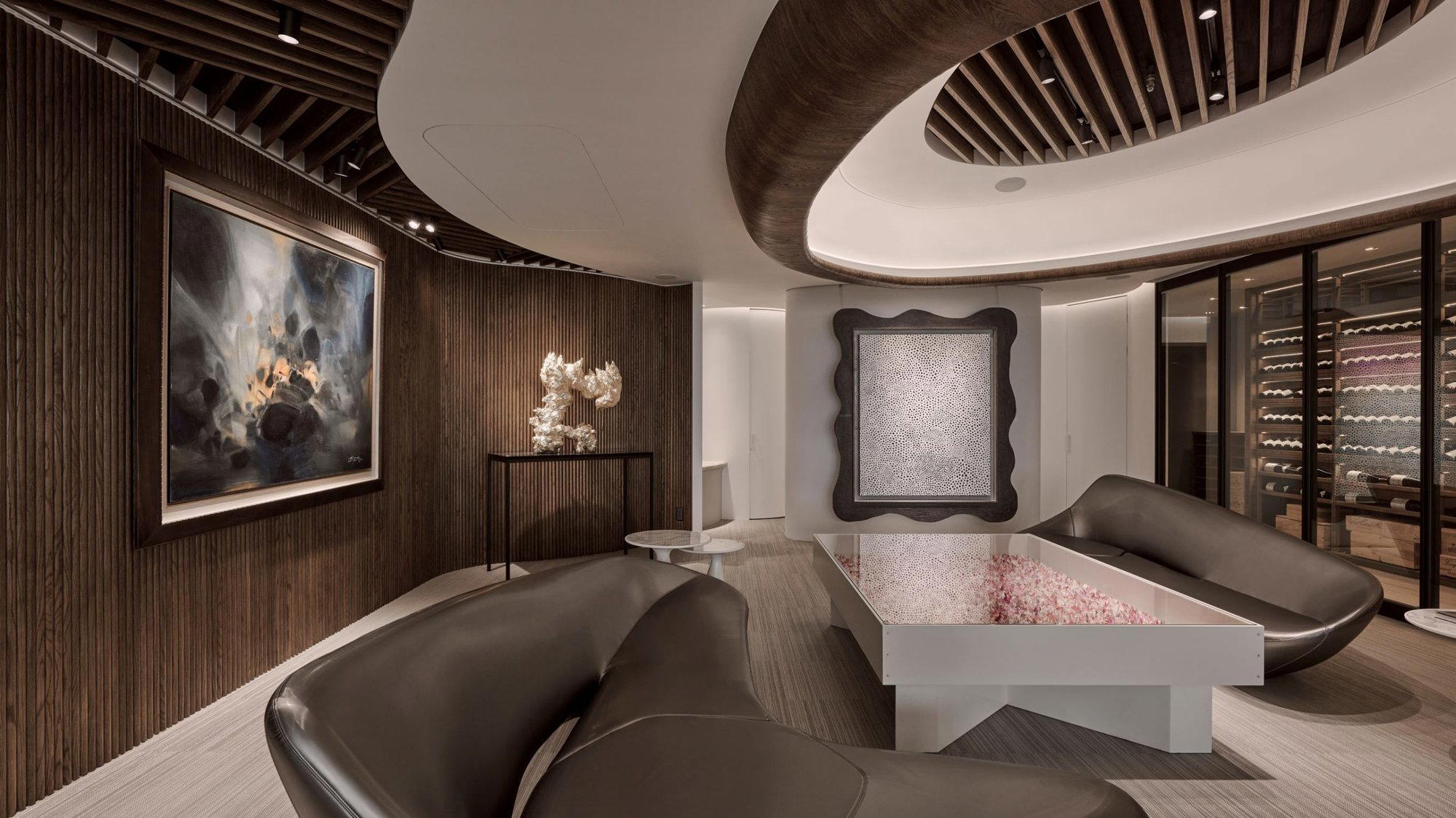
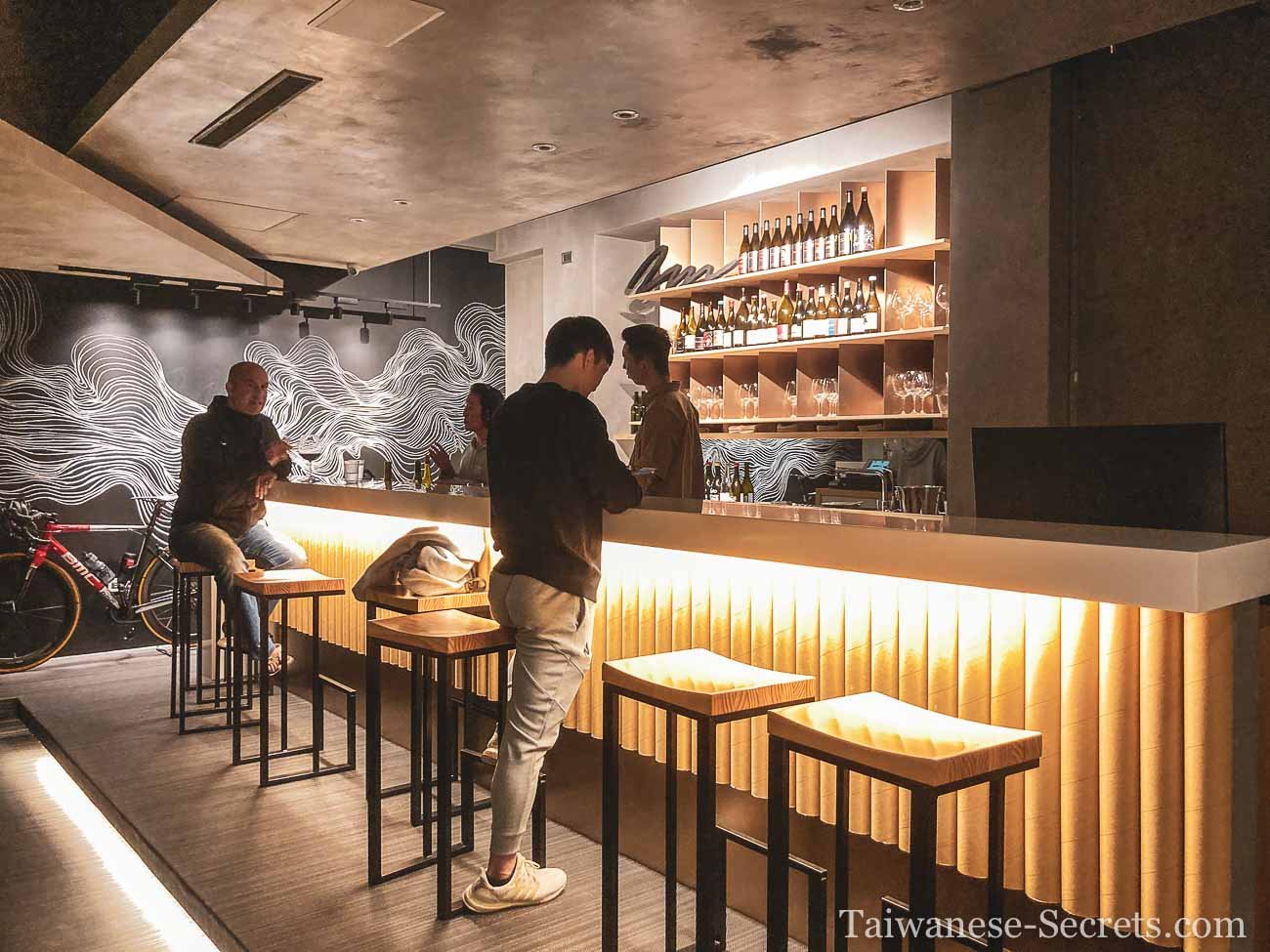
Raw natural stone contrasts with sleek finishes in a sculptural, minimalist setting; soft lighting, fine porcelain, crisp linens, and warm wood create an intimate, serene atmosphere designed for focused conversation.