Mill Valley Kitchen
Our verdict
Mill Valley Kitchen sits on Excelsior Boulevard in St Louis Park, a stretch that has quietly developed one of the Twin Cities' more interesting casual dining corridors. The kitchen takes a sourcing-forward approach that places it in a different conversation from the neighborhood's more straightforward American options. For those tracking where ingredient provenance actually shapes a menu, this is a useful address.

Pearl is the En Primeur Club membership app, where members save venues, book tables and use the concierge.

Excelsior Boulevard and the Case for Sourcing-Led Kitchens
Excelsior Boulevard runs through St Louis Park with the unhurried rhythm of a neighborhood commercial strip that has largely resisted the homogenization affecting similar corridors in the Twin Cities suburbs. The block-level mix of independent operators and regional names creates a dining environment where sourcing decisions and kitchen identity carry more weight than brand recognition. Mill Valley Kitchen, at 3906 Excelsior Blvd, sits within that context: a restaurant whose relevance to the neighborhood is shaped less by spectacle and more by what arrives through the back door.
In American casual dining, the distance between a kitchen that talks about local sourcing and one that actually structures its menu around supply relationships tends to be significant. The former treats provenance as marketing language; the latter lets seasonal availability and producer relationships dictate what goes on the plate. The sourcing-forward model, when executed with discipline, produces a menu that shifts in character across the year rather than remaining static. It also places the restaurant in a different operational relationship with its producers than kitchens that source primarily through broadline distribution.
Where Mill Valley Kitchen Sits in the St Louis Park Dining Scene
St Louis Park's restaurant range spans several distinct tiers and formats. Boketto occupies the more focused, higher-end end of the local spectrum, while CRAVE - West End represents the polished American brasserie format that draws from a broader suburban clientele. Entertainment-anchored concepts like Punch Bowl Social operate in a different category altogether, where the food program is secondary to the broader experience format. Hazelwood Food & Drink and Chi-Chi's fill out the neighborhood's mid-range and legacy casual tiers respectively.
Mill Valley Kitchen occupies a position within this range that prioritizes kitchen identity over format theatrics. That positioning appeals to a specific kind of diner: someone less interested in the occasion-dressing of a polished brasserie and more interested in what the kitchen is actually doing with its ingredients. In a suburb where that orientation is not universally catered for, it functions as a useful counterweight to the broader market.
The Ingredient Sourcing Argument in Midwestern Dining
Minnesota's agricultural profile gives Midwestern kitchens a genuine foundation for sourcing-led menus. The region's dairy, grain, and produce traditions, combined with a growing community of small-scale farmers oriented toward restaurant supply, mean that a committed kitchen has more to work with than might be assumed from outside the region. The challenge is typically not availability but kitchen discipline: the willingness to build a menu around what is actually in season and available from named producers, rather than defaulting to year-round consistency from national suppliers.
Restaurants that take this approach seriously tend to develop identifiable kitchen personalities over time. The menu becomes a record of producer relationships as much as a list of dishes. This is a different kind of accountability than the kind maintained by, say, a technically rigorous fine-dining kitchen like Single Thread Farm in Healdsburg or Blue Hill at Stone Barns in Tarrytown, where sourcing is integrated with a multi-year agricultural program. But the underlying logic is shared: the supply chain is part of the editorial voice of the kitchen.
At the fine-dining end of the American spectrum, this philosophy has been thoroughly institutionalized. Kitchens like The French Laundry in Napa and Providence in Los Angeles have long structured their menus around sourcing specificity. The more interesting question for a neighborhood kitchen is whether the same discipline translates into a more accessible format without losing the substance. That is the challenge Mill Valley Kitchen engages.
What This Means for the Experience
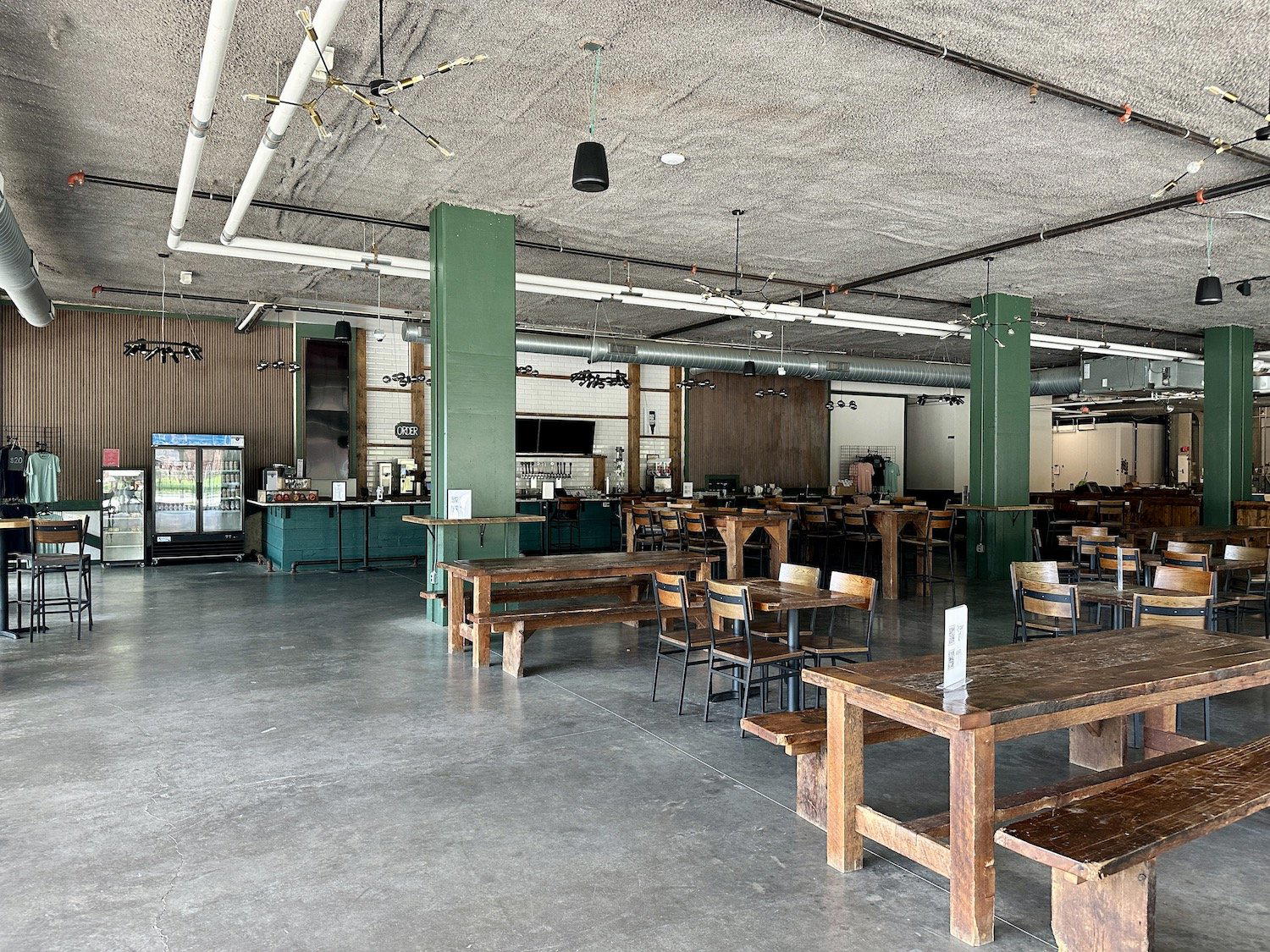
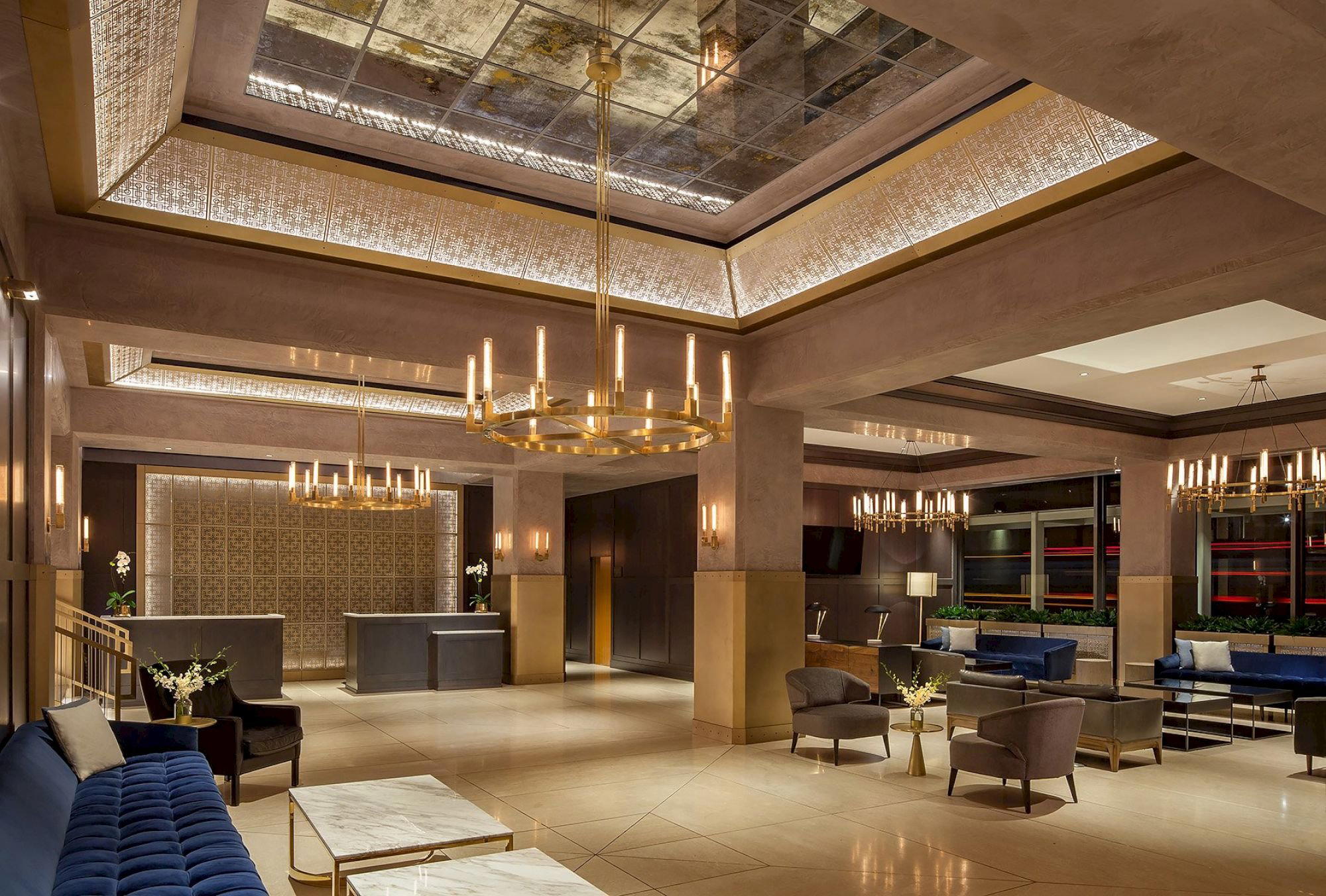
A sourcing-led kitchen at the neighborhood level tends to produce a certain kind of dining atmosphere: focused rather than theatrical, with a menu that rewards close reading. The physical environment on Excelsior Boulevard supports this. The strip does not generate the ambient energy of a downtown dining district, which means the room has to carry its own weight. Kitchens that lean into ingredient quality as their primary argument tend to calibrate their spaces accordingly, prioritizing comfort and unpretentious functionality over design statements.
This is a different register from the technical ambition of restaurants like Alinea in Chicago or the formal precision of Atomix in New York City, but it is not without its own standards. A kitchen that holds itself accountable to its sourcing relationships is making a claim about quality that can be evaluated on the plate, regardless of the setting's formality level.
For visitors to St Louis Park's dining corridor, the practical question is how Mill Valley Kitchen fits into a broader evening. The Excelsior Boulevard location is accessible by car from across the Twin Cities western suburbs, and the neighborhood format means walk-in availability is more realistic than at higher-demand city-center addresses. For context on the broader local dining picture, our full St Louis Park restaurants guide maps the range across formats and price tiers.
Sourcing in Context: The National Conversation
The argument for ingredient provenance as a structuring principle for restaurant menus has moved well beyond the farm-to-table rhetoric of the early 2010s. At the upper end of the American fine-dining market, sourcing specificity is now essentially expected: Addison in San Diego, Le Bernardin in New York City, and The Inn at Little Washington each embed sourcing into their menus as a matter of kitchen identity rather than marketing positioning. Lazy Bear in San Francisco and Emeril's in New Orleans represent different points on the sourcing spectrum, where regional identity informs the kitchen's ingredient vocabulary without necessarily requiring the kind of vertically integrated agricultural relationships seen at the most ambitious farm-driven operations.
The translation of these principles into neighborhood-scale kitchens is where the real test of the philosophy lies. A restaurant does not need to be operating at the level of 8 1/2 Otto e Mezzo Bombana in Hong Kong to hold itself accountable to its supply chain. What matters is whether the sourcing claim is substantive enough to shape what actually reaches the table, and whether the kitchen's commitment to that claim is consistent enough to define its identity in its local market. For St Louis Park, that is the lens through which Mill Valley Kitchen is most usefully evaluated.
Planning Your Visit
Mill Valley Kitchen is located at 3906 Excelsior Blvd, St Louis Park, MN 55416, on a commercial strip that is straightforwardly accessible by car from Minneapolis and the western suburbs. The neighborhood format and location outside the city's higher-pressure dining corridors generally support walk-in availability, though confirming current hours and reservation options directly with the restaurant is advisable before visiting, as operational details were not available at time of publication.
Frequently asked questions
Is Mill Valley Kitchen a family-friendly restaurant?
Mill Valley Kitchen's position on Excelsior Boulevard, a neighborhood commercial strip in St Louis Park, points toward an accessible, community-facing dining format rather than a formal or adults-only environment. Checking directly with the restaurant before visiting with young children is advisable.
What kind of setting is Mill Valley Kitchen?
The restaurant sits at 3906 Excelsior Blvd in St Louis Park, on a commercial corridor that retains the tempo of a residential neighborhood rather than a high-traffic dining destination. The setting skews focused and unpretentious, consistent with sourcing-led kitchens that put the plate ahead of the room's theatrics.
How does Mill Valley Kitchen fit into the broader St Louis Park dining scene?
St Louis Park's restaurant range spans several tiers, from casual chains to more focused independent operators. Mill Valley Kitchen, at 3906 Excelsior Blvd, occupies the independent neighborhood end of that spectrum, with a sourcing-led approach that connects it more closely to Minneapolis's ingredient-driven dining conversation than to the suburb's chain-heavy corridors. It draws from Minnesota's agricultural depth, dairy, grain, and seasonal produce, as a practical framework rather than a marketing position.
What do people recommend at Mill Valley Kitchen?
Asking the kitchen or front-of-house what's driving the current menu is usually the most reliable approach.
What part of town is Mill Valley Kitchen in?
Mill Valley Kitchen is located at 3906 Excelsior Blvd, St Louis Park, MN 55416, St Louis Park.
Is Mill Valley Kitchen reservation-only?
Given its Excelsior Boulevard location and neighborhood-dining format, walk-ins may be accommodated, but contacting the restaurant directly before a peak-hour visit is the practical course.
What's the standout thing about Mill Valley Kitchen?
Its position as a sourcing-focused kitchen on a neighborhood commercial strip in St Louis Park places it in a category that's less common in the Minneapolis suburbs than in the urban core. The commitment to ingredient provenance as an organizing principle, rather than cuisine category or chef celebrity, is what distinguishes the operation from surrounding options on the Excelsior Boulevard corridor.
How It Stacks Up
Comparable venues nearby, for context on price, style, and recognition.
| Venue | Cuisine | Price | Notes |
|---|---|---|---|
| Mill Valley KitchenThis venue (the venue you are viewing) | Contemporary American | $30–50 | Not listed |
| Hazelwood Food & Drink - St Louis Park | Modern New American | Not listed | St Louis Park |
| CRAVE - West End | American Kitchen & Sushi Bar | $30–50 | West End |
| The Loop West End | American Gastropub with Fusion | $20–30 | West End |
| Chi-Chi's | Tex-Mex | $20–30 | St Louis Park |
| Punch Bowl Social | American Shareables & Gastropub | $30–50 | Shops at West End |
Continue exploring
More in St Louis Park
Restaurants in St Louis Park
All restaurants in St Louis Park →
Bars in St Louis Park
Browse all →

Mill Valley Kitchen
The wine
- Extensive wine list
- Craft cocktails
Details
- Modern
- Cozy
- Trendy
- Brunch
- Family
- Casual Hangout
- Special Occasion
- Open Kitchen
- Extensive Wine List
- Craft Cocktails
- Farm To Table
- Local Sourcing
- A La Carte
- Vegetarian Friendly
- Vegan Options
- Gluten Free Options
Current opening hours
- Monday
- 11 AM–9 PM
- Tuesday
- 11 AM–9 PM
- Wednesday
- 11 AM–9 PM
- Thursday
- 11 AM–9 PM
- Friday
- 11 AM–10 PM
- Saturday
- 10 AM–10 PM
- Sunday
- 10 AM–9 PM
Hours can change for holidays and private events. Hours as of .
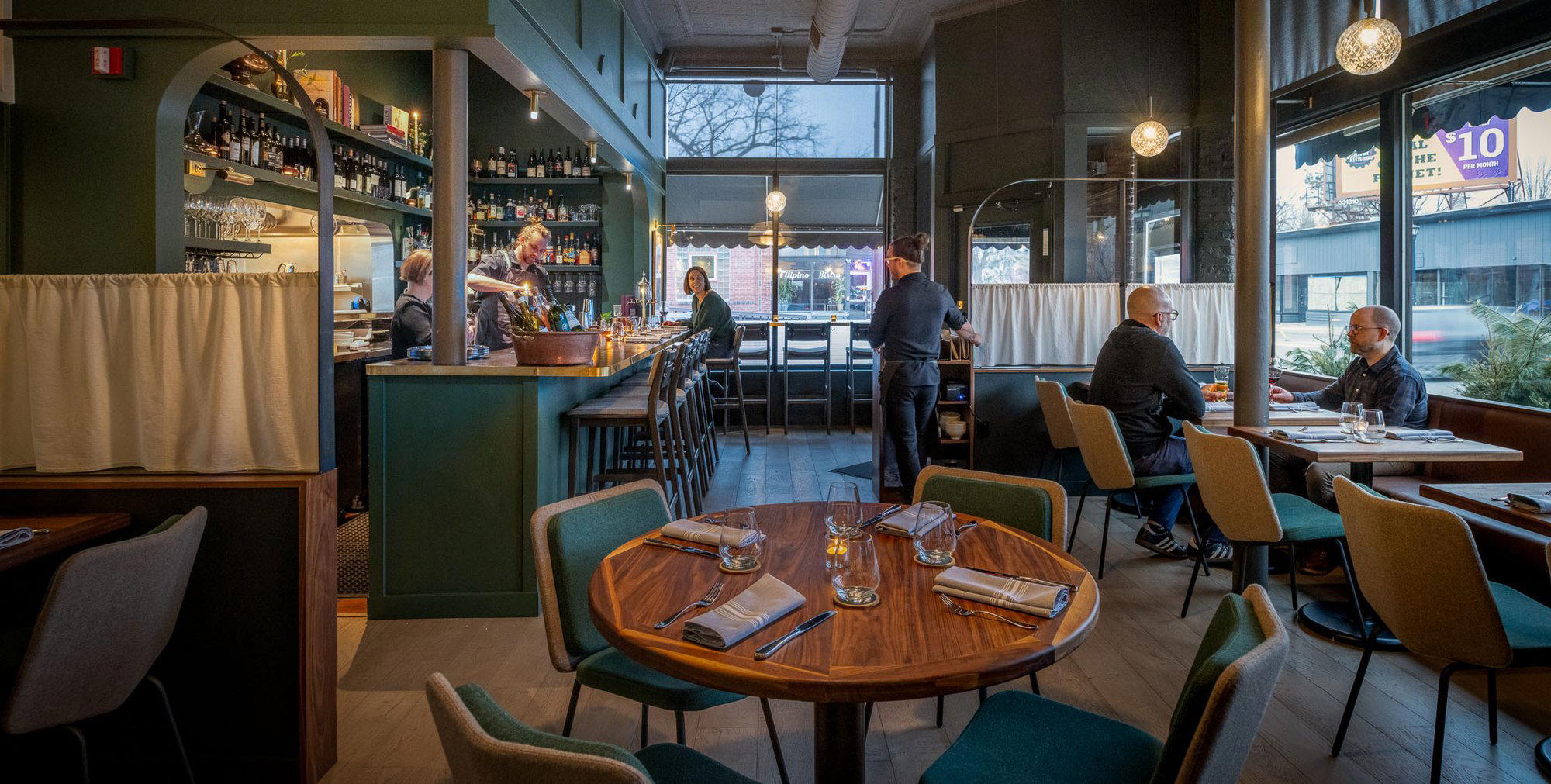
Clean, crisp, modern setting with plants, fresh look, and pleasant atmosphere suitable for casual or special occasions.