Chi-Chi's
Our verdict
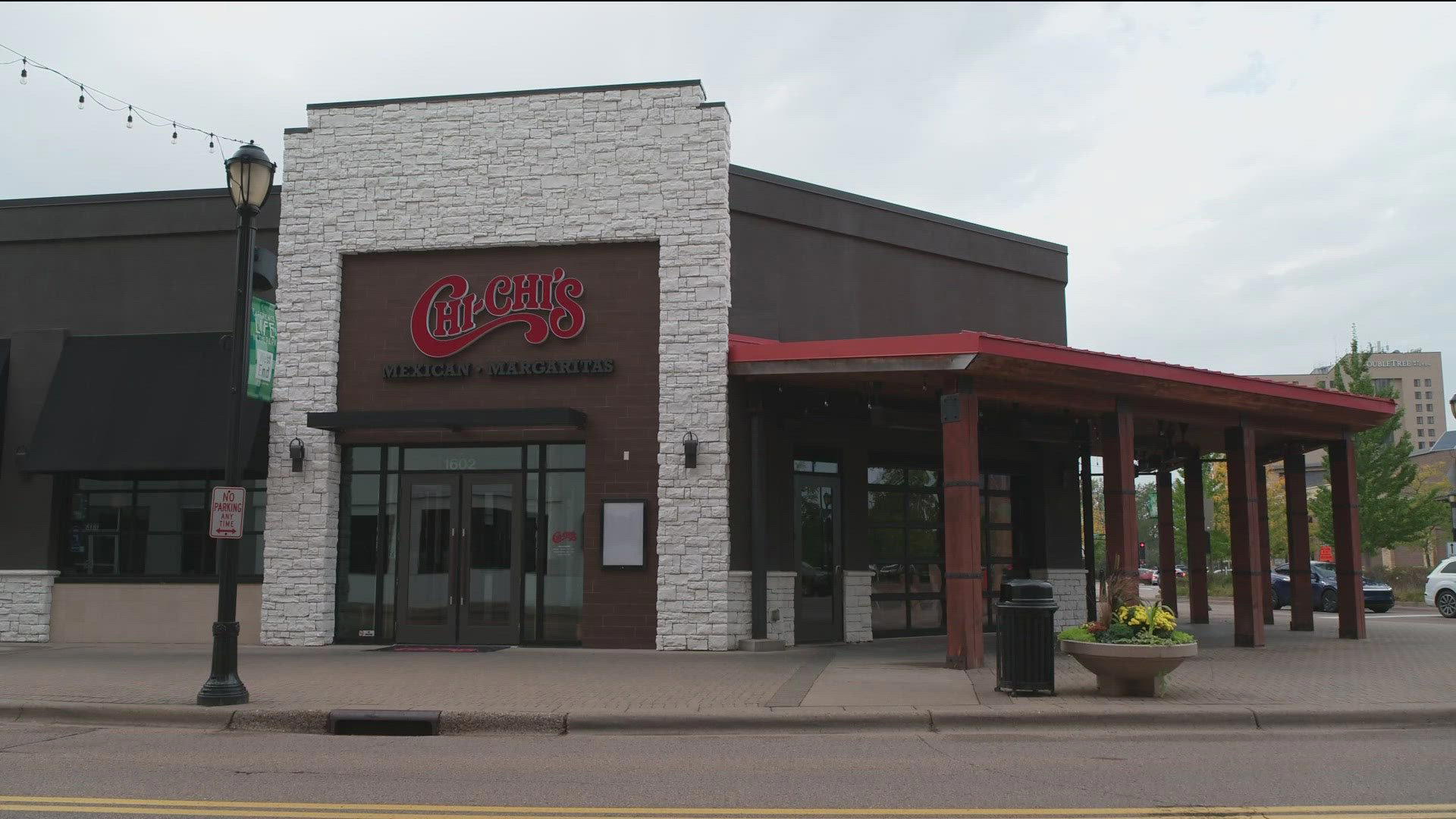
Chi-Chi's at 1602 West End Blvd in St Louis Park occupies a spot in the West End dining corridor where casual Mexican-American formats have long competed for loyalty in the Minneapolis suburbs. The chain played a defining role in how Midwestern diners encountered Tex-Mex traditions during the 1980s and 1990s, making it a reference point in conversations about American regional Mexican cuisine and its commercial evolution.

Pearl is the En Primeur Club membership app, where members save venues, book tables and use the concierge.
The menu
What to order
- Nachos Grande
- Beef Chimichanga
- Fried Ice Cream
Tex-Mex in the Midwest: What Chi-Chi's Represents in St Louis Park
The West End corridor in St Louis Park has, over the past two decades, developed into one of the denser casual dining concentrations in the Minneapolis metro. Restaurants here compete on familiarity and accessibility rather than culinary novelty, and the address at 1602 West End Blvd sits squarely inside that pattern. Chi-Chi's, as a brand, arrived in American dining culture during the late 1970s and expanded aggressively through the 1980s, becoming one of the primary vehicles through which Midwestern audiences encountered a commercialised version of Mexican-American cooking long before regional authenticity became the dominant value in the genre. That history matters when placing this location in context.
Tex-Mex as a distinct American cuisine category traces its roots to the border communities of South Texas, where Mexican culinary traditions fused with Anglo-American ingredients and cooking methods over generations. By the time national chains like Chi-Chi's industrialised the format, certain dishes had become firmly codified: flour tortillas, shredded cheese, sour cream, and ground beef combinations that diverged considerably from interior Mexican cooking. Understanding Chi-Chi's means understanding that it belongs to the Tex-Mex lineage rather than to the broader Mexican culinary tradition, a distinction that shapes both what to order and how to frame the experience. For diners after a different reference point in the genre, venues across the country have moved toward more regionally specific Mexican cooking, from Oaxacan mole programs to Yucatecan preparations, but the accessible, American-adapted format that Chi-Chi's represents retains a specific cultural niche.
The West End Dining Context
Positioning matters in a corridor this dense. The West End development brought a critical mass of mid-market restaurants to St Louis Park, and Chi-Chi's sits within that cohort rather than outside it. Nearby, CRAVE - West End occupies a different register, leaning toward American contemporary with a broader price range, while Mill Valley Kitchen pursues a more ingredient-focused casual approach. Punch Bowl Social draws a different crowd entirely, anchoring the entertainment-led dining format. Boketto and Hazelwood Food & Drink round out the neighbourhood options for those wanting to compare formats before committing. Chi-Chi's occupies the comfort-casual tier in this group, appealing to diners who want a familiar format rather than a new discovery.
That distinction is worth stating plainly: the West End is not a neighbourhood where diners come expecting the kind of precision-driven tasting formats you find at Smyth in Chicago or the produce-first commitments of Blue Hill at Stone Barns in Tarrytown. The comparison tier here is neighbourhood reliability, and that is the appropriate frame for evaluating the Chi-Chi's experience. Across the broader American dining spectrum, venues like Le Bernardin in New York City, The French Laundry in Napa, and Providence in Los Angeles define a different category entirely. Closer in spirit to the accessible American dining tradition are destinations like Emeril's in New Orleans, which similarly built a broad audience through a recognisable, accessible format before the genre fragmented.
Cultural Roots of the Format
The Tex-Mex template that Chi-Chi's popularised draws on a genuinely distinct American regional tradition. Dishes like chimichangas, fajitas as a restaurant format, and combination plates built around beans, rice, and protein are not inventions of the chain era but codifications of border-community cooking that developed organically over the 20th century. Chains accelerated the national spread of these formats, introducing millions of diners in states far from the Texas-Mexico border to ingredients and flavour combinations that were previously unfamiliar. That cultural transmission role, however imperfect in its representation of source traditions, is part of the historical record of American dining.
The broader arc since then has been toward authenticity and regional specificity. Programs at venues like Atomix in New York City demonstrate how a diaspora cuisine can be presented with academic rigour and technical depth when the intent shifts from mass accessibility to precision expression. The same principle applies across Mexican regional cooking, where chefs drawing on Pueblan, Veracruz, or Sonoran traditions operate in a different framework from the Tex-Mex chain model. Both traditions coexist in the American dining market, serving different purposes and different audiences. See our full St Louis Park restaurants guide for a broader map of what the neighbourhood offers across these different registers.
Planning a Visit
Venue address at 1602 West End Blvd places it within the main West End commercial block, accessible by car with parking in the surrounding development. For diners comparing options in the same evening, the density of the corridor means alternatives are within walking distance rather than requiring a separate trip. The West End format generally skews toward walk-in availability rather than the weeks-ahead reservation windows required at venues like Lazy Bear in San Francisco or Single Thread Farm in Healdsburg, but confirming current policy directly is advisable, particularly on weekend evenings when the corridor draws higher foot traffic.
For allergy or dietary concerns, reaching the venue ahead of arrival is the appropriate step. Tex-Mex formats typically involve common allergens including dairy, gluten, and shellfish depending on menu scope, and staff confirmation in advance allows for better planning than addressing it at the table. Similar due diligence applies at any venue in this category, from the West End to destinations like Addison in San Diego or The Inn at Little Washington, where dietary accommodation is confirmed during booking. For a venue of this profile, a phone call or website check before arrival handles most planning questions efficiently.
Frequently asked questions
What part of town is Chi-Chi's in?
Chi-Chi's is located at 1602 West End Blvd, Minneapolis, MN 55416, St Louis Park.
How does Chi-Chi's St Louis Park compare to other Tex-Mex options in the Minneapolis metro?
The Minneapolis metro has added more regionally specific Mexican cooking over the past decade, including Oaxacan-influenced and interior-Mexican formats, which sets a different frame around Tex-Mex specialists like Chi-Chi's at 1602 West End Blvd. Chi-Chi's positioning is in the Midwestern Tex-Mex tradition, combination plates, fajitas, chimichangas, rather than the newer wave of regional Mexican cuisine. For diners specifically seeking that classic Midwest Tex-Mex format in the St Louis Park area, the West End location puts Chi-Chi's within a walkable commercial block with parking access.
How far ahead should I plan for Chi-Chi's?
The West End corridor in St Louis Park operates primarily in the casual walk-in tier, so advance reservations are generally not required for weeknight visits. Weekend evenings in this commercial block can see higher foot traffic given the density of mid-market options nearby. Arriving early on Friday or Saturday evenings is a practical buffer.
What is Chi-Chi's known for?
Chi-Chi's played a documented role in popularising Tex-Mex dining across the Midwest during the 1980s and 1990s, bringing format staples like fajitas and combination platters to markets that had limited exposure to the tradition at the time. The West End Blvd location in St Louis Park places it within a broader casual dining corridor that has grown significantly over the past two decades. That historical context gives the brand a recognisable identity even as the Minneapolis metro's Mexican-American dining scene has expanded toward more regionally specific cooking.
Is Chi-Chi's worth the price?
Within the West End casual dining corridor, the relevant frame of reference is the mid-market tier where combination plates and shared formats typically reflect accessible price points rather than fine-dining positioning. The Tex-Mex format Chi-Chi's represents has historically skewed toward accessible pricing.
Price Lens
Comparable venues nearby, for context on price, style, and recognition.
| Venue | Cuisine | Price | Notes |
|---|---|---|---|
| Chi-Chi'sThis venue (the venue you are viewing) | Tex-Mex | $20–30 | Not listed |
| Mill Valley Kitchen | Contemporary American | $30–50 | Saint Louis Park, Contemporary American |
| Punch Bowl Social | American Shareables & Gastropub | $30–50 | Shops at West End, American Shareables & Gastropub |
| Hazelwood Food & Drink - St Louis Park | Modern New American | Not listed | St Louis Park, Modern New American |
| The Loop West End | American Gastropub with Fusion | $20–30 | West End, American Gastropub with Fusion |
| Boketto | Mediterr-Asian Steakhouse | Not listed | Shops at West End, Mediterr-Asian Steakhouse |
Continue exploring
More in St Louis Park
Restaurants in St Louis Park
All restaurants in St Louis Park →
Bars in St Louis Park
Browse all →

Details
- Lively
- Modern
- Family
- Group Dining
- Casual Hangout
- Celebration
- Open Kitchen
- Craft Cocktails
- A La Carte
Current opening hours
- Monday
- 11 AM–10 PM
- Tuesday
- 11 AM–10 PM
- Wednesday
- 11 AM–10 PM
- Thursday
- 11 AM–10 PM
- Friday
- 11 AM–11 PM
- Saturday
- 11 AM–11 PM
- Sunday
- 11 AM–9 PM
Hours can change for holidays and private events. Hours as of .
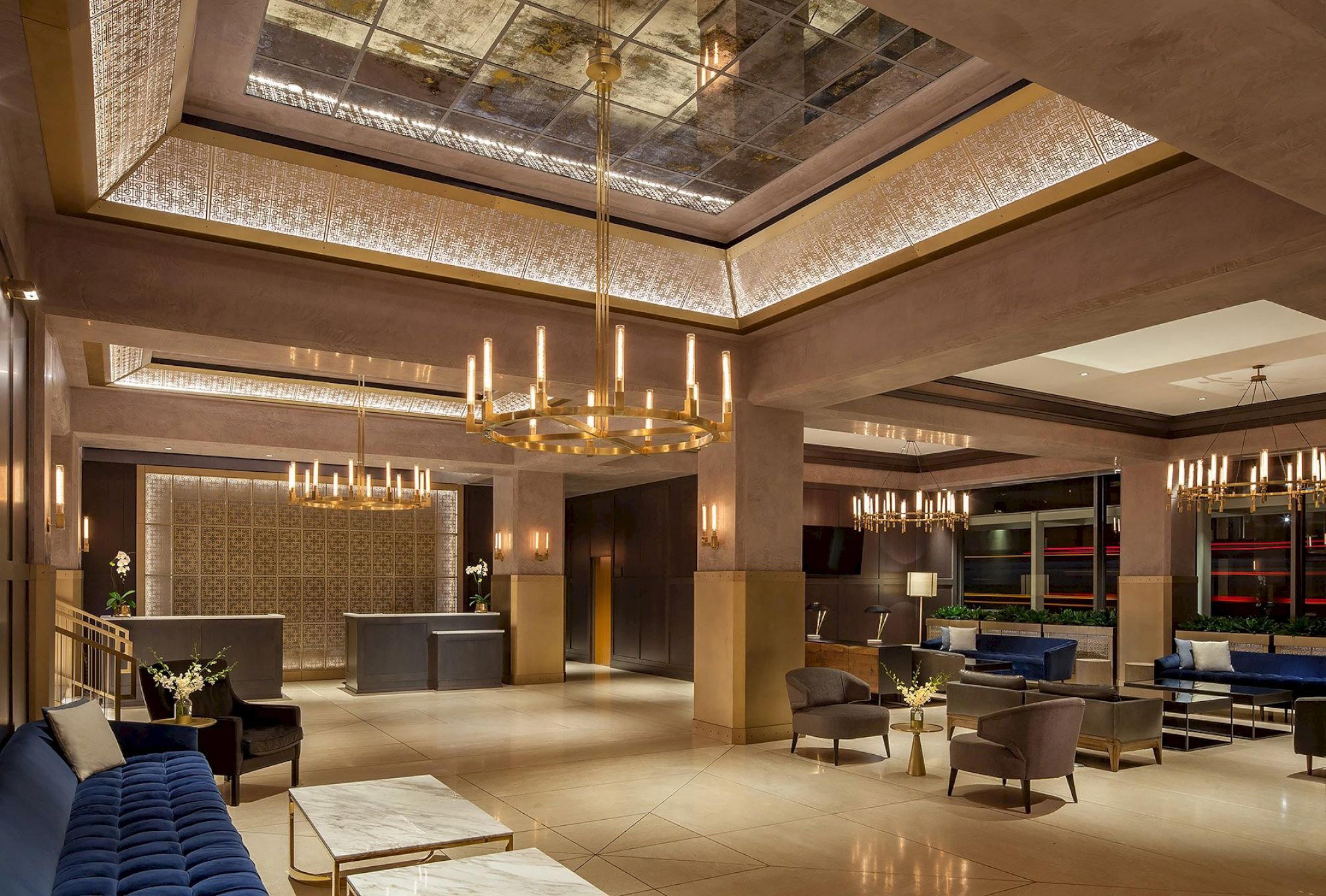
Modern hacienda-style with colorful festive decor, open kitchen, spacious bar/lounge, plants, and engaging lively energy.