
Tabelog 100 #52
Our verdict
Mikawaya places Ginza yoshoku in a premium, old-school register: Japanese-style Western cooking with croquette and steak in the category mix, backed by repeated Tabelog 100 Yoshoku selections including 2025. The value is not bargain dining; it is the clarity of a specialist format in a district where department-store convenience and serious restaurant spending often overlap.

Pearl is the En Primeur Club membership app, where members save venues, book tables and use the concierge.
The menu
What to order
- Shiba shrimp gratin
- Beef au gratin
- Grilled Kobe sirloin steak
- Ebi fry (fried shrimp)
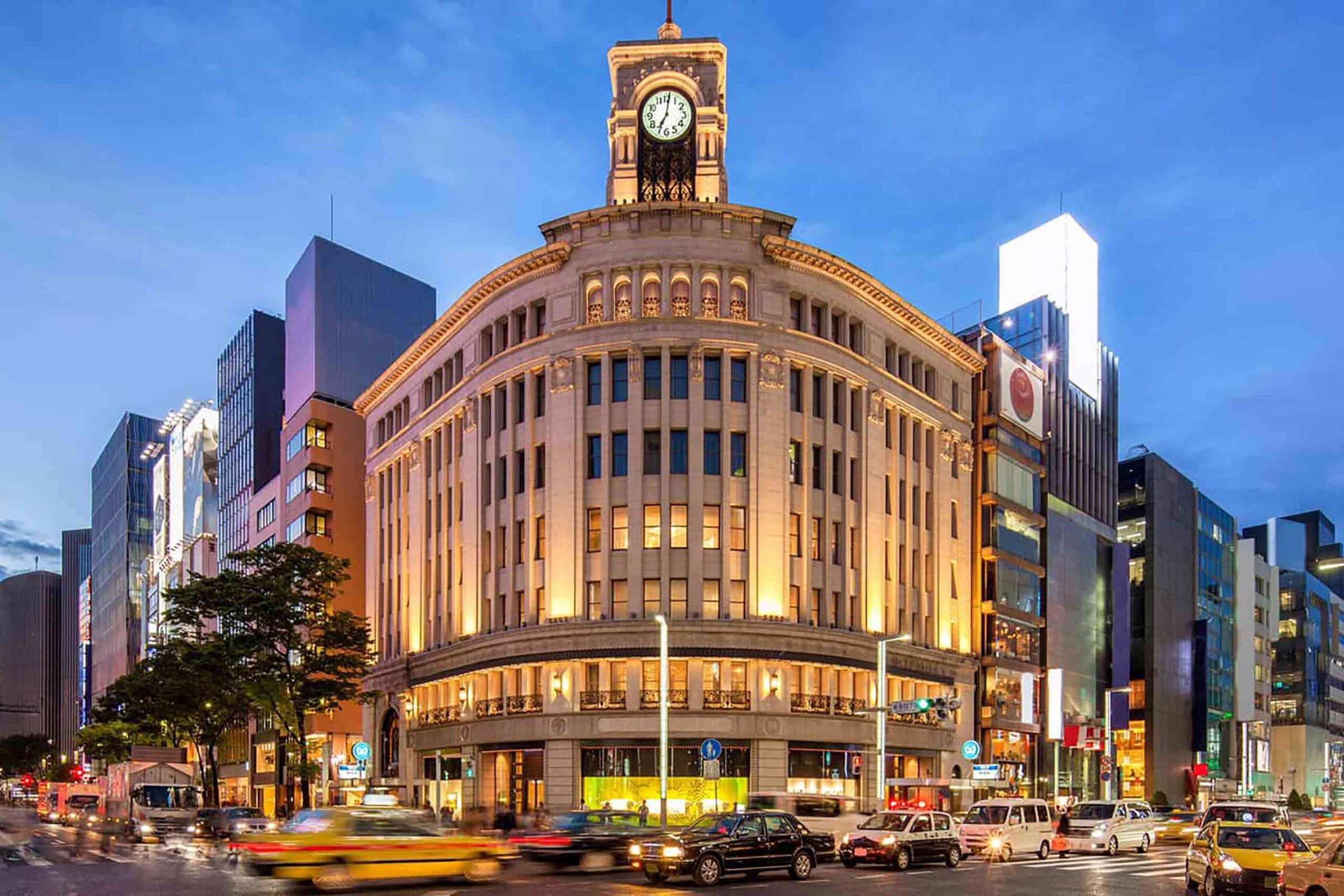
Tokyo changes texture at street level before it changes price. Polished retail frontage gives way to restaurants that compress the city’s older dining habits into compact rooms, and yoshoku sits in that overlap with particular force: Western-derived cooking filtered through Japanese technique, service rhythm, and portion logic. Mikawaya belongs to that tradition rather than the newer international tasting-menu circuit, which is exactly why the spend reads differently here.
Yoshoku is often misunderstood by visitors as comfort food alone. In Tokyo, the category ranges from casual counters to more formal rooms where croquette, steak, sauces, rice, and composed service can carry the weight of a serious meal. At Mikawaya, that range tightens around a specialist category. The question is not novelty but execution, pacing, and whether the restaurant gives enough structure for the bill.
Tokyo yoshoku priced for craft, not novelty
The useful comparison is not sushi or kaiseki. It is the narrow band of Tokyo restaurants preserving yoshoku as a specialist genre rather than treating it as retro decoration. Mikawaya’s Tabelog 100 Yoshoku EAST 2025 recognition puts it in that category conversation, with a listed Tabelog score of 3.69 adding a useful public benchmark. That matters because yoshoku depends on repetition: frying discipline, sauce balance, meat handling, and the ability to make familiar forms feel composed rather than nostalgic.
The menu category signals are plain: Japanese-style Western cuisine, croquette, and steak. Those labels tell an experienced Tokyo diner plenty. Croquette is a test of texture and restraint, not a throwaway side order; steak places the restaurant closer to a grown-up Western-style meal than to a quick lunch-counter stop. None of that requires a chef mythology to be legible. The tradition itself carries the argument.
Value here sits in format and category. Against other Tokyo options, the spread runs wide: Bon Bonheur occupies a sweets-and-café tier, Frederic Cassel Ginza mitsukoshi ten sits in patisserie territory, Chinese Sai Lao Shisen Pyaoshan Ginza mitsukoshi ten moves through a different regional Chinese lens, while Zakuro Ginza ten and Ginza Oojuri push closer to a grown-up dining spend. Mikawaya’s case is that yoshoku can justify its place in that company when the cooking is treated as a full restaurant language rather than a sentimental category.
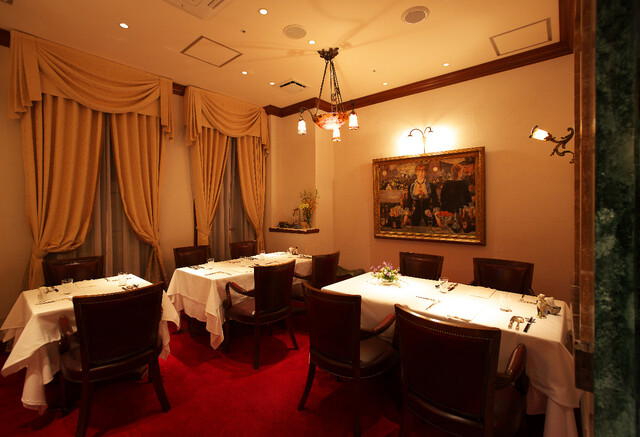
The room makes sense for a Tokyo lunch or dinner plan
Tokyo has many restaurants that ask diners to plan around a counter, a single seating, or a chef-led procession. Mikawaya reads differently. The appeal is more straightforward: a yoshoku meal that can be understood through the listed categories of Japanese-style Western cuisine, croquette, and steak, with a budget that sits above everyday casual dining but below the city’s most elaborate destination formats. In Tokyo terms, that is a practical kind of luxury.
The price structure also changes the value equation for travelers. Dinner is listed at JPY 10,000 - JPY 14,999, while lunch is listed at JPY 8,000 - JPY 9,999. That makes lunch the easier entry point and dinner the fuller commitment, but both sit within a clearly stated band. For visitors trying to budget a Tokyo day, that clarity is useful.
The service picture should be kept simple rather than over-described. The verified contact detail is the restaurant phone number, +81-3-3561-2006, and the available recognition and budget information give enough planning context without inventing operational promises. Treat Mikawaya as a Tokyo yoshoku booking to confirm directly, not as a venue whose every convenience can be assumed in advance.
How to place it in a Tokyo itinerary
Mikawaya works well as a Tokyo anchor meal when the day already points toward polished dining rather than a rushed snack. It is less suited to travelers chasing the drama of a hard-counter reservation. The pay-off is steadier: a Tokyo-Western genre presented with enough recognition, category focus, and budget transparency to make the outlay feel coherent.
For a broader Tokyo dining plan, treat it as one spoke rather than the whole wheel. The city’s range runs from seafood-focused rooms to contemporary dining, yakitori counters, café culture, curry specialists, and other unnamed neighborhood restaurants. For city-wide context, use Our full Tokyo restaurants guide, then pair the meal with Our full Tokyo hotels guide, Our full Tokyo bars guide, Our full Tokyo wineries guide, and Our full Tokyo experiences guide.
Japan’s restaurant map also helps frame the choice. A traveler comparing regional formats might look from beef-focused meals to café culture, contemporary dining, Vietnamese cooking, curry specialists, Kyoto dining, and casual drinking formats elsewhere. Those comparisons are useful only in broad strokes: Mikawaya’s specific interest is Tokyo yoshoku, not a claim to represent every strand of Japanese dining.
The editorial call is simple: choose Mikawaya when Tokyo yoshoku itself is the point. The 2025 Tabelog 100 Yoshoku EAST recognition gives the meal credibility, the listed budget gives it practical clarity, and the category gives Tokyo visitors a view of Western-influenced Japanese cooking that is too often skipped in favor of sushi, ramen, and tempura.
Frequently asked questions
Would Mikawaya be comfortable with kids?
The verified venue information here does not provide a specific family or children policy. If that matters for your meal, contact Mikawaya directly at +81-3-3561-2006 before booking.
How would you describe the vibe at Mikawaya?
Think Tokyo yoshoku rather than ceremony: Japanese-style Western cuisine with croquette and steak listed among the core categories. The appeal is category focus, not the drama of a chef-led tasting-menu format.
What's the price range at Mikawaya?
Pricing at Mikawaya is listed as Dinner: JPY 10,000 - JPY 14,999; Lunch: JPY 8,000 - JPY 9,999.
Is Mikawaya open every day?
Specific opening days and hours are not provided in the verified venue information here. Confirm current hours directly with Mikawaya before going.
Where exactly is Mikawaya?
Tokyo.
What makes Mikawaya worth seeking out?
Its Tabelog 100 Yoshoku EAST 2025 selection is the clearest signal. Add the listed 3.69 score and the stated lunch and dinner budget bands, and it reads as a serious Tokyo yoshoku stop rather than a casual detour.
Price Lens
Comparable venues by cuisine and category.
| Venue | Cuisine | Price | Awards | Notes |
|---|---|---|---|---|
| MikawayaThis venue (the venue you are viewing) | Classic Ginza Yoshoku (Japanese-style Western) | $100–150 | Tabelog 100 #52 | Not listed |
| Old Imperial Bar | Classic hotel cocktail bar with light bites | $30–50 | Tabelog 100 #64 | Chiyoda, Classic hotel cocktail bar with light bites |
| Ishi no Hana | Craft cocktail bar | $30–50 | Tatler Listed in Best Bars Asia-Pacific · Tabelog 100 #19 | Shibuya, Craft cocktail bar |
| TwentyEight Konraddo toukyou | Hotel bar & lounge with afternoon tea | $50–100 | Tabelog 100 #39 | Minato, Hotel bar & lounge with afternoon tea |
| Bar Capri | Hotel cocktail bar with light bites | $50–100 | Tabelog 100 #42 | Chiyoda, Hotel cocktail bar with light bites |
| mixology heritage | Classic Cocktail Bar | $50–100 | Not listed | Chiyoda, Classic Cocktail Bar |
Recognition history
Dated appearances from independent guides and award organizations, with the underlying list record or original source where available.
Tabelog 100 #52 · No. 52
Tabelog · Tabelog 100 - Yoshoku - EAST - 2025
Continue exploring
More in Tokyo
Restaurants in Tokyo
All restaurants in Tokyo →

Details
- Classic
- Elegant
- Well Known
- Intimate
- Business Dinner
- Special Occasion
- Date Night
- Group Dining
- Historic Building
- Standalone
- Extensive Wine List
- A La Carte
- Set Menu
- Wine
- Beer
Current opening hours
- Monday
- 11 AM–9 PM
- Tuesday
- 11 AM–9 PM
- Wednesday
- 11 AM–9 PM
- Thursday
- 11 AM–9 PM
- Friday
- 11 AM–9 PM
- Saturday
- 11 AM–9 PM
- Sunday
- 11 AM–9 PM
Hours can change for holidays and private events. Hours as of .
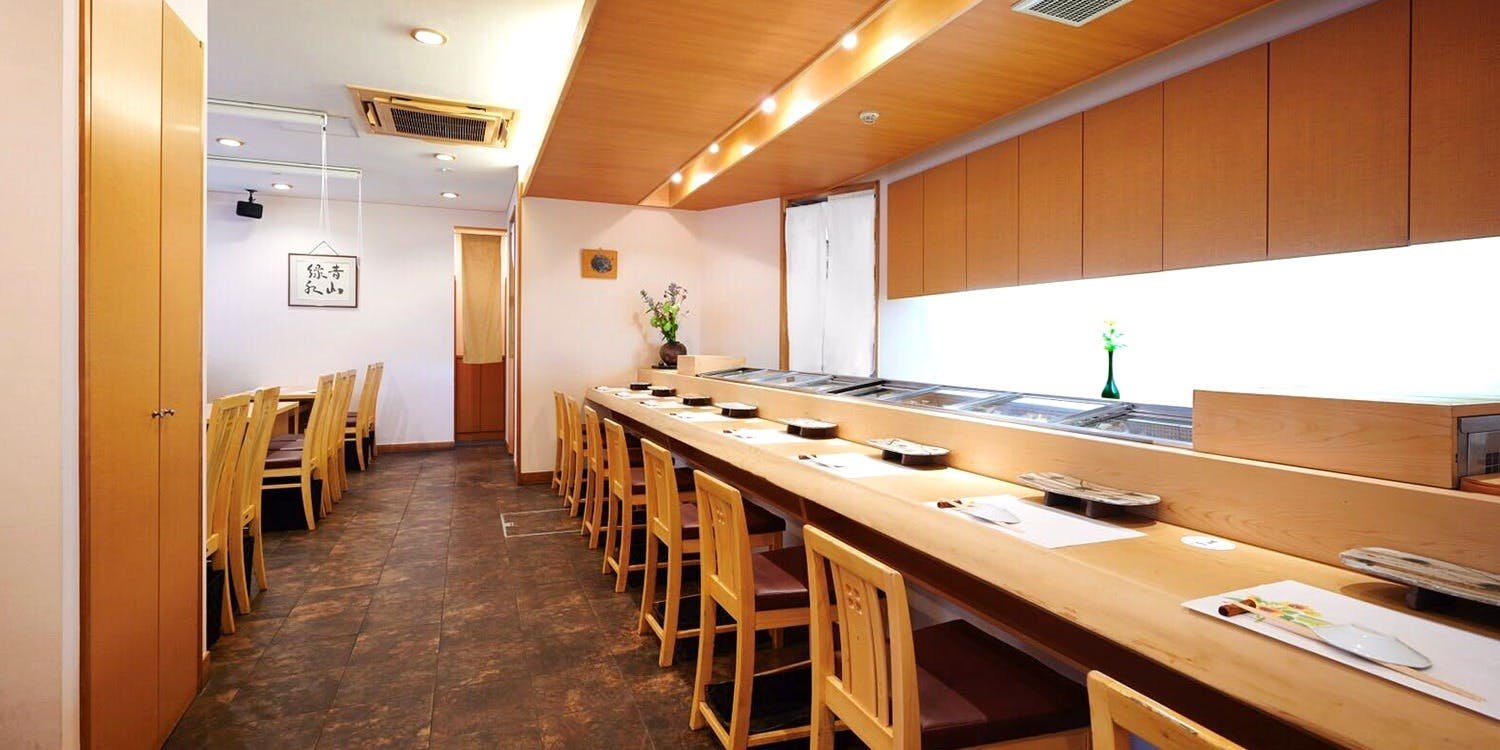
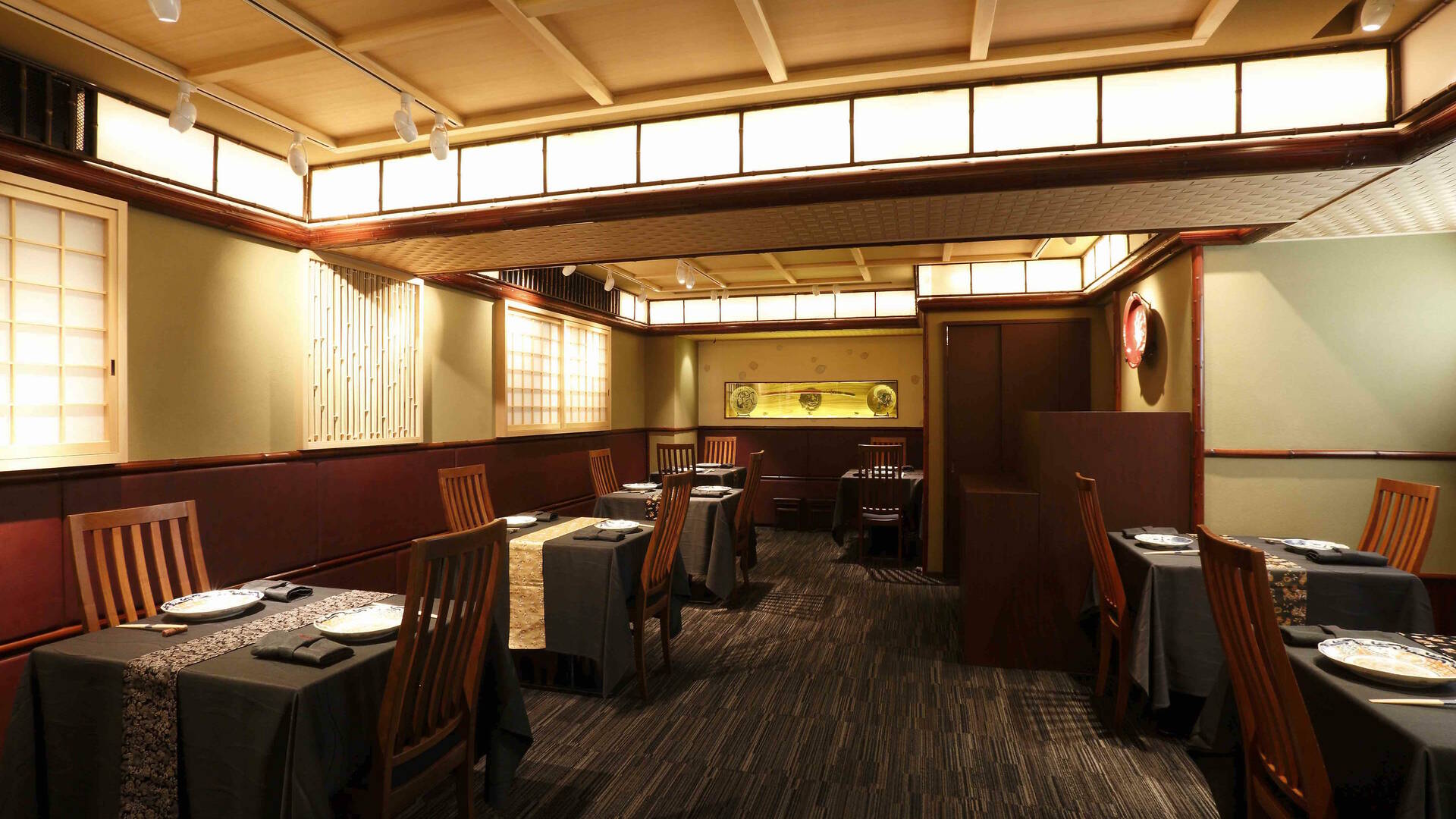
The ambiance is that of a refined, old-school Ginza Western restaurant: white-tablecloth formality without stiffness, warm professional service, and a quietly elegant dining room that reflects its long history and focus on high-quality ingredients and classic technique.