
Tabelog Bronze #148
Our verdict
Jinsei sits in Osaka’s serious sushi bracket: a six-seat counter in Shinsaibashi with repeated Tabelog Award recognition and a fish-led format that puts sourcing, rice temperature, and pacing under close scrutiny. It is better read against Japan’s small-counter sushi tradition than against Osaka’s casual seafood culture, with planning discipline required before committing to a seat.

Pearl is the En Primeur Club membership app, where members save venues, book tables and use the concierge.
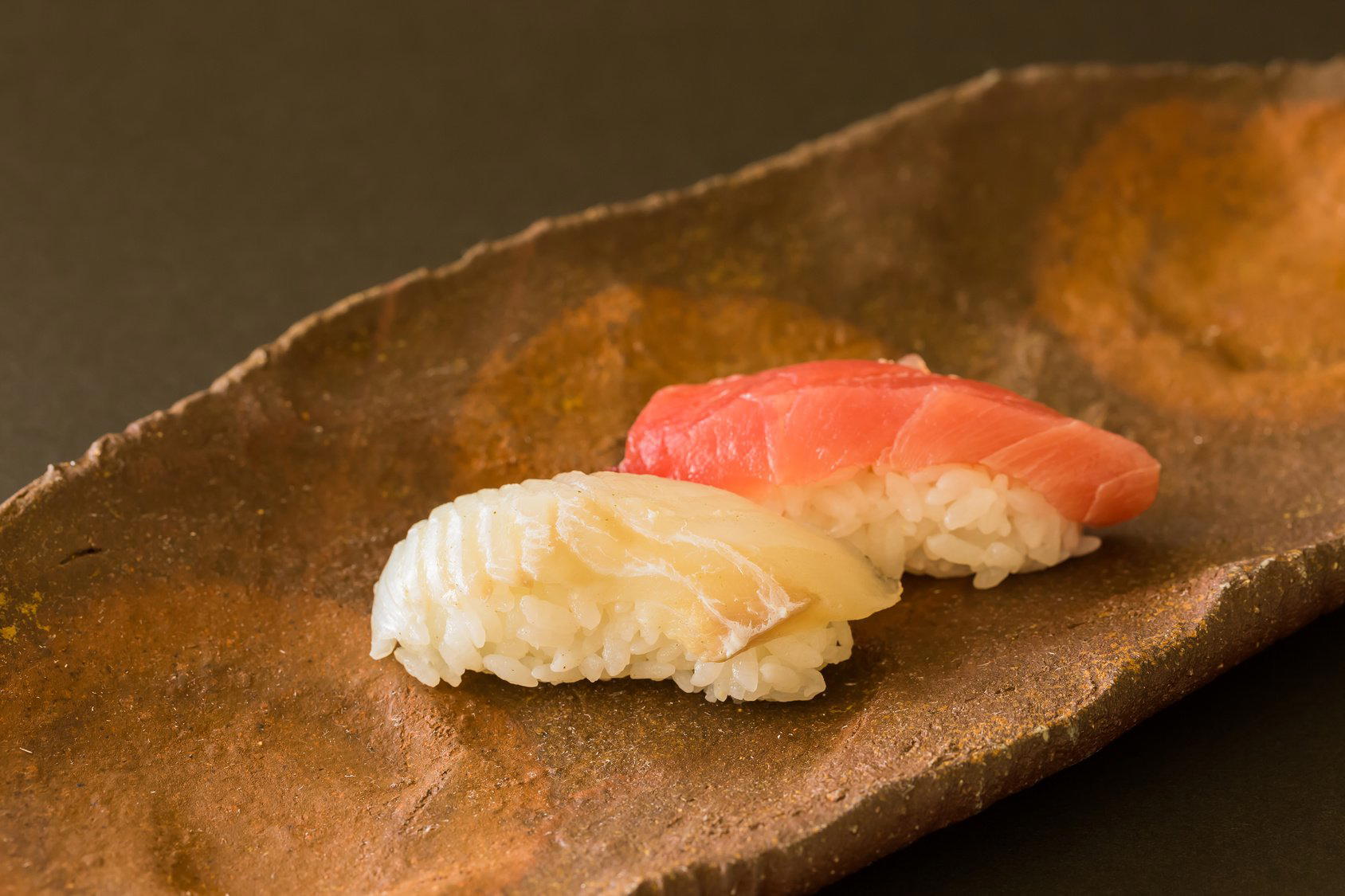
The menu
What to order
- Jinsei special roll
- Chiba Takeoka swordfish rice
Shinsaibashi feels built for movement: shopping arcades, late trains, neon, and diners deciding where the evening goes next. Against that churn, Osaka’s small sushi counters work by compression, narrowing the city to a few seats, a chef’s hands, fish selection, rice, and service rhythm. Jinsei belongs to this category, where the appeal is control, not spectacle.
That distinction matters in Osaka. The city’s food identity is often flattened into street-side abundance, but higher-end sushi follows a different grammar: fewer seats, tighter pacing, and sourcing that begins before the diner arrives. A counter like this asks not for variety across a table, but whether each cut of fish justifies the attention placed on it.
Osaka sushi, read through fish rather than theatre
The useful way to read this counter is ingredient discipline. Tabelog lists the cooking focus as fish and the drinks program around sake and shochu, placing the meal inside the Japanese sushi-counter model rather than Osaka’s broader restaurant-drinking culture. The format rewards diners who care less about menu sprawl than sourcing, sequence, and the conversation between seafood and rice.
Osaka is not Tokyo, and that is the point. Tokyo’s famous sushi counters often carry pilgrimage economics; Osaka’s serious counters can feel more local in rhythm, even with national recognition. Jinsei’s repeated Tabelog Award history, including Bronze recognition in 2026 and selection for Tabelog Sushi WEST 100 in 2025, places it in a narrow Western Japan conversation rather than the casual sushi lane. Those signals do not describe taste, but they indicate sustained peer attention in a category where consistency is difficult to fake.
The six-seat, counter-only format sharpens the stakes. At this scale, there is little anonymity and less operational looseness. Small counters make sourcing legible: fish selection, preparation, serving order, and drink pairing choices are exposed rather than hidden behind a large dining room. Sushi in this bracket is rarely about one named signature; the better question is how the counter handles a whole sequence, and whether the fish buying supports the price of attention.
For readers mapping the city, this is a different lane from Osaka’s casual and mid-range range. A bakery stop such as 52CHO-ME BAKERY, a snack run at 551 Horai (551蓬莱), or a coffee break at .cafe speaks to the city’s daily appetite. A seat here belongs to the controlled evening category, closer in seriousness to Osaka’s smaller destination counters than to its walk-in pleasures.
The counter format is the real filter
Six seats make the experience intimate by design and unforgiving in practice. This is not built for loose group dining, restless children, or tables that want to order around the edges. Counter sushi works through timing: the chef controls the sequence, the diner follows the pace, and the room depends on everyone accepting that compact social contract. That is a strength for travelers who want concentration, and a weakness for anyone treating dinner as background to conversation.
The award trail is the counter’s strongest public credential. The Tabelog Award record includes Silver recognition in 2018 and 2019, then Bronze recognition across multiple later years through 2026. For Japanese restaurants, especially sushi counters outside Tokyo, that continuity matters more than a single burst of attention. It suggests a counter that stayed visible to serious local diners through changing reservation habits, price expectations, and post-pandemic tightening in small-format dining.
Comparison within Osaka clarifies the decision. Momen sits in the kaiseki lane, where seasonality is framed through courses and service architecture. Sumibi Yakitori Kibitaki belongs to a lower-priced grilled-chicken tradition, with a different relationship to smoke, skewers, and drink. Angetsu and Grill Baranoki occupy more casual spending brackets. Jinsei is not competing with those formats for the same evening; it asks whether the diner wants a fish-led counter where concentration is the main luxury.
That is why the drinks context matters. Sake and shochu are not incidental at this tier; they frame fish. Sushi does not need an encyclopedic beverage list to be serious, but it needs drinks that respect salt, fat, acidity, and rice temperature. The listed sake emphasis points to a meal that expects Japanese pairings rather than wine-service assumptions imported from Western tasting menus.
How to place it in an Osaka itinerary
Jinsei fits a narrow Osaka plan: one deliberate sushi dinner, not a roaming night of multiple stops. Shinsaibashi makes it easy to fold into a wider stay, but the counter format argues for restraint before and after. A diner trying to understand the city across several registers could use Our full Osaka restaurants guide for meals, then pair the trip with Our full Osaka bars guide, Our full Osaka hotels guide, Our full Osaka experiences guide, and Our full Osaka wineries guide when building the surrounding days.
The practical read is simple: this is a compact, recognized sushi counter in a city better known internationally for informality. That contrast is the draw. Osaka rewards eating widely, but also choosing one room where the evening reduces to fish, rice, sake, and timing. Diners who want breadth should spend elsewhere; diners who want a concentrated view of Western Japan’s sushi conversation will understand why this counter keeps appearing in award lists.
For broader Japanese context, EP Club’s restaurant coverage ranges from regional specialists such as [ki:] in Kyoto.know in Kumamoto, [Curry Senmon Ten] Maruyama Kyoju. in Sapporo, and -Grilled beef Sukiyaki- KAMAKURA TANUKIAN 鎌倉 たぬき庵 in Kamakura to urban references such as. 鮪と炭火焼き うお炭 秋葉原店 in Tokyo and (Shoku) Vietnam in Kawasaki. Osaka also includes Italian-leaning rooms like a canto (Italian) and 99 Pizza Napoletana Gourmet, making the sushi-counter choice more specific. Beyond Japan, Jōdo Saké Bar in Los Angeles and Onigiri Time in Pasadena show how Japanese drinking and rice traditions translate overseas, but the Osaka counter remains its own demanding form.
Frequently asked questions
Would Jinsei be comfortable with kids?
Jinsei is set up as a six-seat counter only in Osaka’s Shinsaibashi area, so it suits older, quieter diners better than families with young children. The service window runs from 17:00 to 23:00, with Saturday seatings starting as early as 16:00, which reinforces the formal counter rhythm.
What's the vibe at Jinsei?
The feel is tight and deliberate: six counter seats, non-smoking service, and a focus on fish rather than a broad à la carte menu. Its Tabelog Bronze award in 2026, plus repeated Tabelog 100 Sushi WEST selection, places it in a serious Osaka sushi frame rather than a casual one.
Is Jinsei open every day?
Hours at Jinsei: ■Business hours17:00 - 23:00 (two seating sessions)On Saturdays, three seating sessions: 16:00 / 18:00 / 20:30*Open on public holidays except Mondays■Closed onSundays.
What is Jinsei known for?
Jinsei is primarily known for its core concept and execution in Osaka.
Side-by-Side Snapshot
Side-by-side context: comparable cuisine and price.
| Venue | Cuisine | Price | Awards | Notes |
|---|---|---|---|---|
| JinseiThis venue (the venue you are viewing) | Edomae Omakase Sushi | $300–500 | Tabelog Bronze #148 | Not listed |
| kamoshiya Kusumoto | Creative Japanese Fusion | $200–300 | Tabelog Bronze #158 | Fukushima |
| Aoki | Michelin-Starred Kaiseki | $200–300 | Tabelog Bronze #20 | Nishi |
| Sushi Noguchi | Traditional Edomae Sushi Omakase | $200–300 | Tabelog 100 #62 | Kita |
| Ohata | Kansai-style Edomae Omakase | $150–200 | Tabelog Bronze #333 | Kita |
| Oryori Matsumura | Modern Japanese Omakase | Not listed | Michelin Plate | Jōtō |
Recognition history
Dated appearances from independent guides and award organizations, with the underlying list record or original source where available.
Tabelog Bronze #148
Tabelog
Full recognition history (3 entries)
Tabelog Bronze
Tabelog
Tabelog 100 #8 · No. 8
Tabelog · Tabelog 100 - Sushi - WEST - 2025
Continue exploring
More in Osaka
Restaurants in Osaka
All restaurants in Osaka →

Bars in Osaka
All bars in Osaka →
Hotels in Osaka
All hotels in Osaka →

Wineries in Osaka
Browse all →
Details
- Intimate
- Elegant
- Cozy
- Sophisticated
- Date Night
- Special Occasion
- Chefs Counter
- Sake Program
- Local Sourcing
- Omakase
- Counter Dining
- Sake
Current opening hours
- Monday
- 6–11 PM
- Tuesday
- 6–11 PM
- Wednesday
- 6–11 PM
- Thursday
- 6–11 PM
- Friday
- 6–11 PM
- Saturday
- 6–11 PM
- Sunday
- Closed
Hours can change for holidays and private events. Hours as of .
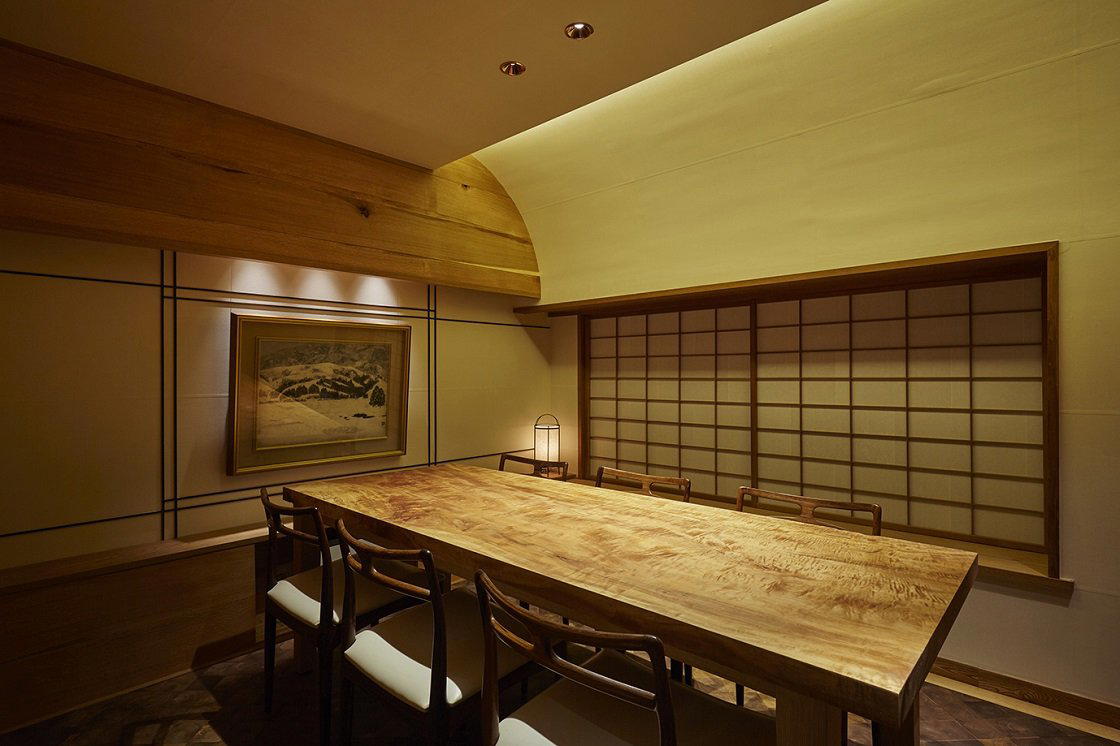
Cozy minimalist interior with white wood counter, warm lighting, and relaxing space fostering intimate chef-diner conversations.