Mignon Steak Vieux-Montréal sits at 101 Saint-Paul St W in Old Montreal, positioning itself within the city's competitive steakhouse tier at one of its most historically layered addresses. The Saint-Paul corridor draws diners who want proximity to the old port alongside serious meat cookery, placing Mignon in a comparable set defined by setting as much as sourcing. For steak-focused dining in Vieux-Montréal, it occupies a specific niche in a neighbourhood where the room often does as much work as the kitchen.
Pearl is the En Primeur Club membership app — saves, bookings, and concierge access live there. Same editors, same standards.
- Address
- 101 Saint-Paul St W, Montreal, Quebec H2Y 1Z5, Canada
- Phone
- +15148449663
- Website
- mignonsteak.com
- Directions
- Get directions
 Saves & bookings on Pearl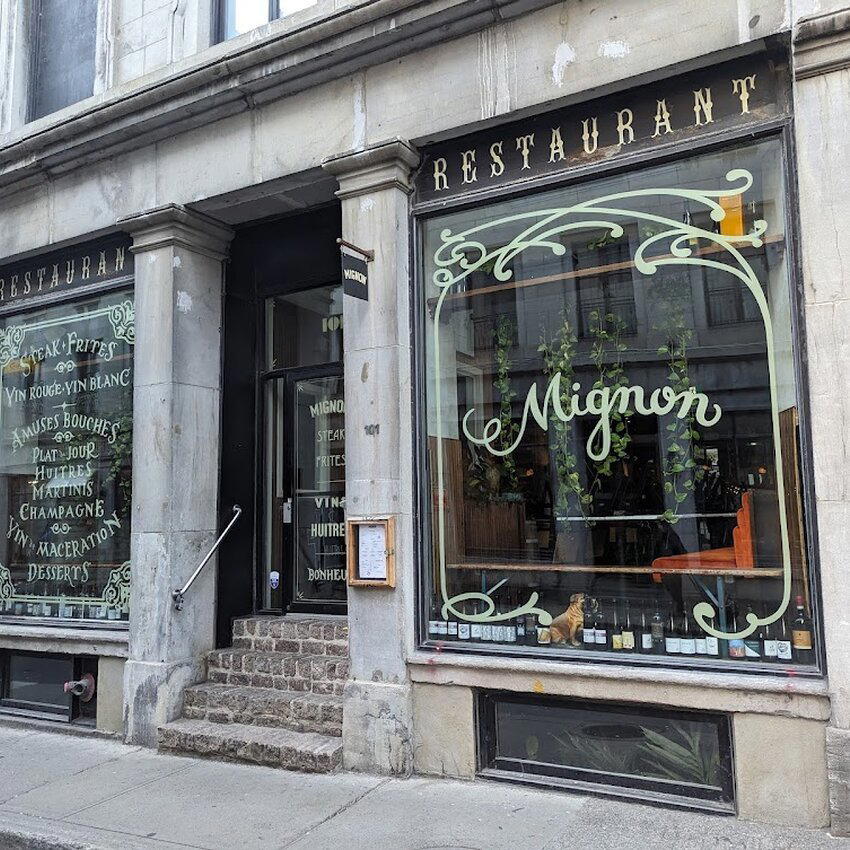
Saint-Paul Street and the Weight of Old Montreal
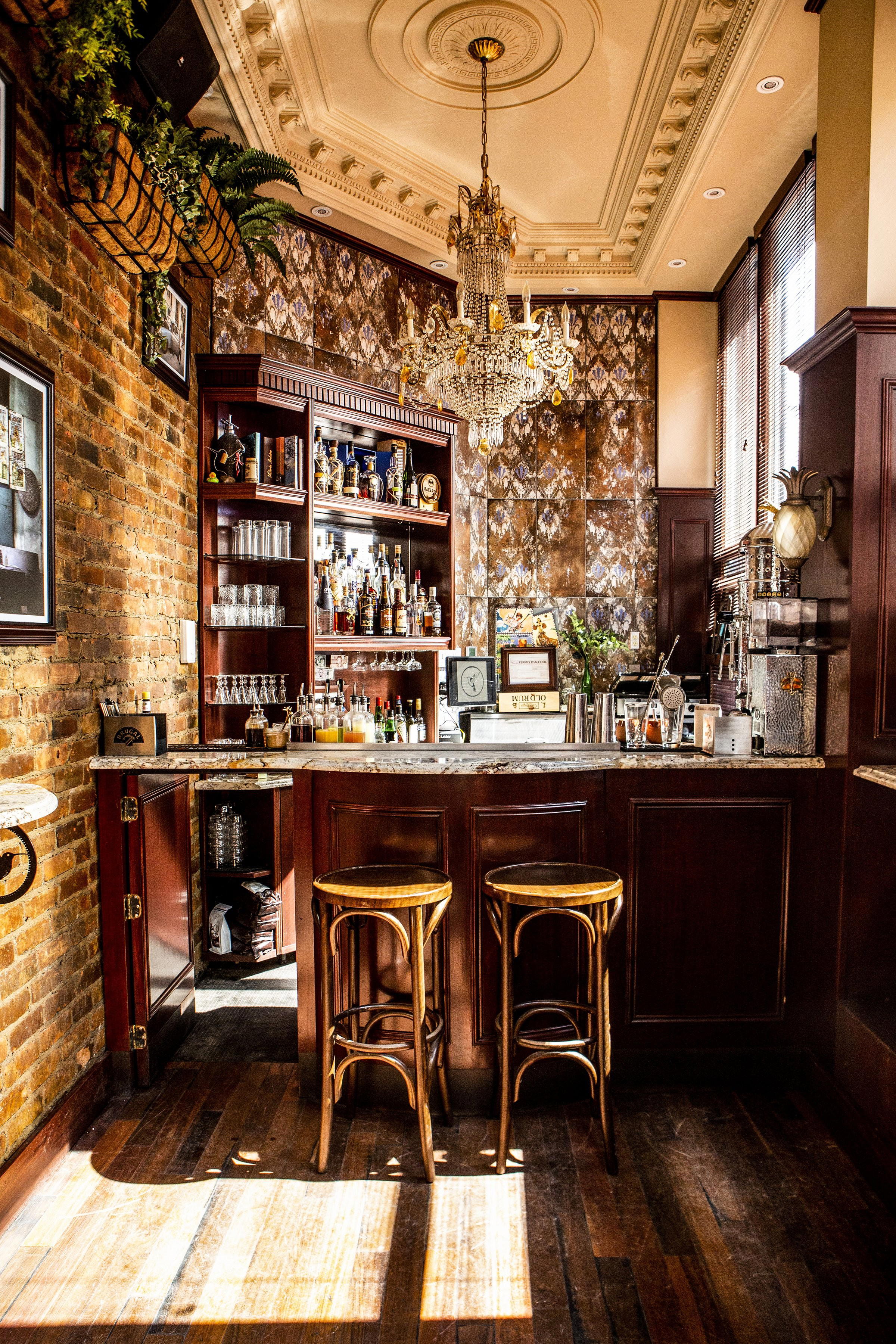
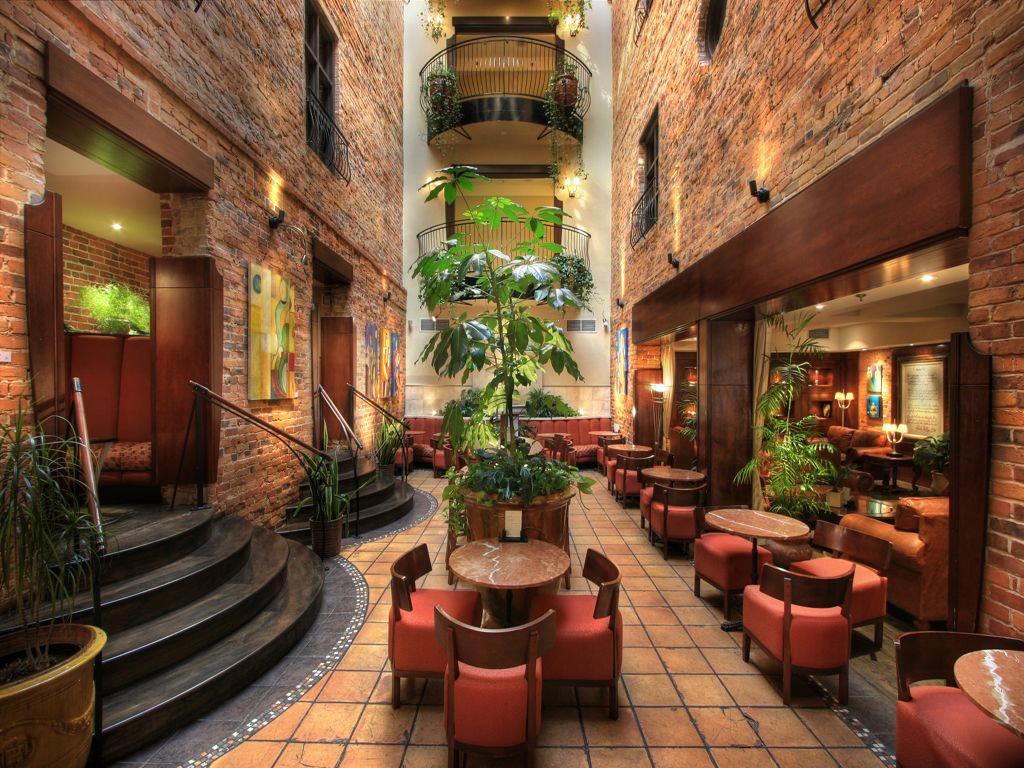
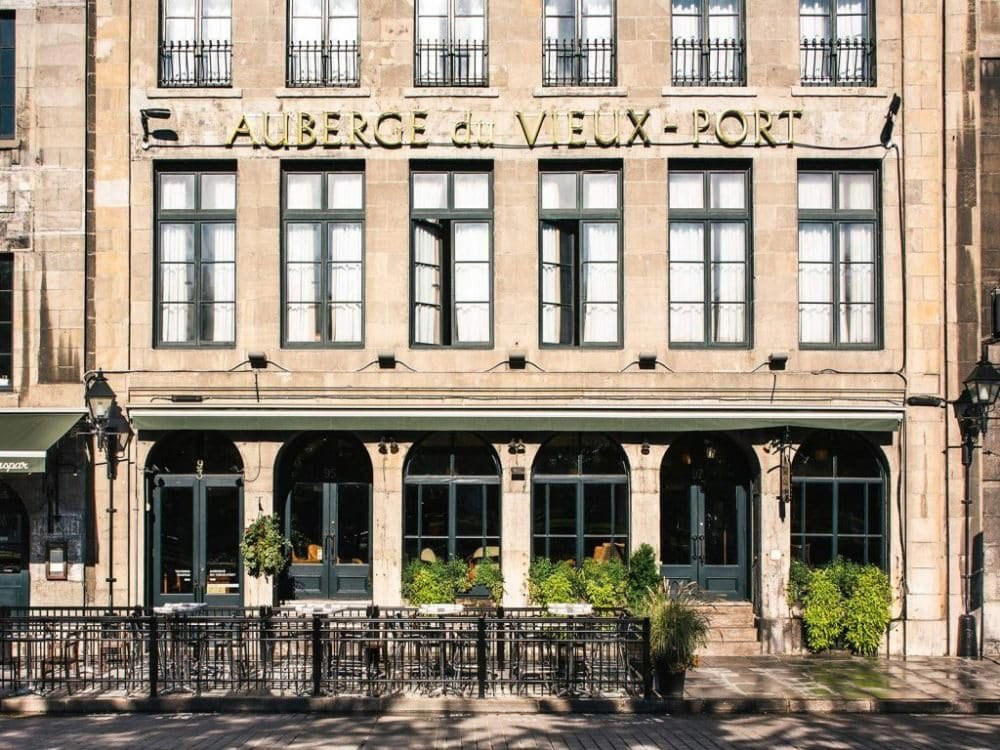
There is a particular quality to dining on Saint-Paul Street West that has little to do with any single restaurant. The cobblestones, the limestone facades, the proximity to the Vieux-Port waterfront: the street carries an atmosphere that few dining corridors in Canada can replicate without considerable artifice. Mignon Steak Vieux-Montréal is a restaurant in Montreal serving classic steak frites bistro cuisine, at 101 Saint-Paul St W, occupies that context directly. The address places it inside one of Montreal's most historically dense restaurant blocks, where the physical environment exerts pressure on every meal before the first course arrives.
Old Montreal's dining scene has evolved considerably over the past decade. What was once a stretch defined by tourist-facing brasseries and overpriced terrace dining has sharpened into something more credible, with operators taking the neighbourhood's foot traffic seriously enough to build kitchens that can hold their own against the Plateau or Mile End. The steakhouse format fits naturally here: the architecture rewards a certain theatricality, and the visiting clientele arriving for old port weekends tends to favour protein-forward menus and wine lists with some depth. Mignon sits within that current, competing for the same Friday and Saturday evening traffic as several well-established rooms along the same corridor.
The Sensory Register of a Vieux-Montréal Steakhouse
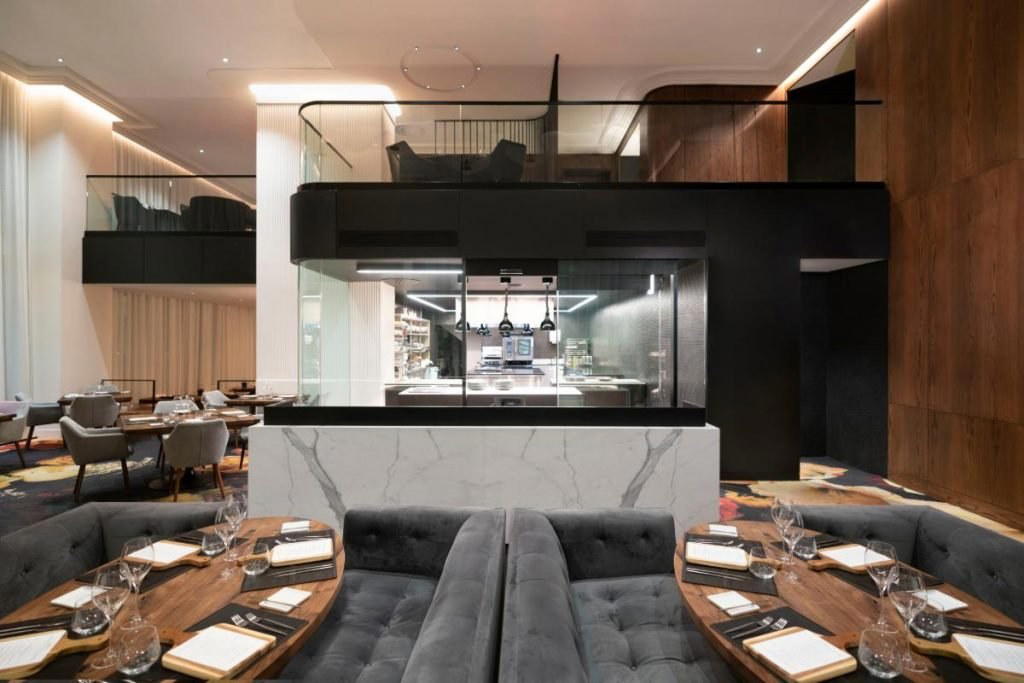
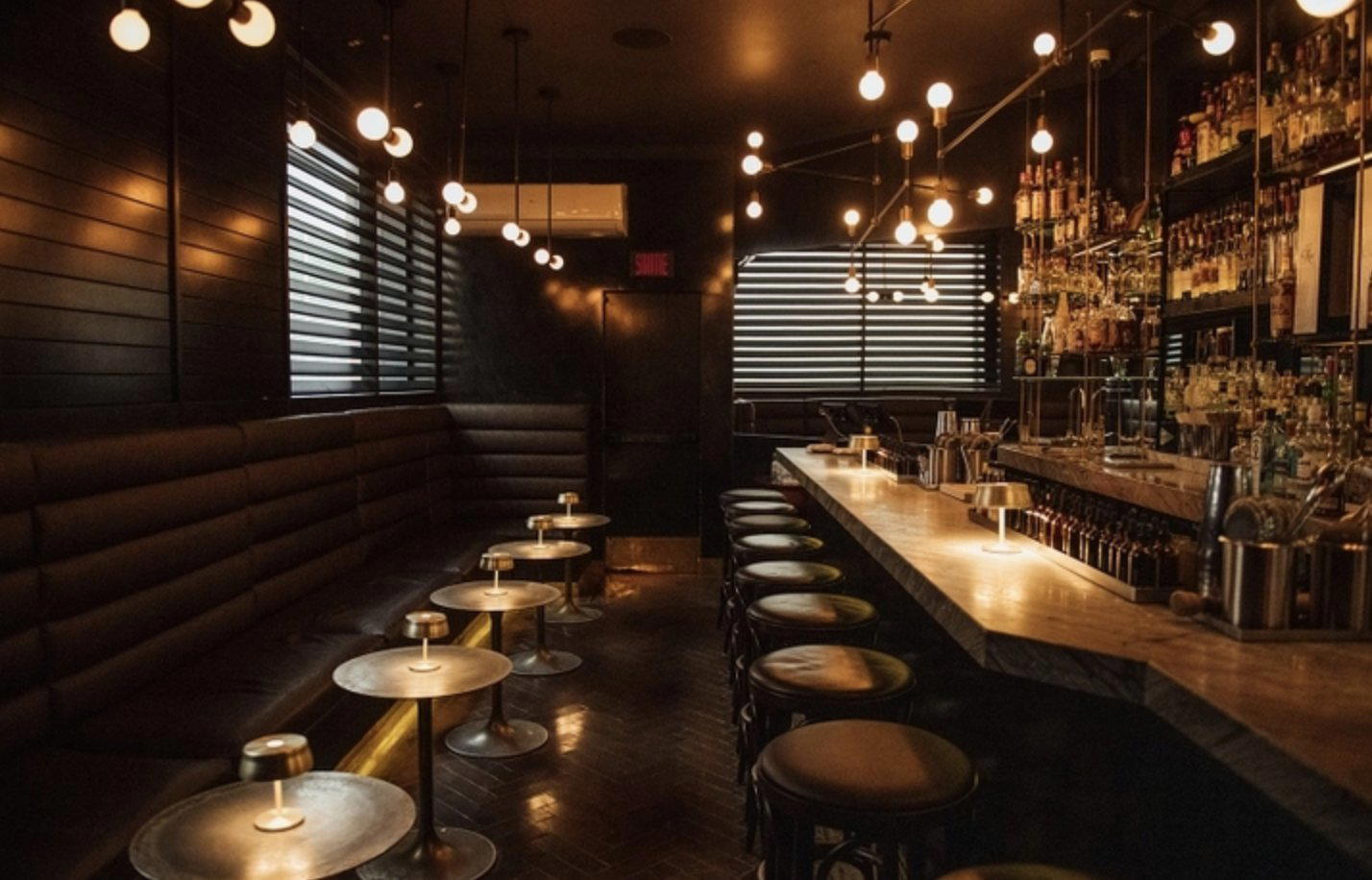
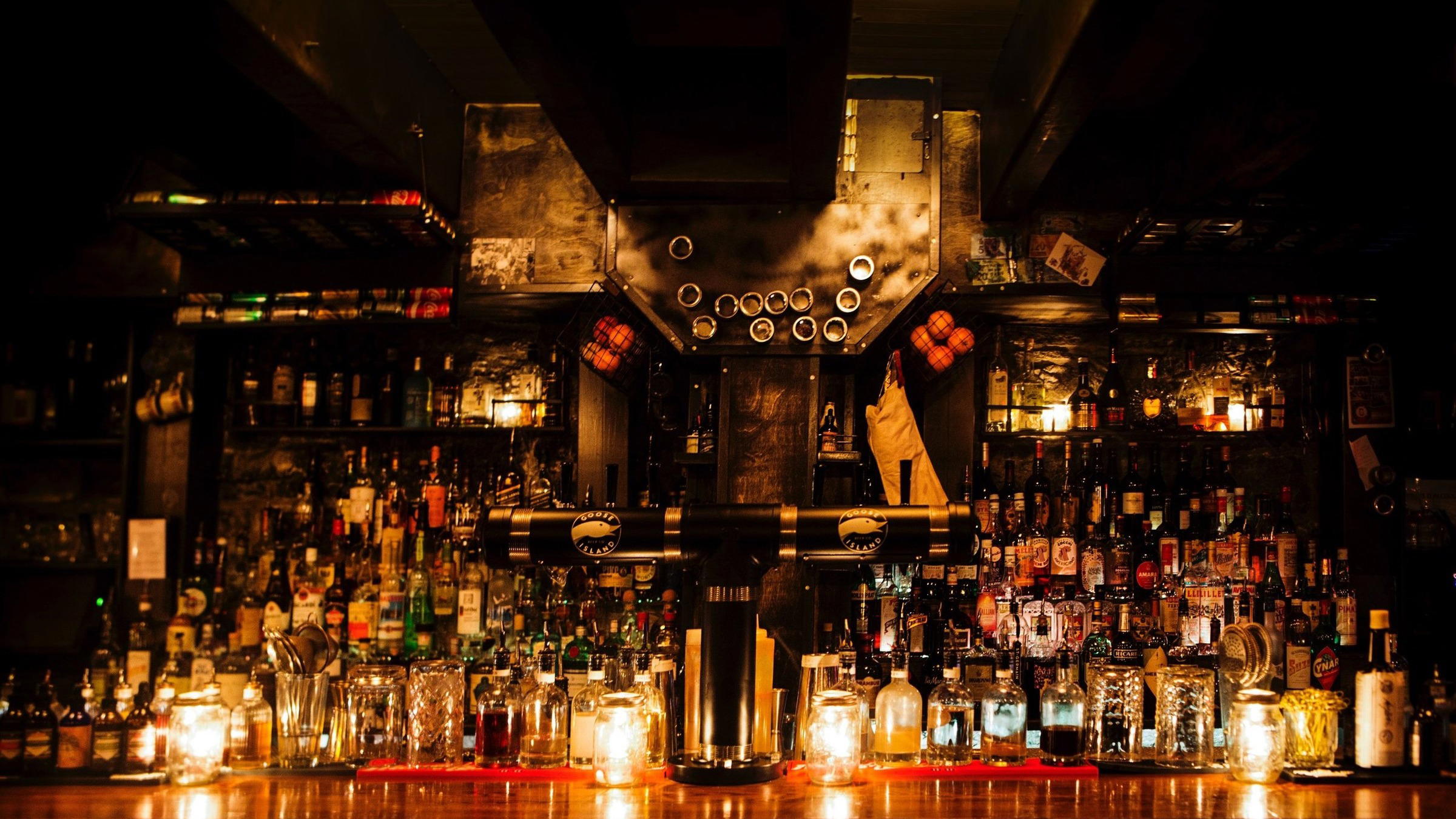
Approaching a room like this along Saint-Paul in the evening, the sensory cues arrive in sequence. Stone walls hold the cold at bay in winter and the heat in summer, creating a thermal consistency that modern builds rarely achieve. The smell of rendered fat and char from a working grill carries further than most kitchens allow, and in a neighbourhood where pedestrians move slowly between dinner and the waterfront, that signal functions as effective shorthand for what awaits inside. Steakhouse formats depend on this kind of ambient communication more than most dining categories: the genre promises something immediate and physical, and the room has to deliver on that promise from the street.
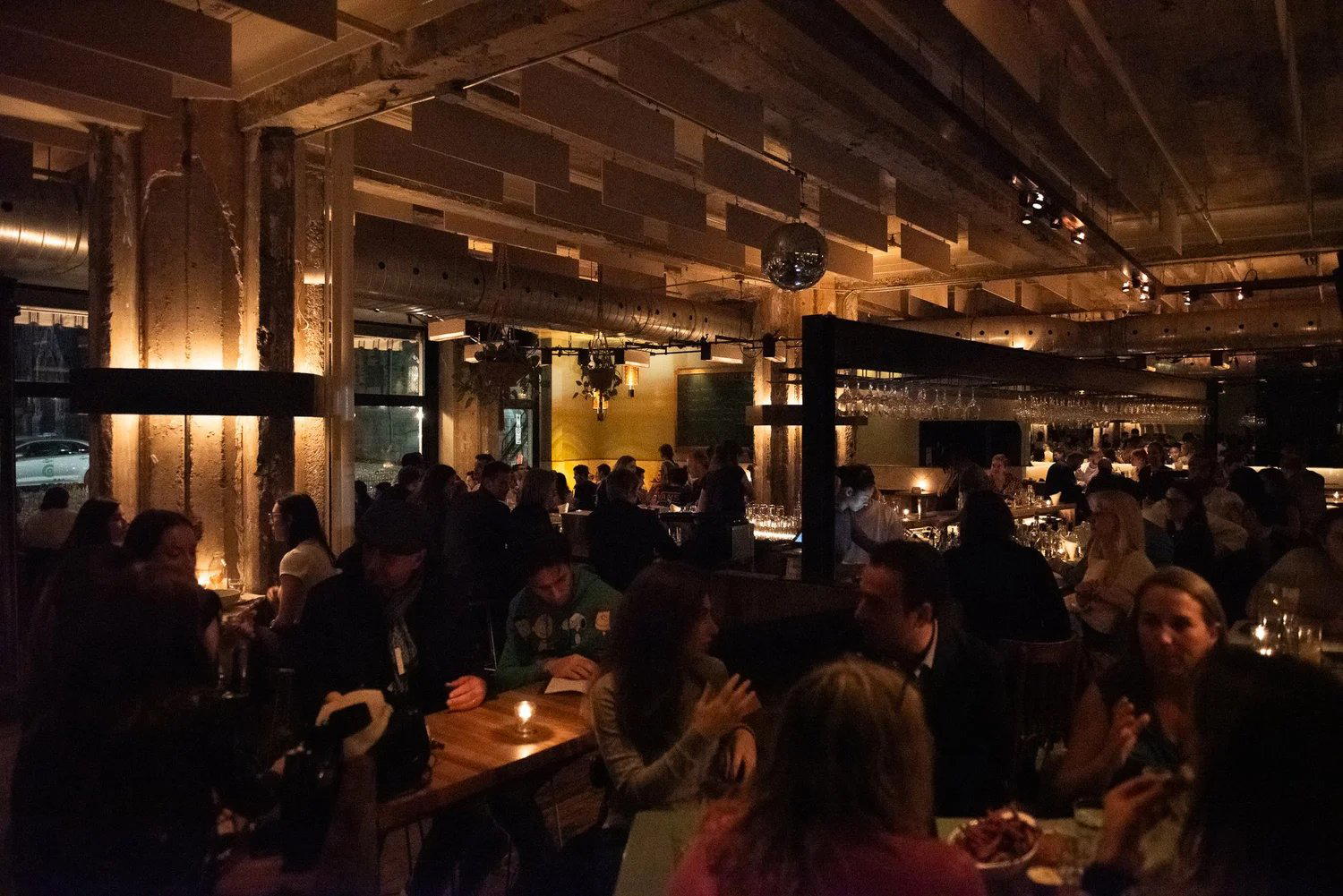
Inside Old Montreal's stone-walled rooms, the acoustic character is specific. Hard surfaces reflect sound in ways that carpeted hotel dining rooms suppress, producing a low-level density of noise that most diners read as energy rather than interruption. At capacity on a weekend, the experience registers as convivial rather than quiet. For a steakhouse operating in this format, that suits the genre: steak dining has historically been sociable, centred on shared plates, wine ordered by the bottle, and conversations that run long after the main course clears.
Montreal's steakhouse tier sits in an interesting position relative to the city's broader fine dining identity. The city's most-discussed rooms, places like Jérôme Ferrer - Europea and Mastard, operate at the modern cuisine end of the spectrum, where tasting menus and seasonal sourcing define the offering. Steakhouses occupy a different register: less concerned with narrative, more committed to execution on a narrow set of techniques. The comparison with Sabayon or with neighbourhood-specific operations like 3 Pierres 1 Feu points to how Montreal's dining scene accommodates both registers without forcing them into direct competition.
Placing Mignon in the Canadian Steak Context
Canadian steakhouse dining has its own geography. In Toronto, the format tends toward corporate formality; in Calgary, it sits closer to ranching culture and volume. Montreal's version has historically been shaped by French bistro influence: the steak-frites tradition that runs through rooms like L'Express, where a bavette or onglet carries as much prestige as a prime cut. Mignon's position in Vieux-Montréal places it at the intersection of that French-inflected tradition and the more contemporary steakhouse format that has spread across North American cities over the past fifteen years.
Comparison with operations further afield is instructive. Tanière³ in Quebec City demonstrates what the province's fine dining ceiling looks like when sourcing and technique are pushed hard; Alo in Toronto shows how a tasting menu format can anchor a city's dining reputation over years. Steakhouses like Mignon operate on different terms: the value proposition is more immediate, the format more accessible, and the repeat-visit cycle shorter. A room on Saint-Paul Street has to work on the first visit and invite the second without the narrative scaffolding that tasting menus provide.
For diners who want to range more widely across Canadian dining geography, AnnaLena in Vancouver, Narval in Rimouski, and Restaurant Pearl Morissette in Lincoln represent different expressions of what serious Canadian kitchens are doing outside the major urban centres. Closer to home, Abu el Zulof offers a different cultural register within Montreal itself.
Planning Your Visit
Old Montreal operates on a distinct seasonal rhythm. Summer brings consistent foot traffic, with terrace dining and old port activity driving covers from May through September. Winter weekends, particularly around the holiday period and the February restaurant weeks, generate their own demand spike. For a room at a prominent Saint-Paul address, booking is recommended.
Aux Anciens Canadiens in Quebec City for traditional Québécois cuisine in a comparably historic setting, or look further afield to The Pine in Creemore, Eigensinn Farm in Singhampton, and Barra Fion in Burlington for farm-adjacent dining that operates on different terms. For steak and protein-focused dining in major North American rooms, Le Bernardin in New York City and Atomix in New York City anchor a different price tier entirely. Bearspaw Golf Club in Calgary offers a reference point for how the western Canadian steakhouse format differs from its Montreal equivalent.
The Minimal Set
Comparable venues nearby, for context on price, style, and recognition.
| Venue | Cuisine | Price | Notes |
|---|---|---|---|
| Mignon Steak Vieux-MontréalThis venue — the venue you are viewing | Not listed | $$$$ | Not listed |
| Mignon Steak Petite-Bourgogne | Not listed | $$$$ | Petit Bourgogne, Classic French Steak Frites Bistro |
| Maggie Oakes | Not listed | $$$ | Vieux Montréal, Modern Steakhouse Brasserie |
| Méchant Boeuf | Not listed | $$$ | Vieux Montréal, Modern Steakhouse & Raw Bar |
| Vieux-Port Steakhouse | Vieux Montréal, Classic Steakhouse | $$$ | Not listed |
| Mama C | Not listed | $$$$ | Vieux Montréal, Modern Greek Mediterranean |
At a Glance
- Intimate
- Classic
- Elegant
- Date Night
- Special Occasion
- Historic Building
- Extensive Wine List
Current opening hours
- Monday
- 5–10 PM
- Tuesday
- 5–10 PM
- Wednesday
- 5–10 PM
- Thursday
- 5–10 PM
- Friday
- 5–10 PM
- Saturday
- 5–10 PM
- Sunday
- 5–10 PM
Hours can change for holidays and private events. Last verified .
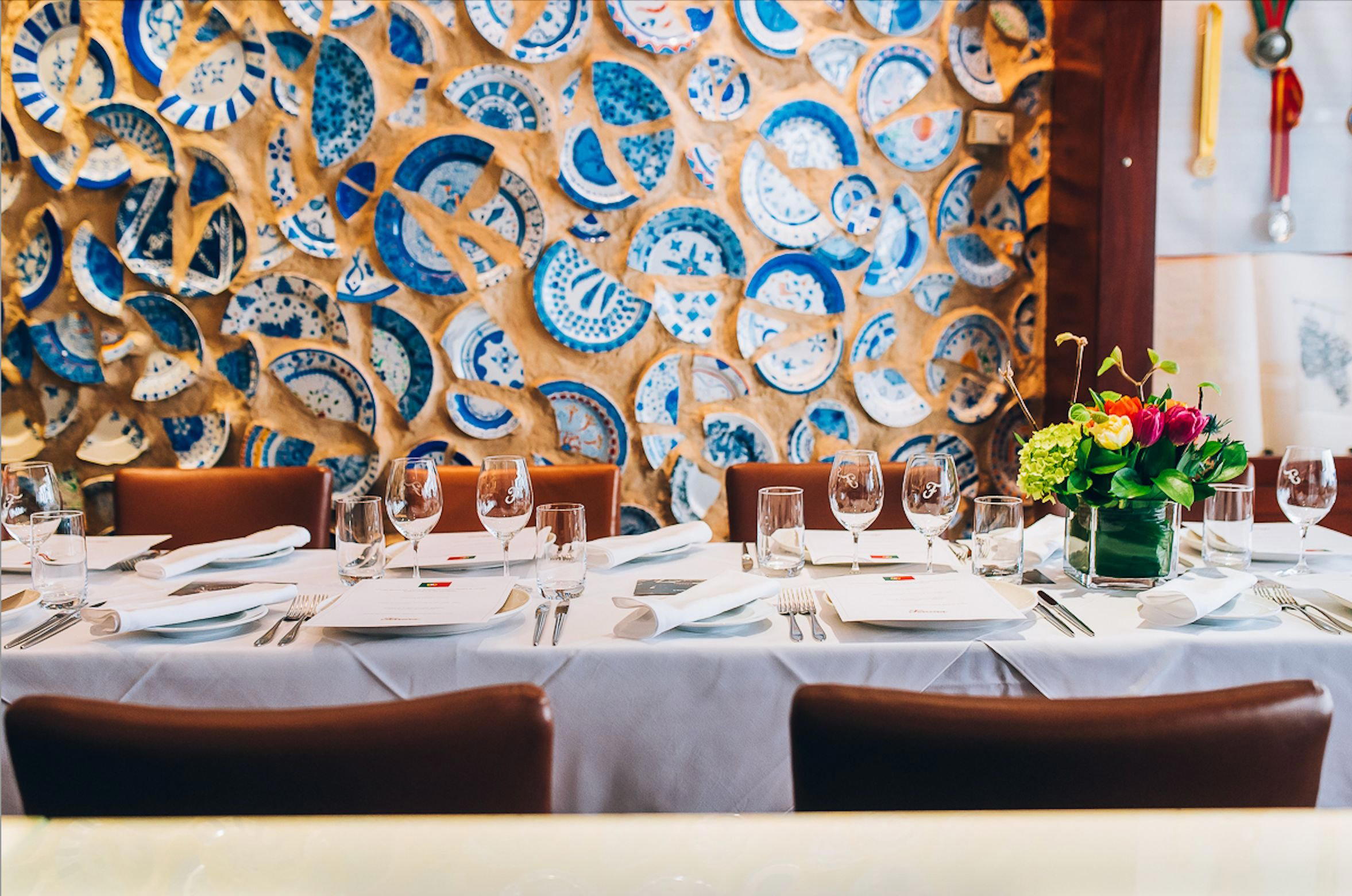
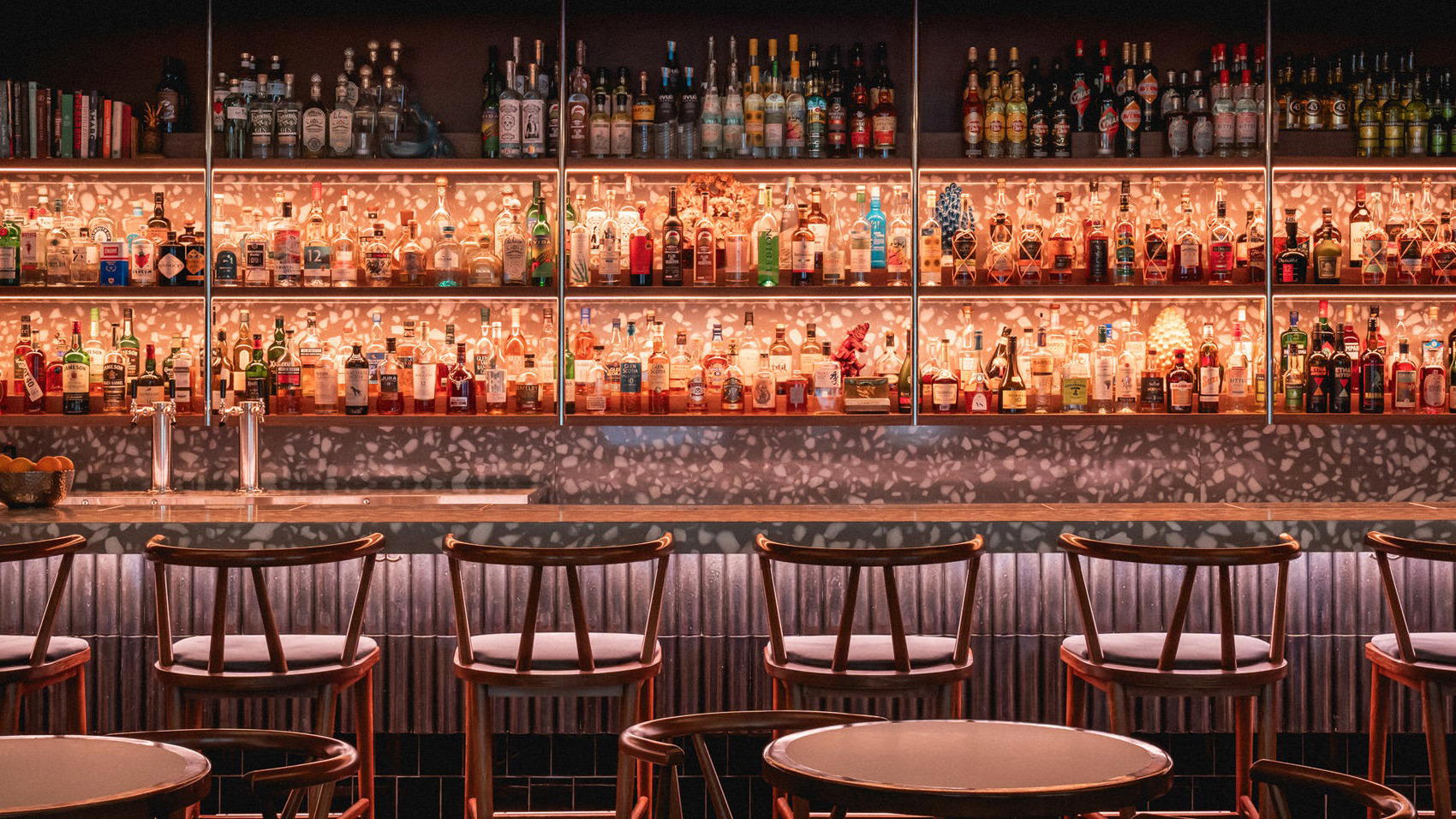
Warm, classic bistro atmosphere with intimate seating and focus on quality steakhouse dining.