Casadonna Reale
Casadonna Reale occupies a restored historic estate outside Castel di Sangro in the Abruzzo Apennines, positioning itself within a thin tier of Italian properties where architectural preservation and gastronomic seriousness converge. The address places guests far from the circuits of Tuscany or the Amalfi Coast, deep in a mountain landscape that few international visitors reach. For those willing to travel the distance, the property offers an argument for a different kind of Italian luxury.
Pearl is the En Primeur Club membership app — saves, bookings, and concierge access live there. Same editors, same standards.
- Address
- Contrada Piana Santa Liberata, 67031 Castel di Sangro AQ, Italy
- Phone
- +39 0864 69382
- Website
- casadonna.it
- Directions
- Get directions
 Saves & bookings on Pearl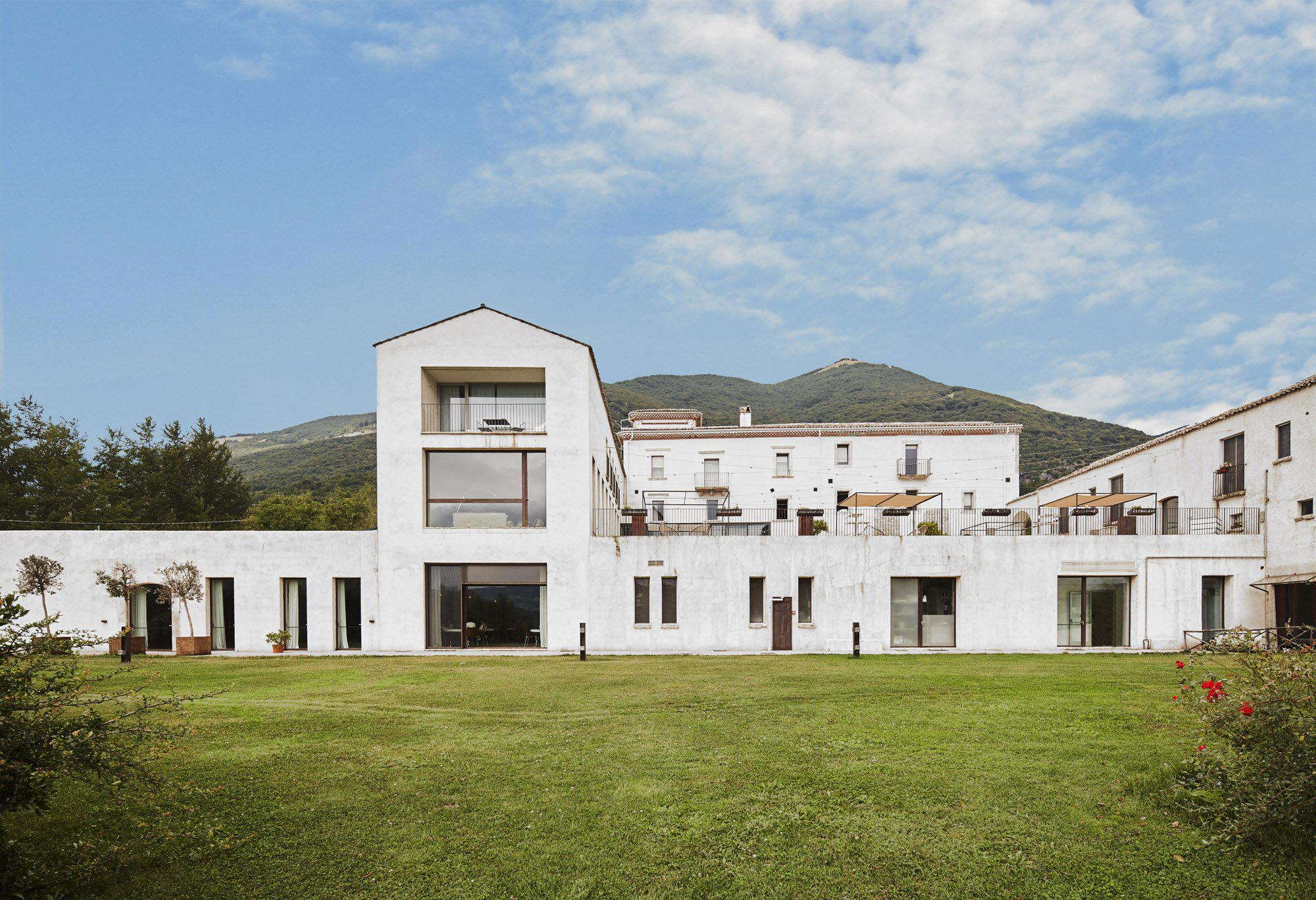
Stone, Silence, and the Architecture of Arrival
Casadonna Reale is a hotel in Castel di Sangro, Abruzzo, set in a historic stone estate in the Apennines. Contrada Piana Santa Liberata sits outside Castel di Sangro in the Abruzzo Apennines, a province that most international itineraries skip entirely in favour of Tuscany, the Lakes, or the southern coast. The road in confirms the remoteness before the building comes into view. What greets you is not the managed grandeur of a newly built luxury resort but the weight of a historic structure that has been restored rather than reinvented, stone walls, proportioned archways, and a spatial logic that belongs to the agricultural estate typology rather than to the language of contemporary hospitality design.
This matters because the architecture does the first and heaviest editorial work. Italy has many converted monasteries and fortified farmhouses operating as premium hotels, from Rosewood Castiglion Del Bosco in Montalcino to Castello di Reschio in Lisciano Niccone to Borgo San Felice Resort in Castelnuovo Berardenga. The question each of these properties must answer is whether the restoration serves the building or serves the brand. At Casadonna Reale, the Abruzzo location removes the usual competitive pressure to perform for a well-travelled audience. The property is not trying to compete with the Chianti corridor. It is, in a sense, making a case for the interior south as a distinct register of Italian heritage hospitality, one that trades visibility for authenticity of place.
Where Abruzzo Fits in the Italian Luxury Map
Understanding Casadonna Reale requires understanding what Abruzzo represents in the broader Italian travel context. The region sits between Rome and the Adriatic, bordered by the Gran Sasso and Majella mountain ranges. It has historically been one of Italy's most isolated interior territories, which accounts for both its preserved landscapes and its relative absence from premium travel circuits. Castel di Sangro itself is a small mountain town better known among football supporters, who follow the club's improbable rise through the Italian divisions, than among luxury travellers.
The premium Italian hotel market has bifurcated sharply over the past decade. On one side sit the internationally visible properties in Florence, Venice, Rome, and along the Amalfi Coast: Four Seasons Hotel Firenze, Aman Venice, Bulgari Hotel Roma, Borgo Santandrea on the Amalfi Coast, Il San Pietro di Positano. On the other side sit the deeply regional properties that draw guests precisely because they are not on the main circuit, places like Corte della Maestà in Civita di Bagnoregio or Castel Fragsburg in Merano. The hotel occupies the second camp by geography and disposition. The choice to place a serious hospitality offering in Castel di Sangro signals a specific argument: that the value is in the region itself, not in proximity to established luxury infrastructure.
The Dining Dimension
Properties of this type in the Italian Apennines have increasingly used their dining programs to anchor their identity. The tradition of alta cucina rooted in mountain ingredients, cured meats from Norcia, saffron from L'Aquila, lamb from the plateau grazing lands, gives Abruzzo-adjacent kitchens a larder that coastal and Tuscan properties cannot easily replicate. Whether the hotel has built its dining around this regional specificity in a rigorous way is something the venue's own communications would need to confirm, but the geography makes the premise available and the historic estate format supports an argument for local sourcing that a purpose-built resort cannot credibly make.
For context, the broader movement toward destination dining in Italian agriturismo and relais properties has been one of the more interesting developments in the country's hospitality sector over the past fifteen years. Properties like Casa Maria Luigia in Modena have shown that a remote estate with a serious kitchen can draw guests from across Europe as a primary destination rather than a stopover. Borgo Egnazia in Savelletri di Fasano made a comparable move in Puglia. The template is established.
Design as Editorial Argument
The physical structure at Contrada Piana Santa Liberata carries the kind of material history that contemporary hospitality design frequently tries to simulate. Exposed stone, thick walls with small apertures calibrated for mountain winters, and the spatial rhythms of an estate built around agricultural function rather than guest comfort, these are not features that can be replicated by importing antique furniture into a new-build. Properties like Castelfalfi in Montaione or Passalacqua in Moltrasio have demonstrated that the discipline required to restore a historic property without erasing its character is itself a form of editorial positioning. The restraint required, knowing what not to modernise, is as important as what gets added.
In the broader category of Italian heritage properties, the ones that last are those where the architecture reads as the primary experience and the hospitality layers support rather than override it. Il Pellicano in Porto Ercole is the classic example of a property where the design character has remained legible across decades. Forestis Dolomites in Plose represents the contemporary version of the same discipline, applied to a different mountain register. The hotel, by virtue of its location in the lesser-visited Abruzzo interior, has an opportunity to operate in this mode without the competitive noise that surrounds better-known addresses.
Planning a Stay
Castel di Sangro is reachable by road from Rome in roughly two and a half hours, placing the hotel within a plausible extension of a Rome-based itinerary or as a standalone mountain destination. The town sits at approximately 800 metres elevation, which shapes both the climate and the seasonal logic of a visit: summer offers relief from the heat of the Italian plains, while winter brings mountain conditions that suit a property built for interior living. Guests coming from international points should plan for a drive or private transfer from Rome or Pescara; the nearest motorway connections run through the L'Aquila corridor. Given the remoteness, the property functions leading as a two- to three-night destination rather than a one-night stop.
Side-by-Side Snapshot
Comparable venues nearby, for context on price, style, and recognition.
| Venue | Cuisine | Price | Notes |
|---|---|---|---|
| Casadonna RealeThis venue — the venue you are viewing | Converted 16th-century monastery blending historical stone and iron with contemporary minimalist design. | $$$$ | Not listed |
| Palazzo Tiglio | Restored 17th-century noble palazzo blending historical Tuscan character with modern comforts. | $$$$ | San Pancrazio |
| Secolario - Masseria del Viverbene | Restored historic Apulian masseria with contemporary updates preserving territorial memory and craftsmanship. | $$$$ | Palmariggi |
| Vigne di Fagnano 1709 Eco Relais | Restored 18th-century noble rural residence blending luxury comfort with historical authenticity. | $$$$ | Santo Stefano Belbo |
| Palazzo Luce | Historic palazzo reimagined as an exclusive art and design residence | $$$$ | Old Town |
| Dimora delle Balze | Restored 19th-century Sicilian masseria with courtyards and 60-acre estate | $$$$ | countryside |
Continue exploring
More in Castel di Sangro
Restaurants in Castel di Sangro
Browse all →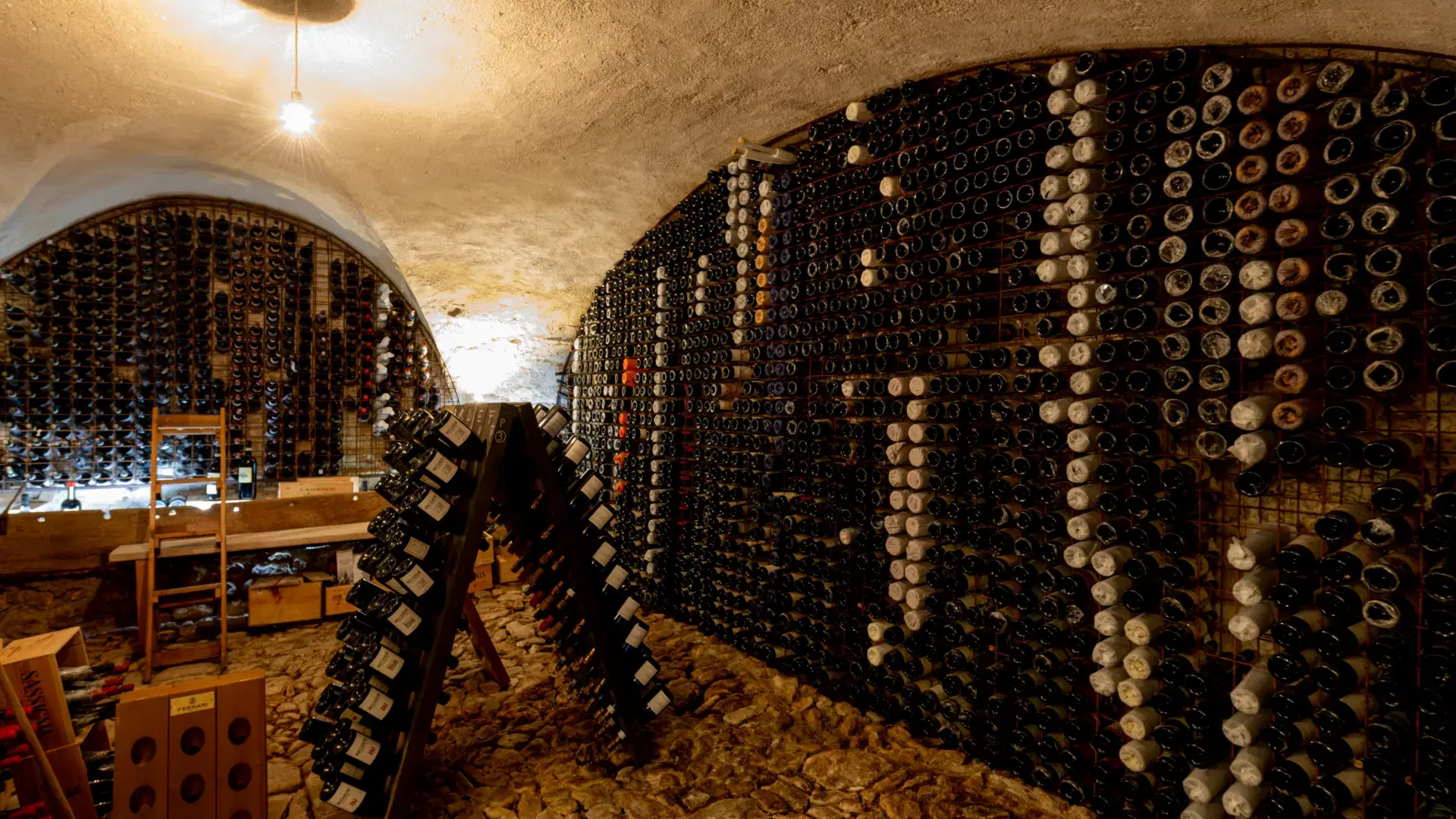

At a Glance
- Romantic
- Elegant
- Intimate
- Sophisticated
- Rustic
- Romantic Getaway
- Anniversary
- Celebration
- Panoramic View
- Historic Building
- Destination Spa
- Wi Fi
- Room Service
- Restaurant
- Hot Tub
- Airport Transfer
- Mountain
- Vineyard
- Wi Fi
- Room Service
- Restaurant
- Hot Tub
- Airport Transfer
Minimalist interiors blending raw concrete, white stone, wood, and natural materials with panoramic mountain views and calming light.