Casa Mezcal
Our verdict
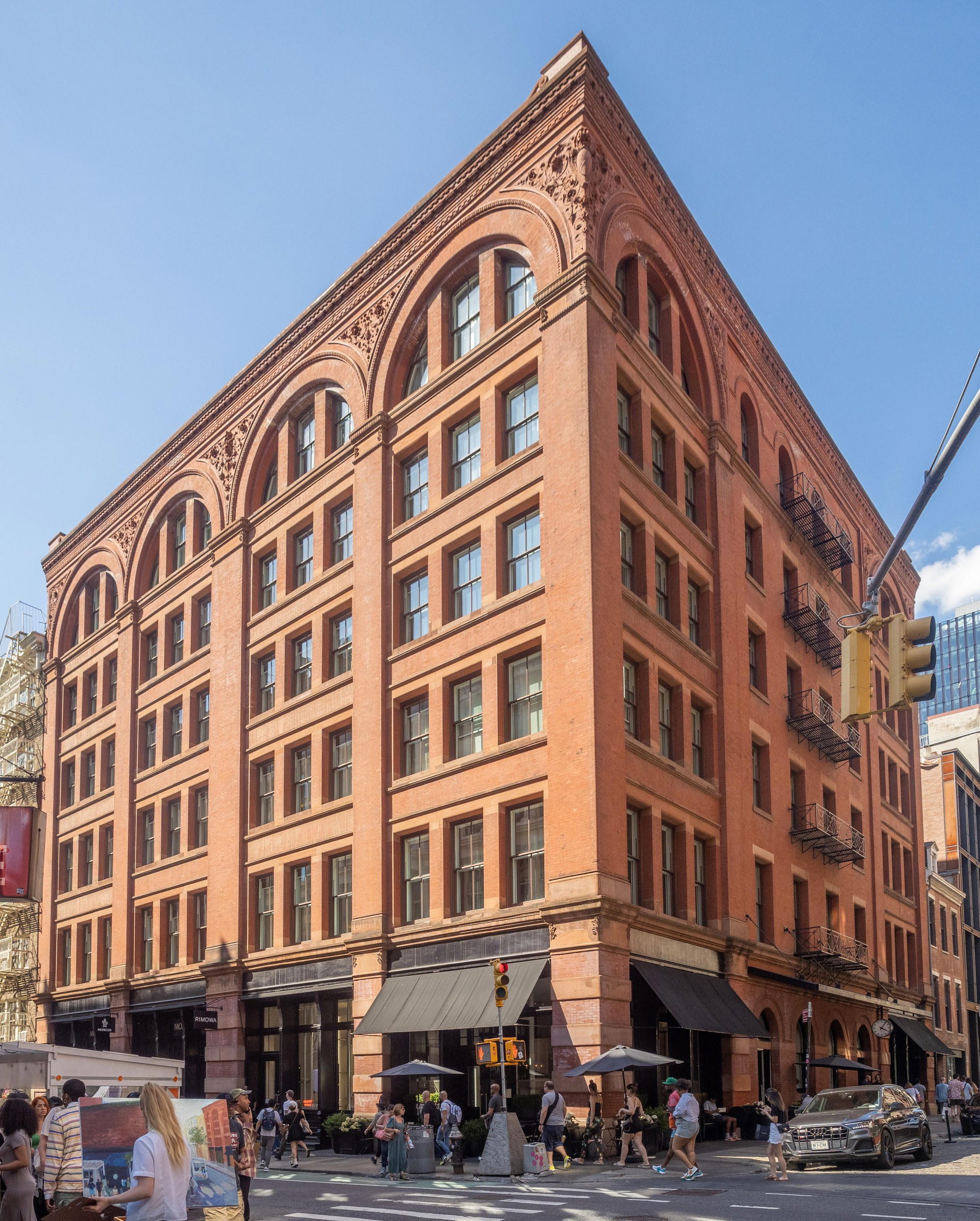
On Orchard Street in the Lower East Side, Casa Mezcal sits at the intersection of Mexican spirits culture and New York's evolving agave bar scene. The venue has tracked the city's growing literacy around mezcal, from novelty to serious subject, and its position on a block that has cycled through waves of neighbourhood reinvention makes it a useful lens on how the LES drinks now.

The menu
What to order
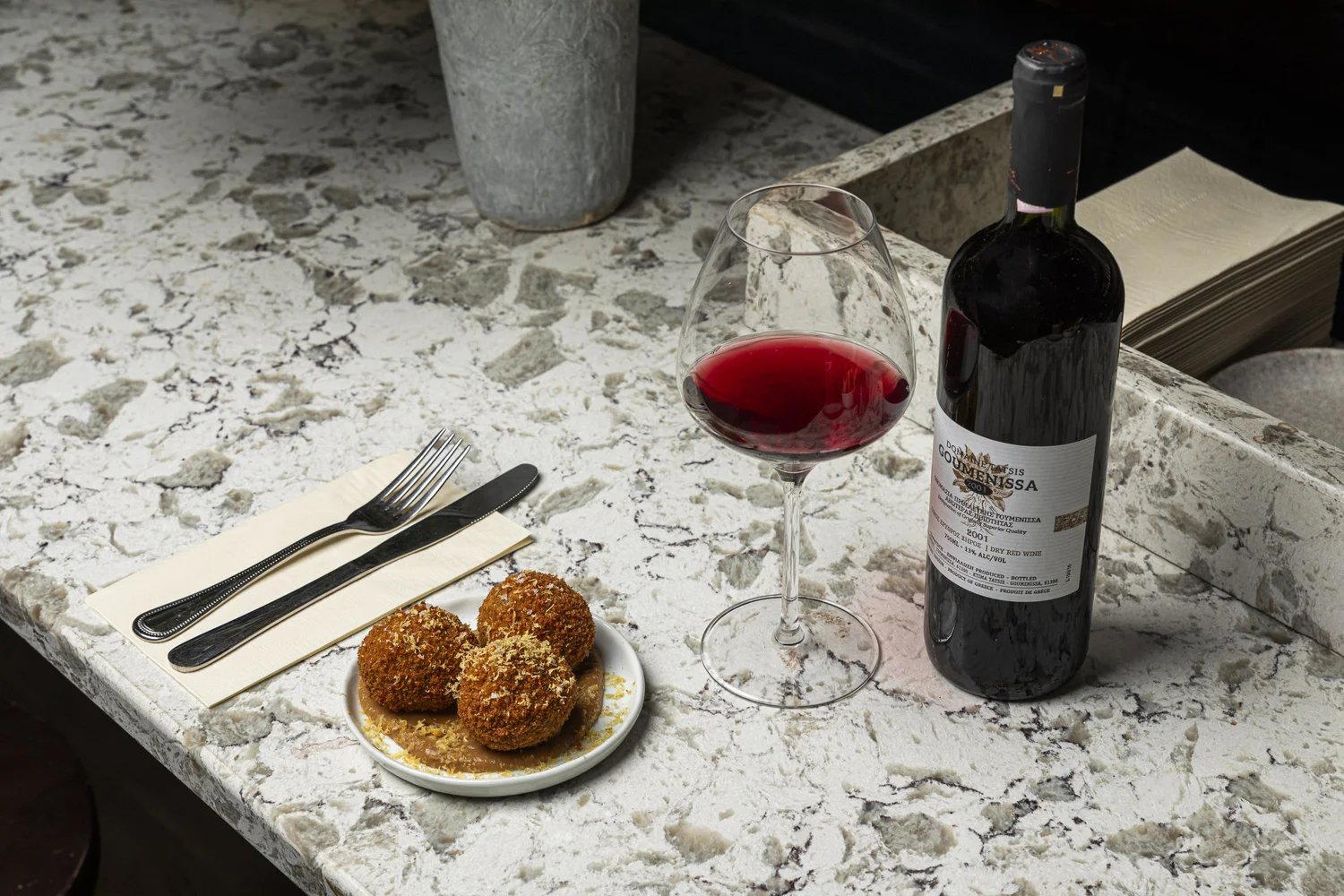
- Duck skin burrito
- Chicken mole taco
- Shrimp ceviche
Orchard Street, Agave, and the Question of Where New York's Mezcal Scene Stands
The Lower East Side has always absorbed and discarded trends faster than most Manhattan neighbourhoods. What begins as an outlier concept on Orchard Street tends to either calcify into a tourist fixture or sharpen into something the city actually keeps. Casa Mezcal, at 86 Orchard St, has had to answer that question across a period when American mezcal culture itself was still working out what it wanted to be.
When agave spirits first moved from novelty into serious bar programming in New York, the standard approach was to stock a shelf of Oaxacan espadin expressions and call it a mezcal bar. The second wave, which accelerated through the late 2010s, brought more granular sourcing conversations: village-specific production, papalome and tobaziche varietals alongside espadin, ensambles from small palenques. Casa Mezcal's position on the LES placed it in that transition, a neighbourhood where the crowd ranges from first-time spirit tourists to committed collectors, and a menu that cannot afford to address only one end of that spectrum.
How the LES Drinking Scene Has Shifted Around It
The Lower East Side's bar character has changed substantially since the early-2000s moment that made it a destination. The original wave of dive bars and cheap-rent cocktail spots has given way to a more deliberate tier of beverage programming, with venues competing on sourcing depth and staff knowledge rather than atmosphere alone. That shift mirrors what has happened in New York's broader cocktail culture: the city has moved toward transparency about production and ingredient provenance, and mezcal fits naturally into that framework because the spirit's identity is inseparable from how and where it was made.
Venues in this category operate differently from the high-ticket omakase counters or tasting-menu rooms that define New York's upper dining tier, places like Masa, Atomix, or Le Bernardin, where the experience is structured around a single extended sitting and a fixed format. A mezcal-focused bar operates on a different tempo: iterative, repeat-visit, suited to a guest who comes back to work through a category rather than complete a single experience. That distinction matters when assessing what Casa Mezcal offers and to whom.
The Reinvention Problem in Agave Hospitality
Any venue that built its identity around mezcal awareness in the early years of the category's New York moment now faces a specific challenge: the information gap that once gave it authority has narrowed considerably. Guests arrive with more context. Spirits media, dedicated importers, and social channels have distributed knowledge that once lived only inside bar programs. This is the evolution pressure that separates mezcal venues with durable identities from those running on the fumes of early-adopter positioning.
The venues that have navigated this shift successfully have done one of two things: gone deeper on curation (smaller, harder-to-source selections that reward returning guests) or built a food program that anchors the experience beyond the glass. Mexican food and mezcal operate as a natural pairing, but the pairing is more demanding than it looks. Regional Mexican cooking in New York has its own stratification, from fast-casual to serious regional kitchens, and a bar that tries to do both spirits and food well needs to commit fully to the kitchen side rather than treat it as an afterthought. The food program is where a venue like Casa Mezcal either earns a second dimension or remains a one-note proposition.
For readers building a broader New York itinerary, the city's serious dining rooms offer a useful contrast in format and intensity: Eleven Madison Park and Per Se represent the structured tasting-menu end of the spectrum, while Casa Mezcal operates in a different register, informal, spirits-centred, neighbourhood-embedded. Our full New York City restaurants guide maps both registers and the options between them.
New York's agave-focused venues have proliferated to the point where differentiation requires something beyond a well-stocked back bar. The question for any venue in this category is where it sits in the hierarchy: is it a gateway for curious newcomers, a destination for collectors chasing allocated bottles, or a neighbourhood anchor for regulars who want good mezcal without ceremony? These are not mutually exclusive, but a venue that tries to be all three without a clear point of emphasis tends to serve none of them particularly well.
Casa Mezcal's Orchard Street address gives it a natural constituency, the LES draws a crowd with cultural appetite and a tolerance for informality that suits agave bar culture better than, say, a Midtown or Upper East Side location would. The neighbourhood's density of hospitality options also means the venue competes on character as much as selection. That context is worth keeping in mind when deciding how to spend an evening here versus elsewhere in the city.
Comparable venue-and-concept models in other American cities, Lazy Bear in San Francisco, Smyth in Chicago, or Providence in Los Angeles, have each solved the reinvention problem by deepening their own logic rather than chasing adjacent trends. The lesson applies equally to spirits-forward venues: the clearest identity tends to be the most durable one.
Planning Your Visit
Casa Mezcal is at 86 Orchard Street in the Lower East Side, walkable from the Delancey Street and Essex Street subway stops. The neighbourhood is most active from Thursday through Saturday evenings, and Orchard Street in particular fills quickly after 9pm on weekends. If you are building a broader evening in the area, the LES offers enough density that Casa Mezcal works well as an anchor rather than a single destination.
Readers planning longer US dining itineraries might also consider Blue Hill at Stone Barns in Tarrytown, The French Laundry in Napa, Single Thread Farm in Healdsburg, Addison in San Diego, Emeril's in New Orleans, The Inn at Little Washington, Frasca Food and Wine in Boulder, and internationally, Atelier Moessmer Norbert Niederkofler in Brunico and Dal Pescatore in Runate, each representing a different register of considered hospitality.
Frequently asked questions
What should I eat at Casa Mezcal?
Should I book Casa Mezcal in advance?
What's the signature at Casa Mezcal?
Can Casa Mezcal handle vegetarian requests?
Is Casa Mezcal a good choice for guests who are new to mezcal?
Style and Standing
| Venue | Cuisine | Price | Awards | Notes |
|---|---|---|---|---|
| Casa MezcalThis venue (the venue you are viewing) | Oaxacan Mexican | Not listed | Not listed | Not listed |
| Le Bernardin | French Seafood Fine Dining | $300–500 | 3 Michelin Stars · World's 50 Best #13 | French, Seafood |
| Atomix | Modern Korean Tasting Menu | $300–500 | 2 Michelin Stars · World's 50 Best #7 | Modern Korean, Korean |
| Per Se | French Fine Dining Tasting Menu | $300–500 | 3 Michelin Stars · World's 50 Best #40 | French, Contemporary |
| Masa | Traditional Japanese Omakase | $500+ | 2 Michelin Stars · World's 50 Best #27 | Sushi, Japanese |
| Eleven Madison Park | Contemporary Plant-Based Fine Dining | $300–500 | 3 Michelin Stars · World's 50 Best #4 | French, Vegan |
Continue exploring
More in New York City
Restaurants in New York City
All restaurants in New York City →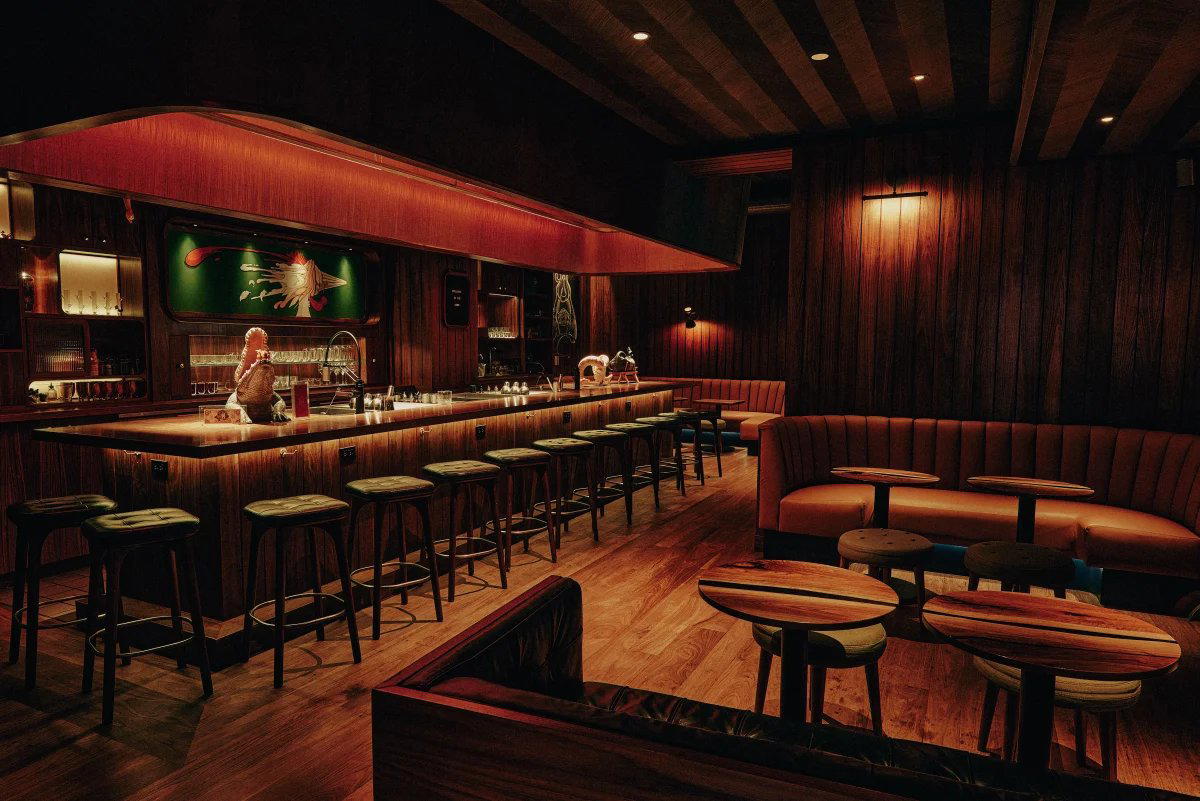
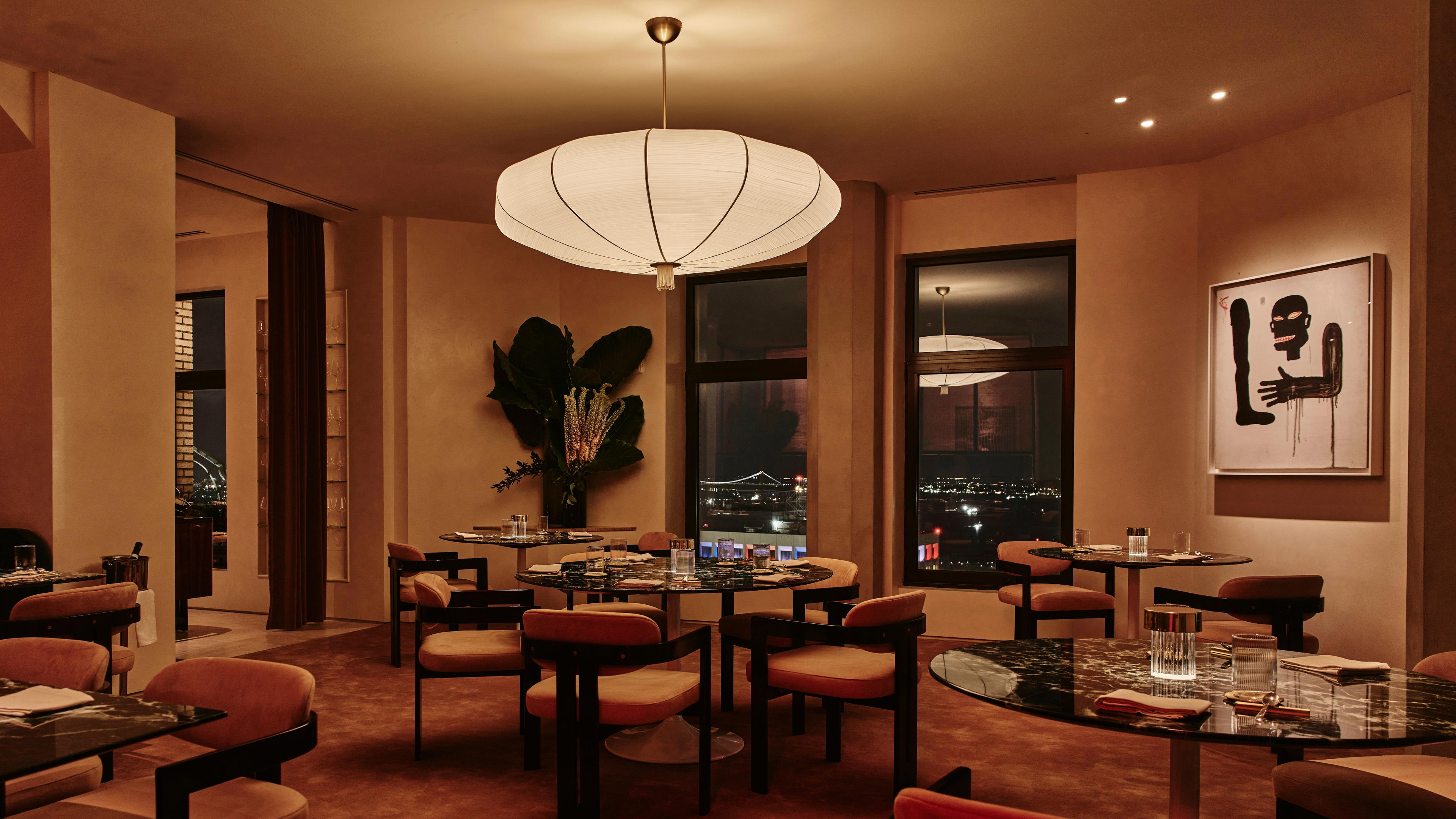
Bars in New York City
All bars in New York City →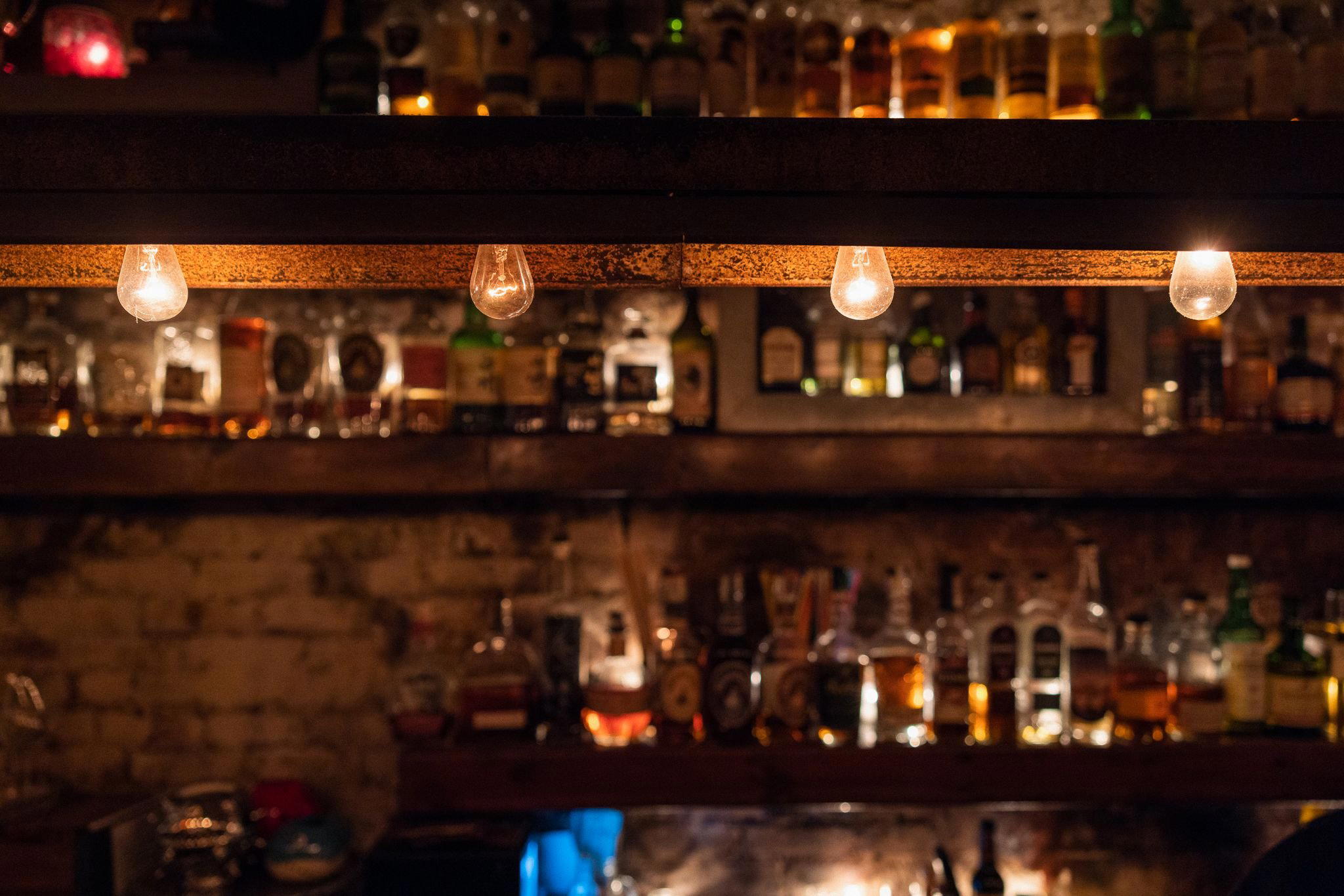
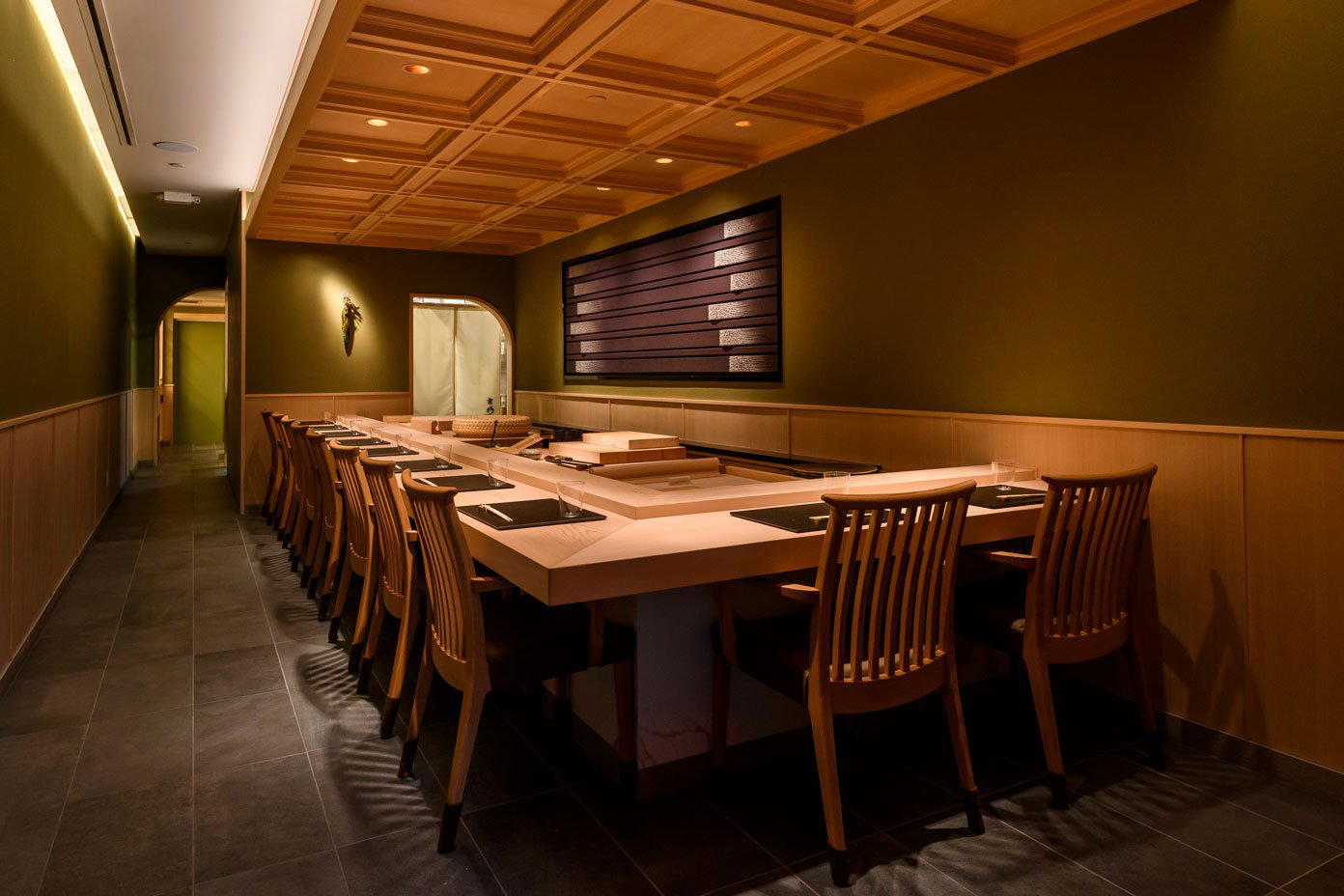
Details
- Lively
- Cozy
- Trendy
- Rustic
- Date Night
- Casual Hangout
- Group Dining
- Open Kitchen
- Craft Cocktails
- Sake Program
- A La Carte
- Small Plates
- Mezcal
- Tequila
- Gluten Free Options
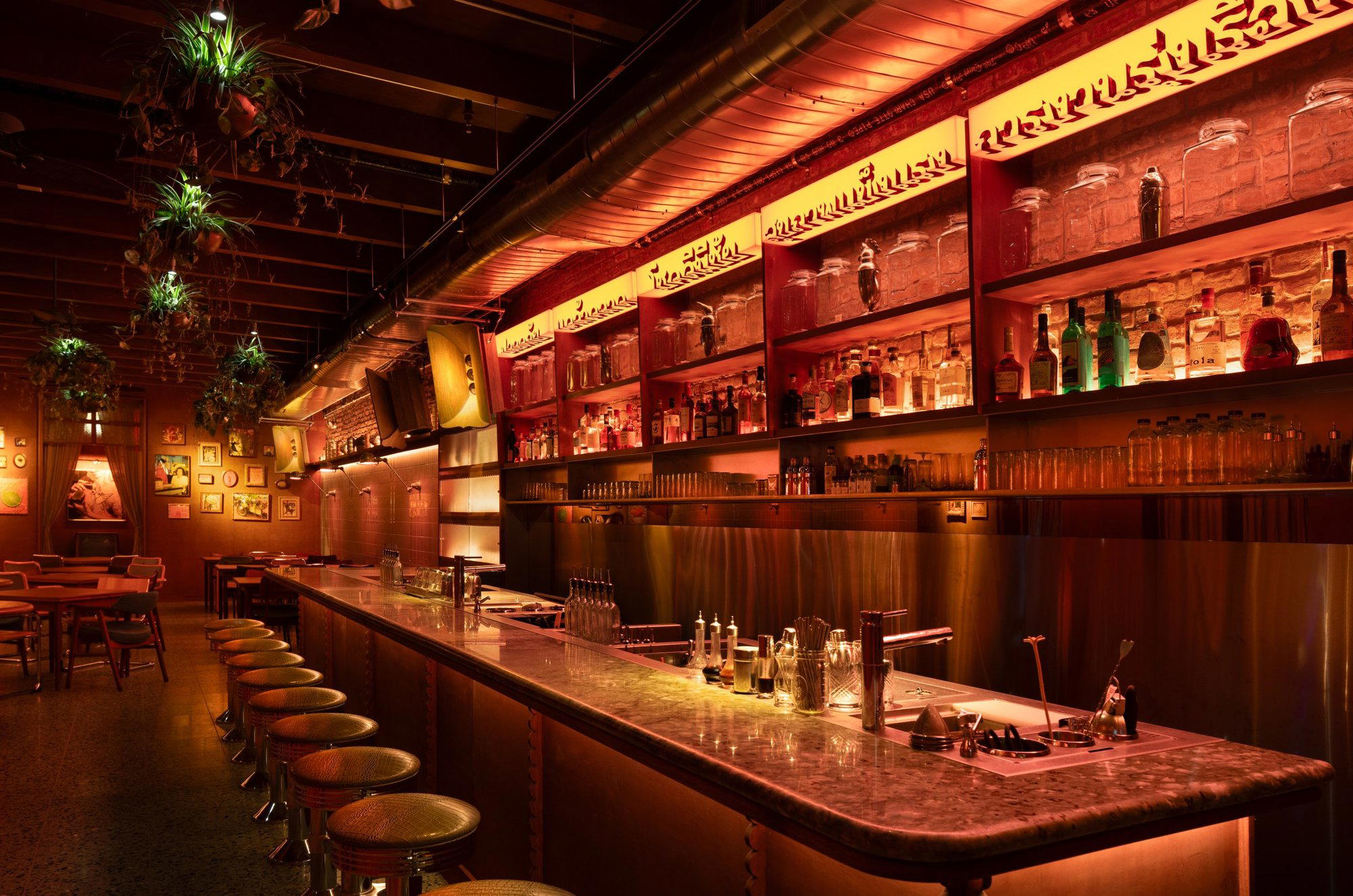
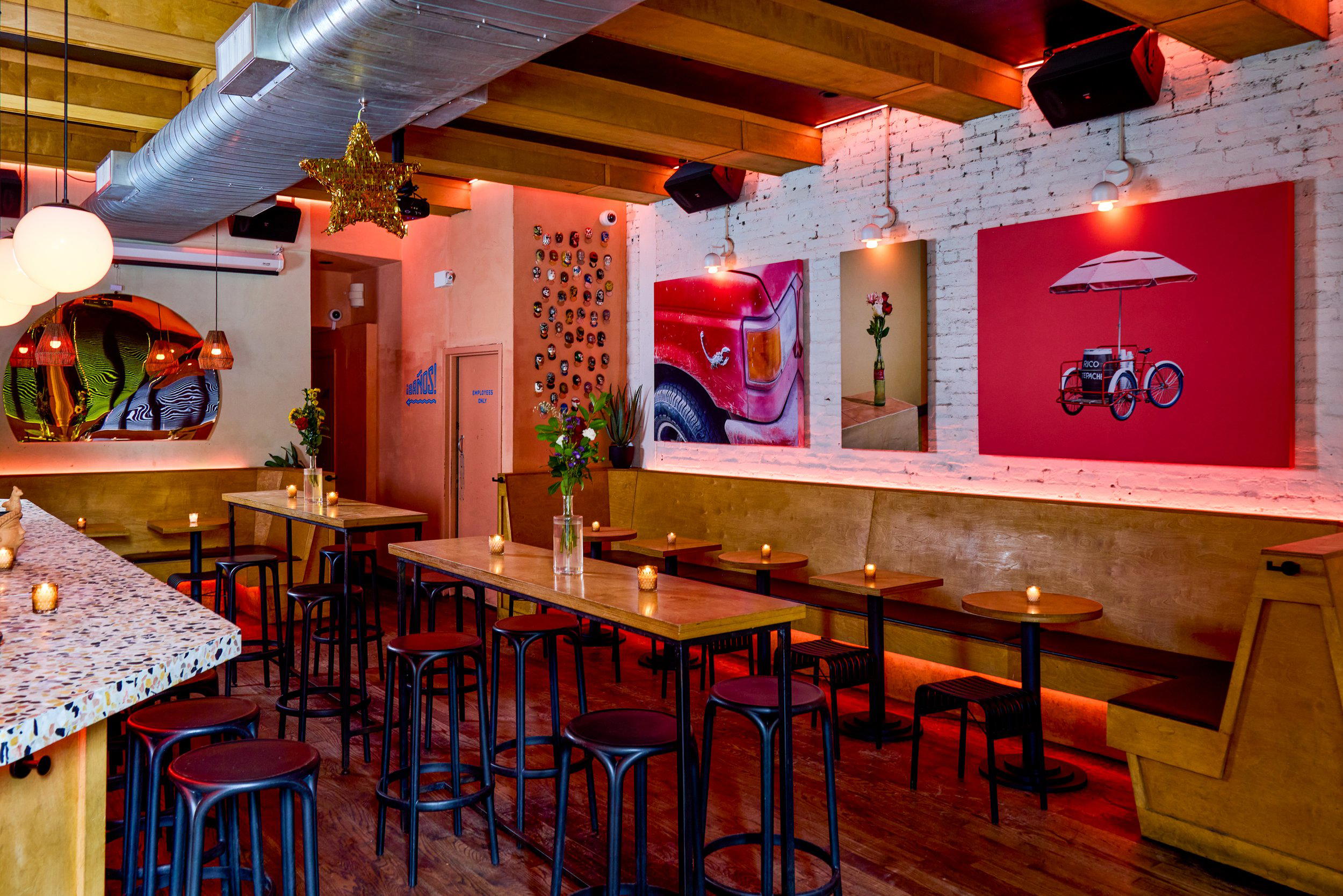
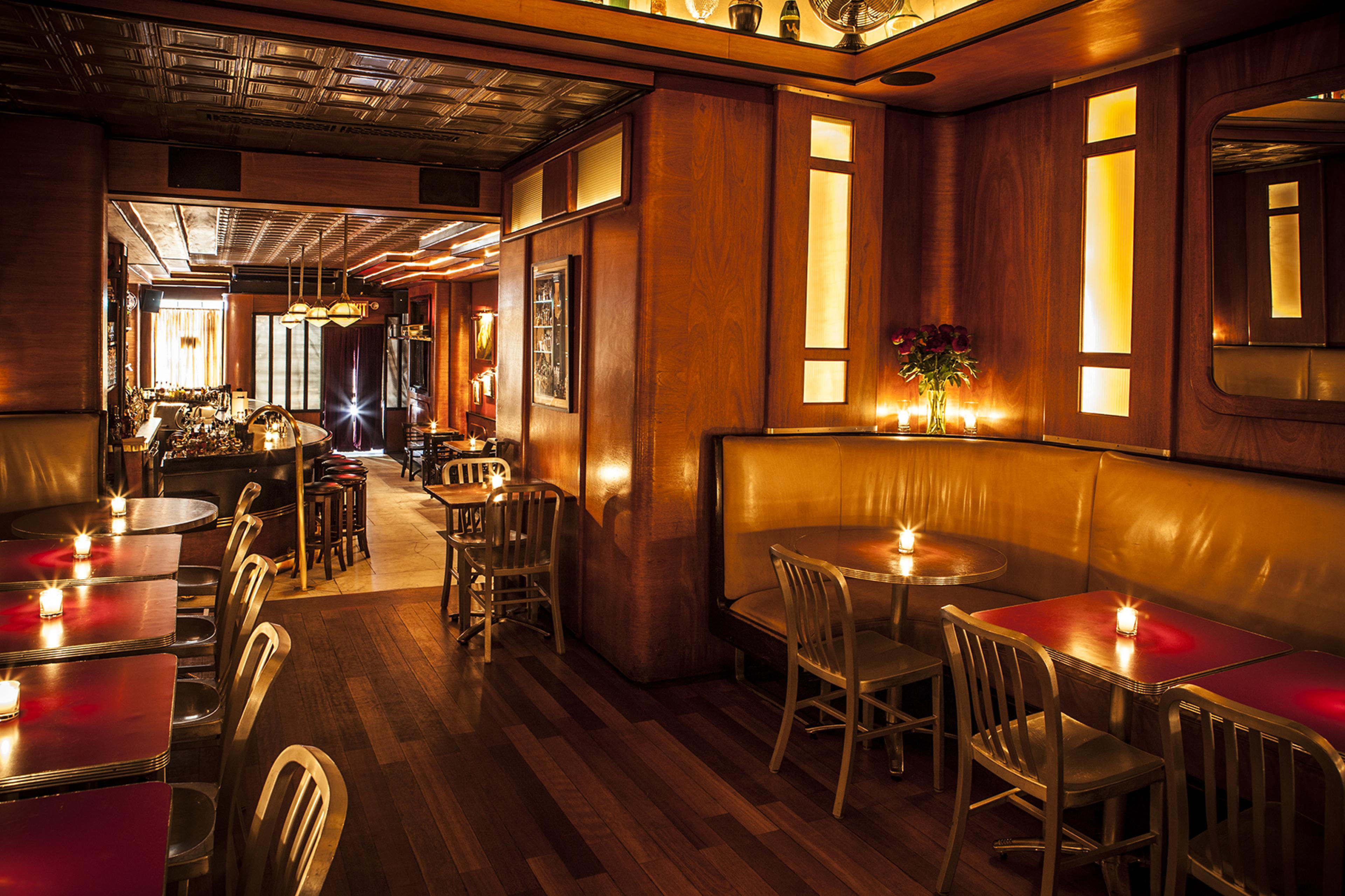
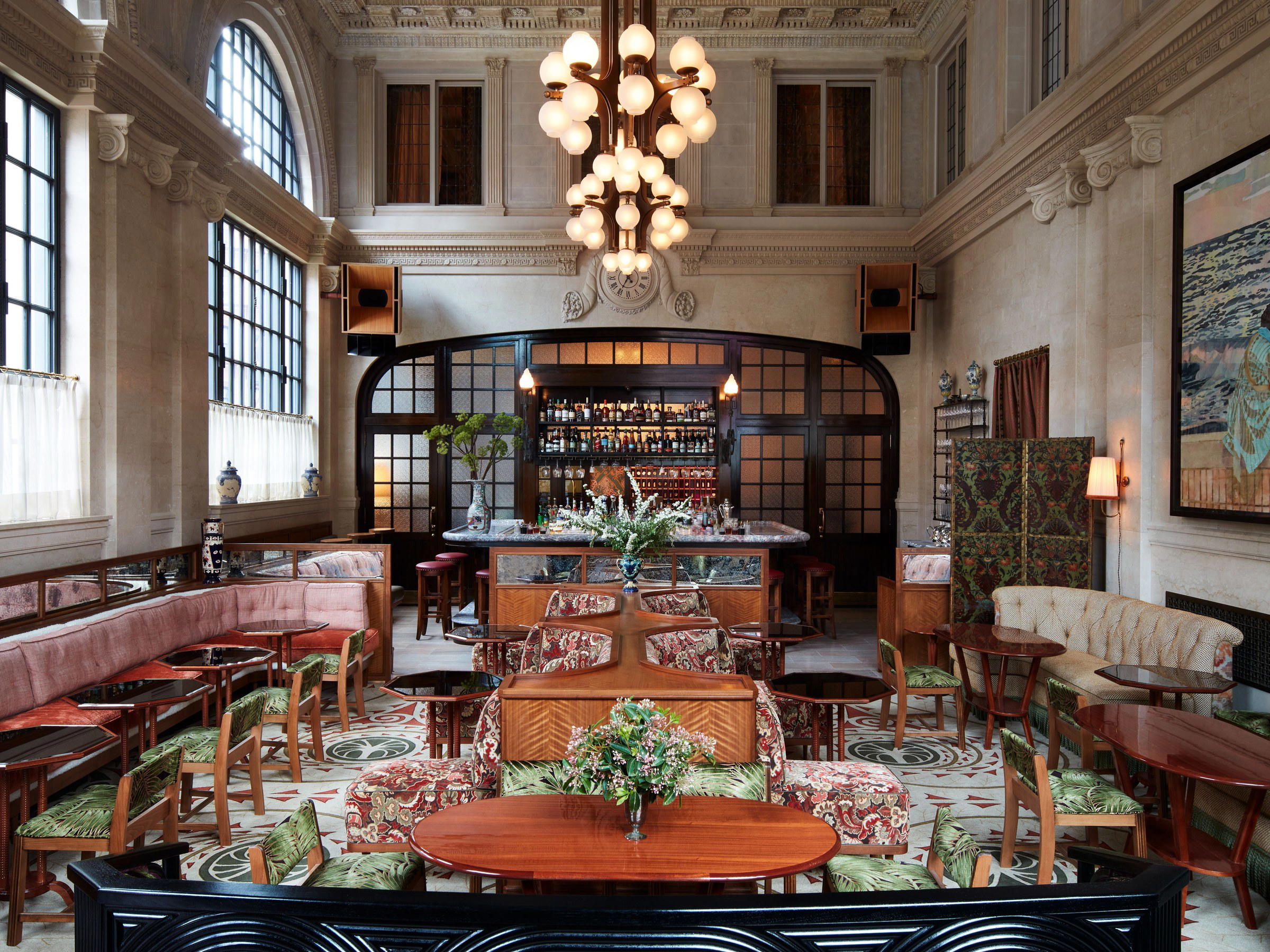
Casual and warm Mexican decor with lively colors, charming intimate atmosphere, lively music, and a welcoming vibe.