Meso Modern Mediterranean
Our verdict
The kitchen works at the intersection of classical technique and California's ingredient calendar, placing it in a category that has grown quietly but steadily across the Bay Area's mid-market dining tier. For San Jose diners tracking where serious Mediterranean cooking is taking root, Meso earns attention.

Pearl is the En Primeur Club membership app, where members save venues, book tables and use the concierge.
The menu
What to order
- Spicy Beet with Laffa
- Hummus with Fried Pita
- Lamb and Beef Kofta
- Grilled Octopus
Mediterranean Cooking in Silicon Valley's Dining Moment
San Jose's dining scene has spent the better part of the last decade catching up to the ambitions of the region's population. The city that houses one of the world's densest concentrations of internationally educated professionals has, somewhat slowly, begun to develop restaurants that reflect those tastes: cooking that draws on Mediterranean, Middle Eastern, and Southern European traditions while working with Northern California's exceptional raw ingredients. It belongs to a category of Bay Area restaurants that takes the Mediterranean pantry as a starting point and applies technique refined in kitchens far removed from California's sun-drenched produce markets.
This intersection of imported culinary grammar and local product is where the most interesting mid-market cooking tends to happen. You see the same logic at work at Single Thread Farm in Healdsburg, which builds Japanese kaiseki structure around Sonoma County's seasonal harvest, and to a lesser degree at Lazy Bear in San Francisco, where American culinary history gets filtered through fine-dining technique. The method differs from venue to venue, but the underlying argument is the same: geography provides ingredients, training provides method, and the two together produce something neither tradition could generate alone.
What the Mediterranean Tradition Brings to California
Modern Mediterranean cooking, as practiced in the United States, borrows from a remarkably wide source set. The cuisine of the Mediterranean basin is not a single tradition but a loose federation of regional approaches that share certain structural commitments: olive oil over butter, acid as a finishing tool, grains and legumes as serious players rather than afterthoughts, and fire or wood as preferred cooking media. When that tradition lands in California, it finds a compatible host. The state's agricultural calendar is among the most generous in the country, and its proximity to Pacific fisheries adds a protein dimension that the eastern Mediterranean rarely gets to engage.
That combination has produced a recognizable California-Mediterranean style over the past two decades, visible at restaurants from Los Angeles to the Bay Area. Providence in Los Angeles works the seafood axis of this tradition with precision. Farther afield, restaurants like Le Bernardin in New York City and Addison in San Diego demonstrate how classical European technique applied to local product consistently produces cooking with both rigor and a sense of place. Meso operates in a less formal register than those venues, but the underlying logic connects them: technique shapes what local abundance can become. Downtown has attracted the most attention and the most capital, with venues like Adega, the city's only Michelin-starred restaurant and one of the few Portuguese fine-dining addresses in the United States, anchoring the upper tier. The mid-range has grown through neighborhoods rather than a single district, with Alma de Amón and Antipastos by DeRose among the addresses building a more varied character street by street. This is the kind of location that tends to succeed when the cooking is consistent enough to generate repeat business from a local radius rather than destination traffic from across the city.
The comparison set at the neighborhood level matters. San Jose's mid-market spans a wide range of cuisines, from the solid Mexican cooking at Luna Mexican Kitchen to the Ethiopian programming at LeYou and the Caribbean directness of Back A Yard Caribbean Grill. Mediterranean cooking sits in a somewhat different competitive position: it appeals to a diner looking for something legible enough to order confidently, but with enough technique and sourcing ambition to reward the attention. Augustine and Alma de Amón operate in adjacent registers in terms of occasion and price expectation. The full character of the city's dining options is mapped in our full San Jose restaurants guide.
Local Ingredients, Global Technique: The Working Method
The phrase "modern Mediterranean" carries real information when a kitchen applies it with discipline. It implies, at minimum, an awareness of the European culinary canon alongside a willingness to work with whatever California's farms and waters provide at a given moment. Restaurants that take this seriously tend to build menus around the season's peak produce rather than fixed year-round lists, using classical Mediterranean technique, whether that is a long braise, a charcoal grill, a slow confit, or a sharp acid reduction, as the vehicle for what is freshest. The result, when it works, is cooking that feels simultaneously rooted and responsive.
This is the tradition that connects what California's leading destination restaurants do to what neighborhood kitchens aspire toward. Blue Hill at Stone Barns in Tarrytown built an entire institutional identity around this logic. The French Laundry in Napa has operated at the intersection of classical French technique and Napa Valley's agricultural calendar for decades. Alinea in Chicago and Atomix in New York City work the same logic through different culinary languages. At the neighborhood level, the question is whether a kitchen has the sourcing relationships and technical confidence to make the approach sing rather than approximate it. Meso's positioning in this tradition places those as the right questions to ask. Given that Mediterranean cooking at this price positioning in San Jose attracts both weeknight regulars and weekend diners looking for something more considered than their usual rotation, arriving with a reservation is the reliable choice, particularly for Friday and Saturday evenings when mid-market restaurants in the Bay Area fill faster than their profiles might suggest. San Jose's dining scene has grown in confidence over the past few years, and venues in the modern Mediterranean category, which sit at an accessible but deliberate price point compared to the fine-dining tier anchored by Adega, have found a steady audience. Checking current hours and availability directly with the venue before arriving is advisable, as operating schedules at independent restaurants in this corridor can shift with the season.
Frequently asked questions
Where is Meso Modern Mediterranean in San Jose?
Meso Modern Mediterranean is located at 3060 Olsen Dr Ste 50, San Jose, CA 95128, San Jose.
How does Meso Modern Mediterranean fit into San Jose's broader dining scene?
San Jose's most credentialed dining address remains Adega in the downtown corridor, the city's only Michelin-starred restaurant, which sets a reference point for the local ambition level. Meso operates in a different register, bringing accessible Mediterranean cooking to the Olsen Drive corridor on the city's West Side rather than competing for tasting-menu territory. For diners working through San Jose's mid-tier options, a modern Mediterranean kitchen in this part of the city fills a gap that downtown has not prioritized.
What should I eat at Meso Modern Mediterranean?
Meso's menu draws from the broad Mediterranean basin tradition, meaning the kitchen likely works across North African, Levantine, and Southern European reference points. Without a published menu on record, the most reliable approach is to ask the server which dishes reflect the kitchen's current focus, particularly anything featuring local California produce interpreted through Mediterranean technique. At this tier of San Jose dining, composed vegetable dishes and protein preparations with grain or legume bases tend to define the cooking style.
Should I book Meso Modern Mediterranean in advance?
San Jose's dining scene has tightened considerably as the city's restaurant options have grown more selective, and venues at the modern Mediterranean positioning on the West Side tend to fill on Thursday through Saturday evenings. Booking ahead, especially for groups of four or more, is the practical move. The Olsen Drive address at Suite 50 suggests a mid-size operation rather than a walk-in counter format, but reservation availability shifts with the season.
Same-City Peers
Comparable venues nearby, for context on price, style, and recognition.
| Venue | Cuisine | Price | Awards | Notes |
|---|---|---|---|---|
| Meso Modern MediterraneanThis venue (the venue you are viewing) | Modern Mediterranean | $30–50 | Not listed | Not listed |
| Eos & Nyx | Mediterranean with California Seasonal Influences | $30–50 | Wine Spectator Award of Excellence | Paseo de San Antonio |
| Chick’n Rice | Thai Street Food - Khao Mun Gai | Not listed | Not listed | North San Jose |
| Sushi Confidential San Jose | Modern Japanese Sushi | $20–30 | Not listed | St. James Park |
| Hunan Taste | Authentic Hunan Chinese | $20–30 | Not listed | Hyde Park |
| Back A Yard Caribbean Grill | Authentic Caribbean Grill | $10–20 | Not listed | Stonegate West |
Continue exploring
More in San Jose
Restaurants in San Jose
All restaurants in San Jose →
Bars in San Jose
All bars in San Jose →

Details
- Modern
- Lively
- Elegant
- Trendy
- Date Night
- Group Dining
- Brunch
- Special Occasion
- Open Kitchen
- Terrace
- Private Dining
- Craft Cocktails
- Street Scene
- A La Carte
- Small Plates
- Vegetarian Friendly
- Vegan Options
Current opening hours
- Monday
- 11:30 AM–9 PM
- Tuesday
- 11:30 AM–9 PM
- Wednesday
- 11:30 AM–9 PM
- Thursday
- 11:30 AM–9 PM
- Friday
- 11:30 AM–9:30 PM
- Saturday
- 11:30 AM–9:30 PM
- Sunday
- 11:30 AM–9 PM
Hours can change for holidays and private events. Hours as of .
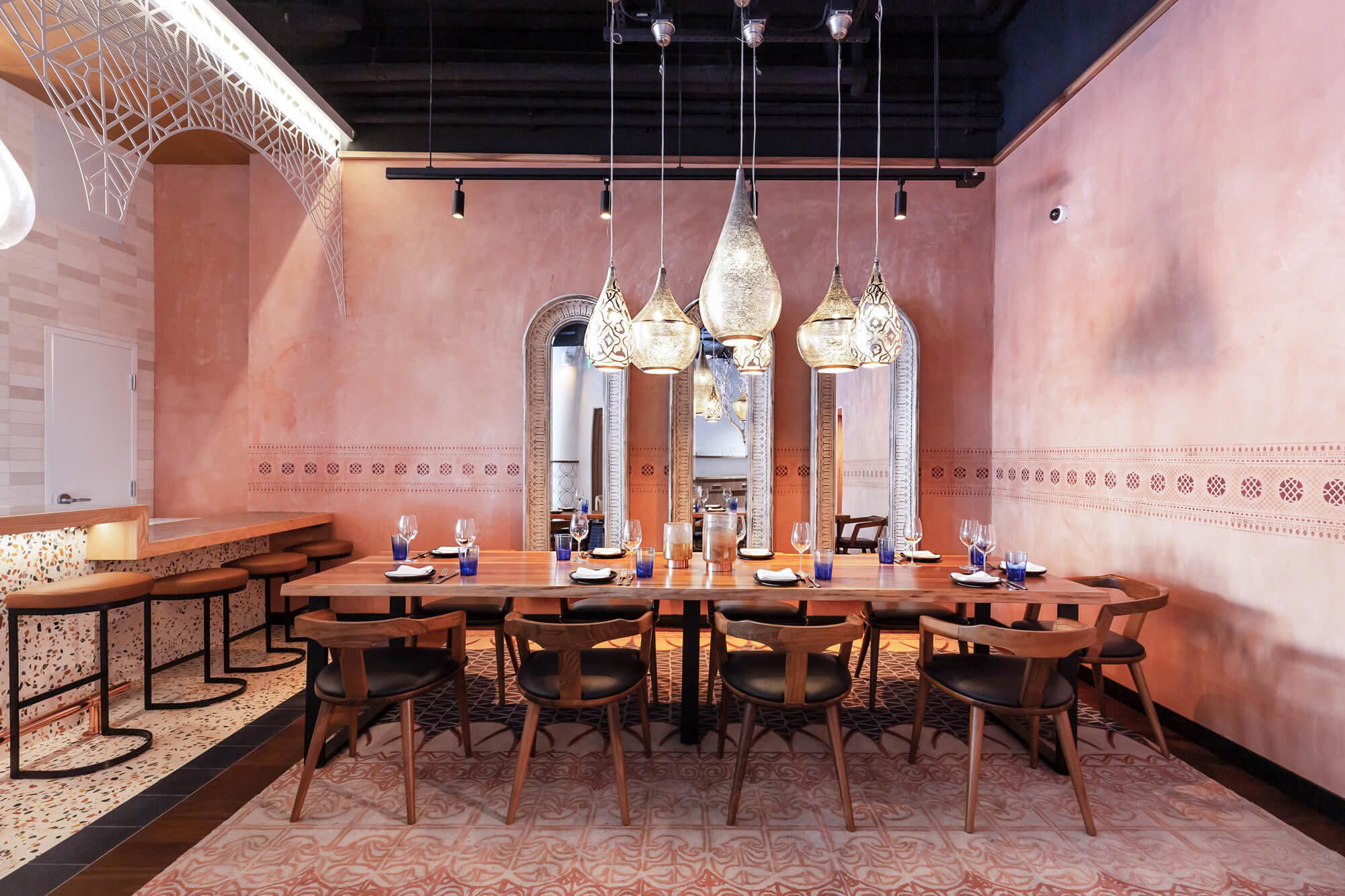
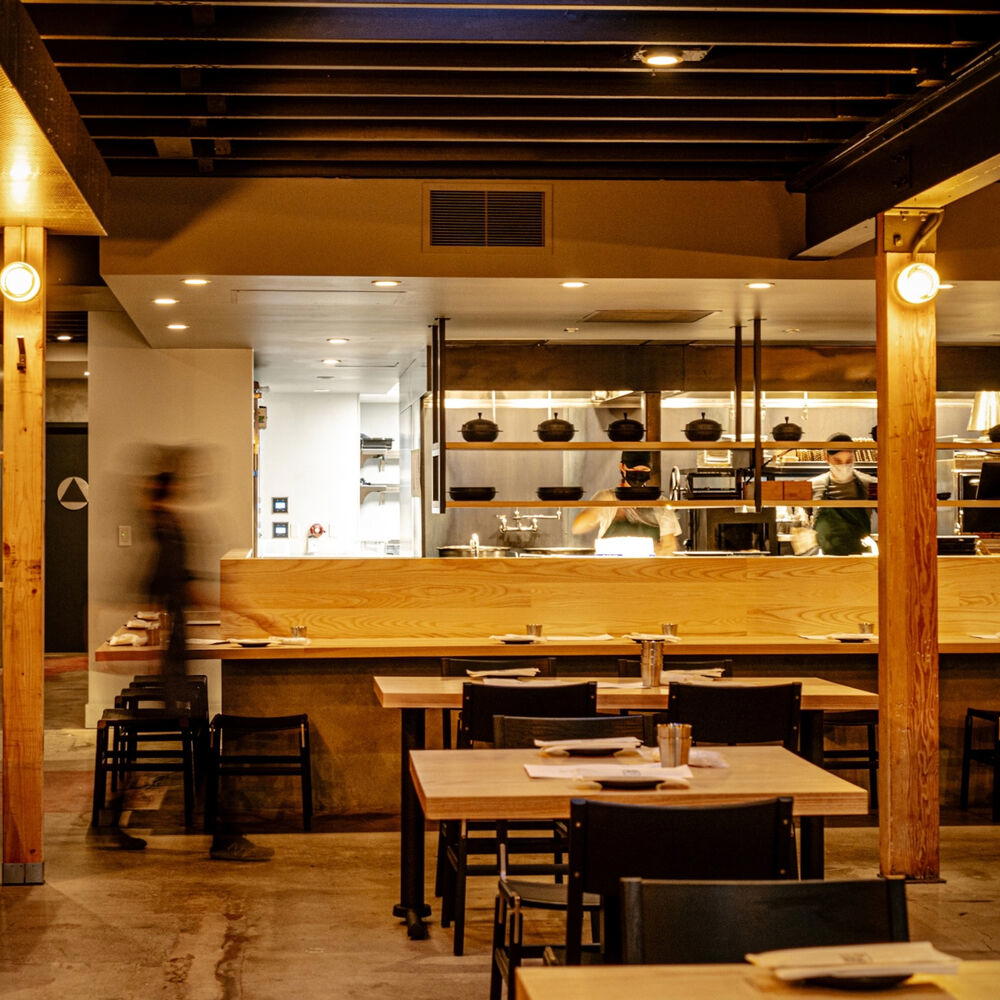
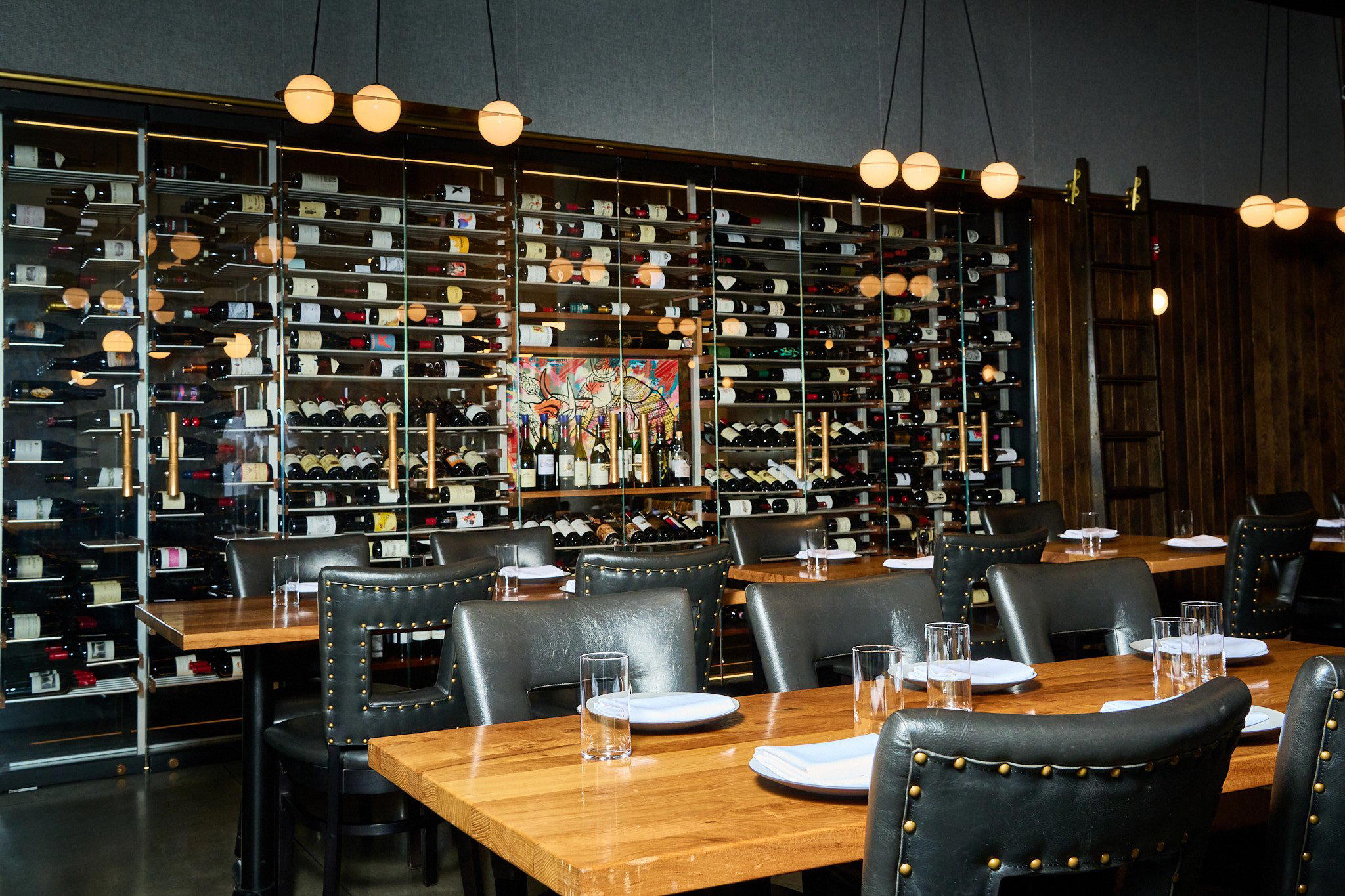
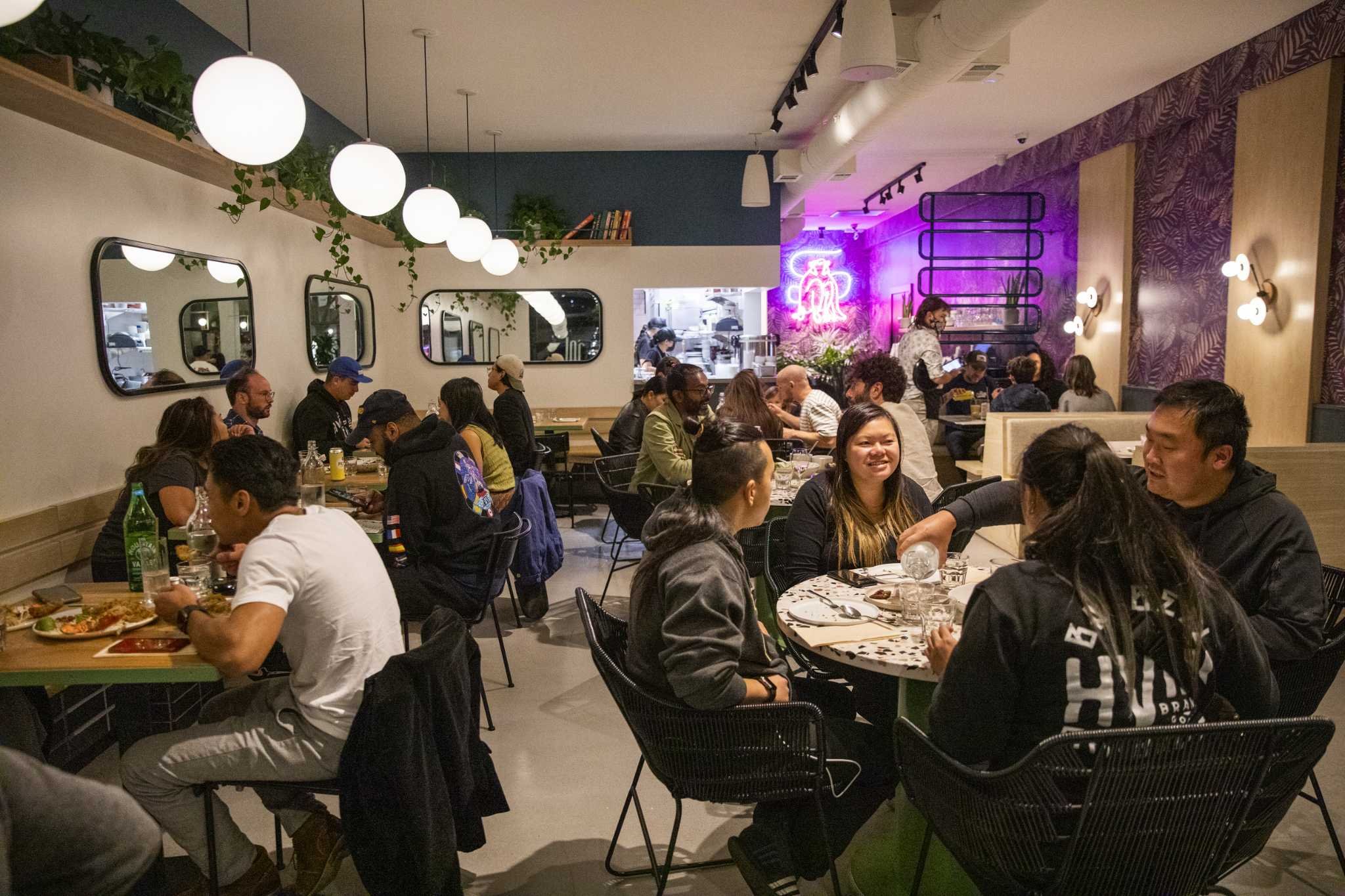
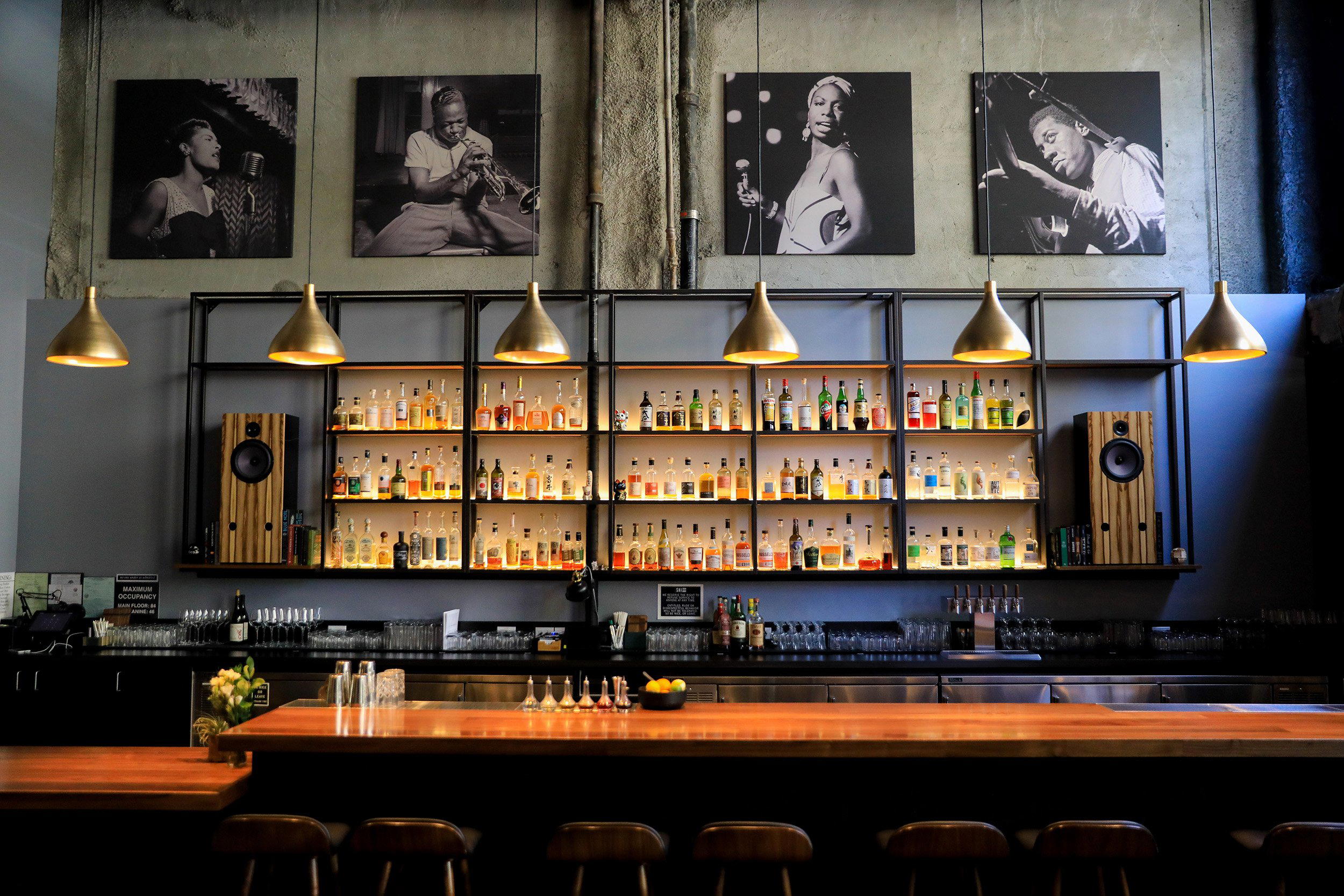
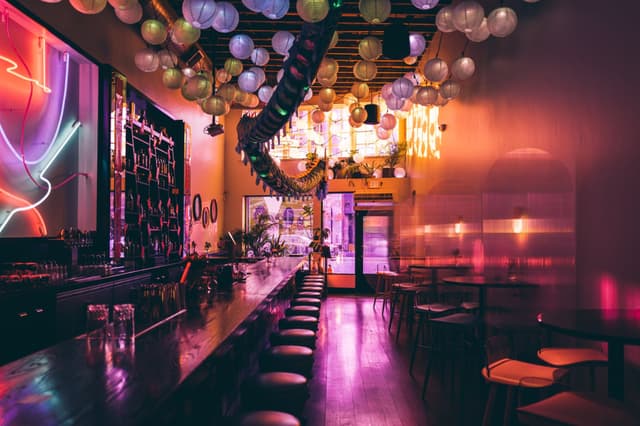
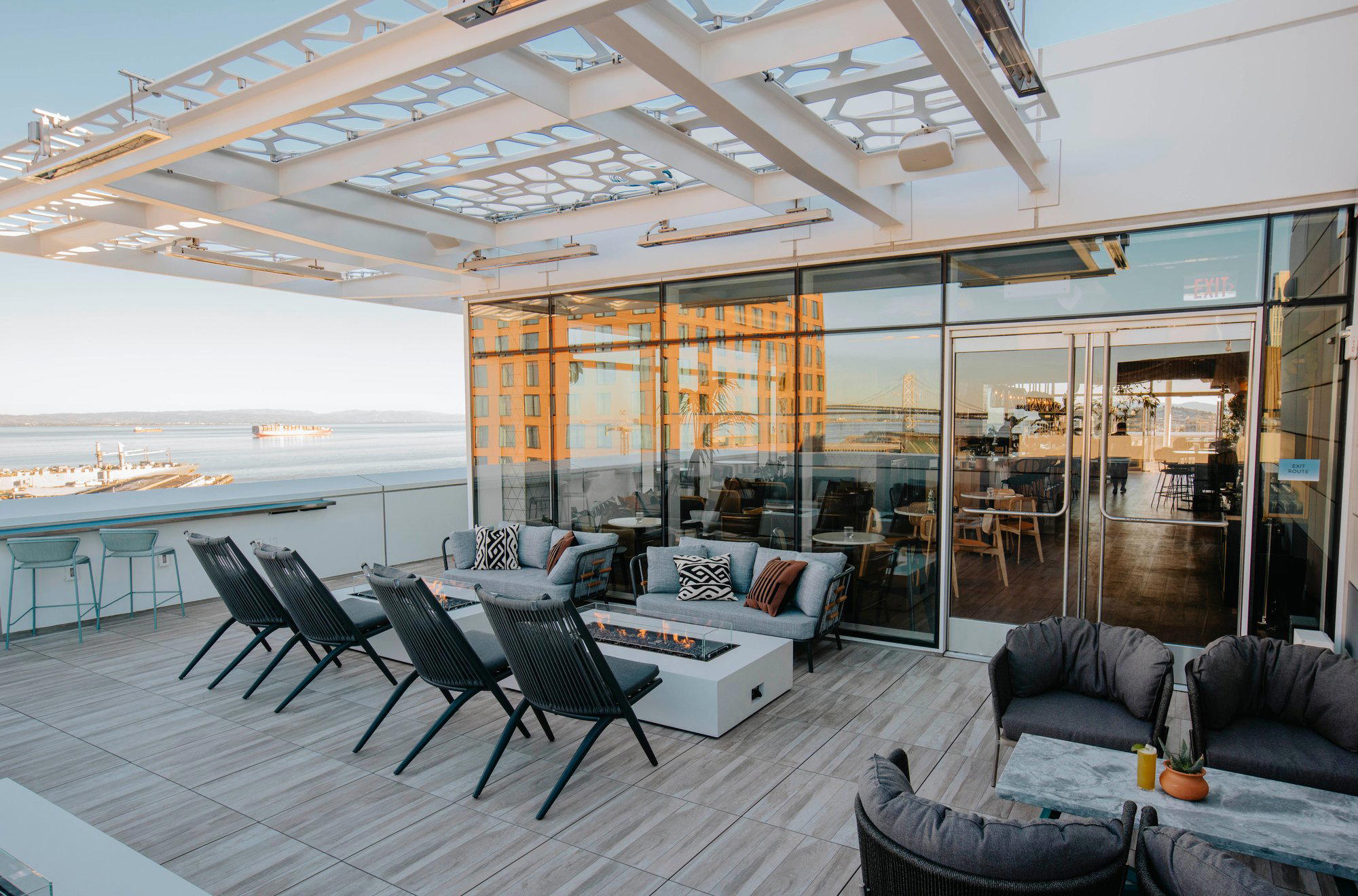
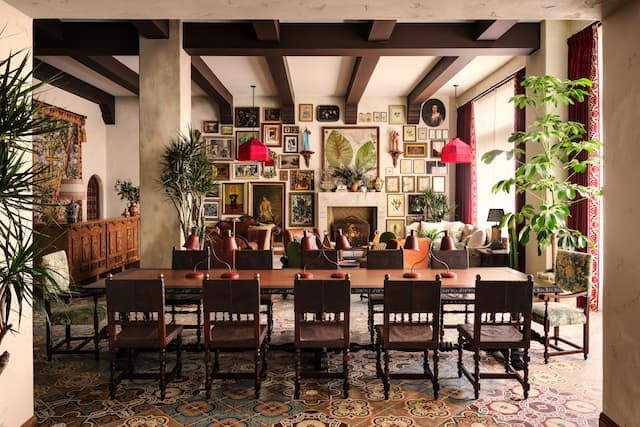
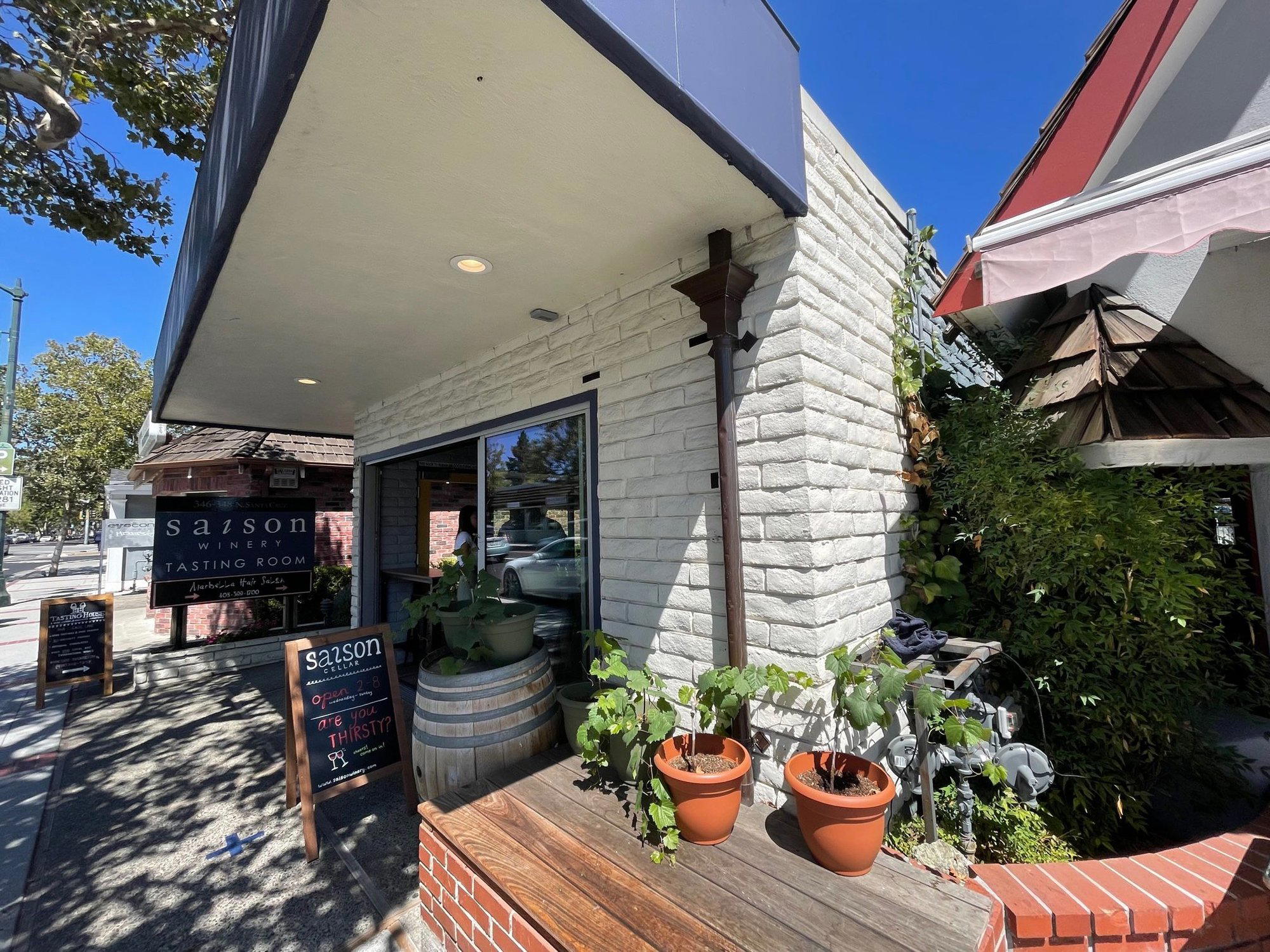
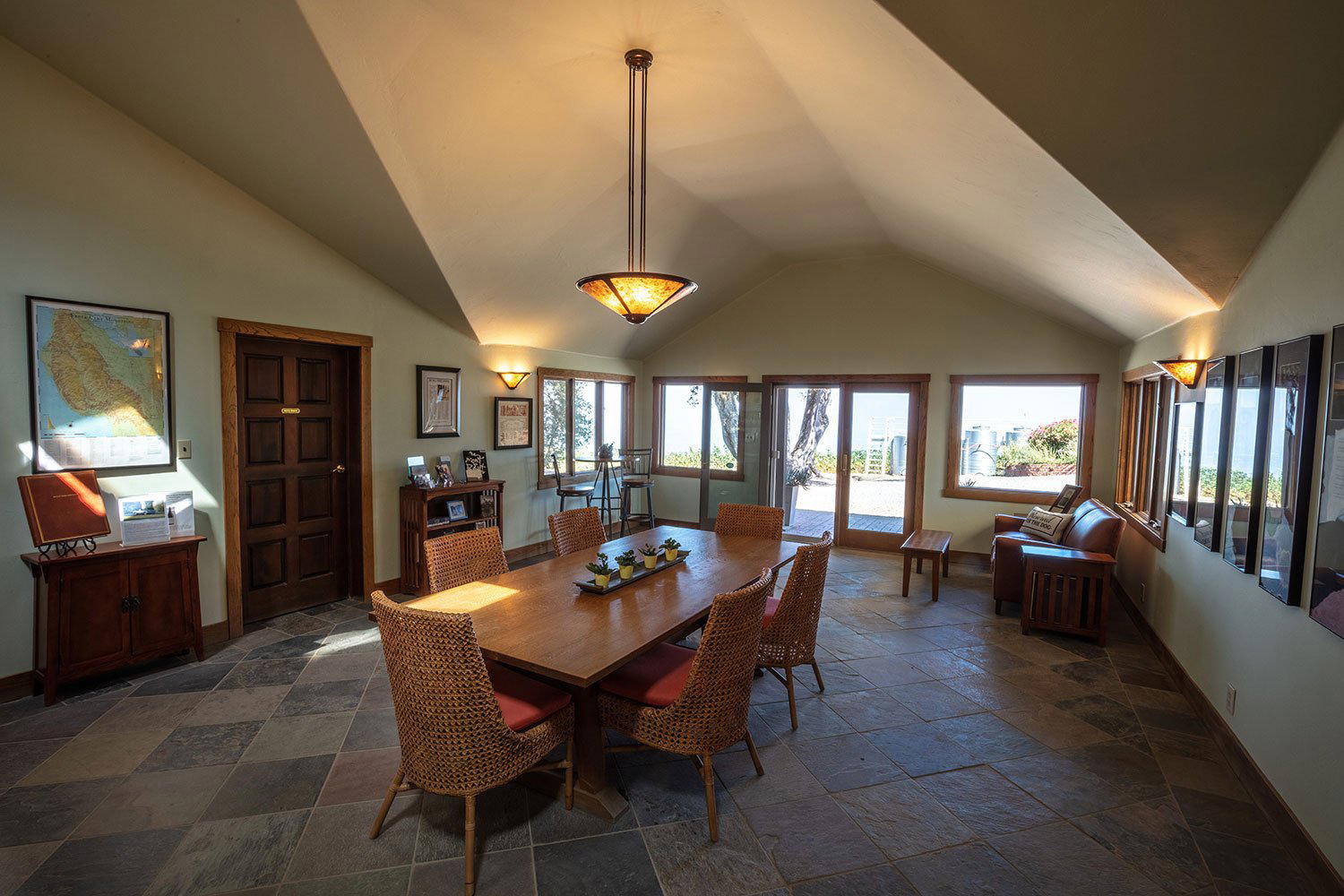
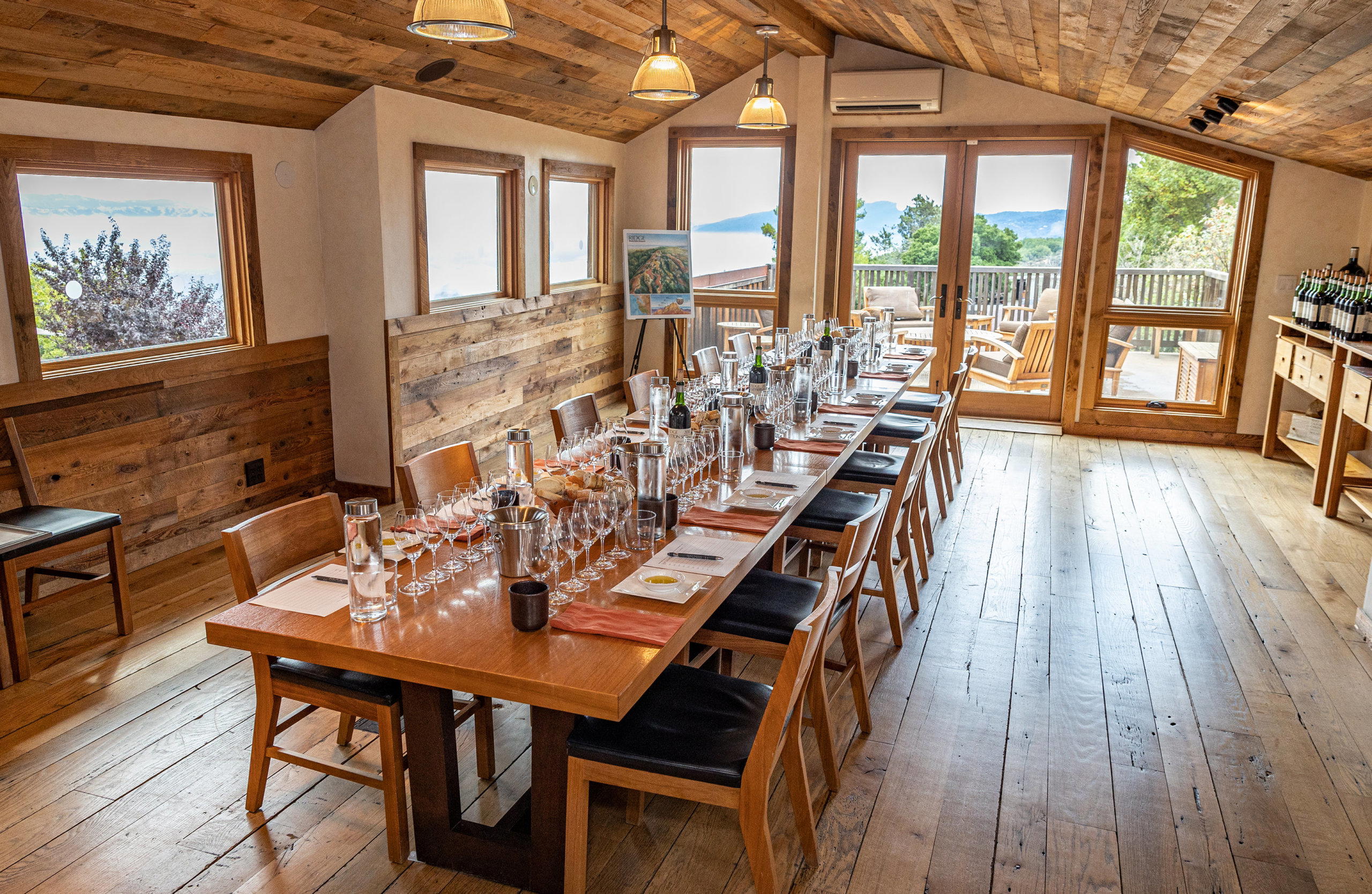
Warm earth tones, natural light, greenery, and contemporary Mediterranean accents with a lively atmosphere that ranges from relaxed daytime to energetic evenings.