
Menza Gin belongs to Osaka’s counter-driven ramen culture: compact, quick, and judged on concentration rather than ceremony. Its Tabelog Ramen OSAKA “Tabelog 100” selections in 2023 and 2025 place it among the city’s more closely watched noodle rooms, with tsukemen, abura-soba, maze-soba, and ramen giving the format more range than a single-bowl specialist.
Pearl is the En Primeur Club membership app — saves, bookings, and concierge access live there. Same editors, same standards.
- Address
- 大阪府堺市堺区北瓦町2-3-23
- Phone
- +81722320044
- Website
- tabelog.com
 Saves & bookings on Pearl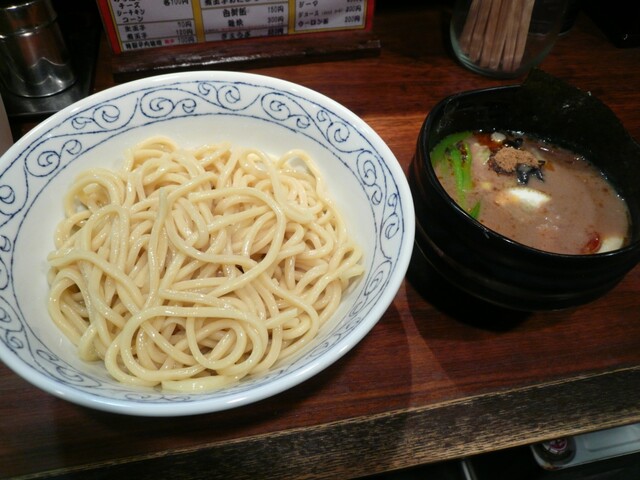
A serious Osaka noodle counter rarely announces itself with theatre. The signal is smaller: an intent line, tickets and bowls, stock and wheat moving through a narrow room, diners who know ramen is judged in minutes. In Sakai, south of central Osaka’s heavier tourist circuits, that compact intensity matters. Osaka’s noodle culture rewards places that compress flavour, speed, and repeatability into a few square metres, and Menza Gin sits in that tradition.
Osaka’s ramen conversation is often overshadowed by its louder street-food identity, but its range is more interesting. A city built on takoyaki, okonomiyaki, kushikatsu, and late-night drinking also has a serious appetite for specialist noodle shops where stripped-back rooms leave the cooking to carry the argument. Tabelog’s Ramen OSAKA “Tabelog 100” selections in 2023 and 2025 give this counter a useful public marker: category-specific recognition in a crowded local field, more useful to travellers than generic popularity because it places the shop inside a ramen-specific benchmark.
A counter built for concentrated noodle eating, not lingering
The format is part of the point. Counter-only ramen rooms make decisions faster, turnover natural, and attention narrow to the bowl, noodles, and service pace. Menza Gin works in that compact register, with 11 counter seats and a menu spanning tsukemen, abura-soba, maze-soba, and ramen. That range matters in Osaka, where many strong shops commit to one lane. Here, dipping noodles and brothless styles sit beside soup ramen, giving noodle texture and sauce concentration as much weight as stock.
Tsukemen occupies a particular place in Japanese ramen culture. Noodles arrive separate from dipping broth, making chew, temperature, and sauce density more visible than in soup. Abura-soba and maze-soba go further, removing the conventional broth frame and asking seasoning, fat, tare, and noodle structure to do the work. Without naming a house specialty that is not publicly listed, the reading is clear: this is for diners who care about noodle format, not just ramen as a broad category.
That separates it from lower-commitment casual stops around Osaka. Compared with Sakai Udon Chihaya, in a similarly inexpensive everyday bracket, this is a ramen-specific address rather than a general noodle comfort stop. Compared with Men Kui Yamachan, another accessible Osaka noodle name, the draw is breadth across dipping, mixed, oil-based, and soup styles. At the other end, Kuku Hanare sits in a far higher spend category, while 99 Pizza Napoletana Gourmet shows Osaka supports specialist craft outside Japanese formats. The useful comparison is not luxury versus casual; it is focus versus breadth, and ramen counters are judged on focus.
Why Sakai changes the reading of an Osaka ramen meal
Sakai is not Namba or Umeda, and that changes expectations. Central Osaka dining competes with shopping, nightlife, and visitor density. Sakai’s appeal is more local in tempo: station-adjacent meals, fewer destination-dining theatrics, and regular use. Menza Gin’s location near Sakaihigashi Station places it in that practical urban pattern, where a shop can be serious without feeling ceremonial.
That neighbourhood context matters for premium travellers because not every worthwhile meal needs to be expensive. Osaka is unusually good at putting high-skill eating inside modest formats. Ginshari en lives in an approachable spend band but speaks to rice as a central Japanese pleasure; 551 Horai, covered in EP Club’s Osaka dining pages as 551 Horai (551蓬莱), represents another city staple, built around speed, takeaway culture, and recognisable local habit. Ramen sits between those poles: faster than a composed restaurant meal, more technique-driven than a snack, and often more revealing of local taste than a hotel concierge recommendation.
The sensory experience should be read through restraint rather than decoration. Counter seating reduces the room to eating mechanics: steam, chopsticks, bowls, noodles lifted, the brief pause before the next seat turns. That is not lesser dining. In Japan, small ramen counters often deliver a sharper sense of place than restaurants with longer menus, because everything depends on a narrow set of variables: noodle texture, broth or sauce balance, timing, and temperature. The absence of ceremony is part of the discipline.
Tabelog’s category recognition also says something useful about Osaka’s ramen field. The city lacks a single dominant ramen identity in the way Sapporo suggests miso or Hakata tonkotsu. Osaka absorbs styles, adapts them, and lets neighbourhood demand sort serious rooms from merely convenient ones. Selection for the Ramen OSAKA “Tabelog 100” in two listed years clears a local credibility threshold, especially in a category where diners return often and judge consistency hard.
How to place it within a broader Osaka itinerary
For a food-led Osaka trip, this works as a counterweight to longer meals. Pairing focused ramen with bakeries, cafés, bars, and regional Japanese dining gives the city more texture than a parade of reservations. EP Club’s Osaka coverage makes that range visible: .cafe and 52CHO-ME BAKERY point toward the daytime rhythm, while a canto (Italian) shows how imported formats settle into local dining habits. For the wider map, use Our full Osaka restaurants guide, then build around neighbourhood movement rather than chasing one prestige meal.
The case for the restaurant is not that it replaces Osaka’s famous foods. It gives the city’s quieter noodle culture a defined stop: compact, category-recognised, and serious about multiple ramen-adjacent formats. Travellers who understand Japanese dining as a spectrum, from counter ramen to tasting-menu restaurants, will read it correctly. It is a short meal with a long afterimage because the format leaves little room for distraction.
For broader planning beyond restaurants, EP Club’s city pages cover Our full Osaka hotels guide, Our full Osaka bars guide, Our full Osaka wineries guide, and Our full Osaka experiences guide. Readers comparing Japanese dining styles across cities may also find useful contrasts in -Grilled beef Sukiyaki- KAMAKURA TANUKIAN 鎌倉 たぬき庵 in Kamakura. 鮪と炭火焼き うお炭 秋葉原店 in Tokyo.know in Kumamoto, (Shoku) Vietnam in Kawasaki, [Curry Senmon Ten] Maruyama Kyoju. in Sapporo, [ki:] in Kyoto, Jōdo Saké Bar in Los Angeles, and Onigiri Time in Pasadena.
Comparable Spots, Quickly
Comparable venues at similar price and category levels.
| Venue | Cuisine | Price | Notes |
|---|---|---|---|
| Menza GinThis venue — the venue you are viewing | Ramen & Tsukemen Shop | $ | Not listed |
| Ginshari en | Japanese self-service rice cafeteria | $ | Sakai |
| New Tonsuke | Yoshoku Japanese-style Western diner specializing in tonkatsu and hamburger steak | $ | Suminoe |
| Okonomiyaki Chitose | Traditional Osaka okonomiyaki | $ | Nishinari |
| Yuai Tei | Traditional soy sauce ramen shop | $ | Naniwa |
| Daikoku | Traditional Osaka cafeteria (teishoku & obanzai) | $ | Chūō |
Recognition history
Dated appearances from independent guides and award organizations, with the underlying list record or original source where available.
Tabelog 100 #84 · No. 84
Tabelog · Tabelog 100 - Ramen - OSAKA - 2025
Continue exploring
More in Osaka
Restaurants in Osaka
Browse all →




Bars in Osaka
Browse all →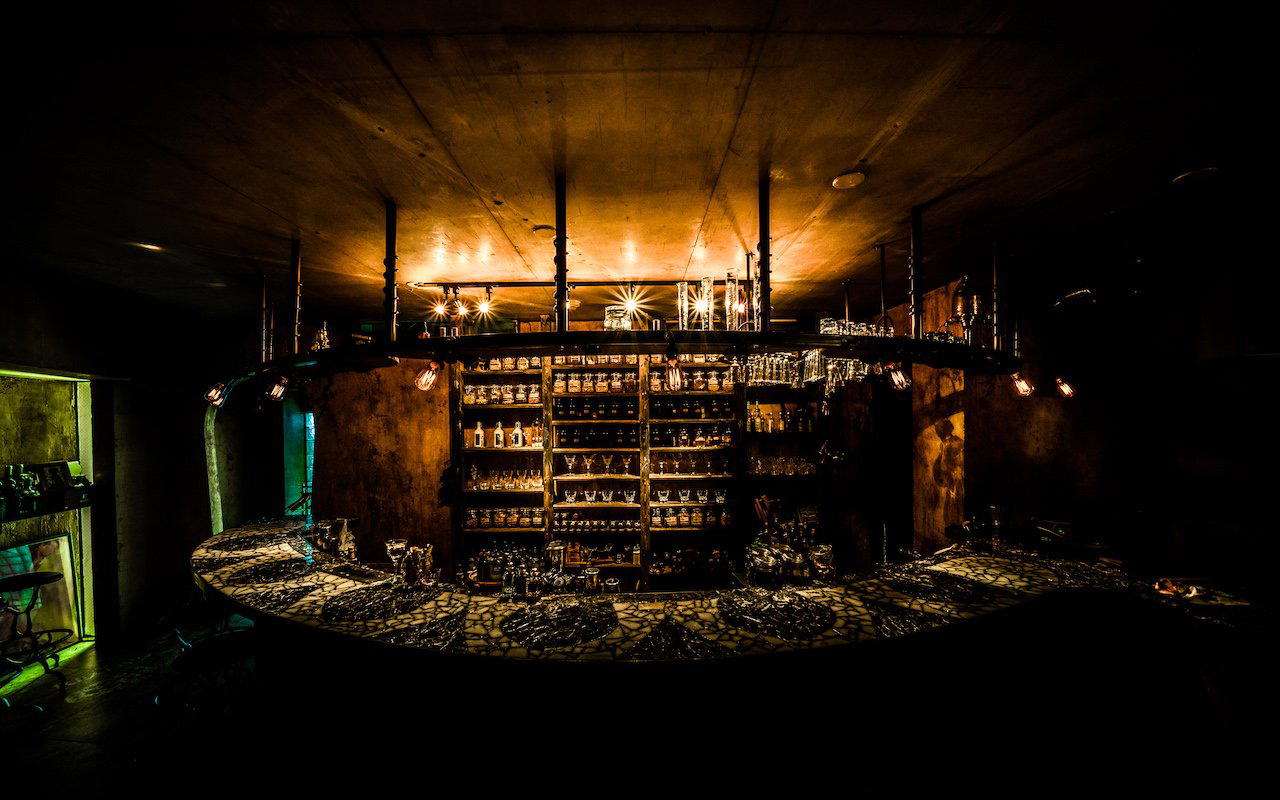
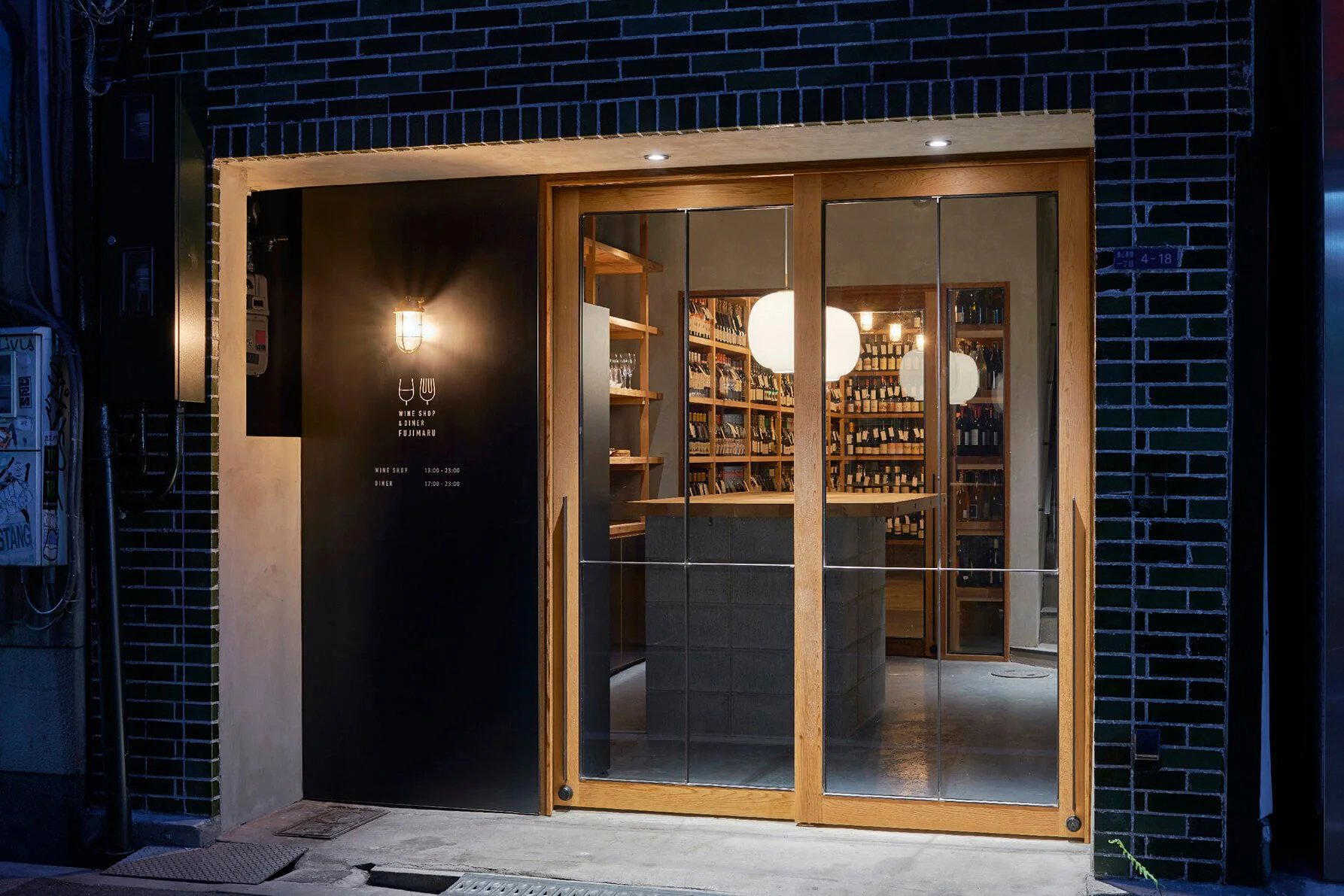


Hotels in Osaka
Browse all →




Wineries in Osaka
Browse all →
At a Glance
- Lively
- Cozy
- Solo
- Family
- Casual Hangout
- After Work
- Late Night
- Standalone
A compact, counter-only ramen shop with an energetic, casual atmosphere; the space feels like a cozy neighborhood hideout, focused on quick, solo or small-group meals rather than lingering dining.