
Yuai Tei sits in Osaka’s Nipponbashi ramen orbit, where small rooms, counter pacing, and quick-turn lunch culture define the meal as much as the bowl. Its Tabelog Ramen OSAKA “Tabelog 100” selections in 2023, 2024, and 2025 put it in a recognized local bracket rather than a casual convenience category.
Pearl is the En Primeur Club membership app — saves, bookings, and concierge access live there. Same editors, same standards.
- Address
- Asahi Travel Building, 4 Chome-12-1 Nipponbashi, Naniwa Ward, Osaka, 556-0005, Japan
- Phone
- +81 6-6626-9871
- Website
- twitter.com
 Saves & bookings on Pearl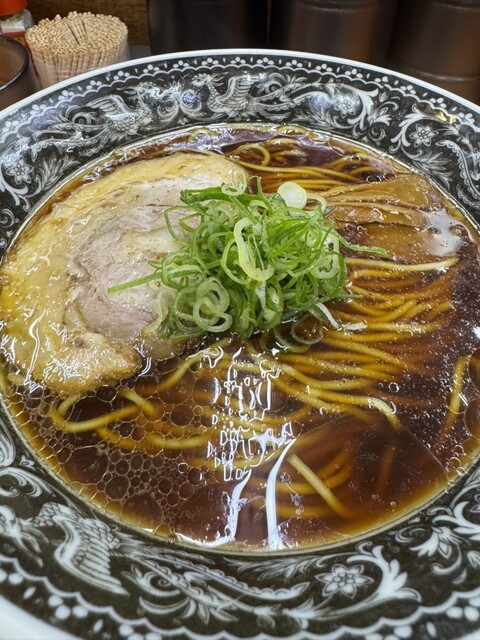
Nipponbashi changes register fast: electronics shops, anime retail, side-street lunch counters, and the southward pull toward Shinsekai compress into a few blocks. Here, ramen is not a long ritual but a timed decision: read the room before the menu, note the counter seats, compact floor, and line moving because everyone knows the rhythm. Yuai Tei fits that Osaka mode, shaped by pace, proximity, and small-shop discipline rather than ceremony.
Osaka ramen has a quieter public personality than the city’s exported icons. Takoyaki and okonomiyaki carry the civic image; ramen competes through repeat local use, queue tolerance, and guide recognition. Selection for Tabelog Ramen OSAKA “Tabelog 100” in 2023, 2024, and 2025 gives Yuai Tei a meaningful signal, placing it among ramen addresses with pull beyond nearby office workers or passing shoppers while keeping the meal within everyday bowl-based lunch logic.
Nipponbashi ramen works on timing, not theatre
The room explains the meal. A 15-seat setup, with counter seating and two tables for four, feels closer to a working lunch counter than a destination dining room. In Osaka, where strong casual addresses often prize turnover and focus over lingering, that matters. The counter is not decorative; it is the functional centre, concentrating service, kitchen visibility, and diner attention into a narrow band.
Reservation policy carries editorial weight in ramen. When a small shop does not take reservations, planning shifts from securing a table to choosing a sensible window and accepting the queue as part of the format. The diner reads the day, arrives with a narrow agenda, eats with purpose, and frees the seat. In a city where high-end counters can turn access into theatre, this ramen access remains refreshingly direct.
The Ebisucho end of Nipponbashi suits that style: central enough for visitors, less polished than the hotel-and-department-store circuits around Umeda and Namba. Its strength is the mix of specialist food stops, hobbyist retail, late-morning foot traffic, and small restaurants that do not explain themselves at the door. For a wider city map, Our full Osaka restaurants guide is the natural companion, alongside Our full Osaka hotels guide, Our full Osaka bars guide, Our full Osaka wineries guide, and Our full Osaka experiences guide.
A recognized bowl in a city of low-cost specialists
The useful comparison is not with Osaka’s fine-dining rooms, but with other low-cost specializations. Curry Ya Madras, NOMSON CURRY, and Ippotei Honten sit in a lower budget band, while aglio olio occupies a similar everyday spend to Yuai Tei. The decision is not about expense, but which focused meal the traveller wants in the day. Osaka rewards diners who treat casual categories as seriously as tasting menus.
Tabelog’s ramen recognition reflects a Japanese casual-dining logic distinct from international award culture. Michelin and global lists often privilege destination restaurants; Tabelog category lists capture repetition, rating density, and genre fluency. A ramen shop selected across consecutive years earns attention because it has held place inside a crowded, habit-driven category, a stronger signal than a passing viral queue.
The restaurant’s category is listed simply as ramen, which is more useful than forcing a sub-style when no formal specialty is stated. The safer reading is structural: a small, locally recognized ramen room in a neighbourhood where efficient solo dining and quick group meals both make sense.
Visitors often misread Osaka here. Casual restaurants are not second-tier alternatives to formal dining; they are the main argument. A compact ramen counter can express the city’s appetite for specialization as clearly as a longer meal elsewhere. The point is not to stretch the visit, photograph every angle, or make a bowl an event. The point is that Osaka food culture often performs at full strength in short formats.
How to place it in an Osaka eating day
The strongest use case is a planned casual meal around Nipponbashi, especially when moving between Namba, Den Den Town, and the Ebisucho side. Solo diners fit cleanly; small groups should value flexibility over a fixed social meal. Private rooms and private use are not part of the proposition, keeping expectations aligned: counter-led ramen, not a business lunch room.
Payment flexibility is broader than many visitors expect from a compact ramen address, with credit cards, transport IC cards, selected electronic money, and QR payments listed. Non-smoking status matters in older casual dining districts, where policies vary. Parking is not offered, though nearby coin parking fits the urban pattern. Better to arrive on foot or by rail and keep the meal embedded in a Nipponbashi walk rather than make it a car-based errand.
For a broader Kansai and Japan dining file, compare formats rather than cuisines alone. Osaka’s casual range might place the restaurant beside.cafe, 52CHO-ME BAKERY, 551 Horai (551蓬莱), 99 Pizza Napoletana Gourmet, and a canto (Italian), not because they serve similar food, but because they map how the city moves between snack, counter, bakery, and specialist restaurant. Beyond Osaka, the same lens helps with -Grilled beef Sukiyaki- KAMAKURA TANUKIAN 鎌倉 たぬき庵 in Kamakura. 鮪と炭火焼き うお炭 秋葉原店 in Tokyo.know in Kumamoto, (Shoku) Vietnam in Kawasaki, [Curry Senmon Ten] Maruyama Kyoju. in Sapporo, [ki:] in Kyoto, Jōdo Saké Bar in Los Angeles, and Onigiri Time in Pasadena.
The editorial case for the restaurant is precise: a compact Nipponbashi ramen shop with repeated Tabelog 100 recognition, counter-led format, and access model that rewards timing rather than advance planning. It is a concise Osaka meal, and that concision is the point.
Category Peers
Comparable venues to anchor price and recognition.
| Venue | Cuisine | Price | Notes |
|---|---|---|---|
| Yuai TeiThis venue — the venue you are viewing | Traditional soy sauce ramen shop | $ | Not listed |
| Curry Rice | Japanese Curry House | $ | Chūō |
| Spice curry 43 | Osaka-style spice curry | $ | Nishi |
| Ghar | Japanese curry house | $ | Nishi |
| Udon Yukino | Osaka Udon & Curry Udon Shop | $ | Higashisumiyoshi |
| Sanuki Udon Imayuki | Traditional Sanuki Udon | $ | Kita |
Recognition history
Dated appearances from independent guides and award organizations, with the underlying list record or original source where available.
Tabelog 100 #82 · No. 82
Tabelog · Tabelog 100 - Ramen - OSAKA - 2025
Continue exploring
More in Osaka
Restaurants in Osaka
Browse all →




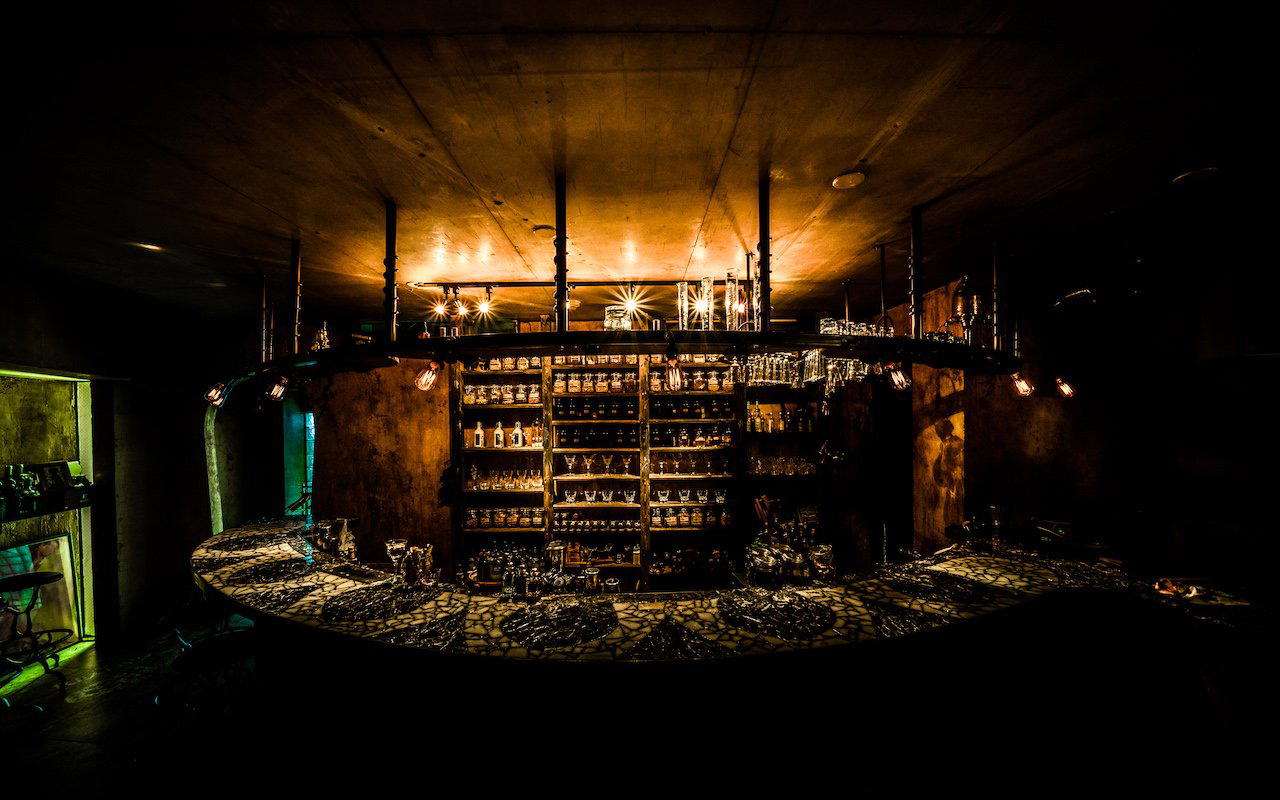
Bars in Osaka
Browse all →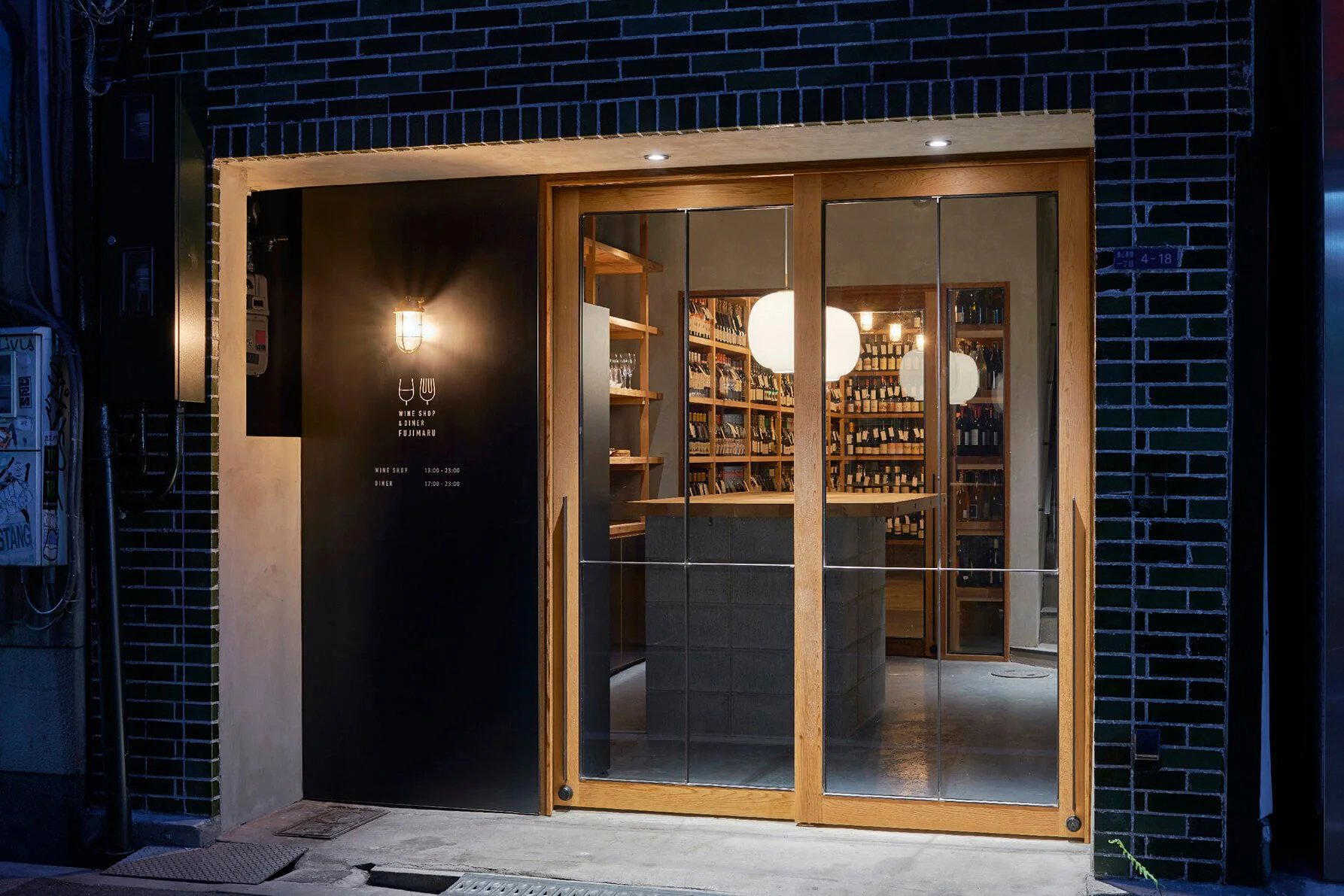


Hotels in Osaka
Browse all →



Wineries in Osaka
Browse all →
At a Glance
- Classic
- Cozy
- Solo
- Casual Hangout
- After Work
- Standalone
- Street Scene
Current opening hours
- Monday
- Closed
- Tuesday
- 11 AM–5 PM
- Wednesday
- 11 AM–5 PM
- Thursday
- 11 AM–5 PM
- Friday
- 11 AM–5 PM
- Saturday
- 11 AM–5 PM
- Sunday
- 11 AM–5 PM
Hours can change for holidays and private events. Last verified .
Small, non-smoking neighborhood ramen shop with counter seating and a couple of tables, casual and lively but still cozy, focused on the ramen rather than decor.